Real Estate in Germantown
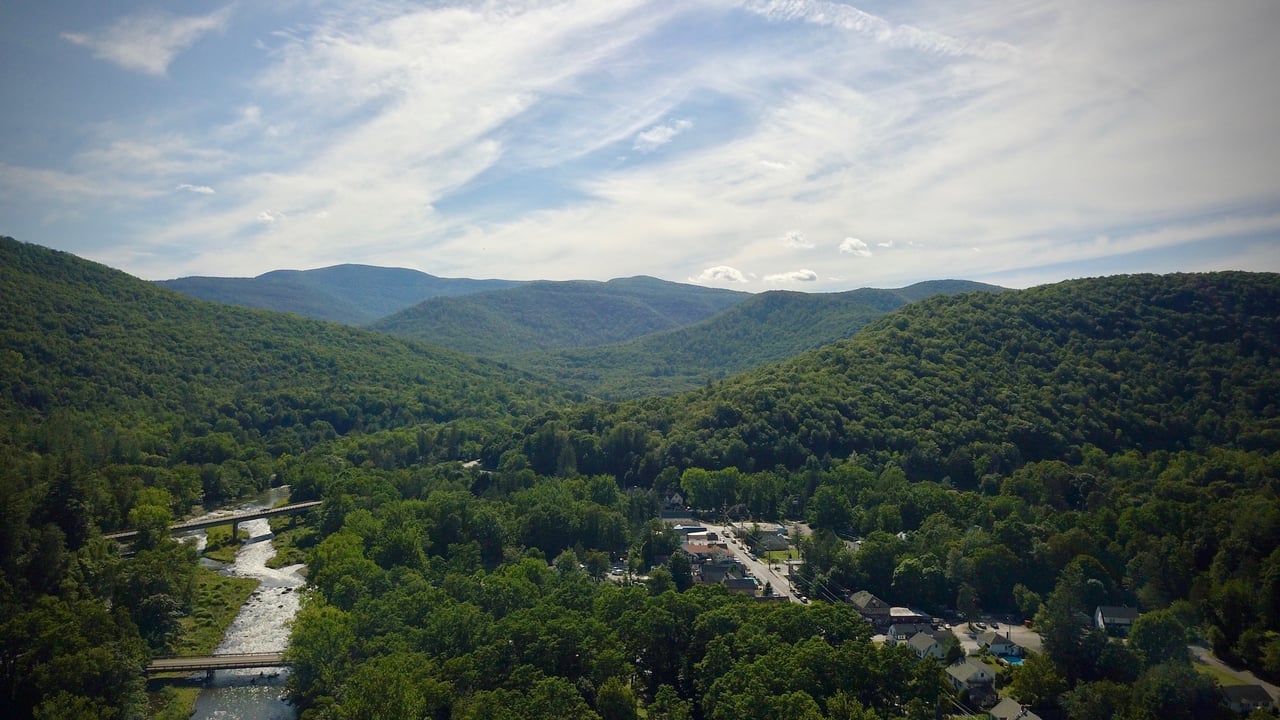
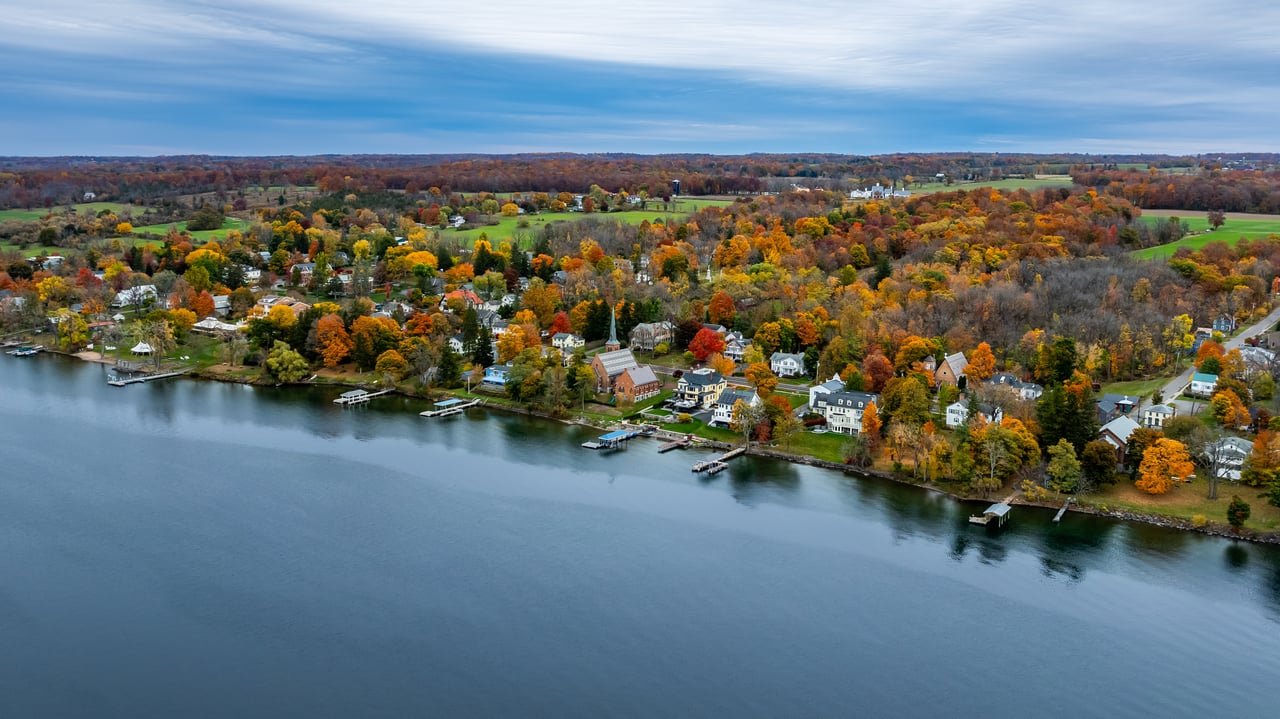
Hudson River estates and working farmland in Columbia County
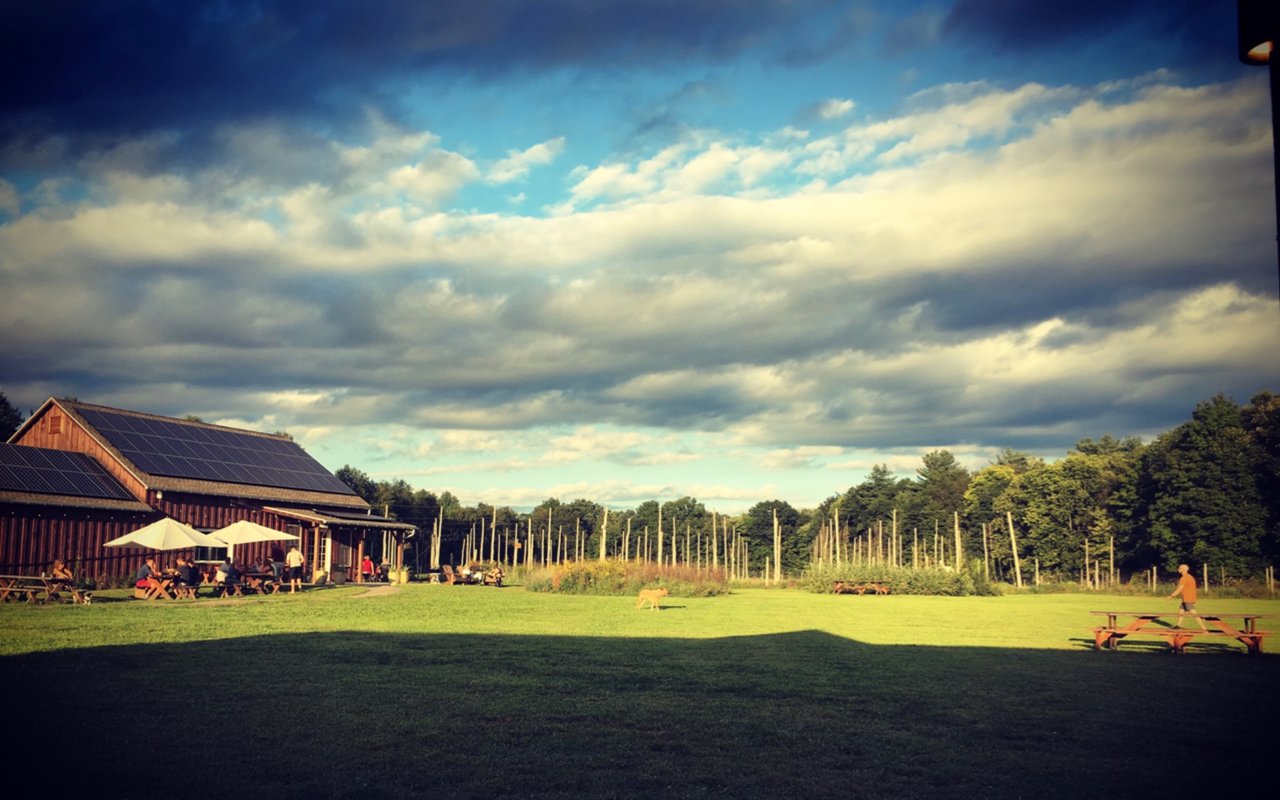
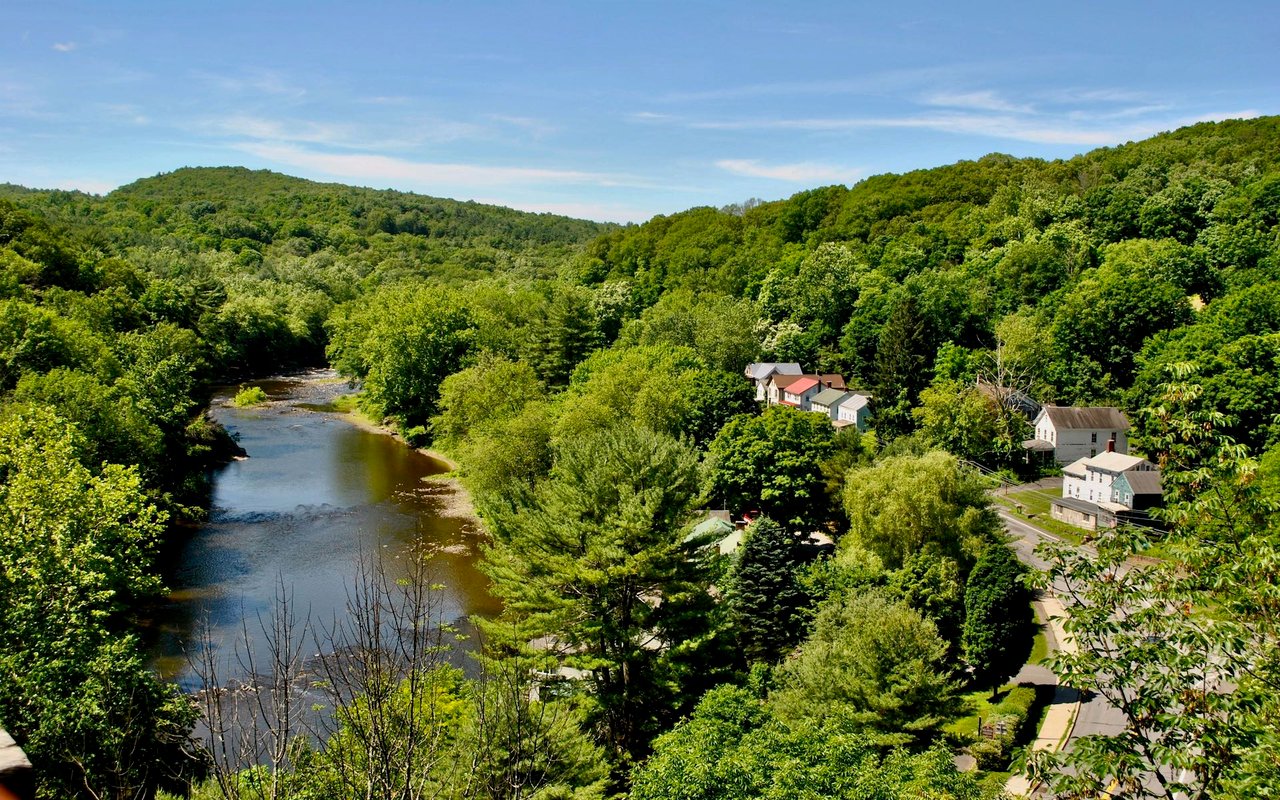
Germantown real estate draws buyers who want genuine Hudson Valley character without the crowds of better-known towns to the south. Situated on the east bank of the Hudson River in Columbia County, Germantown is a small town of roughly 2,000 residents that has evolved from a purely agricultural community into a quiet destination with a growing food scene, significant historic resources, and easy access to both nature and culture. Long-rooted local families and NYC transplants share the same roads, farm stands, and school district.
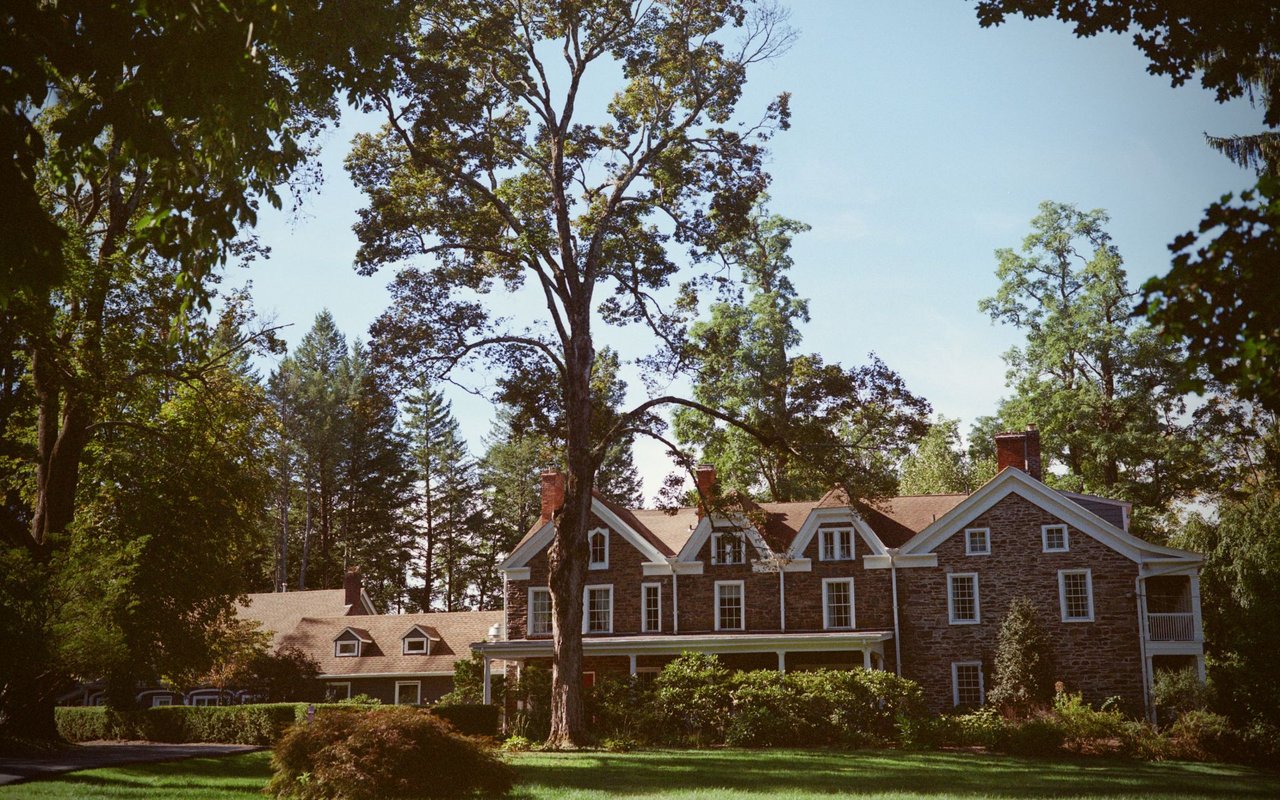
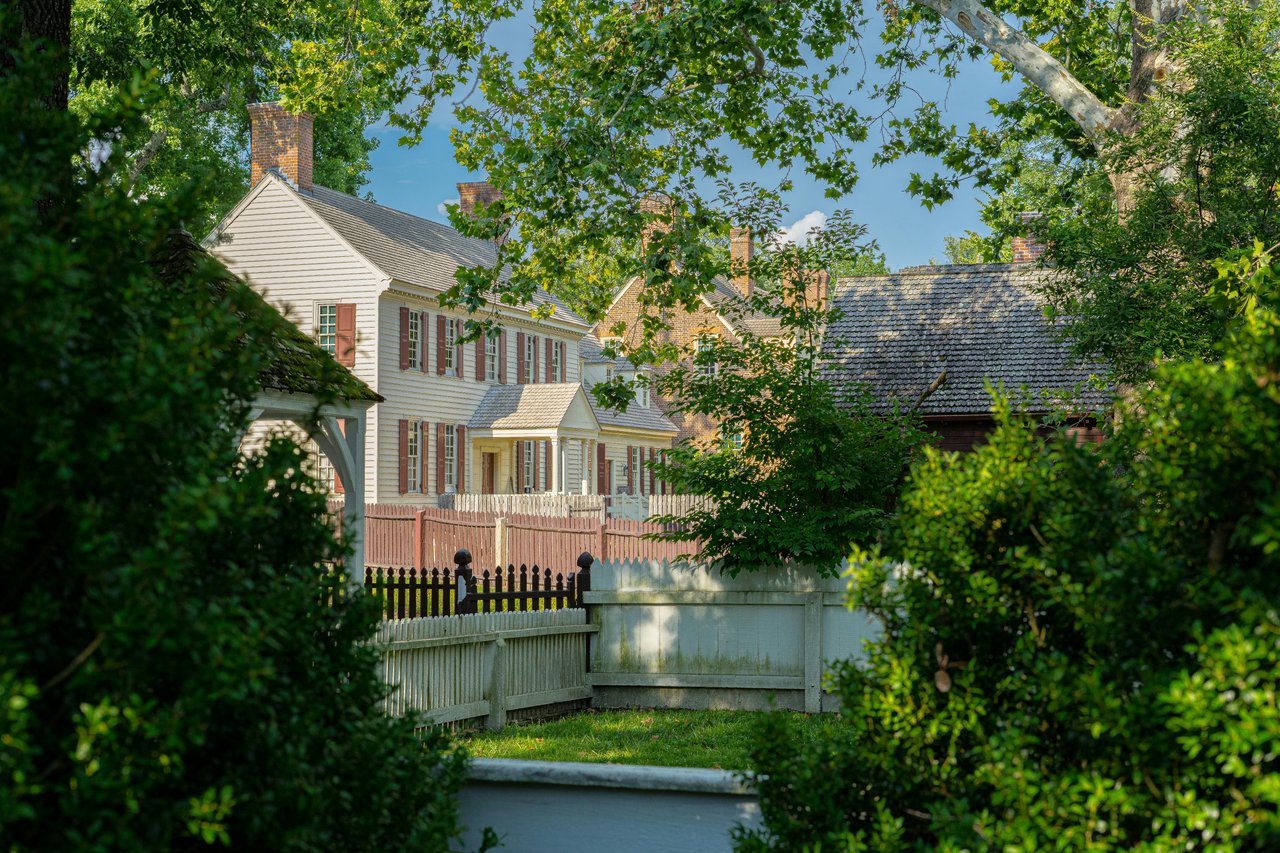
Germantown's housing stock reflects its age. More than a third of the town's homes were built before 1939, and another substantial portion dates from 1940 to 1969. That history shows up in the architecture: Greek Revival and Italianate farmhouses, Victorian-era homes, colonial farmhouses, and brick residences from the mid-1800s are all common. Newer construction exists but is far less prevalent.
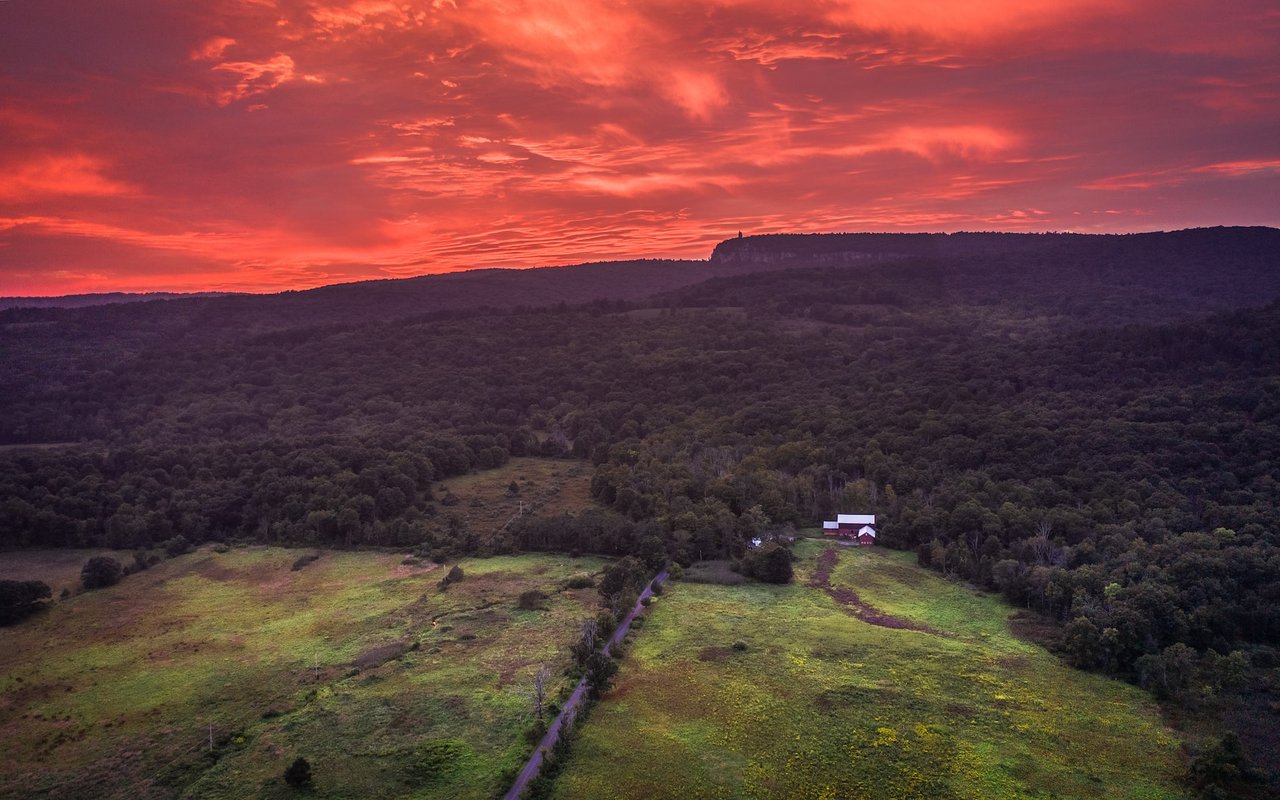
Single-family homes account for roughly 70% of the housing stock. The dominant property type is the farmhouse or country home on a multi-acre parcel. It is not unusual to see properties of 5, 10, 20, or even 30-plus acres, especially away from the hamlet centers.
In-hamlet properties near the Germantown hamlet center and along Route 9G offer smaller lots and more traditional residential settings, including some duplexes and converted homes. These are more walkable to the small cluster of local businesses.
Cheviot, the hamlet closest to the Hudson River, has its own character. Many of its homes are historic (pre-1940), sitting on smaller parcels, and the neighborhood benefits from direct river proximity. Cheviot Park and its boat dock give residents immediate Hudson access. Properties here tend to be in high demand.
Buyer Note: The abundance of older homes means inspections matter more here than in newer suburbs. Septic systems, well water, and aging infrastructure are standard considerations across most of the town.
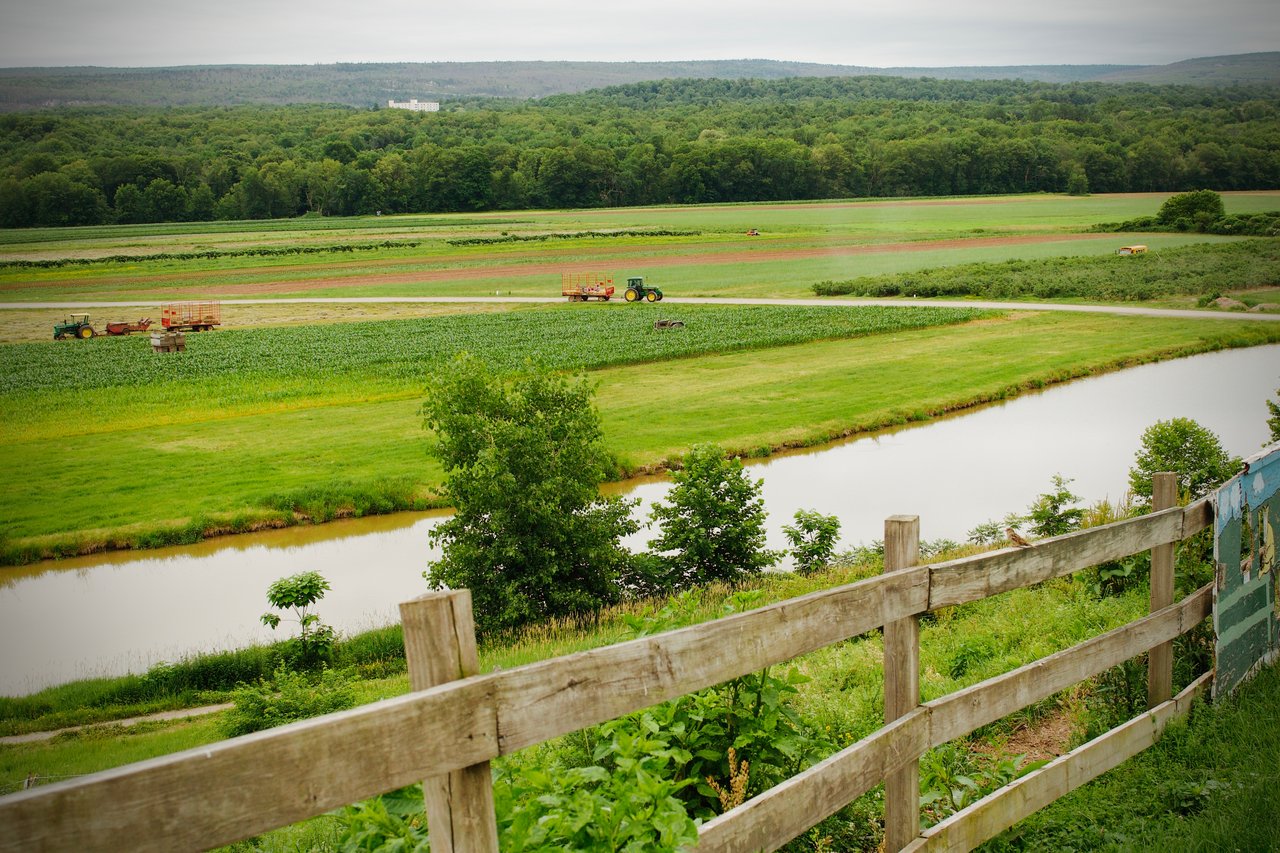
Working farms, equestrian properties, and agricultural parcels also come to market, reflecting the town's farming heritage. The Columbia Land Conservancy and similar organizations are active in the area, which protects open space long-term but also limits certain development possibilities.
Germantown punches well above its size when it comes to food. Two anchors define the town's culinary identity.
The broader dining orbit extends quickly to the City of Hudson (15 minutes), Rhinebeck, and Red Hook, all of which offer more extensive restaurant and bar scenes.
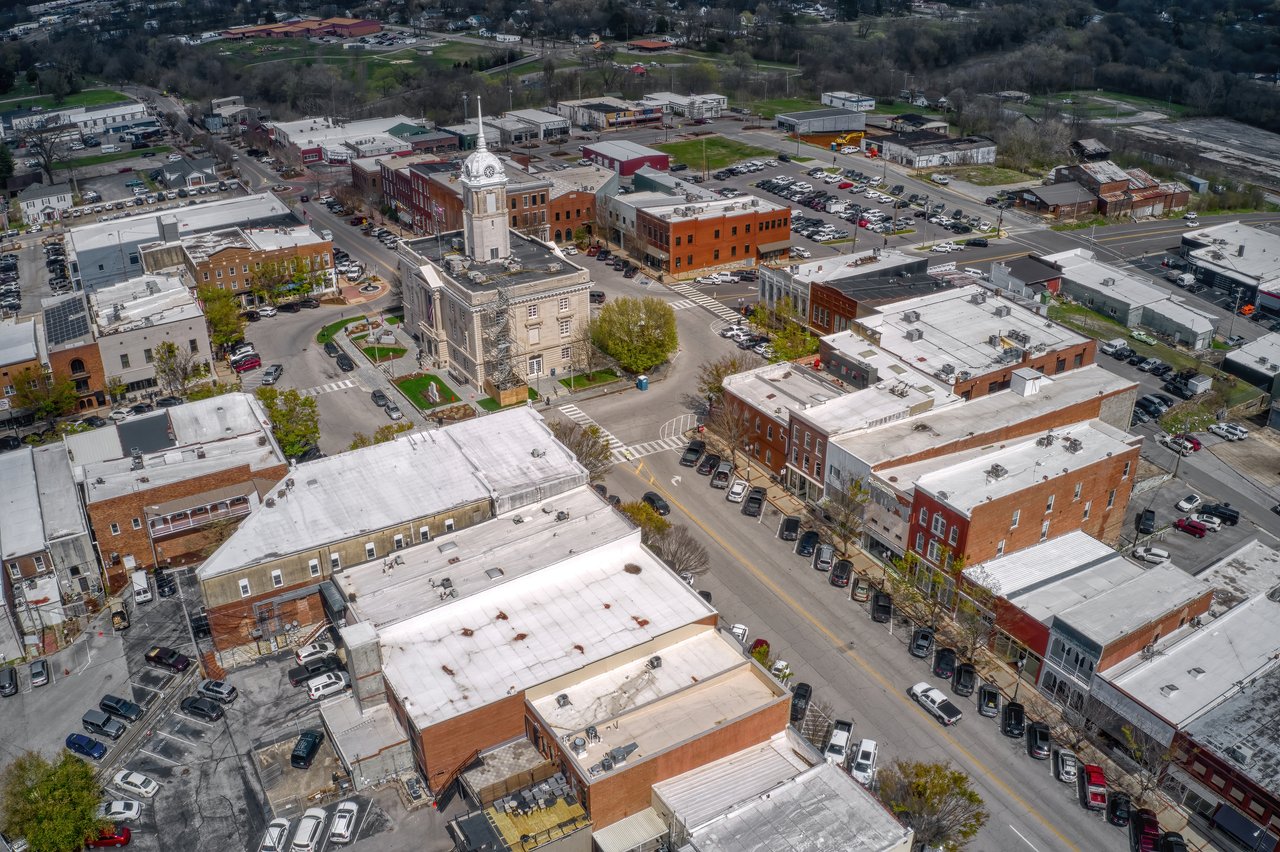
Germantown's commercial footprint is intentionally small. There is no strip mall culture. For everyday needs, residents rely on Hudson and Rhinebeck. The town's own businesses lean toward food, art, and home goods rather than big-box retail.
Local Tip: Birding is popular throughout the area, particularly along the Clermont trails and Hudson River shoreline. Freshwater fishing in the Hudson targets largemouth bass and catfish.
The Germantown Central School District is a small, single-building PK-12 district.
| Metric | Detail |
|---|---|
| Total enrollment | ~500 students |
| Campus | Single PK-12 building |
| State ranking | 119 out of 1,234 NY high schools (SchoolDigger) |
| Graduation rate | Above 84% |
The small enrollment means fewer program options than larger suburban districts. Families who want more choices often supplement with after-school activities in Hudson or through Bard College's community programs.
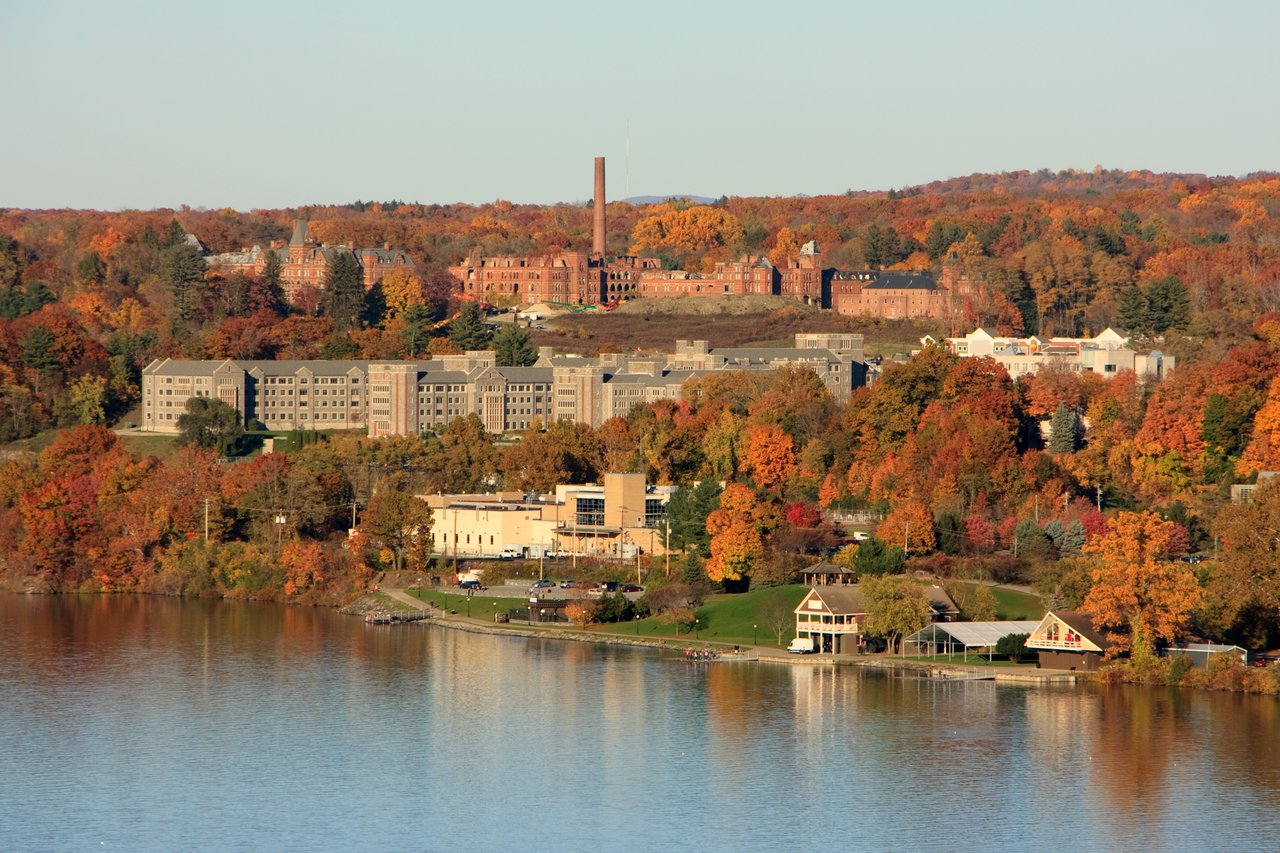
Germantown's cultural identity runs deep, anchored partly by proximity to Bard College in Annandale-on-Hudson (~20 minutes south). Tydeman Farm hosts live music events. Mother-in-Law's gallery on Church Avenue shows immersive contemporary work. The Germantown Library at 31 Palatine Park Road serves as a true community center.
Clermont State Historic Site hosts public events throughout the year, including seasonal celebrations, sheep and wool showcases, and mansion tours. The town's historical ties to the Livingston family (one of New York's most prominent colonial-era families) give it an unusually rich preserved heritage.
| Destination | Distance | Approximate Drive Time |
|---|---|---|
| Hudson Amtrak Station | ~10 miles | ~15 min |
| Rhinecliff Amtrak Station | ~15 miles | ~20 min |
| NYC (Midtown) | ~100-115 miles | ~2 hours |
| Albany | ~35 miles | ~40 min |
| Hudson (City) | ~10 miles | ~15 min |
| Rhinebeck | ~18 miles | ~25 min |
| Red Hook | ~14 miles | ~20 min |
From Hudson Amtrak, trains reach Penn Station in about 2 hours 10 minutes. Most Germantown residents are car-dependent for daily life. There is no local bus service within the town.
The dominant property type is the single-family farmhouse or country home, often on multi-acre parcels. Greek Revival, Italianate, Victorian, and colonial farmhouses built before 1940 make up a large portion of the inventory. Smaller in-hamlet properties, some equestrian estates, and a limited number of apartment units also exist. New construction is rare.
Approximately 100 to 115 miles from Manhattan, with a typical drive of around two hours. Buyers who use Amtrak can drive 15 minutes to the Hudson station and reach Penn Station in about 2 hours 10 minutes.
Yes. The town has several miles of Hudson River frontage and multiple public access points, including Cheviot Park and Lasher Park, both with boat launches. Clermont State Historic Site also sits along the river with trails and views. This is one of Germantown's most tangible advantages over many neighboring towns.
Germantown Central School District serves about 500 students in a single PK-12 building, which means small class sizes and a close community feel. The high school ranks well within New York state. The small size is a draw for some families and a limitation for others who want more program variety or competitive athletics.
Germantown's commercial district is intentionally small, centered on a handful of local businesses. For full grocery shopping, chain retail, medical offices, and most everyday services, residents drive to Hudson (~15 minutes) or Rhinebeck (~25 minutes).
A genuine combination. Long-rooted local families with generational ties coexist with a growing contingent of NYC-area buyers seeking primary or part-time residences. Estimates put the second-home share around 30%, which is significant but not so dominant that the town loses its year-round community character.
Most properties rely on well water and septic systems rather than municipal utilities, so thorough inspections are essential. Many homes are historic and may carry deferred maintenance. Properties can move quickly when they are priced well and in good condition. Buyers serious about Germantown should work with an agent who knows Columbia County specifically, as zoning and local infrastructure vary significantly from suburban markets.