Real Estate in Hudson
Victorian townhouses and creative energy on the Hudson River
Hudson real estate draws buyers who want a genuine city with a walkable downtown, a nationally recognized arts and antiques scene, and direct Amtrak access to Manhattan, all inside a small Hudson Valley city of fewer than 6,000 people. This is not a suburb or a resort town. Hudson is a working city with intact 19th-century architecture, a strong independent business culture, and a creative community that has been building here for decades.
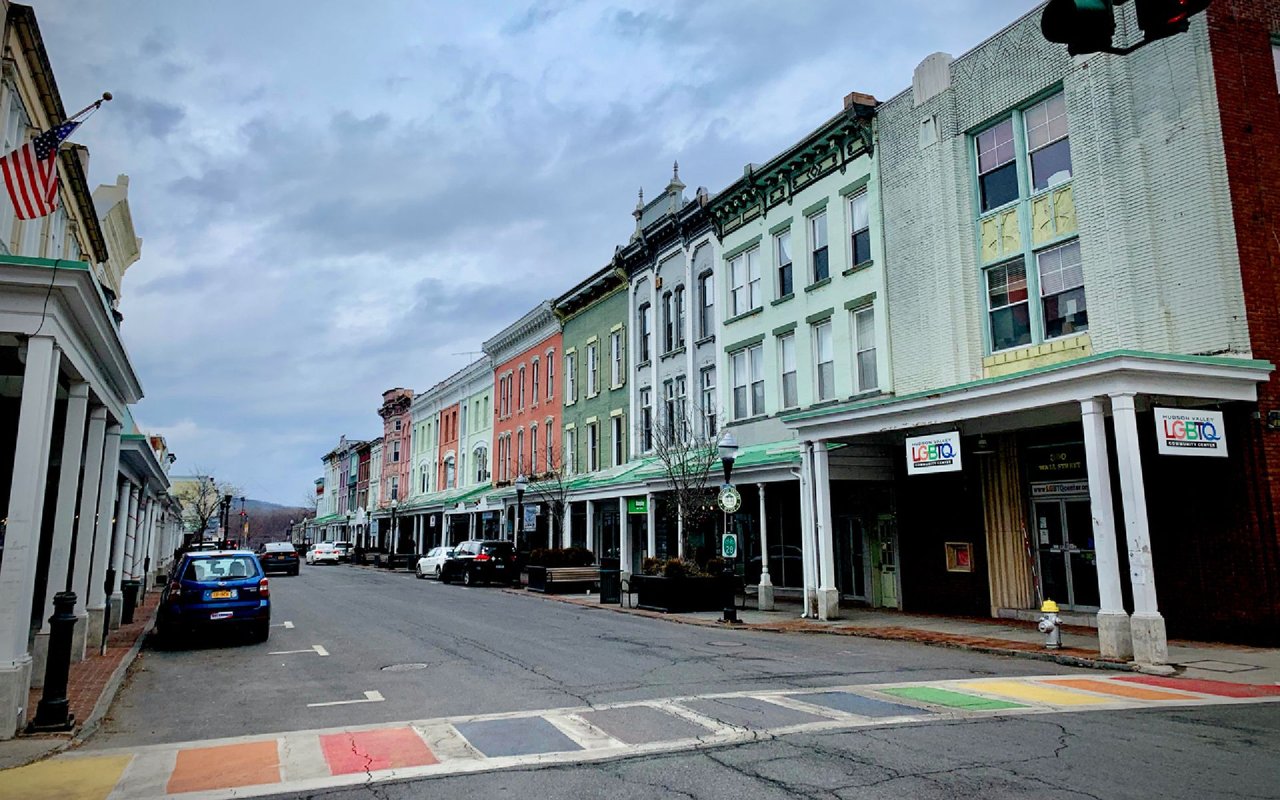
Hudson's housing stock is one of its most compelling assets. The city's 139-acre Historic District contains 756 contributing properties, most built between 1785 and the mid-1930s. Because much of the city was built and then largely left alone during Hudson's long economic quiet period in the 20th century, architectural integrity is unusually high.
What you'll find by era and style:
Style | Era | Key Features |
|---|---|---|
Federal | 1785-1830s | Brick or clapboard facades, understated ornamentation, symmetrical windows |
Greek Revival | 1830s-1850s | Columned porticos, low-pitched gabled roofs, classical detailing |
Italianate | Late 1840s-1870s | Wide bracketed cornices, arched windows, decorative hoods |
Victorian (Queen Anne, Second Empire, Gothic Revival) | 1870s-1900s | Mansard roofs, ornate gable trim, painted woodwork |
Row houses | Throughout | Narrow, attached or semi-attached with original brick or clapboard facades |
Buyer Note: A large portion of properties fall under local historic district review or state preservation guidelines. Exterior alterations typically require design approval, and renovation work on older structures often calls for preservation-grade materials and specialized trades. Factor this into any renovation budget.
The waterfront area and streets adjacent to Warren Street attract the most consistent buyer interest. The city also has a small but growing supply of converted commercial spaces and newer infill construction, though the overwhelming character is historic residential.
Warren Street and the surrounding streets have developed into a serious food destination. Several establishments have earned national attention.
Over 50 antique dealers operate on Warren Street and in waterfront warehouses, represented by the Hudson Antiques Dealers Association. The antiques trade has been anchored here since the mid-1980s and continues to draw collectors, dealers, and designers from across the region. Independent clothing boutiques, home goods shops, wine shops, and specialty retailers fill the rest of Warren Street's storefronts. There are no national chains.
Hudson has an openly LGBTQ+ friendly community with deep roots. Queer-owned businesses, galleries, and community organizations are woven into daily life here. OUT Hudson and Big Gay Hudson Valley are among the active local organizations. The annual Hudson Pride Parade takes place each June.
Metric | Detail |
|---|---|
District | Hudson City School District |
Enrollment | ~1,600 students (PK-12) |
Student-to-teacher ratio | 11:1 |
Schools | 4 buildings |
Many families also consider private and parochial options in Columbia County, or look just outside city limits for different school district options while staying close to Hudson.
The Hudson Amtrak station sits in downtown, walking distance from Warren Street.
Route | Approximate Travel Time | Approximate Fare Range |
|---|---|---|
Hudson to Penn Station (NYC) | 2 hours 10 minutes | $23-$85 |
Hudson to Albany-Rensselaer | 25-30 minutes | $12-$80 |
Trains run frequently throughout the day, with service roughly every two hours. By car, Hudson is approximately 120 miles north of Manhattan (roughly 2 to 2.5 hours) and 45 miles south of Albany (~45 minutes). The city is well-positioned for hybrid workers who need to reach either city regularly.
The city breaks broadly into the Warren Street commercial corridor, the residential streets running parallel (Union, Allen, Columbia), and the waterfront. Streets closest to Warren Street have the densest concentration of historic rowhouses and the most foot traffic. Moving east toward the residential side streets, the housing gets quieter and greener. The city is small enough that most blocks are accessible on foot from the center.
Yes, for a significant portion of properties. The Hudson Historic District covers 139 acres and 756 contributing properties. Many exterior changes require local historic review and approval. Buyers planning renovations should research whether a specific property falls within the district before closing.
Amtrak's Empire Service and other lines stop at Hudson's downtown station multiple times daily. The trip to Penn Station takes roughly 2 hours 10 minutes. Many Hudson residents commute to NYC two to three days a week, treating the train as their regular transit.
Hudson attracts artists, designers, writers, architects, people leaving Brooklyn or Manhattan who want a real city without suburbia, antique dealers, second-home buyers who eventually make it a primary residence, and LGBTQ+ buyers looking for an established, welcoming community. The city is not a typical commuter suburb.
Hudson's housing stock skews old and many properties carry historic designation. Renovation costs often run higher than the regional average due to the age of structures, the need for preservation-grade materials, and the specialized trades required for work on 19th-century buildings. Get contractor estimates specific to historic work before finalizing offers.
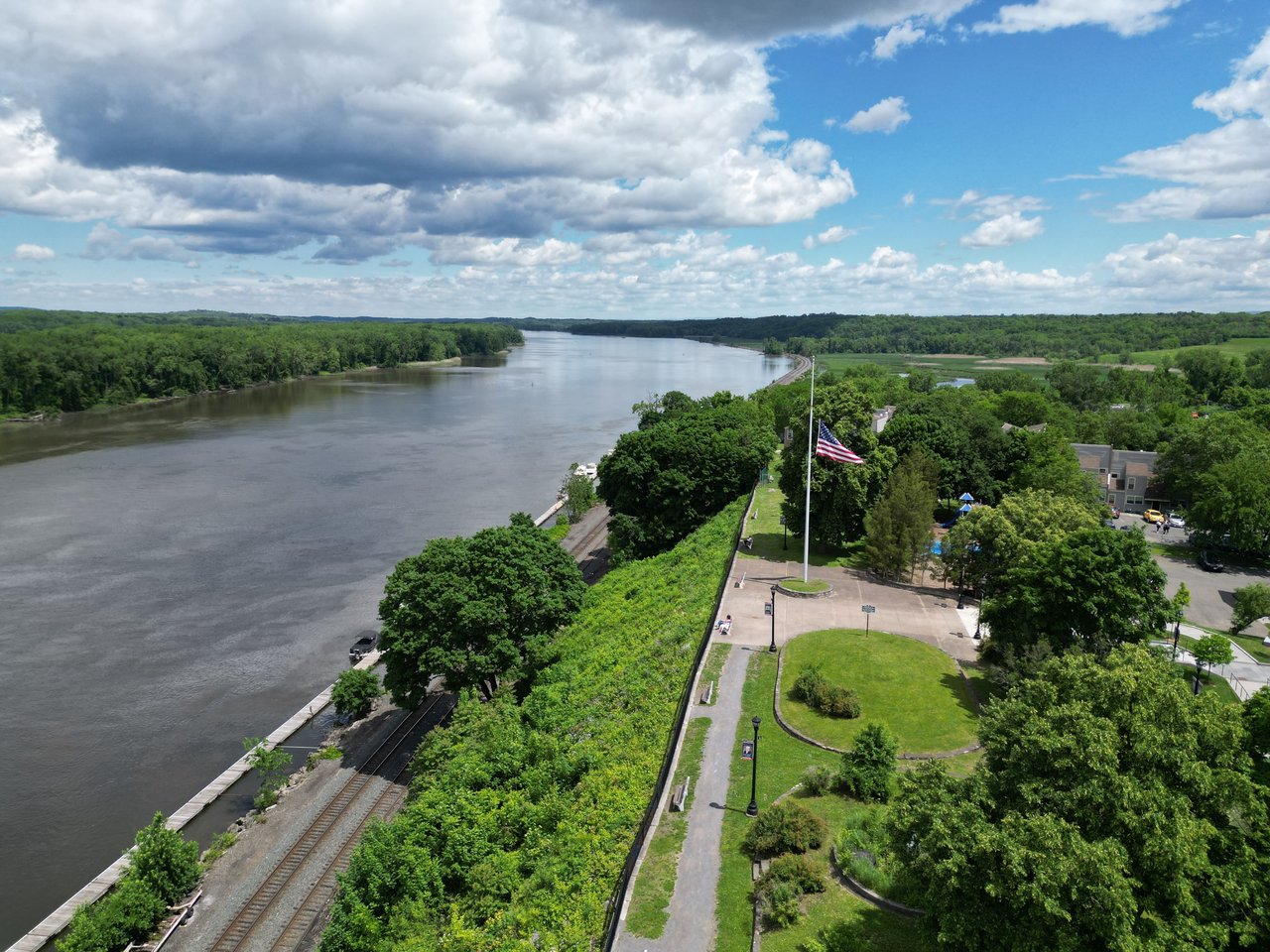
Very close. The Hudson River is at the foot of the city with kayak and paddleboard access from Henry Hudson Riverfront Park. Olana's 250-acre landscape is a five-minute drive. The Catskill Mountains for hiking, skiing, and camping are under an hour west. The Hudson River Skywalk offers a six-mile pedestrian route starting directly from the waterfront.
Related Reading: