Real Estate in Millbrook
Equestrian estates and rolling hunt country in Dutchess County
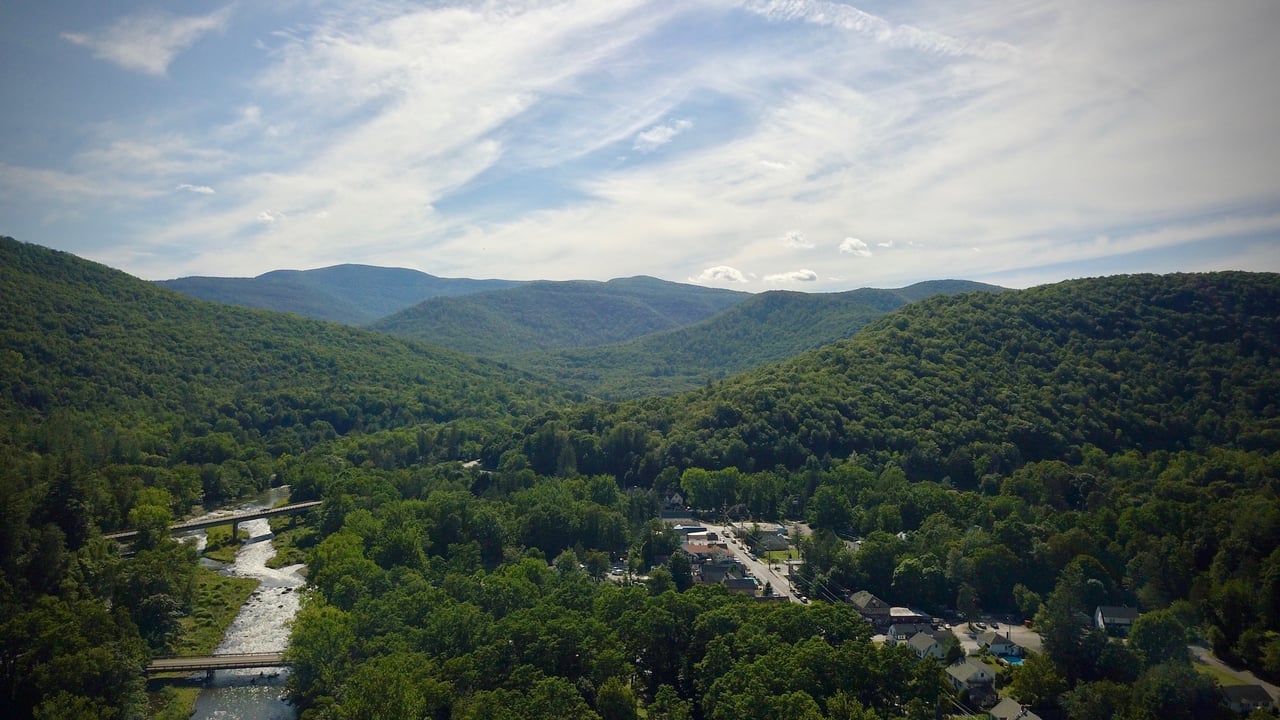
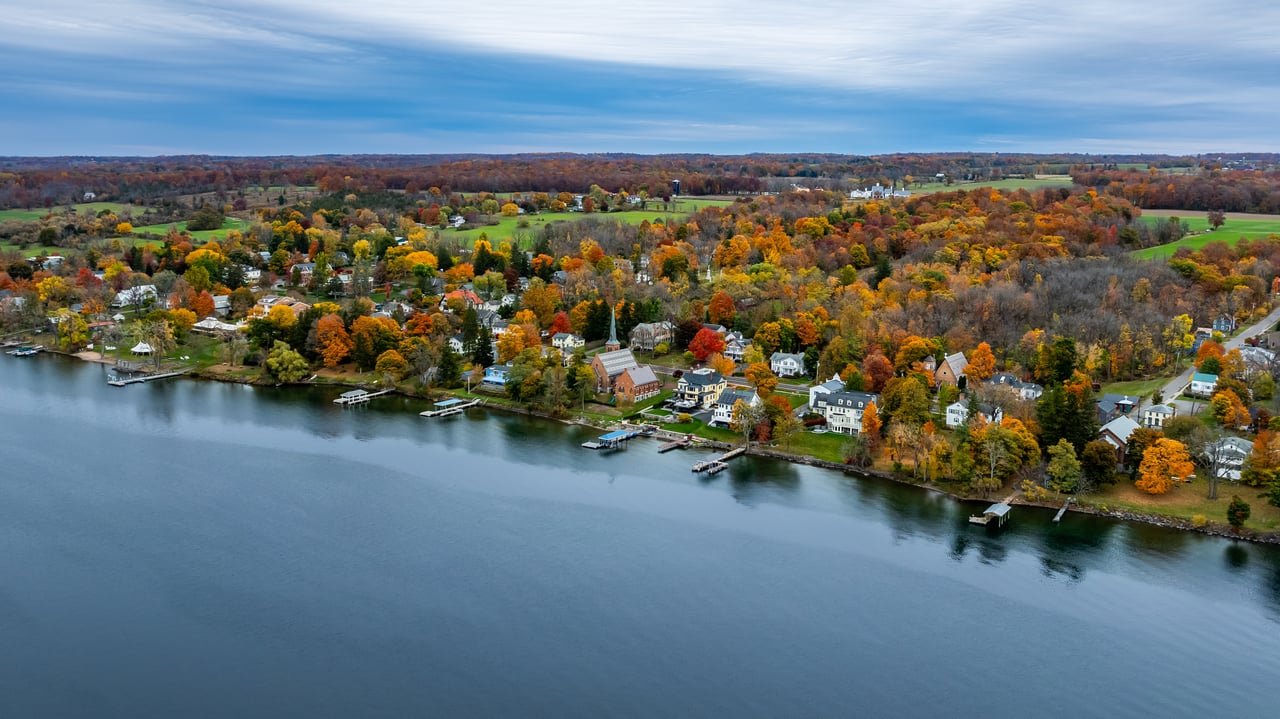
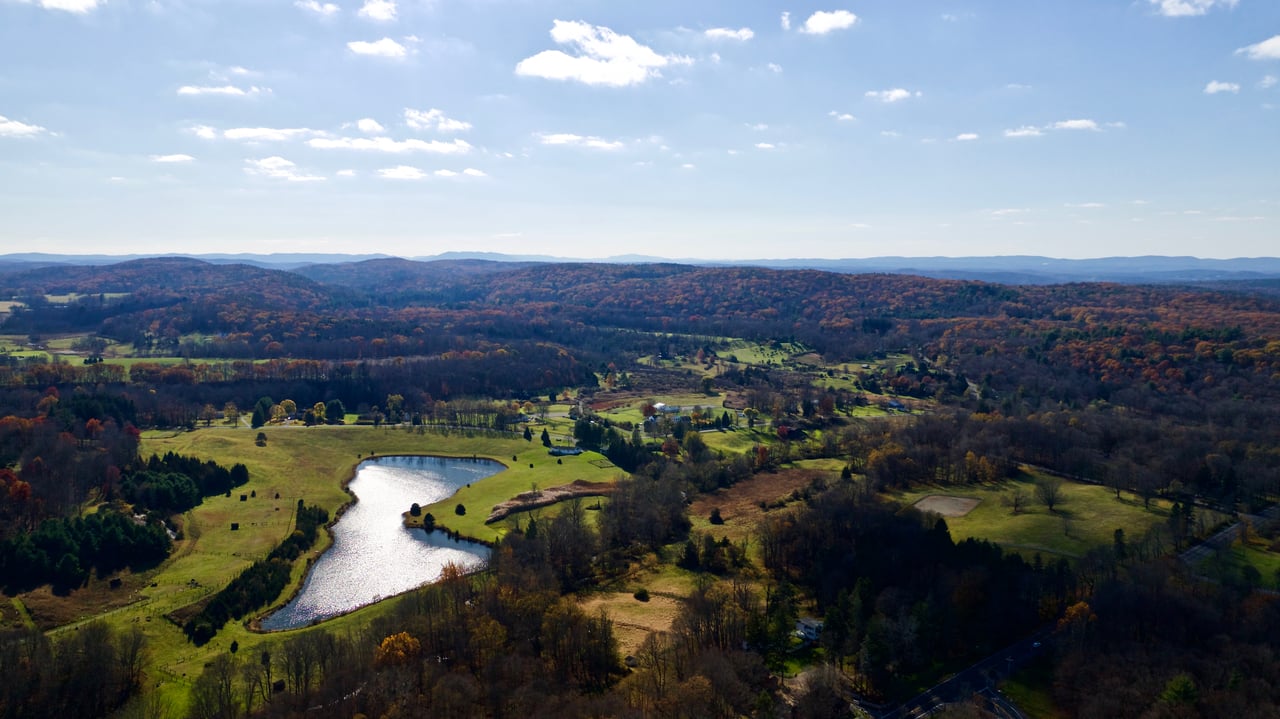
Millbrook real estate draws a discerning buyer profile: full-time residents, weekenders, and city transplants all drawn to the same thing, a rare combination of working farm country, preserved landscapes, and a tight-knit village with genuine character. Situated almost directly in the center of Dutchess County, Millbrook sits about 90 miles north of Manhattan at the foot of the Taconic Hills, surrounded by rolling farmland that has been actively protected from development for generations.
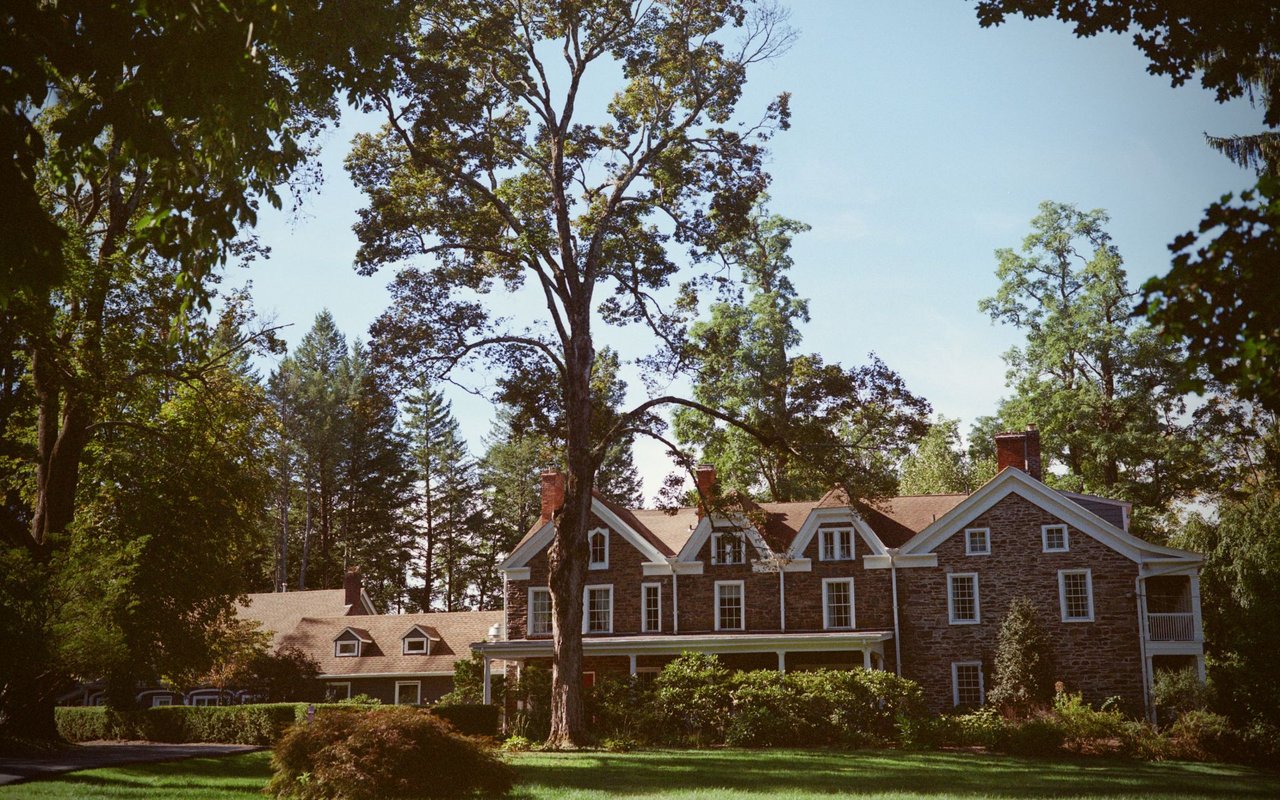
The village was settled by Quakers in 1869 and grew around a railroad corridor. Stonework dating to the late 1800s, much of it built by Italian immigrants, defines the architectural bones of the area. Today, Millbrook is often described as a lower-key alternative to the Hamptons: affluent and well-kept, but without the self-consciousness.
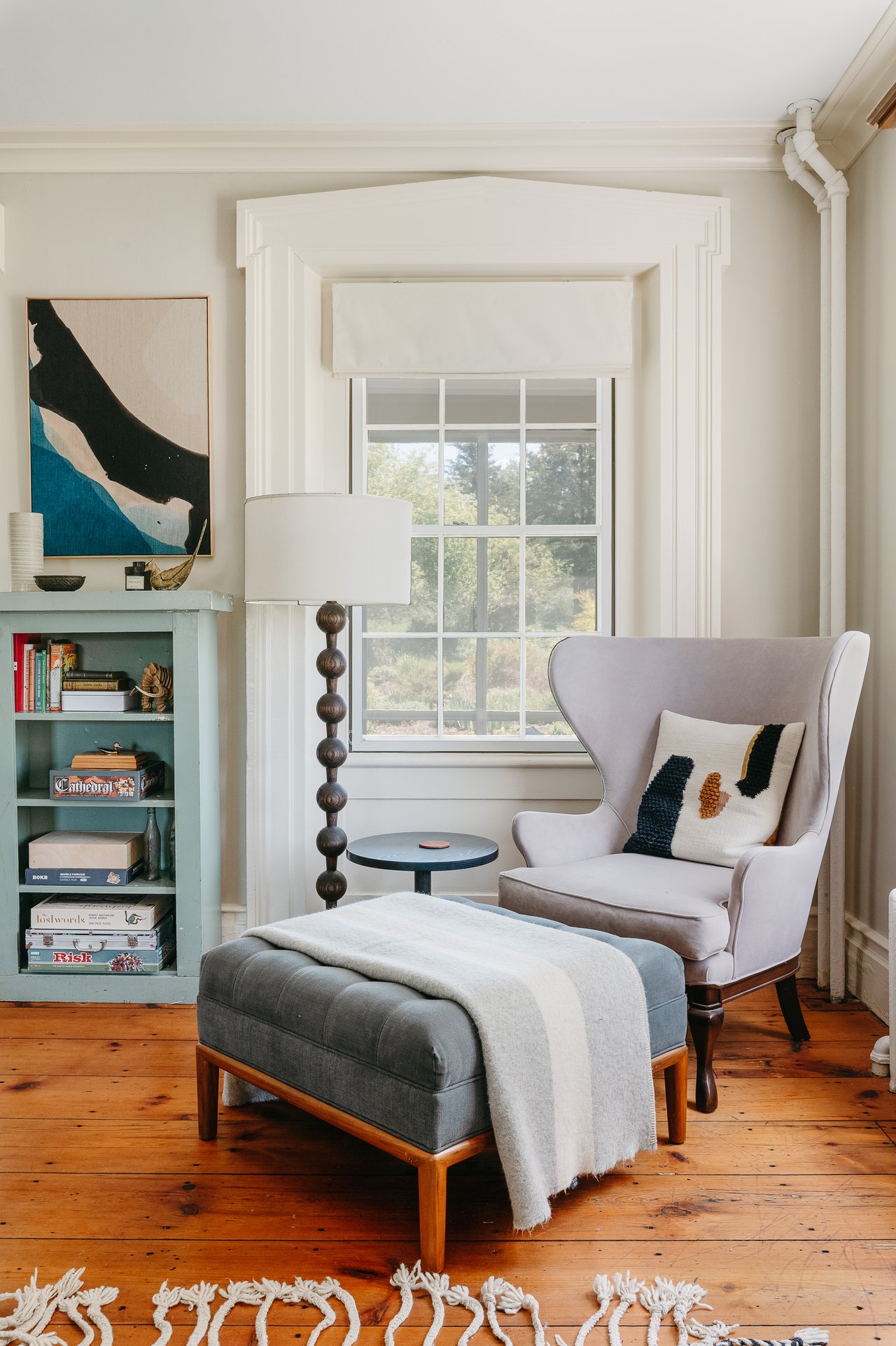
Millbrook homes for sale reflect the area's history and its land. More than a third of homes were built before 1940, and that age shows in a good way: stone foundations, wide-plank hardwood floors, historic millwork, and preserved barn structures. The architectural range runs from Federal and Greek Revival farmhouses to center-hall Colonials to grand estate homes.
Village homes: Victorian cottages, converted historic buildings, and Cape Cods. These are the walkable options, with Franklin Avenue shops and the Millbrook Diner within easy reach.
Country properties and farmhouses: The town of Washington, which surrounds the village, is where buyers find renovated 19th-century farmhouses on multi-acre lots, often with original outbuildings or barns. Many have been updated with modern interiors while keeping their historic bones.
Equestrian estates: Millbrook's identity is inseparable from horse country. Properties with stables, paddocks, fenced pasture, and cross-country courses are common. Some historic estates encompass hundreds of acres.
Local Tip: Inventory in Millbrook is consistently limited. The combination of protected land, low turnover among established families, and a small geographic footprint means serious buyers should move quickly when the right property appears.
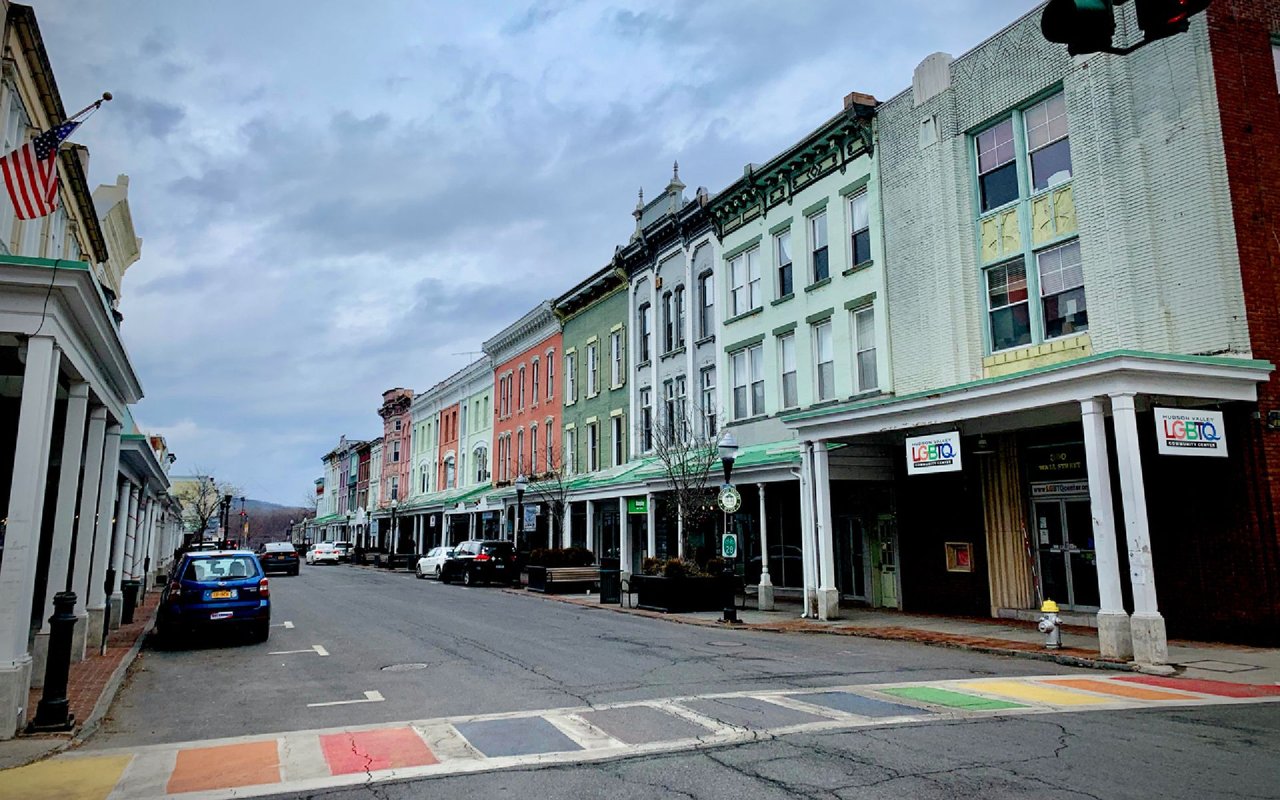
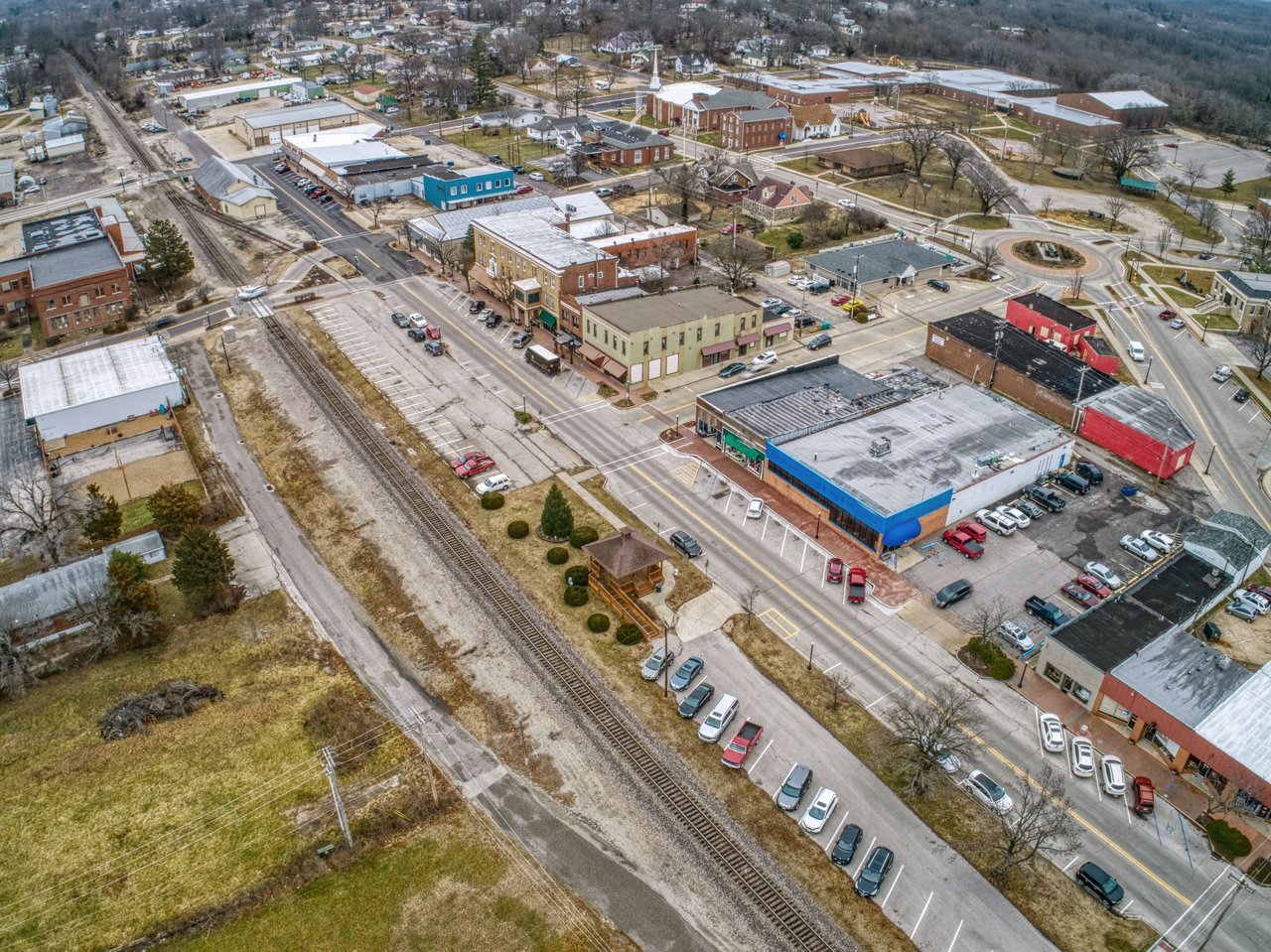
Franklin Avenue is the spine of village life. Compact, walkable, and refreshingly free of chain retail.
The Millbrook Antiques Mall anchors the village's antiquing reputation, with over 30 dealers offering 18th and 19th-century American and European furniture, collectibles, vintage jewelry, and rare books.
Metric | Detail |
|---|---|
District | Millbrook Central School District |
Enrollment | ~824 students (PK-12) |
Student-to-teacher ratio | 9:1 (top 1% in NYS) |
Per-pupil spending | ~$38,000/year |
State ranking | Top 200 among NY high schools |
Private option: Millbrook School is a nationally ranked coeducational boarding and day school (grades 9-12) on an 800-acre campus. It operates the only AZA-accredited zoo on a high school campus in the world (Trevor-Lovejoy Zoo) and draws students from 22 states and 17 countries.
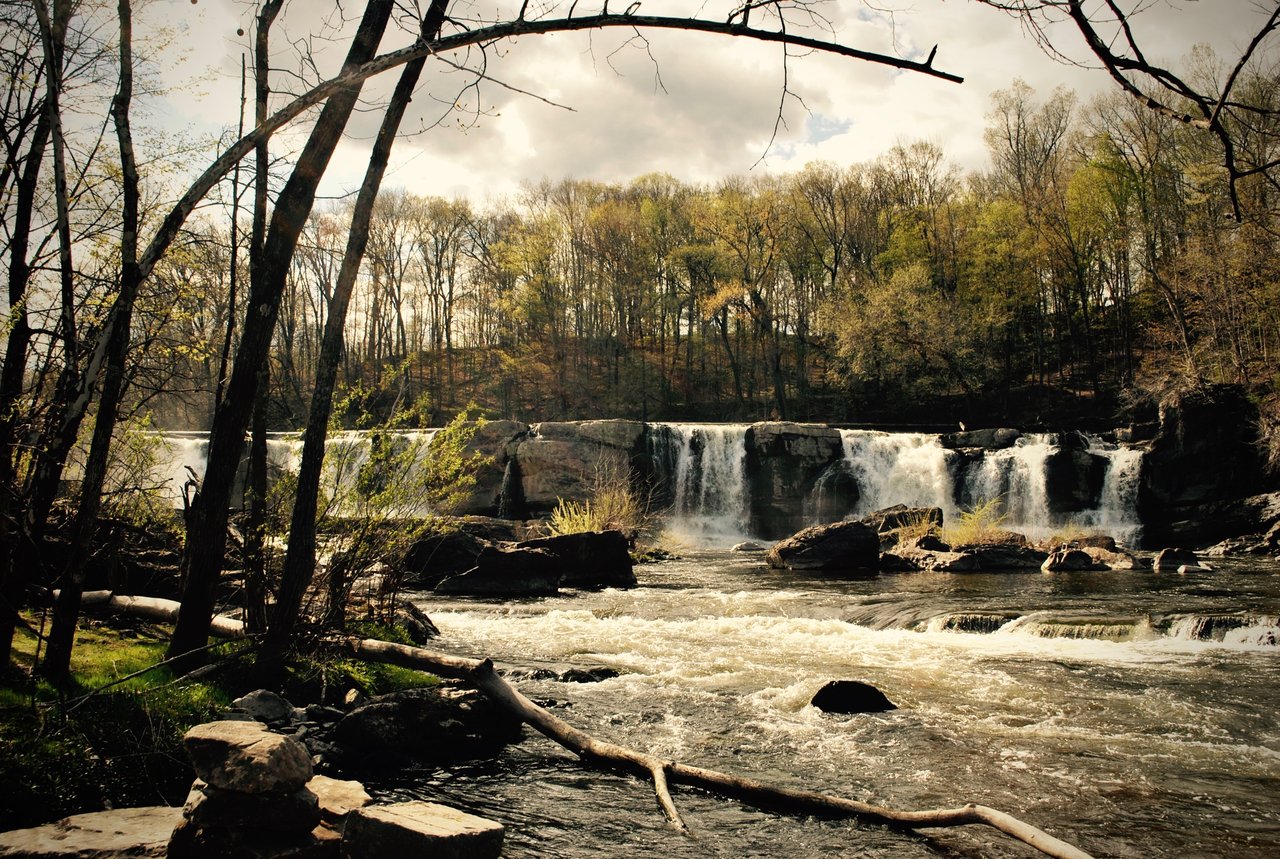
Millbrook sits within one of the most recreation-rich corridors in the Hudson Valley.
Destination | Distance | Approximate Drive Time |
|---|---|---|
NYC (Midtown) | ~90 miles | 1 hr 45 min - 2 hours |
Wassaic Metro-North | ~13 miles | ~19 min |
Dover Plains Metro-North | ~8 miles | ~12 min |
Grand Central (from Wassaic) | N/A | ~1 hr 45 min |
There is no train station in Millbrook itself. Most residents who use Metro-North drive to Wassaic or Dover Plains and take the Harlem Line to Grand Central. A car is essential.
Approximately 90 miles north of Manhattan. Driving via the Taconic State Parkway takes about 1 hour 45 minutes to 2 hours. The nearest Metro-North stations are Wassaic (~13 miles) and Dover Plains (~8 miles), with service to Grand Central in roughly 1 hour 45 minutes.
Not directly. The nearest Harlem Line stations are Wassaic and Dover Plains. Most Millbrook residents drive to the station and take the train, making a full commute roughly 2 to 2.5 hours each way.
Village homes include Victorian cottages, Cape Cods, and historic conversions. The surrounding countryside offers 19th-century farmhouses on multi-acre lots. At the high end, full equestrian estates with stables, paddocks, and substantial acreage are a defining feature. Vacant land is also available for buyers who want to build.
Both. Many properties are purchased as weekend homes by NYC buyers, but Millbrook also has a stable year-round population with deep roots and active civic life. Remote workers have increasingly made the move permanent.
A genuine, active culture. The Millbrook Hunt has operated for over a century. The Millbrook Horse Trials draws national-level competitors. Private farms with full equestrian facilities are common. Buyers who ride (or want to) will find Millbrook is one of the best places in the Northeast to do so.
Yes, without exception. The village center is walkable once you are in it, but there is no public transit, and most amenities, parks, and neighboring towns require driving.
Over 43,000 acres in and around the village are under conservation protection through the Dutchess Land Conservancy. This is a major reason the area has retained its open, rural character. It also means the supply of developable land is deliberately constrained, which affects inventory levels. Buyers who value preserved scenery should see this as a feature.
Related Reading: