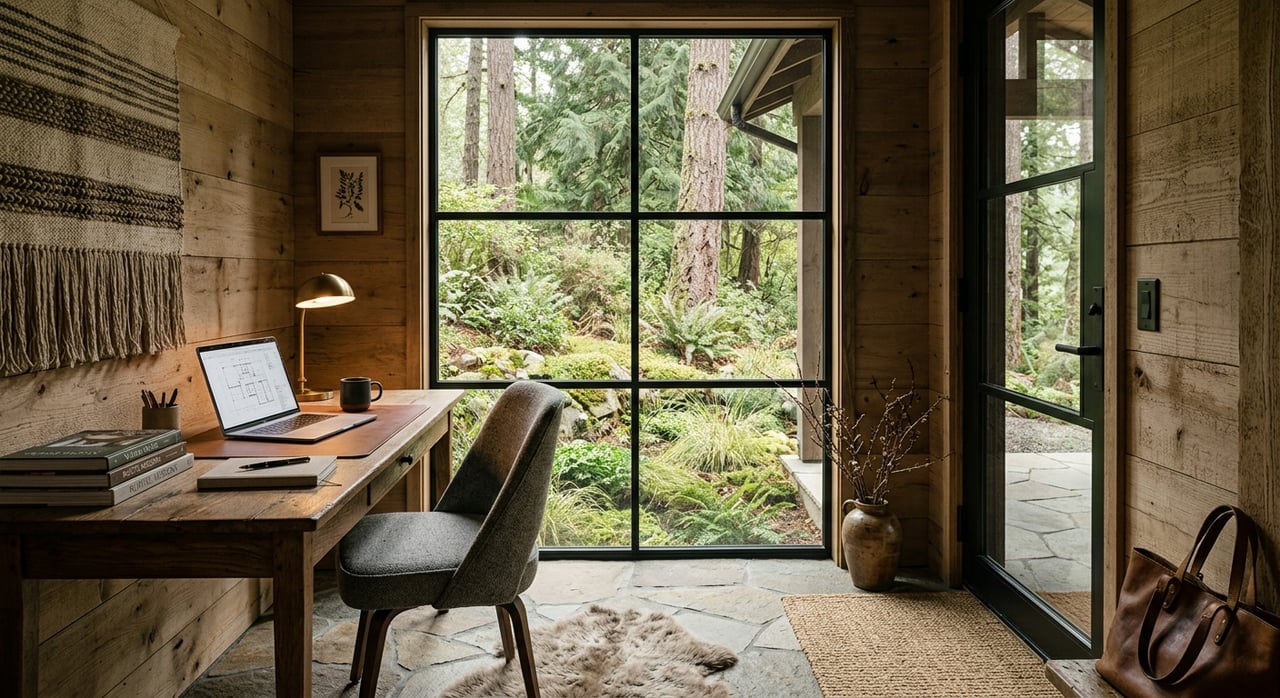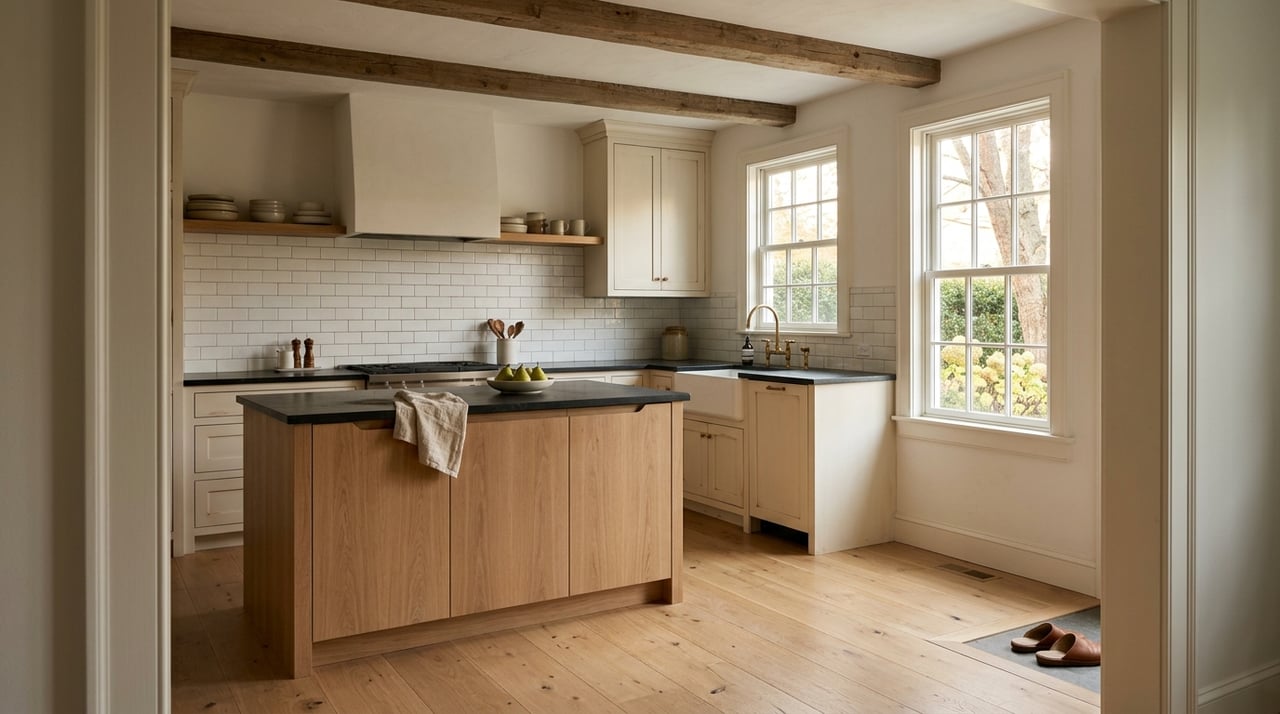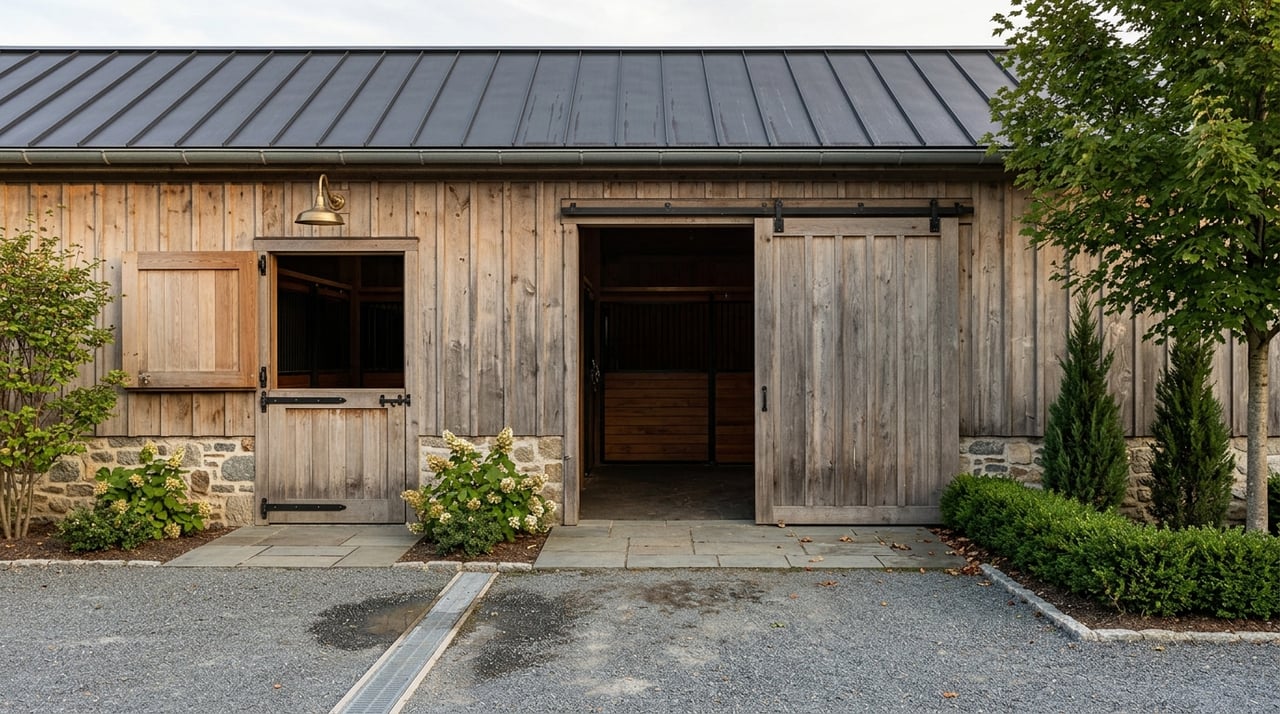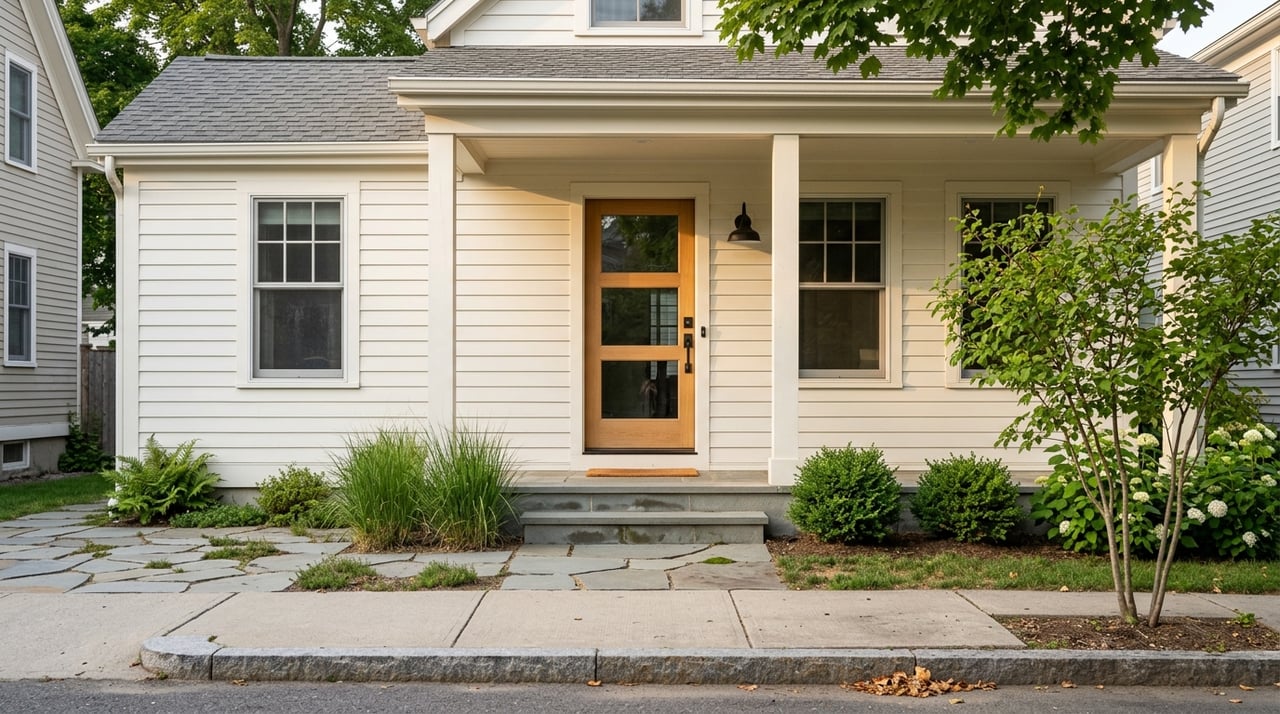
Picture this: you leave the city after work, roll into a walkable Hudson Valley village, and sit down to dinner within minutes. If that sounds like your kind of weekend reset, Rhinebeck might be the right move. Buying a second home is exciting, but it comes with new decisions about commute, upkeep, and local rules. In this guide, you’ll learn what homes in Rhinebeck cost, how the village compares with private acreage, what to check during due diligence, and how to structure a smart weekend-home search. Let’s dive in.
Why Rhinebeck works for a weekend home
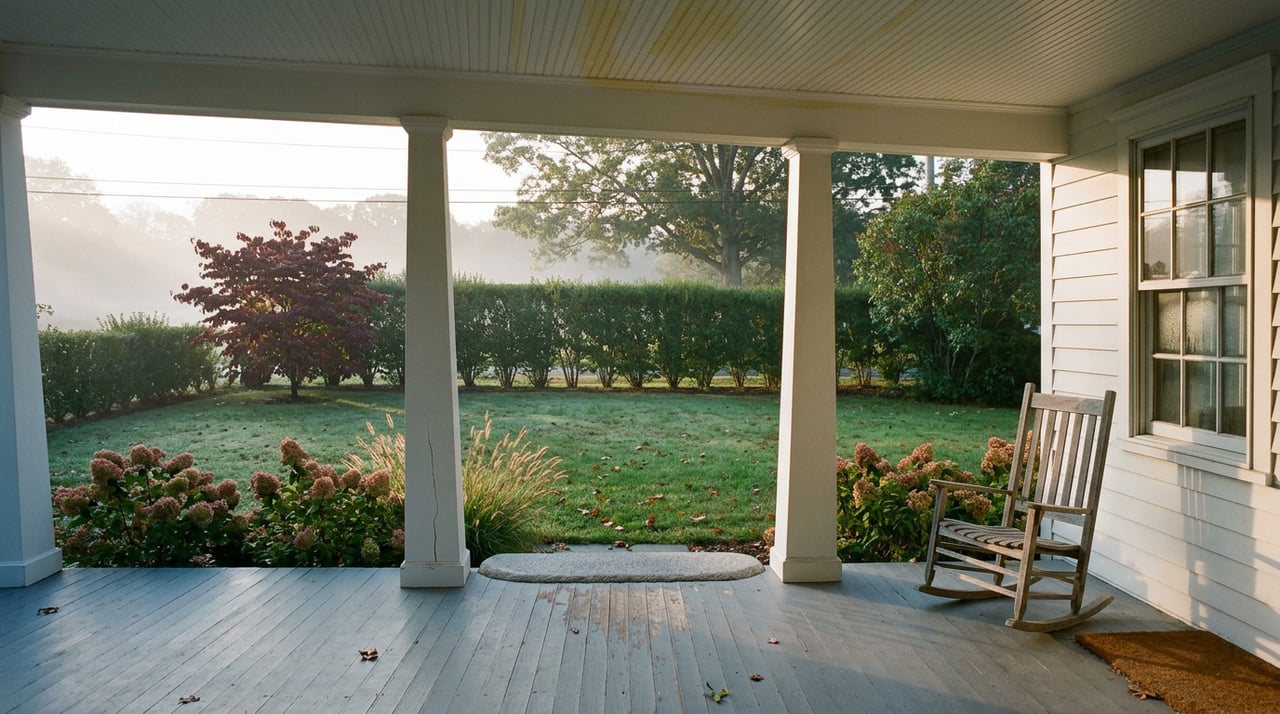
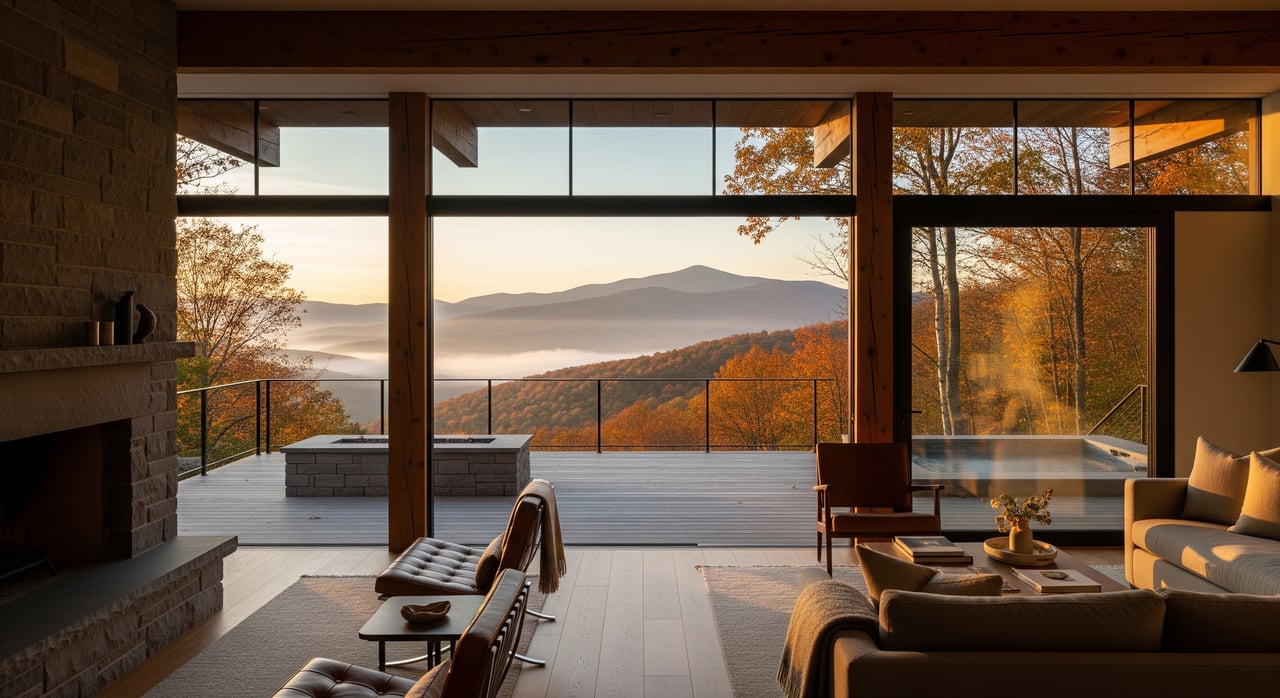
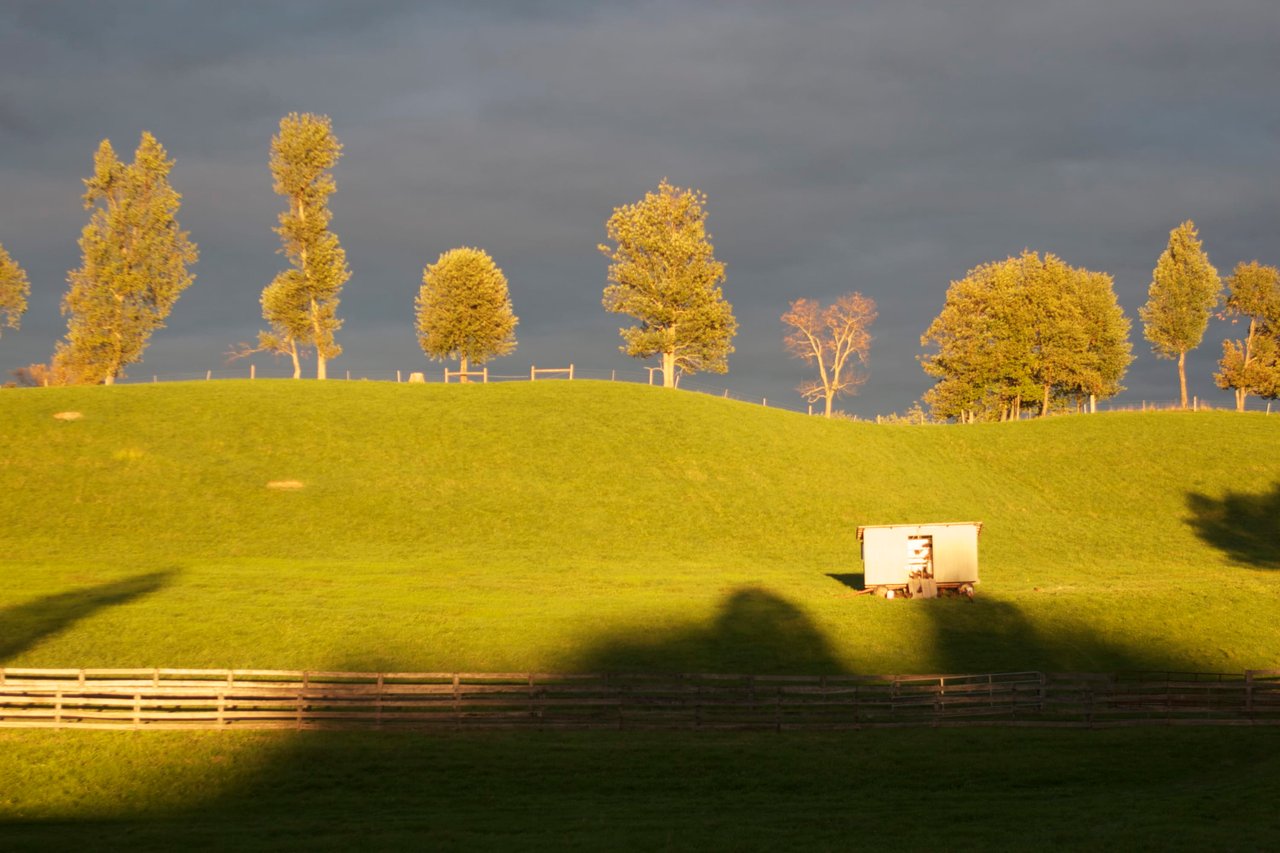
You get a charming, historic village with restaurants and shops, plus country roads lined with classic farmhouses minutes away. If you want to walk to coffee and events, the Village of Rhinebeck fits that lifestyle. If you want privacy and land, the surrounding town offers acreage, barns, and big-sky views. Many NYC buyers choose Rhinebeck for this balance of convenience and calm.
What homes cost in Rhinebeck
Prices vary by property type and exact location. Different data feeds also track different geographies, which can move median figures.
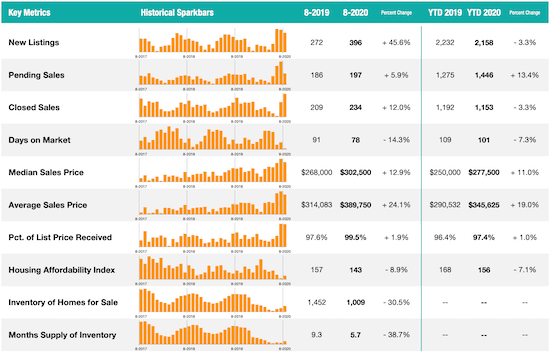
- Redfin reported a median sale price of about 1.0 million dollars for the broader Rhinebeck area in January 2026.
- Realtor.com’s market pages for ZIP 12572 showed median listing and home values roughly in the 750,000 to 800,000 dollar range in late 2025.
Why the gap? Small markets like Rhinebeck can show jumpy medians month to month, and sources use different boundaries, such as town versus ZIP. Use these as directional signals, then compare recent local comps before you set a budget.
Practical price brackets for NYC weekend buyers, based on recent market pages and listings:
- Small village condos or cottages, 1–2 bedrooms: about 400,000 to 800,000 dollars, with some modest options under 500,000 dollars.
- Typical single-family homes in or near the Village: about 700,000 to 1.5 million dollars.
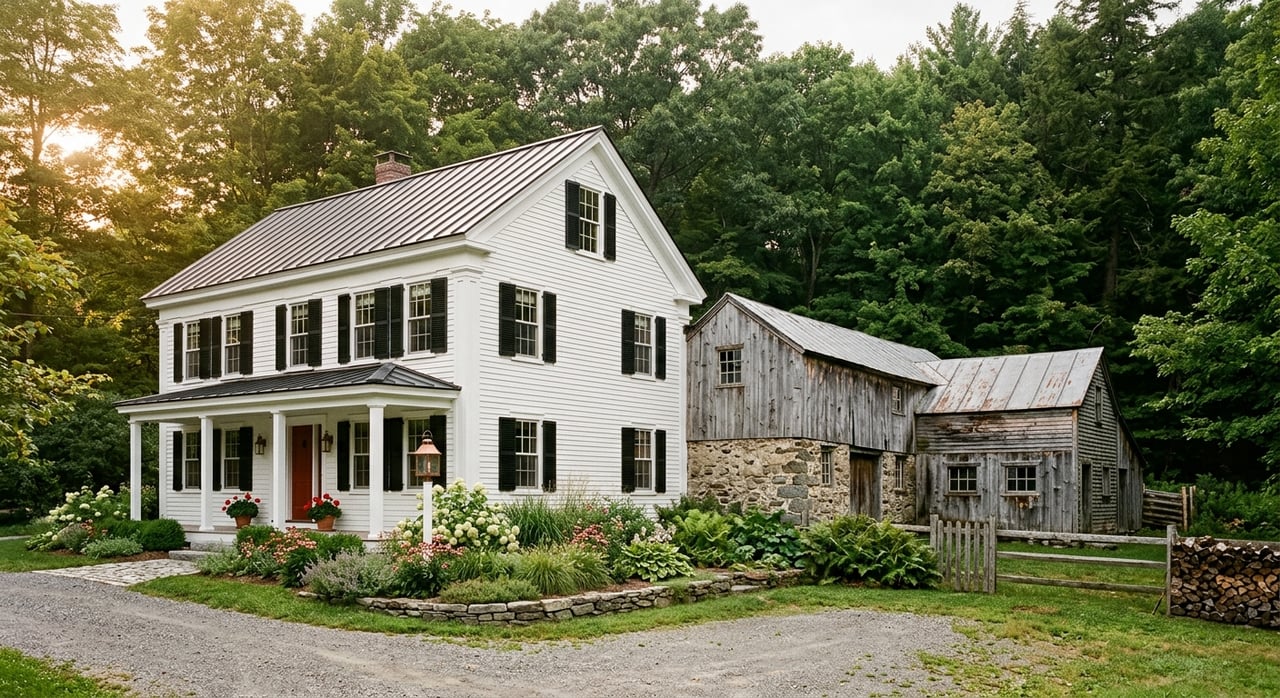
- Larger renovated farmhouses on 2–10 acres: about 1 to 3 million dollars, rising with acreage, river views, and history.
- Estate properties, riverfront, or extensive historic restorations: 3 million dollars and up.
Always confirm current numbers with live listings and comps at offer time.
Property styles and features you will see
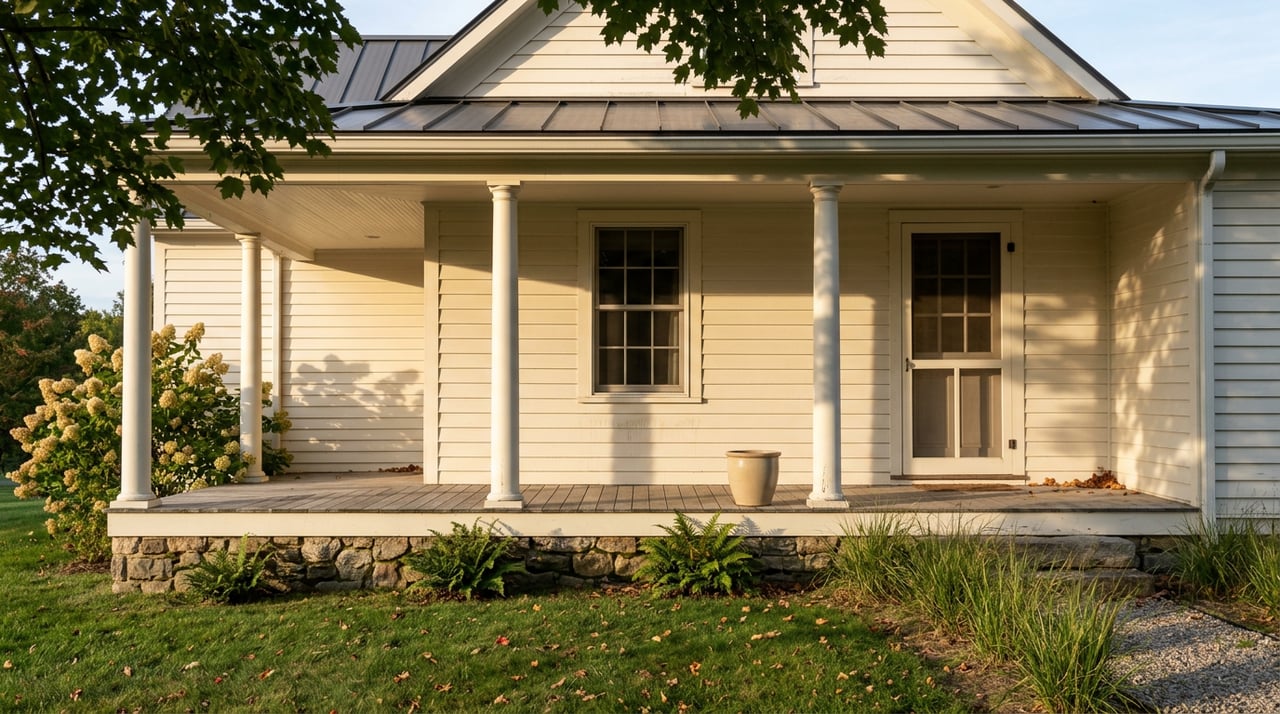
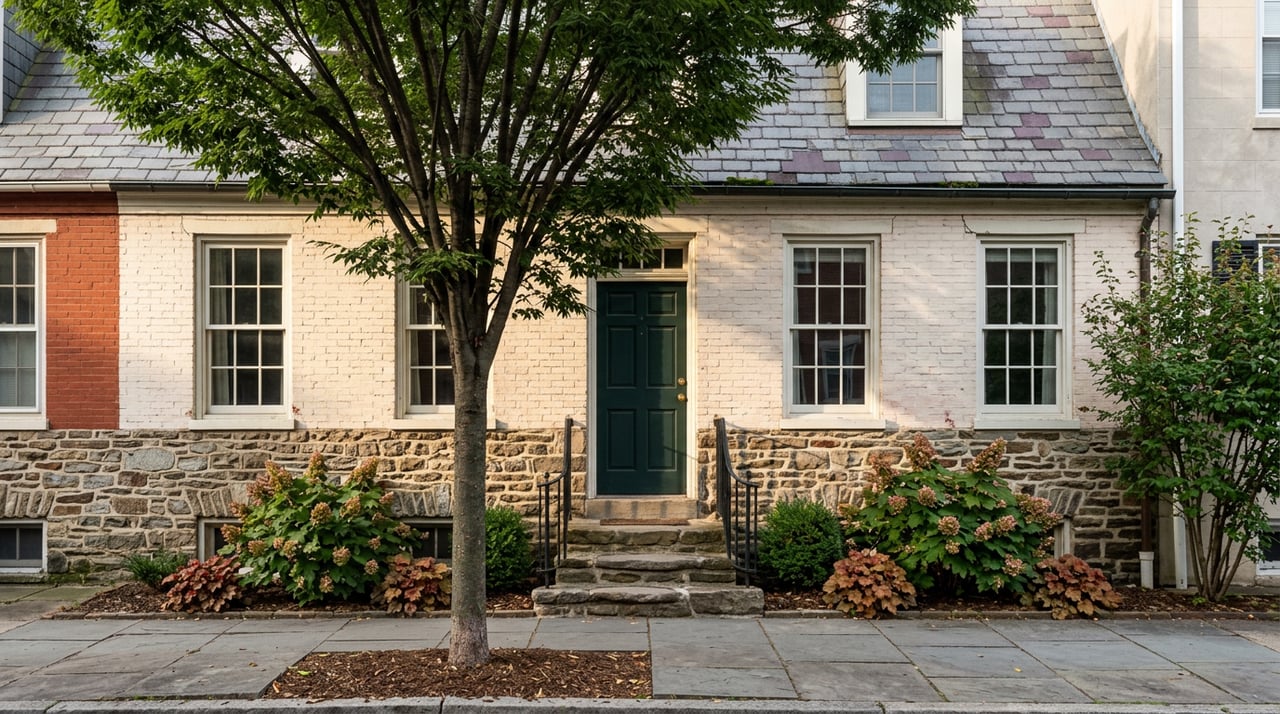
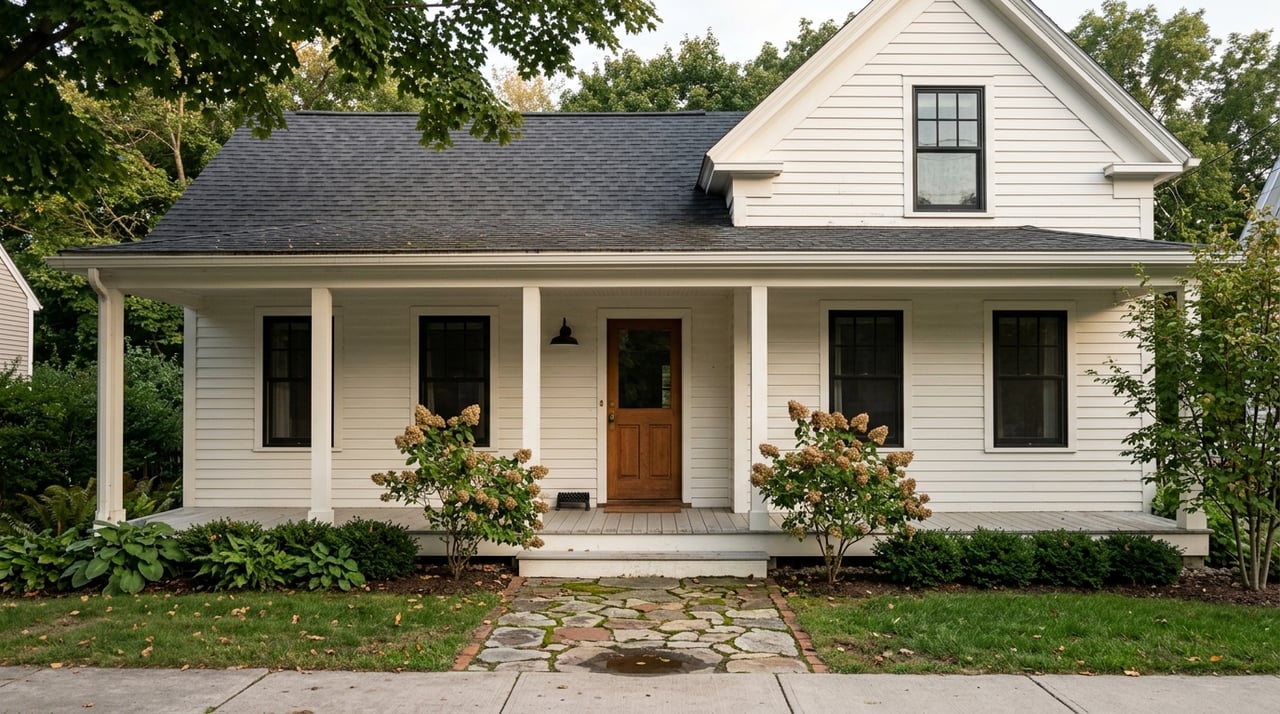
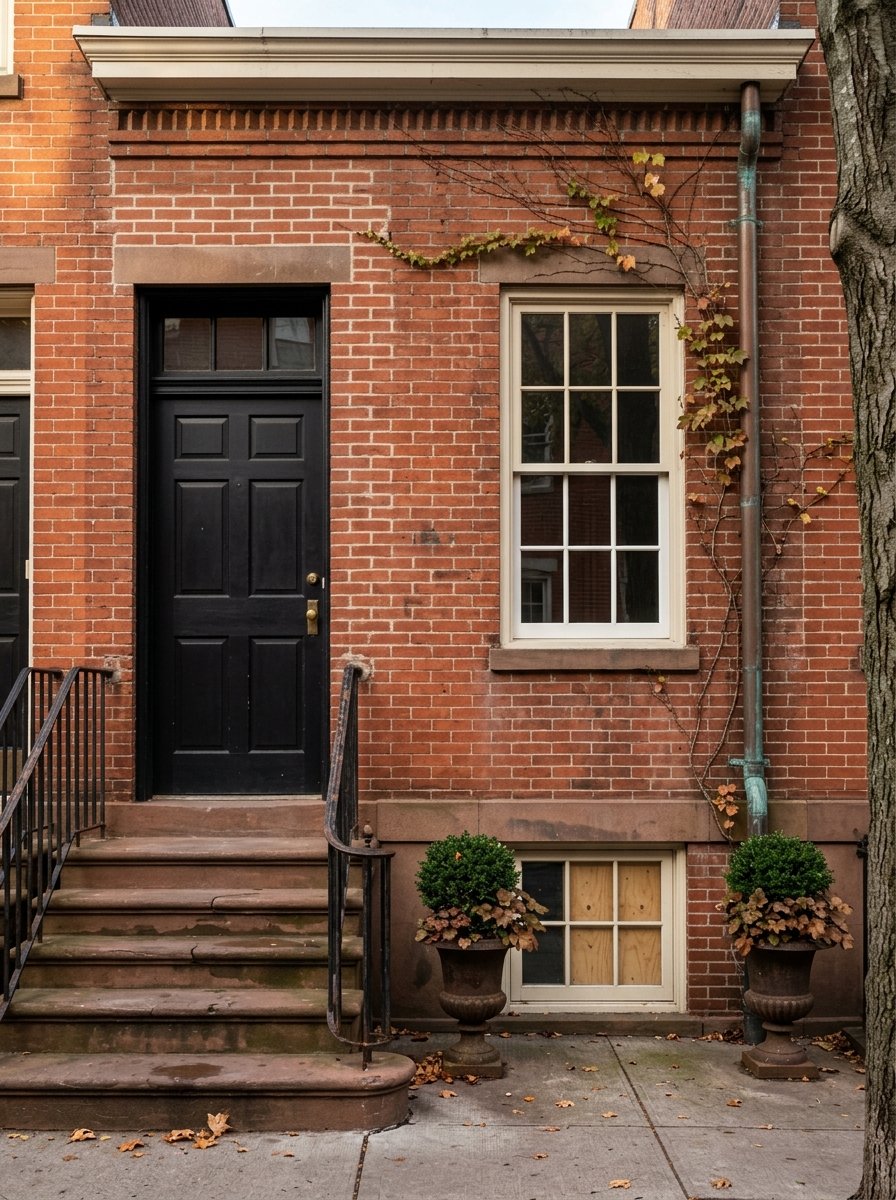
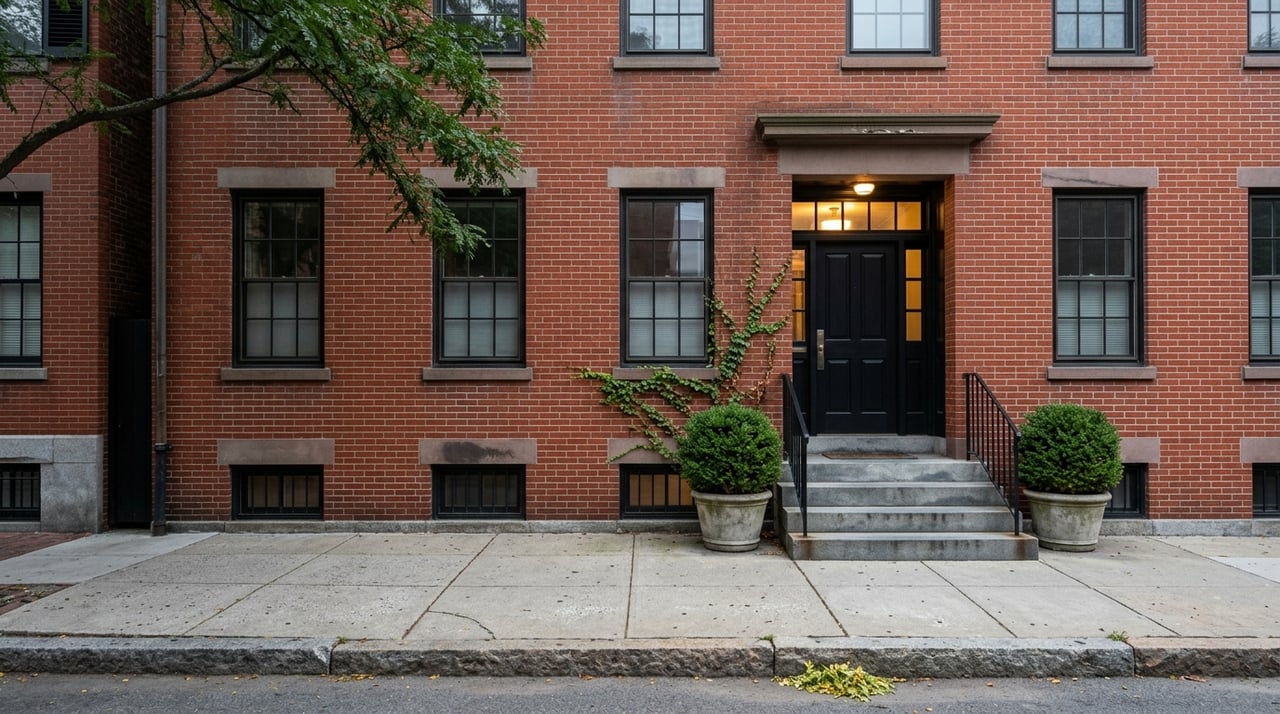
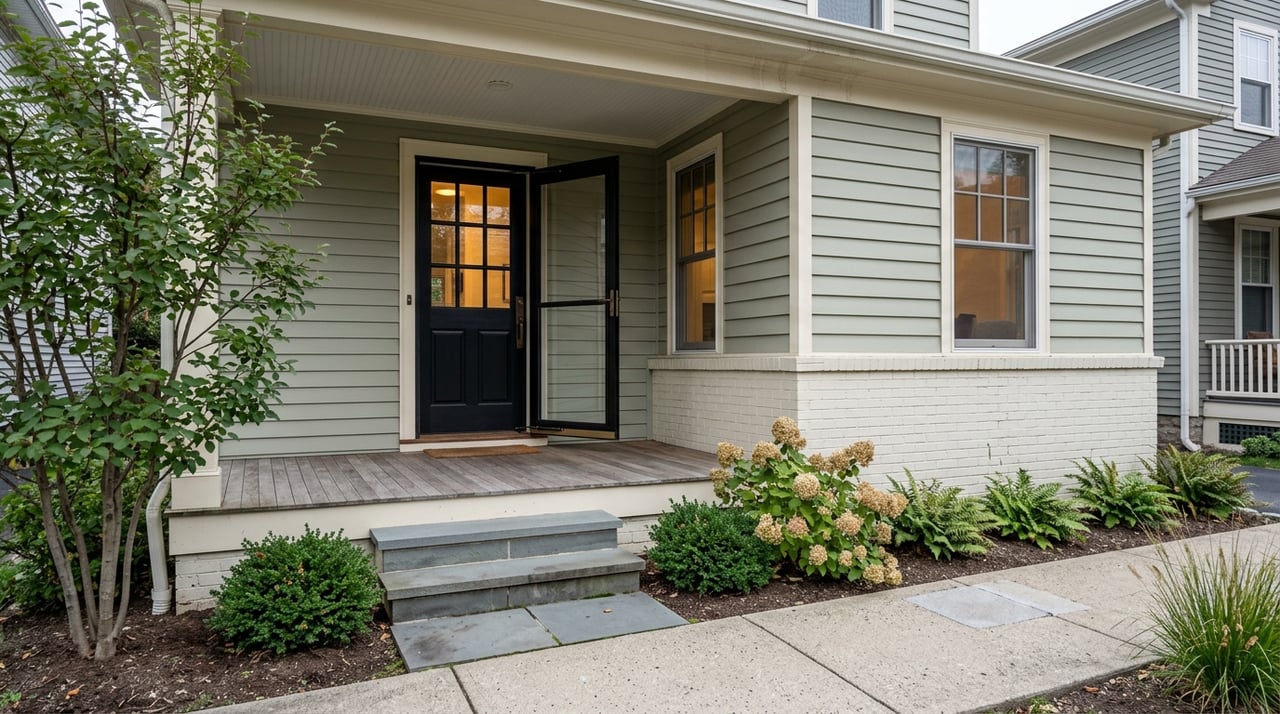
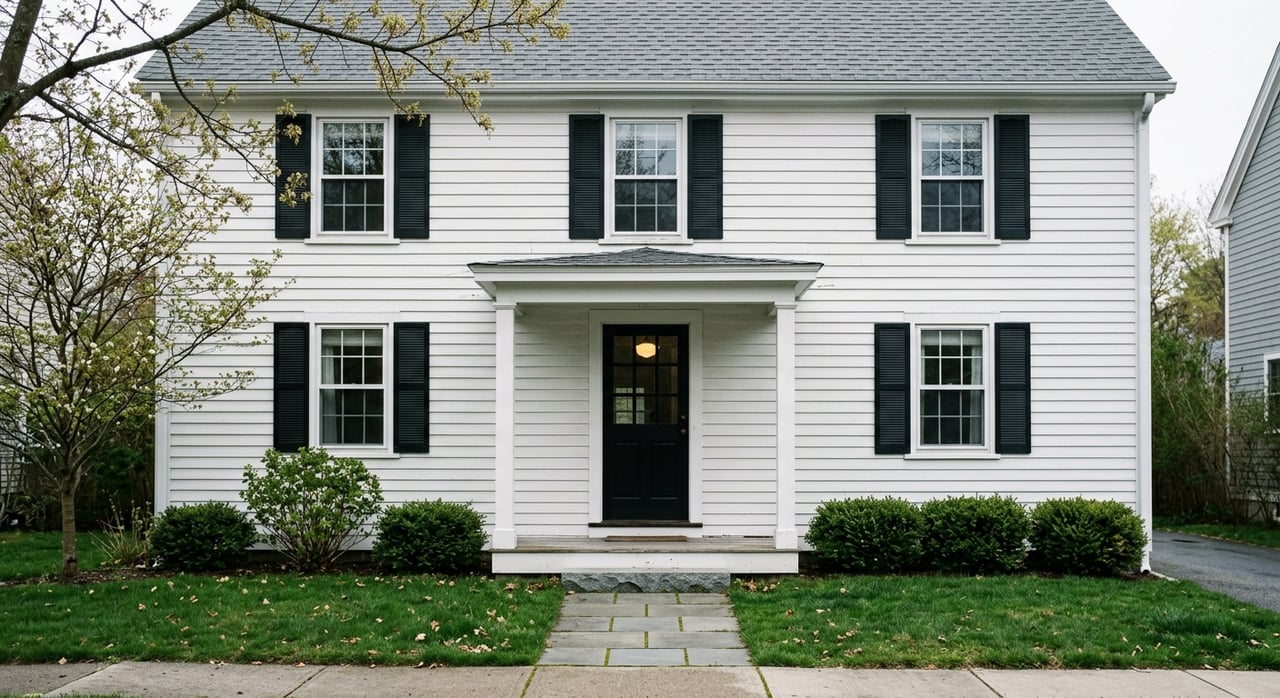
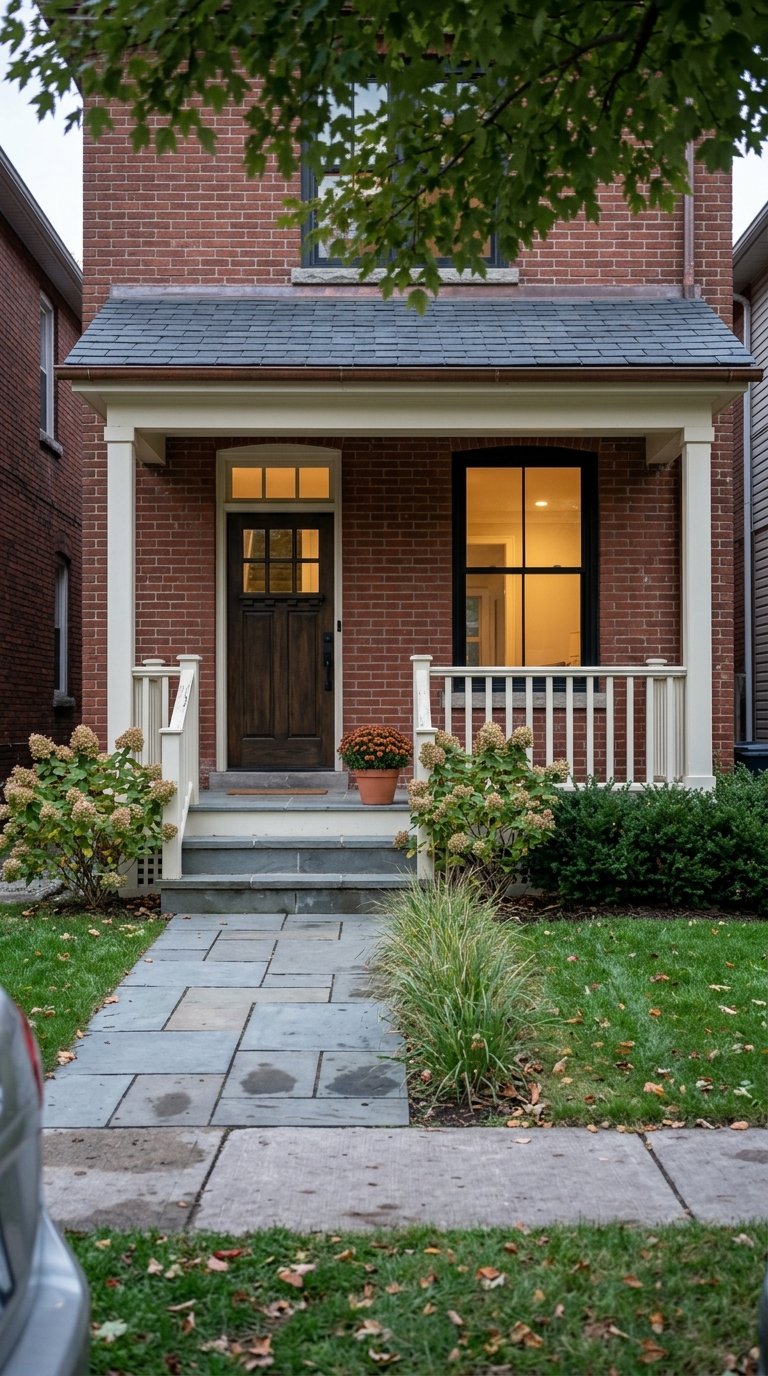
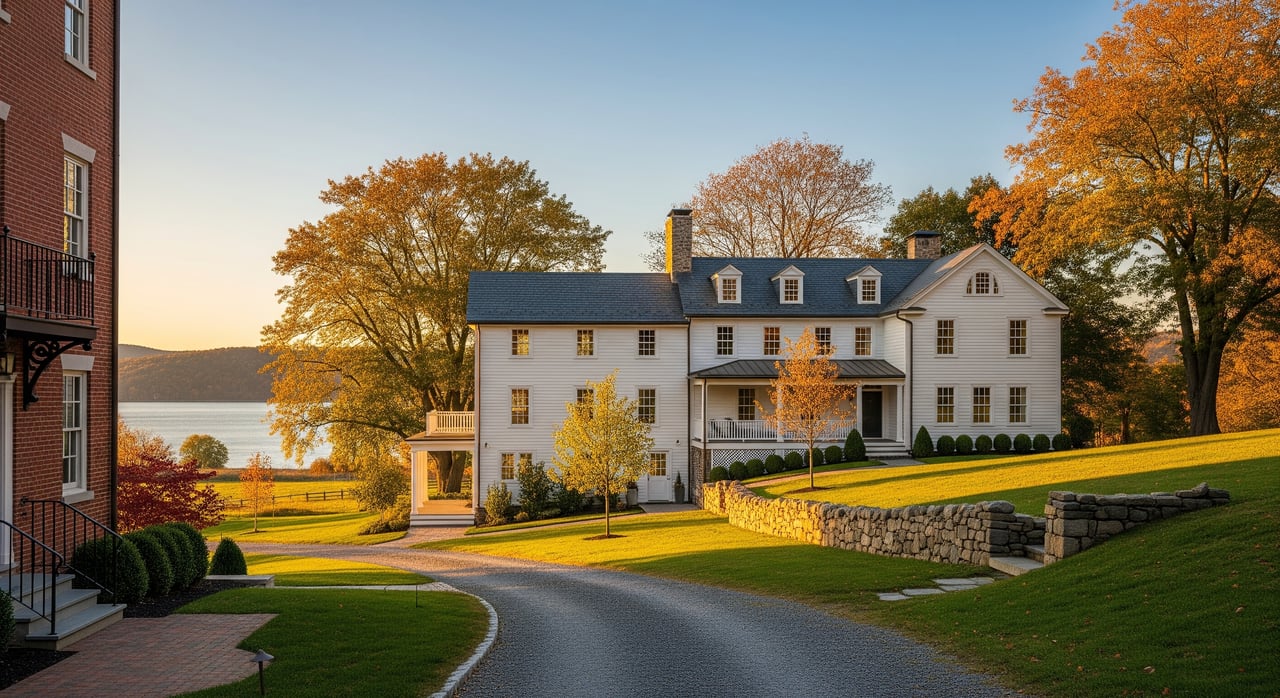
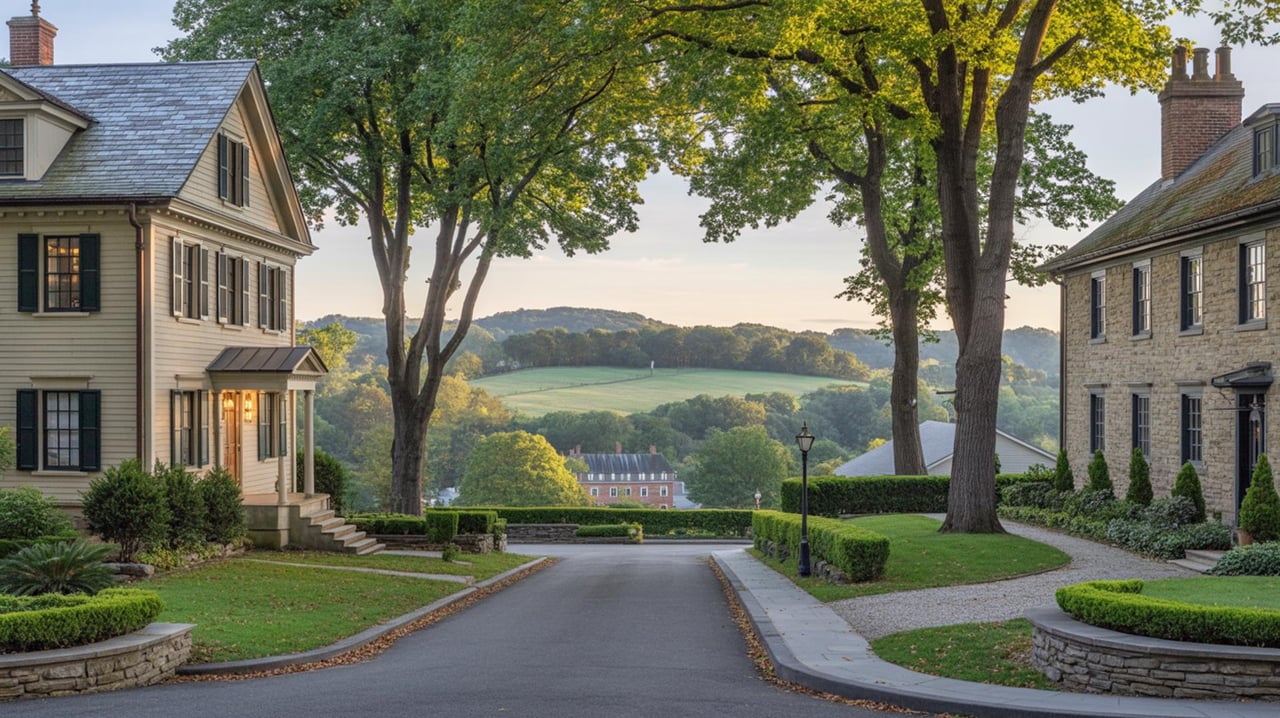
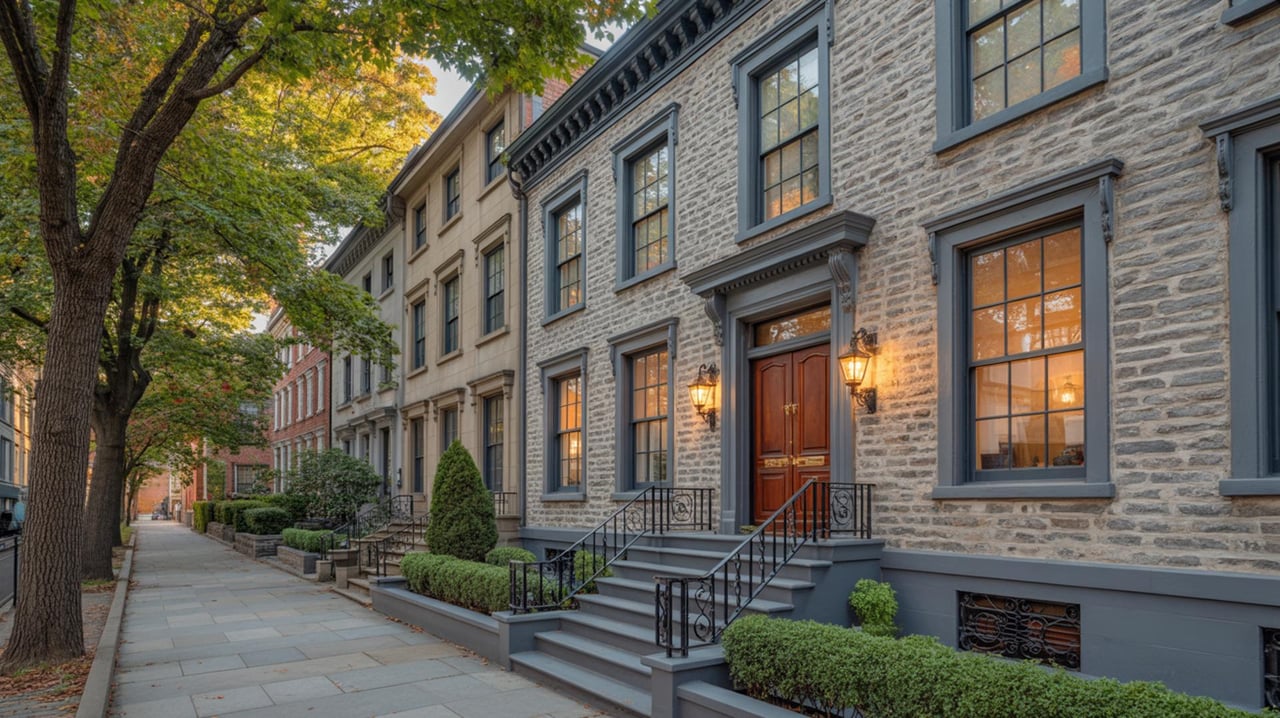
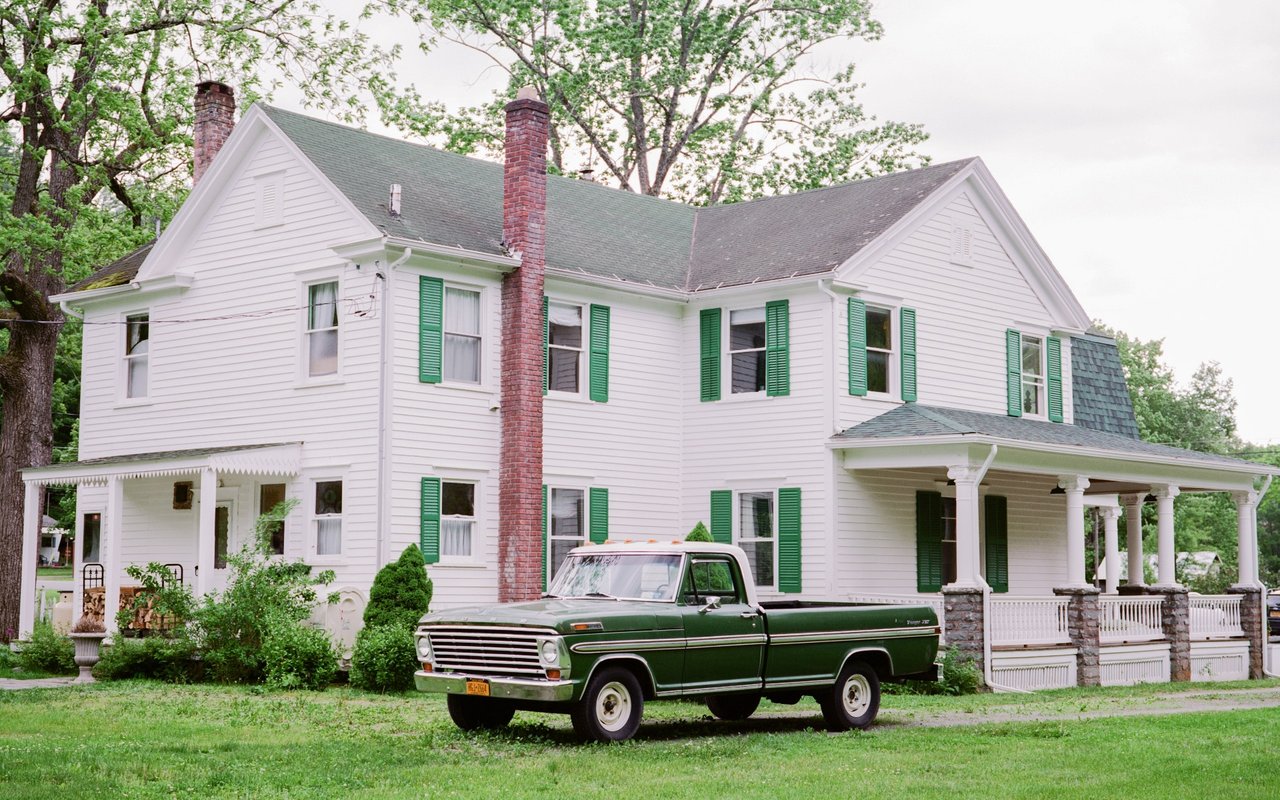
- Village core: You will find classic Greek Revival, Federal, and Victorian-era homes, along with small detached cottages. Much of the Village sits within a designated historic district, which may require review for exterior changes. If you are eyeing a project, learn how the Village Historic District review works before you plan improvements.
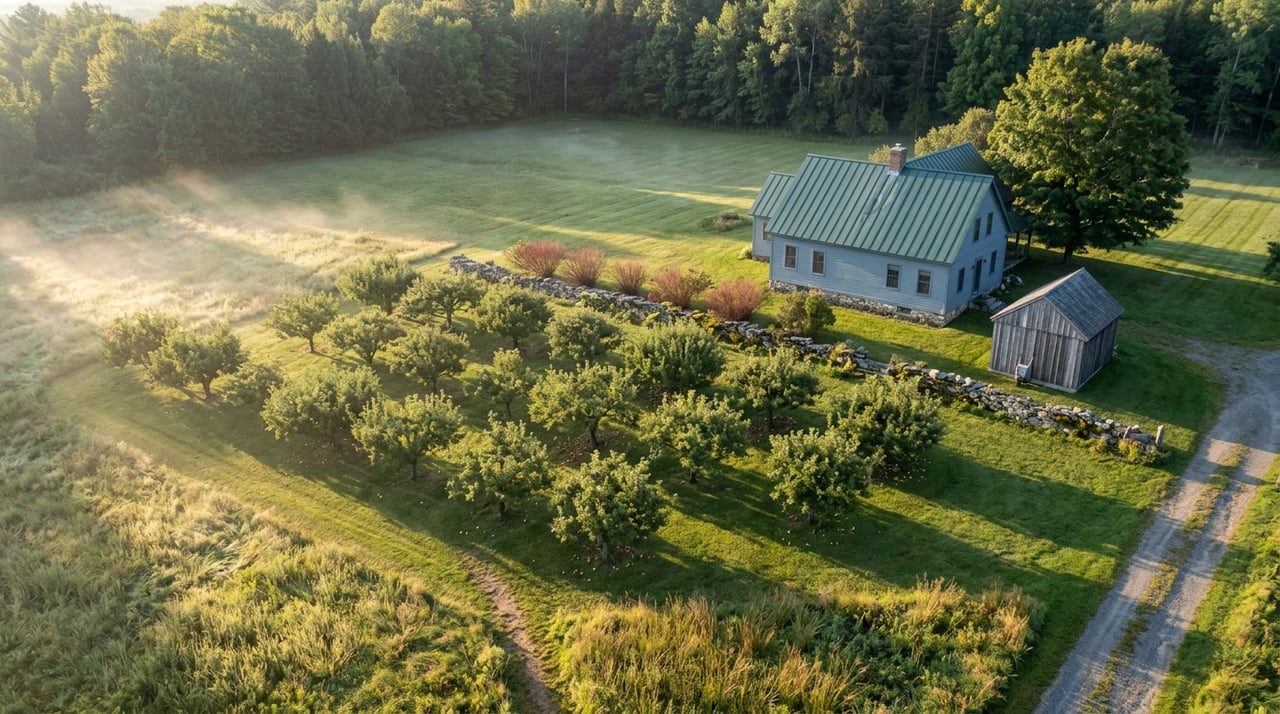
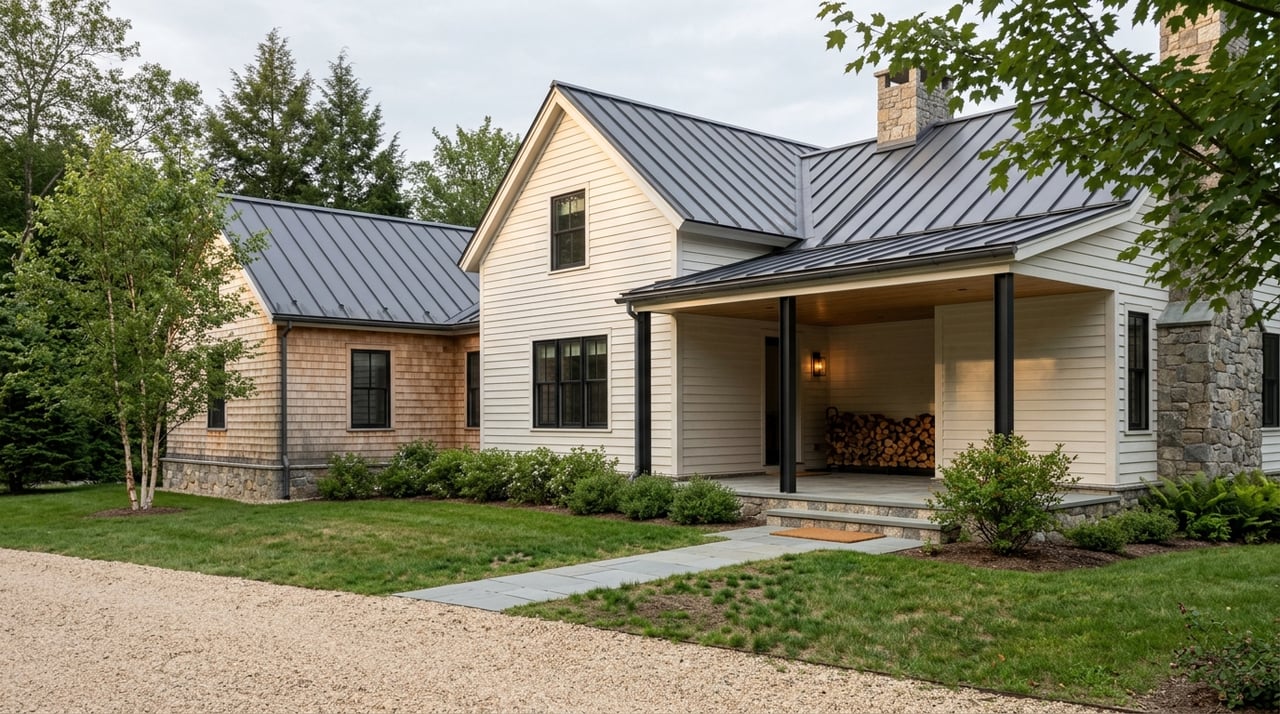
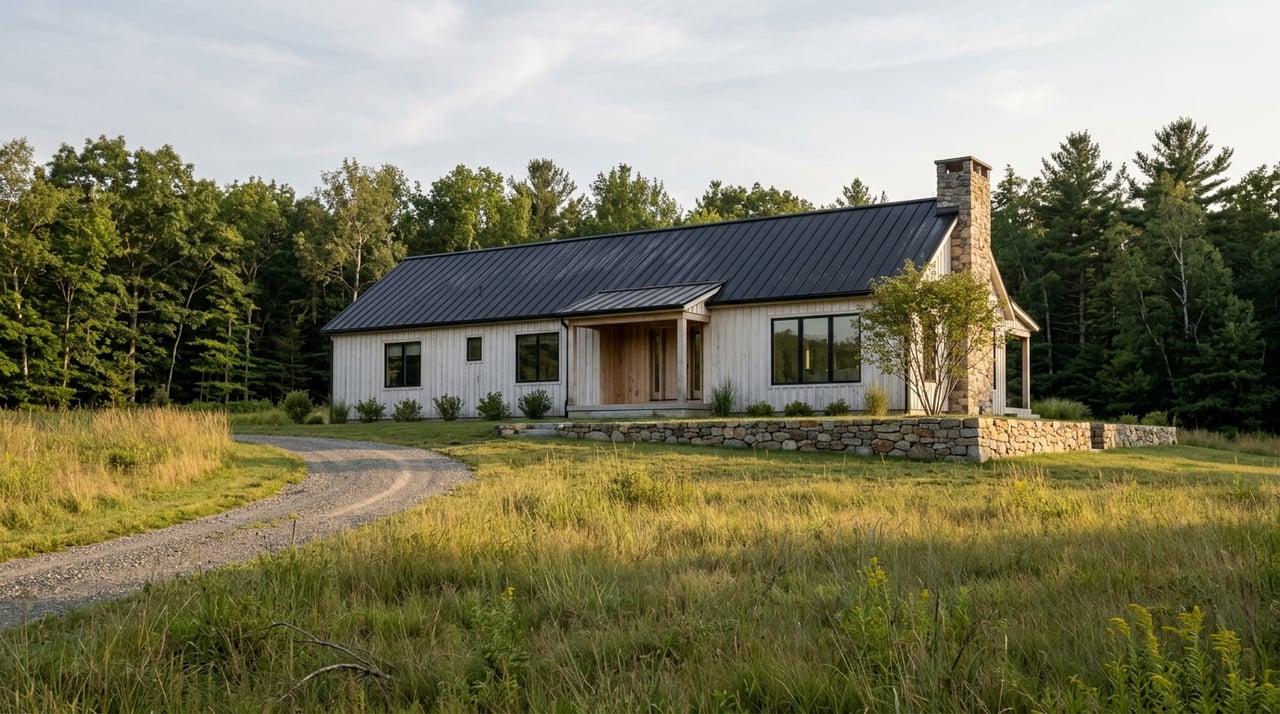
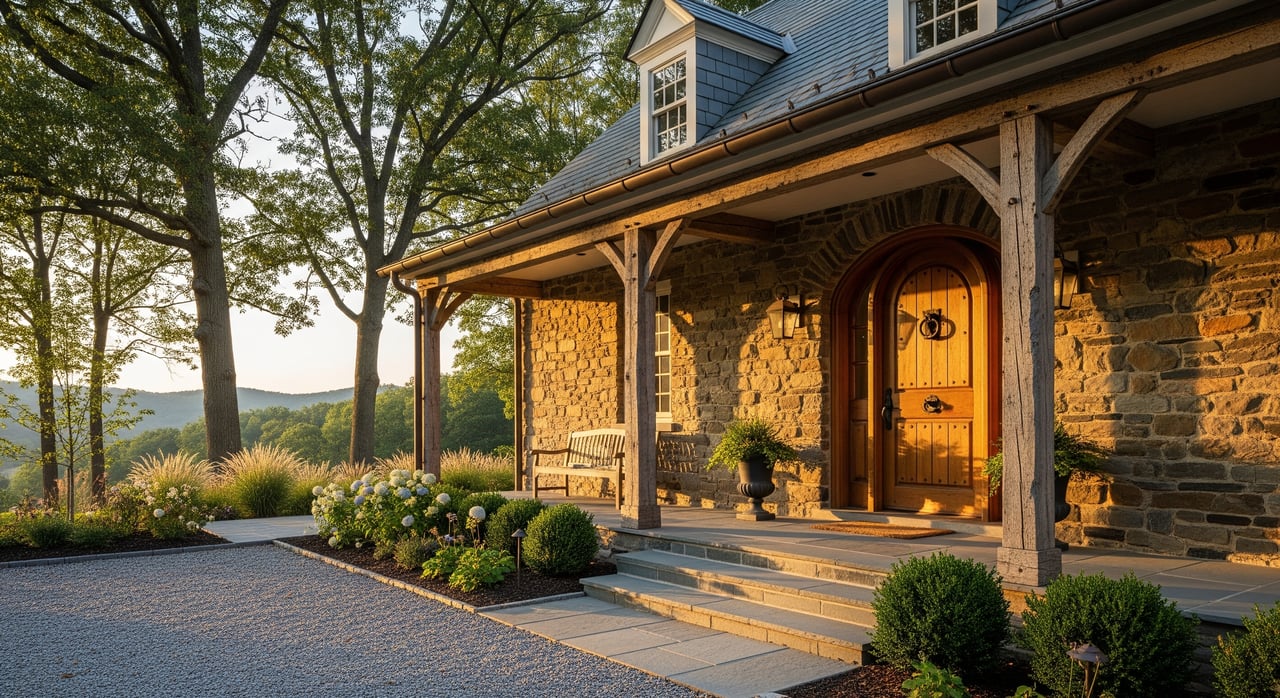
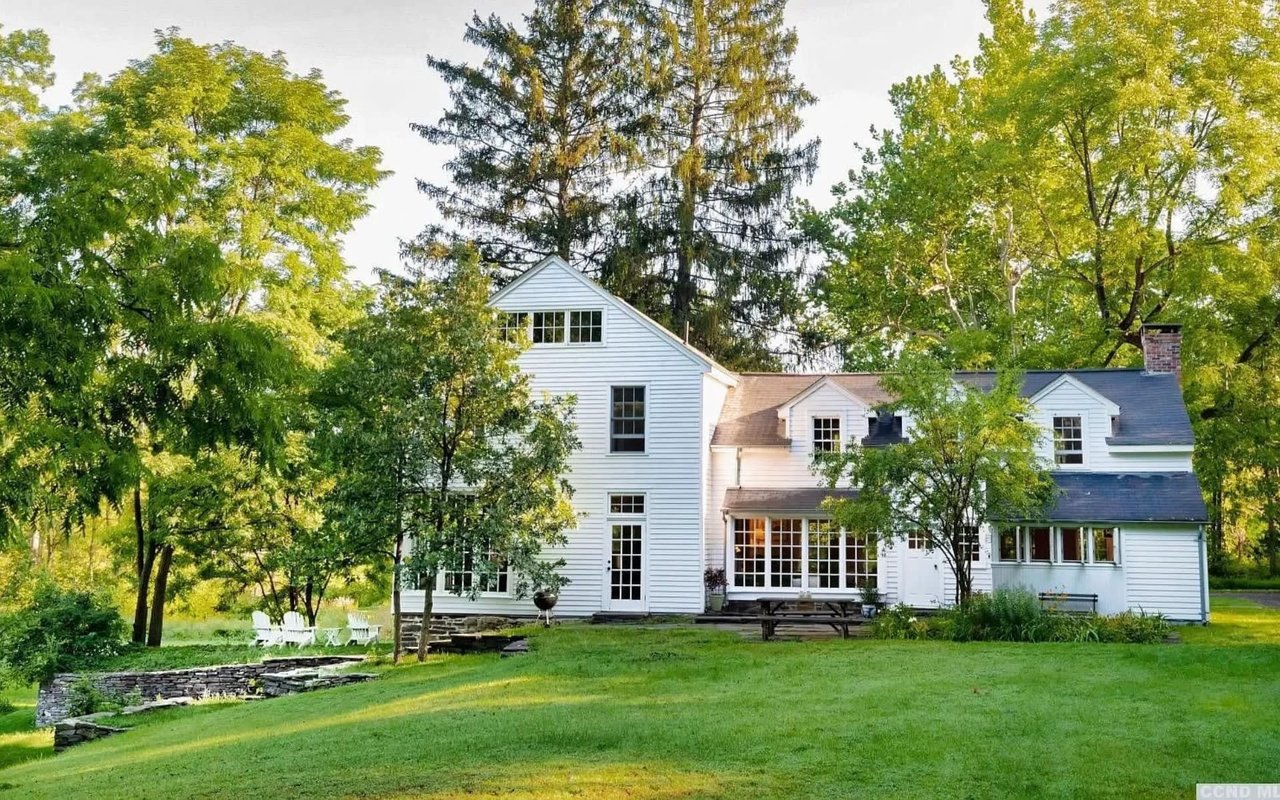
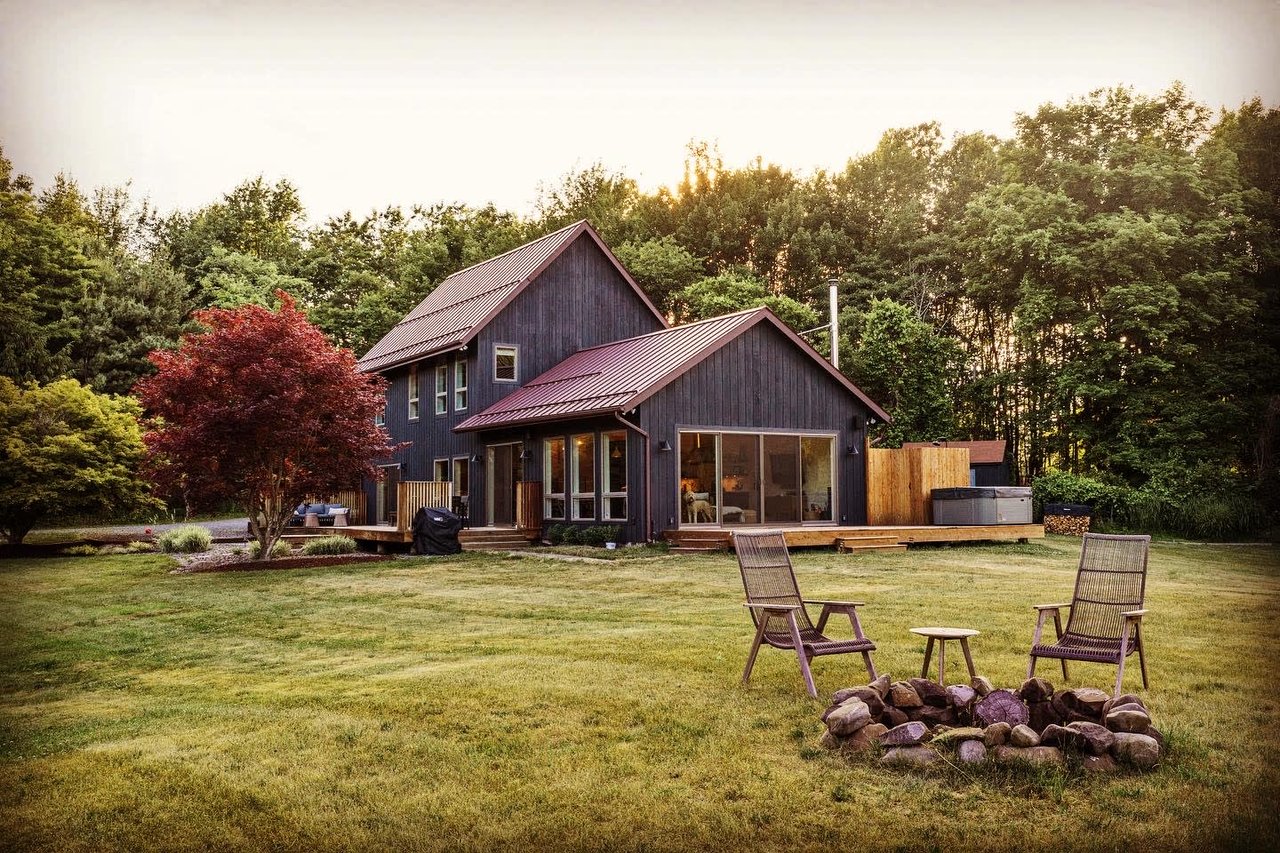
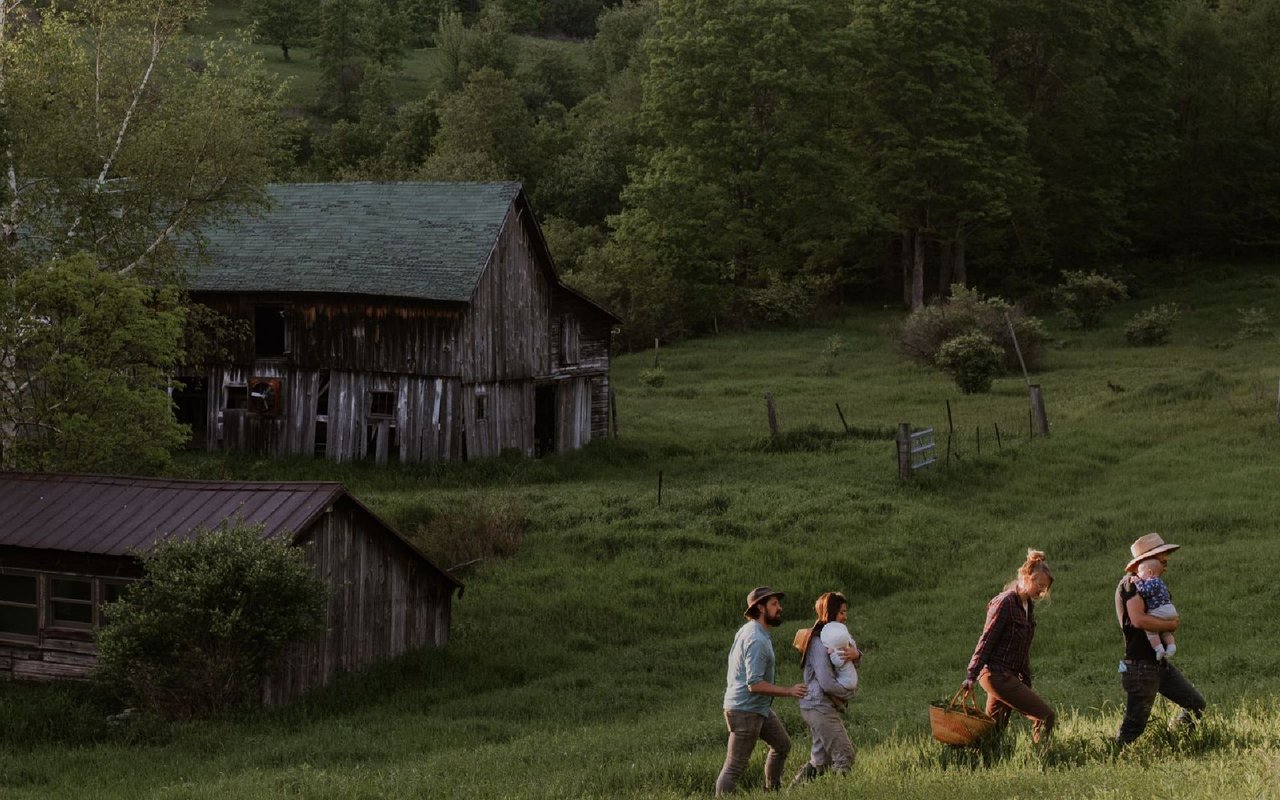
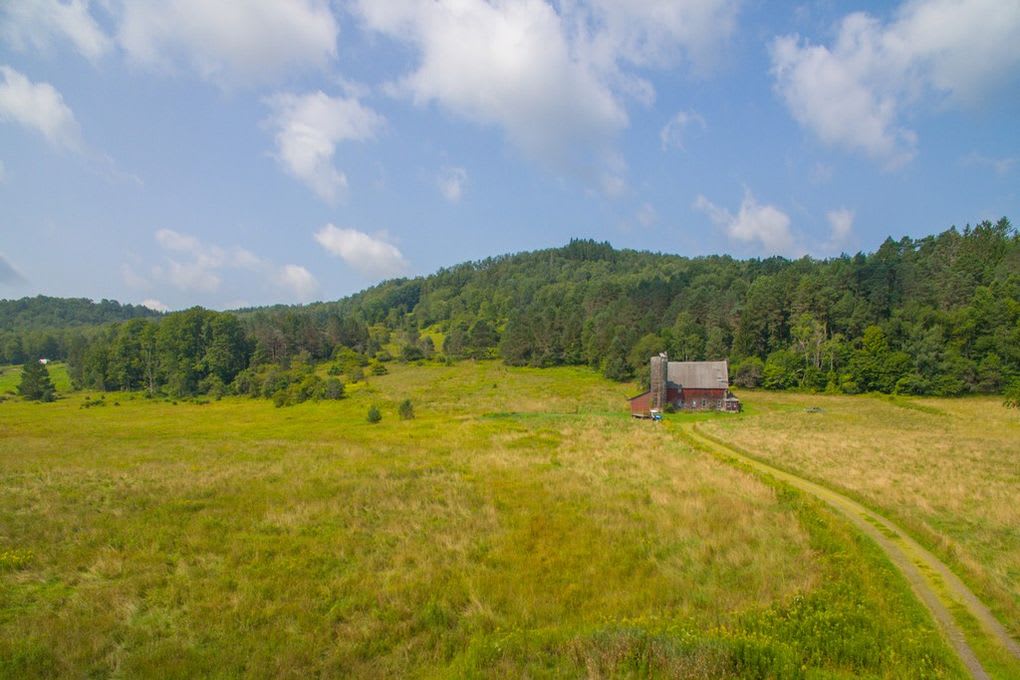
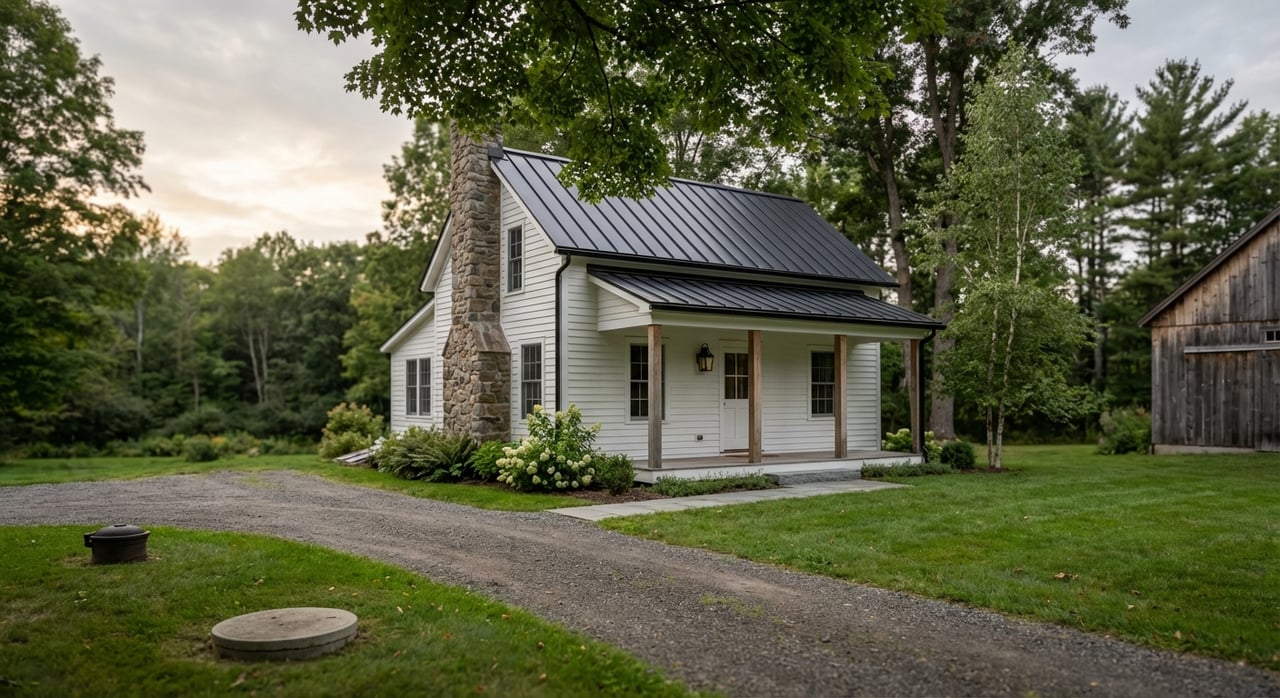
- Country and farm properties: On roads radiating from the Village, you will see stone farmhouses, 19th-century farm complexes with barns or carriage houses, and mid-century houses on acreage. Named historic examples, such as the Williams Farm, illustrate the area’s heritage.
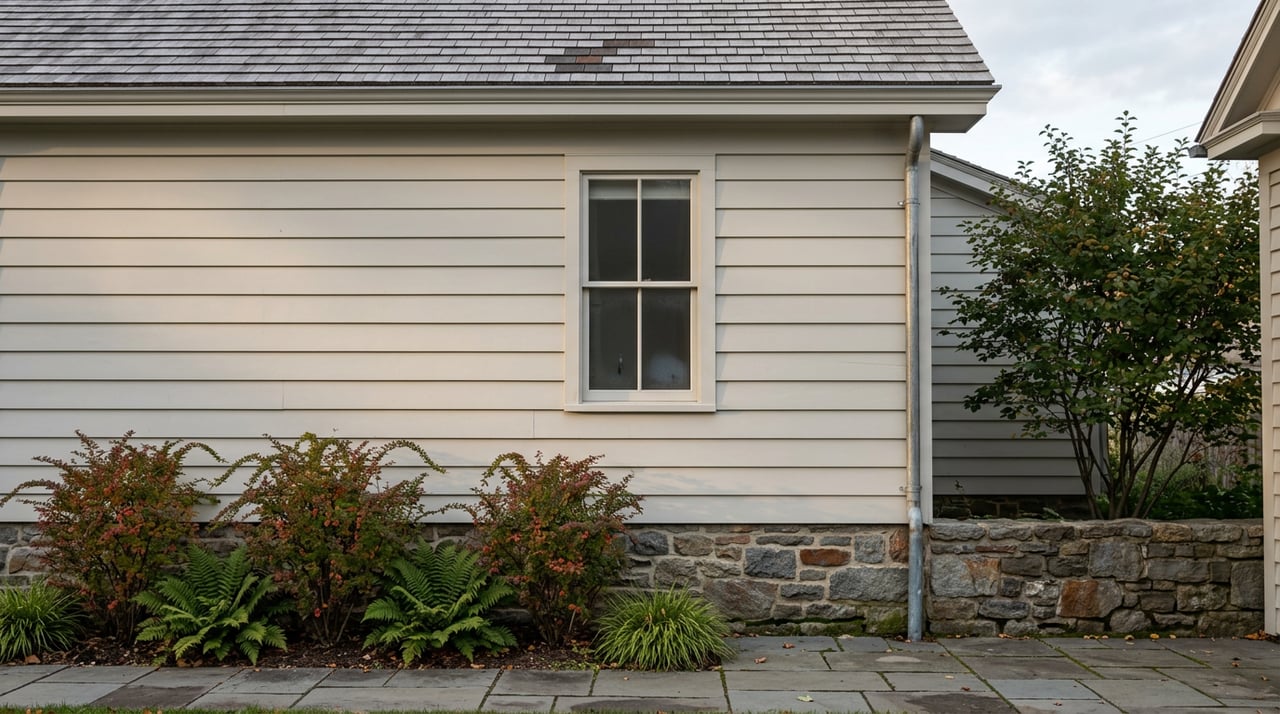
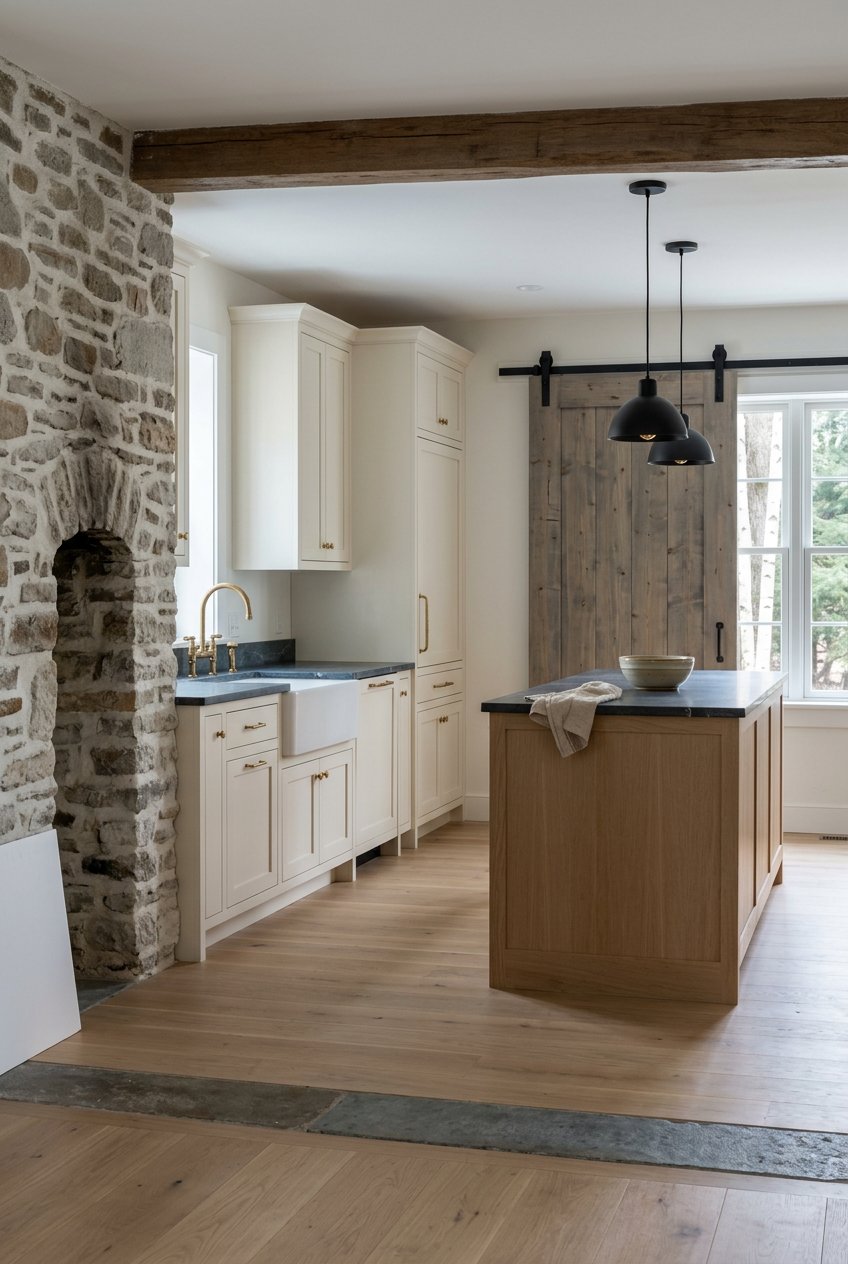
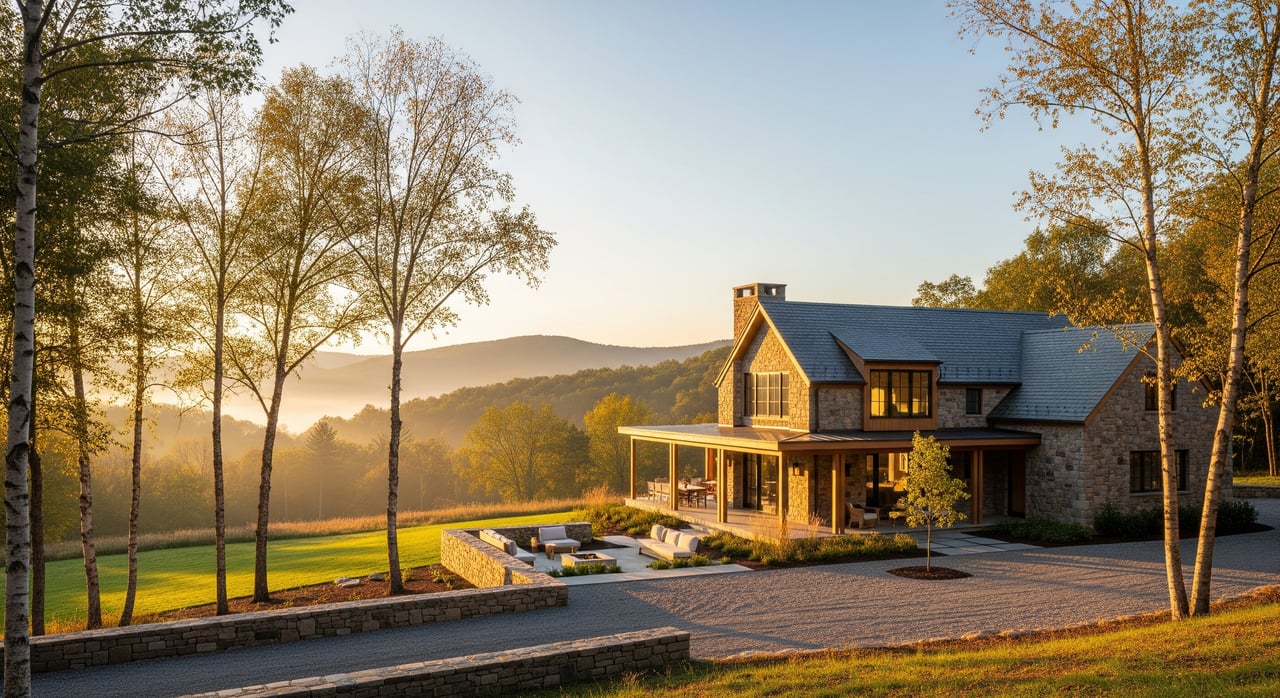
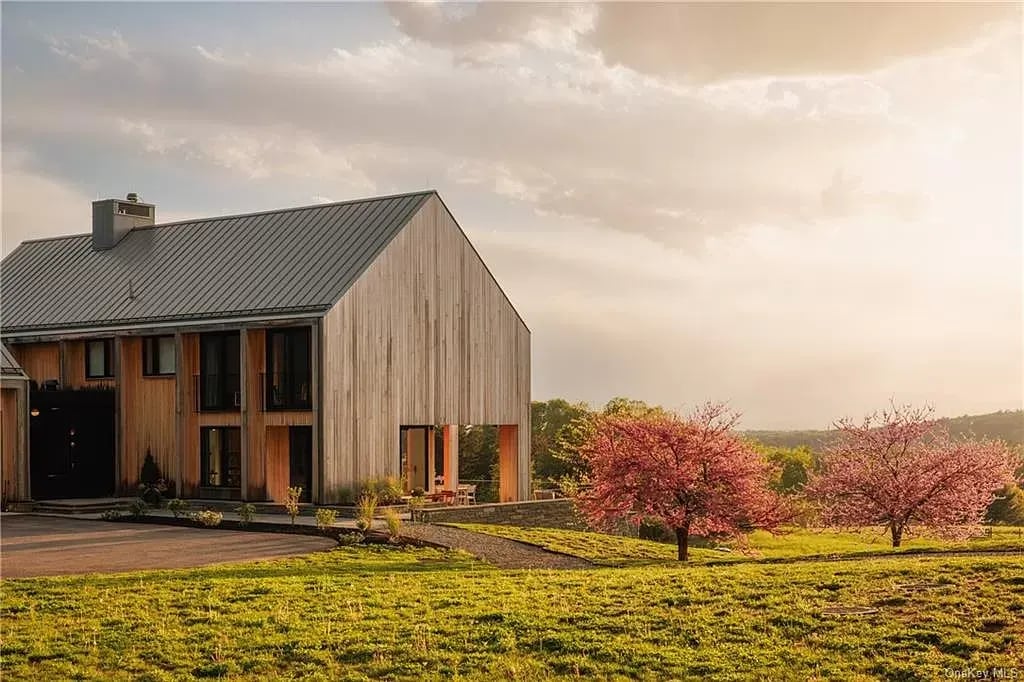
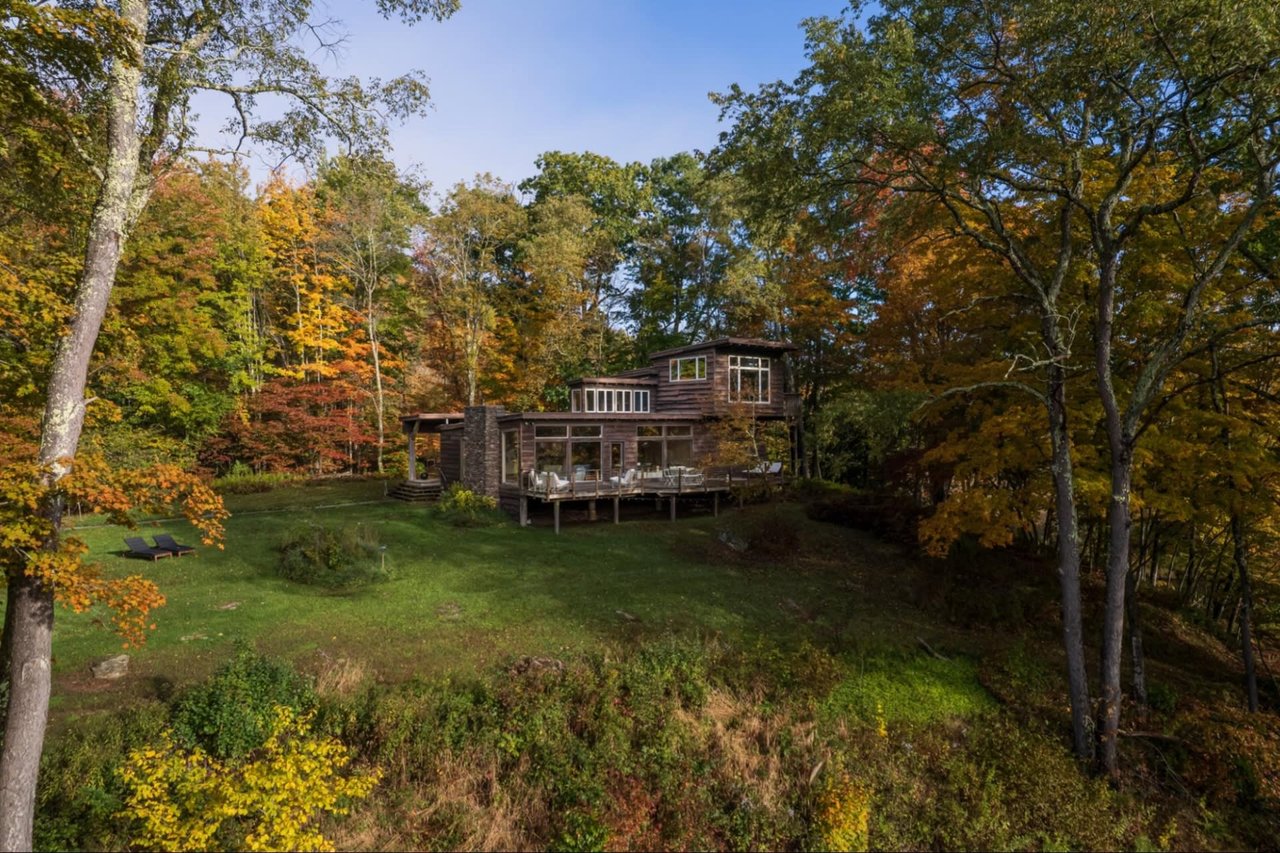
- Modern and renovated homes: Many properties have updated kitchens, systems, or additions. You will also find newer builds, including high-end renovations on river-view or hilltop lots.
Common “must-haves” for city buyers include a guest cottage or ADU, updated systems like new septic or well pump, fuel conversions or heat pumps, reliable internet and cell service, and either walkability to shops or a private setting with a good driveway.
Walkable village vs acreage: value tradeoffs
Walkability matters for both lifestyle and resale. Research on the economics of walkable places shows that neighborhoods where you can run errands and access amenities on foot often command higher per-square-foot prices. For a primer on this dynamic, see the broader findings in Walk This Way: The Economic Promise of Walkable Places.
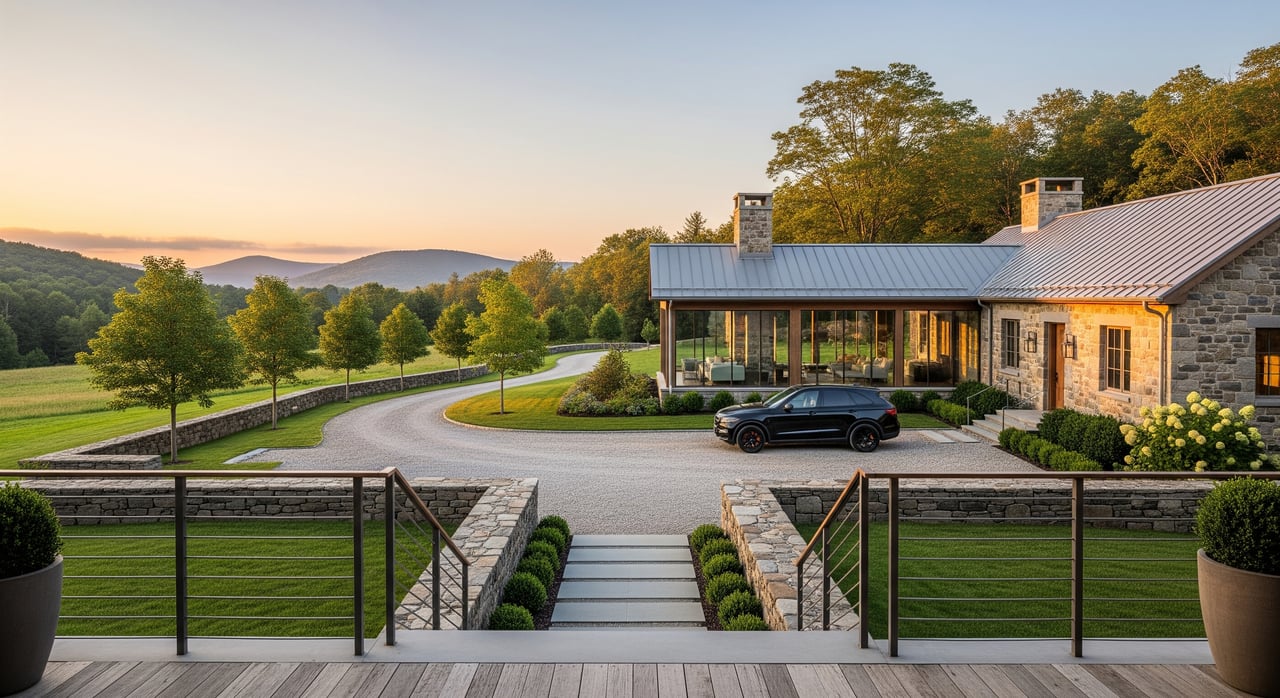
In Rhinebeck, Market Street and the Village center have high walkability, which tends to support pricing. Outlying roads, such as Route 308 and rural lanes, trade walkability for privacy and land. That appeals to buyers who want seclusion, fields and woods, and sometimes space for horses or gardens. Expect acreage premiums to scale with usable land, views, outbuildings, and well and septic capacity.
A simple way to compare two paths:
- Village option: Smaller lot, municipal services or lower yard upkeep, quick access to dining and shops, likely higher per-square-foot price.
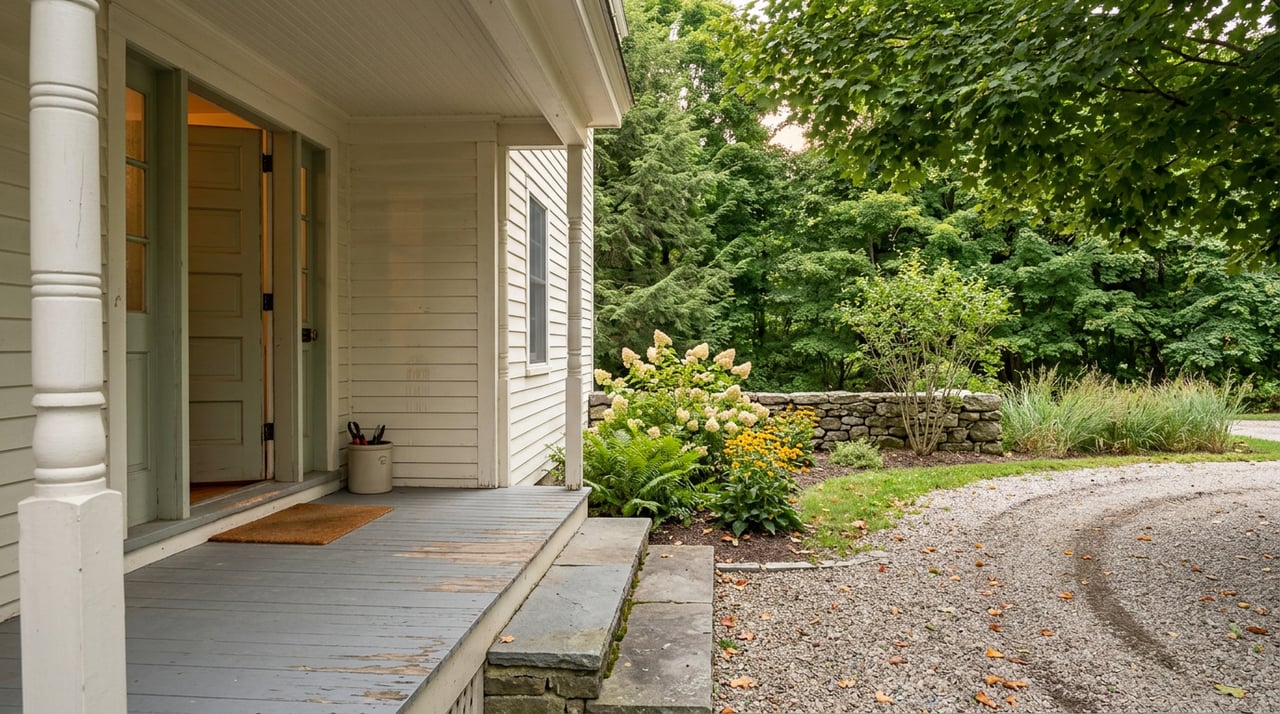
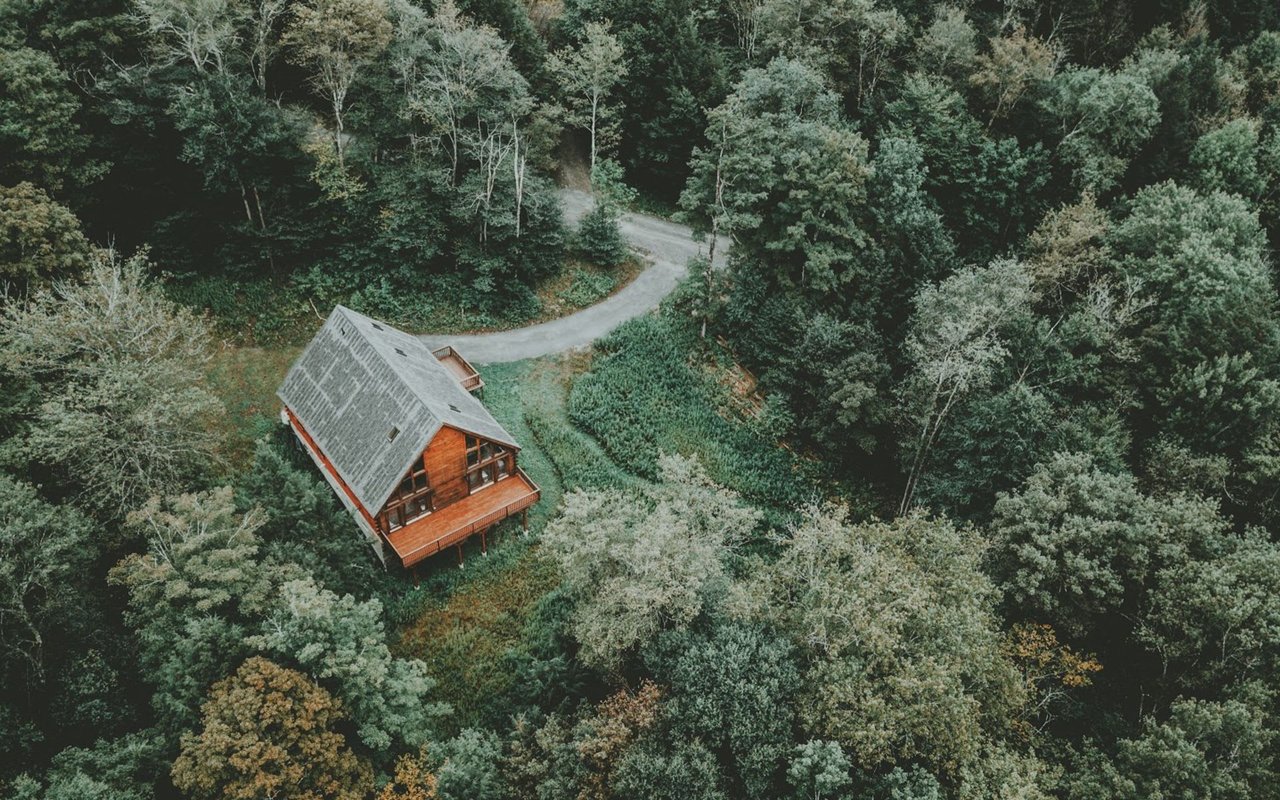
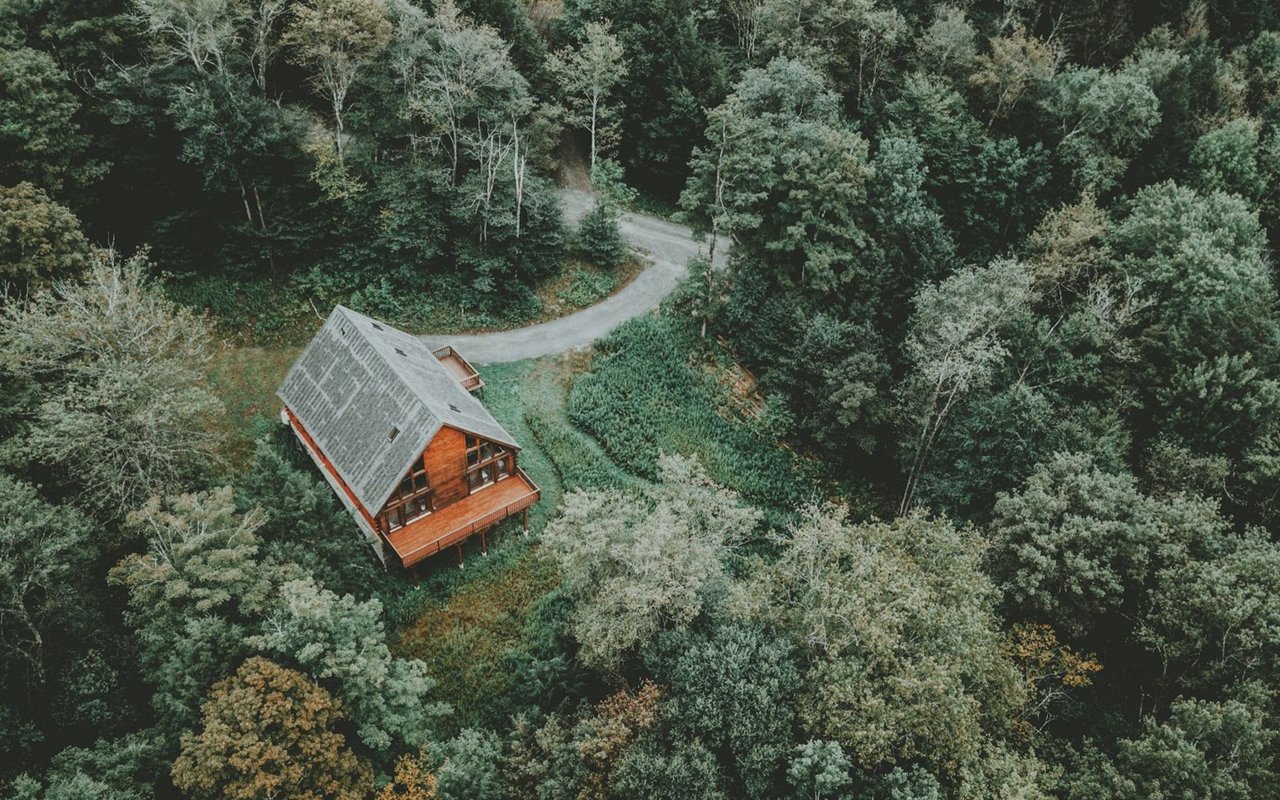
- Acreage option: Larger lot, private driveway, potential guest house or barn, septic and well responsibilities, premium for views and outbuildings, more driving for errands.
Getting to and from NYC
Rhinecliff’s Amtrak station is a key filter for many buyers. The Empire Service connects to Penn Station in roughly 1 hour 35 minutes to 1 hour 55 minutes depending on the train, according to this Rhinecliff-to-NYC overview. Metro-North’s Hudson Line from Poughkeepsie has also introduced 2025 timetable improvements with “super-express” runs cutting some trips under 90 minutes. Always verify current schedules when you plan showings.
If you plan frequent city-to-country travel, include station proximity in your saved search filters and test the actual trip at least once before you buy.
How to structure a smart search
Set up two parallel saved searches to clarify what you really want:
- “Village/Walkable” filter: Under a half mile to Market Street, smaller lot or municipal water and sewer, lower-maintenance yard.
- “Acreage/Privacy” filter: Two or more acres, garage or outbuildings, strong driveway access, and documented septic design and percolation history.
Layer on commute filters, such as distance to Rhinecliff Amtrak or Poughkeepsie Metro-North. Then rank your priorities: walkability, commute time, acreage, turnkey systems, and any short-term rental goals. Use that ranking to sort listings and speed up decisions when a great house hits the market.
Due diligence: Rhinebeck buyer checklist
Ask for key documents early and build strong contingencies into your offer. Here is what to prioritize in Rhinebeck and Dutchess County:
Taxes, survey, and title items
- Request the most recent property tax bill and tax parcel map. Tax amounts vary by property and school district, so do not estimate. Ask the seller for any special assessments.
- Ask for the survey, deed, and disclosure of easements. Some parcels carry conservation or purchase-of-development-rights restrictions that can limit future changes.
Well water quality
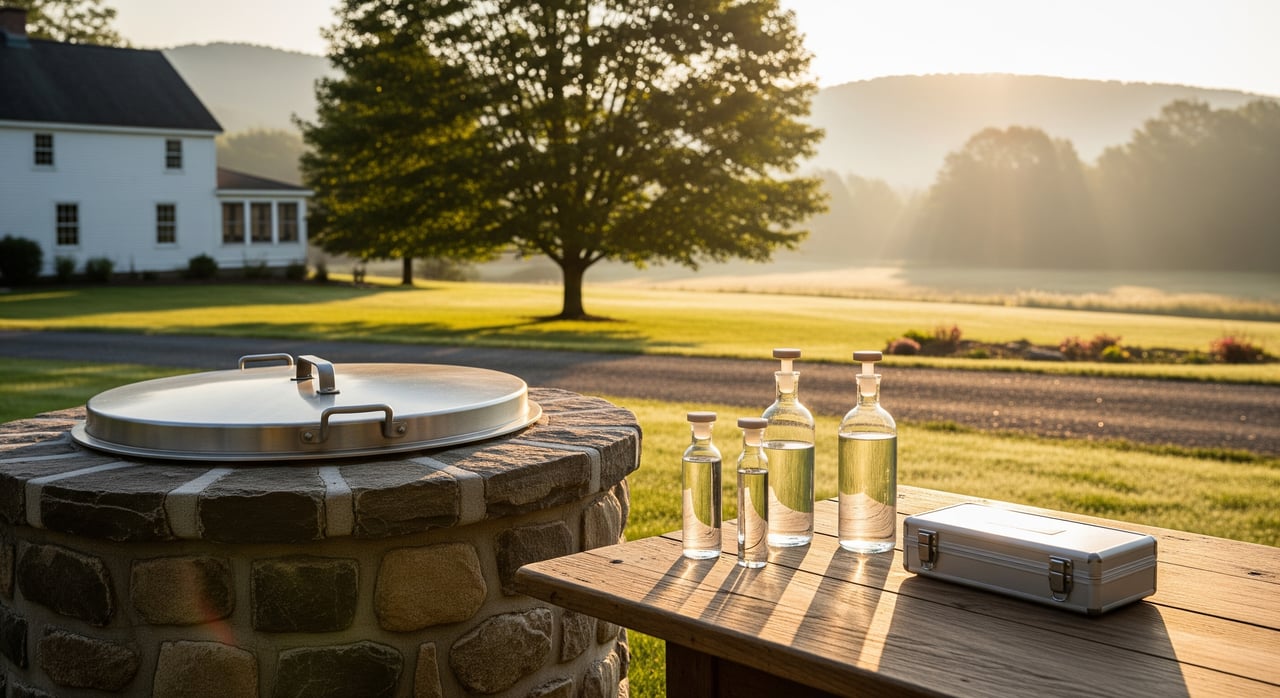
- Many Rhinebeck homes use private wells. The New York State Department of Health recommends testing private wells at least annually for bacteria and every 3 to 5 years for other contaminants. Include total coliform and E. coli, nitrate, and, based on geology, consider arsenic, iron, or manganese. Learn more from the NYS DOH private well guidance.
- Ask the seller for prior water tests and the well completion log if available.
Septic system health
- Get the age of the system, last pump date, service records, and any repair permits. If you plan to add bedrooms or change use, a new percolation and soil evaluation may be required.
- New York’s Appendix 75-A outlines design standards and when perc tests are needed. Review the standards here and plan engineering time if land capacity is part of your plan: 10 NYCRR Appendix 75-A.
Older home systems and environmental checks
- Lead paint: For pre-1978 homes, federal law provides a 10-day window for lead inspection and requires disclosures. Read the EPA summary for real estate professionals here: Lead renovation and disclosure basics.
- Electrical: Ask about upgrades if the home has older wiring. Some insurers require updates when knob-and-tube is present.
- Heating oil tanks: Many older homes once had underground or above-ground oil tanks. Ask for removal or closure documents and, if applicable, soil test results. The EPA outlines risks and responsibilities for residential tanks here: Home heating oil tanks overview.
- Radon: Dutchess County is in a high radon potential area. Test for indoor air radon and include mitigation contingency if levels are elevated. See EPA background on radon risk here: EPA radon reference.
Floodplains and wetlands
- Check FEMA’s Flood Insurance Rate Maps for every property you consider. Even non-river parcels can have mapped flood zones or wetlands that affect expansion, septic siting, and insurance. Start with the FEMA Map Service Center.
Historic district review
- If the home lies within the Village Historic District, exterior changes and demolition can require review and approvals. Confirm status and requirements on the Village Historic District page.
Short-term rental rules
- Rhinebeck has relatively strict short-term rental frameworks, including owner-occupancy provisions in some cases. If you plan to offset costs with STR income, confirm Town and Village code and any county registry rules before you buy. A local summary of Rhinebeck STR regulations is discussed here: Rhinebeck STR overview. Verify final rules with municipal staff.
Timing and viewing strategy for weekend buyers
- Use the seasons: Spring and summer typically bring more listings, while fall weekends see strong regional demand. Plan early if you want to tour during peak leaf season.
- Maximize daylight: Daylight helps you assess yards, drainage, and driveway grade. For rural lots, try to visit after a dry spell to evaluate access clearly, and ask about winter plowing.
- Make weekends count: Arrive Friday night by car or train. Block Saturday and Sunday for showings. Mid-week tours can work if the seller is flexible, but weekend daylight is your friend.
- Save time with prework: Ask your agent for a pre-inspection checklist, a video walk-through for first-pass screening, and, when warranted, a contractor check on roof, heating, septic, or well before you commit a full weekend to travel.
- Lean on second-home guidance: The National Association of REALTORS provides a helpful overview for vacation and second-home buyers, including budgeting and contingency planning. Read more here: NAR Field Guide to Vacation and Second Homes.
Budgeting for ownership and management
If the home will sit empty at times, plan for:
- Property management: A local caretaker for periodic checks, deliveries, and contractor access.
- Winter protocols: Keep base heat on, protect pipes, and use smart thermostats and water sensors for alerts.
- Routine maintenance: Septic pumping schedules, well testing intervals, chimney service, and fuel delivery if applicable.
- Insurance and reserves: Budget for radon mitigation, oil tank issues, or electrical upgrades if inspections flag them.
Clarity on these items makes your offer stronger and your weekends simpler.
The bottom line
Rhinebeck gives you two great paths: a walk-to-dinner village home or a private escape on acreage. Set clear priorities, confirm commute realities, and run a thorough due diligence process. With the right plan, you can secure a home that feels like a true retreat and holds value over time.
If you want a city-to-country guide who knows how to navigate second-home details and negotiate with confidence, connect with Joseph Satto. We can meet in Brooklyn or Upstate, map your priorities, and get you from first tour to keys in hand.
FAQs
What do Rhinebeck weekend homes typically cost in 2025–2026?
- Redfin reported a median sale price near 1.0 million dollars in January 2026 for the Rhinebeck area, while Realtor.com showed ZIP 12572 listing values around 750,000 to 800,000 dollars in late 2025. Different geographies and small monthly sample sizes explain the variance.
How long is the train from NYC to Rhinecliff?
- Amtrak’s Empire Service typically runs about 1 hour 35 minutes to 1 hour 55 minutes to Penn Station, depending on the train; always verify current schedules on the operator’s site and see this Rhinecliff-to-NYC overview.
Are short-term rentals allowed in Rhinebeck?
- Rules are relatively strict and may include owner-occupancy provisions, so verify Town and Village code and any county registry before assuming rental income; a local summary is here: Rhinebeck STR overview.
What inspections are most important for older Rhinebeck homes?
- In addition to a general home inspection, prioritize well water testing, septic evaluation per Appendix 75-A, radon testing, lead paint checks for pre-1978 homes, and documentation for any past or present heating oil tanks.
Will a Village home hold value better than acreage?
- Walkable locations often command higher per-square-foot prices according to research on the value of walkable places, while acreage can carry premiums for usable land, views, and outbuildings. Choose based on your lifestyle and resale goals.