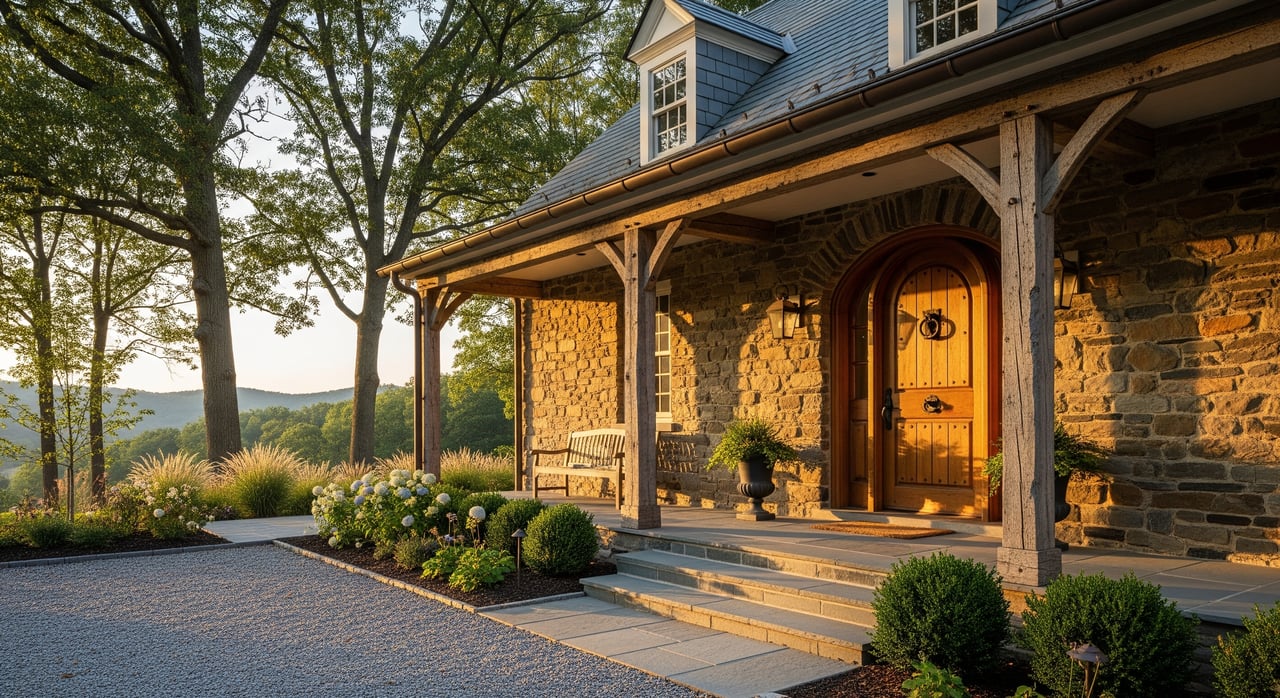
Do the thick stone walls and hand-hewn beams of a Hudson Valley farmhouse stop you mid-scroll? If you’re eyeing Stone Ridge and Marbletown, you’re not alone. These Ulster County stone houses blend history, craft, and lived-in warmth that modern builds rarely match. In this guide, you’ll learn how to read listings, spot true original details, plan inspections, budget smartly, and understand rules and financing so you can buy with confidence. Let’s dive in.
Why Ulster stone houses stand out
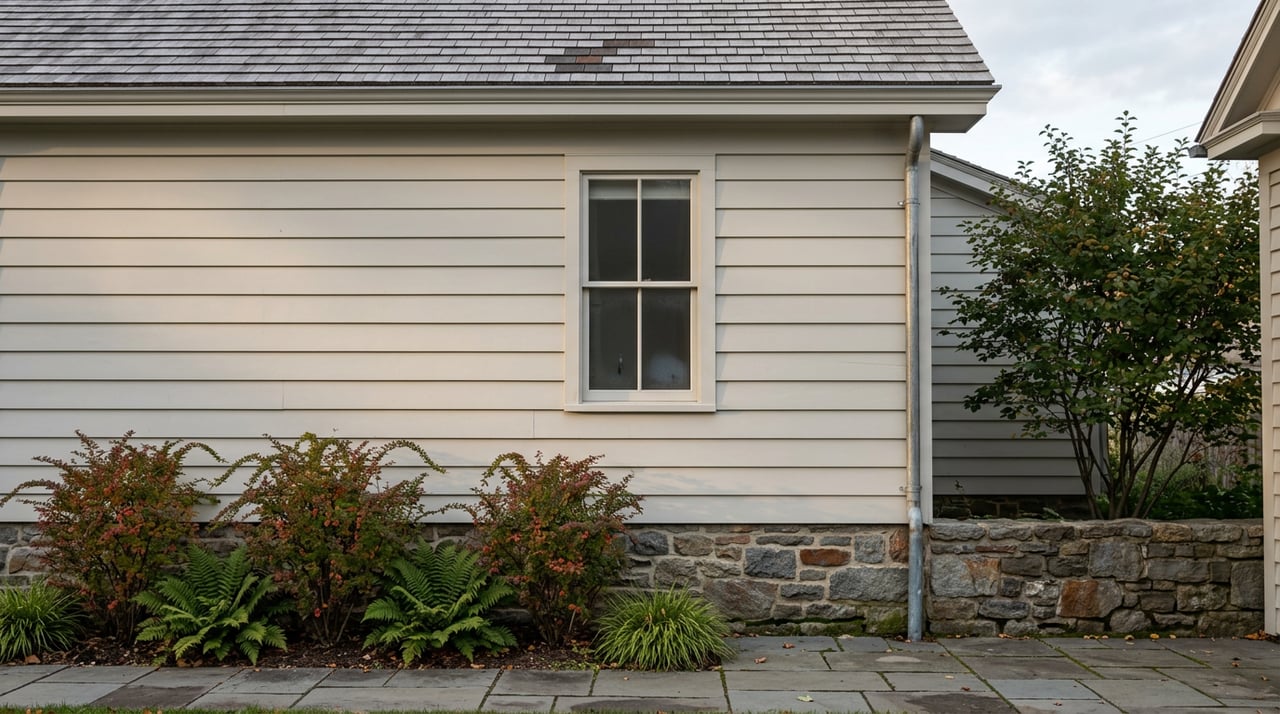
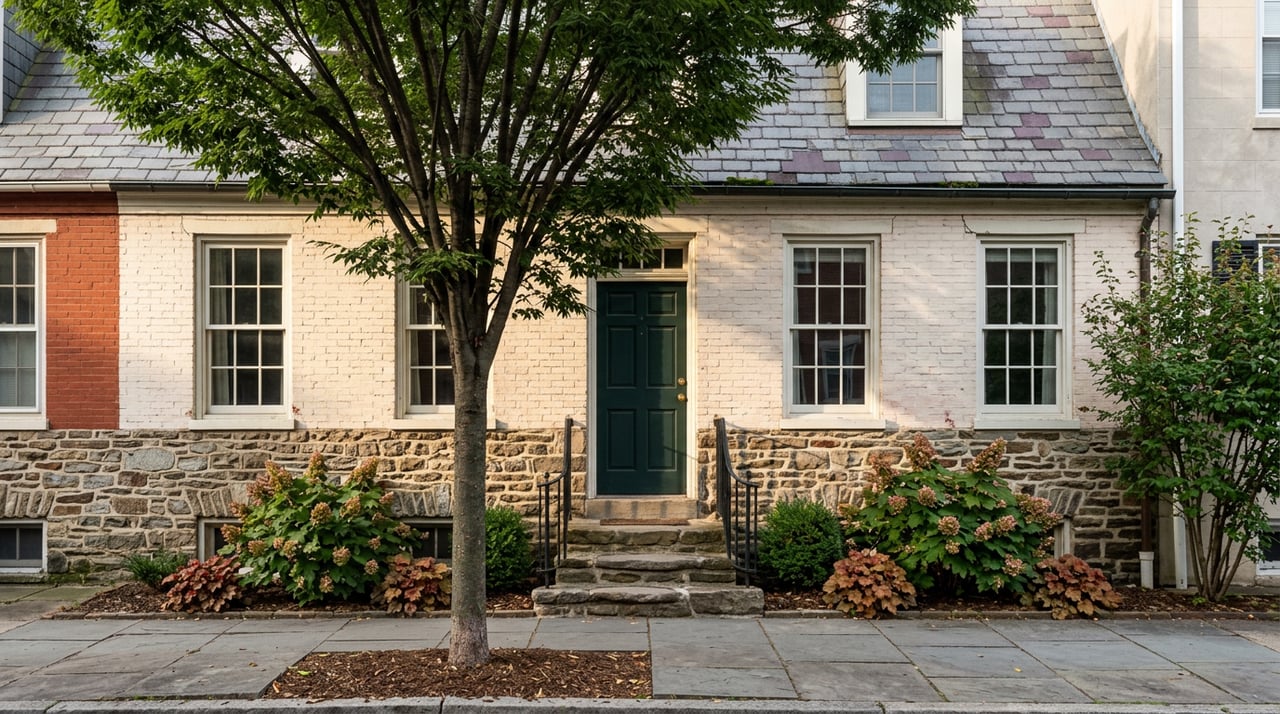
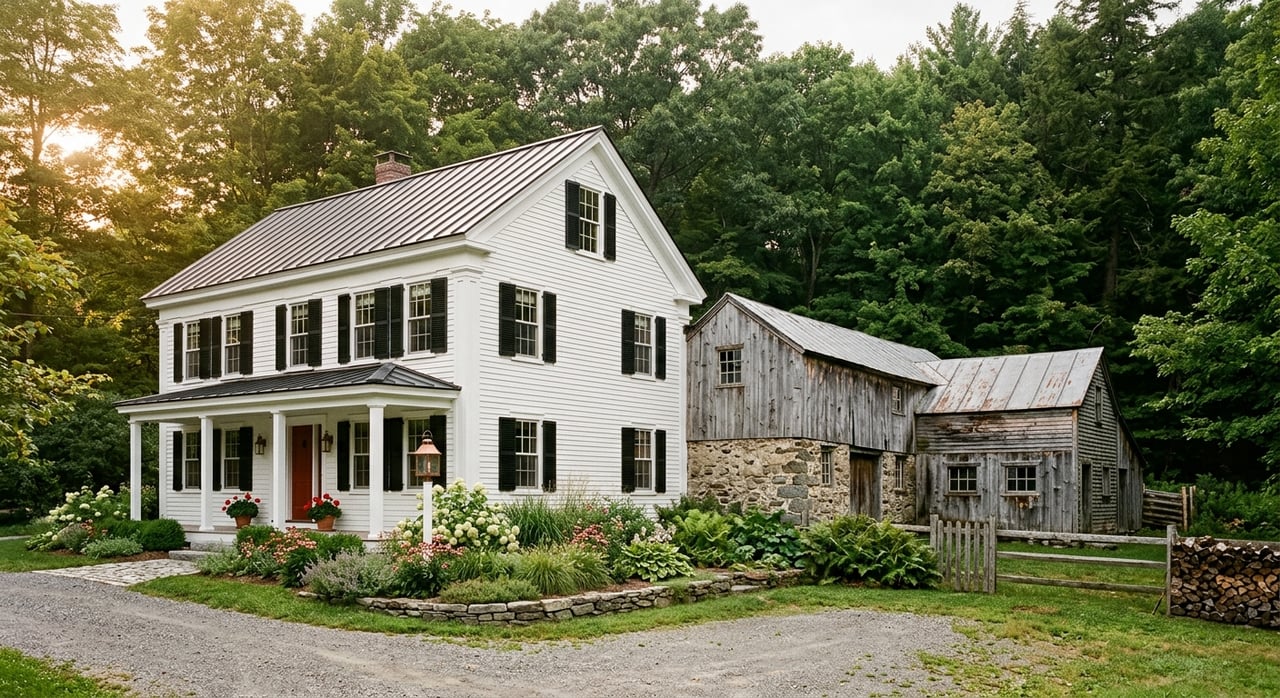
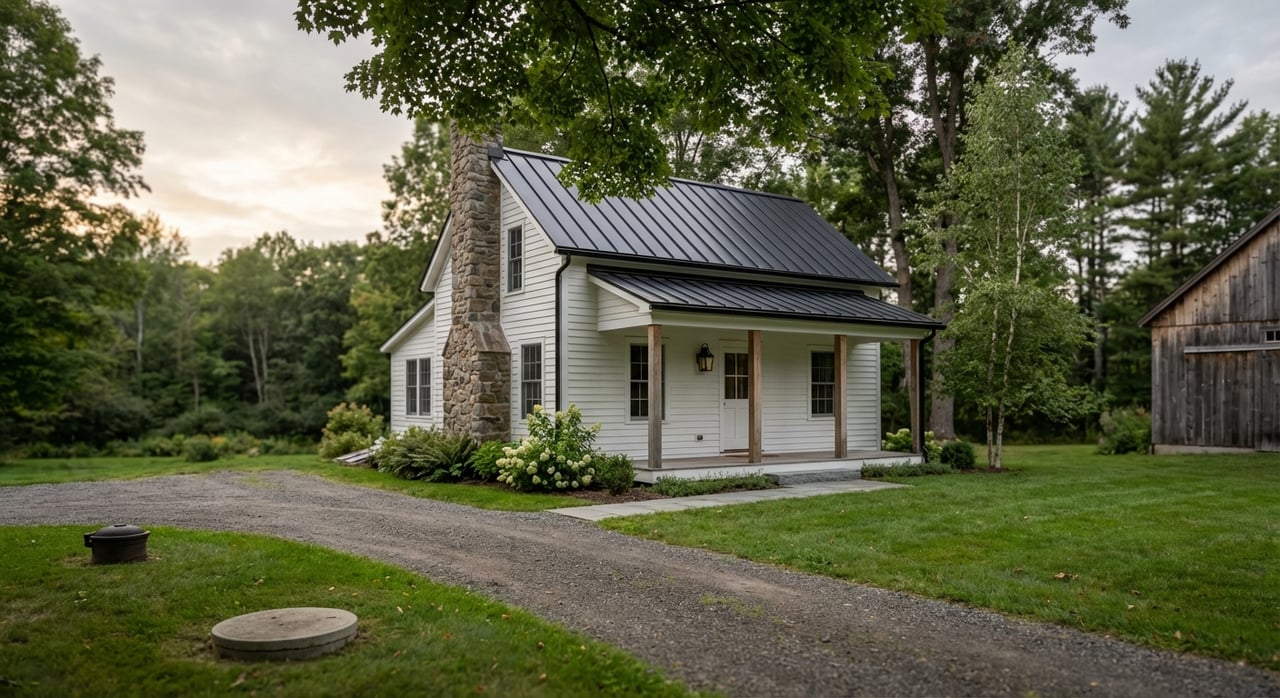
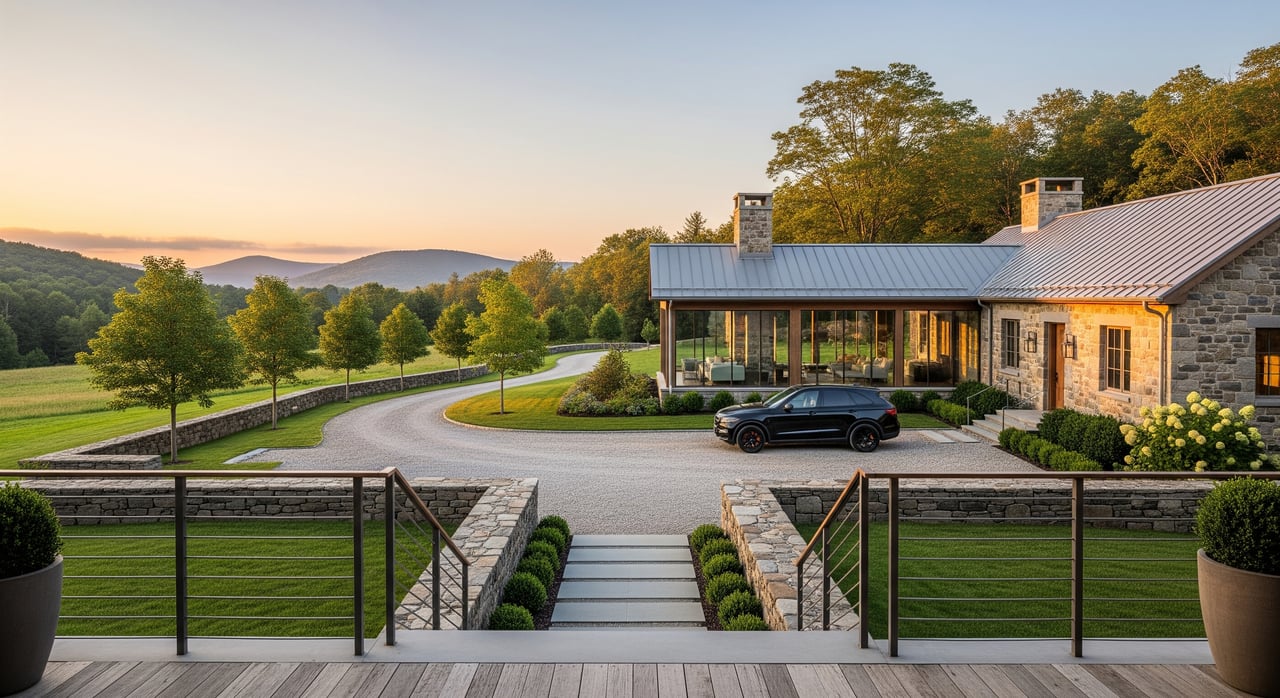
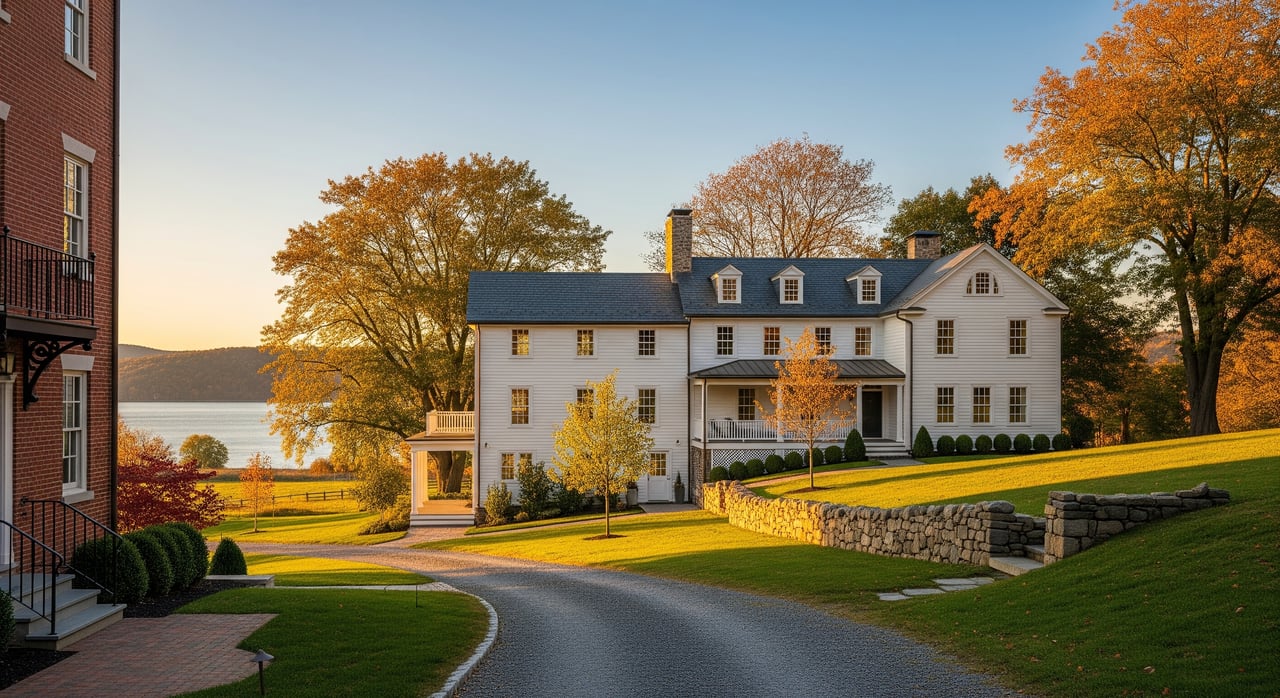
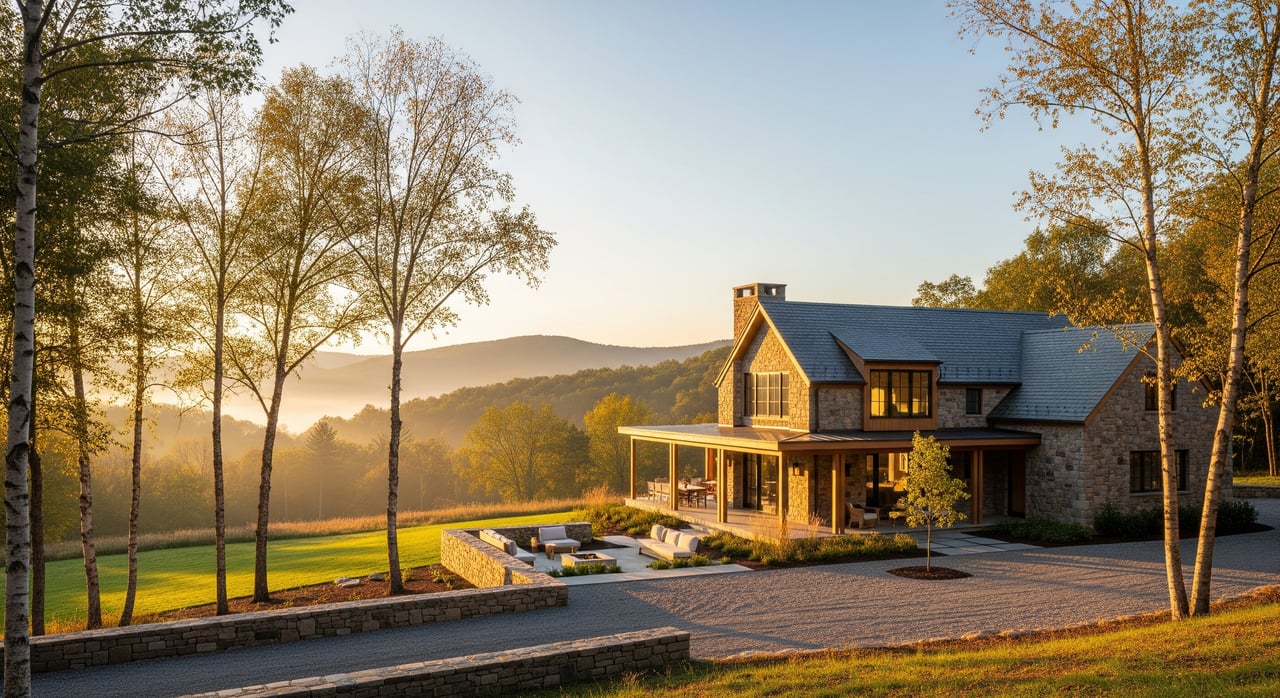
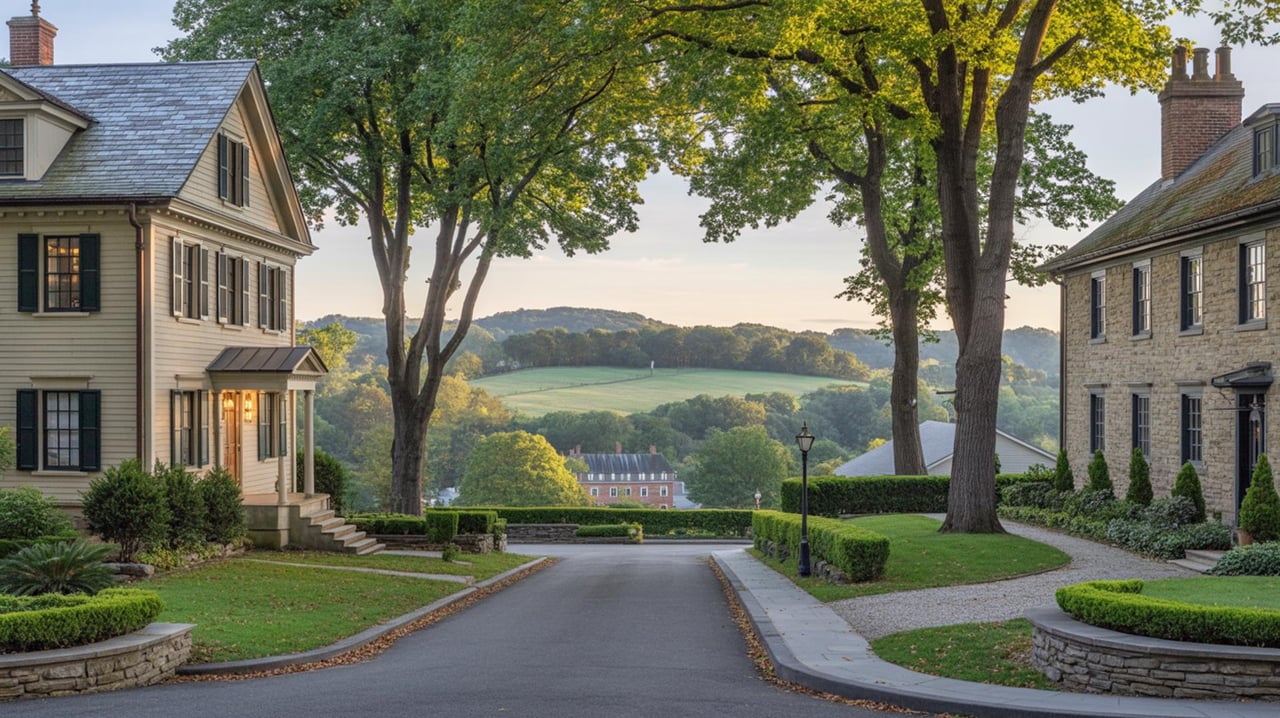
Stone Ridge and greater Marbletown sit in one of the Hudson Valley’s richest stone-building traditions. Most houses date to the 18th and early 19th centuries and draw from Dutch and English colonial practices adapted to local fieldstone. You’ll often see rubble or coursed stone walls, thick masonry, and simple, honest detailing.
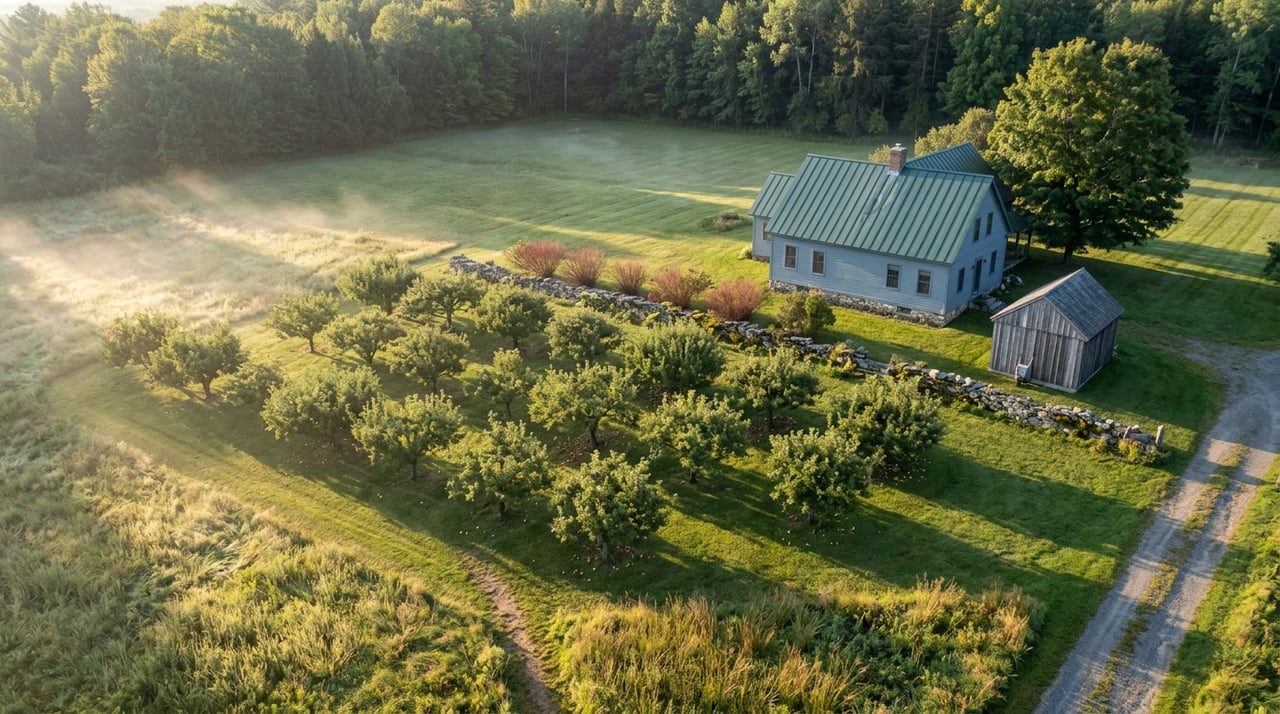
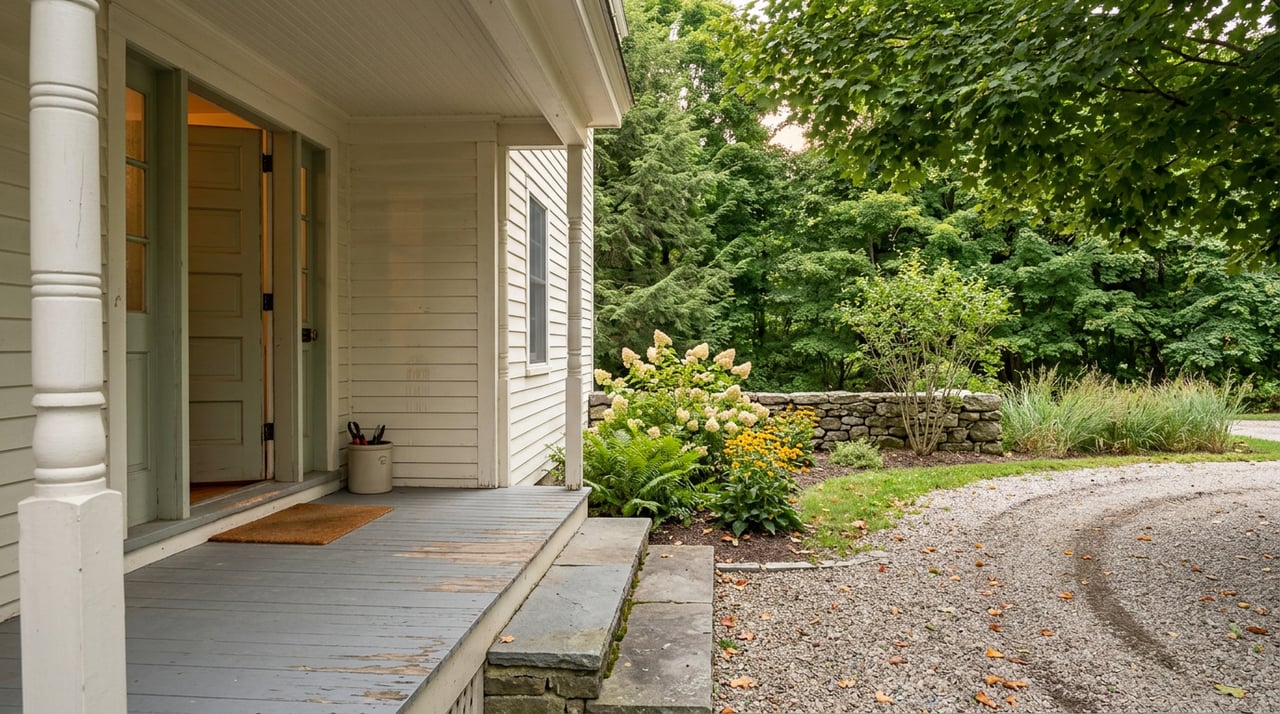
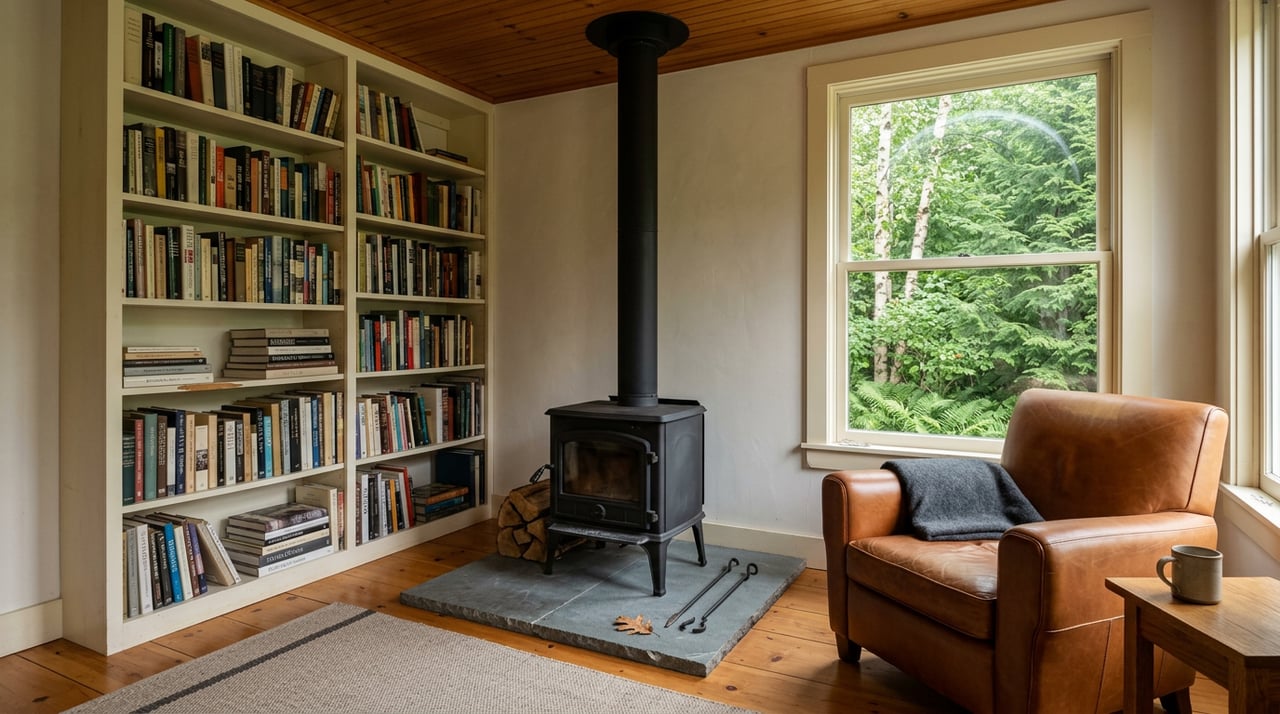
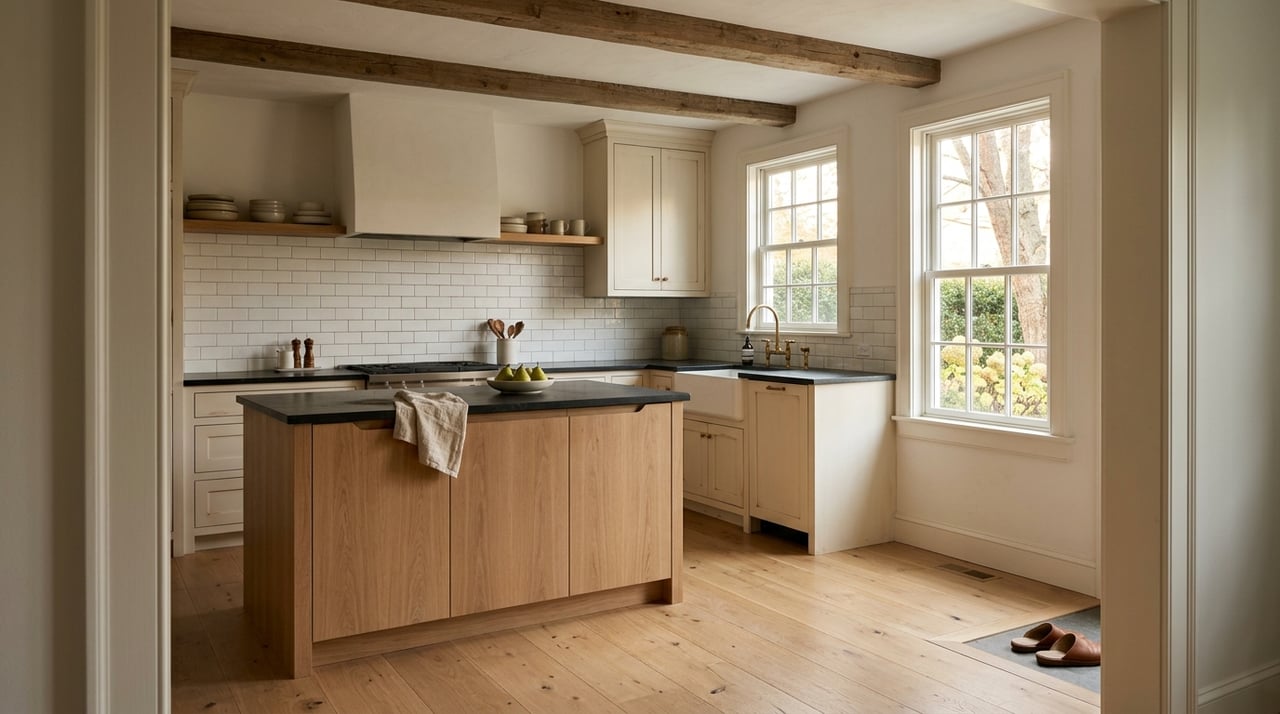
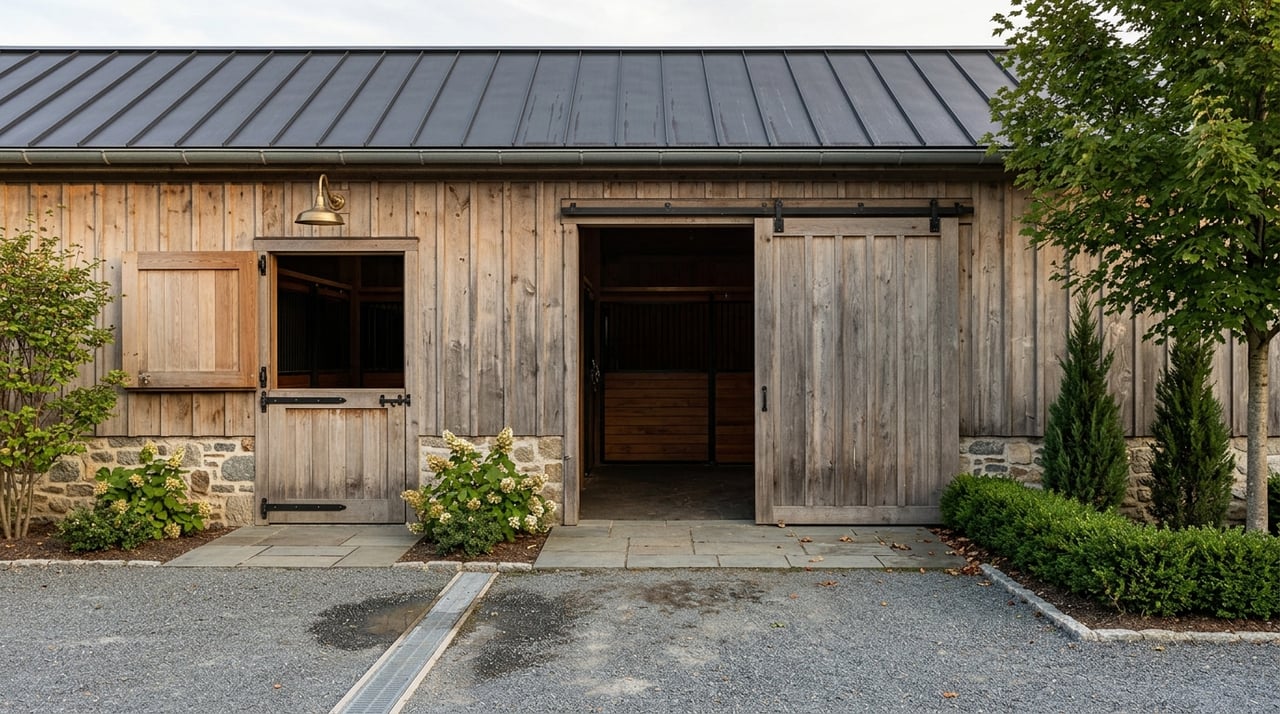
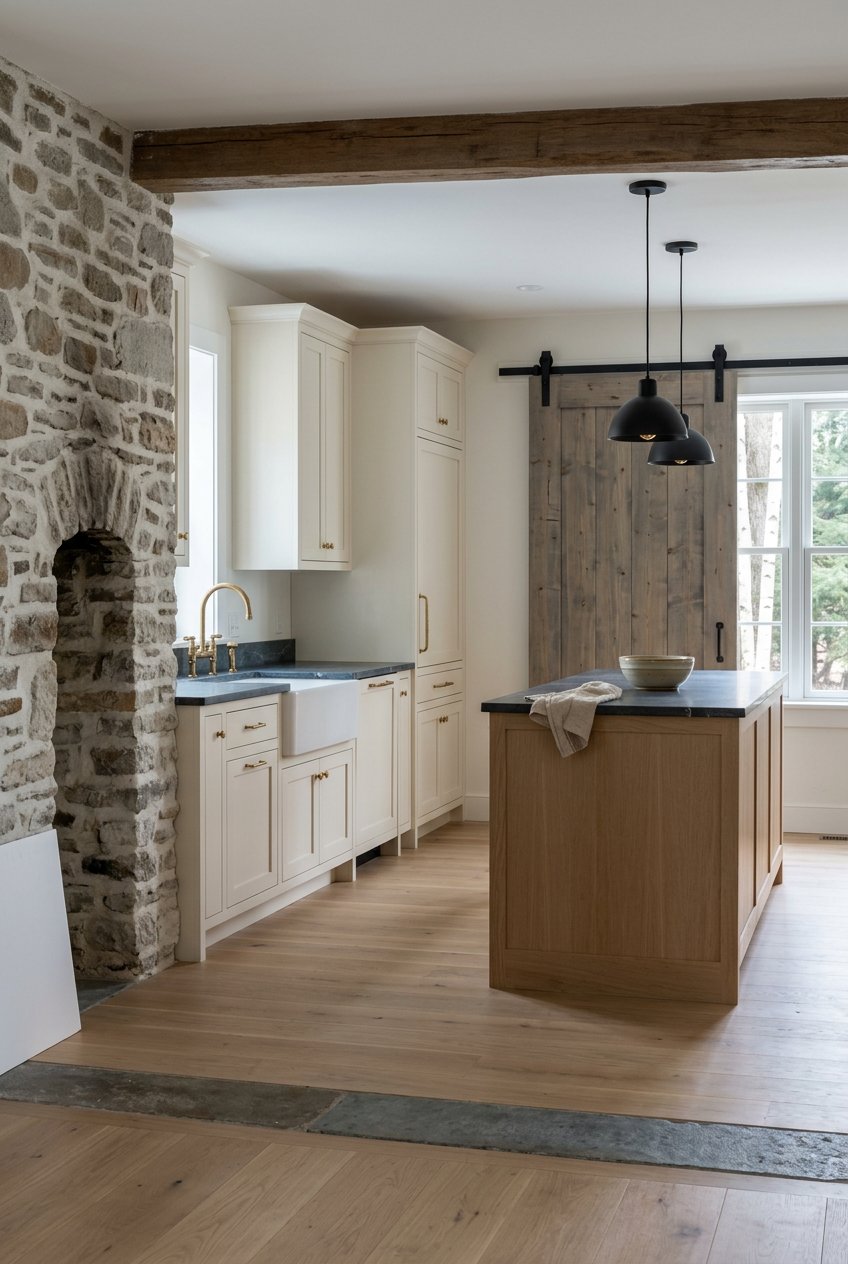
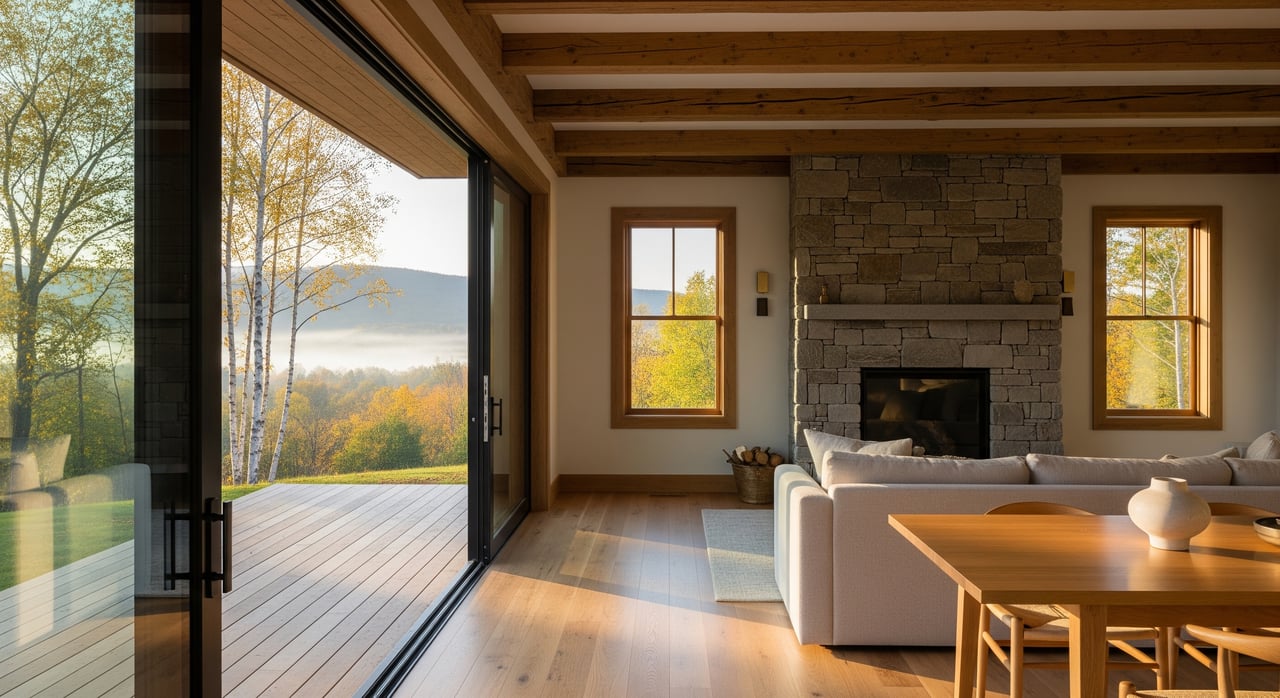
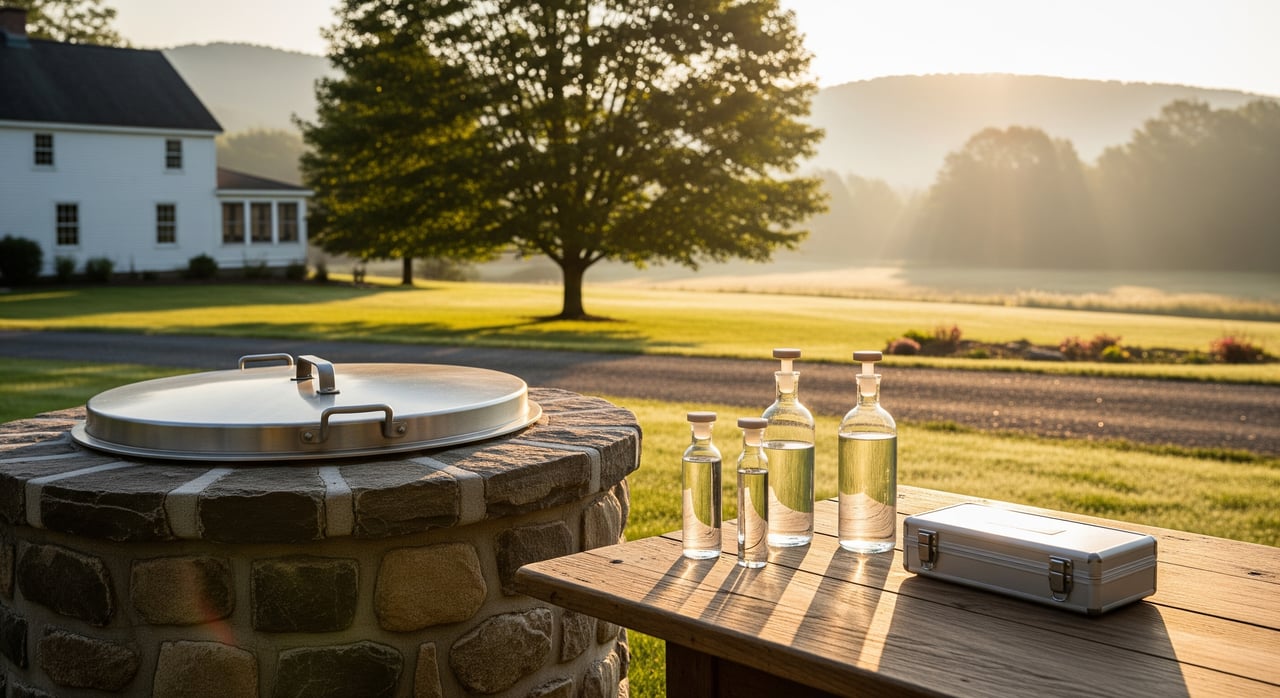
Beyond the main house, properties often include stone foundations, terraces and walls, stone-lined wells, and small outbuildings like springhouses or smokehouses. Many interiors keep exposed beams, wide plank floors, original plaster, and large fireplaces. Roof framing typically uses heavy timber and pegged joinery, with slate or wood shingles on earlier roofs.
What “original details” mean
Structure and woodwork
Look for hand-hewn beams, pegged mortise-and-tenon joinery, and old-growth wood doors with strap hinges or wrought-iron latches. Wide plank pine or oak floors and original plaster over lath are common.
Stonework and site
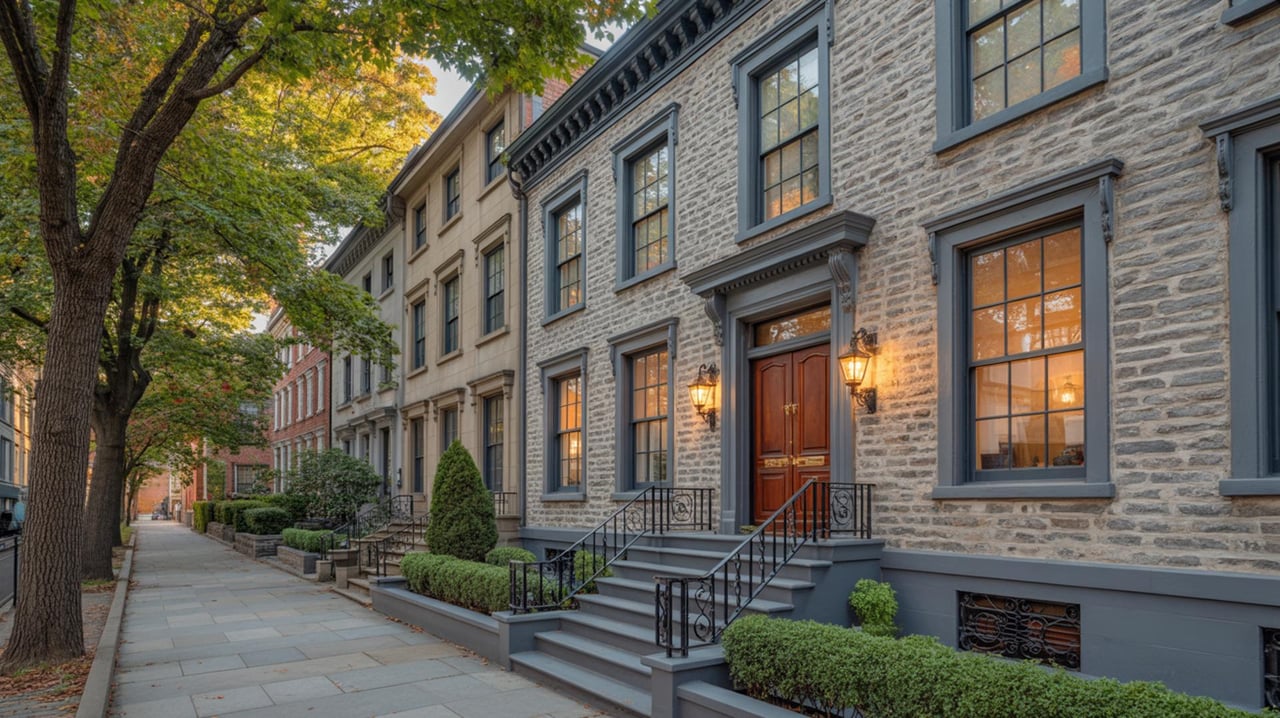
Intact rubble stone façades with historic mortar profiles, stone lintels and sills, and freestanding stone walls signal authenticity. Outbuildings and stone-lined wells often survive as character-rich site features.
Confirming authenticity
Distinguish original from later reproductions. Patinated floorboards differ from newly milled wide planks. Hand-wrought nails and tool marks tell a story. Note beam patches or sistered joists, and scan stonework for hard, shiny cement patches that may indicate incompatible repointing. Expect multiple paint layers and, in pre-1978 homes, the possibility of lead-based paint.
Pro tip: Original elements add value but demand conservation-minded care. Assume repair over replacement where feasible.
How these homes hit the market
Listings often use terms like “fieldstone farmhouse,” “Dutch stone house,” “exposed beams,” “wide plank floors,” or “beehive oven.” You’ll see three broad categories: turnkey restorations, sensitively updated homes with modern systems, and project properties that need structural or systems work.
Demand is steady, especially for character homes near hamlet centers like Stone Ridge village and with easy access to amenities. Pricing varies widely by condition, acreage, modernization, and location, with well-restored houses commanding a premium. Properties needing major masonry or systems work may list lower but require larger renovation budgets.
Smart due diligence checklist
Inspections to schedule
- Standard home inspection
- Historic-masonry inspection by a mason familiar with rubble stone walls
- Structural engineer review for bulging walls, significant cracking, or settlement
- Chimney sweep or chimney mason to assess flues and liners
- Roofer experienced with slate or wood shingles
- Septic inspection and a percolation test where applicable
- Well testing for potability and yield
- Full electrical assessment for knob-and-tube or ungrounded circuits
- Environmental testing as indicated, including lead-based paint and potential asbestos
Documents to request
- Seller disclosures, permits, and records of prior masonry, chimney, roof, septic, and electrical work
- Any historic district approvals, septic permits, well test results, or previous inspection reports
Masonry and moisture basics
Old stone walls are thick and breathable. They were built with lime-based mortar that allows moisture to move and evaporate. Hard Portland cement repairs can trap moisture, which leads to spalling and damage. If you see rigid, non-breathable stucco or modern paints on stone, budget for expert evaluation.
Watch for step cracks, bulging, or differential settlement where later additions meet the original structure. Chimneys may need relining, stabilization, or rebuilds. Plan repairs with a mason who works in lime-compatible mortars and understands historic masonry behavior.
Systems and comfort upgrades
Electrical systems in early homes often need significant updates to meet current use and safety standards. Stone walls offer thermal mass but not high insulation values. A sensitive approach might combine interior air sealing, attic insulation, storm windows, and carefully designed interior insulation to avoid condensation.
Heating and cooling upgrades should protect historic fabric. High-efficiency boilers or heat pumps can work well if distribution is planned around the building’s existing structure. Keep water away from foundations with tuned gutters, downspouts, and site grading. For rural parcels, confirm septic capacity and compliance with Ulster County Department of Health requirements and verify well performance.
Rules, permits, and incentives
Some properties fall within local or National Register historic districts. Exterior alterations may require review, so confirm status with the Town of Marbletown and check New York State Office of Parks, Recreation and Historic Preservation resources for listings and guidance. Routine building and, at times, planning or zoning approvals apply for additions or major changes.
Owner-occupied residential tax incentives are limited compared to programs for certified rehabilitations of income-producing properties. If you are exploring incentives, consult OPRHP and a tax professional. For flood risk, review FEMA flood maps and local stream data.
Financing, renovation loans, insurance
Most buyers use conventional mortgages. If you plan substantial work, consider renovation loans such as FHA 203(k) or Fannie Mae HomeStyle Renovation, as well as any available local or state rehab programs. Lenders and sellers may require health and safety repairs, like electrical, roof, or septic, before closing.
Insurance can cost more for older homes if outdated systems or higher-risk materials are present. Get quotes early, disclose known conditions, and ask about replacement cost considerations for historic materials. Verify flood insurance needs if the property is in a mapped floodplain.
Strategy, offers, and negotiation
Get pre-qualified and discuss renovation-friendly financing before touring. Review disclosures for masonry work, structural interventions, and permits. Once under contract, use a broad inspection contingency to bring in specialists.
Request written estimates for lime-based repointing, chimney and roof work, septic repair or replacement, and electrical upgrades. Use those estimates to negotiate credits or price adjustments. If a property is in a regulated historic district, factor review timelines into your offer strategy.
Budgeting priorities
- Immediate priorities: roof integrity, chimney safety, structural stabilization, septic and well function, electrical safety, and reliable heat.
- Medium-term conservation: compatible repointing, window repair and storms, carefully planned interior insulation, and finish restoration.
- Always seek multiple estimates from contractors experienced in historic buildings. Cheaper, incompatible fixes often cause costlier damage later.
Reading and photographing listings
When reviewing photos, look for close-ups of rubble stonework and mortar joints, hand-hewn beams, original hardware, beehive ovens, and window sash profiles. Context shots of stone walls, terraces, and outbuildings help you understand how the house sits in the landscape.
Translate terms as you go. Repointing means repairing the mortar between stones. Hand-hewn beams are visible timbers shaped by hand tools. A beehive oven is the masonry baking oven near an original hearth.
Local resources and next steps
- Government and rules: Town of Marbletown Building & Zoning Office, Ulster County Department of Health, New York State OPRHP, FEMA flood maps
- Technical guidance: National Park Service Technical Preservation Services and Preservation Briefs
- Specialists to engage: historic mason, preservation carpenter, chimney mason, structural engineer, and a septic system designer familiar with local regulations
- Community context: Ulster County Historical Society and local hamlet historical groups
Ready to explore Stone Ridge?
If you’re serious about a stone house, a clear plan makes all the difference. We can help you evaluate character, line up the right inspections, and structure a renovation-ready offer that preserves value. Reach out to Joseph Satto to start a focused, low-pressure search in Stone Ridge and surrounding Ulster County.
FAQs
What makes Stone Ridge stone houses unique?
- They reflect Dutch and English colonial traditions using local fieldstone, with thick breathable walls, heavy timber framing, and simple, durable details.
Which inspections are essential for an Ulster stone home?
- Along with a standard home inspection, schedule a historic-masonry review, structural engineer, chimney and roof specialists, septic and well tests, and full electrical and environmental checks.
How should I handle moisture and repointing in old stone walls?
- Use compatible lime-based mortars and avoid hard Portland cement; ensure breathable finishes and good drainage to prevent trapped moisture and freeze-thaw damage.
Can I use renovation loans for a historic stone house?
- Yes, options like FHA 203(k) and Fannie Mae HomeStyle can bundle purchase and rehab costs, subject to lender rules and required health and safety items.
Are there special permits for changes in Marbletown?
- Exterior changes may require review if the property is in a local or National Register historic district, plus standard building and potentially planning or zoning approvals.
How should I budget for a project property?
- Prioritize roof, chimneys, structure, septic/well, electrical, and heat first, then plan medium-term masonry, window, and insulation work with bids from preservation-experienced contractors.