Trying to decide between Woodstock and Phoenicia for your upstate home? You’re not alone. Both deliver the Catskills escape you want, but the day-to-day experience feels very different. In this guide, you’ll get a clear, side-by-side view of lifestyle, housing, outdoor access, services, and practical checks so you can choose with confidence. Let’s dive in.
Quick take: Two great vibes
- Pick Woodstock if you want daily walkability to shops, cafes, galleries, and cultural venues, plus a year-round arts calendar and a strong village feel.
- Pick Phoenicia if you prioritize river access, trailheads, a quieter hamlet setting, and a lifestyle centered on the outdoors.
- Both have seen increased buyer interest since 2020. Woodstock generally commands higher demand and prices per square foot, while Phoenicia has historically offered more entry-level options.
Atmosphere and walkability
Woodstock vibe
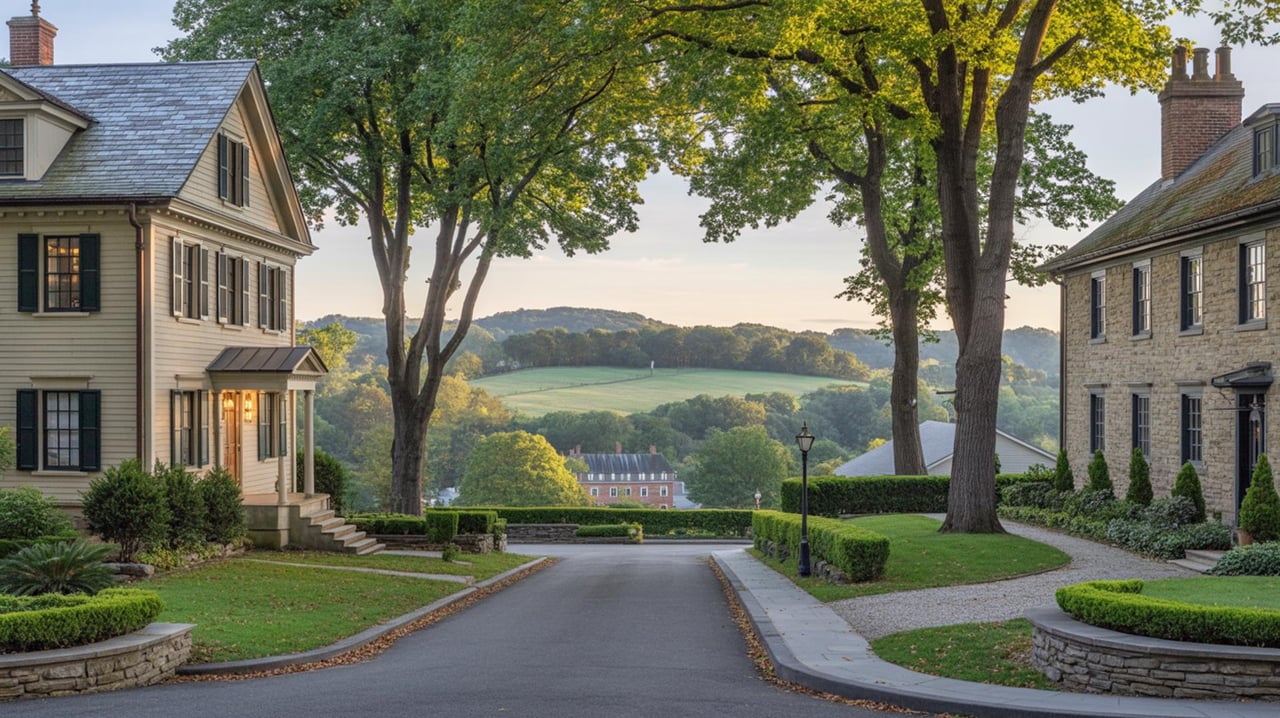
Woodstock is known for its arts-forward identity, with galleries, studios, and performance spaces clustered around a compact village center. You can stroll for coffee, dinner, and errands without getting in the car. Visitors are common year-round, with peaks around festivals and summer weekends.
Phoenicia vibe
Phoenicia reads as a mountain hamlet with a cozy main street and businesses that support outdoor recreation. You’ll find outfitters, cafes, and a few notable restaurants with a seasonal rhythm. It is walkable at a small scale, but most wider services will be a drive away.
Housing and budgets
What you’ll find in Woodstock
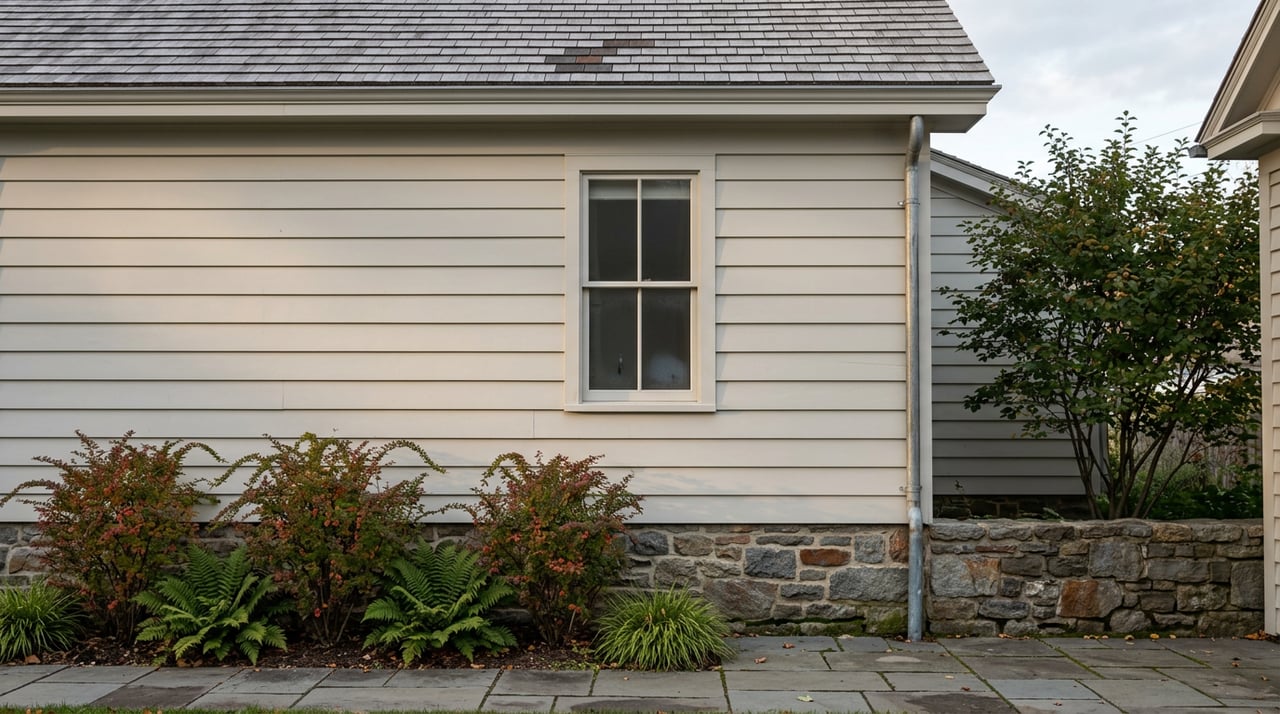
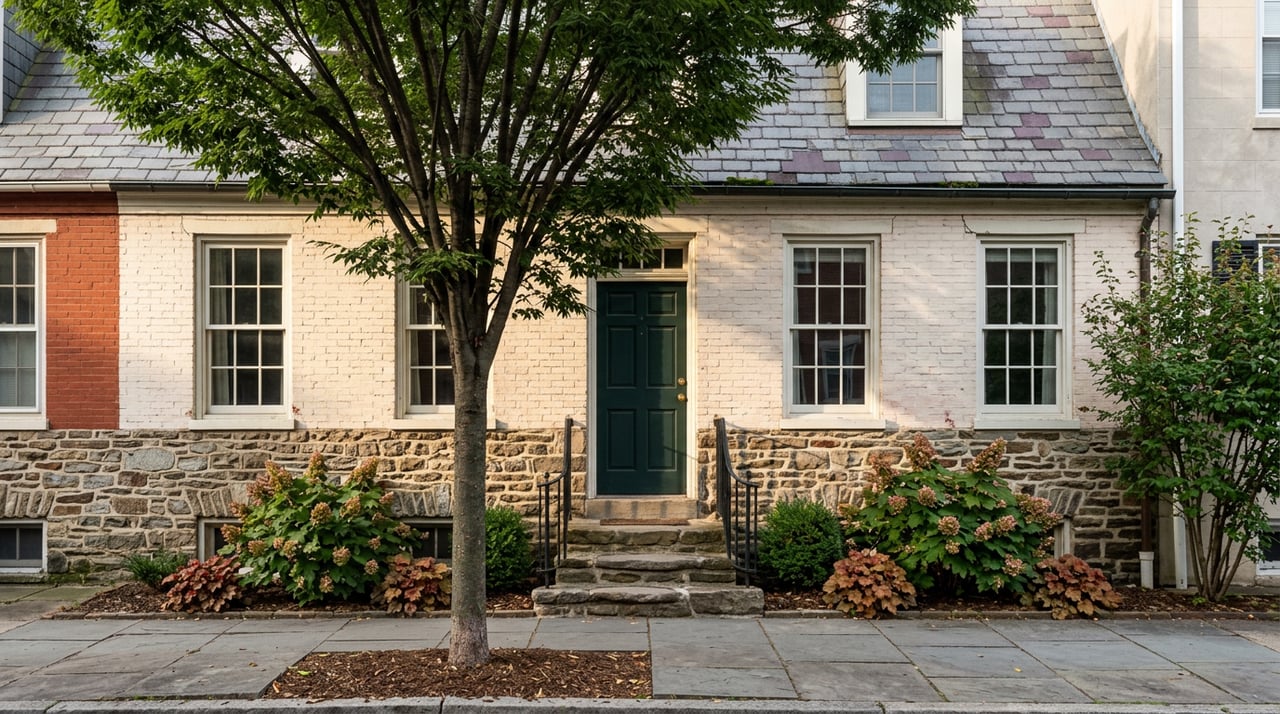
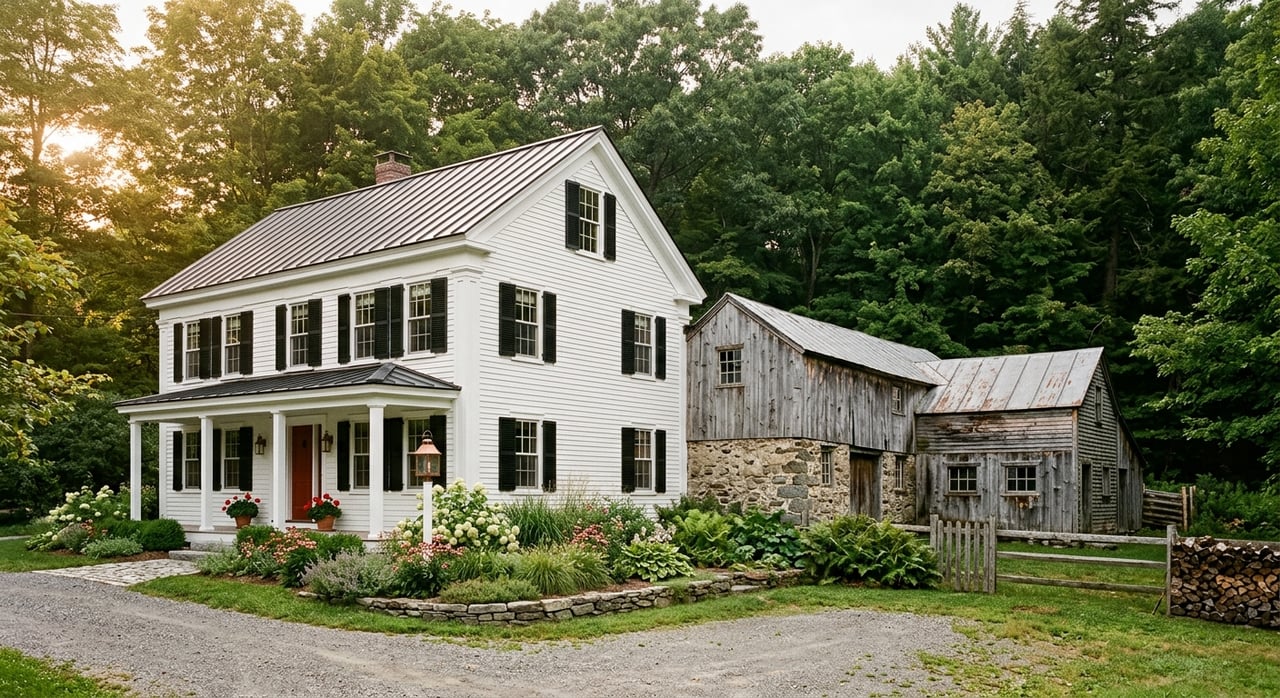
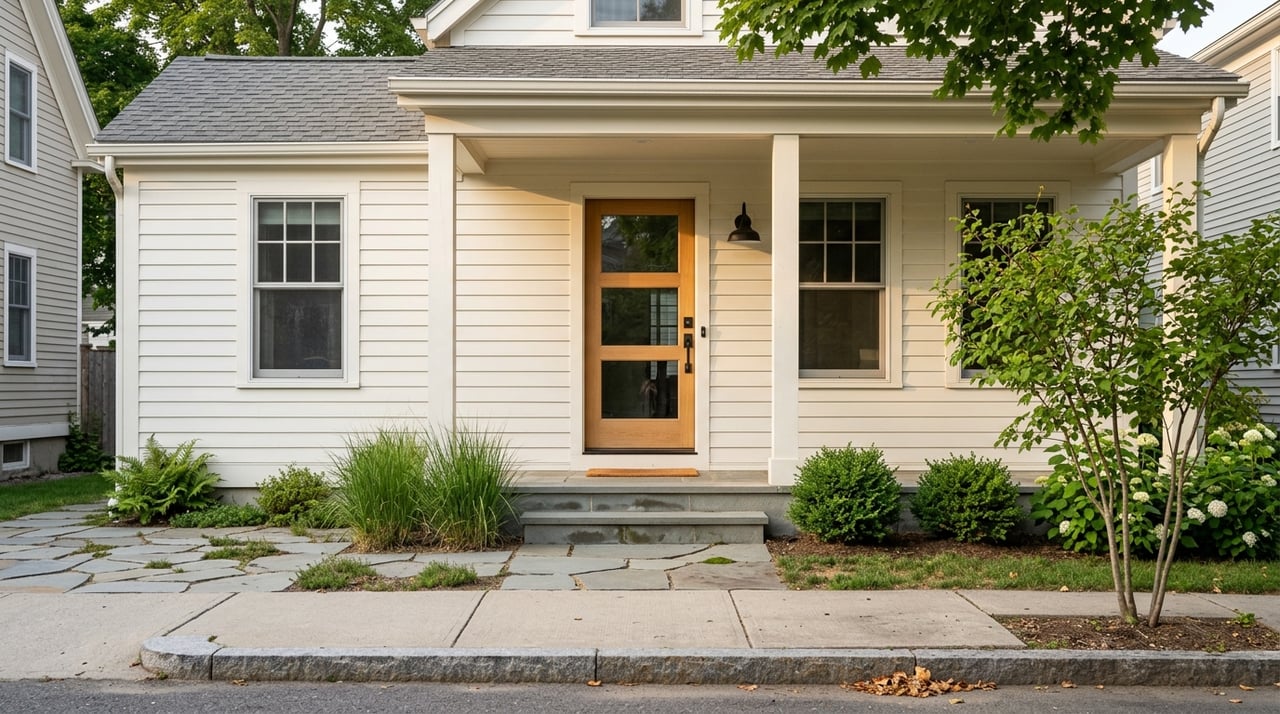
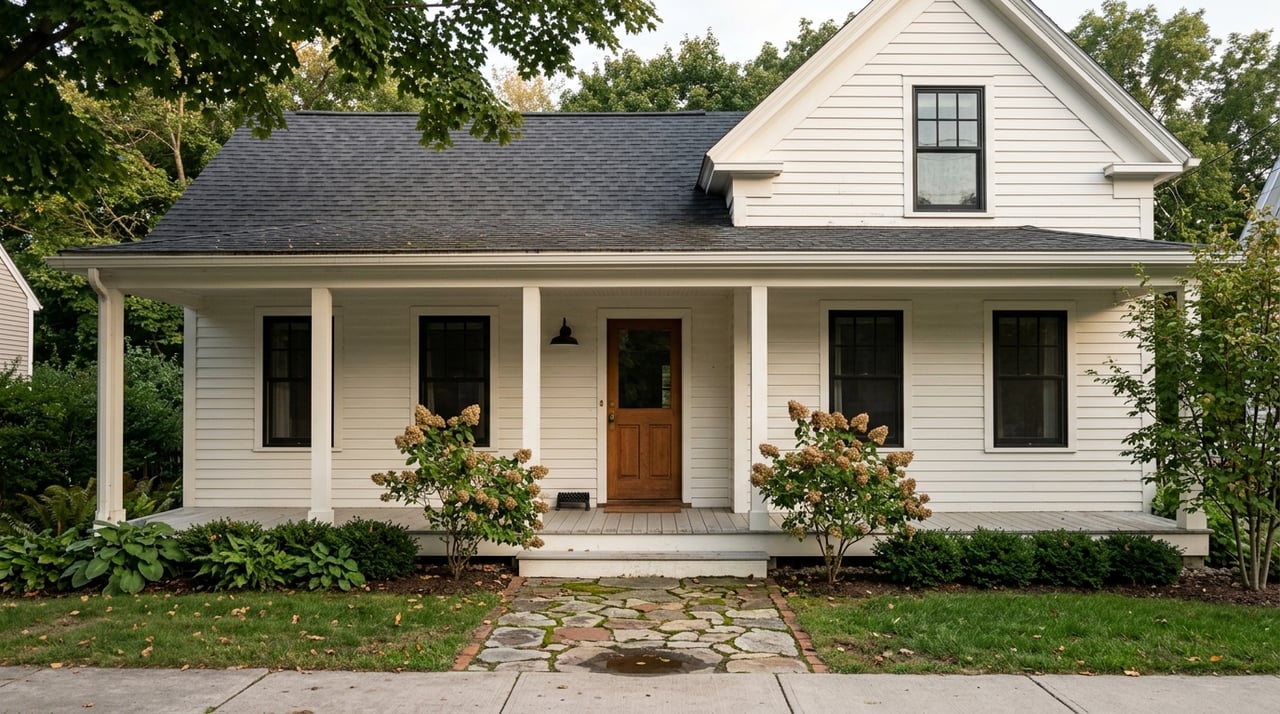
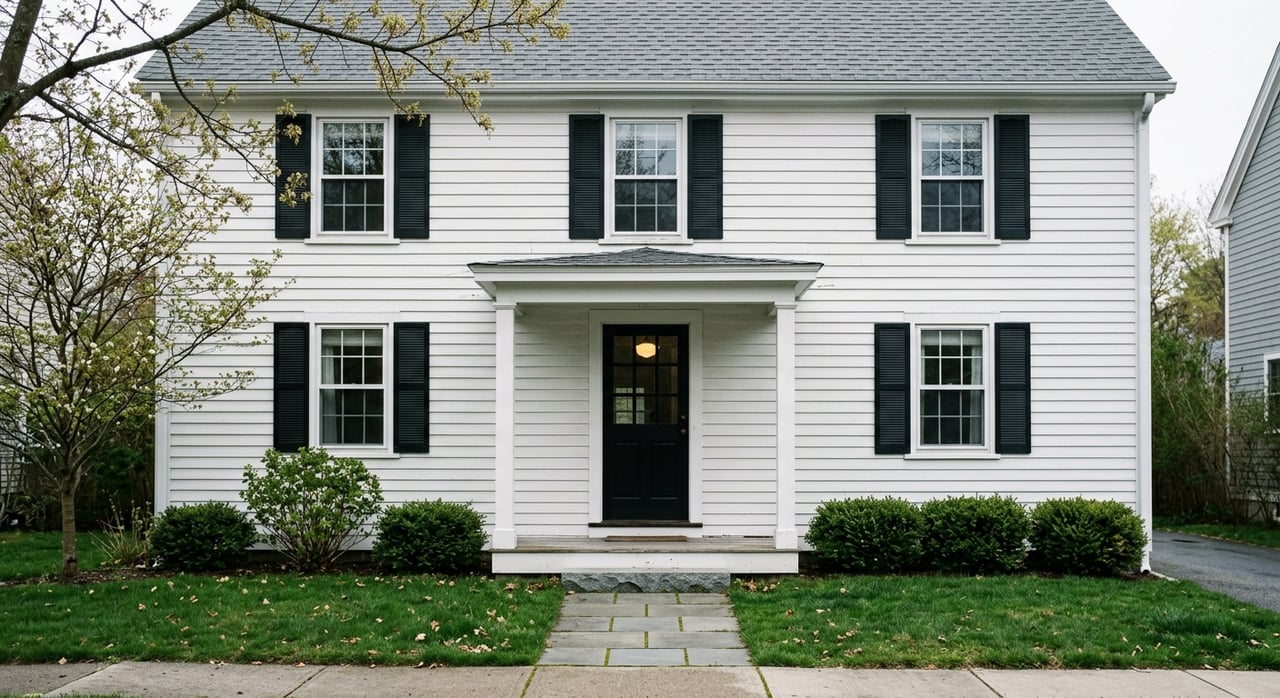
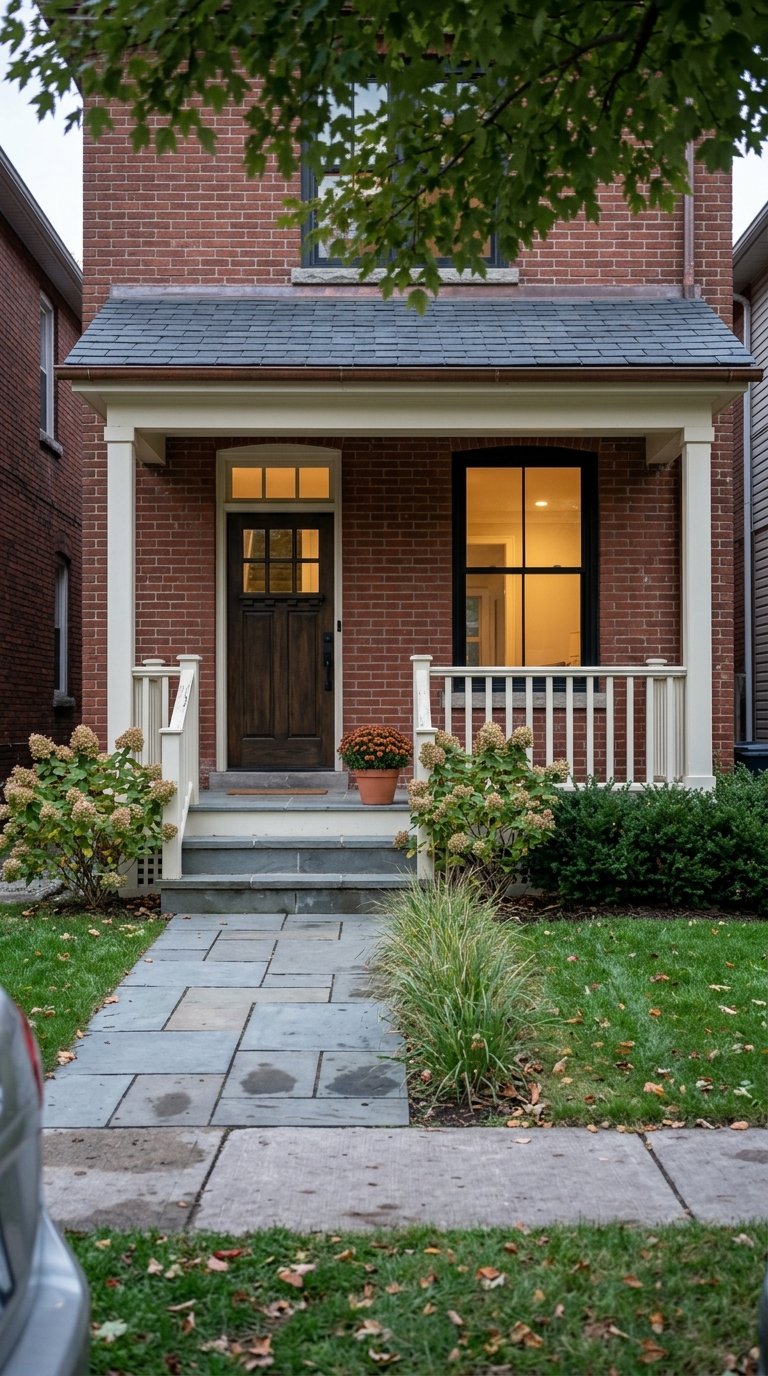
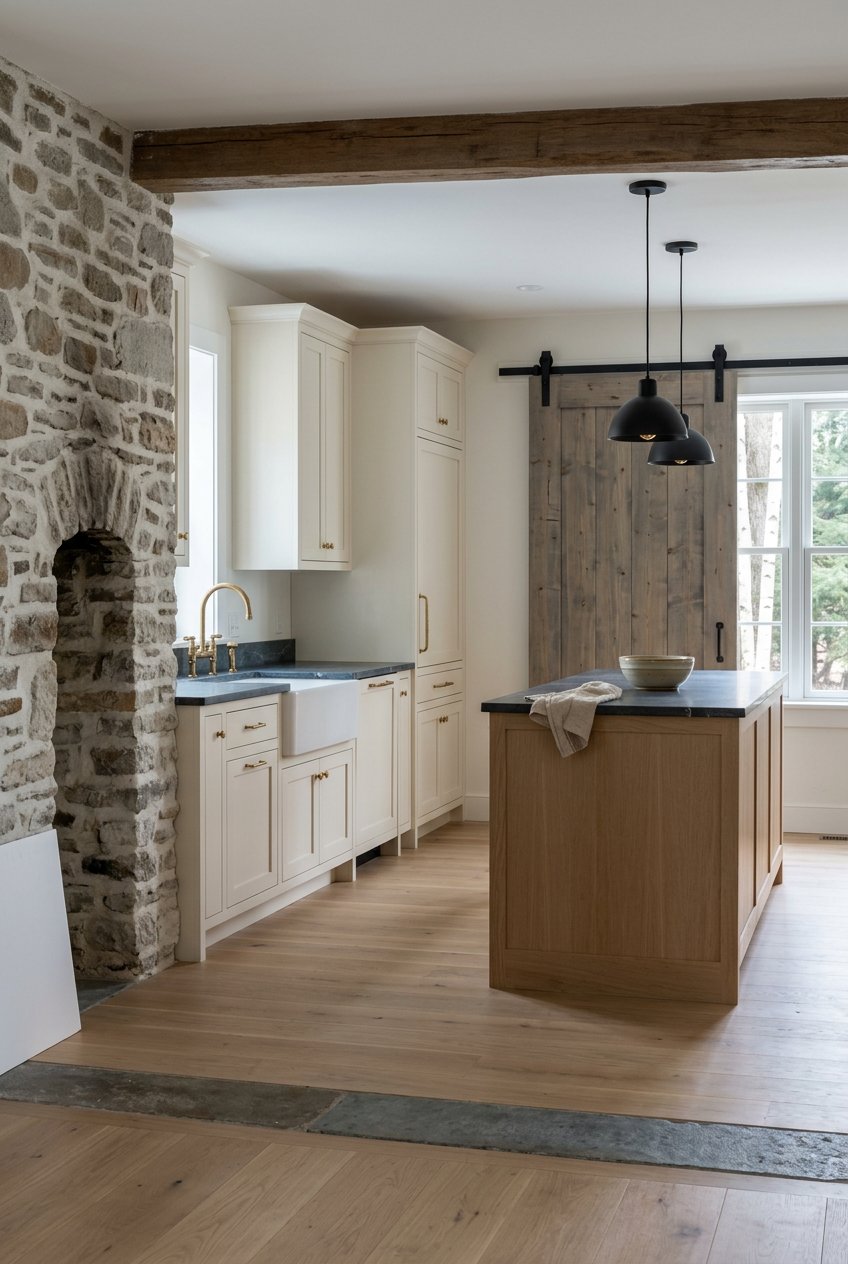
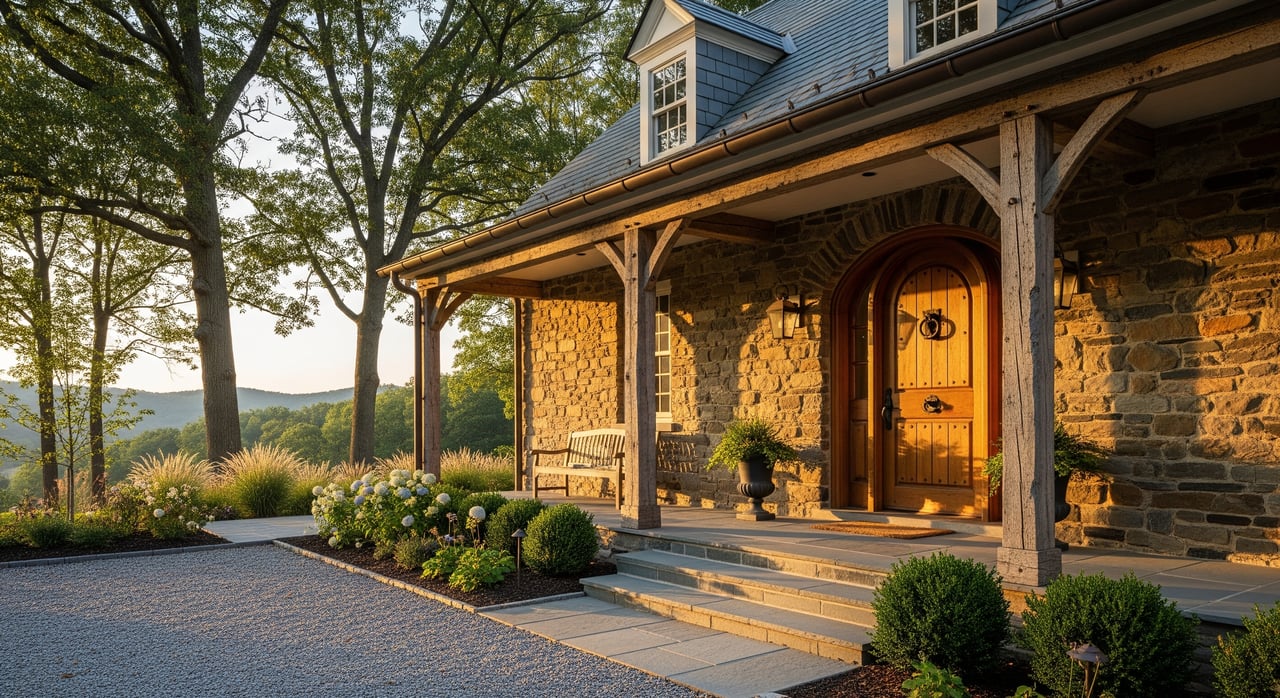
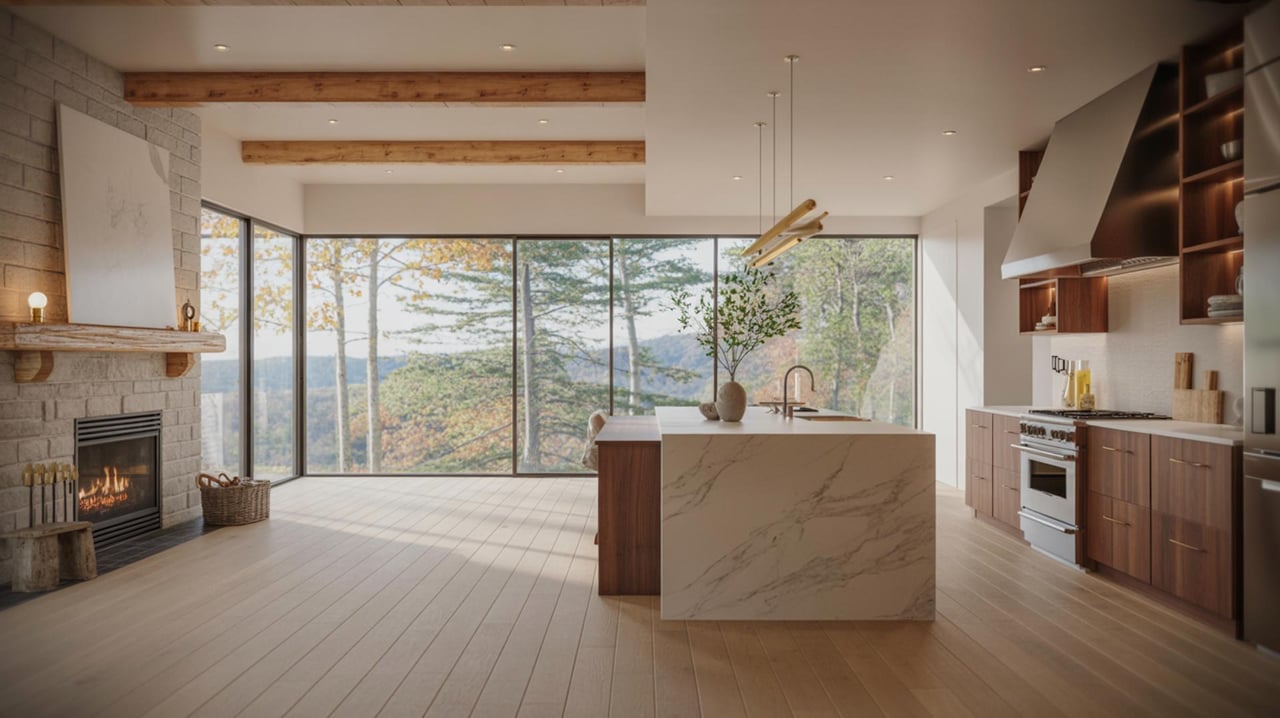
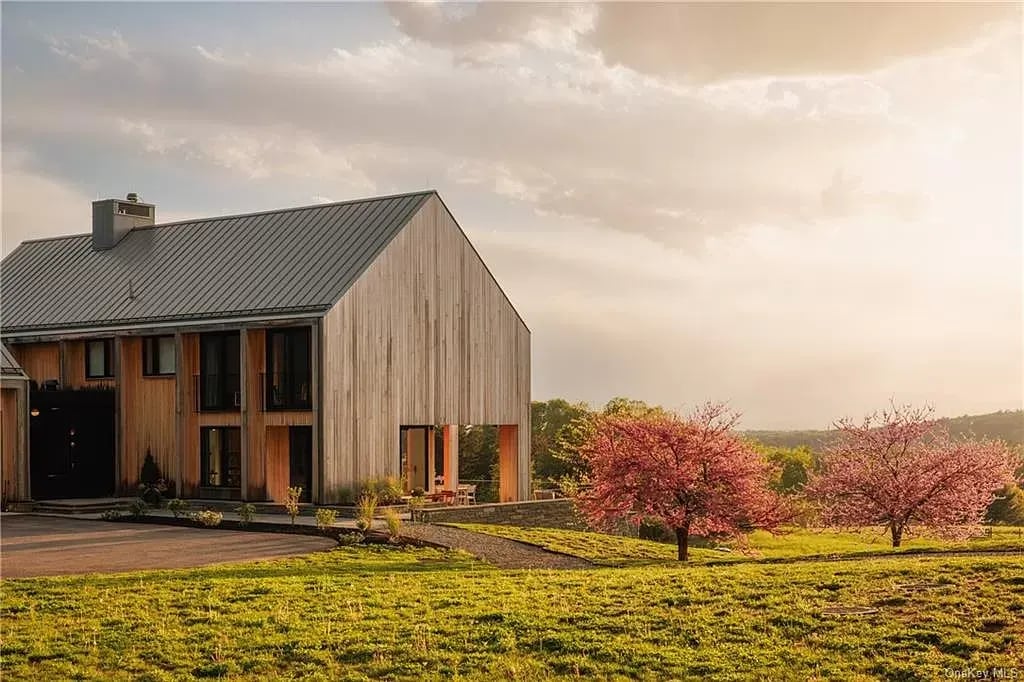
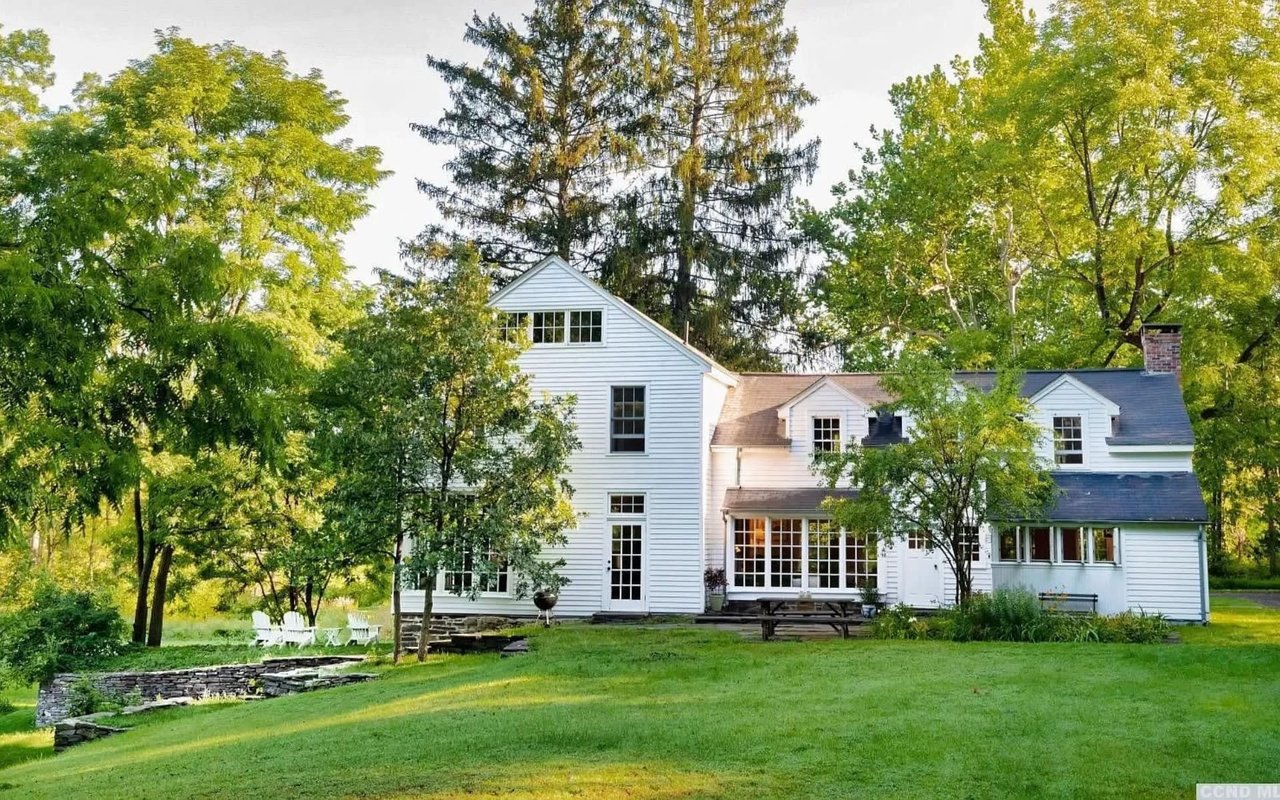
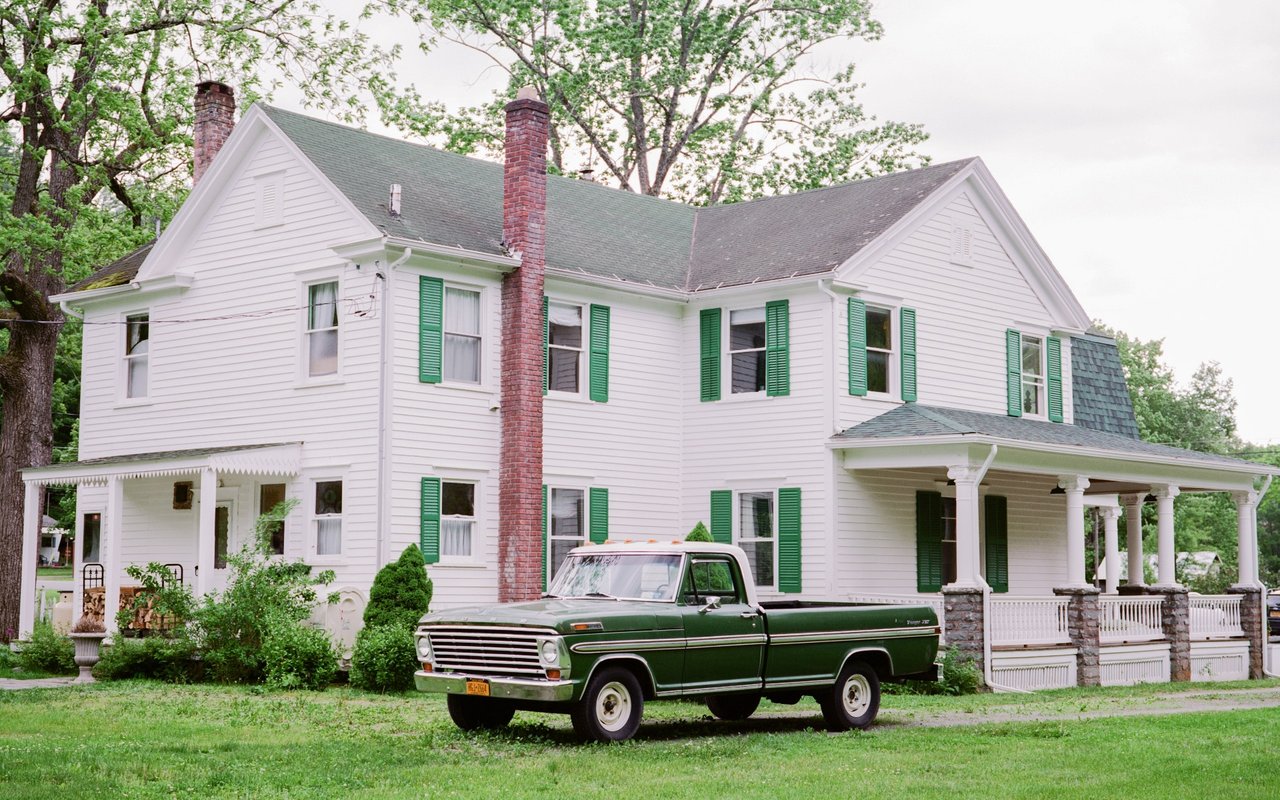
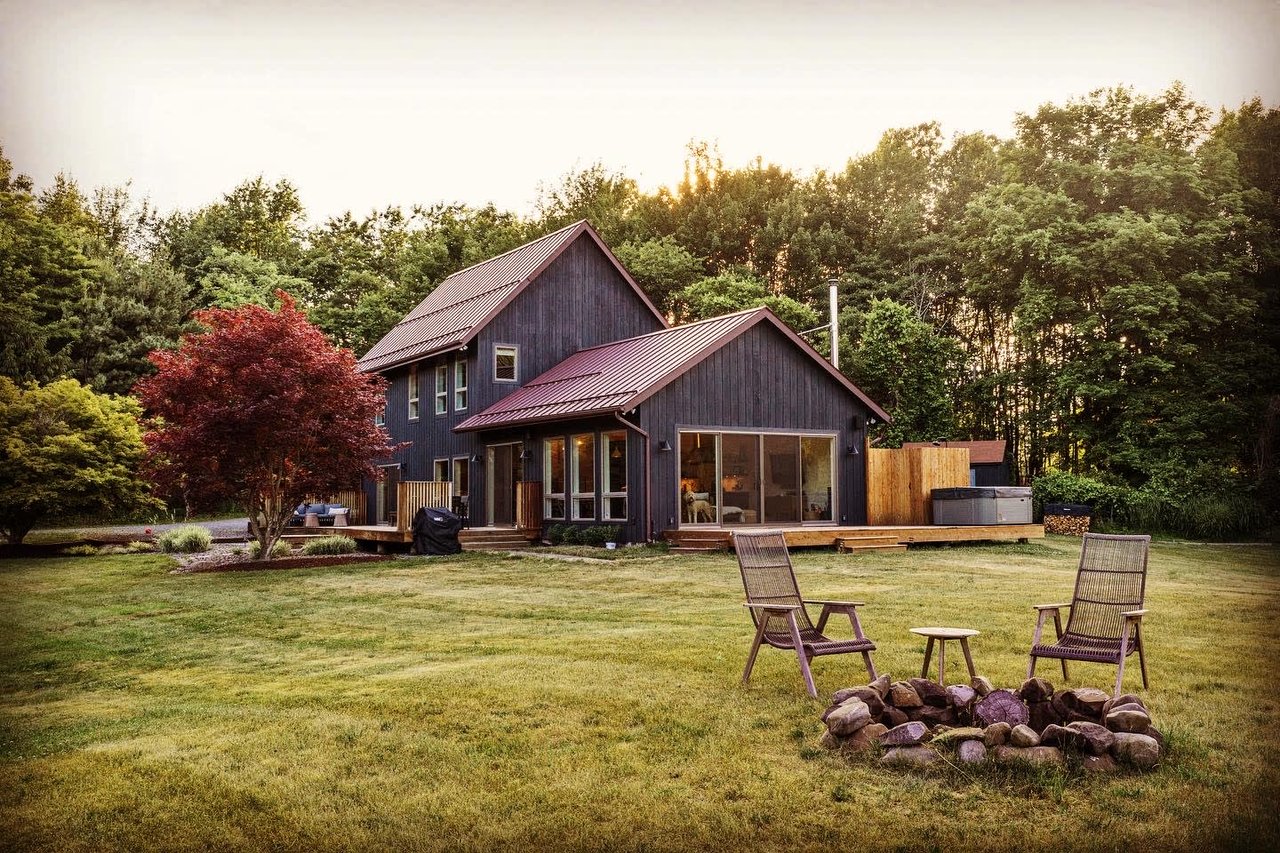
Housing ranges from historic cottages and artist homes to modern renovations and occasional new builds. Near the village center, you may also see small multi-family properties and older homes upgraded for modern living. Character homes can come with preservation-minded maintenance and tighter lot sizes.
What you’ll find in Phoenicia
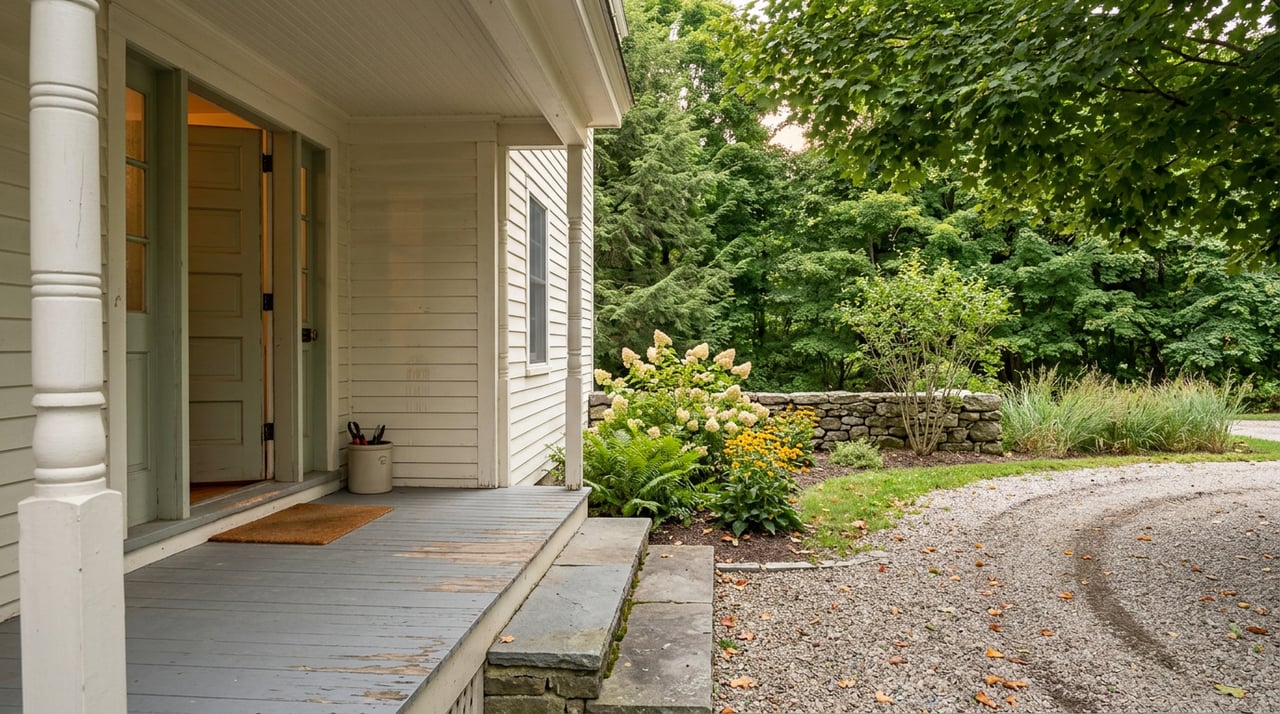
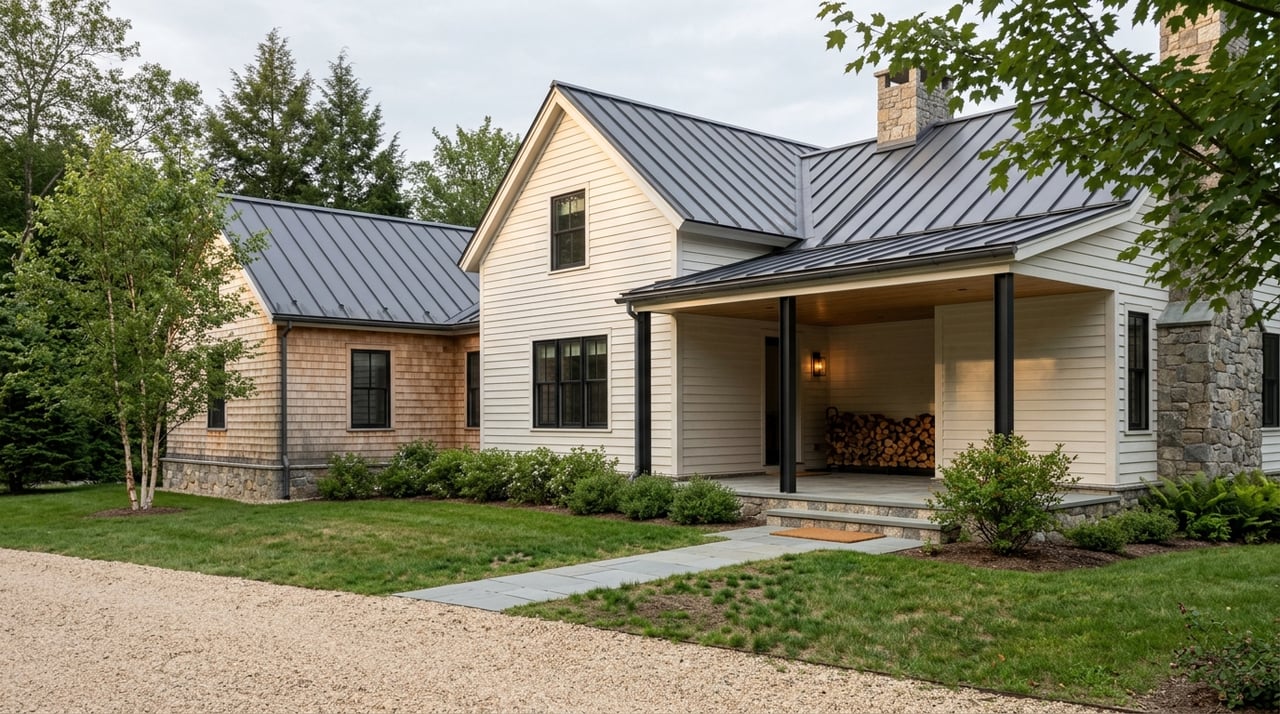
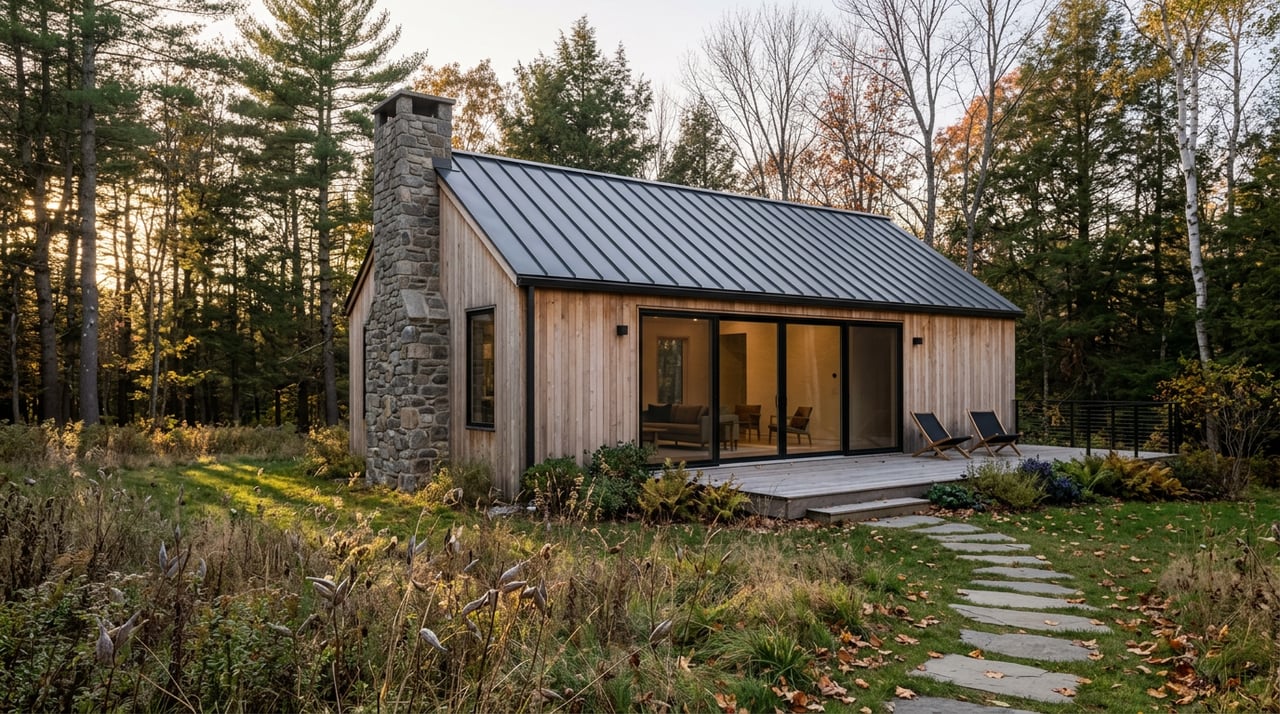
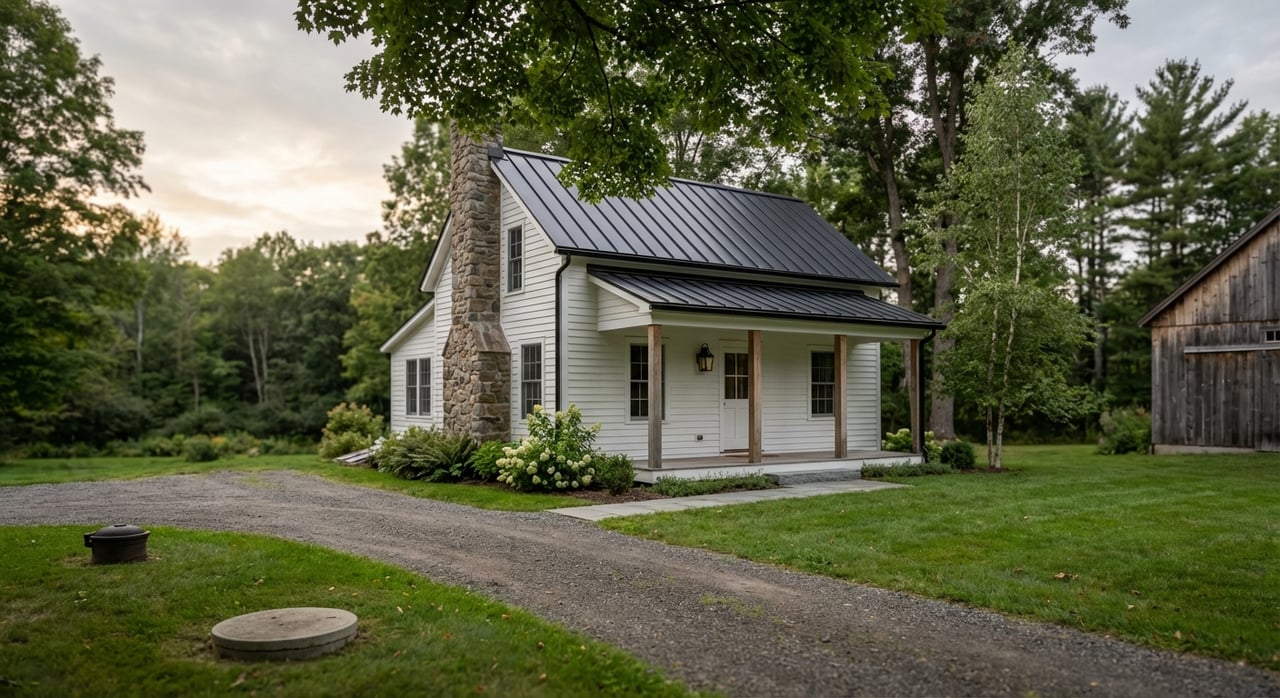
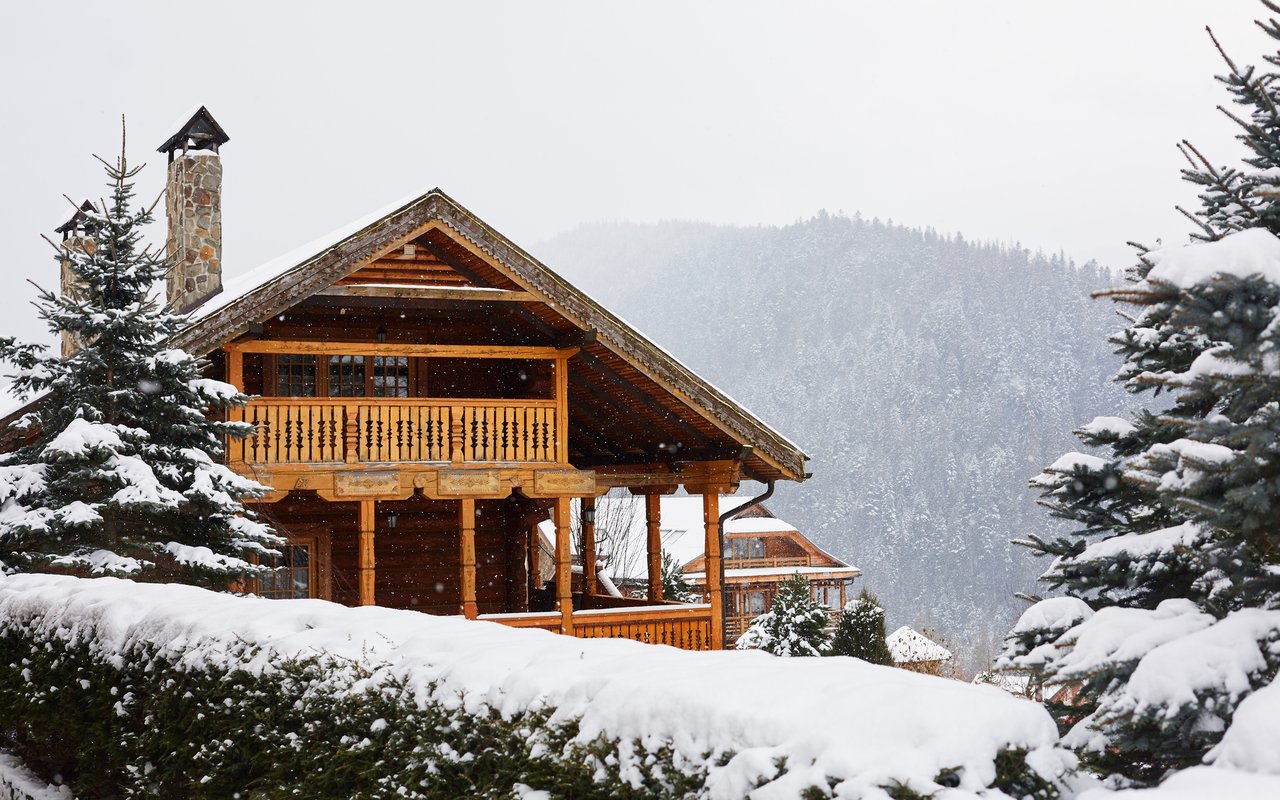
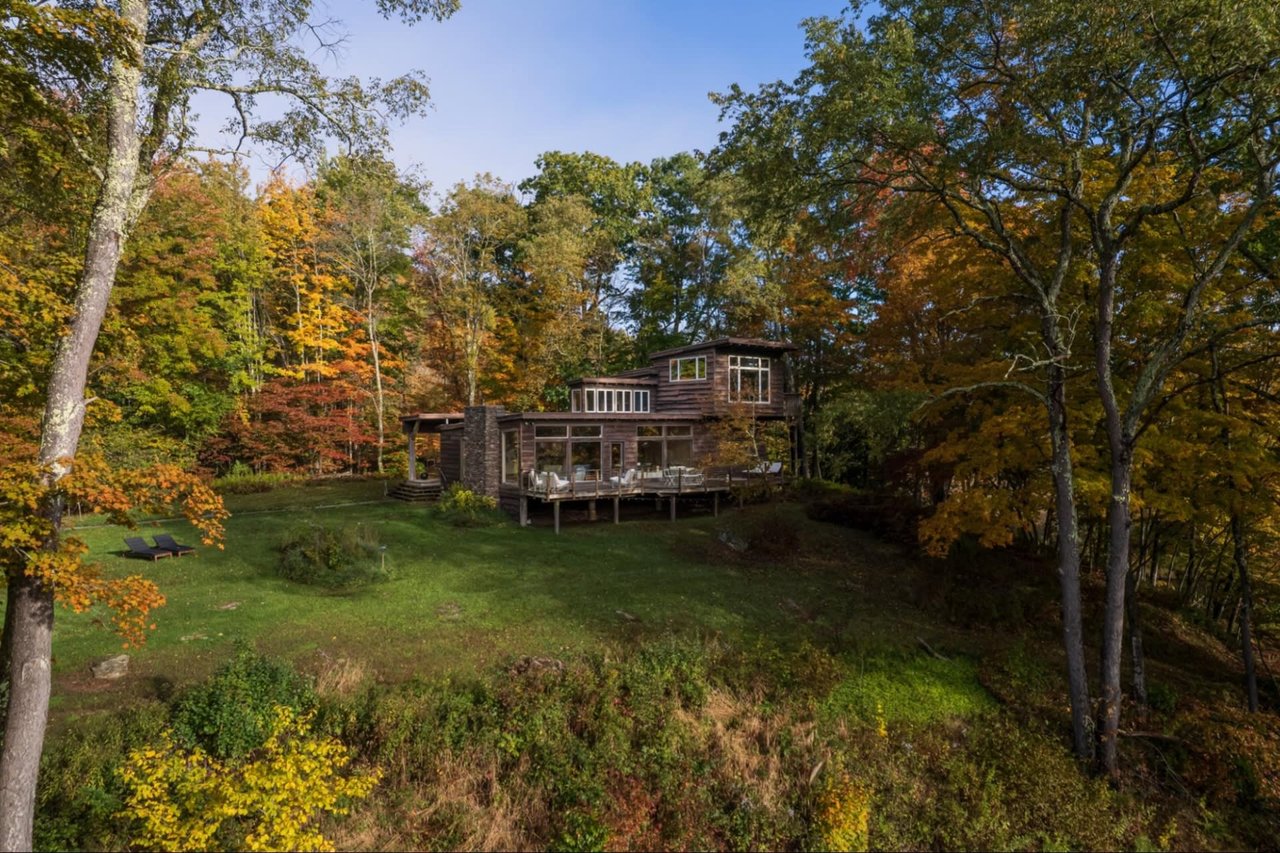
Expect modest cabins, river or lake cottages, bungalow-style houses, and homes on larger lots. Inventory can include turnkey cabins as well as older, seasonal structures that may need upgrades. Buyers often find comparative value on acreage or waterfront settings.
Budget guidance by tier
- Entry-level: You are more likely to find smaller cabins or fixer opportunities in and around Phoenicia than in Woodstock.
- Mid-range: Phoenicia typically offers a broader mix of complete single-family homes; Woodstock’s mid-range can feel tighter with smaller lots or updated older homes.
- Upper-range: Woodstock offers renovated historic houses and homes close to the village; Phoenicia often delivers larger parcels, riverfront, or mountain acreage at relative value.
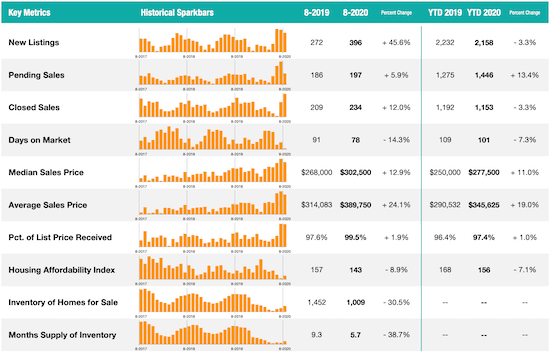
For current pricing, inventory, and days on market, check recent sales and active listings with a licensed Ulster County agent.
Outdoor access and recreation
Day hikes and views
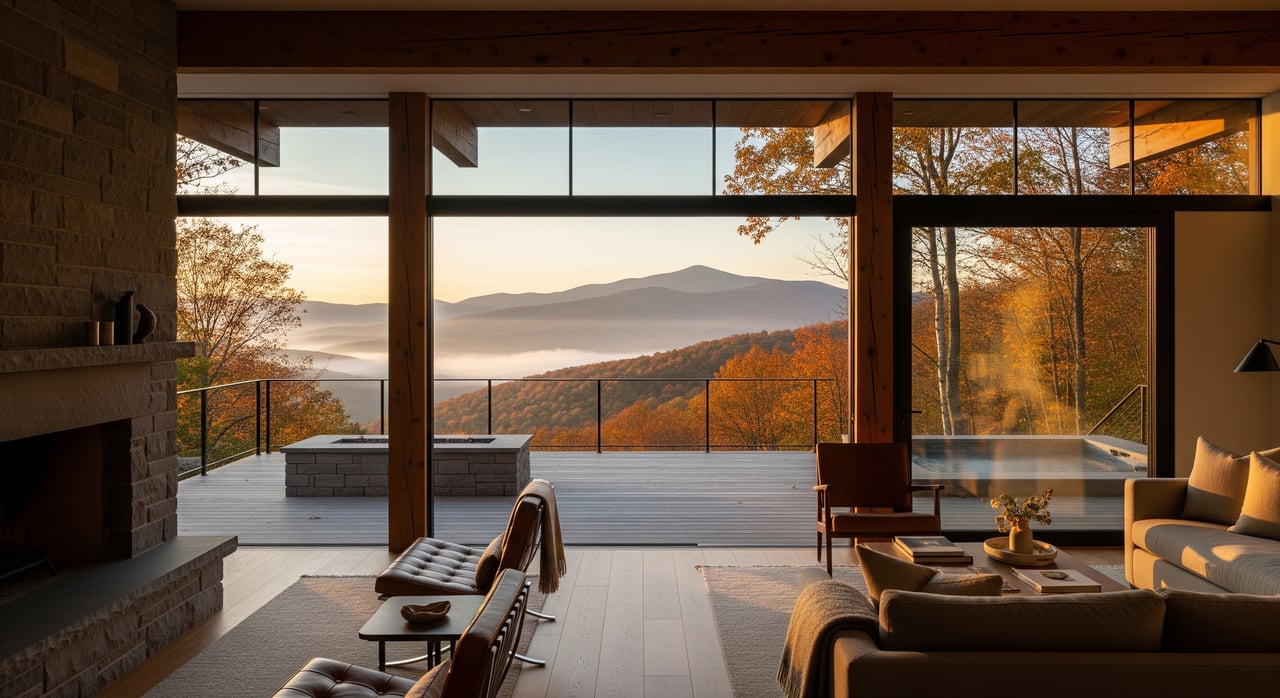
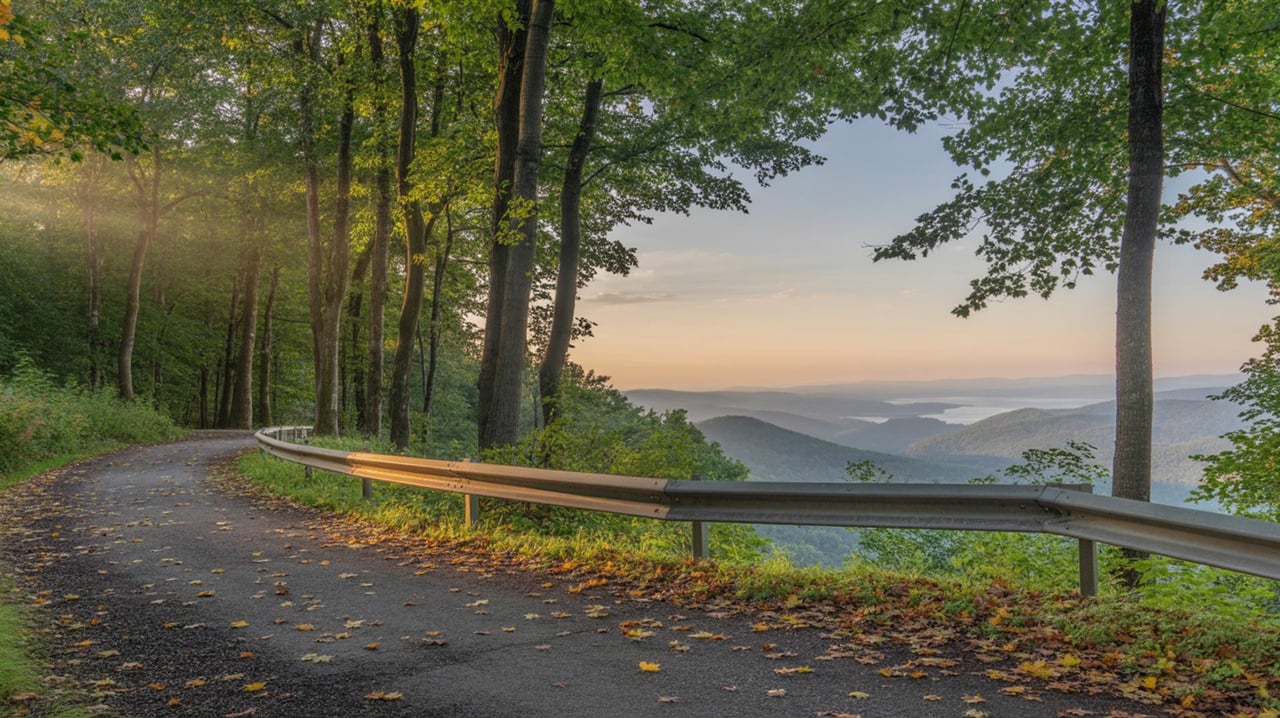
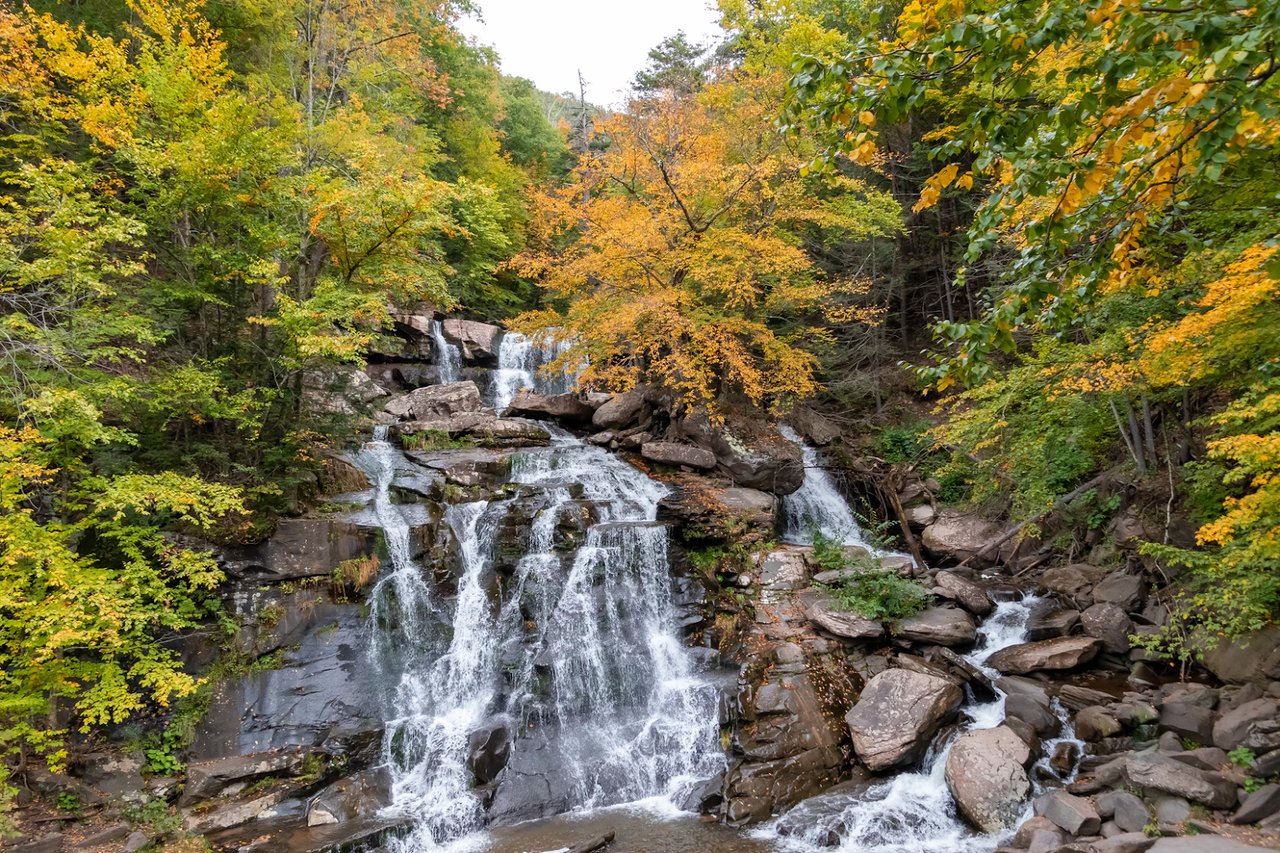
Woodstock is a convenient base for shorter, maintained hikes close to town. It works well if you want to mix a morning on trail with an afternoon of village amenities. For longer, more rugged hikes into the high Catskills, you will generally start closer to valley hamlets.
Rivers and water
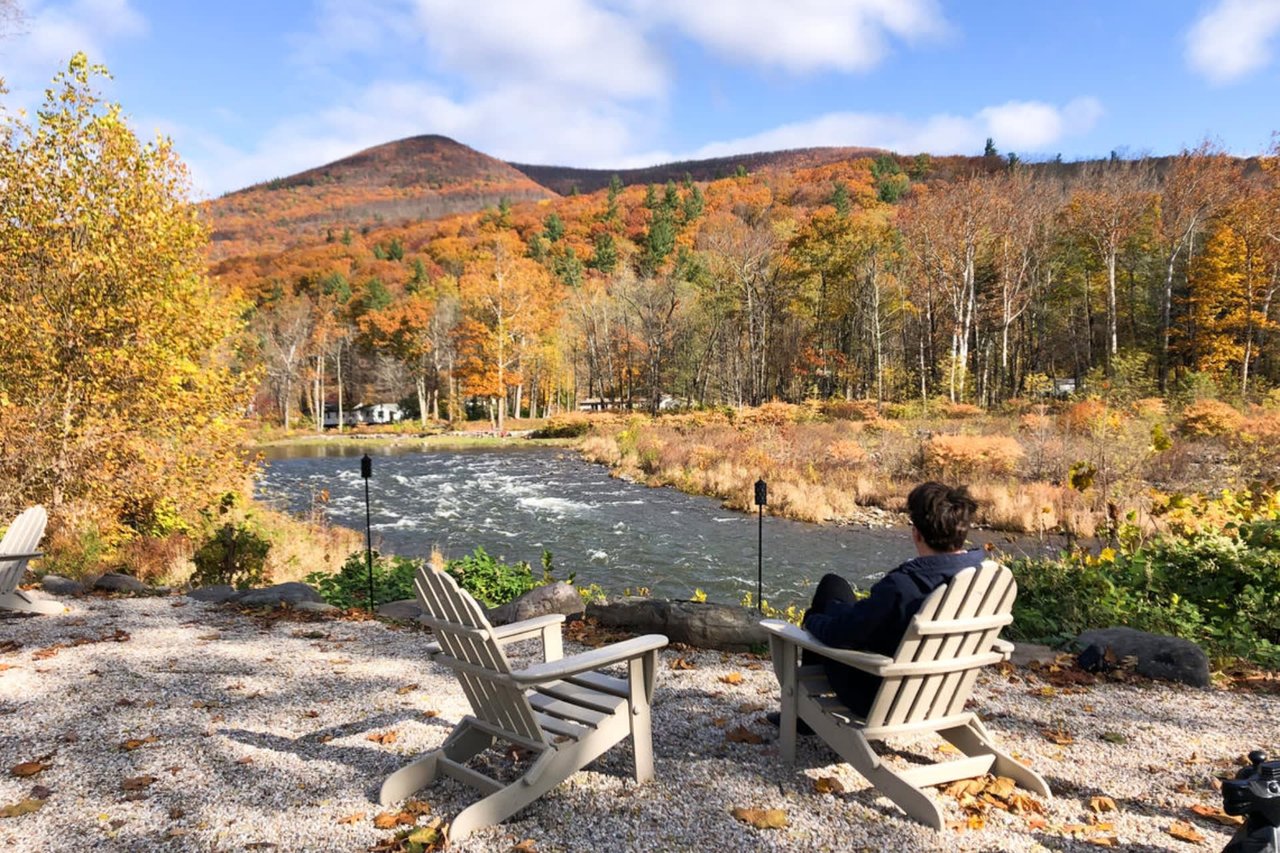
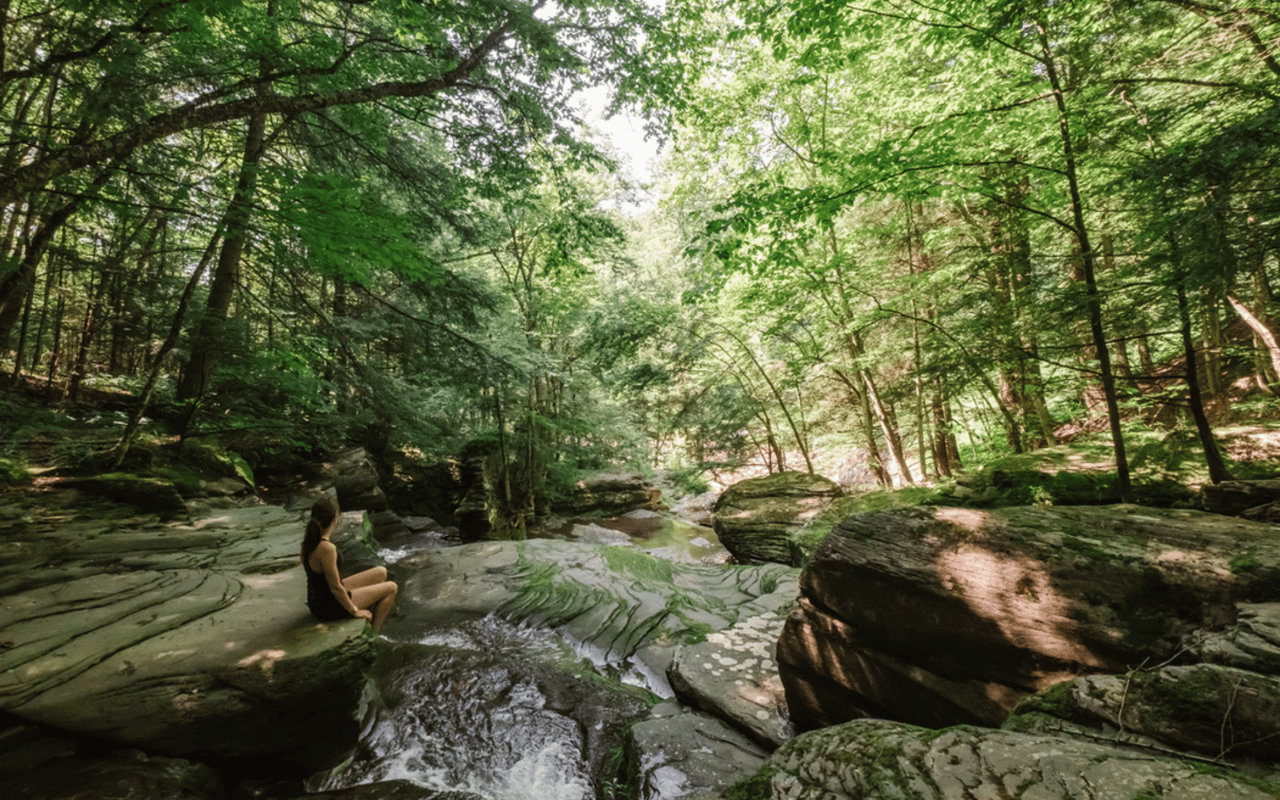
Phoenicia offers immediate access to the Esopus Creek and nearby tributaries, popular for tubing and fly-fishing during the warm months. Outfitters and guide services reflect the hamlet’s outdoors-forward identity. Woodstock has lakes and reservoir access in the broader region but less direct, large-stream recreation in town.
Winter options
Both places are within driving distance of regional ski areas and winter trail systems. Your choice comes down to which trailheads and mountains you plan to visit most often.
Dining, shopping, and services
Everyday convenience
Woodstock has a larger selection of cafes, restaurants, specialty food shops, galleries, and service providers. Cultural venues and arts programming are more frequent, supporting a lively calendar of events.
Seasonal rhythm
Phoenicia’s businesses cater to outdoor visitors, so you can expect a stronger seasonal pulse. Some shops may have limited hours outside peak periods. For specialty retail or certain services, residents often drive to nearby towns.
Practical implications
If you want to do frequent errands on foot, Woodstock offers a more daily-walkable lifestyle. If your weekends revolve around trailheads and the river, Phoenicia’s simplicity and access can be a better fit.
Getting there and getting around
Both locations are primarily car-dependent. State routes and county roads connect you to regional centers, with typical New York City drives in the roughly 2 to 2.5 hour range under favorable conditions. Public transit is limited; long-distance rail and major bus stops are in larger nearby towns.
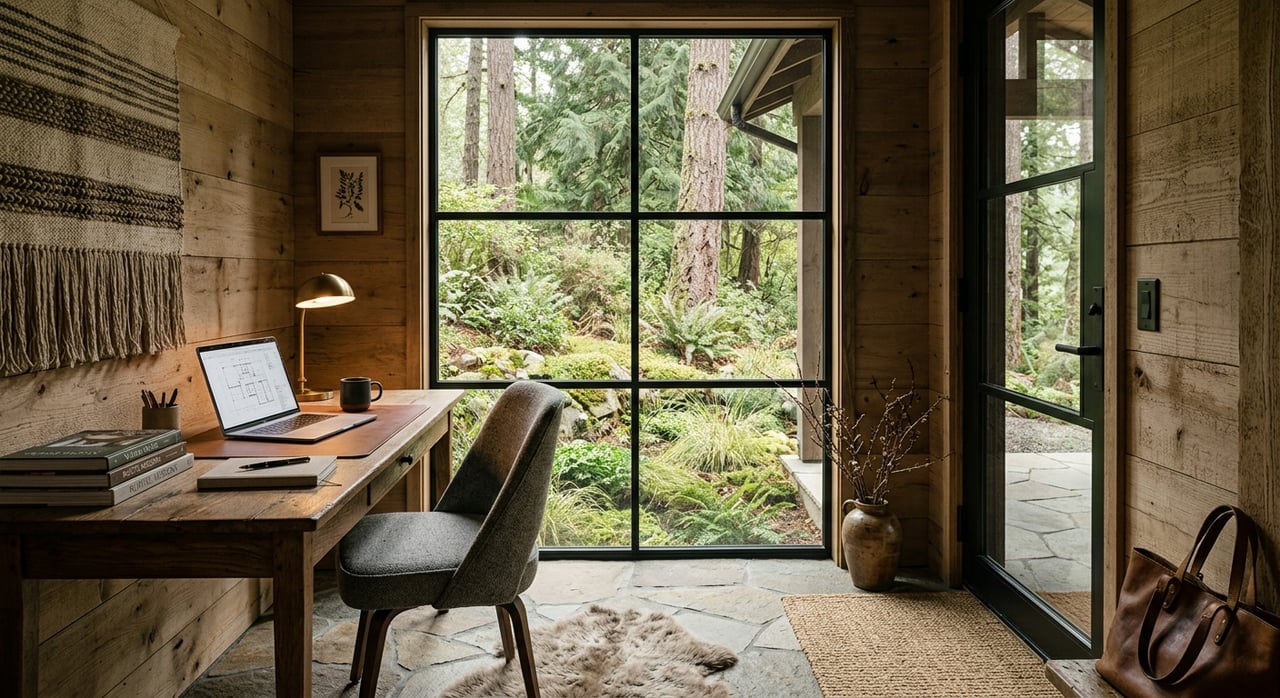
If you commute, verify real drive times at different hours and in winter conditions. If you work remotely, confirm broadband providers and run speed tests at the address. Broadband quality varies by property and can be decisive for home offices.
Utilities, rules, and due diligence
Wells and septic
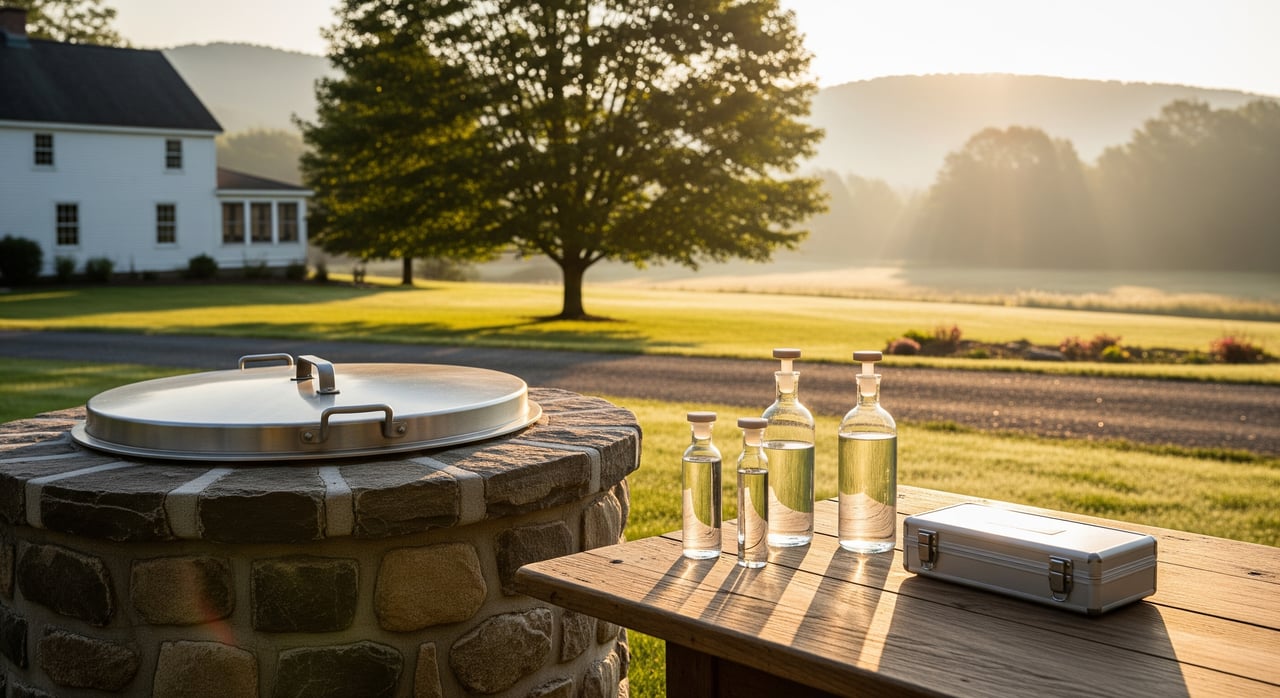
Many rural properties rely on private wells and on-site septic systems. Septic capacity affects occupancy and future expansions, and soil or slope can limit renovations. Ask for inspection reports, permits, and maintenance histories.
Floodplain and access
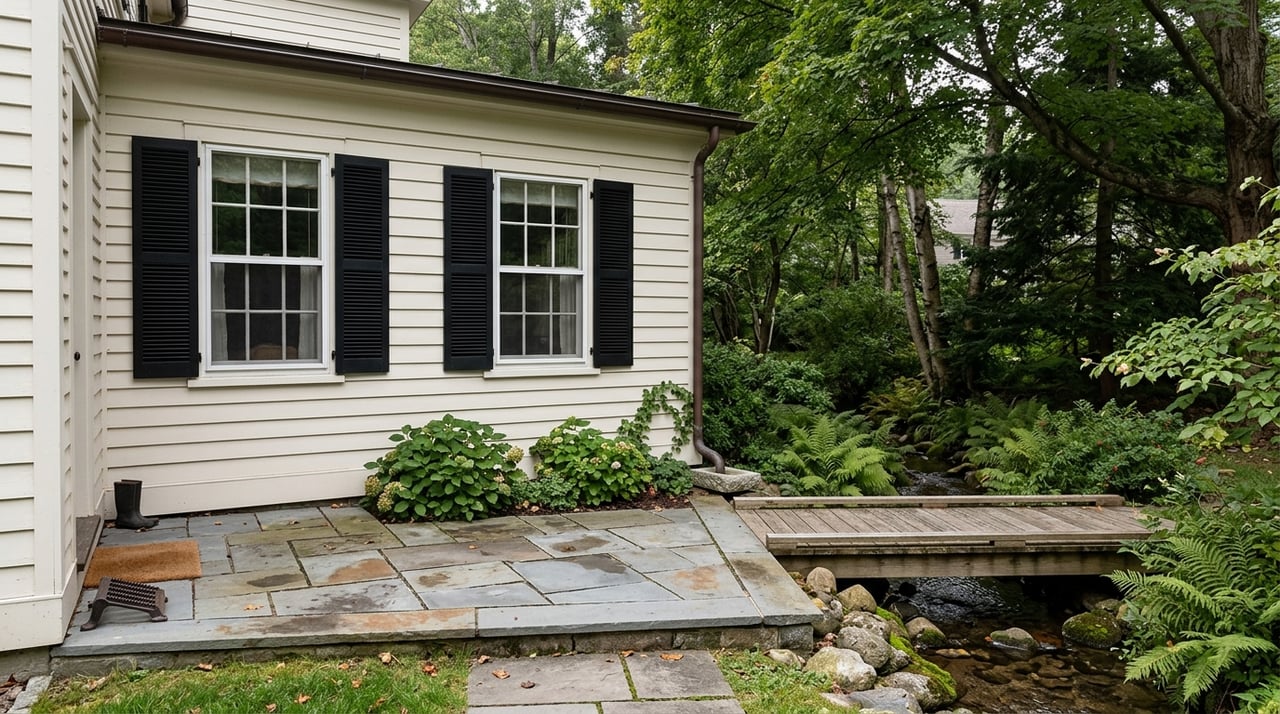
In creek-adjacent areas, confirm whether a property sits in a floodplain and whether flood insurance is required. Review maps, topography, and any deeded access or easements if you plan to use nearby trails or water.
Short-term rentals
Short-term rental rules are evolving across Ulster County. Towns, including Woodstock and the Town of Shandaken for the Phoenicia area, may require registrations, permits, or occupancy limits. Always review current ordinances before planning rental use.
Schools and districts
Properties fall into different local school districts. If schools are important to you, confirm district boundaries, transportation arrangements, and enrollment details for any specific address.
Decision checklist
Use this when touring homes or narrowing towns:
- Lifestyle fit
- How often will you walk to restaurants, shops, and cultural venues?
- Is immediate river or trailhead access more important than a village center?
- Property systems
- What are the well yield, water quality, and septic capacity? Any recent inspections?
- What broadband speeds and cellphone coverage are available at the address?
- Risk and regulations
- Is the property in a floodplain or stream buffer? Will you need flood insurance?
- What town rules affect short-term rentals or future renovations?
- Logistics
- What are realistic drive times year-round? How are the roads maintained in winter?
- How does weekend parking or access look during peak seasons?
- Resale
- What do comparable sales show in the last 6 to 12 months?
- Is the property attractive to both full-time residents and second-home buyers?
Which is right for you?
Choose Woodstock if you want a vibrant, walkable village with an established arts scene and everyday convenience. You will trade for more visitor activity and tighter inventory, but you gain a strong sense of place within steps of your door.
Choose Phoenicia if you want a quiet, outdoors-first base with direct river access and quick routes to backcountry trailheads. You may drive more for certain services, but you will be closer to the mountain-and-water rhythm that brings you north.
Ready to explore with a local guide?
If you are weighing Woodstock versus Phoenicia for a second home or a full-time move, we can help you refine your search, verify property details, and compare true lifestyle fit. Reach out to schedule a consult with Joseph Satto and get a plan tailored to how you want to live.
FAQs
Which town typically has more walkable amenities?
- Woodstock generally offers more restaurants, galleries, and services within a compact village center, supporting a daily-walkable lifestyle.
Where will I be closer to river activities?
- Phoenicia places you near the Esopus Creek and outfitters for tubing and fly-fishing, making water access a core part of daily life.
How do housing options differ between the two?
- Woodstock leans historic and renovated near the village, while Phoenicia features modest cabins, seasonal cottages, and larger lots with comparative value.
Are both areas busy year-round?
- Both see visitors, but Woodstock has a steadier year-round arts calendar, while Phoenicia experiences stronger seasonal peaks tied to outdoor recreation and foliage.
What should I check about wells and septic systems?
- Confirm well yield, water quality, septic capacity, permits, inspections, and maintenance records, since these systems affect occupancy and future plans.
What about short-term rental rules?
- Regulations vary by town and can include permits, registrations, and occupancy limits; always verify current rules for Woodstock or Shandaken before you buy.
Is remote work feasible from either location?
- Yes, but broadband varies by property; confirm providers and run on-site speed tests to ensure service meets your home office needs.
Will I need a specific vehicle for winters?
- Some roads benefit from all-wheel or four-wheel drive in winter; check municipal plowing and road conditions for the specific address you are considering.