Looking for a Hudson Valley hamlet that feels small, historic, and genuinely connected to the landscape? High Falls stands out for exactly that reason. If you are searching for a home with canal-era character, walkable local spots, and easy access to one of the area's defining natural features, this guide will help you understand what makes High Falls, NY real estate distinct and what to watch for as you buy or sell here. Let’s dive in.
Why High Falls Feels Different
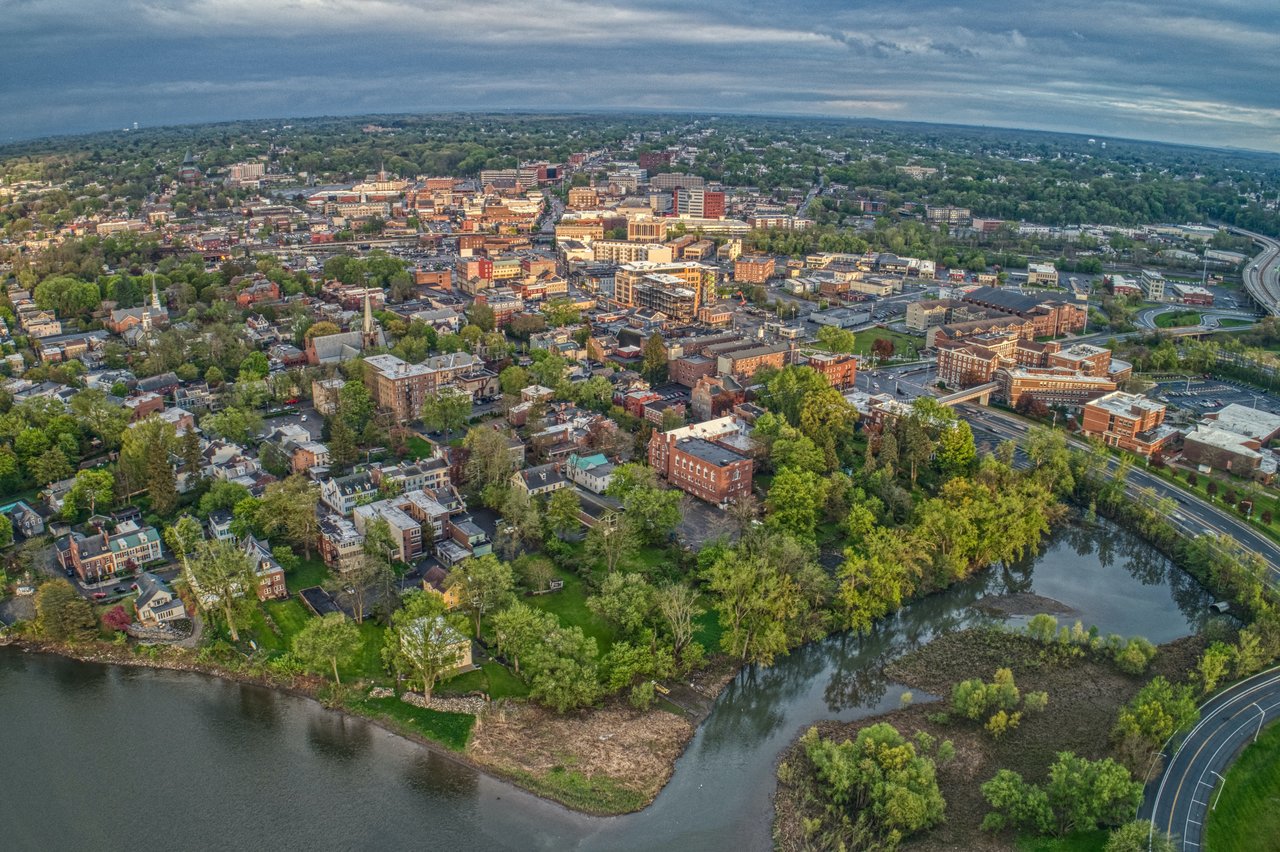
High Falls is a hamlet in the Town of Marbletown, not an incorporated village. According to the Town of Marbletown community overview, it is one of the town’s commercial hamlets, known for historic homes, restaurants, shops, farm stands, a canal museum, and the Five Locks Walk.
That mix gives High Falls a rare kind of appeal. You get a compact, destination-style center with daily conveniences and a strong sense of place, while still being in a rural part of Ulster County. For many buyers, that balance is the draw.
The town also notes that High Falls includes both long-time local residents and newer weekend homeowners. That blend helps explain why the market often appeals to both full-time buyers and second-home seekers looking for a place with personality rather than a more standardized housing stock.
Waterfall Access Shapes The Setting
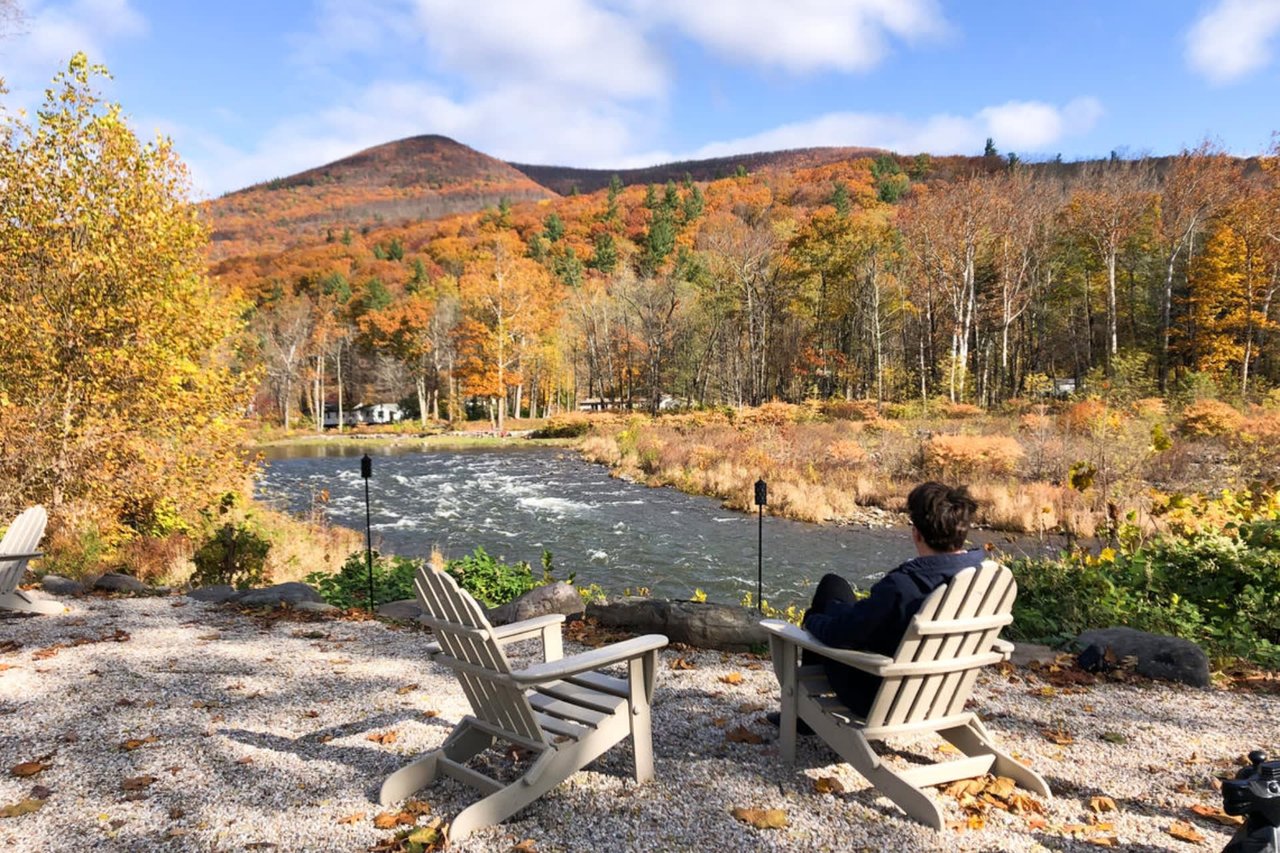
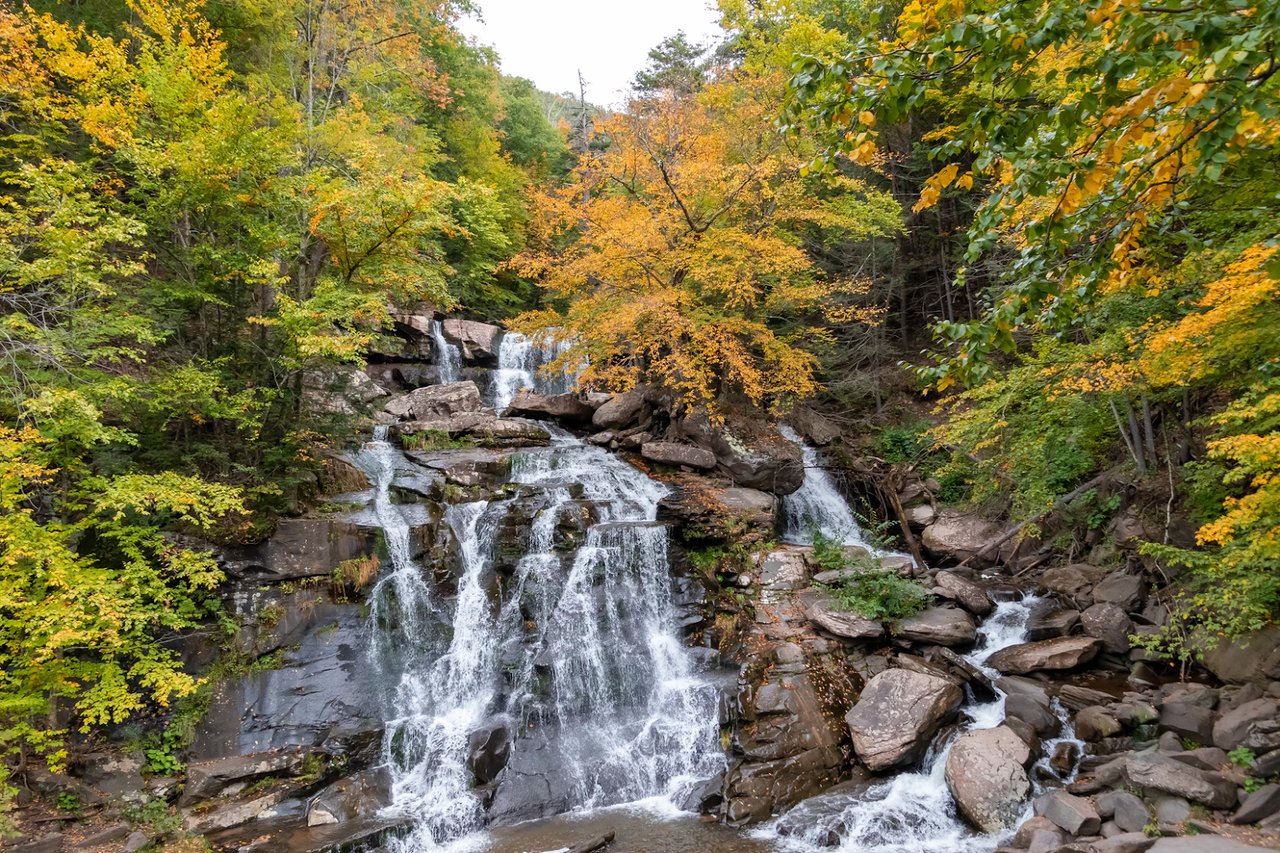
One of High Falls’ biggest anchors is right in the name. The 2024 Marbletown plan notes that north of Route 213 is the waterfall in High Falls, followed by rapids and steeper banks along Rondout Creek.
This matters in real estate terms because the natural setting is not just background scenery. It is part of how the hamlet is experienced. Buyers are often drawn to places where the landscape gives the community an immediate identity, and in High Falls, the waterfall and creek corridor do exactly that.
You also see that identity in how the town frames the area. High Falls and Stone Ridge are described as distinct regional destinations within the Rondout Valley, which supports the idea that High Falls functions as a recognizable place in its own right, even though it remains small.
Historic Character Is A Major Draw
If you love older homes, High Falls has real credibility. The National Park Service weekly listing includes the High Falls Historic District and the Lock Tender’s House and Canal Store Ruin on the National Register of Historic Places.
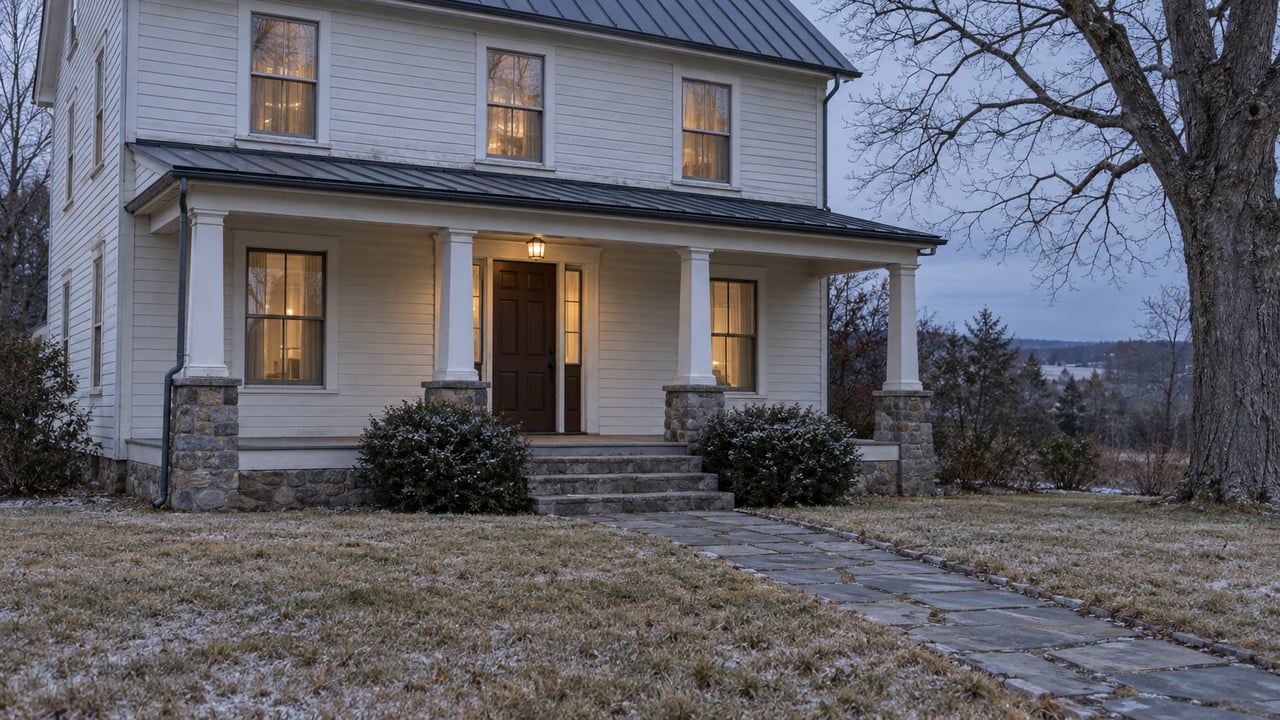
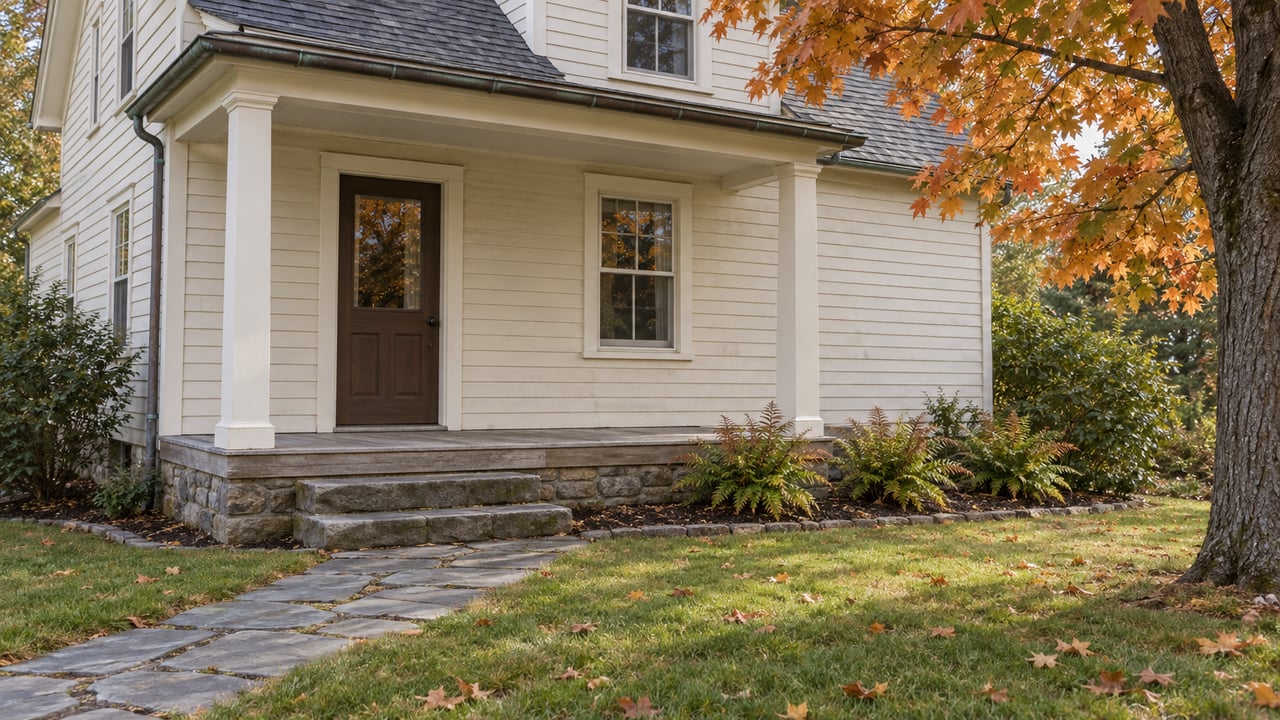
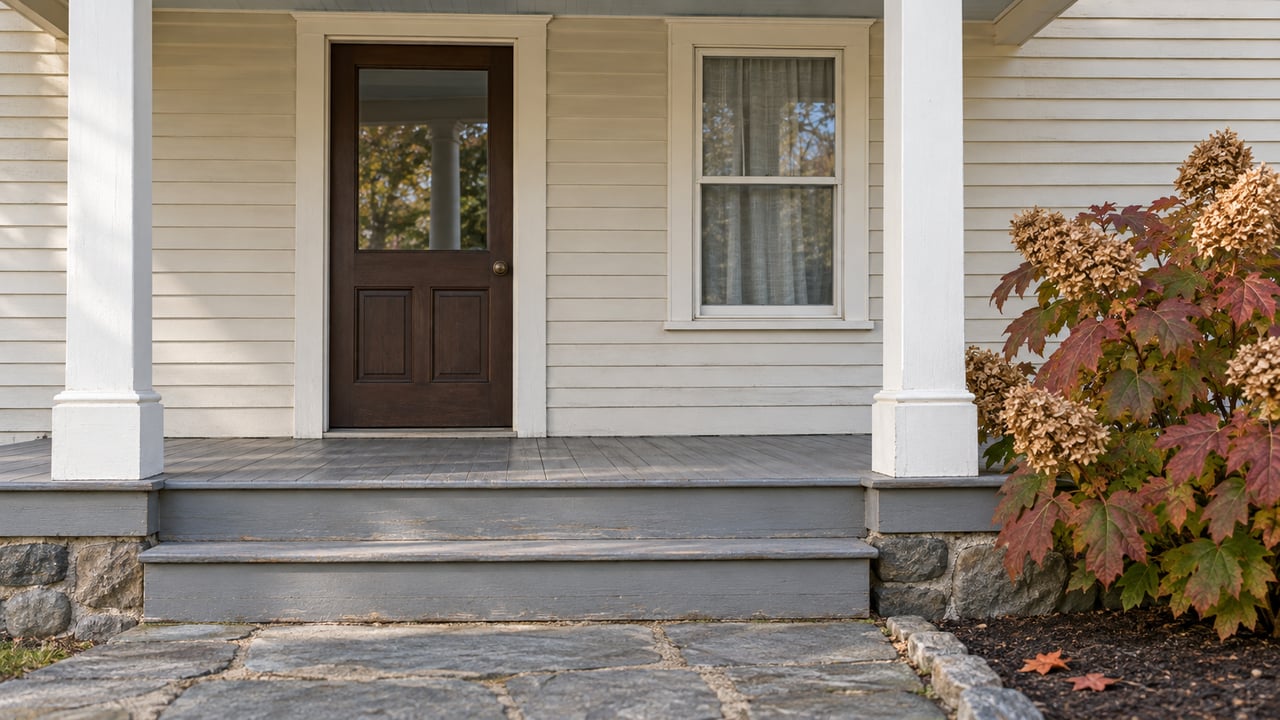
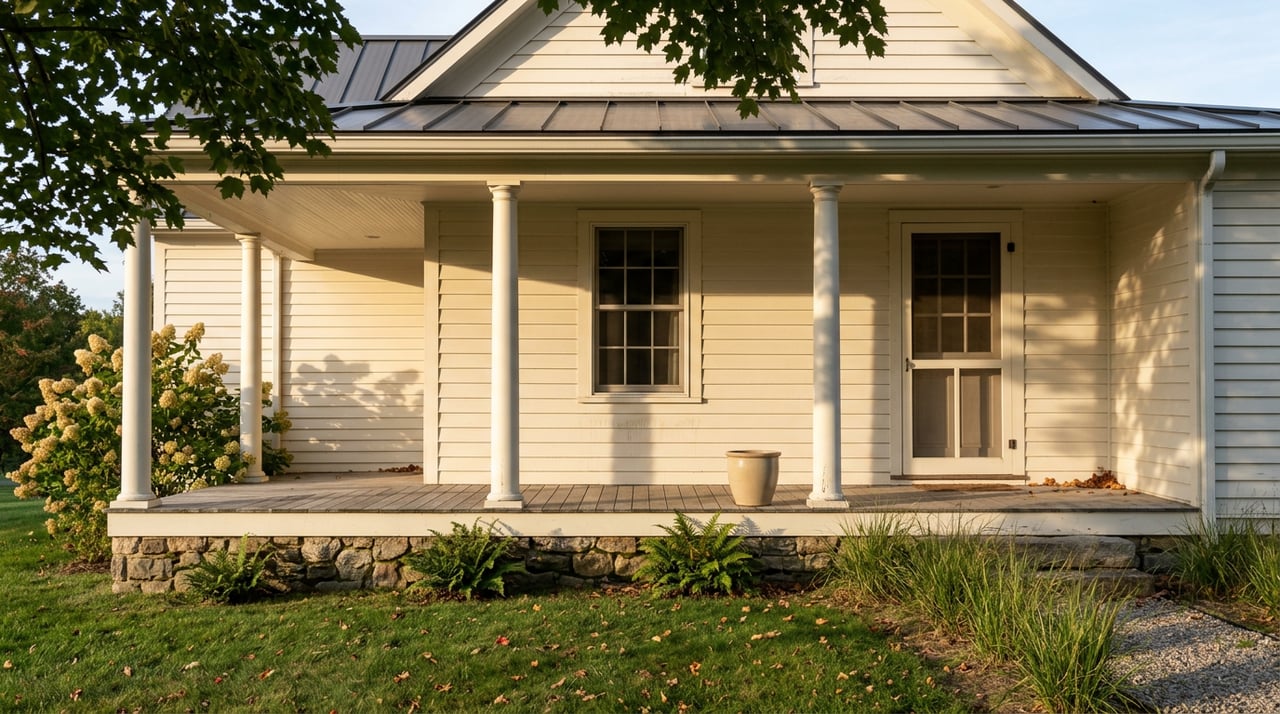
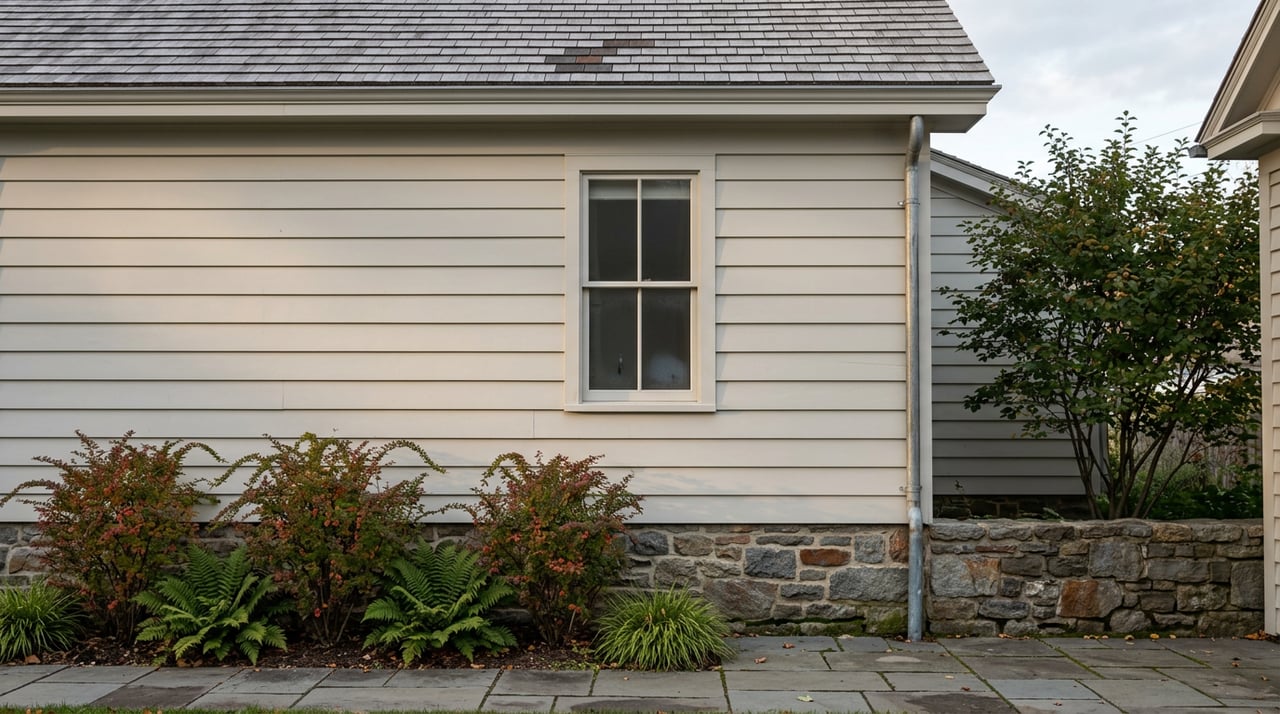
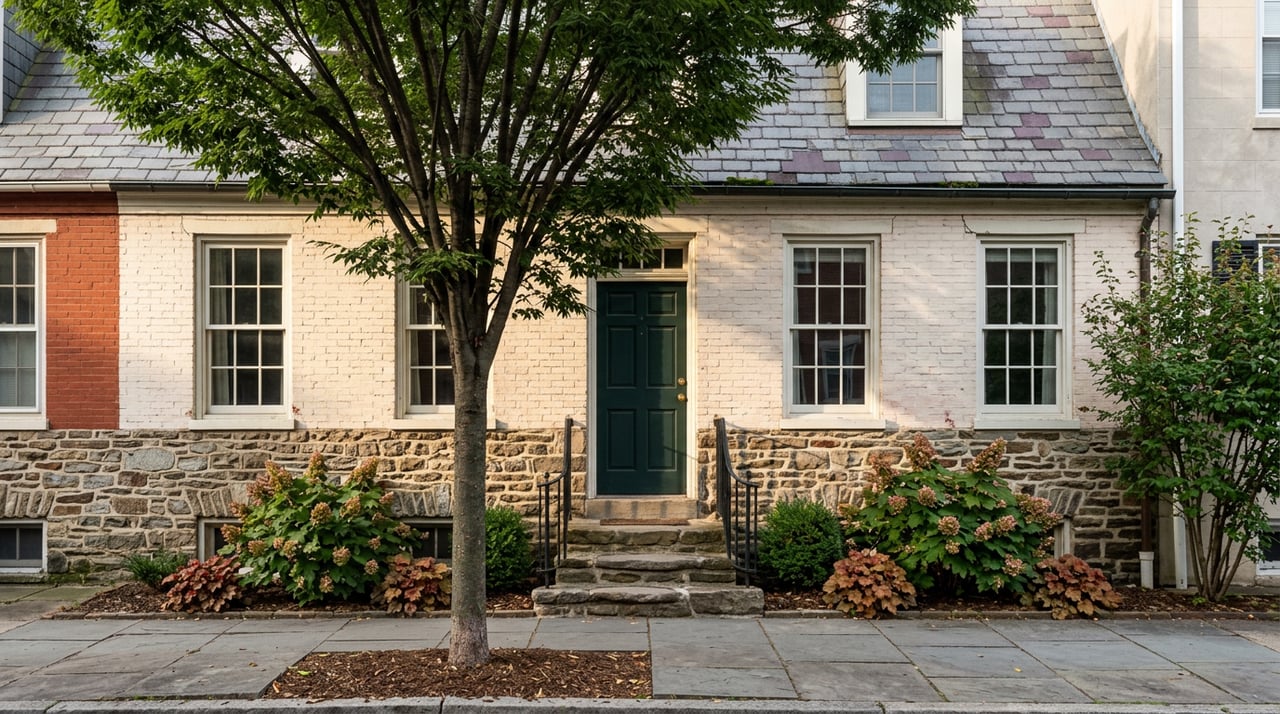
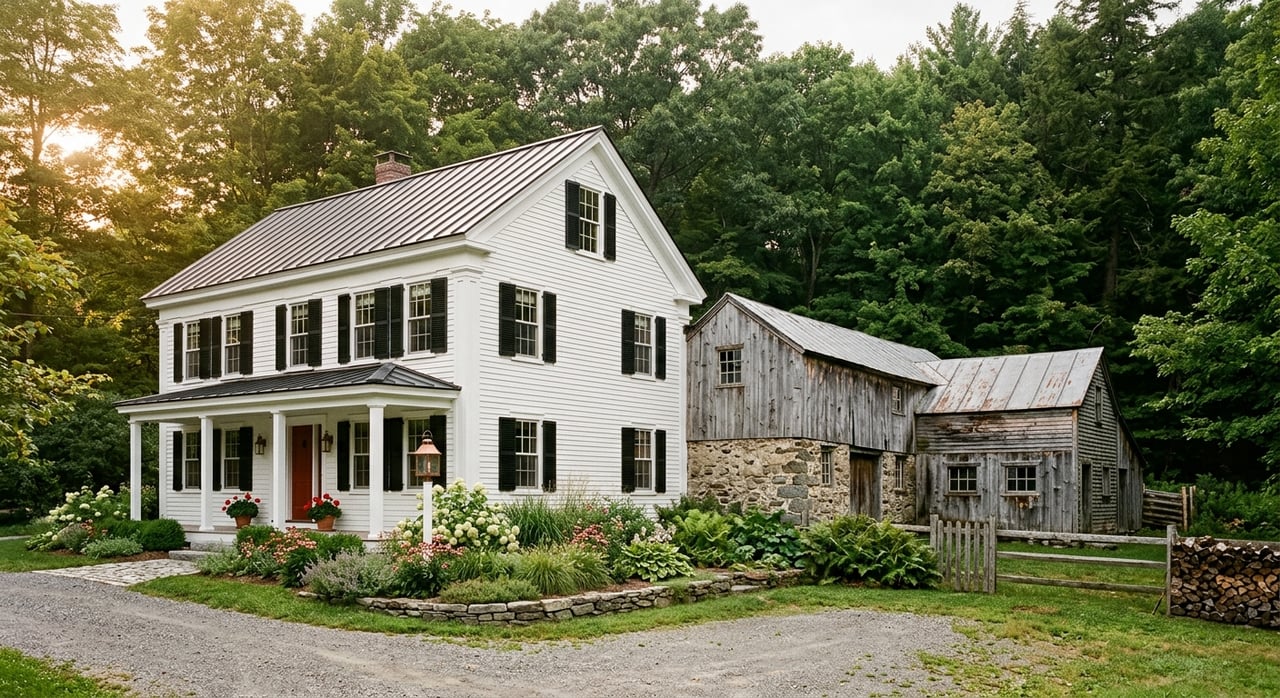
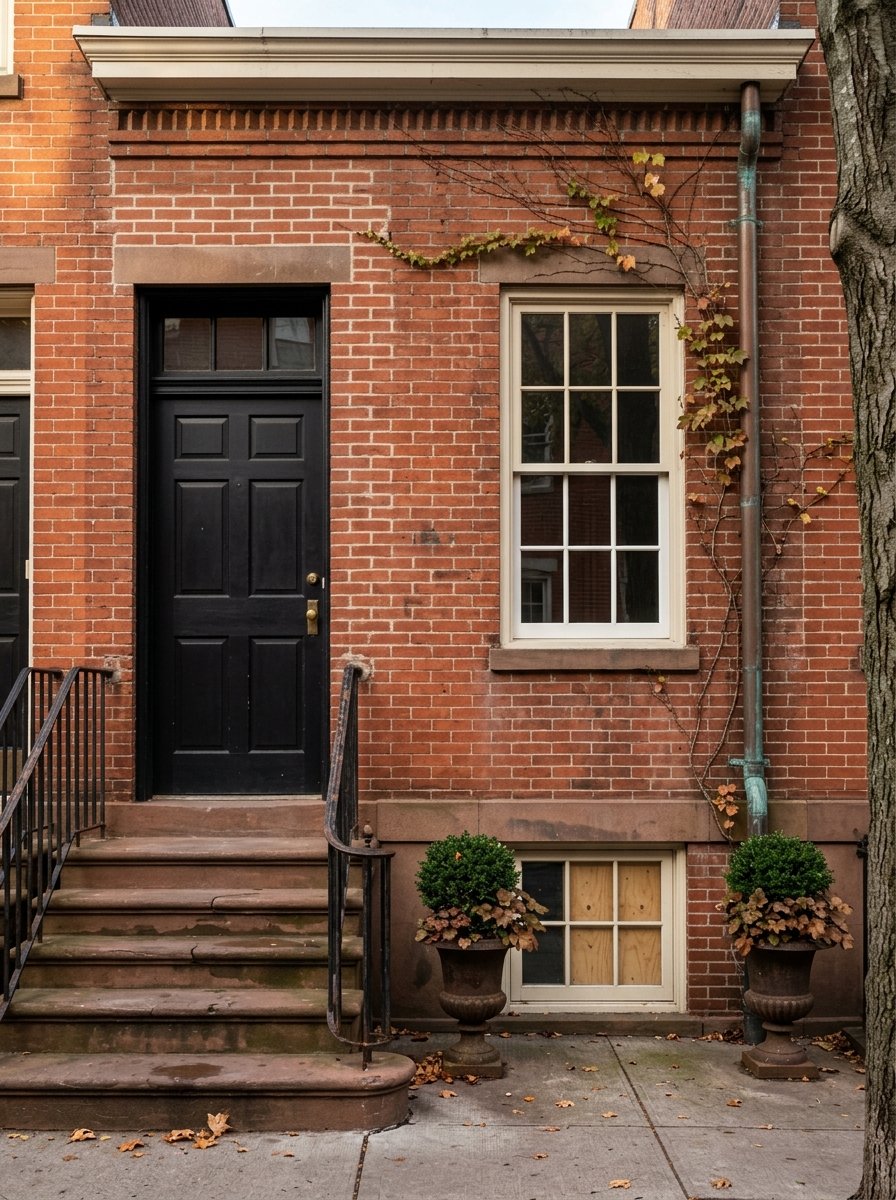
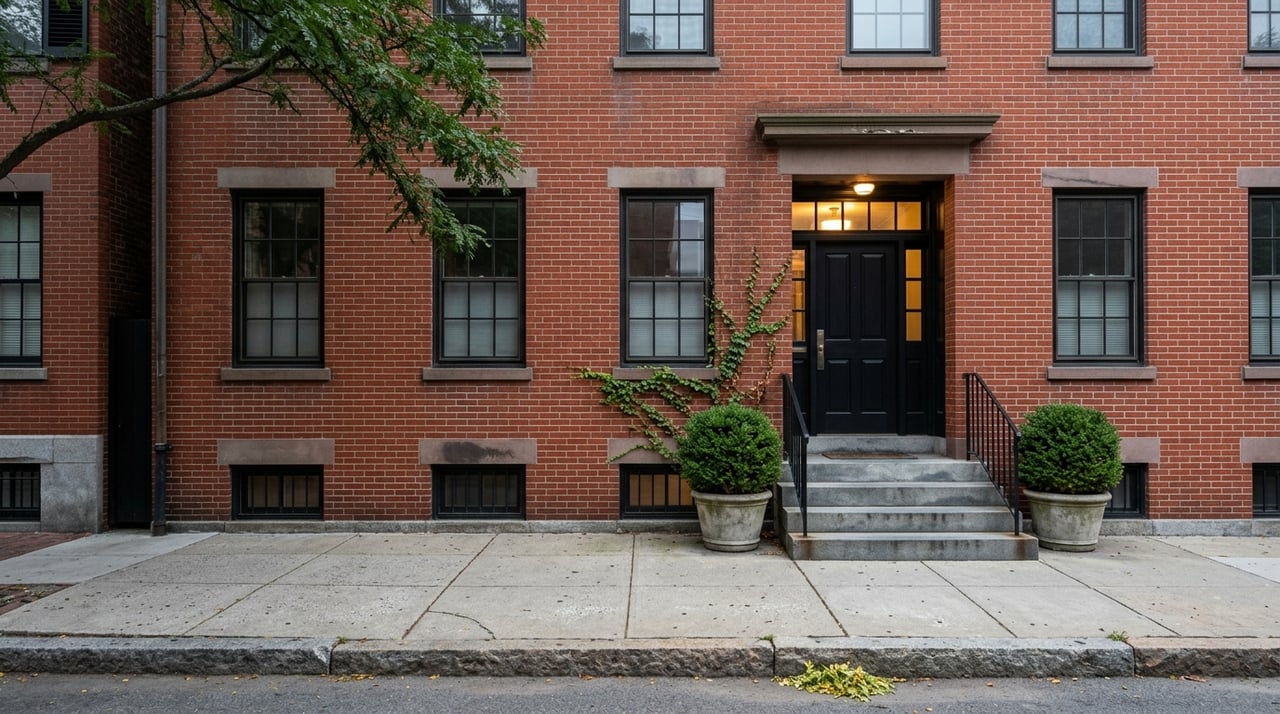
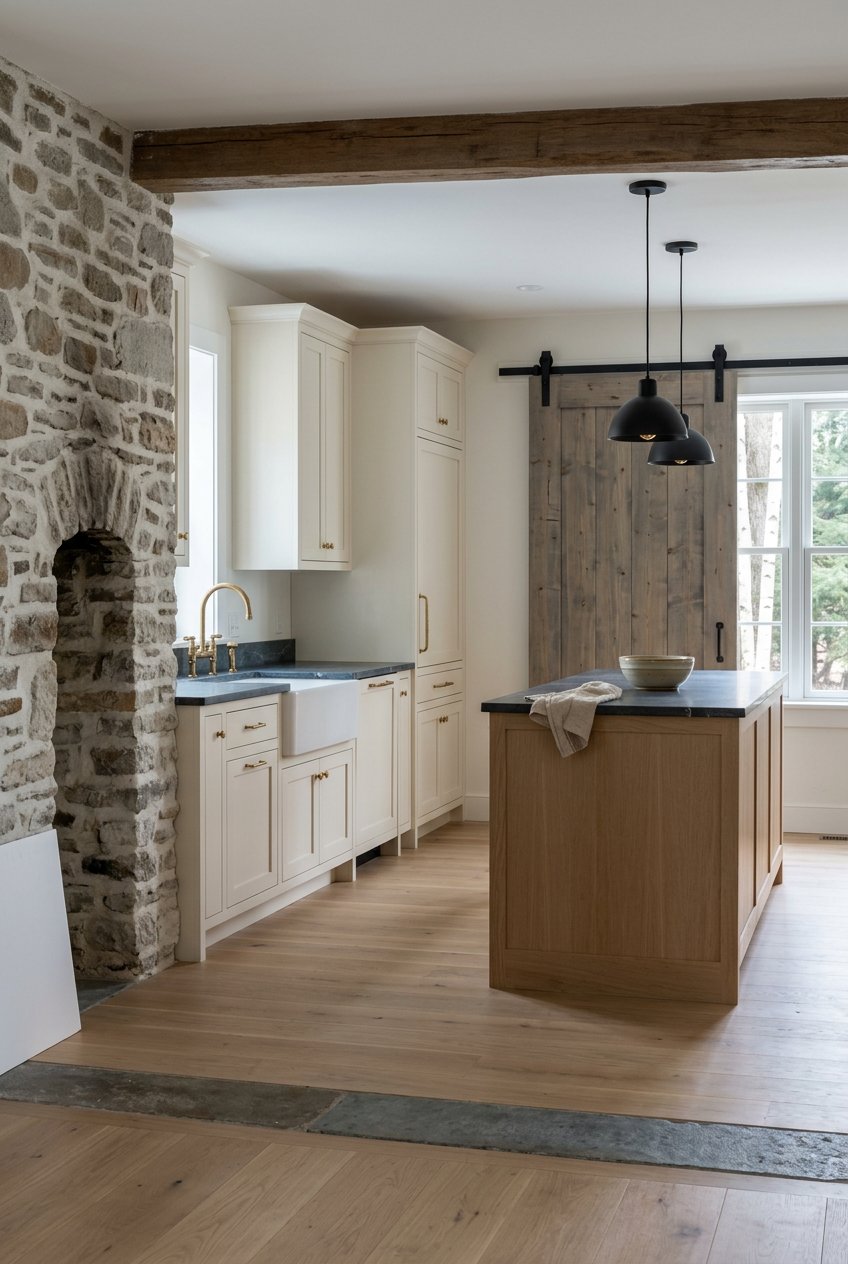
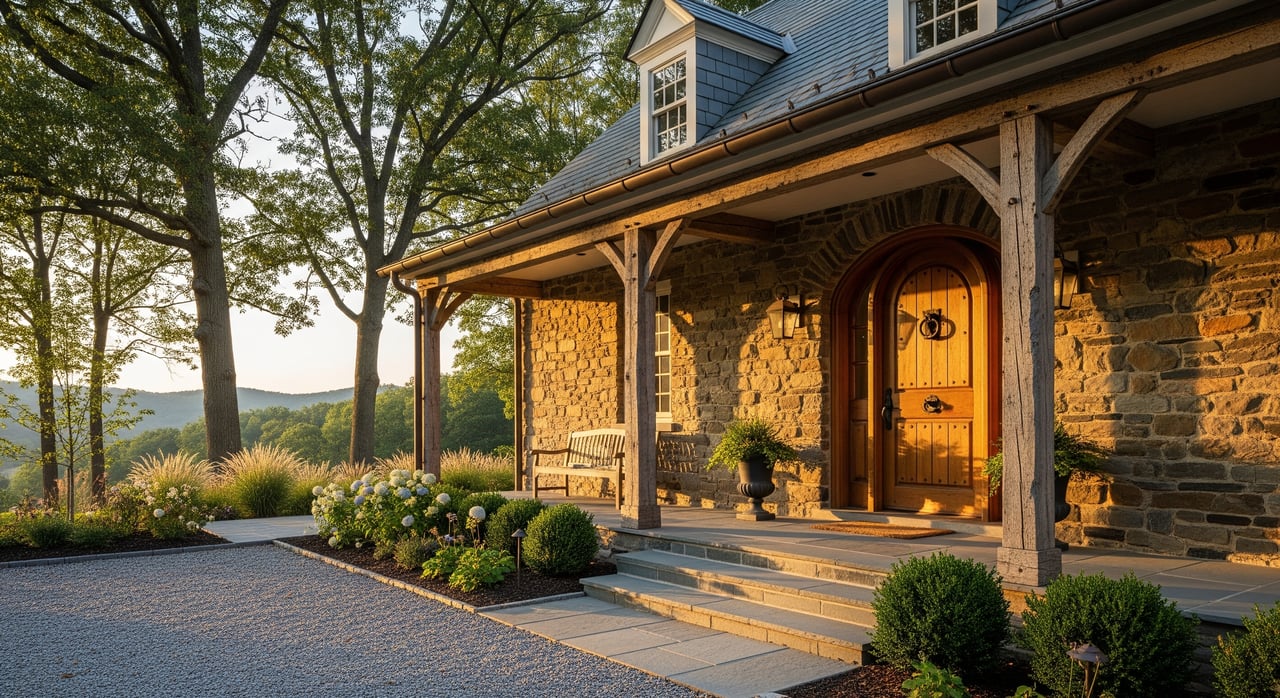
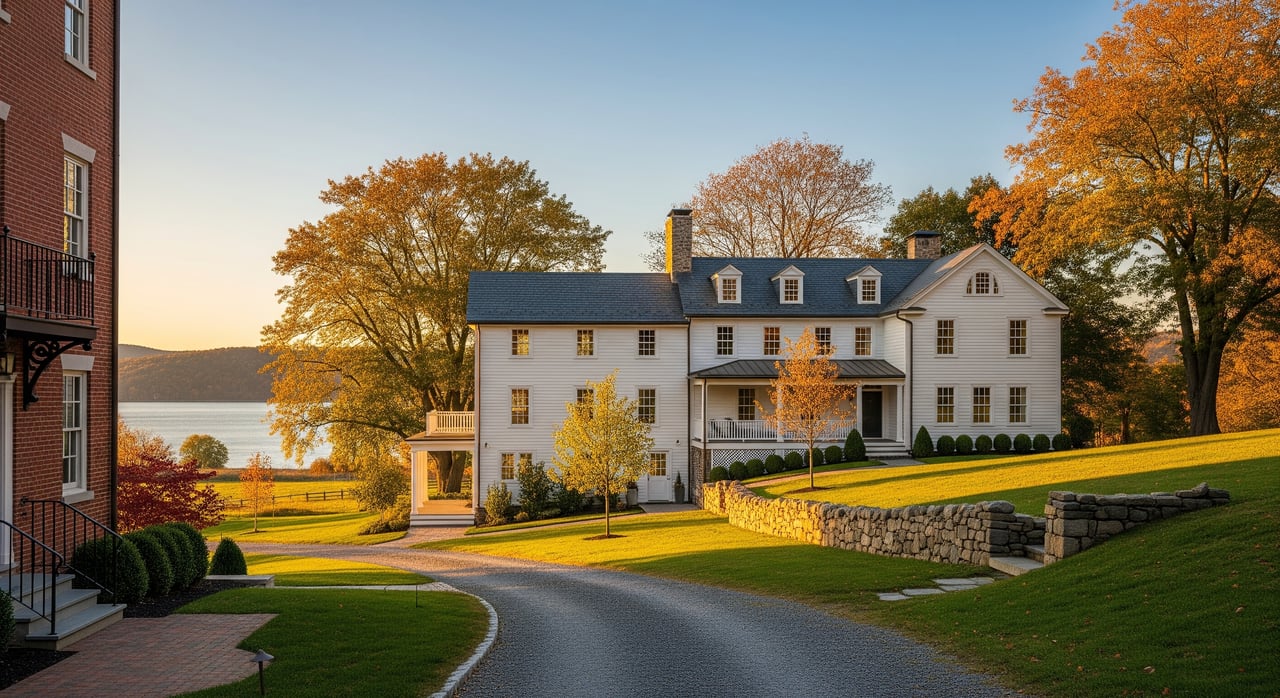
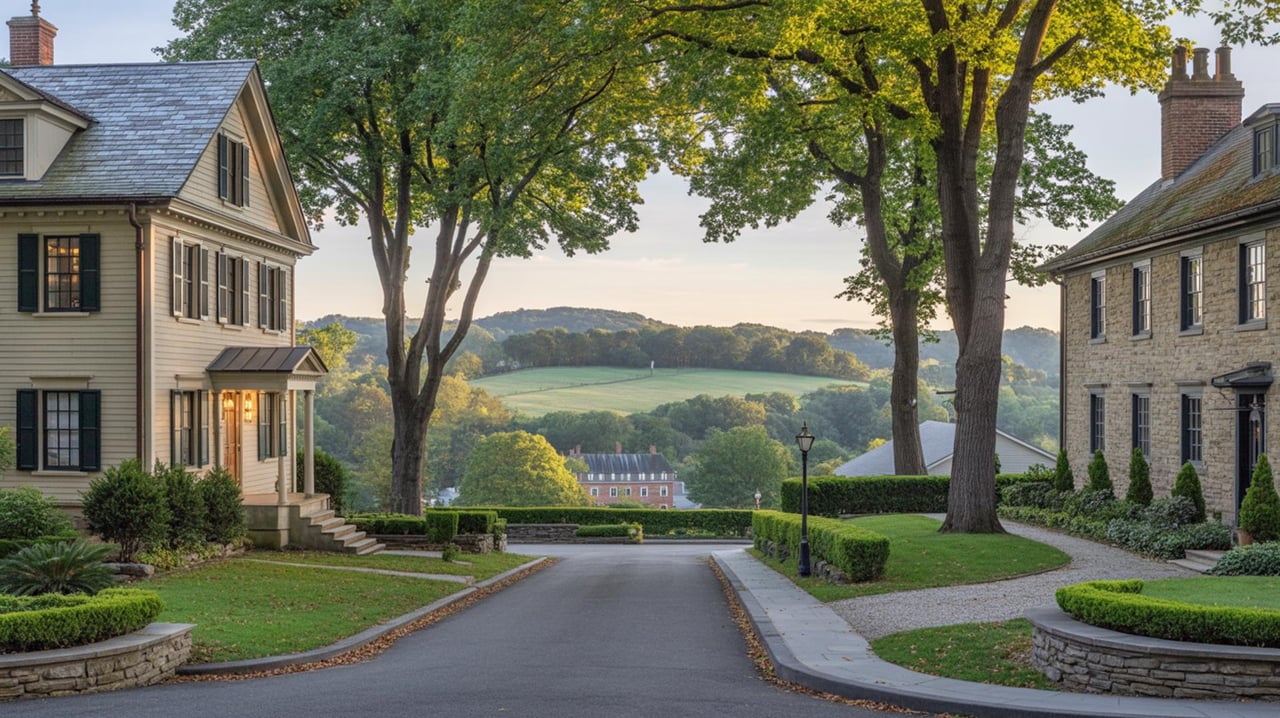
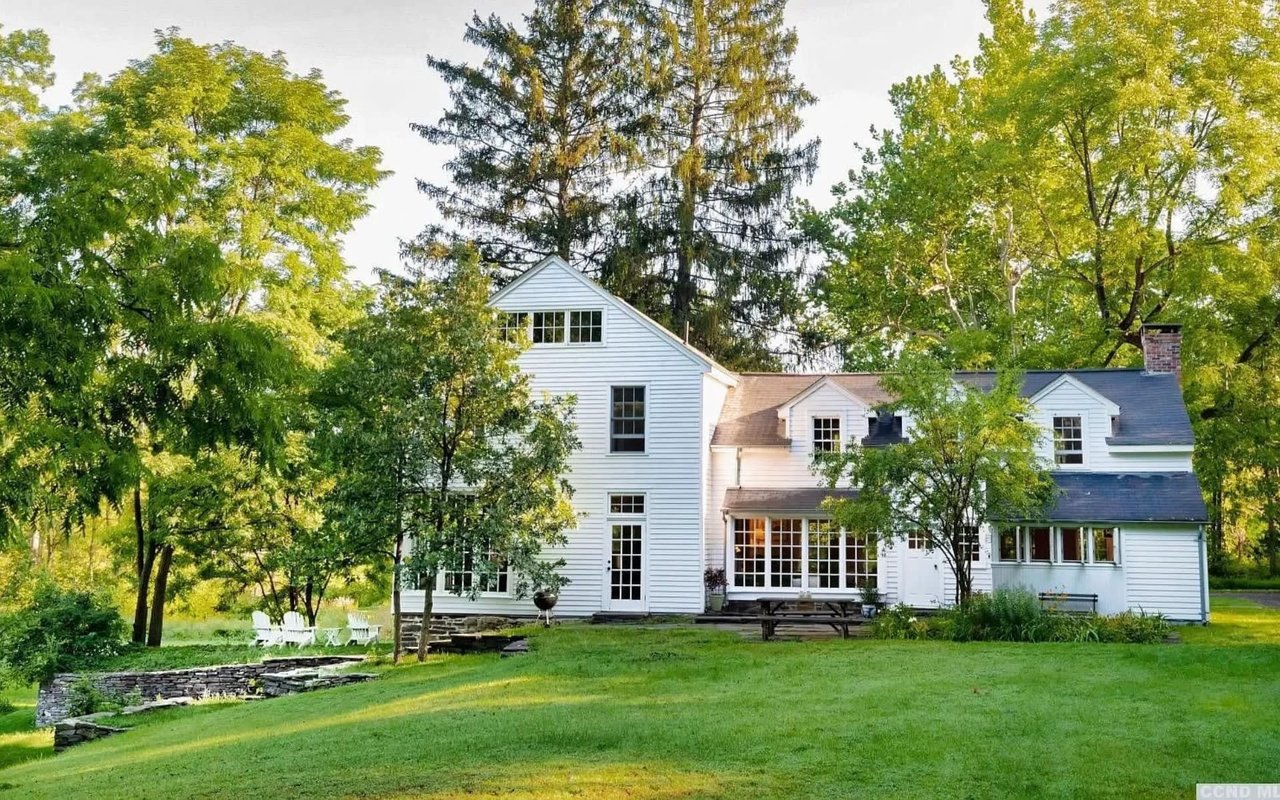
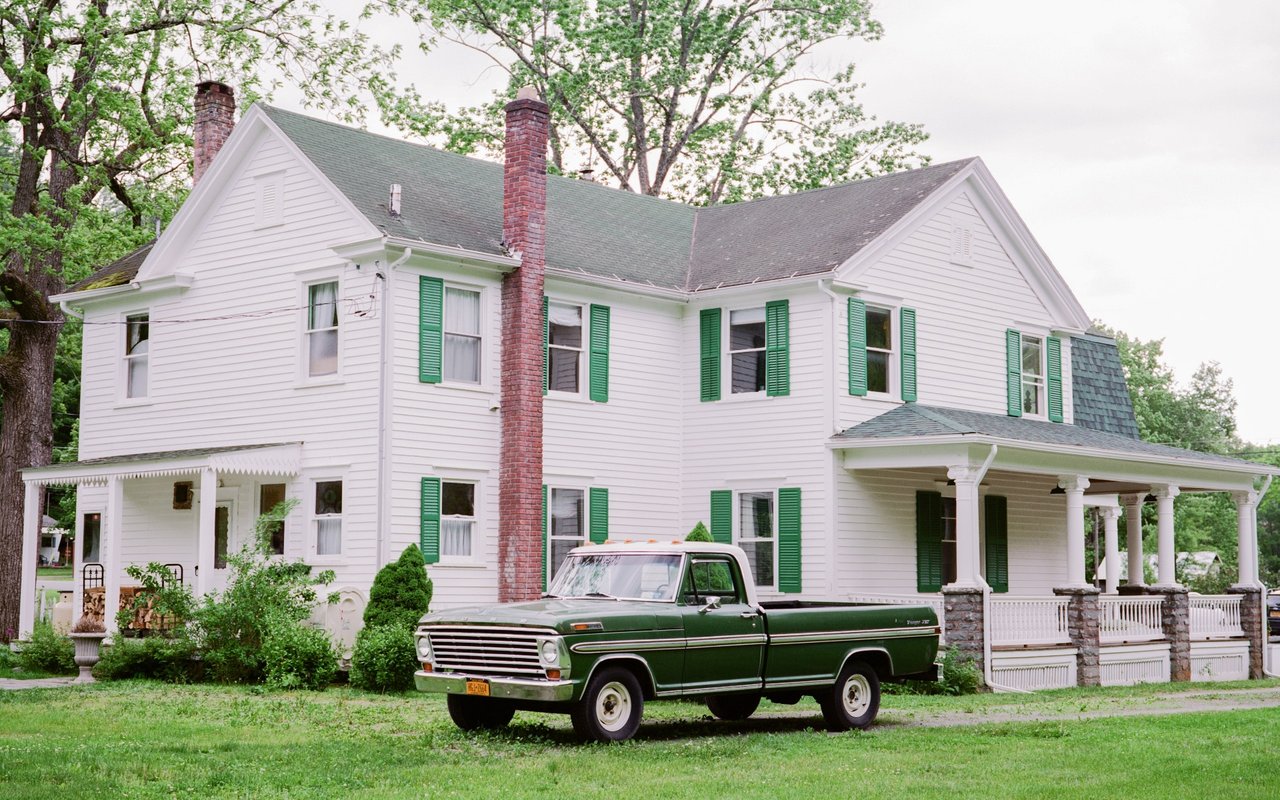
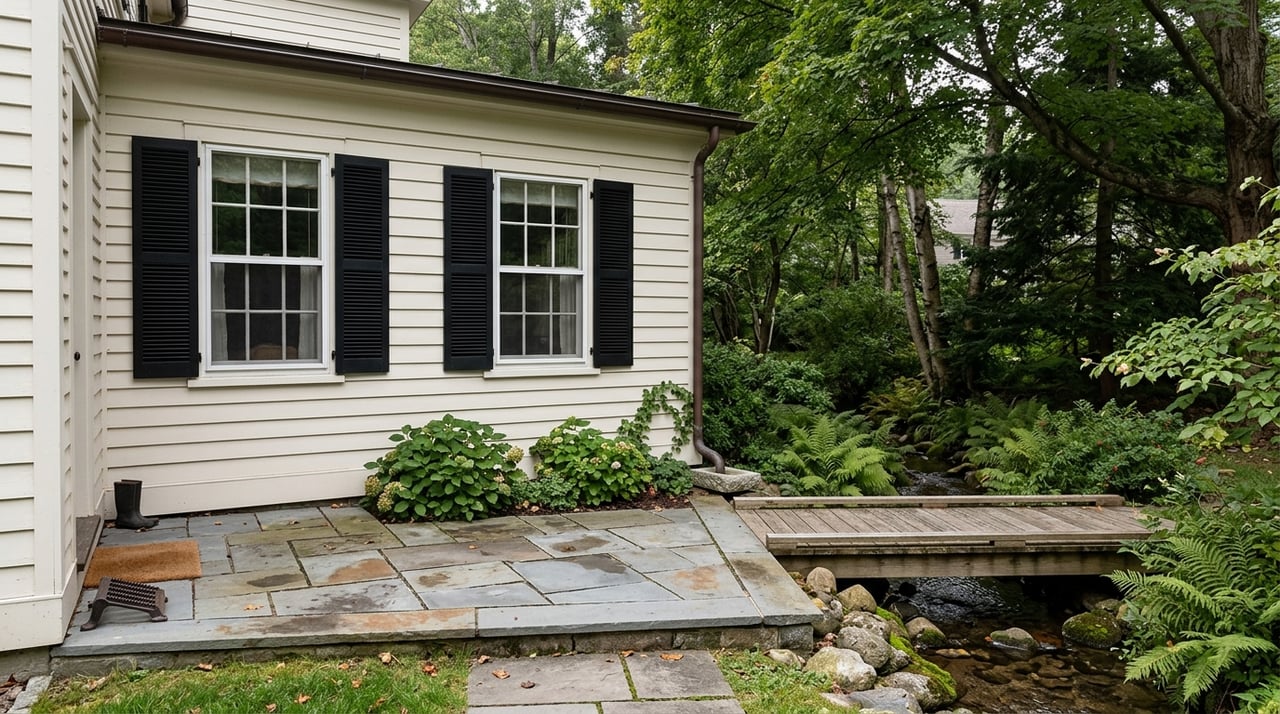
That historic status supports what many buyers notice right away: a preserved core, canal-era roots, and a concentration of older buildings that feel tied to the hamlet’s past. In practical terms, that can mean stone houses, older farmhouses, and homes with details you simply do not find in newer subdivisions.
For sellers, this character can be an asset when your property has original materials, strong curb appeal, or a location close to the historic center. For buyers, it is a reminder to evaluate condition, updates, and layout carefully, since historic charm and modern functionality do not always arrive in the same package.
What Homes In High Falls Look Like
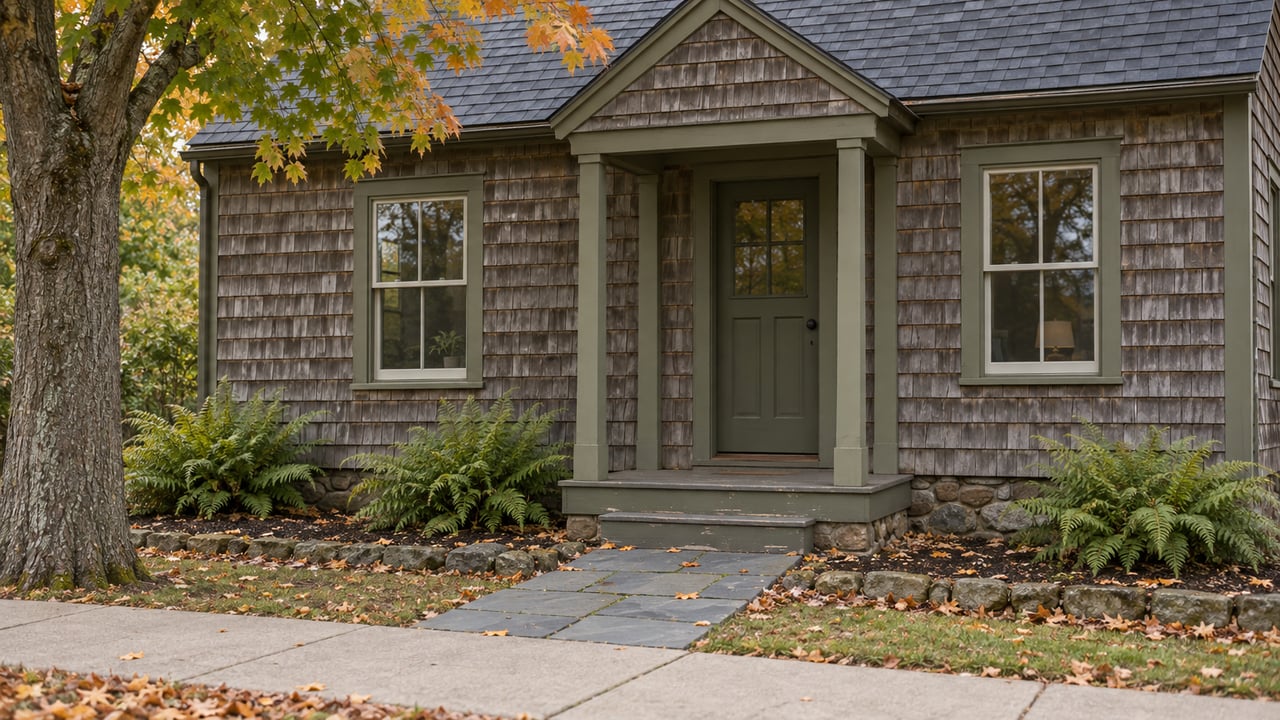
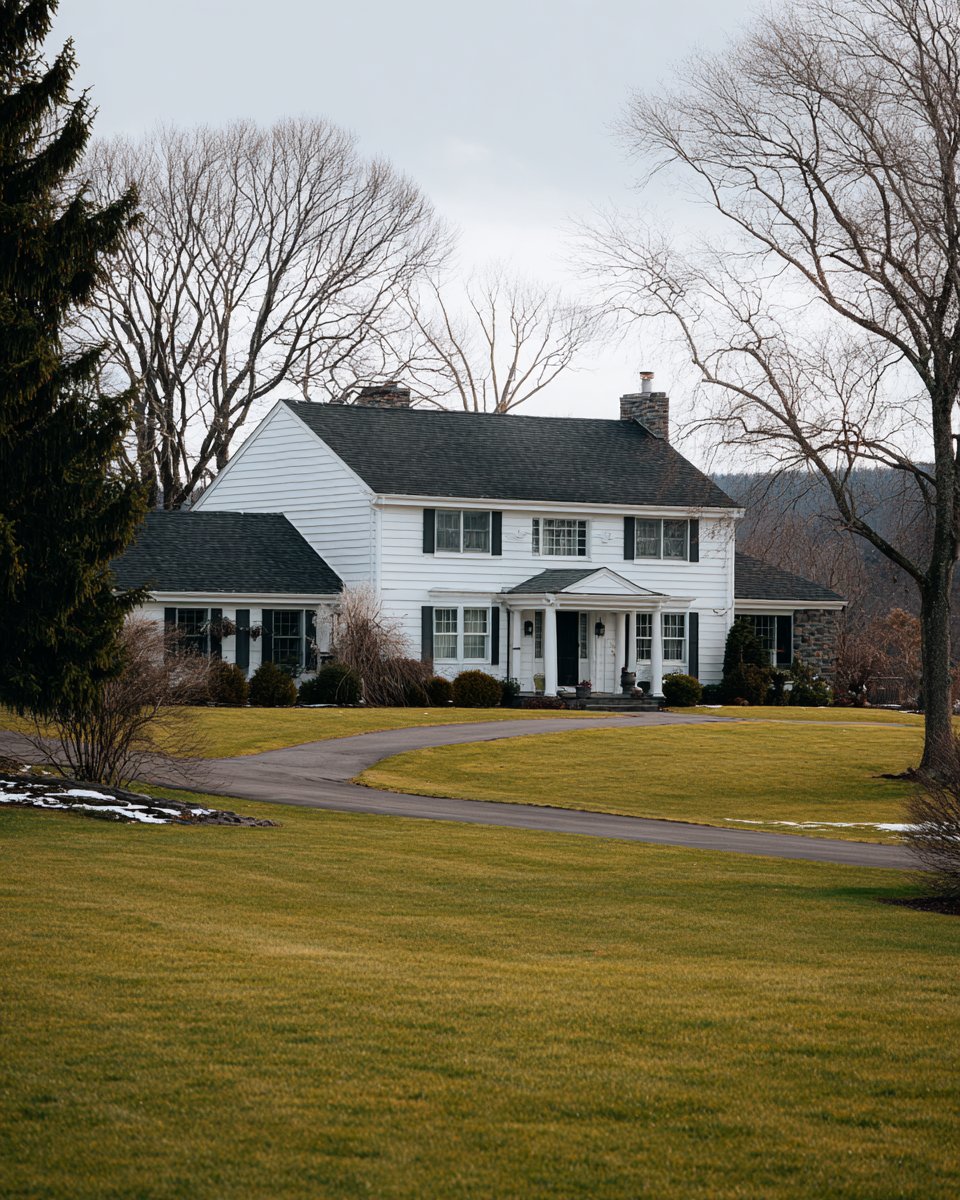
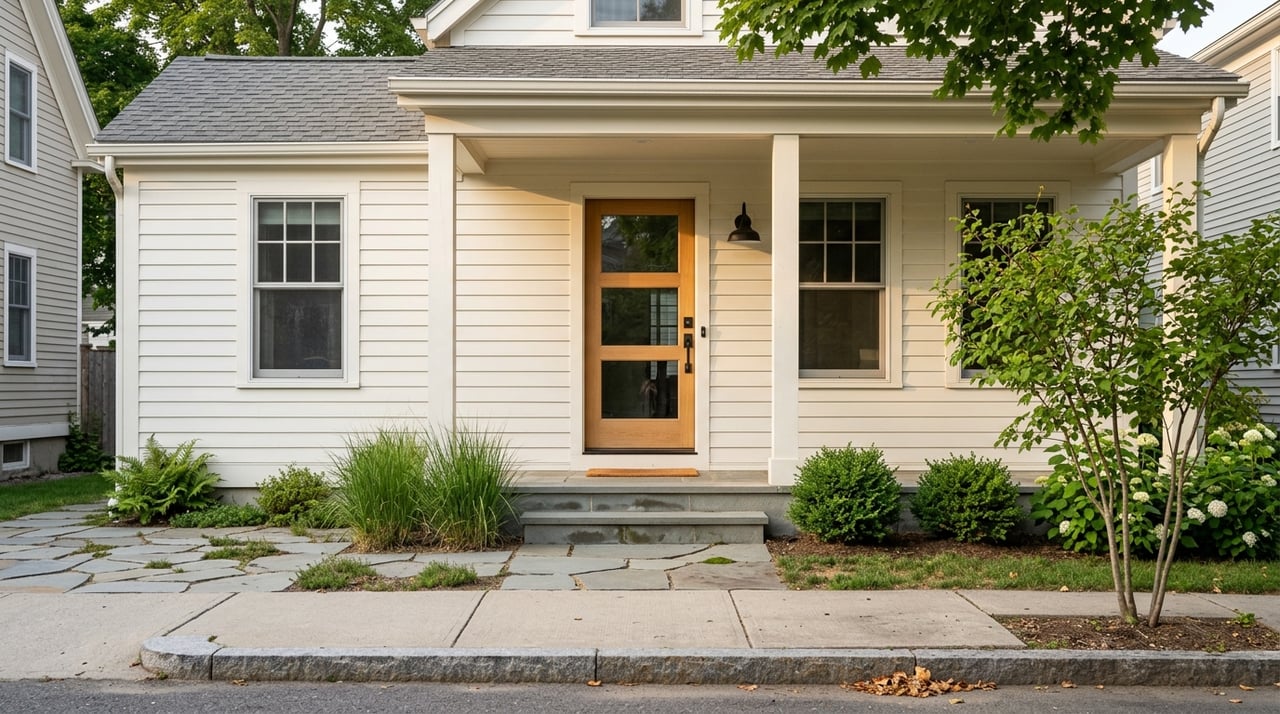
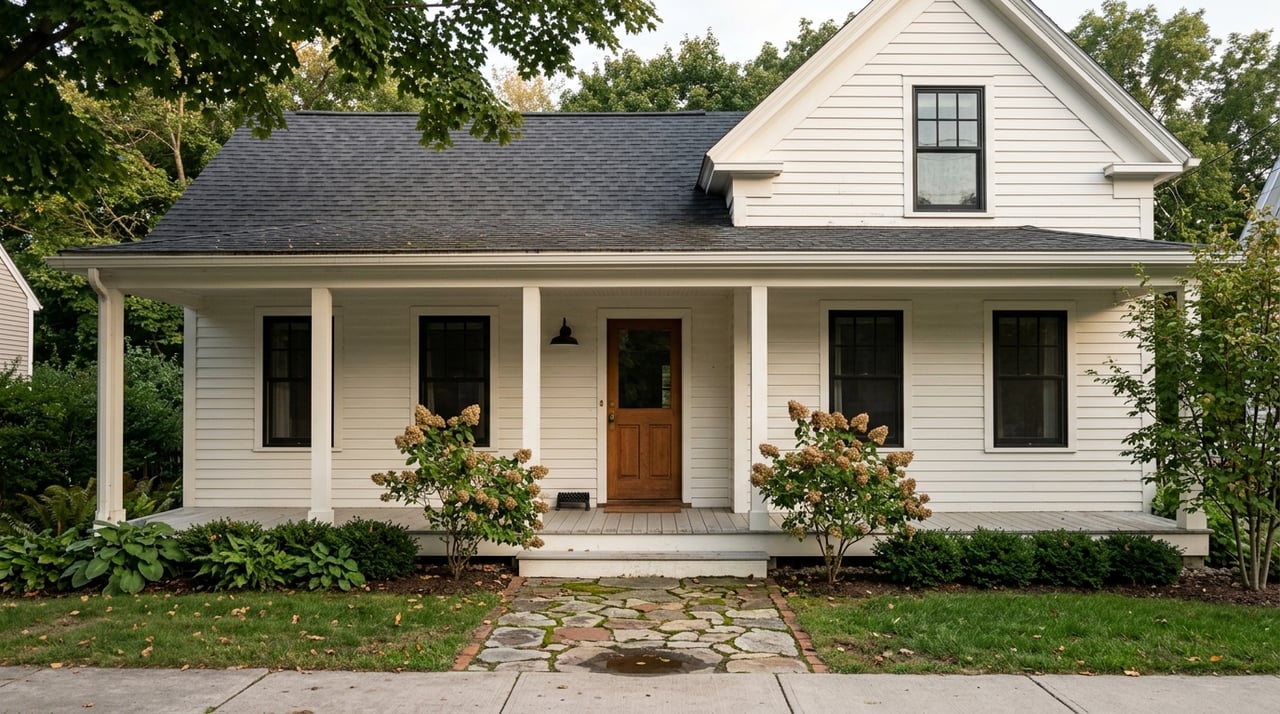
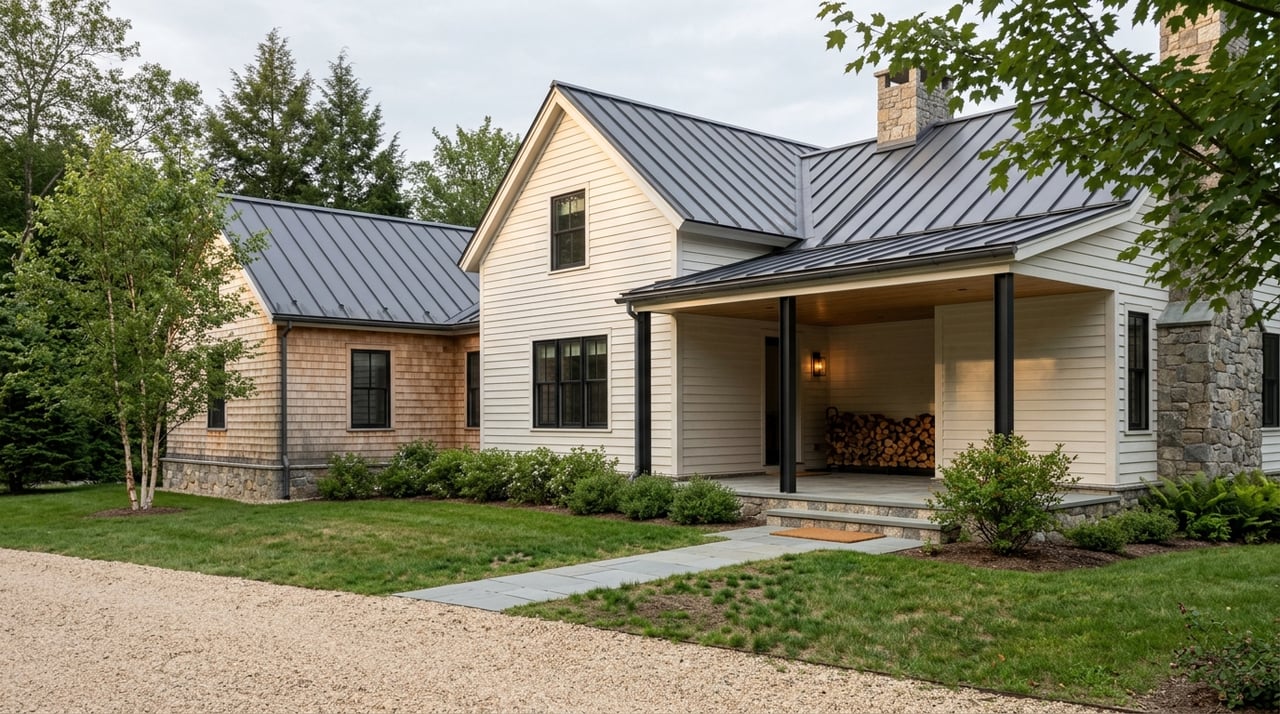
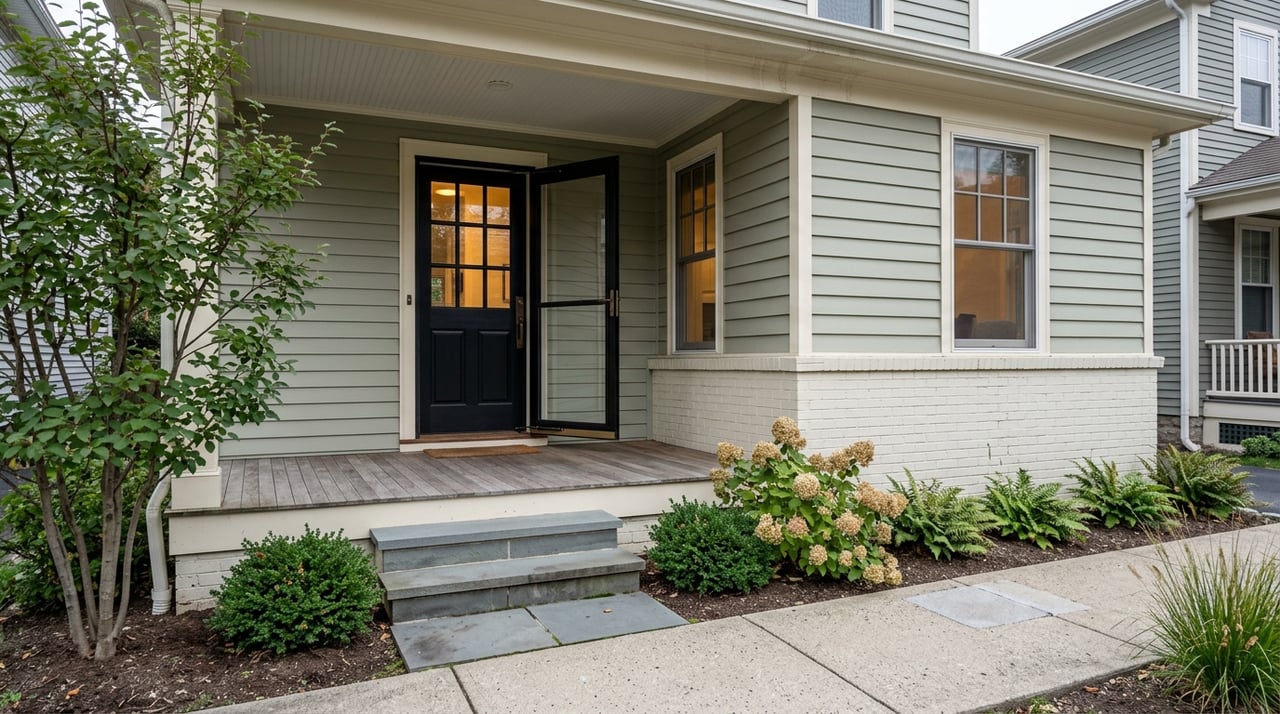
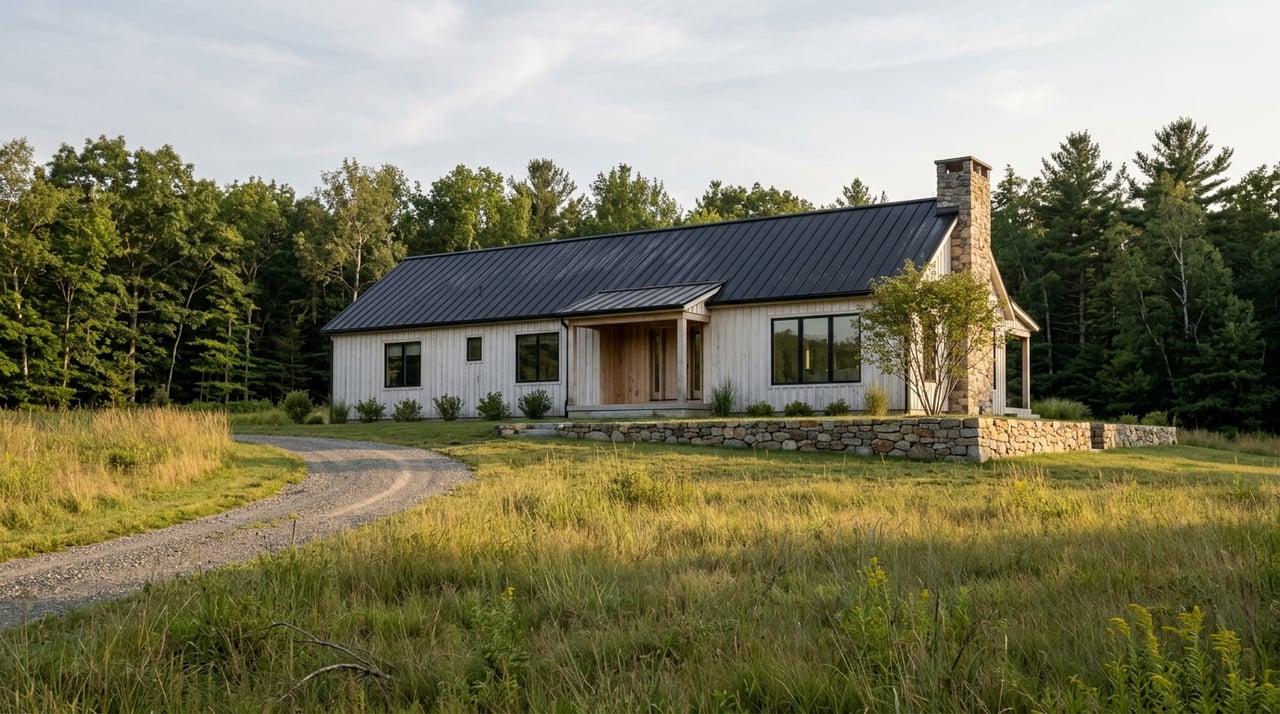
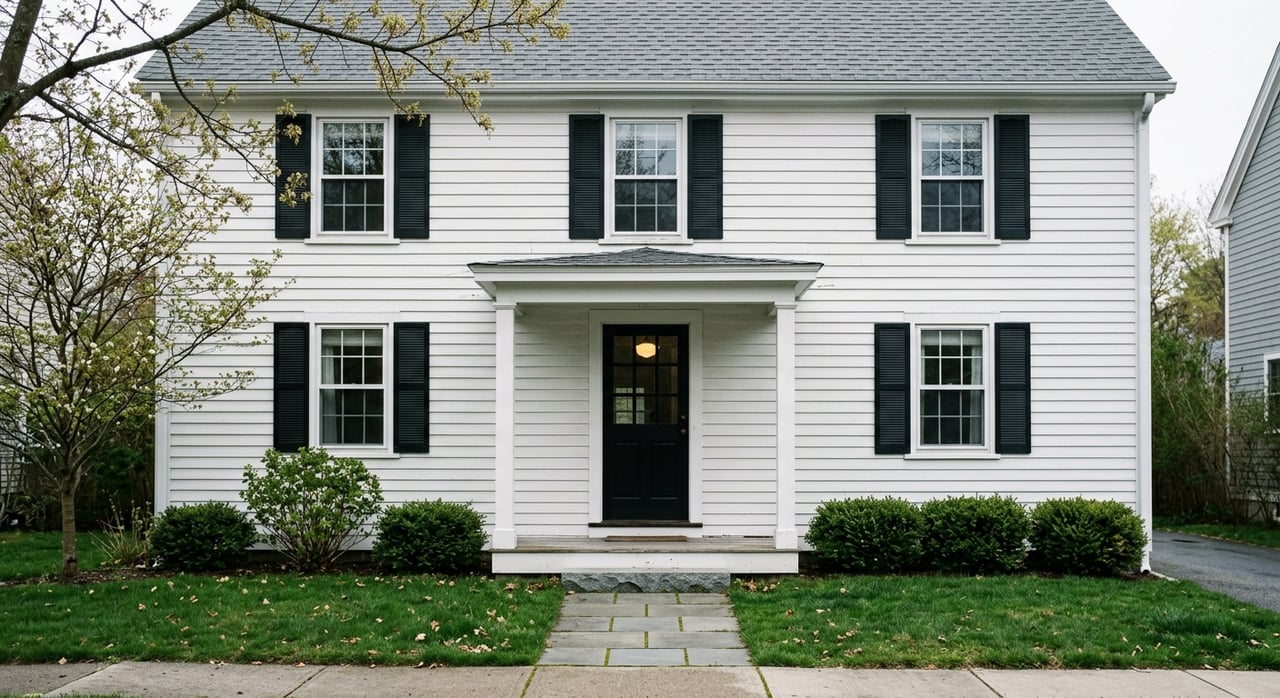
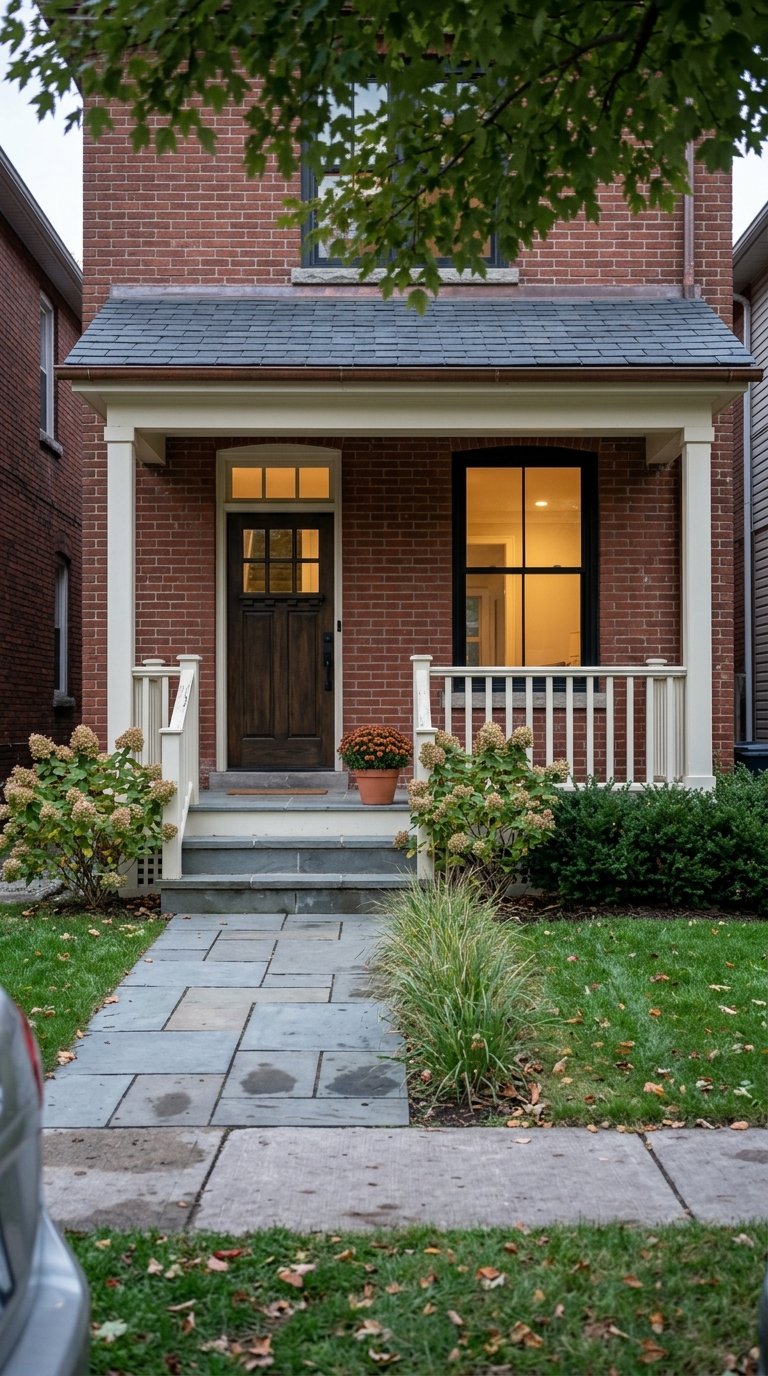
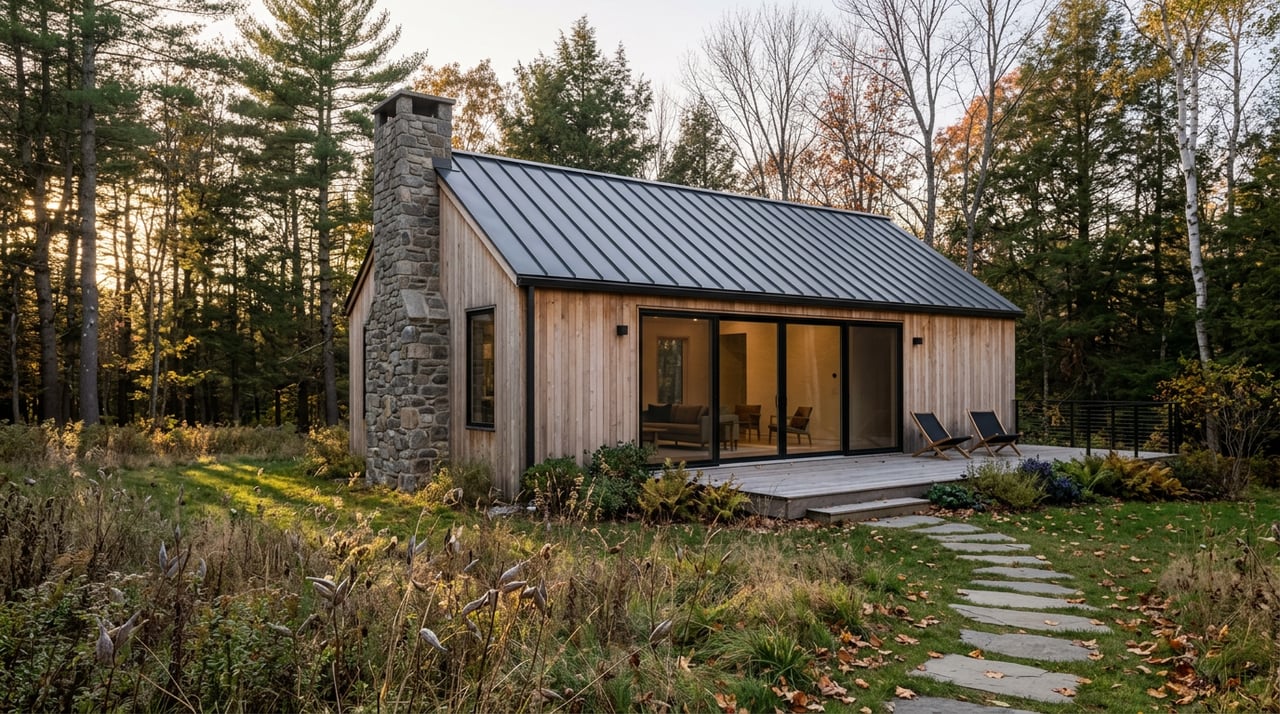
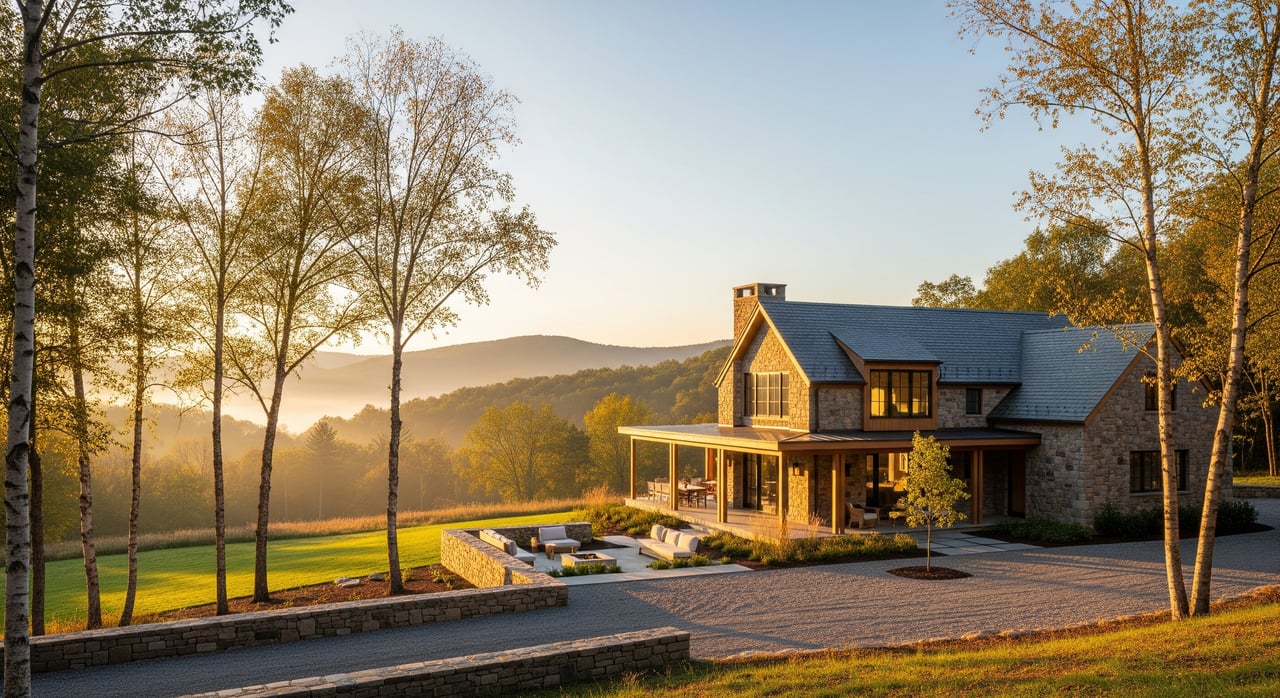
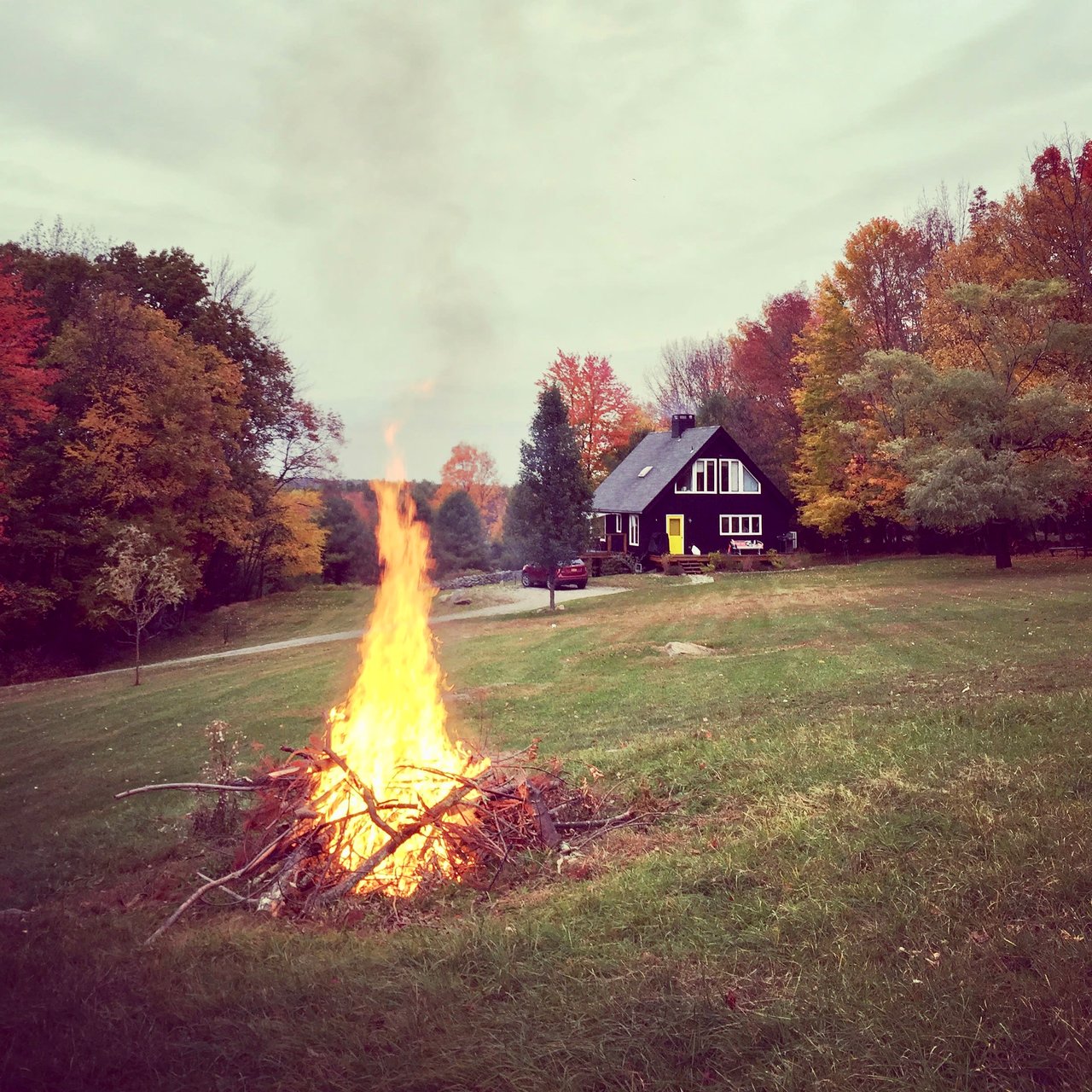
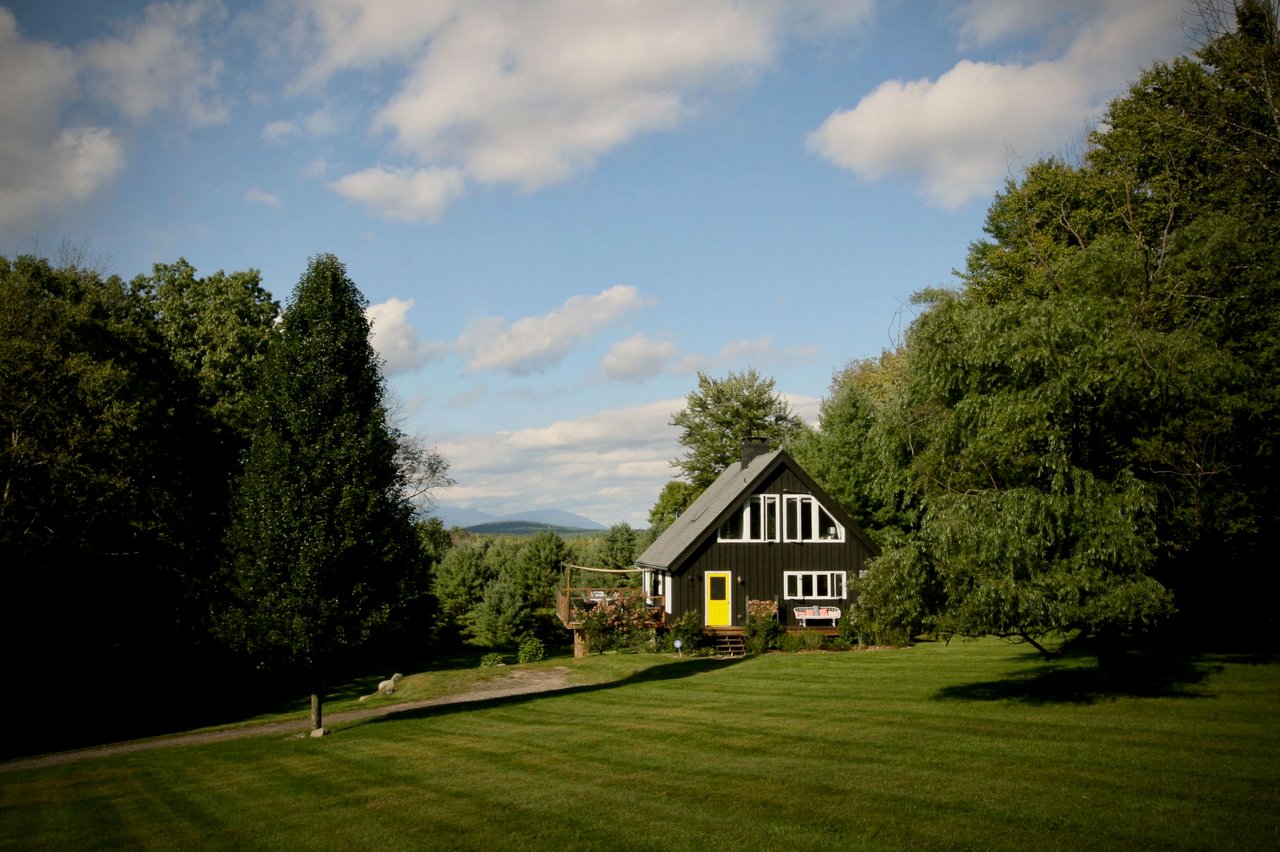
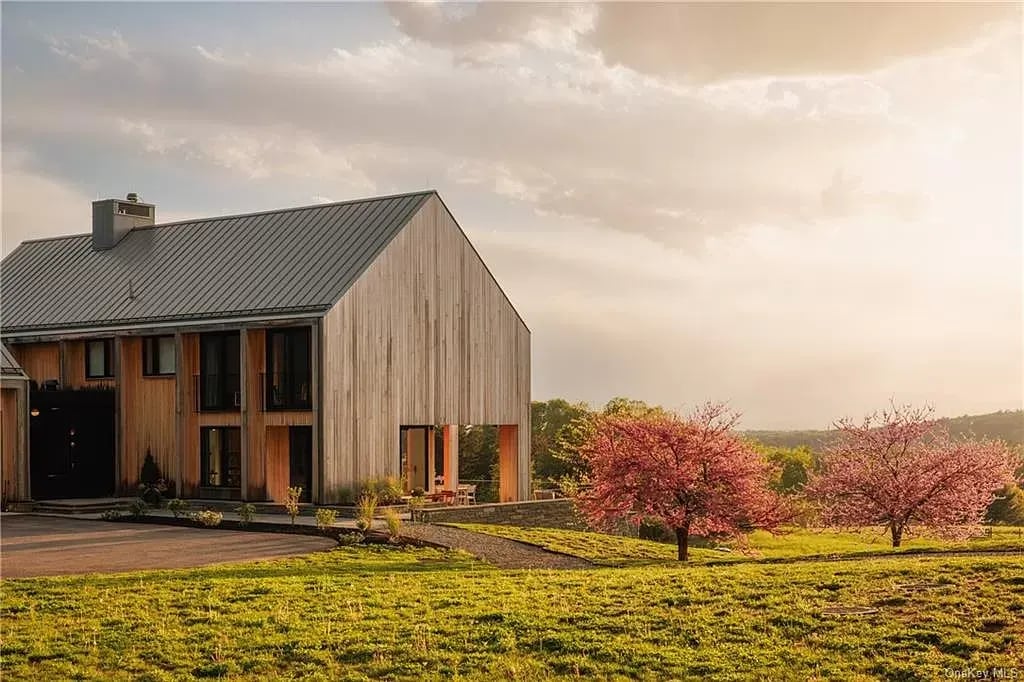
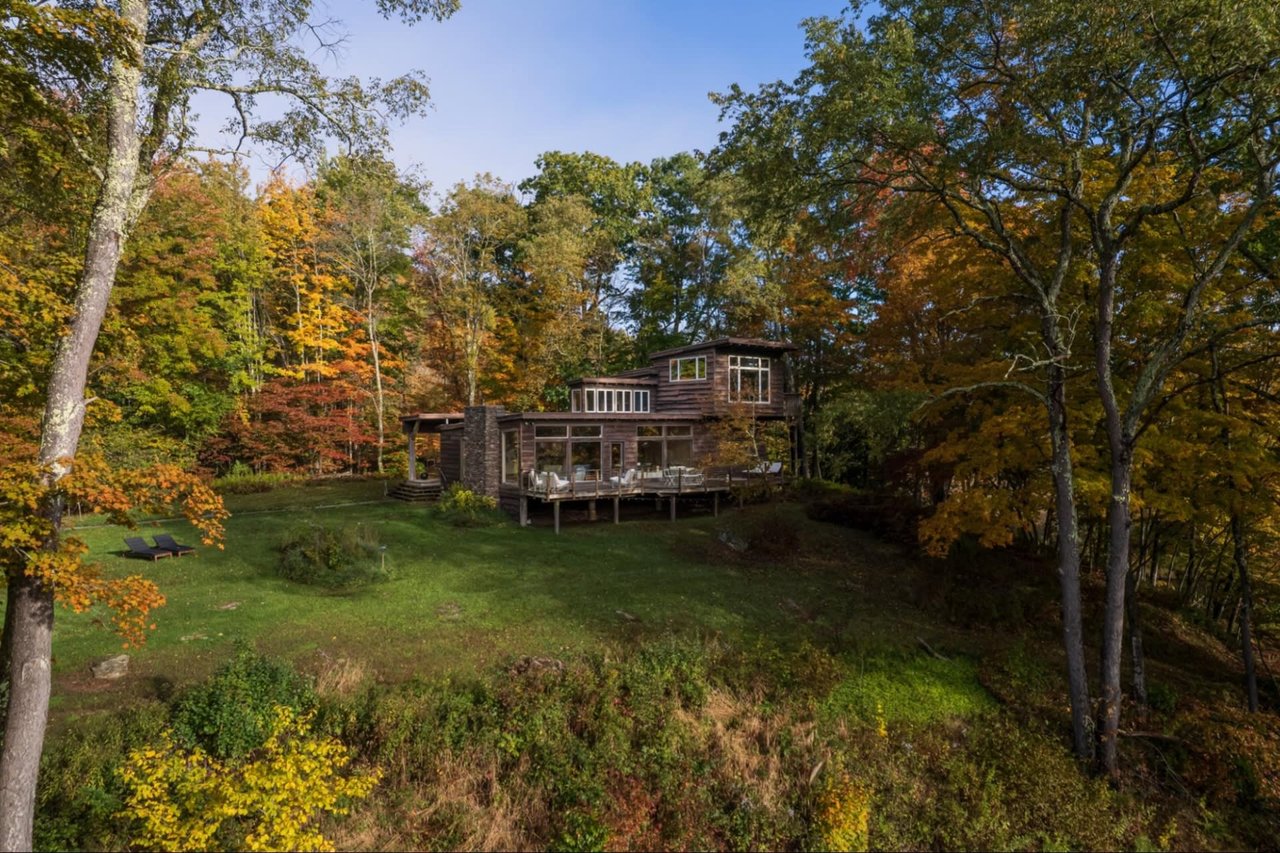
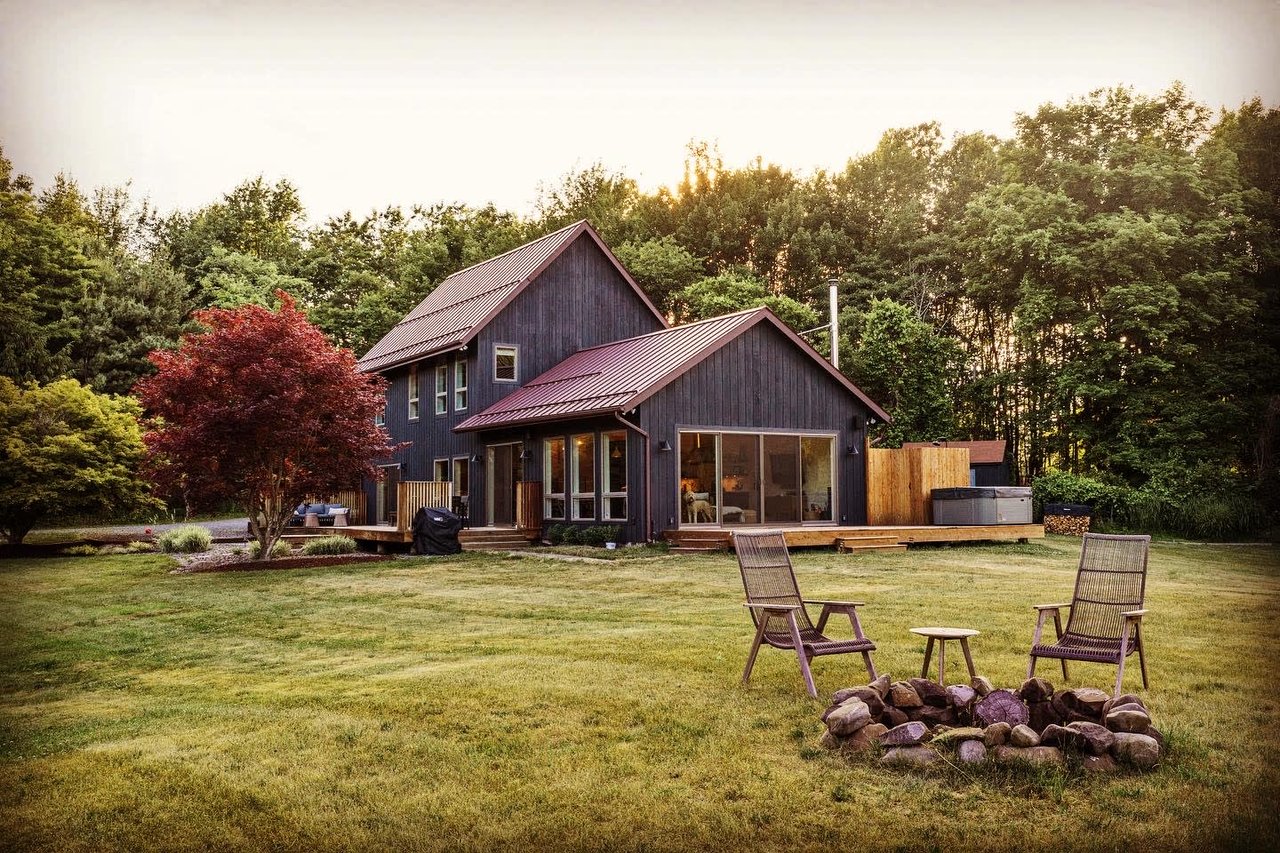
One of the most important things to know about High Falls, NY real estate is that there is no single dominant housing type. The research points to a mixed inventory that can include single-family homes, land, and new construction, along with a wide range of lot sizes.
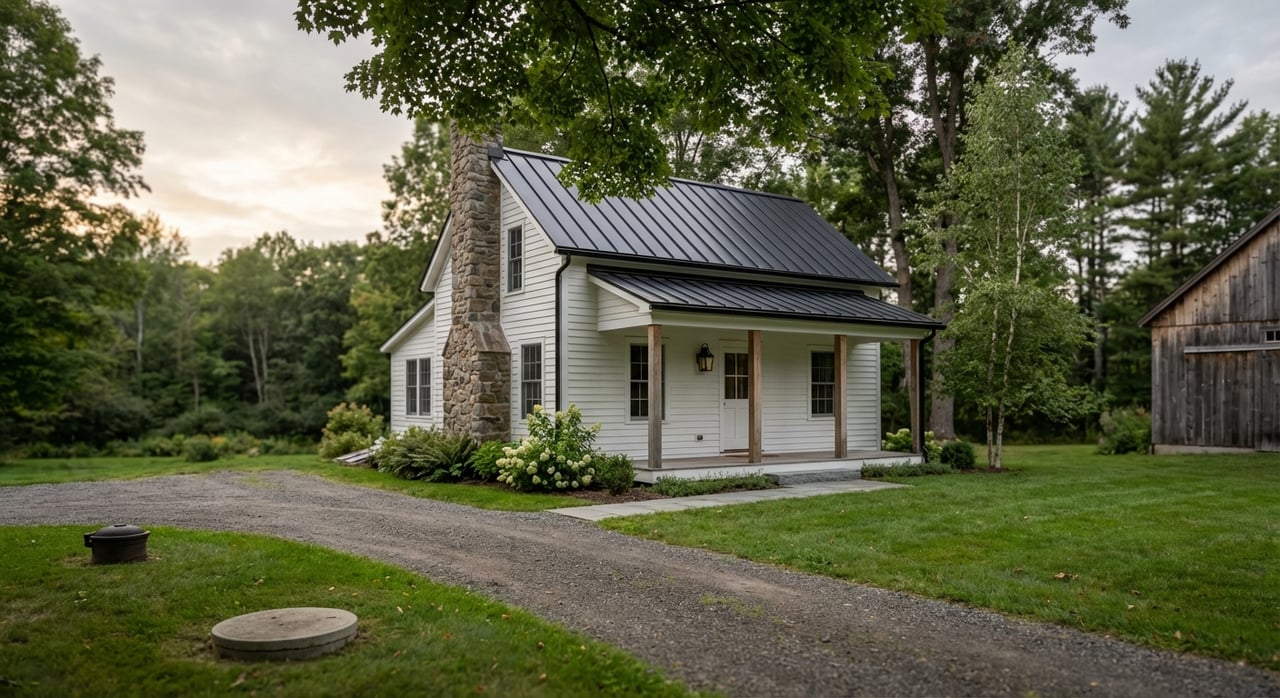
Recent examples in the market have included a 1900 farmhouse on 0.25 acres, a 1900 Victorian with a renovated barn on 0.42 acres, a single-family home on 3.27 acres, parcels around 2 to 3 acres, and a 15-acre farmhouse. That range tells you something important: High Falls can mean very different things depending on where a property sits.
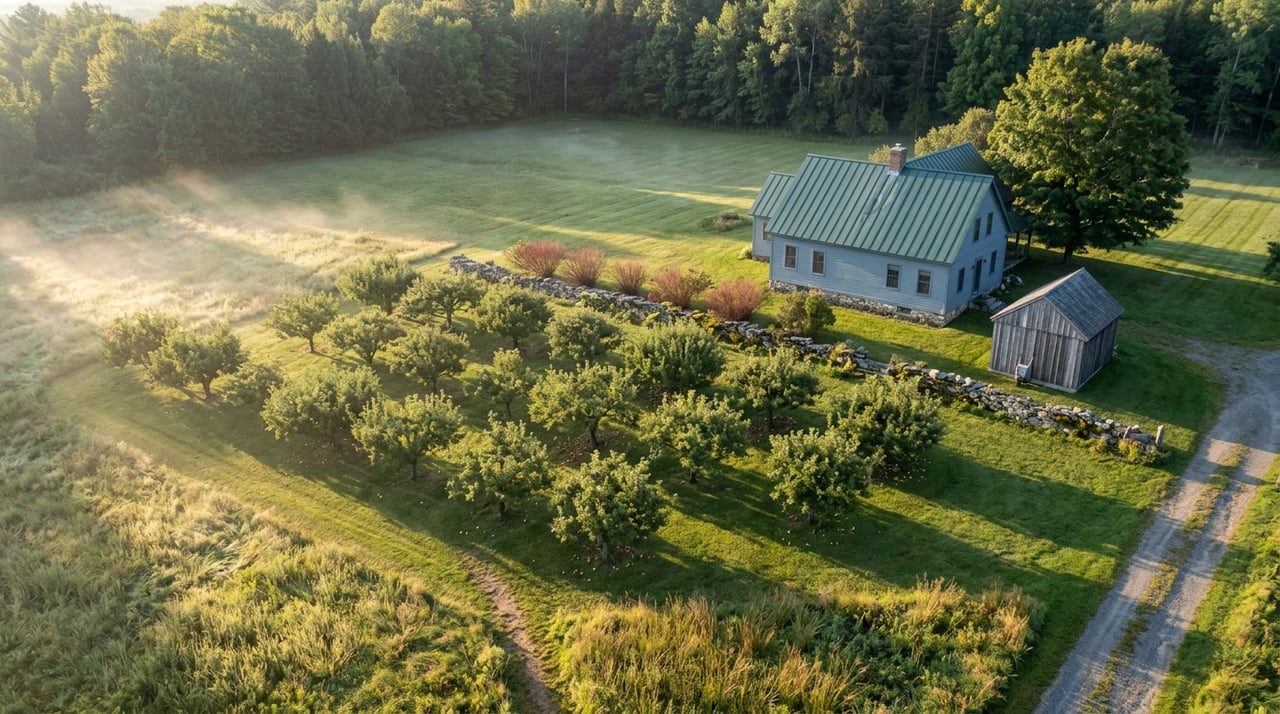
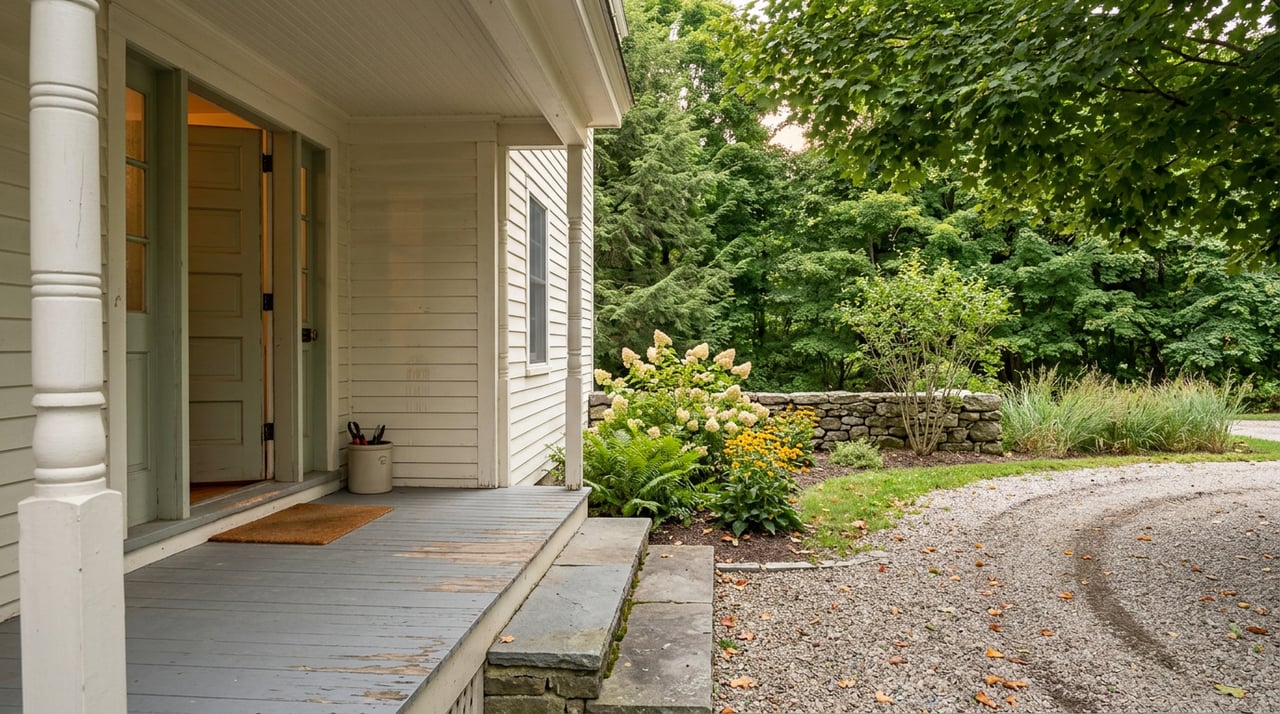
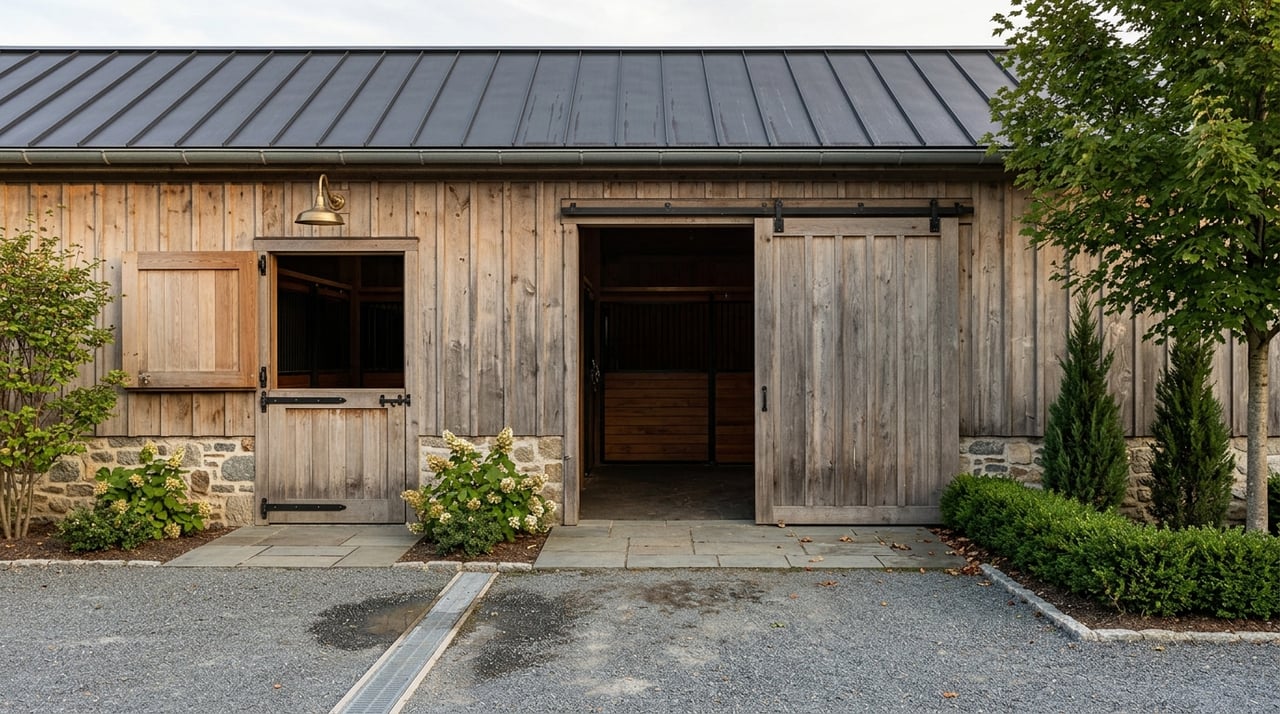
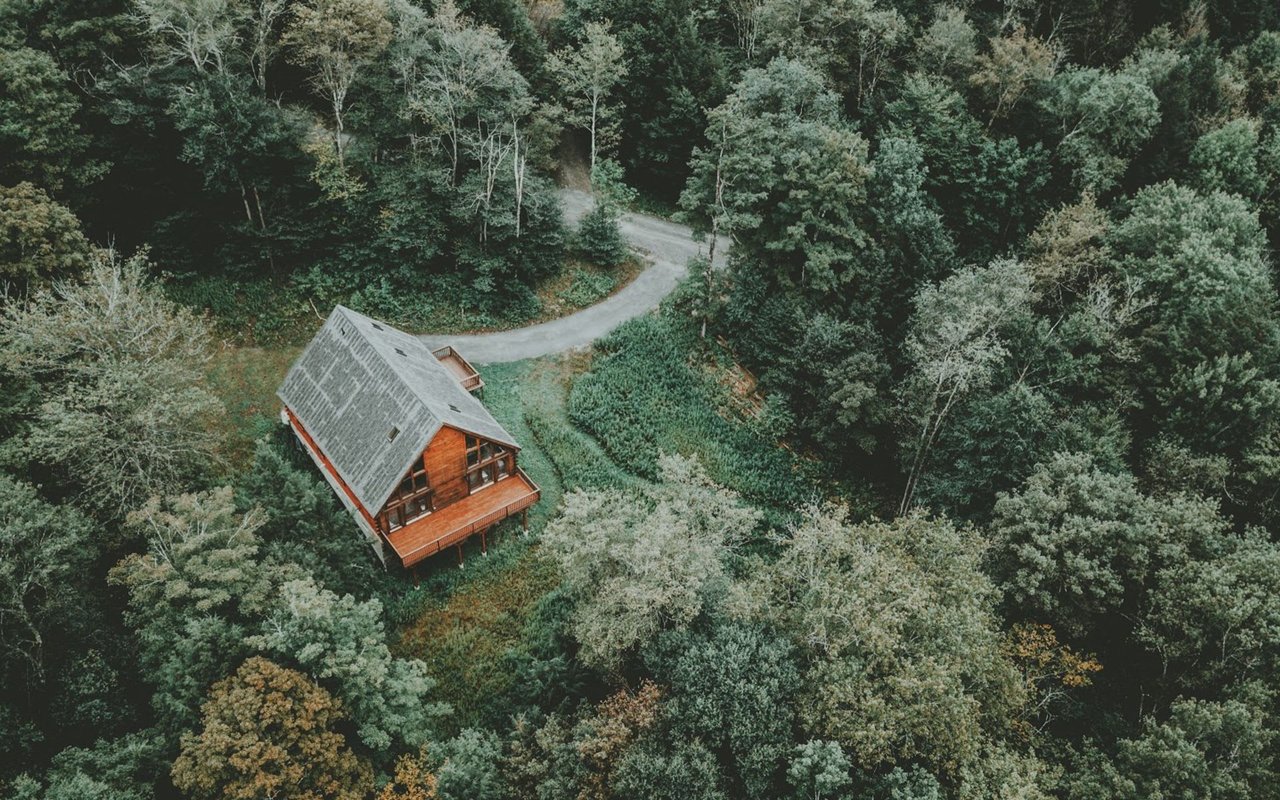
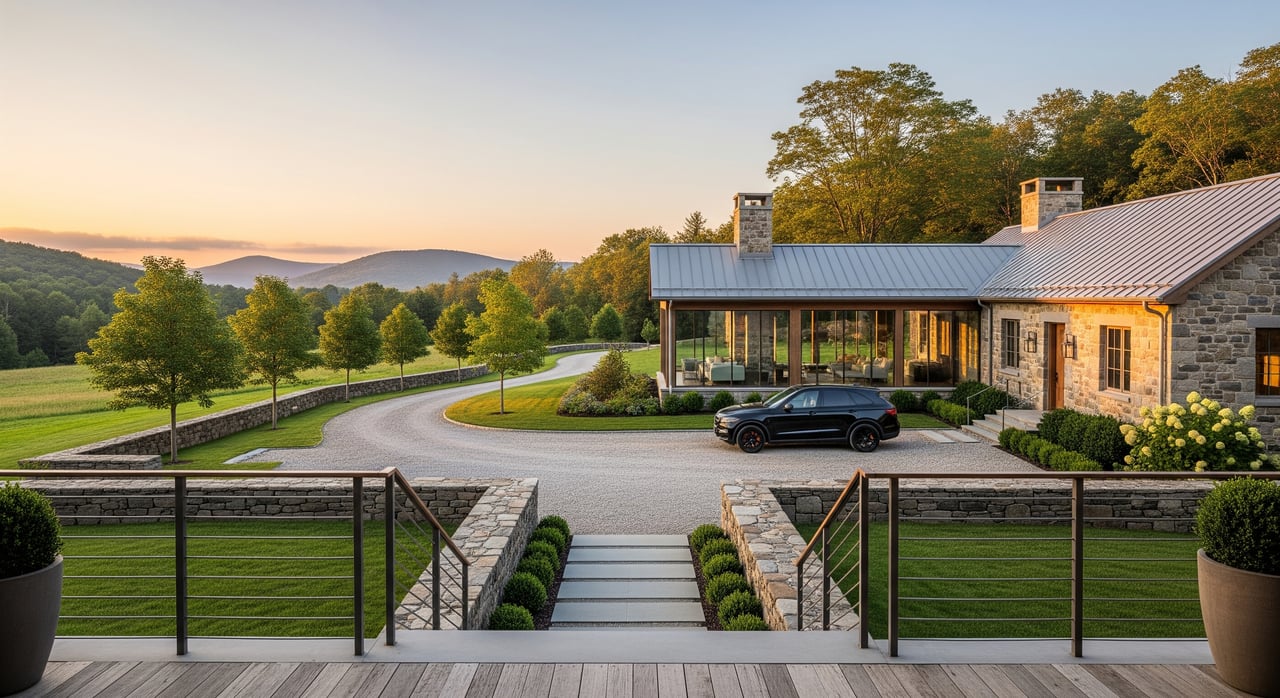
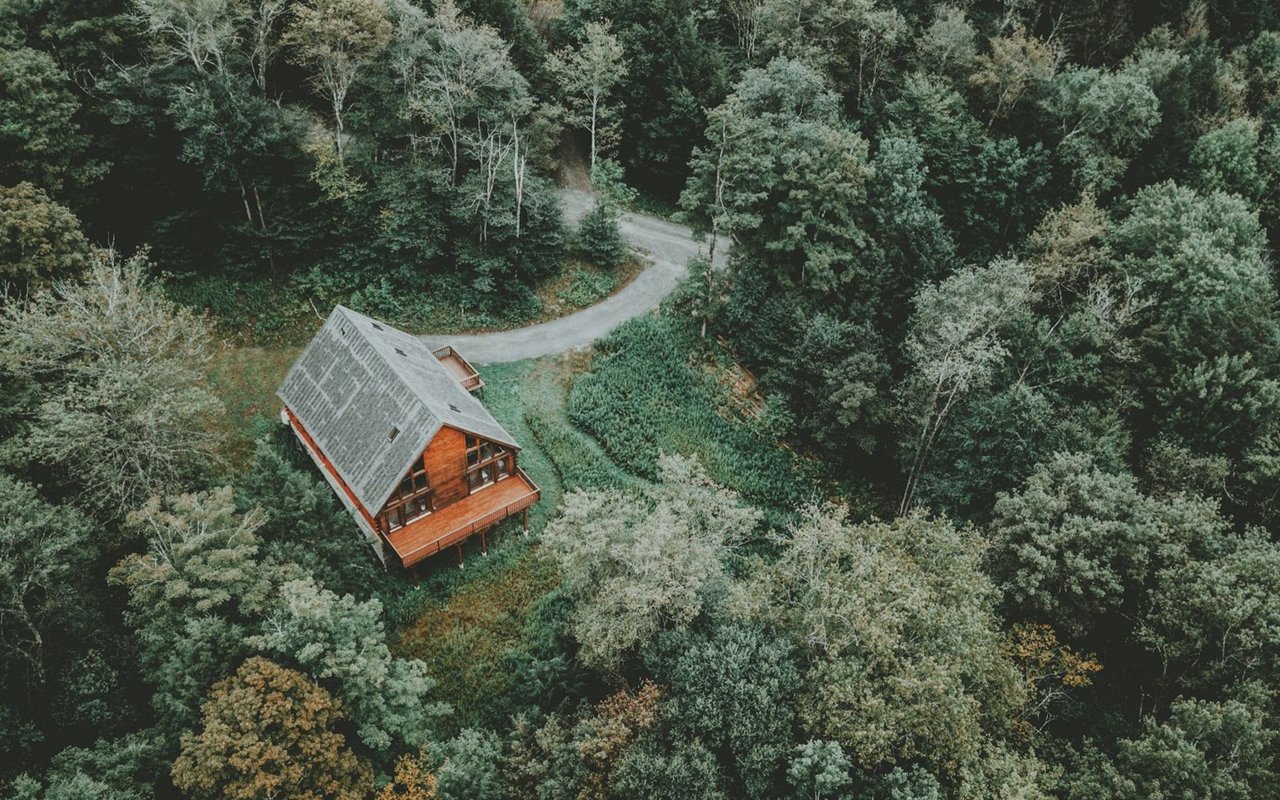
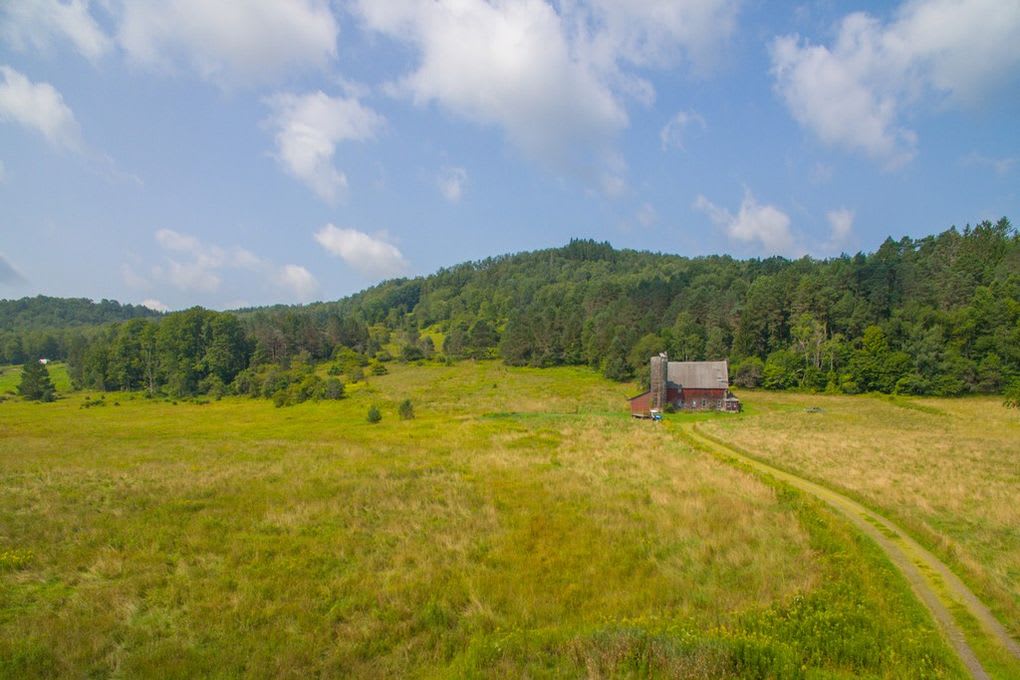
In the hamlet core or near its edges, you may find older homes on smaller lots with closer access to shops and local destinations. Farther out, properties may shift toward more private rural settings with acreage, outbuildings, or space for a more expansive lifestyle.
Walkability Matters, But Verify It
High Falls often gets attention for its easygoing, walkable feel. That impression is grounded in reality. Marbletown describes a core with local businesses and civic destinations close together, and planning documents call for sidewalks, crosswalks, pedestrian links, and shared parking that support everyday movement within the hamlet.
Still, buyers should be careful with the word walkable. In a small hamlet, a property may be marketed as close to town while still requiring a car for most errands or outings. Distance, road shoulder conditions, crossings, and seasonal activity can all change how convenient a location actually feels.
If walkability is high on your list, visit in person and test the route yourself. A home that looks close on paper may feel very different once you consider road frontage, traffic along Route 213, or how comfortable the walk is on a busy weekend.
Pricing In High Falls Is Best Viewed As A Range
Small markets rarely fit into one clean number, and High Falls is a good example. The Zillow Home Value Index for High Falls placed average home value at $483,859 as of February 28, 2026, while Realtor.com snapshots cited in the research showed varying figures for active inventory, list prices, and days on market.
That variation does not mean the data is useless. It means the market is thin enough that a handful of listings can change the picture quickly. In places like High Falls, broad averages should be treated as context, not as a direct pricing guide for any specific property.
A more practical takeaway is that pricing tends to span a spectrum. Smaller village-edge homes or land offerings may enter the market at lower price points, while renovated historic homes and acreage properties can push well into the mid-hundreds and beyond.
What Buyers Should Watch In A Tiny Market
Because High Falls is small and has a destination feel, comparing properties requires more care than in a larger town. A historic home near the center, a house just outside the hamlet, and an acreage parcel on a rural road may all technically be High Falls, but they offer very different experiences.
A smart way to evaluate listings is to compare like with like:
- Village-core historic homes
- Small-acreage homes near the hamlet edge
- Larger rural parcels farther out
- Land listings versus finished homes
This matters for both value and lifestyle. Two properties with similar asking prices may differ dramatically in walkability, privacy, maintenance needs, parking, and long-term use.
Tour On More Than One Day
The town’s planning materials note that High Falls serves residents, visitors, and trail users, and the D&H Canal Museum planning context highlights that parking can be limited, especially during busier times of year. That is useful on-the-ground advice for buyers.
If possible, tour on both a weekday and a weekend. A street that feels quiet midweek may see a very different level of foot traffic, visitor parking demand, or general activity on a sunny Saturday.
This is especially important if you are considering a home near the center of the hamlet. The lifestyle can be lively and convenient, but your experience will depend on how much activity you want close by.
Lot Size, Parking, And Frontage Matter More Here
In a compact hamlet, small physical details can have an outsized impact. The research specifically supports paying close attention to lot size, road frontage, and parking.
That is not just technical due diligence. In High Falls, those features shape everyday livability. Parking can matter more than you expect, and a listing that sounds centrally located may function differently depending on access, driveway layout, or how many cars can comfortably fit on site.
For buyers, this is where a detailed showing matters. For sellers, these are often features worth clarifying early because they help frame your property accurately in a market where location nuance matters a great deal.
Is High Falls Right For You?
High Falls tends to resonate with buyers who want more than square footage. If you are drawn to historic character, a compact commercial core, and a landscape that feels woven into the community, it can be a compelling option in Ulster County.
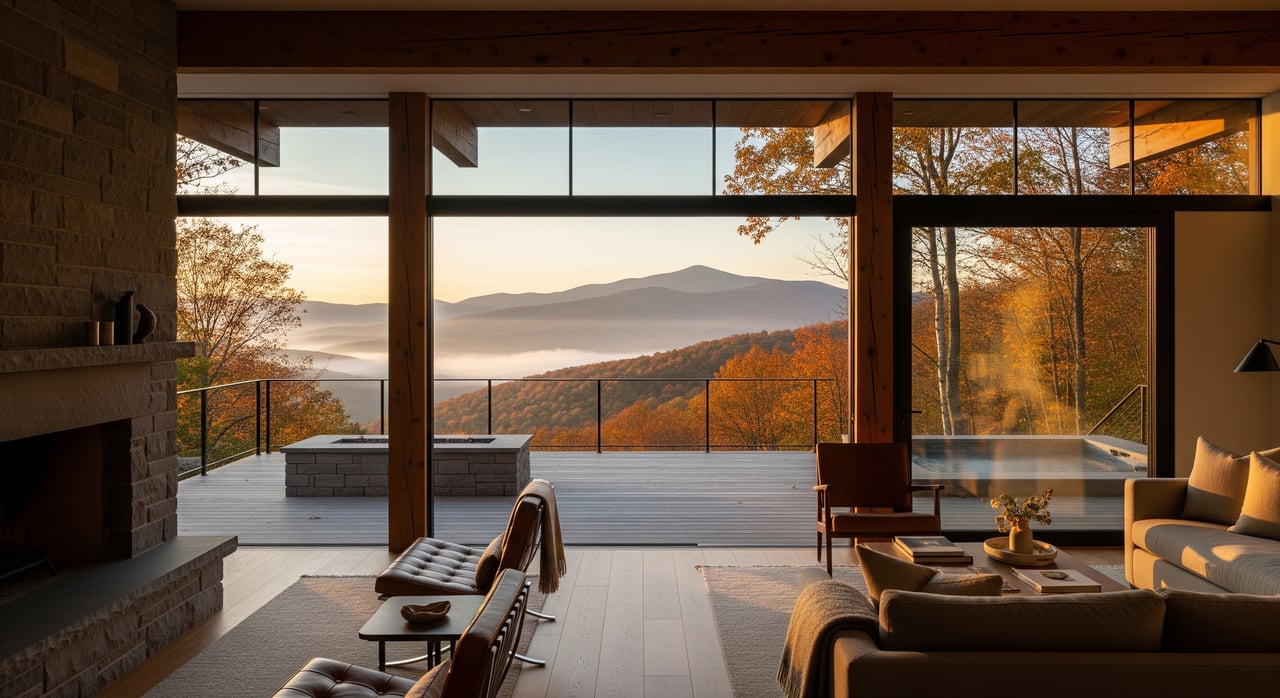
It may be especially appealing if you are looking for a second home or lifestyle property within the broader Rondout Valley. At the same time, it helps to be realistic about what the hamlet is and is not. Inventory is limited, pricing can be uneven, and each listing needs to be judged on its specific setting rather than by zip-code averages alone.
That is where local context becomes valuable. If you are considering a move in or around High Falls, working with an advisor who understands the differences between hamlet-core homes, edge-of-town properties, and larger rural offerings can help you move with more confidence.
If you are thinking about buying or selling in High Falls, Joseph Satto brings a boutique, hands-on approach to Hudson Valley lifestyle real estate, with practical guidance tailored to how buyers actually evaluate places like this.
FAQs
What is High Falls, NY in real estate terms?
- High Falls is a hamlet in the Town of Marbletown, Ulster County, with a historic commercial core that includes homes, shops, restaurants, a canal museum, and access to the Five Locks Walk.
What types of homes are available in High Falls, NY?
- High Falls inventory can include older single-family homes, historic houses, acreage properties, land, and some new construction, with lot sizes ranging from compact village-edge parcels to larger rural tracts.
What makes High Falls, NY appealing to buyers?
- Buyers are often drawn to High Falls for its preserved historic character, small walkable-feeling center, and access to the waterfall and Rondout Creek setting.
How should buyers evaluate pricing in High Falls, NY?
- Because the market is small, pricing is best viewed as a range rather than a single benchmark, with values varying based on location, acreage, condition, and property type.
What should buyers check before buying a home in High Falls, NY?
- Buyers should confirm true distance to the hamlet core, visit on different days, and closely review lot size, parking, road frontage, and how the property functions in a compact destination market.