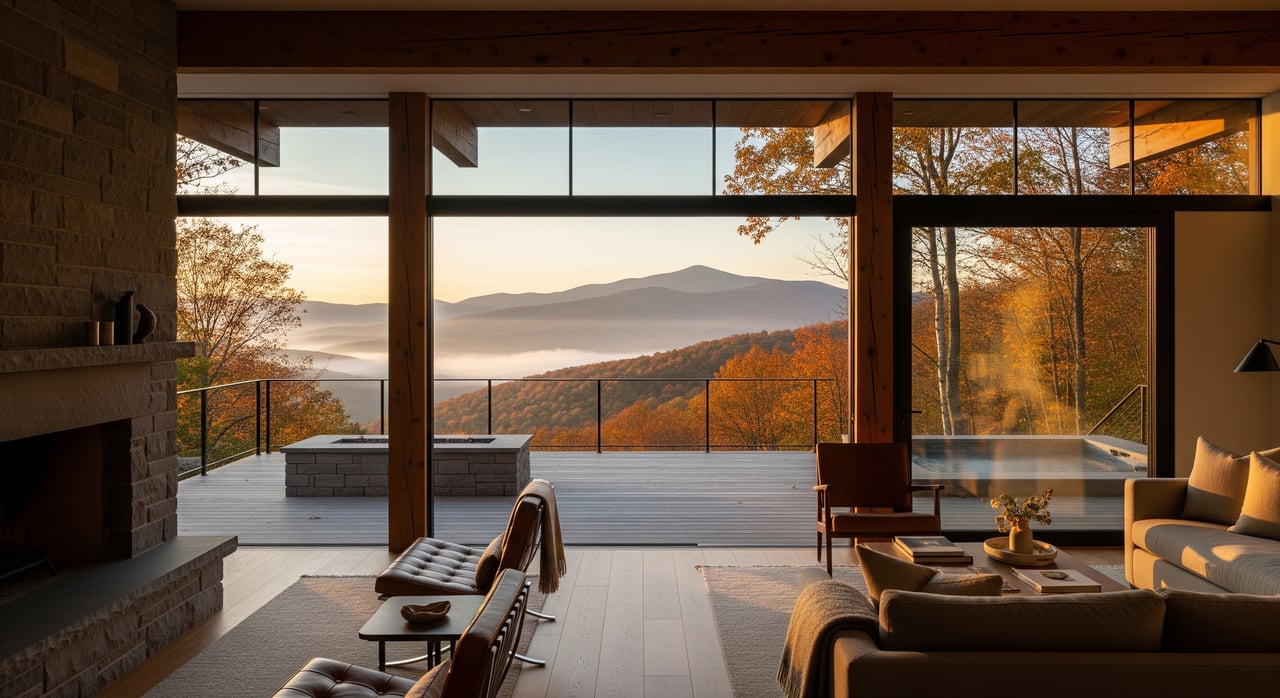
What makes a village feel like your weekend home base instead of just another exit off the highway? If you are eyeing the Catskills, Tannersville has a way of pulling you in with color, texture and easy access to the mountains. You want a clear picture of what day-to-day ownership looks like, not just glossy photos. This guide walks you through lifestyle, property types, logistics, and the practical checklists that matter before you buy. Let’s dive in.
Tannersville at a glance
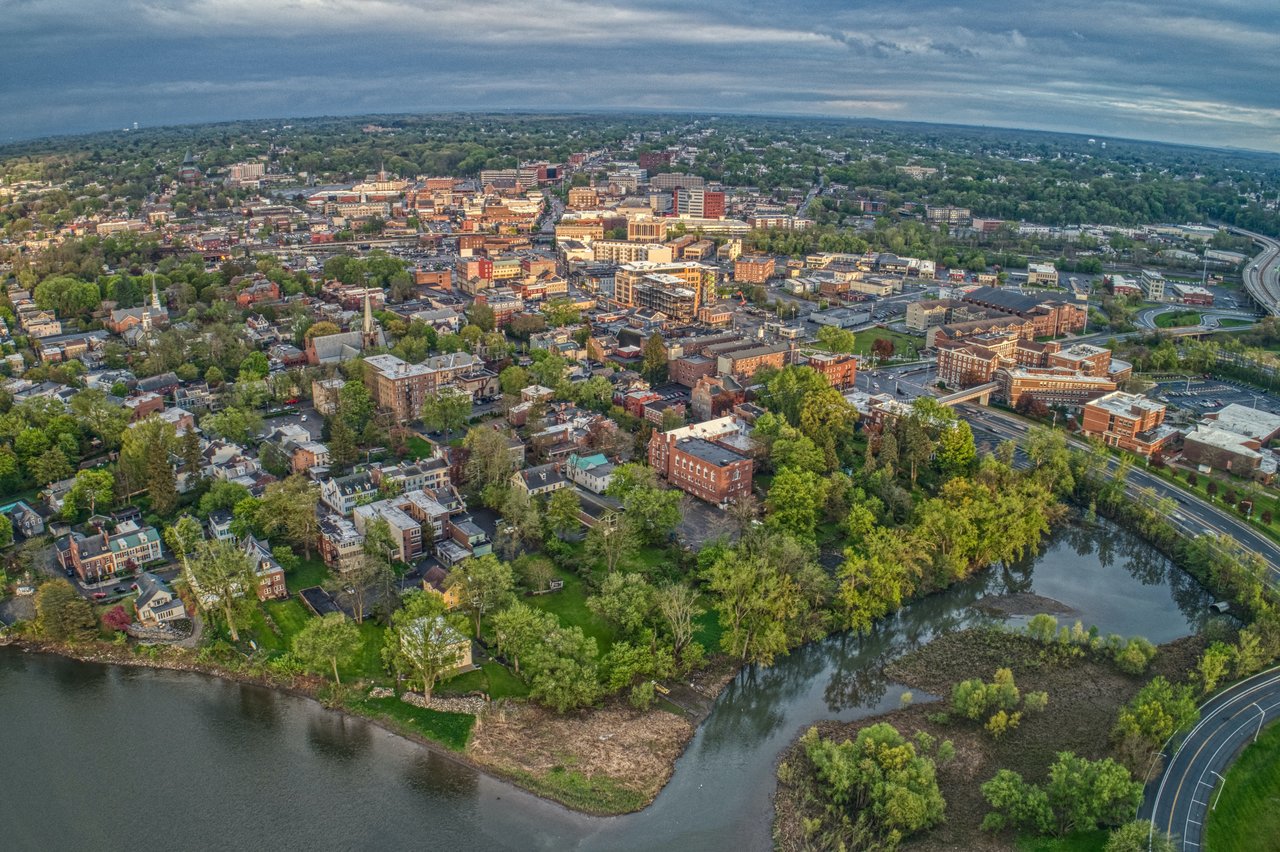
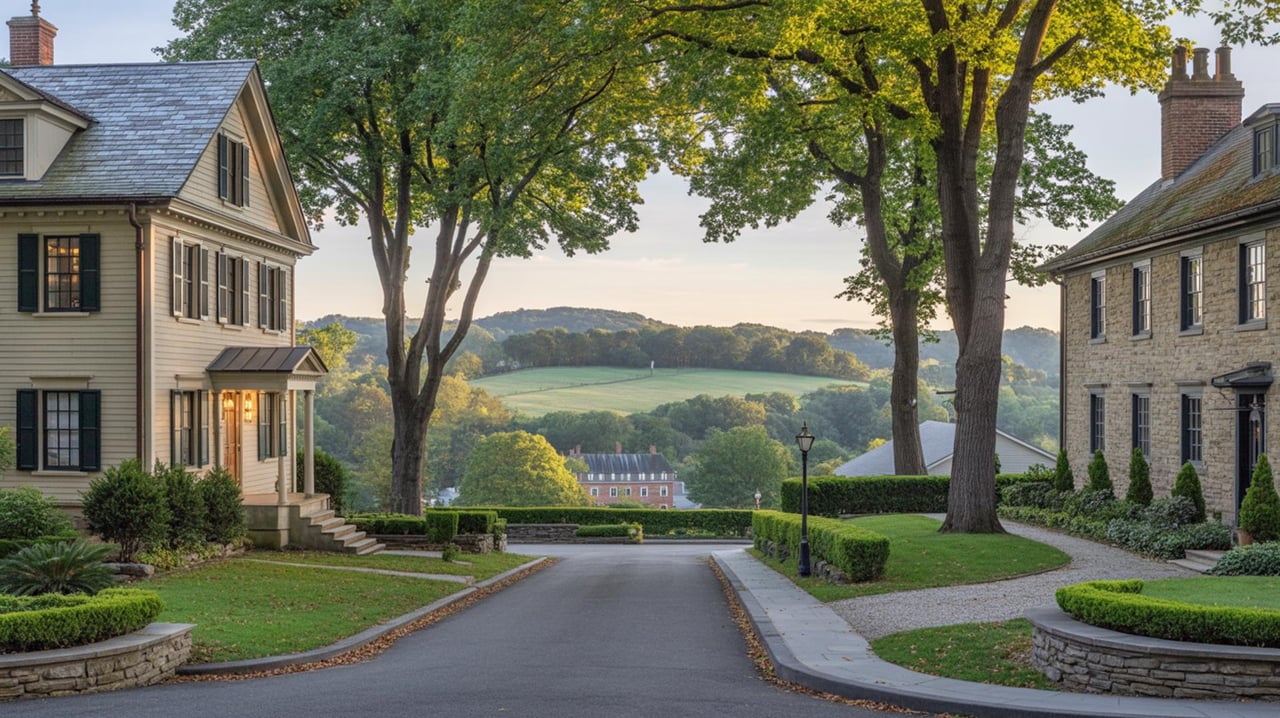
Set in the northern Catskills within the Town of Hunter, Tannersville is a compact village with a creative streak and a walkable main street. You will find independent restaurants, cafes, shops and small galleries clustered along the core. The village leans artsy and colorful, and it serves a mix of year-round residents and seasonal owners.
As a small village, municipal services can feel more limited than larger towns. That said, the local-business focus gives the center a friendly rhythm. Expect population to swell on ski weekends and again in summer when hikers and festival-goers arrive.
Getting there from NYC
Most owners drive from the city. Under typical conditions, you are looking at about 2 to 3 hours depending on departure point and traffic, and roughly 100 to 140 miles based on your route. There is no direct commuter rail service to Tannersville. Some owners take Amtrak or Metro-North to a nearby station and then rent a car, which adds time. Seasonal shuttles and private buses may operate to the Hunter-Windham area, but schedules change.
What this means in practice: a manageable weekend relationship, but not a daily commute. If you plan to use the house only once or twice a month, consider property management support for snow removal, cleaning and check-ins between visits.
Four-season lifestyle
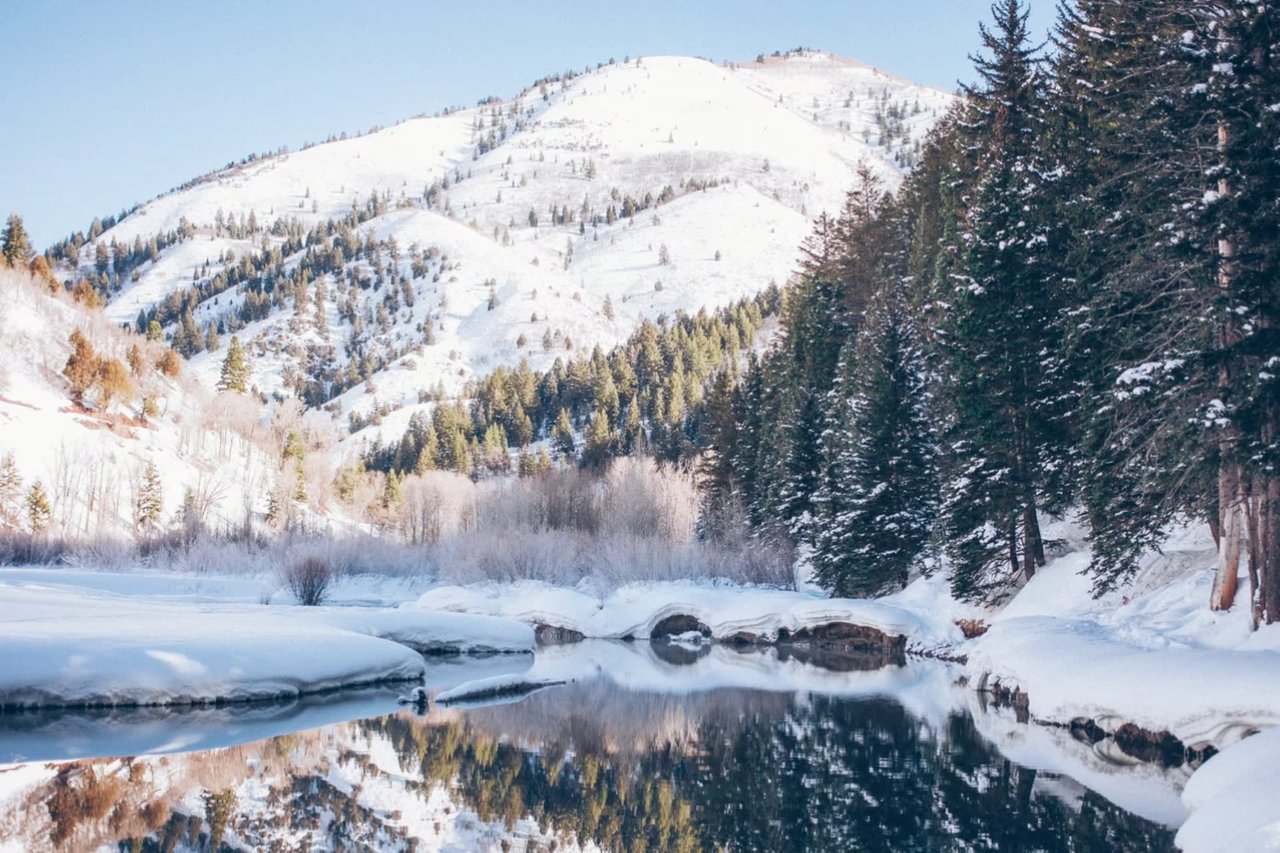
Winter on snow
If you want to be near lifts, you are in the right place. Tannersville is one of the closest villages to Hunter Mountain, which offers skiing, snowboarding and year-round events. You can explore current operations on the Hunter Mountain official site. Windham Mountain is also an easy drive and draws a similar NYC weekender crowd. Check conditions and event calendars on the Windham Mountain site.
Summer on trails and water
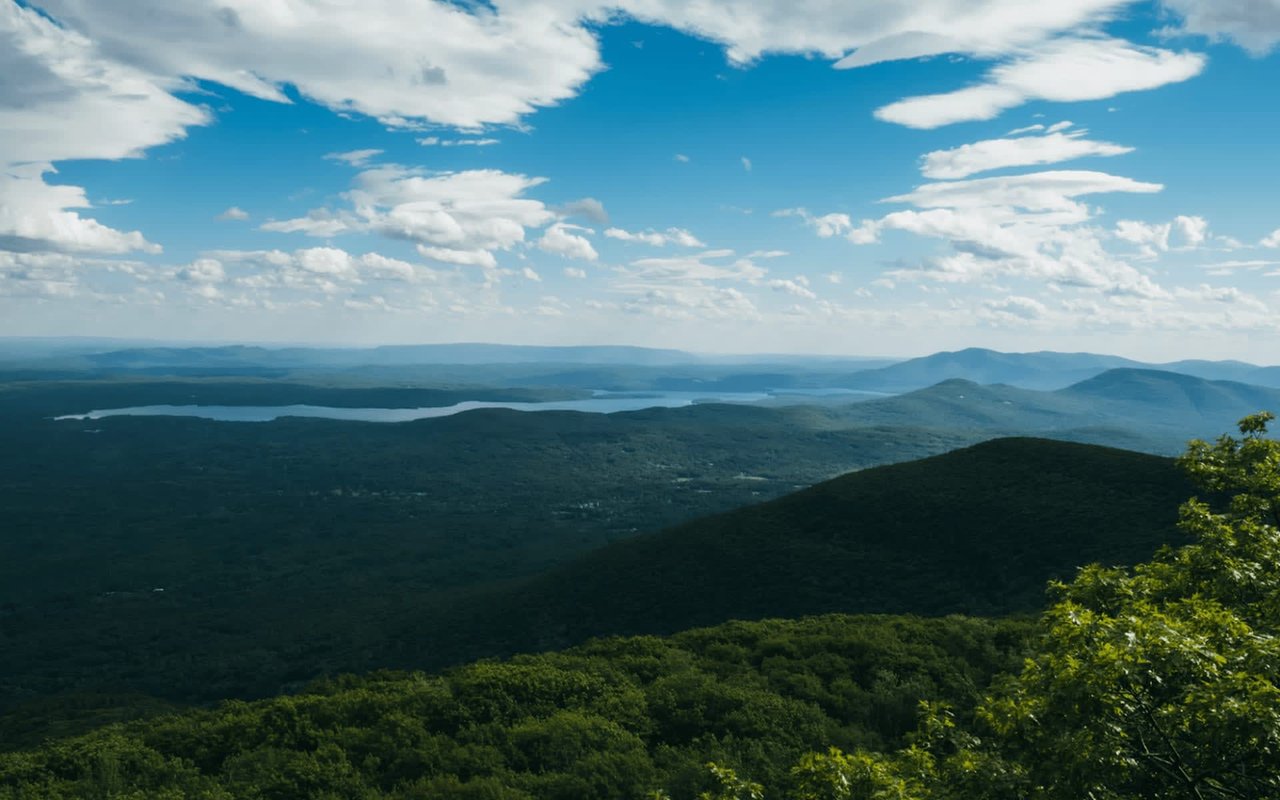
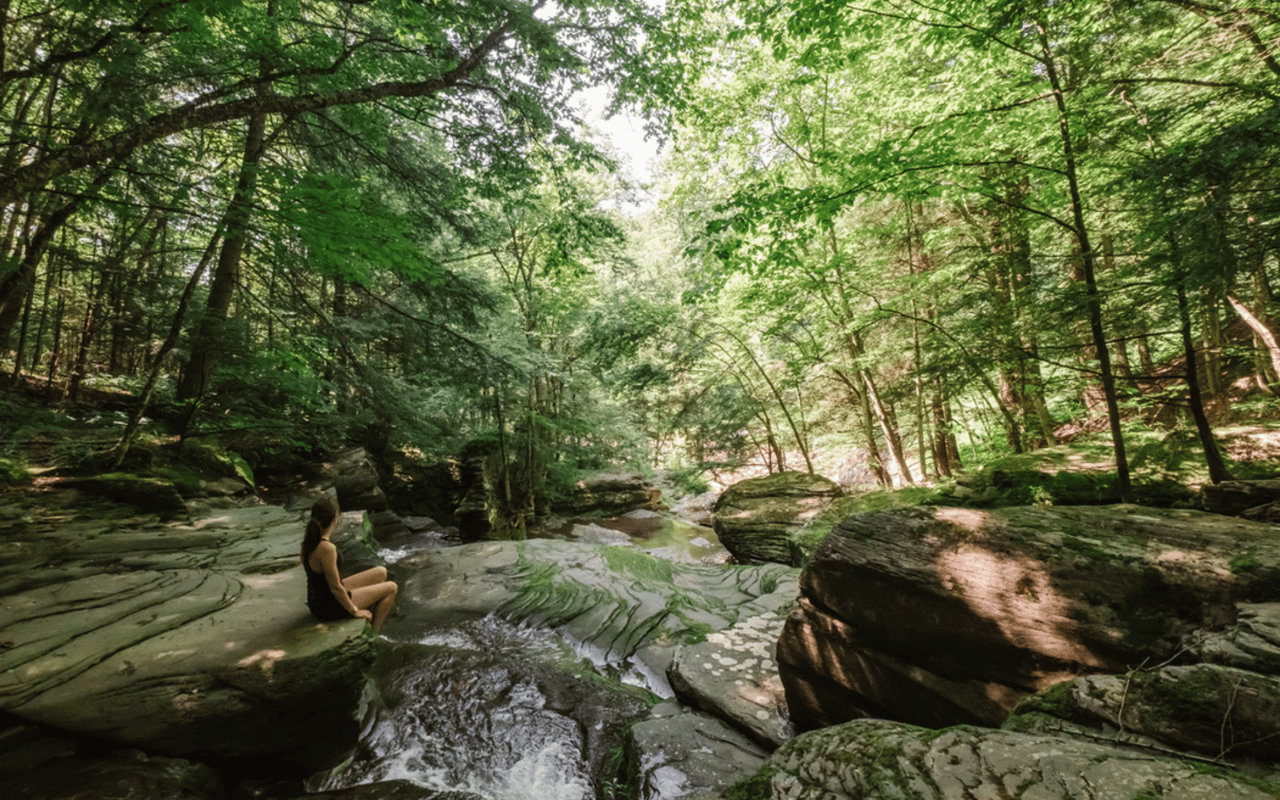
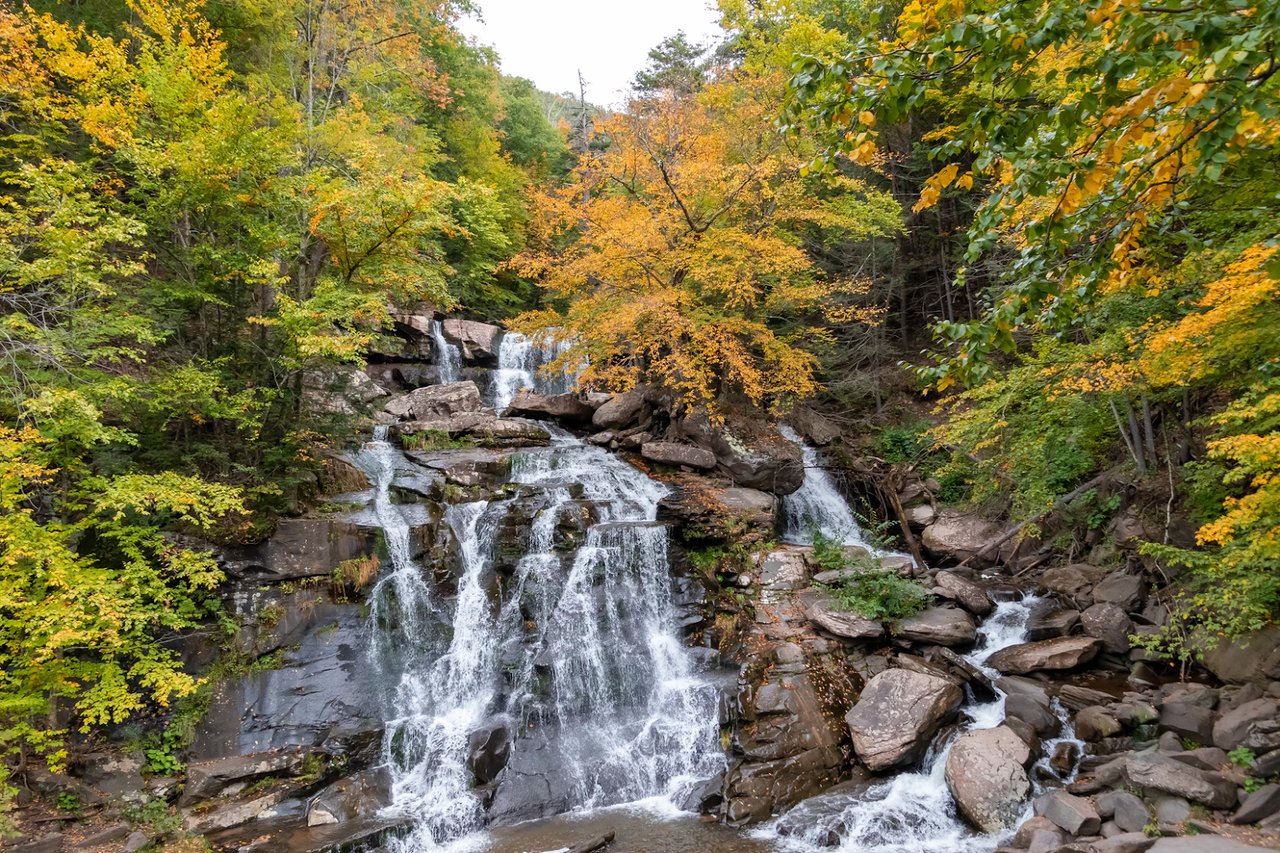
The village sits within the Catskill Park, so trailheads, escarpment views and waterfall hikes are part of daily life. In summer you can hike, mountain bike, trail run and paddle nearby lakes and reservoirs. For trail maps, seasonal advisories and access notes, review state guidance from the NYS Department of Environmental Conservation.
Shoulder seasons and village life
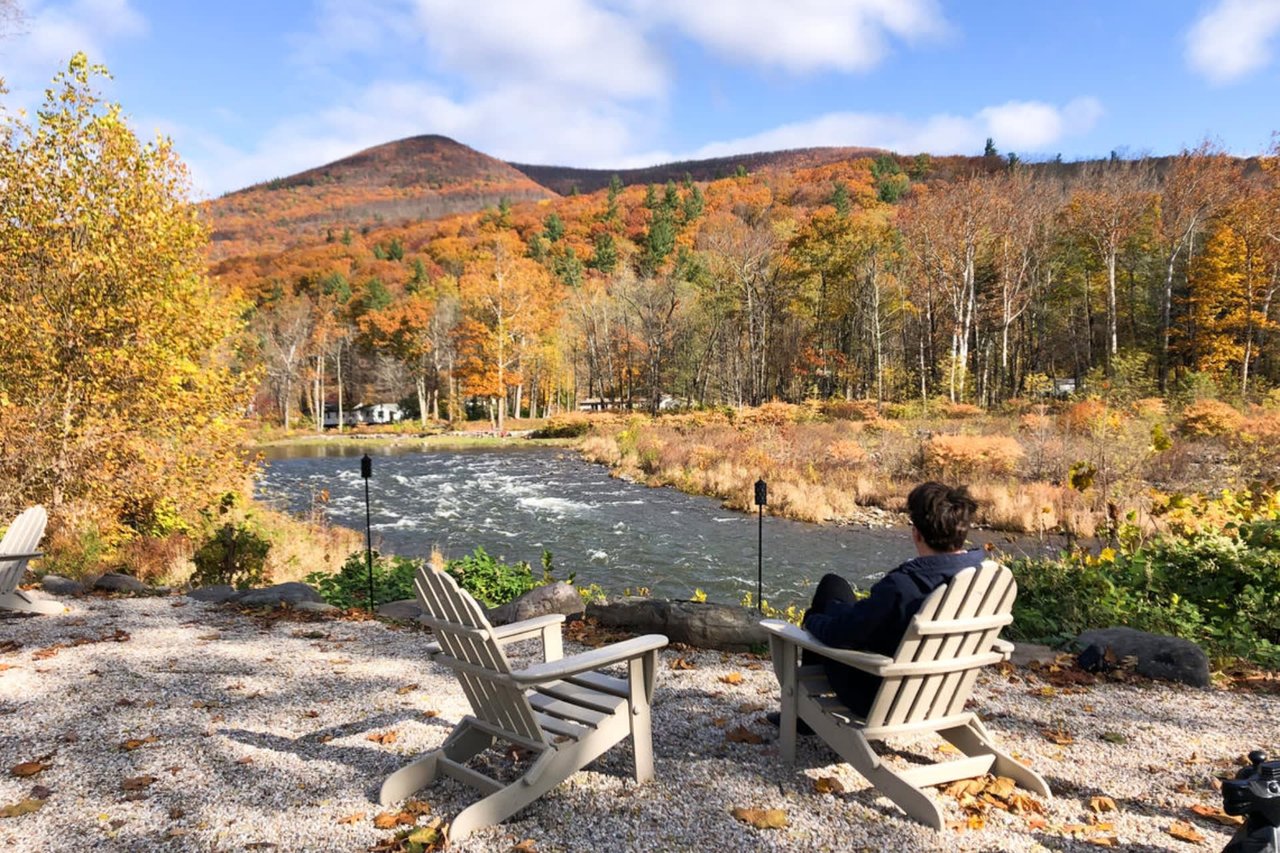
Spring and fall bring leaf-peeping, scenic drives and quieter trail days. Main street stays active with restaurants and weekend visitors, and local events tend to pick up in summer and shoulder seasons. Regional event ideas and visitor info are collected by Greene County’s tourism bureau.
Home types you will see
Village historic homes
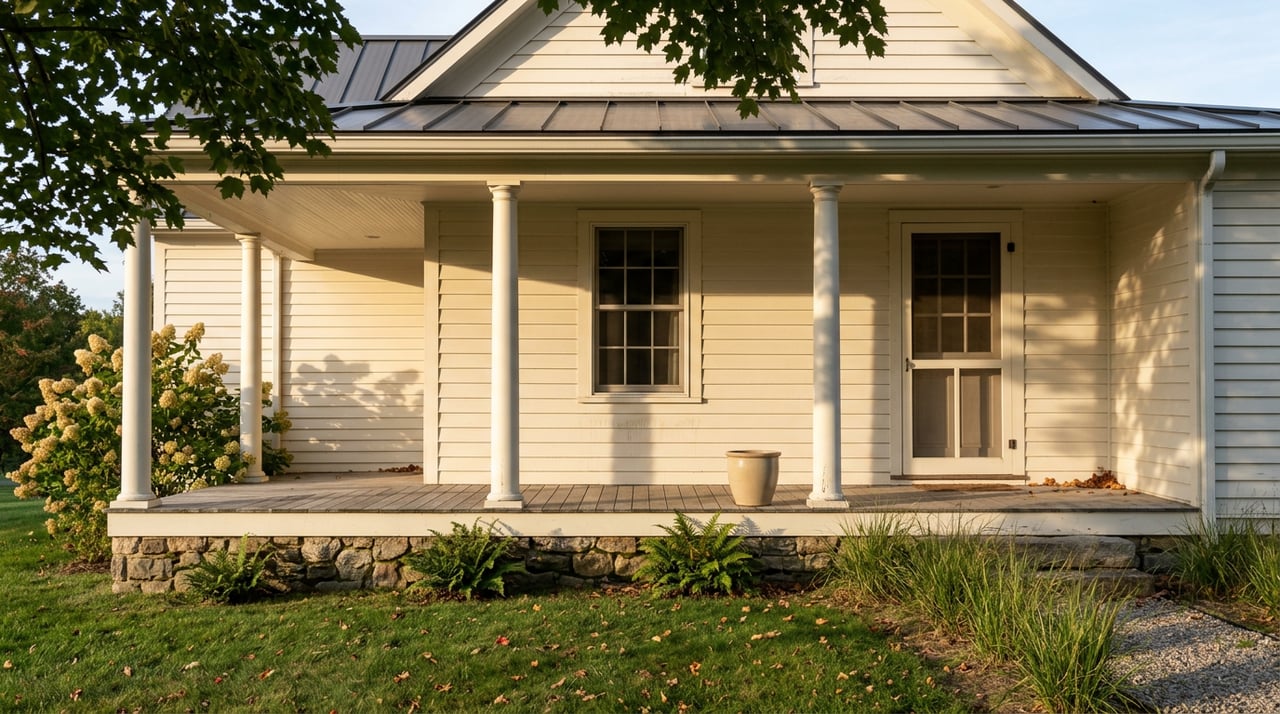
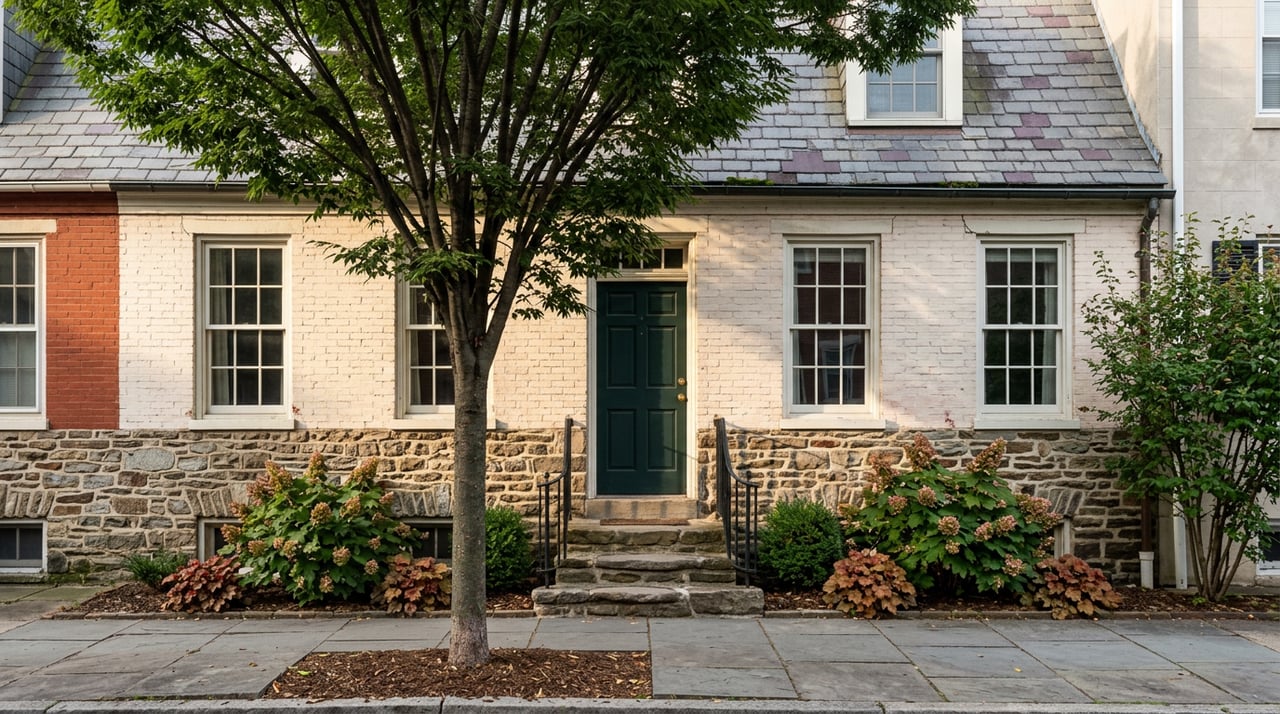
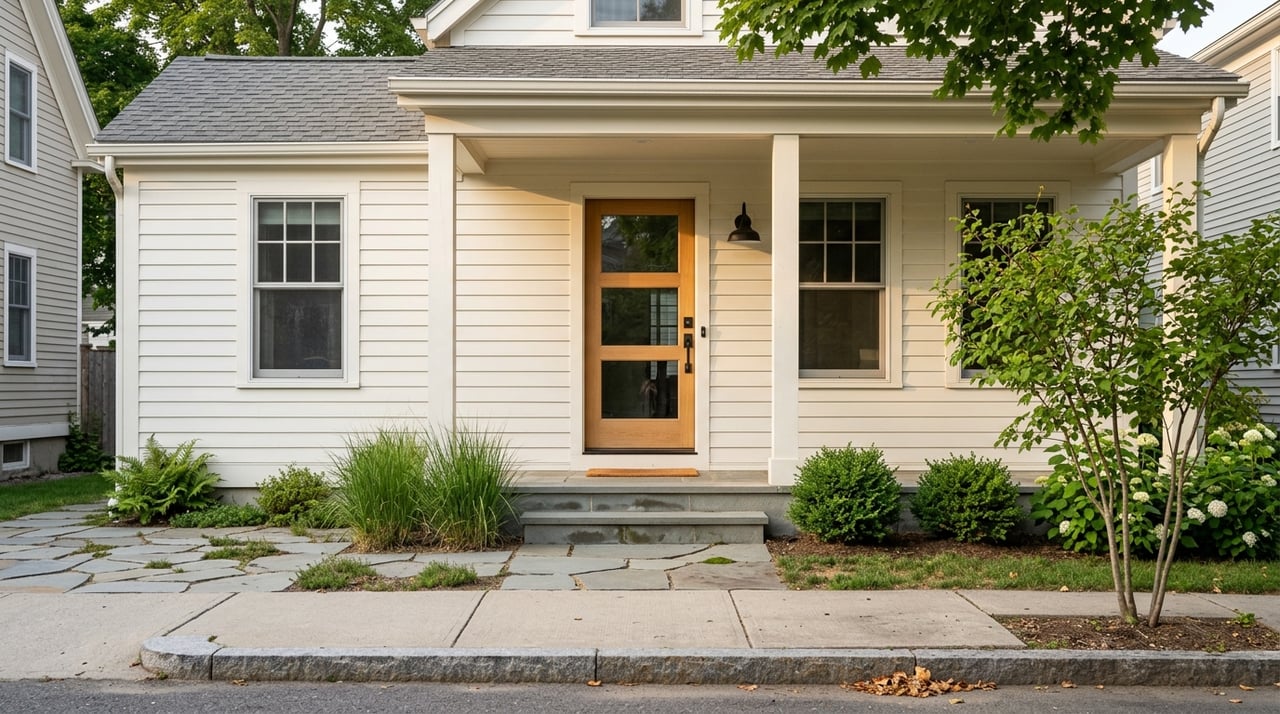
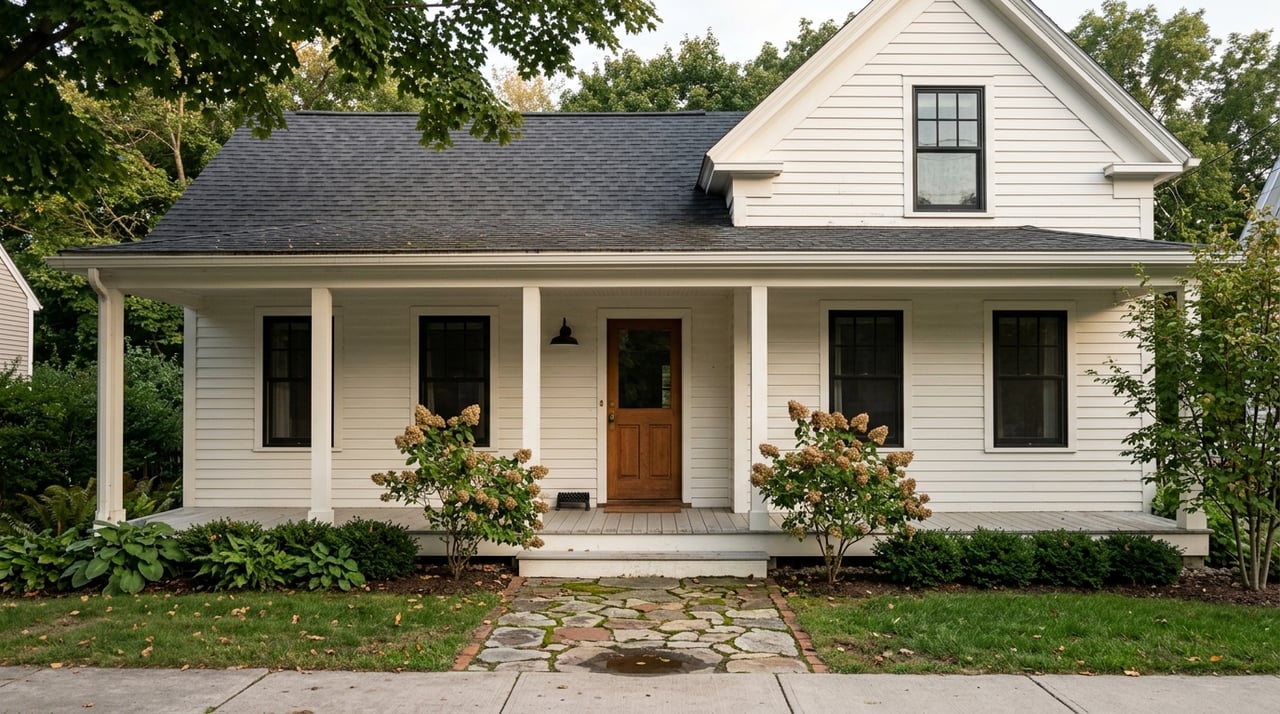
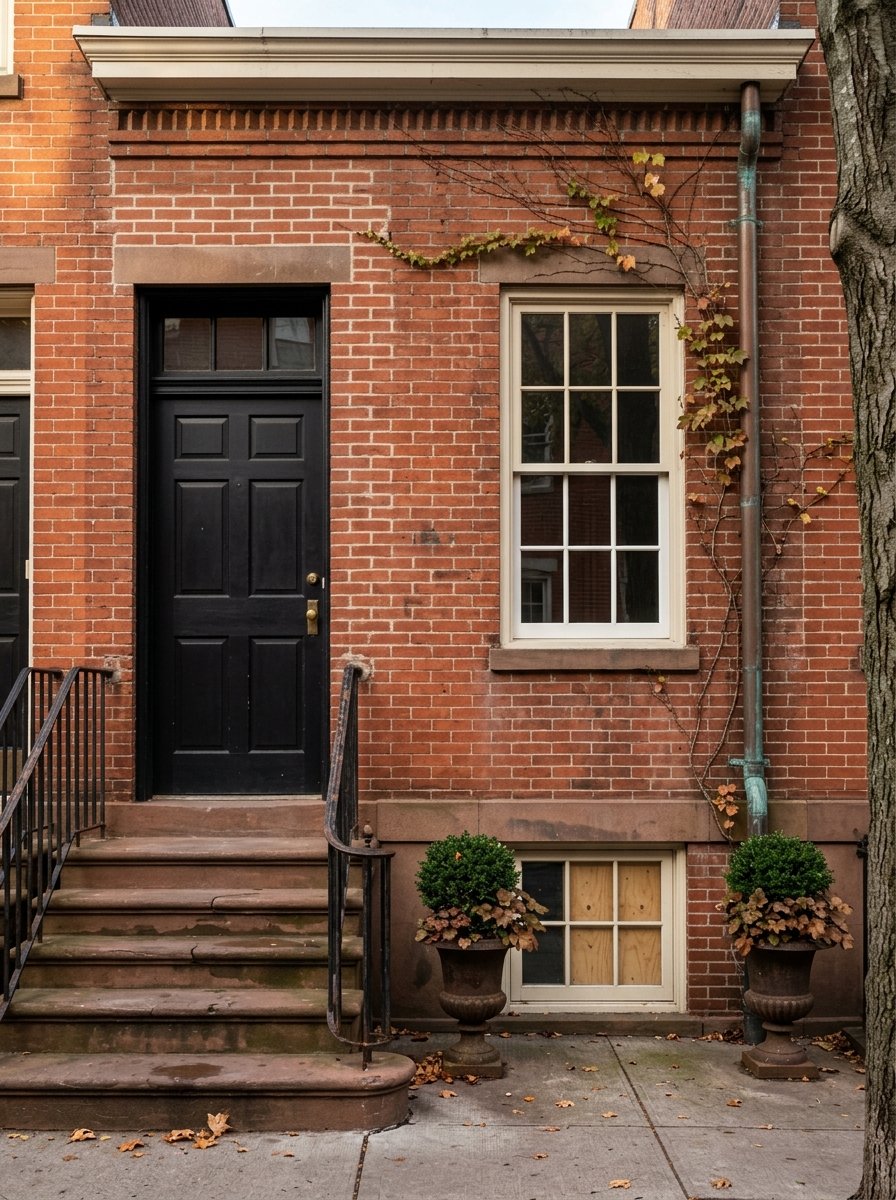
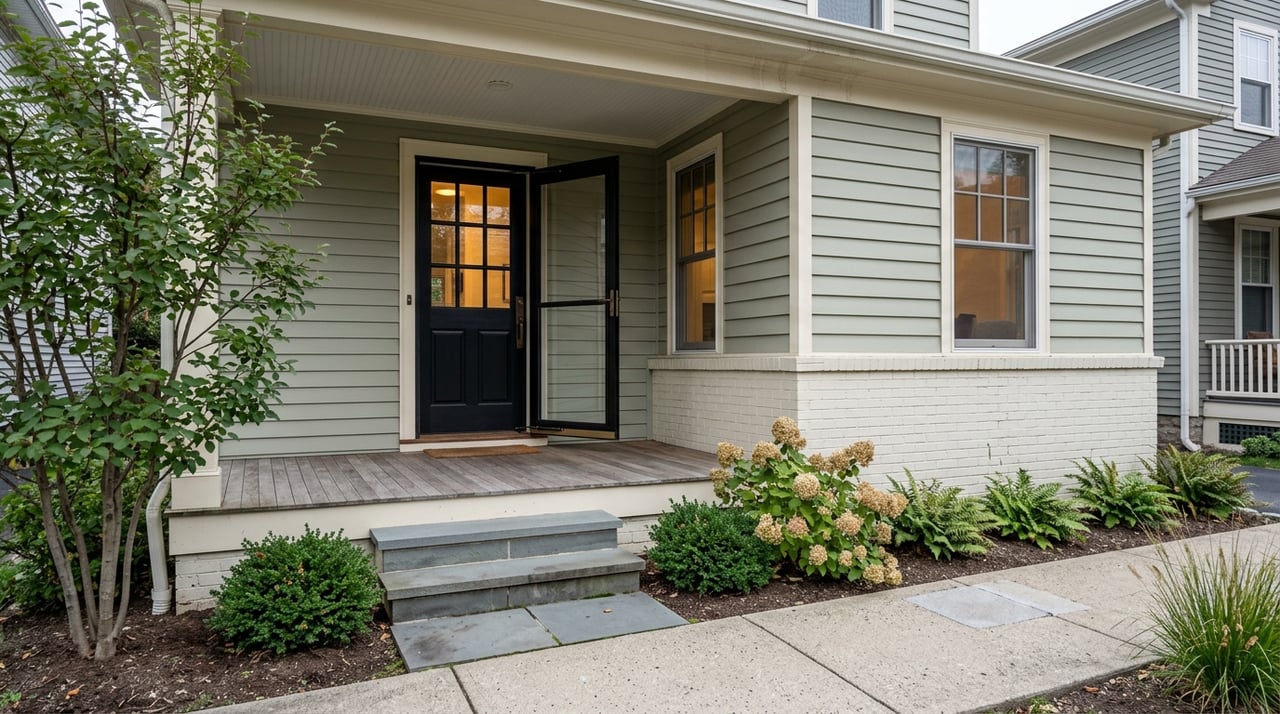
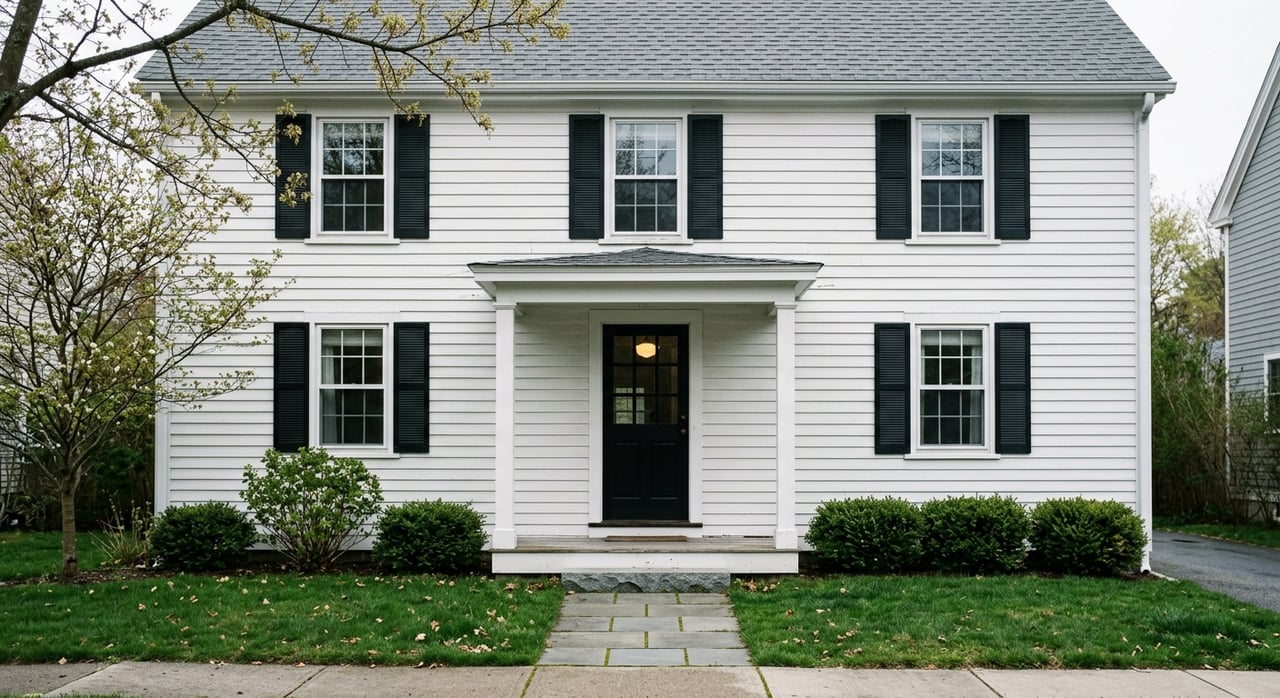
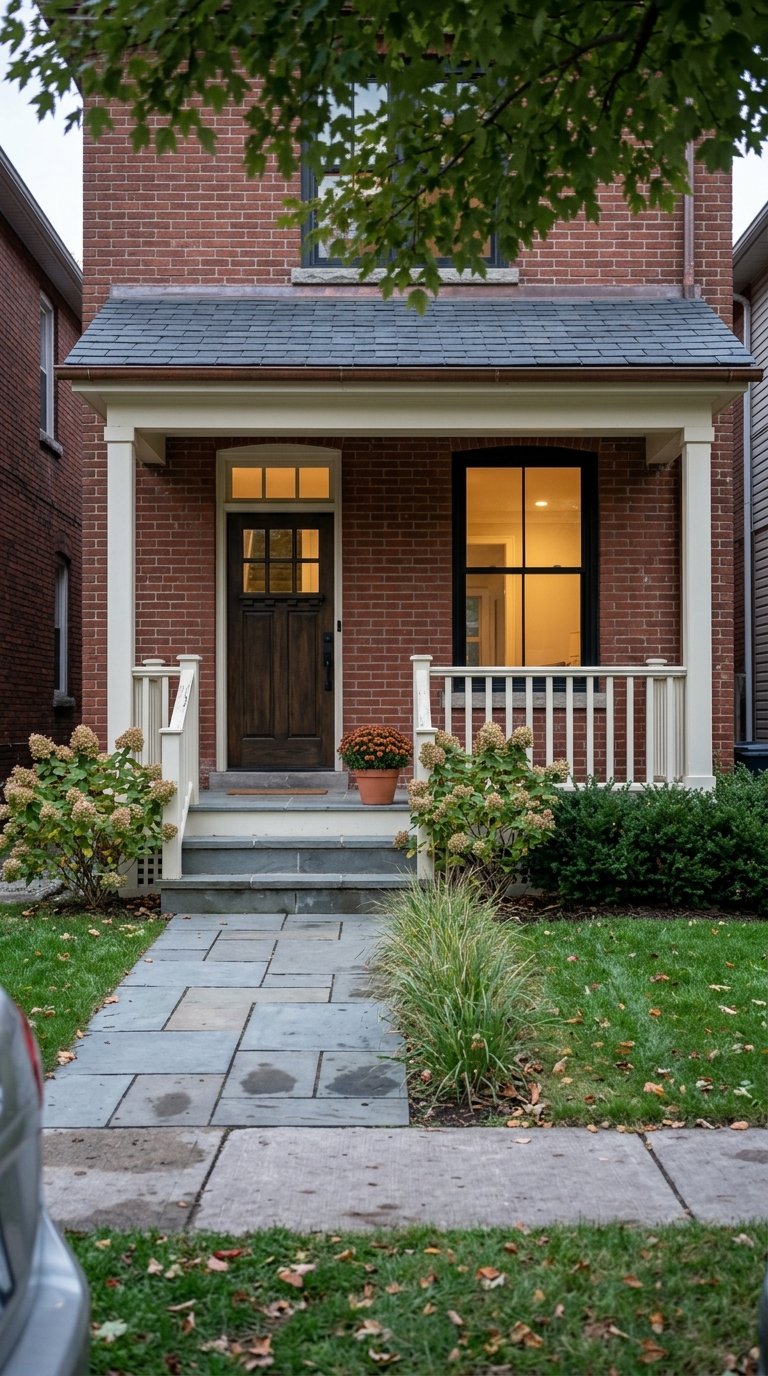
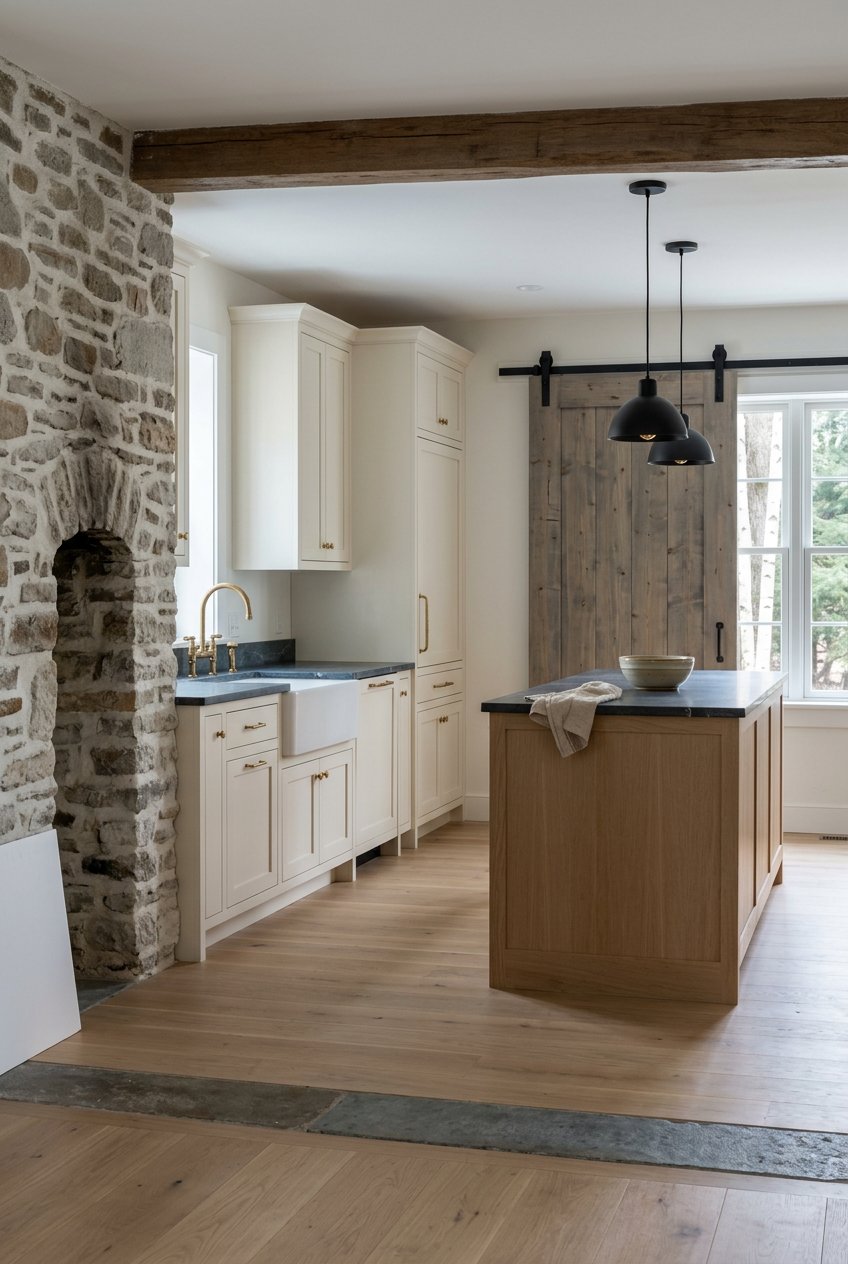
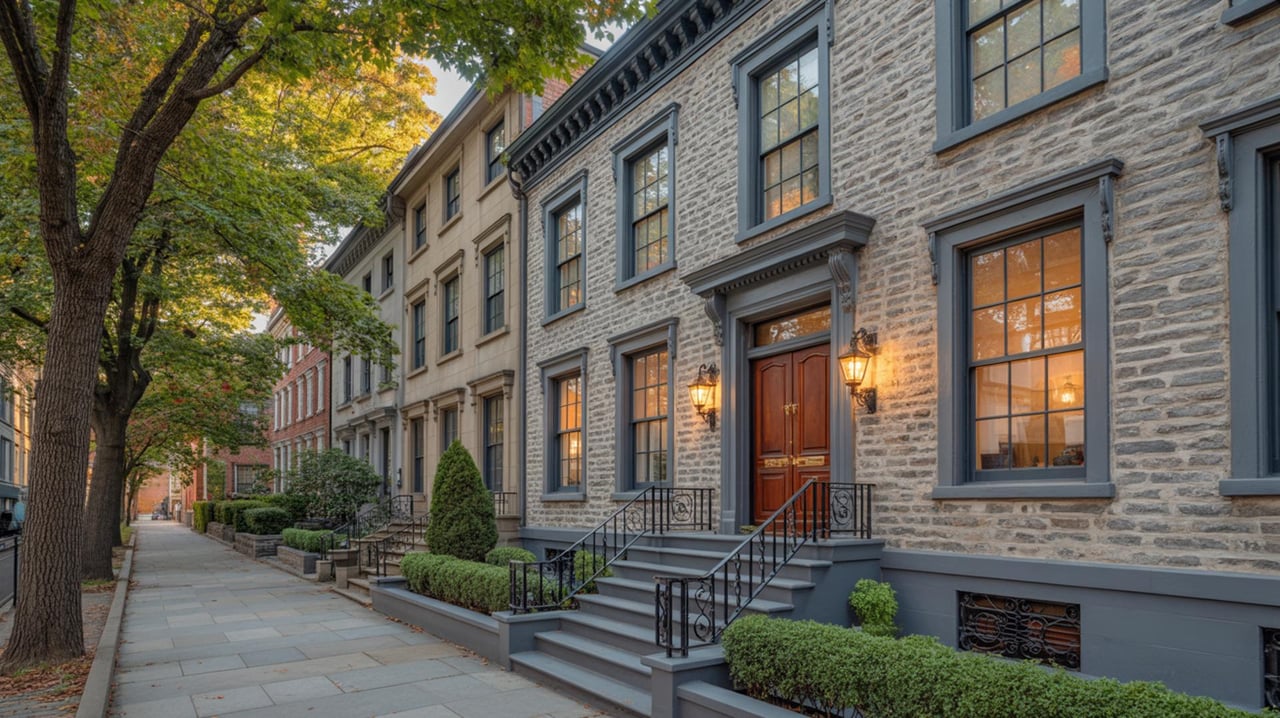
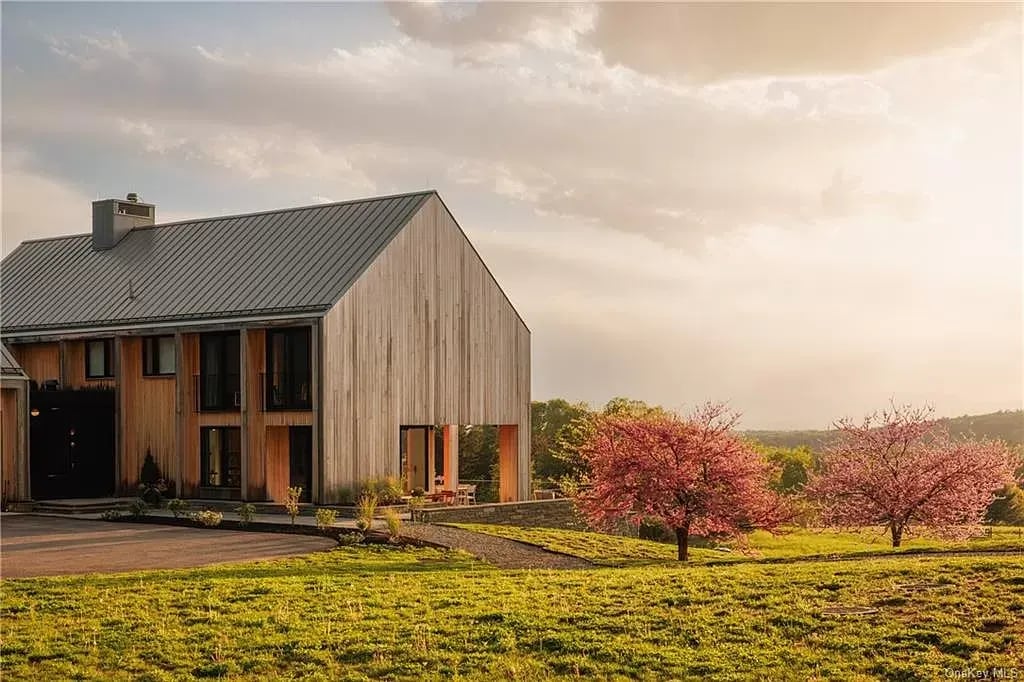
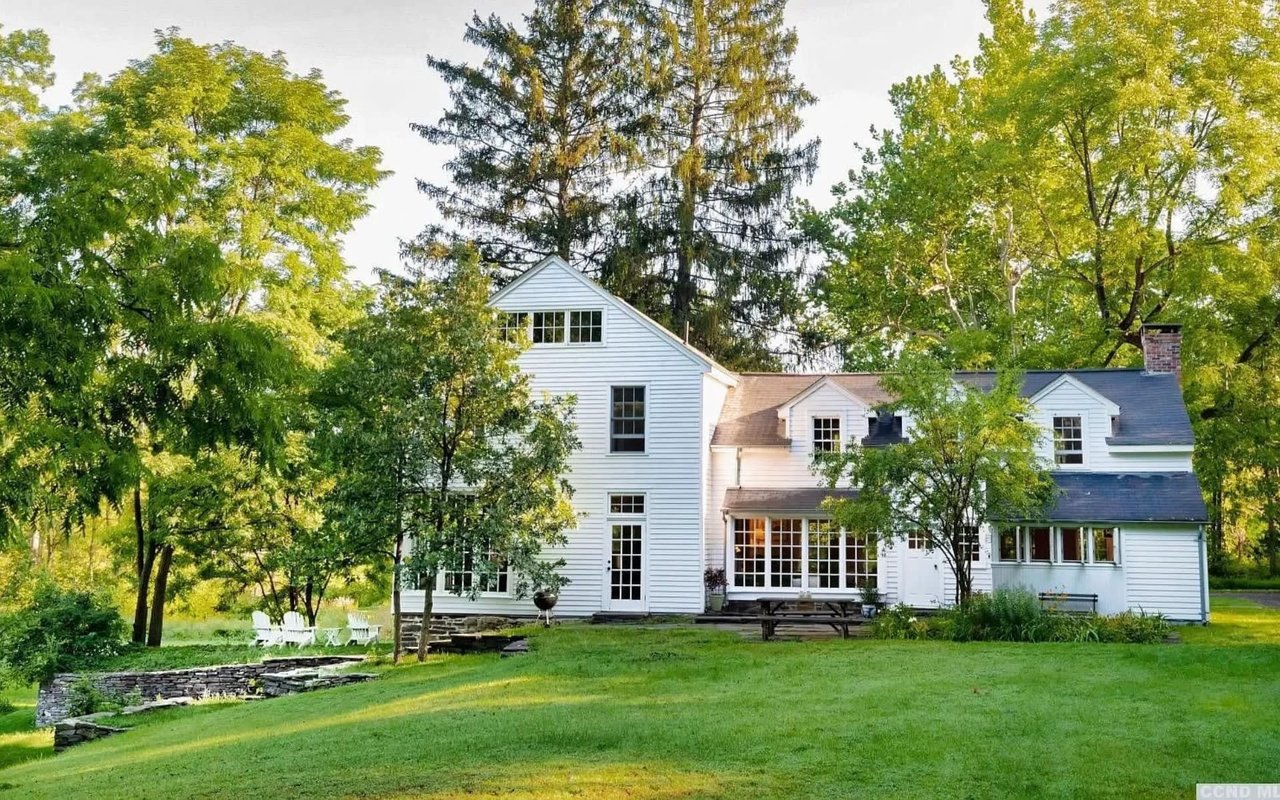
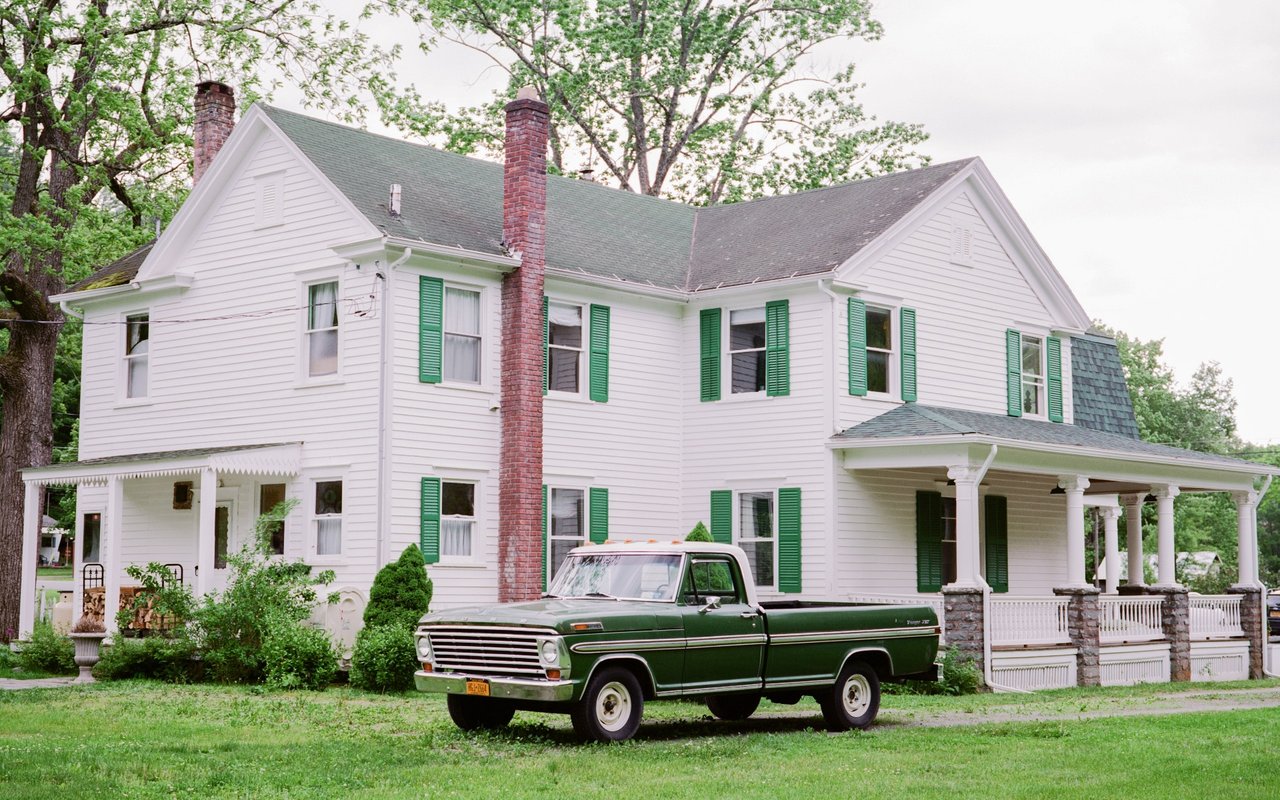
Many buyers fall for Victorian cottages and classic village houses on smaller lots within walking distance of cafes and shops. These homes often deliver character and convenience. Plan for potential updates to insulation, heating systems and plumbing if the house is older. Parking and yard size can be limited compared with rural properties.
Ski-area condos and townhomes
Condo and townhouse communities near Hunter Mountain appeal if you want simplicity. Shared maintenance, smaller footprints and proximity to lifts make weekend routines easy. HOAs typically handle exterior work, which is a plus in winter. You trade some privacy and acreage for convenience and may have association rules to follow.
Rural cabins and land
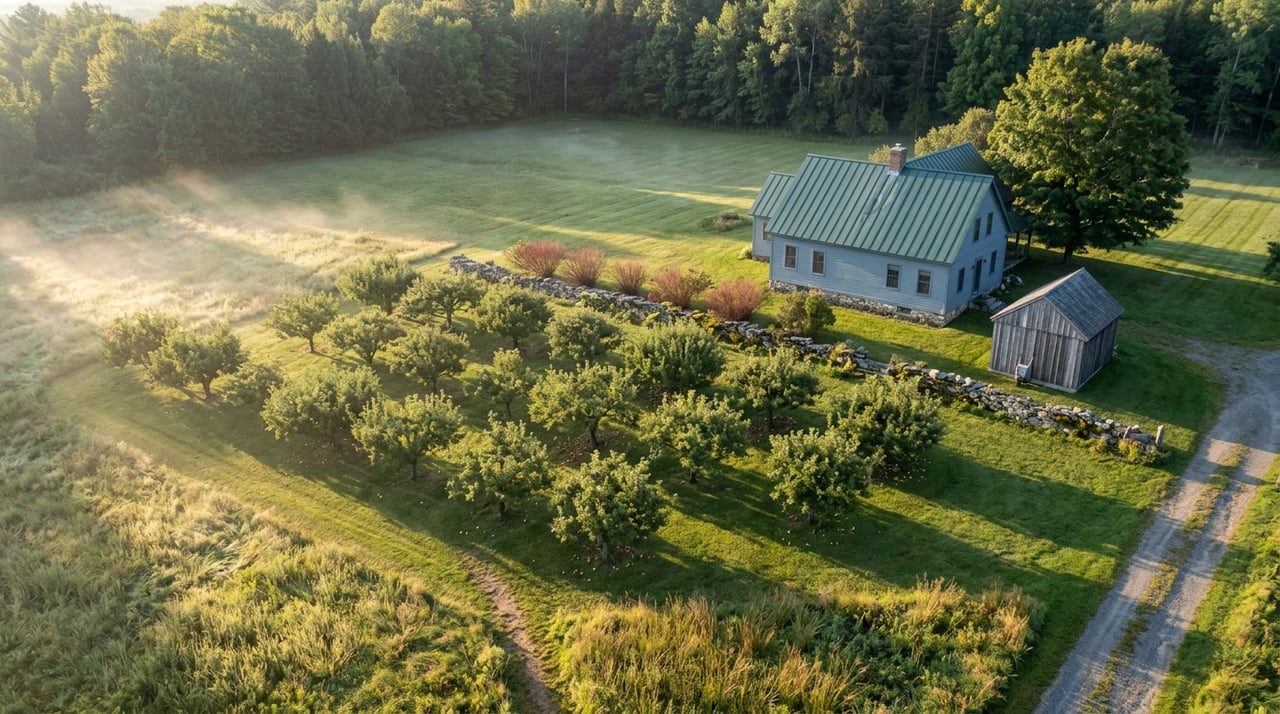
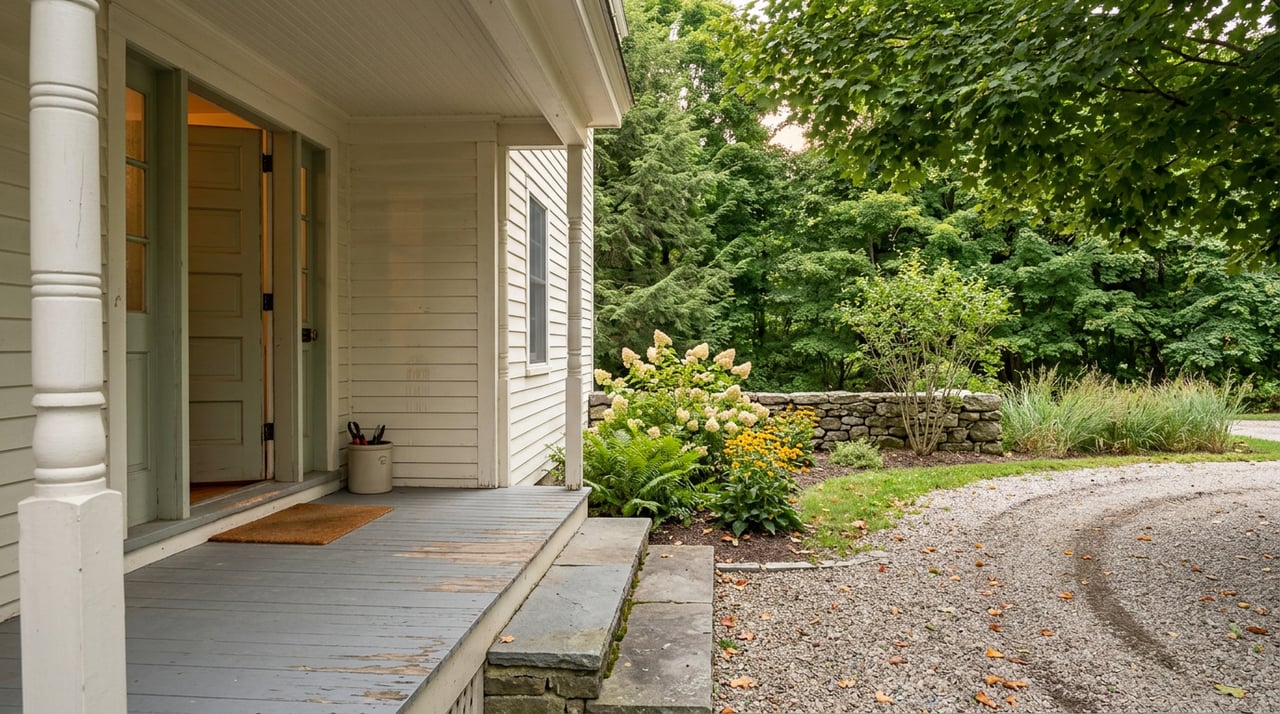
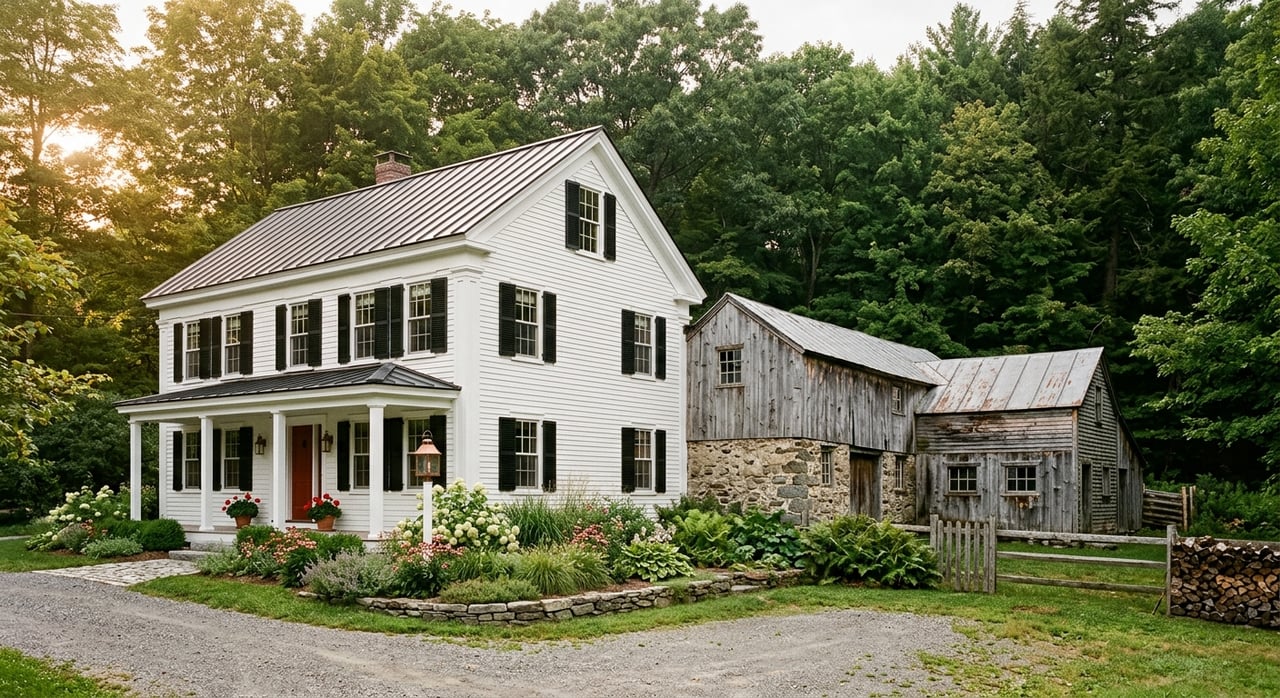
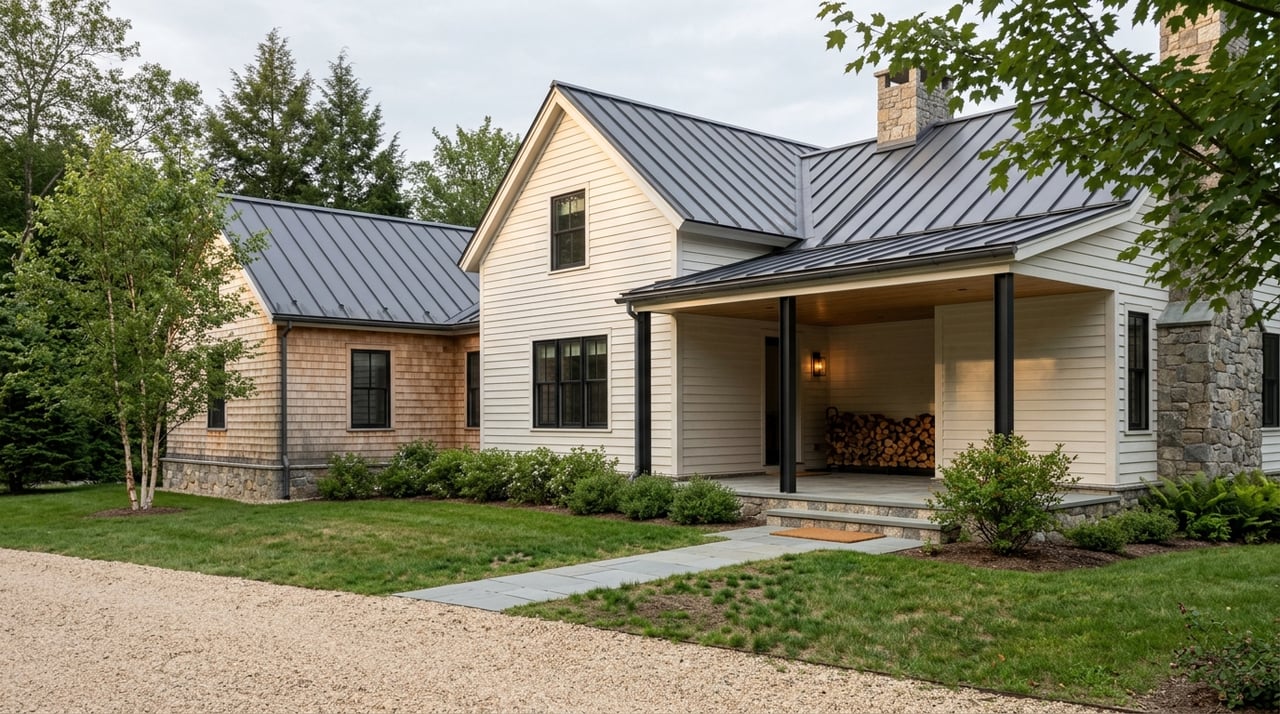
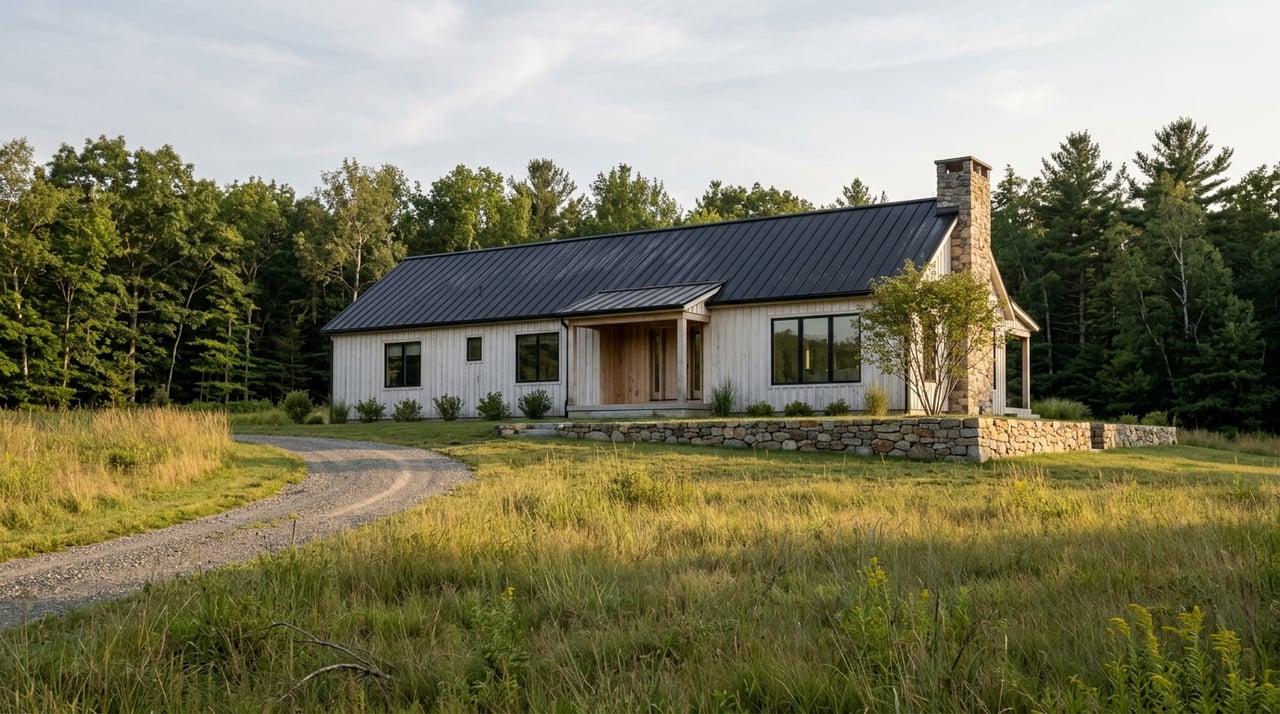
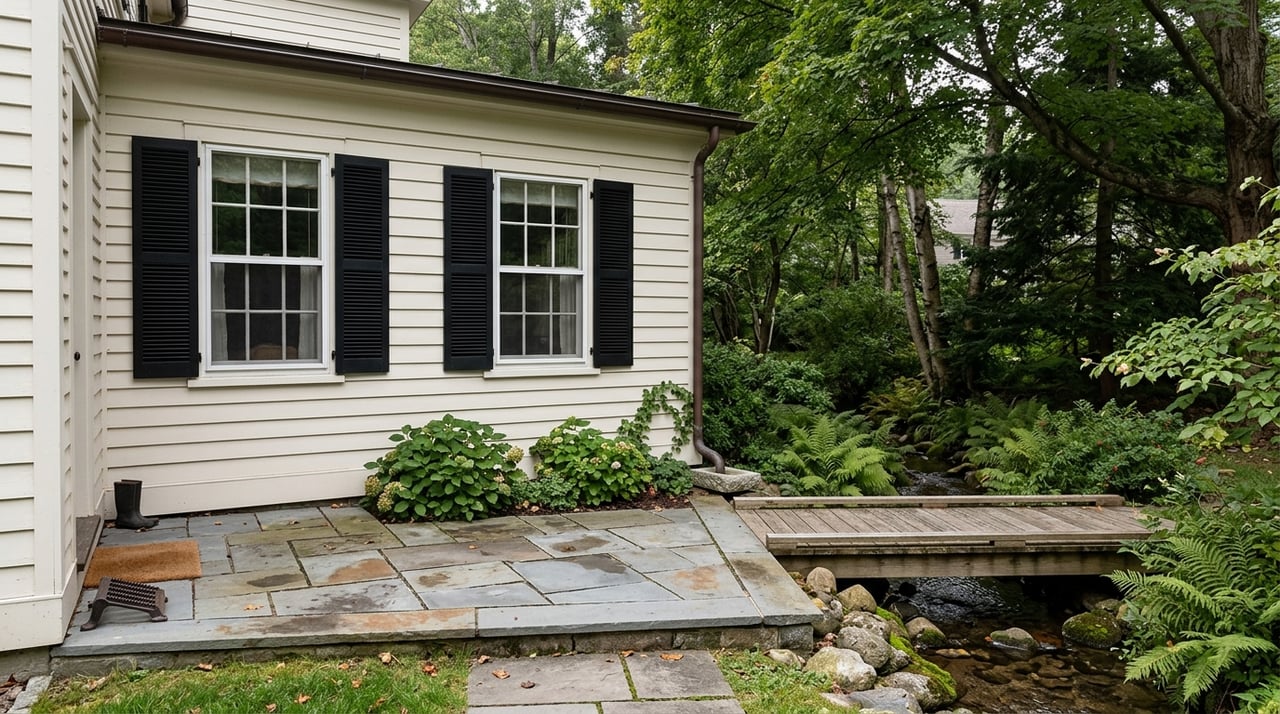
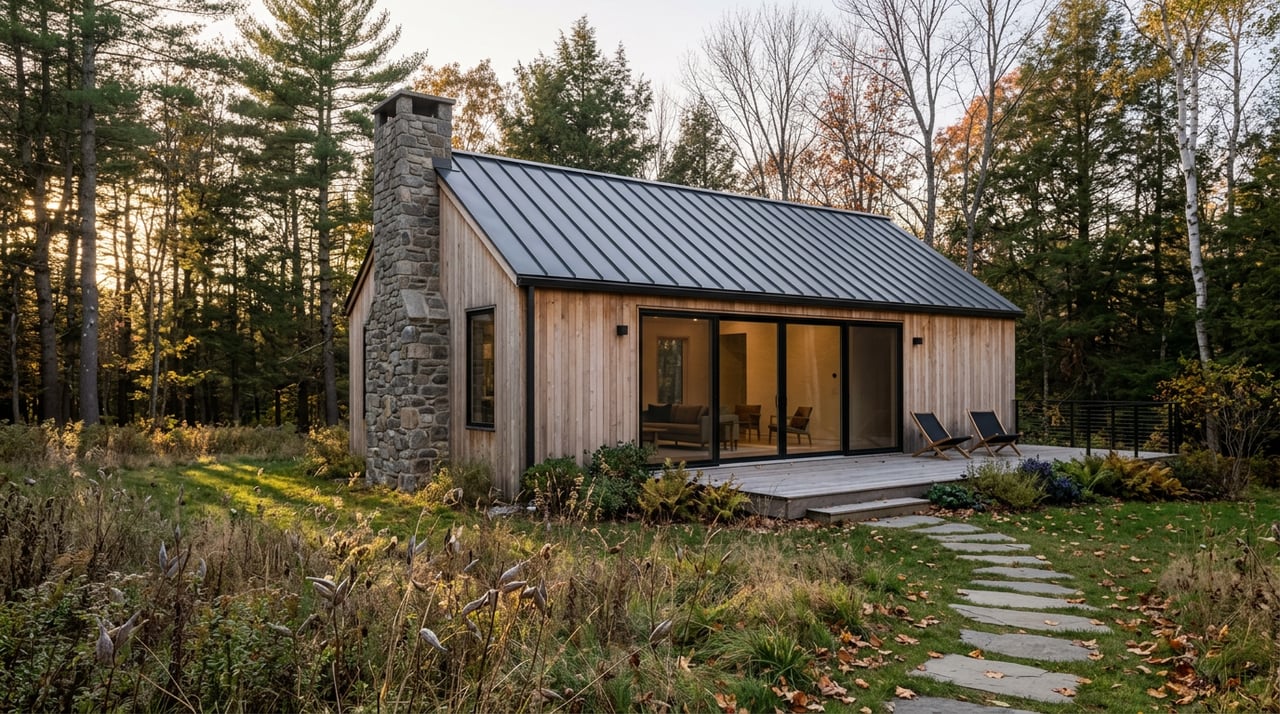
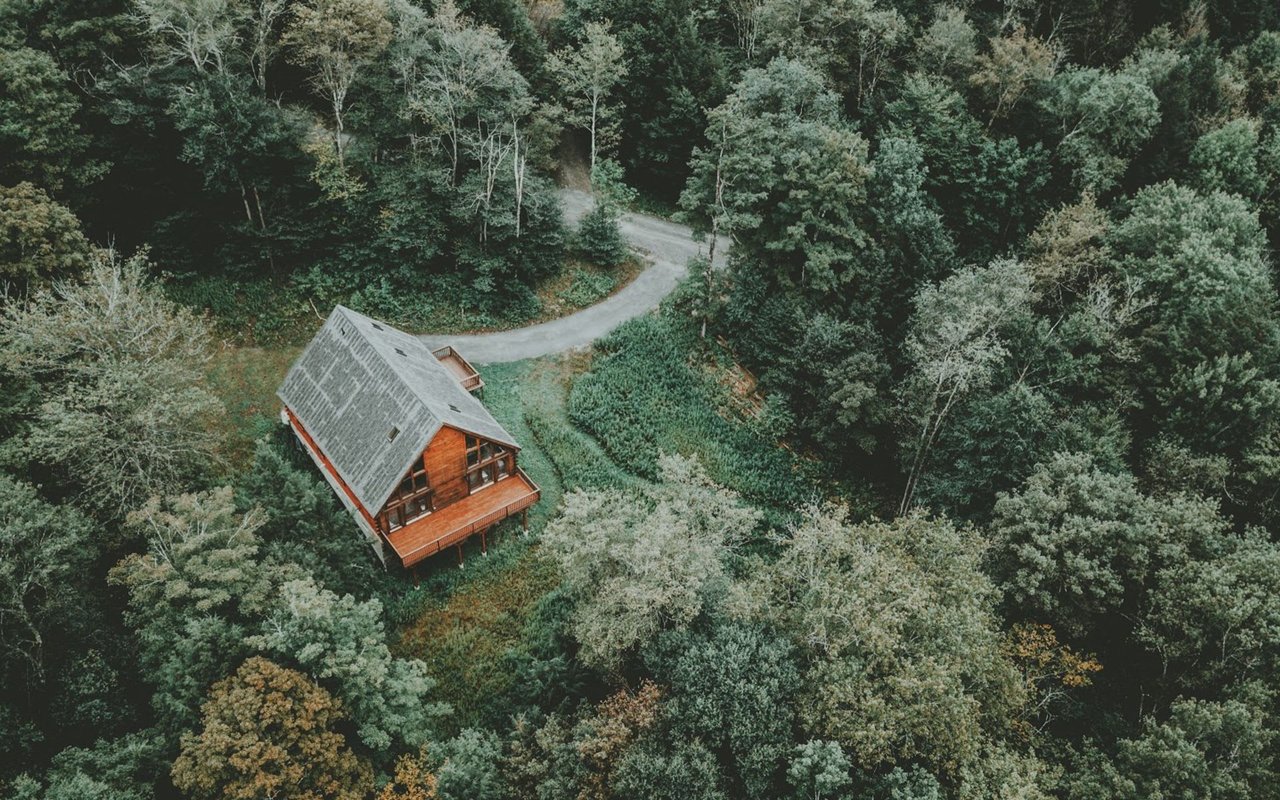
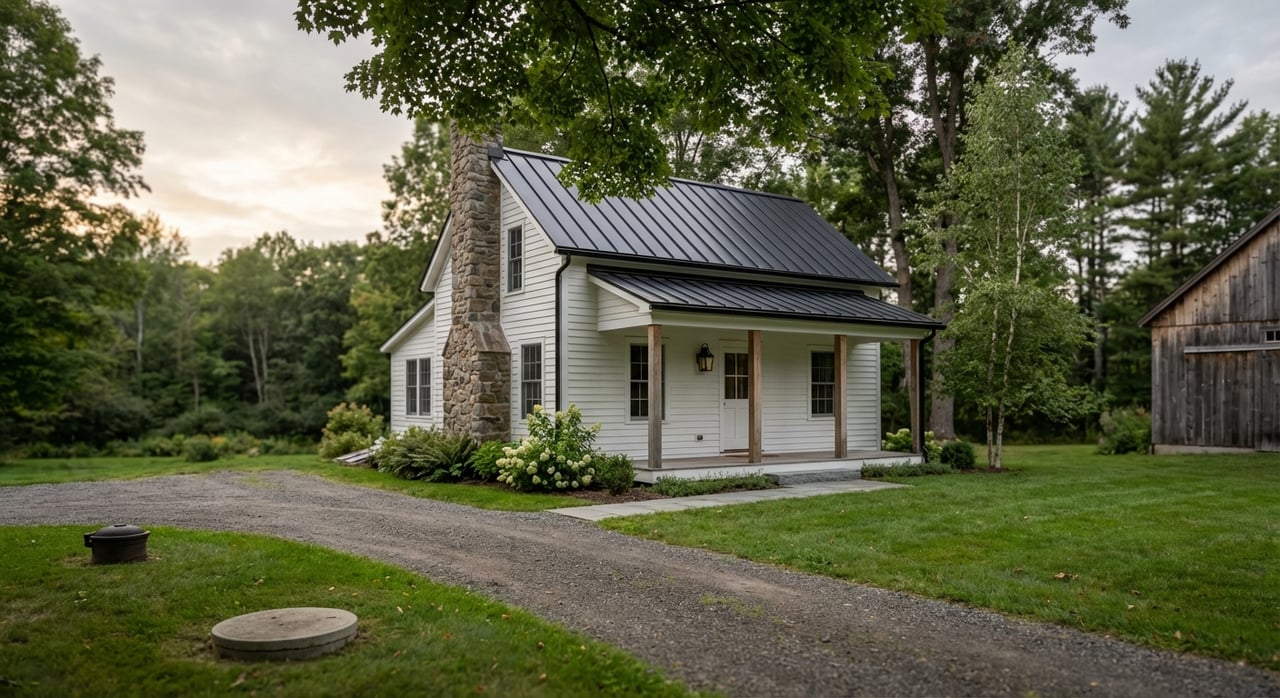
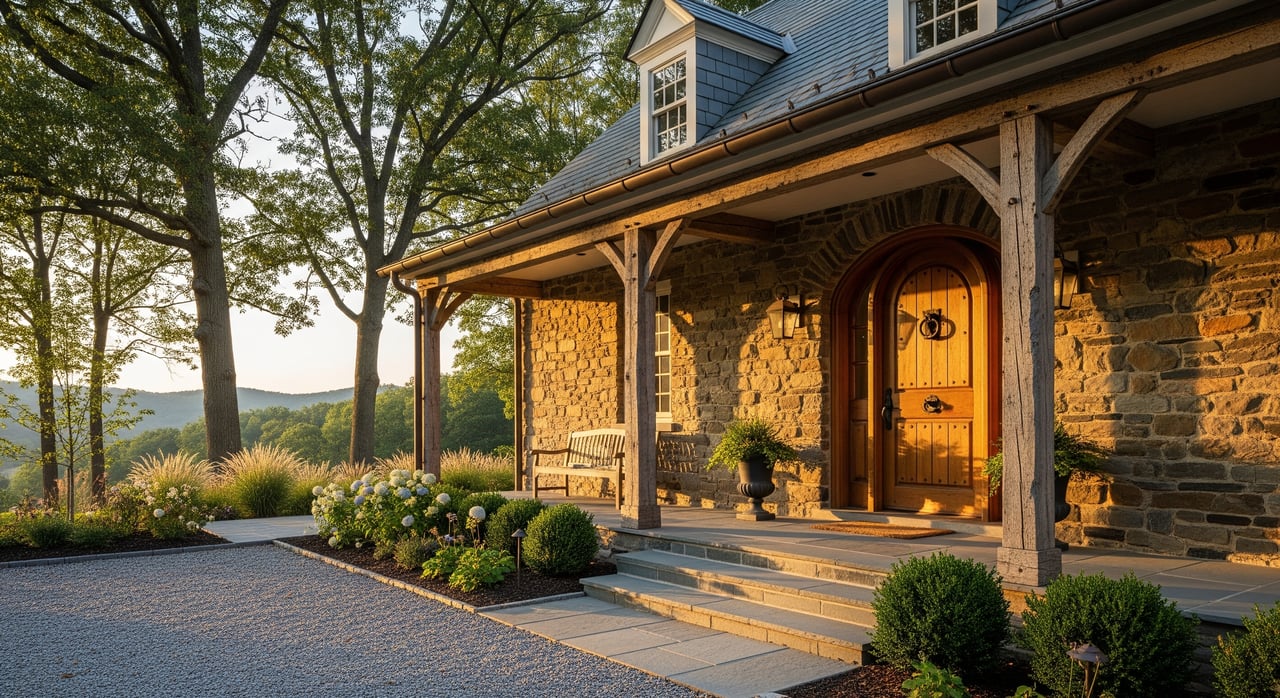
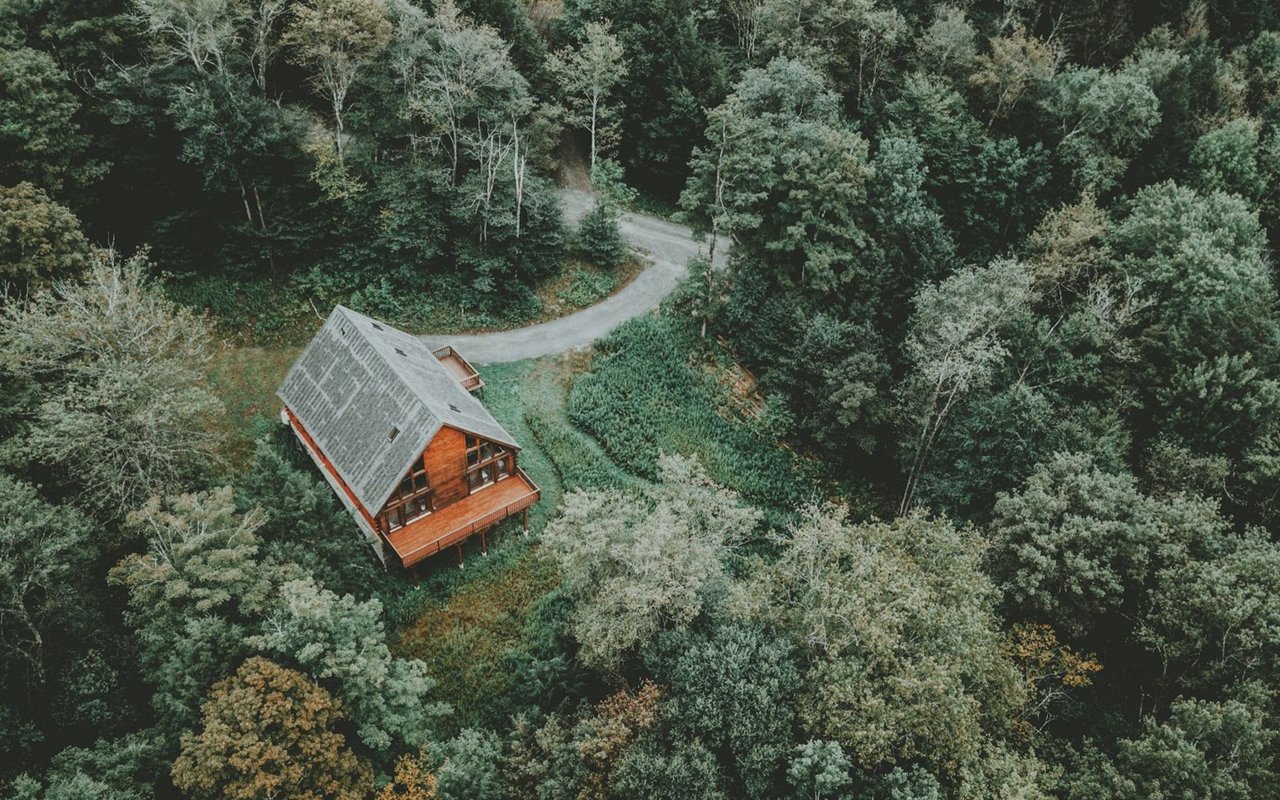
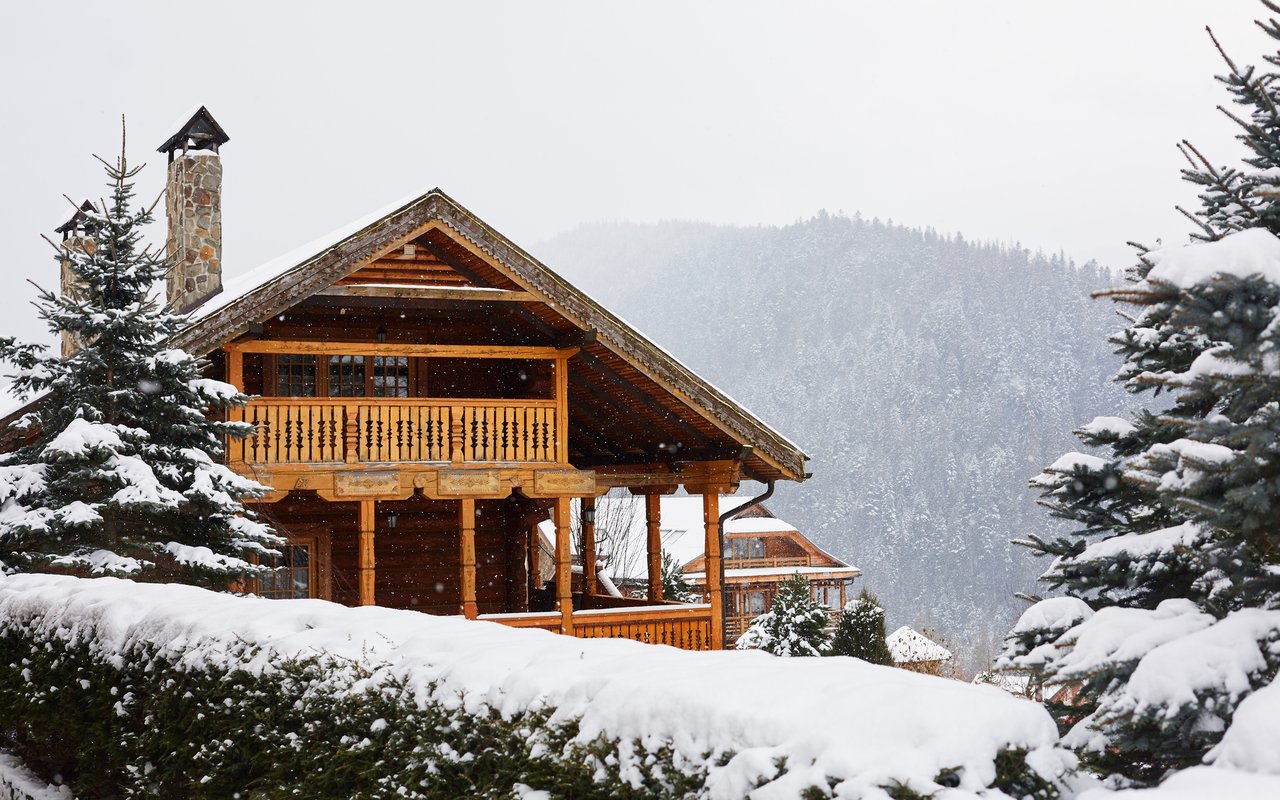
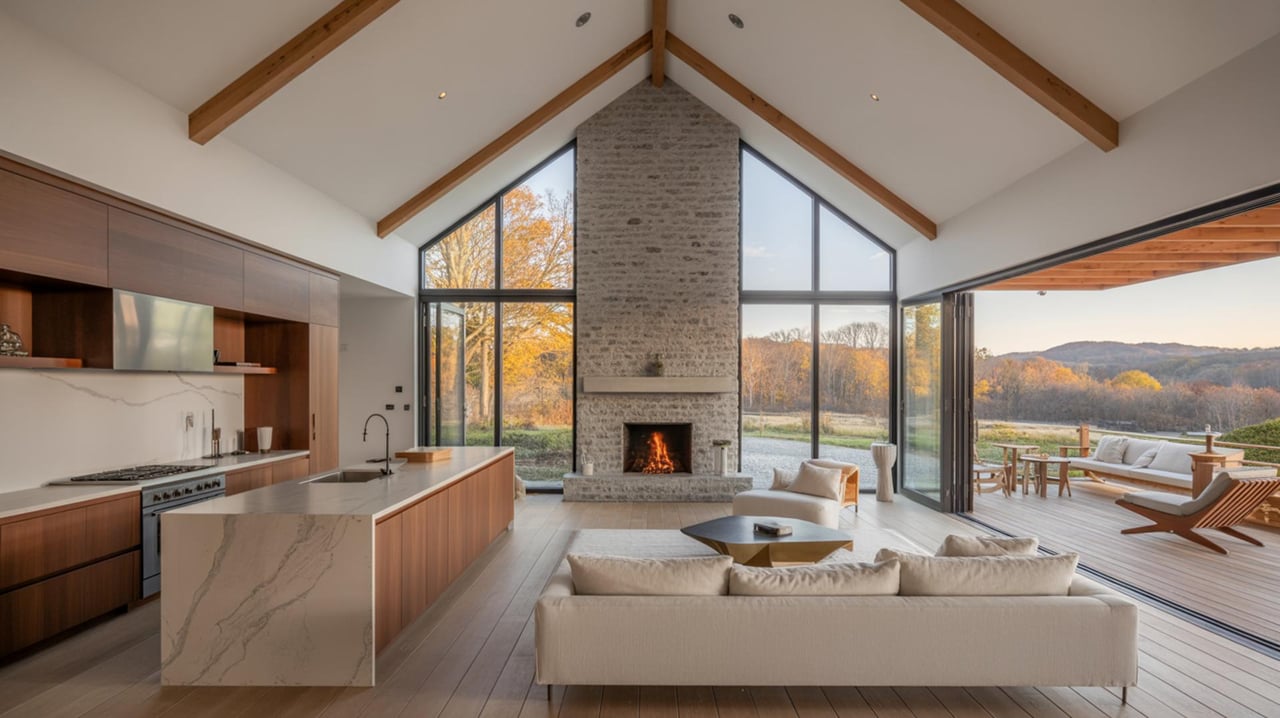
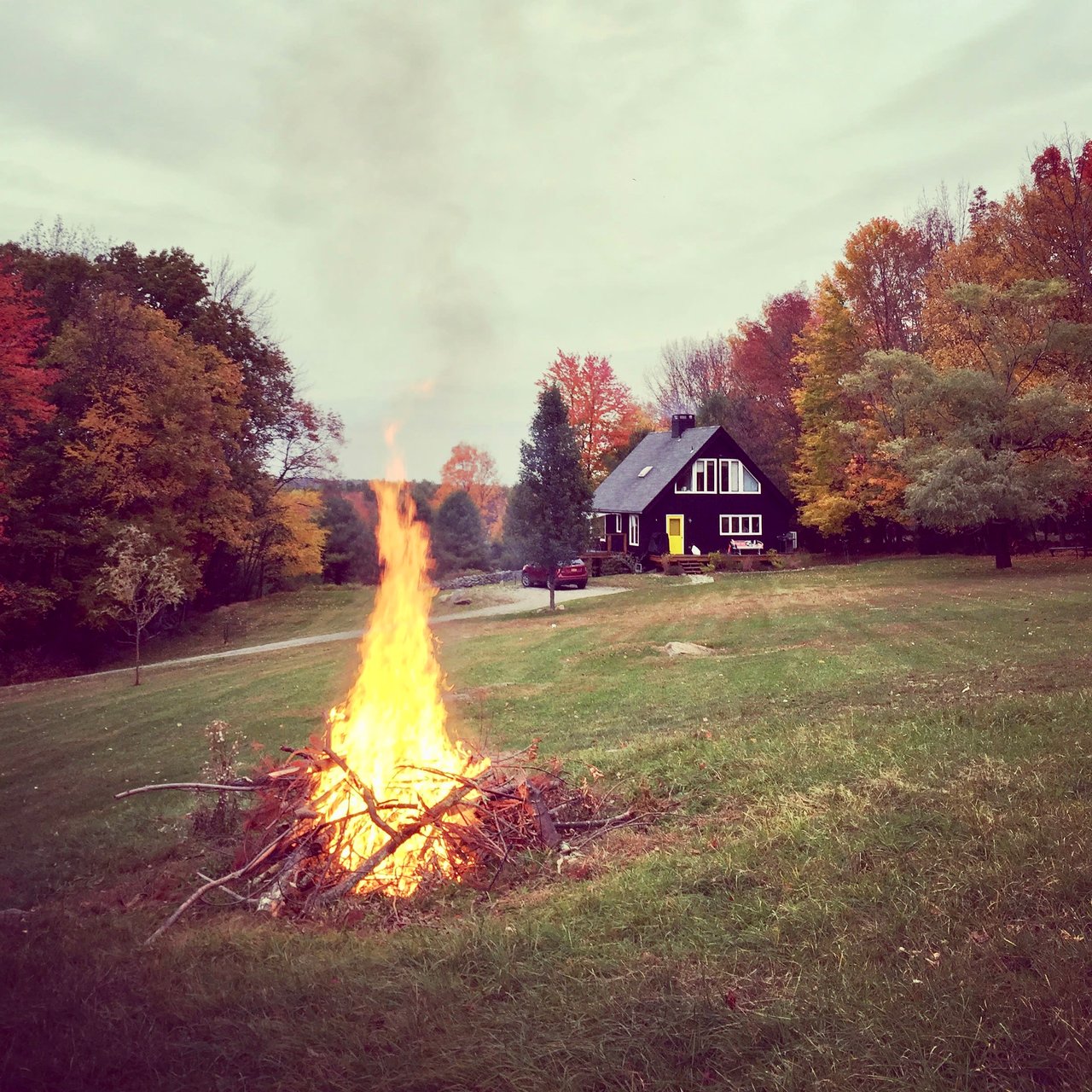
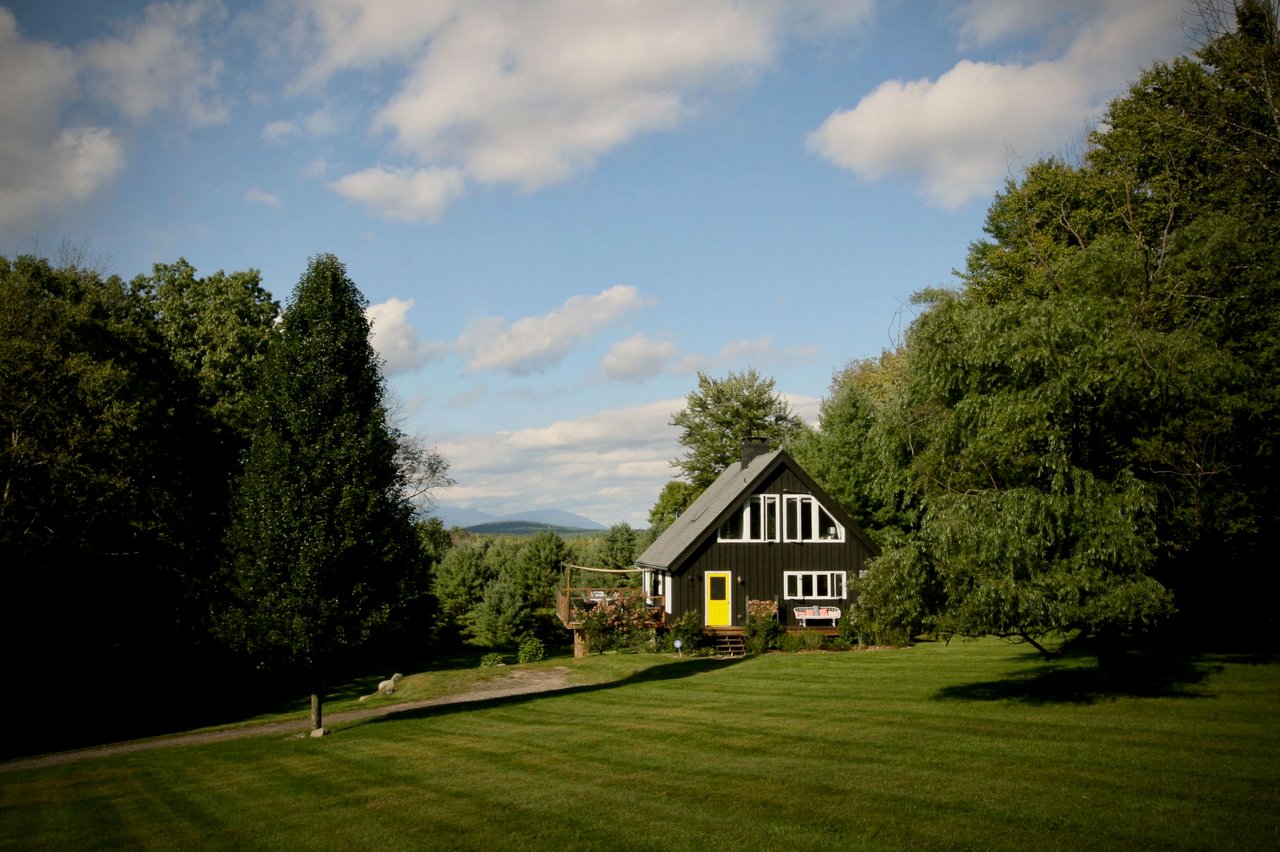
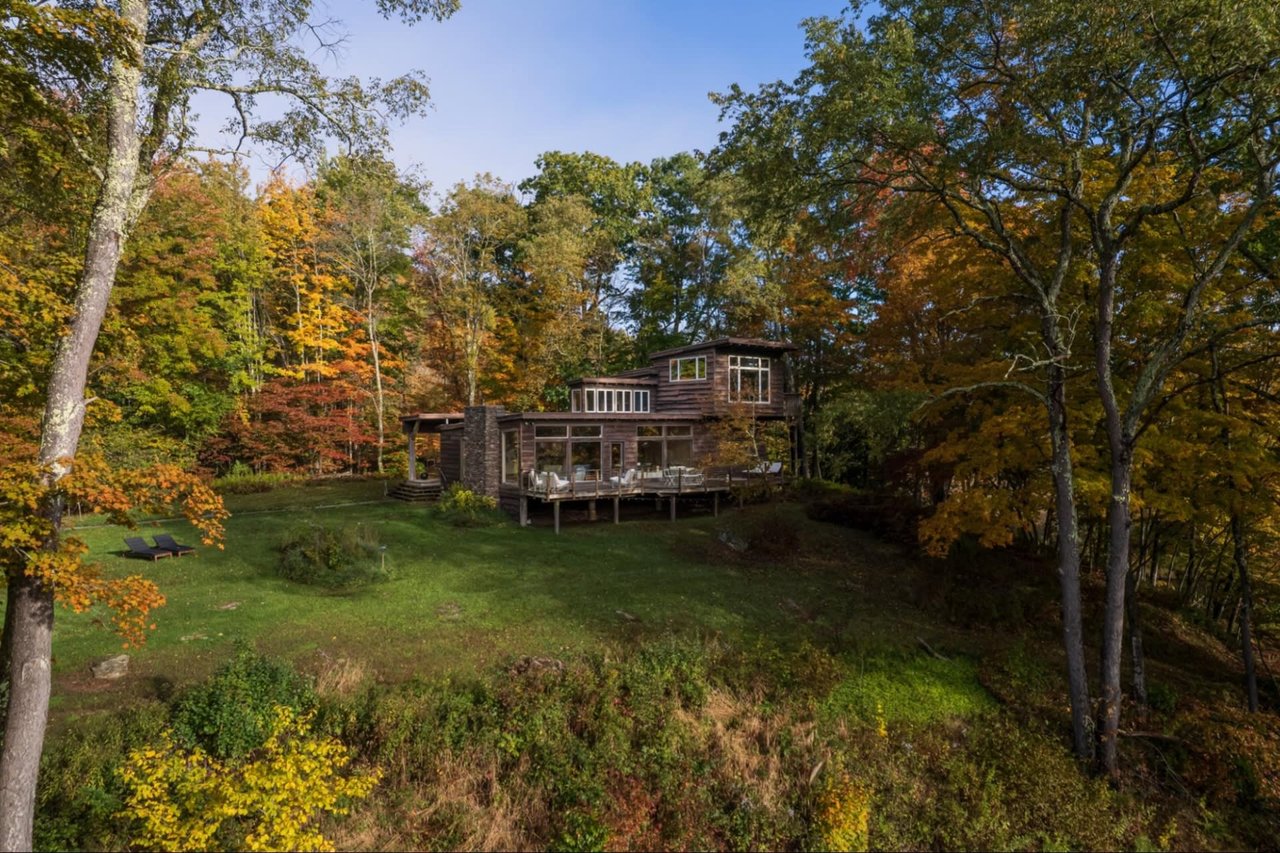
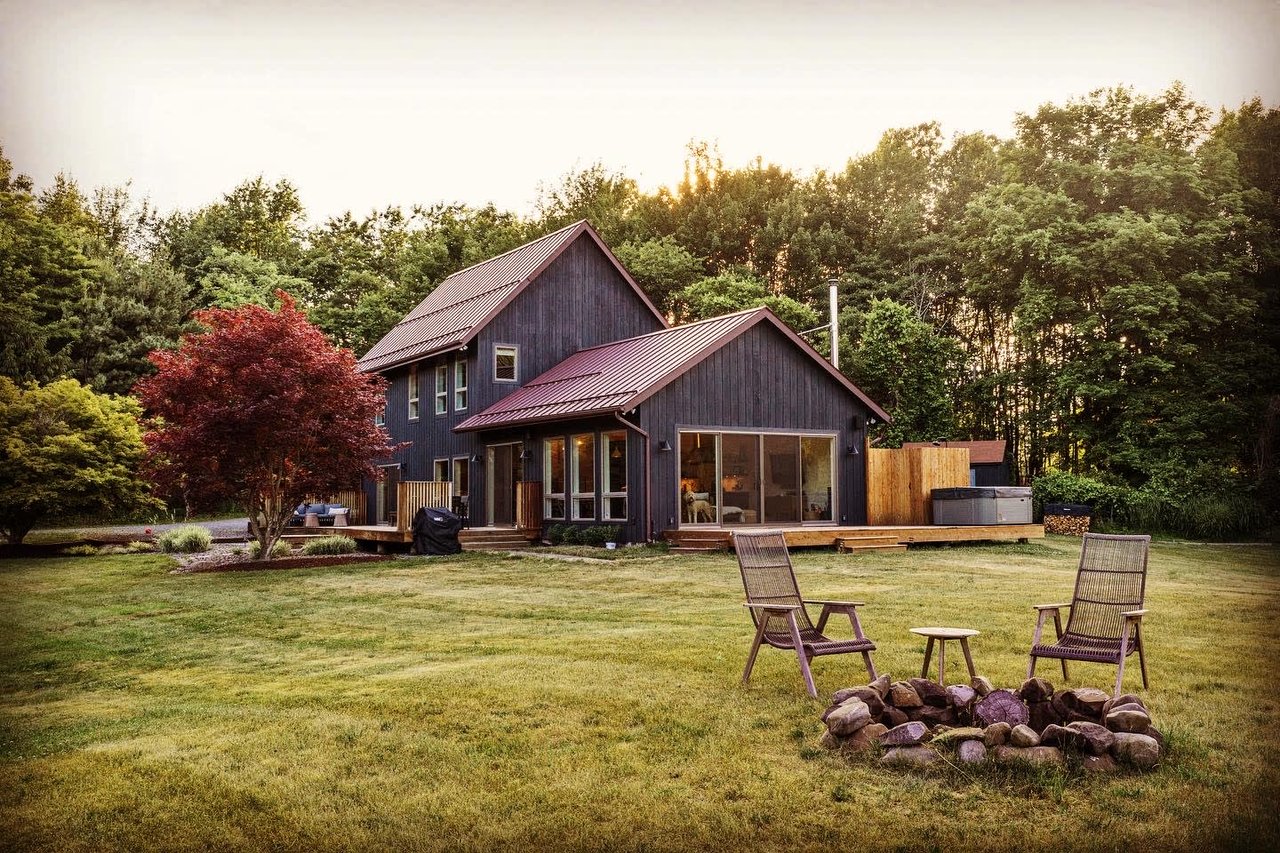
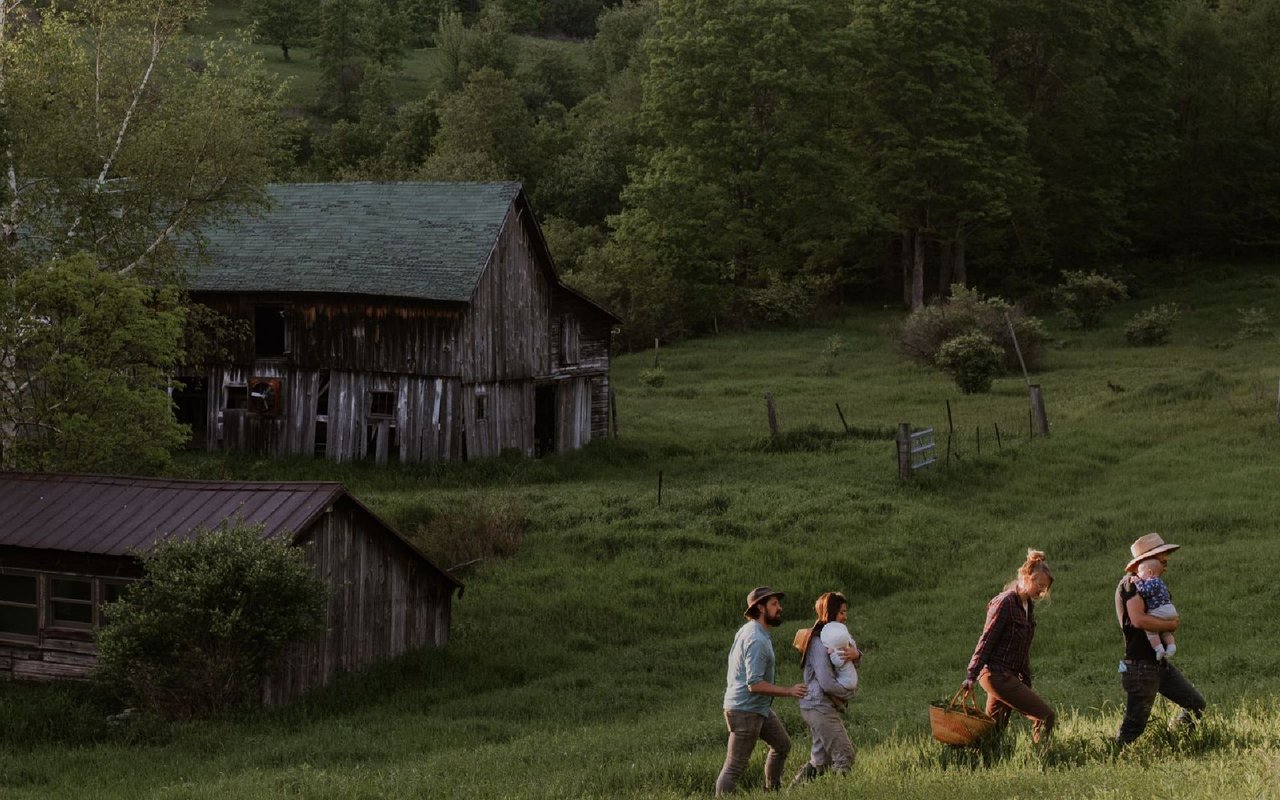
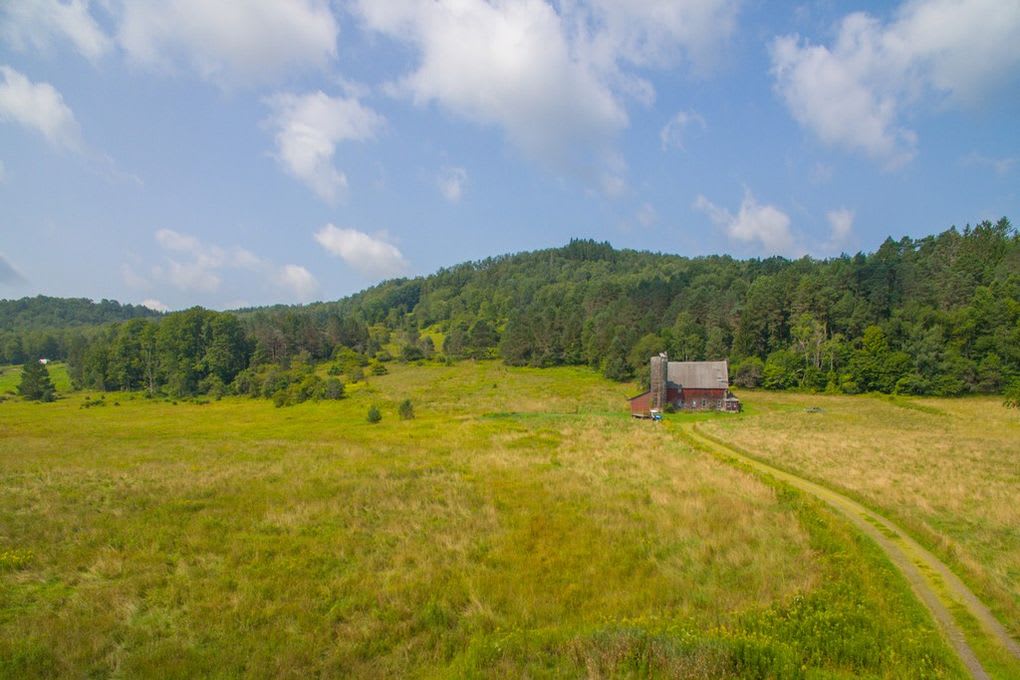
Outside the village core, you will find single-family homes and cabins on larger parcels. Privacy is the draw, along with room for gear and gardens. Many properties rely on private wells and septic systems, so inspections and ongoing maintenance are key. Vacant land is an option too, but topography, access and site work can vary widely.
Ownership essentials
Utilities and internet
Service levels can change from one road to the next. In and around the village center, you may find more reliable wired internet. As you move into rural pockets, plans and speeds can vary. Always confirm actual providers and speeds for any property you are considering.
Inspections to prioritize
- Well and septic testing for capacity, water quality and system condition
- Roof age, insulation quality and air sealing for winter performance
- Heating system age and fuel type, plus chimney evaluation if applicable
- Driveway access and drainage, especially on sloped or long private roads
Winter prep and services
Snow is a feature, not a bug, and planning ahead pays off. Many owners contract seasonal plowing and arrange roof and gutter maintenance. If you are not on-site often, consider periodic property check-ins, winterization of hose bibs and robust smart-home monitoring for temperature and leaks.
Property taxes 101
Your annual carrying costs will depend on assessed value and applicable Greene County, town and village tax rates. Assessments and mill rates can change, so verify how a property is currently assessed and model your likely bill with local assessor guidance before you offer.
Insurance and flood checks
Standard homeowner coverage may need endorsements suited to mountain homes, such as coverage for ice and snow loads. In some areas, flood risk can be a consideration. Review the FEMA Flood Map Service Center for preliminary mapping, then confirm specifics with your insurer and, if needed, a surveyor.
Short-term rentals overview
Rules for short-term rentals can change and often differ between the village and surrounding town areas. Before you plan rental income, confirm current local ordinances that may cover licensing, safety requirements, occupancy limits and zoning. Check village board updates and any Town of Hunter or Greene County provisions that apply to your address. The right information upfront helps you avoid surprises later.
Budget and market snapshots
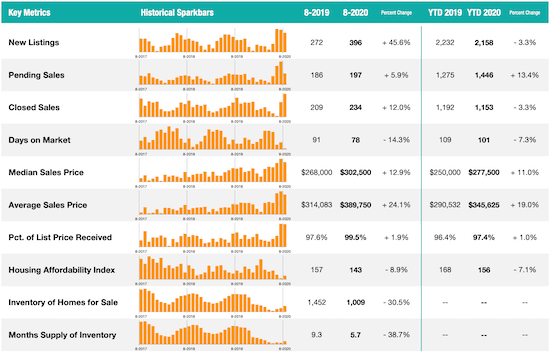
Prices in small mountain villages are highly sensitive to property type, proximity to ski infrastructure, condition and inventory. Village cottages and ski-proximate condos often see stronger demand in peak seasons, while rural properties trade more on acreage and privacy. Because market data shifts quickly, ask for a timestamped snapshot of active and recent sales tailored to your criteria, including days on market and price per square foot. A current view is far more useful than stale averages.
A weekend in Tannersville
On a winter Friday, you might arrive after dinner, turn up the heat and lay out gear for first chair at Hunter. Saturday afternoon can be a late lunch in the village and a quick stop for provisions before a hot shower and a board game night. Sunday is a half day on the mountain, followed by a relaxed drive home.
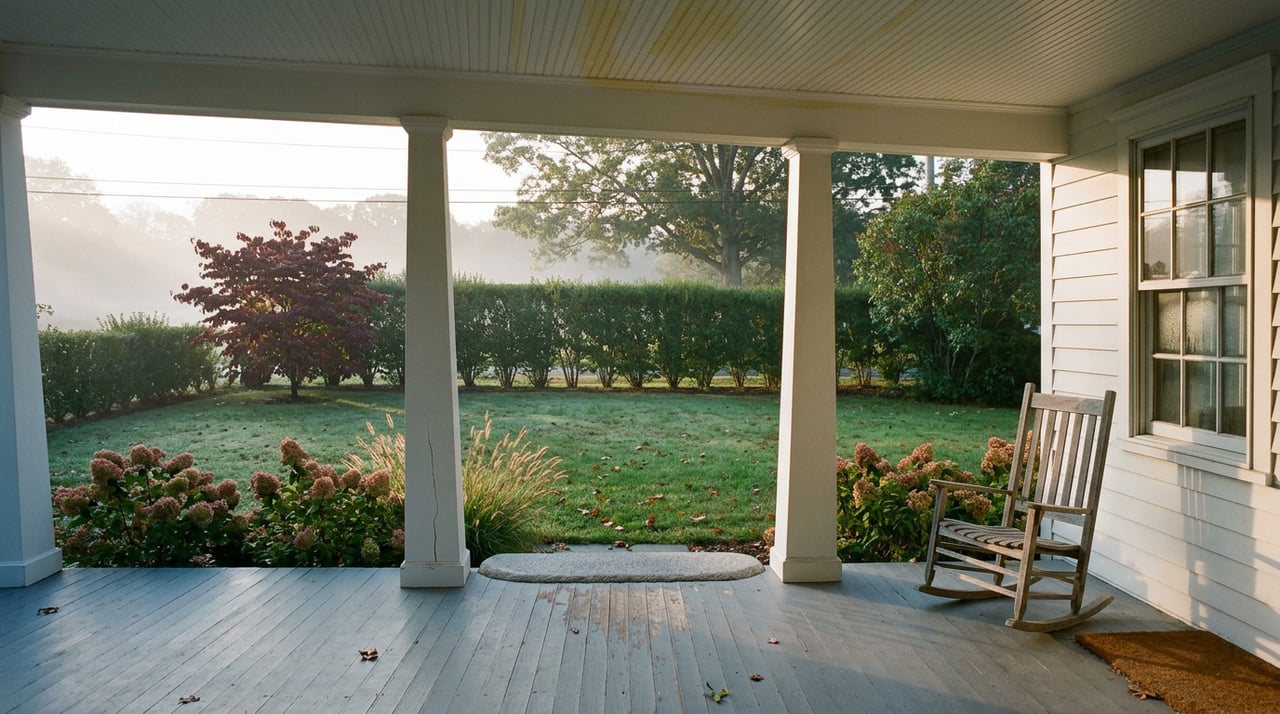
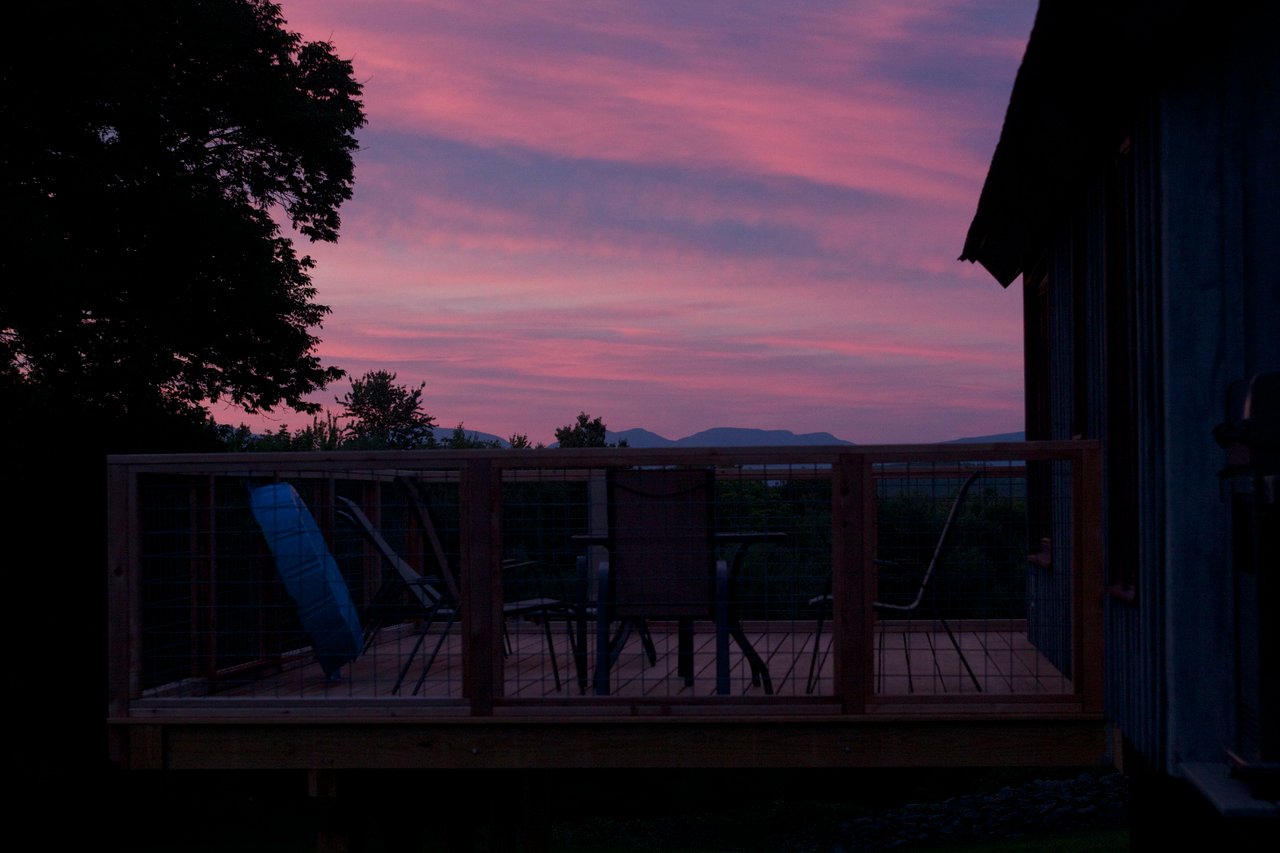
In summer, mornings start with coffee on the porch before a waterfall hike or a ride. Afternoons flow into farmers’ markets, a casual meal and time on a deck as the light drops through the trees. Shoulder seasons are quieter, which many owners love. You get clearer trails, easier restaurant reservations and a little more breathing room downtown.
Is Tannersville a fit for you
Choose Tannersville if you want a colorful village base close to serious skiing and four-season trail access. The drive is realistic for frequent weekends, but you will want a plan for winter maintenance and property care when you are away. If you value walking to dinner, consider a village house. If you want lock-and-leave convenience near lifts, a condo can be ideal. If privacy and space matter most, a rural cabin may be the right move.
Whichever path you choose, align the property with how you will actually use it. Confirm utilities, internet, inspections and any rental rules early. Then focus on the lifestyle that brought you here in the first place.
Ready to explore homes that fit your Catskills life? Connect with Joseph Satto for a tailored search, neighborhood guidance and on-the-ground advice from city to country.
FAQs
How far is Tannersville from NYC for second-home owners
- Most owners plan for a 2 to 3 hour drive under typical conditions, which makes frequent weekend use realistic but not a daily commute.
What are the closest ski areas to Tannersville
- Hunter Mountain is the closest major resort, with Windham Mountain also within an easy drive, offering lift-served skiing and year-round events.
What property types are common in Tannersville, NY
- You will see village historic homes, ski-area condos and townhomes, rural cabins on larger lots and occasional vacant land for custom builds.
Do Tannersville homes often have wells and septic systems
- Many rural and some village-area properties rely on private wells and septic systems, which require thorough inspection and regular maintenance.
Are short-term rentals allowed in Tannersville and Hunter
- Rules vary by jurisdiction and can change, so verify current village and town ordinances for licensing, safety standards, occupancy limits and zoning.
What inspections should I prioritize before buying in the Catskills
- Focus on well and septic evaluations, roof and insulation, heating systems, chimney safety where applicable and driveway access and drainage.
Is high-speed internet reliable in and around Tannersville
- Service levels vary by micro-location; confirm actual providers and tested speeds at the specific property, especially outside the village center.