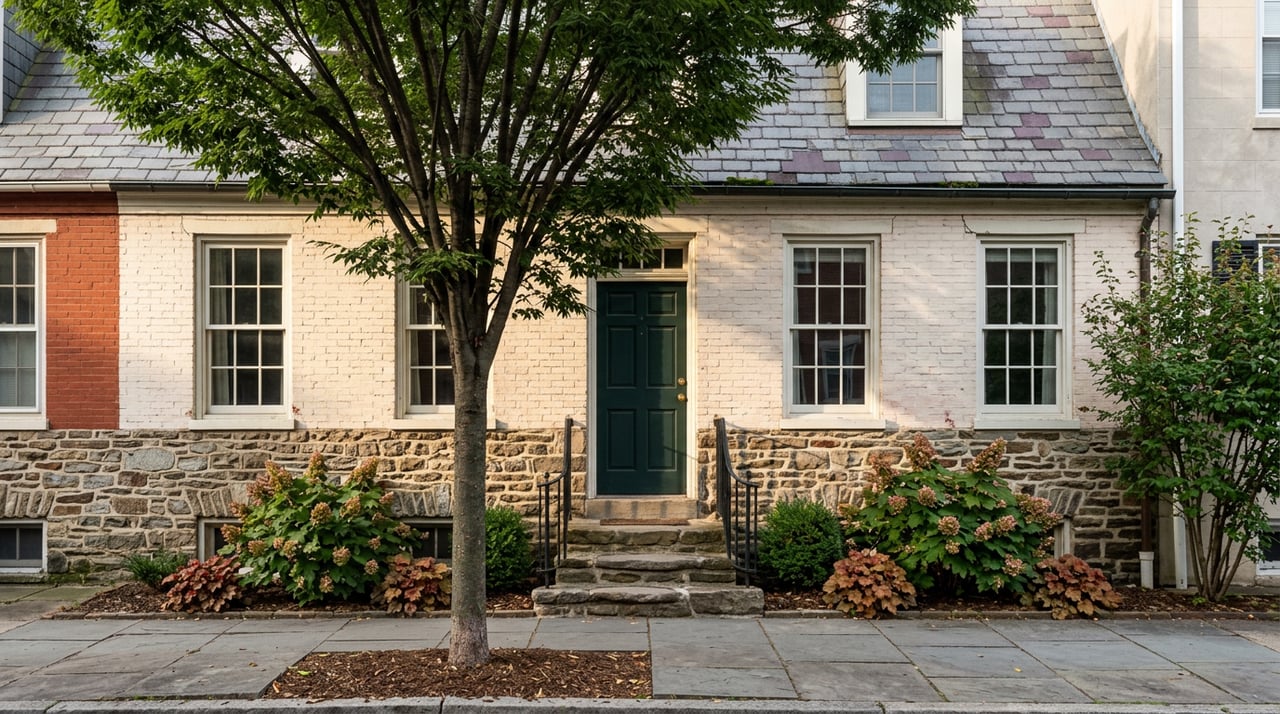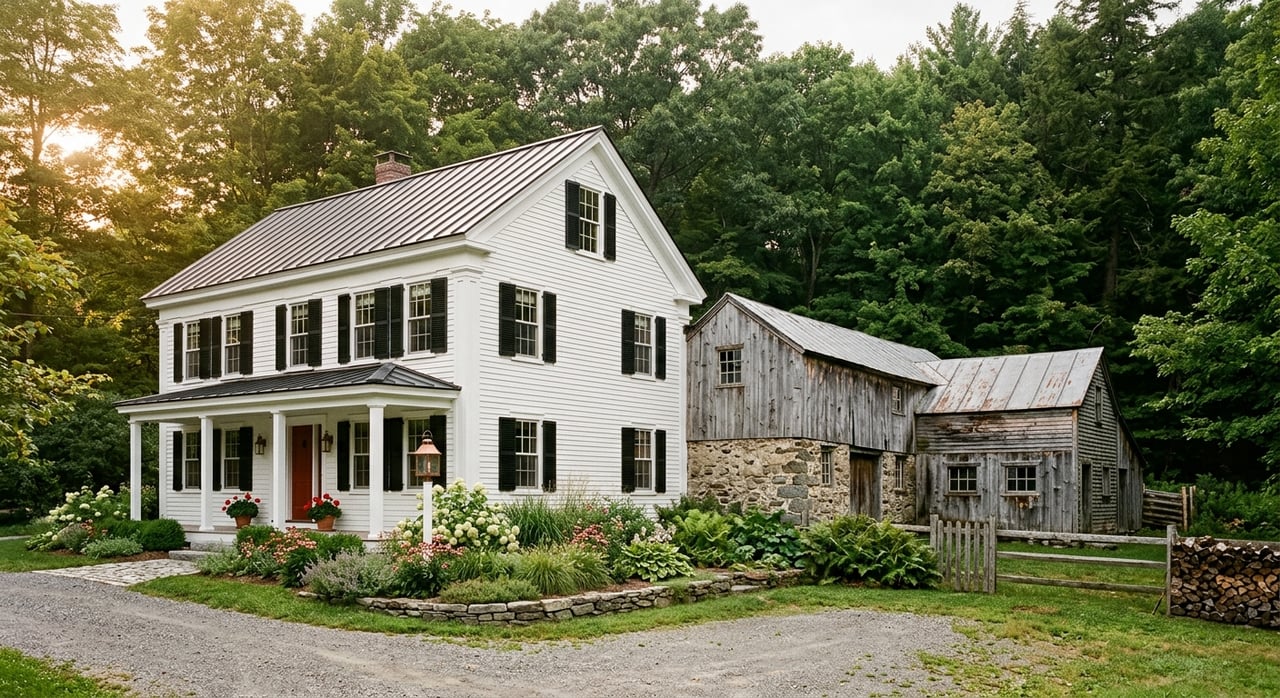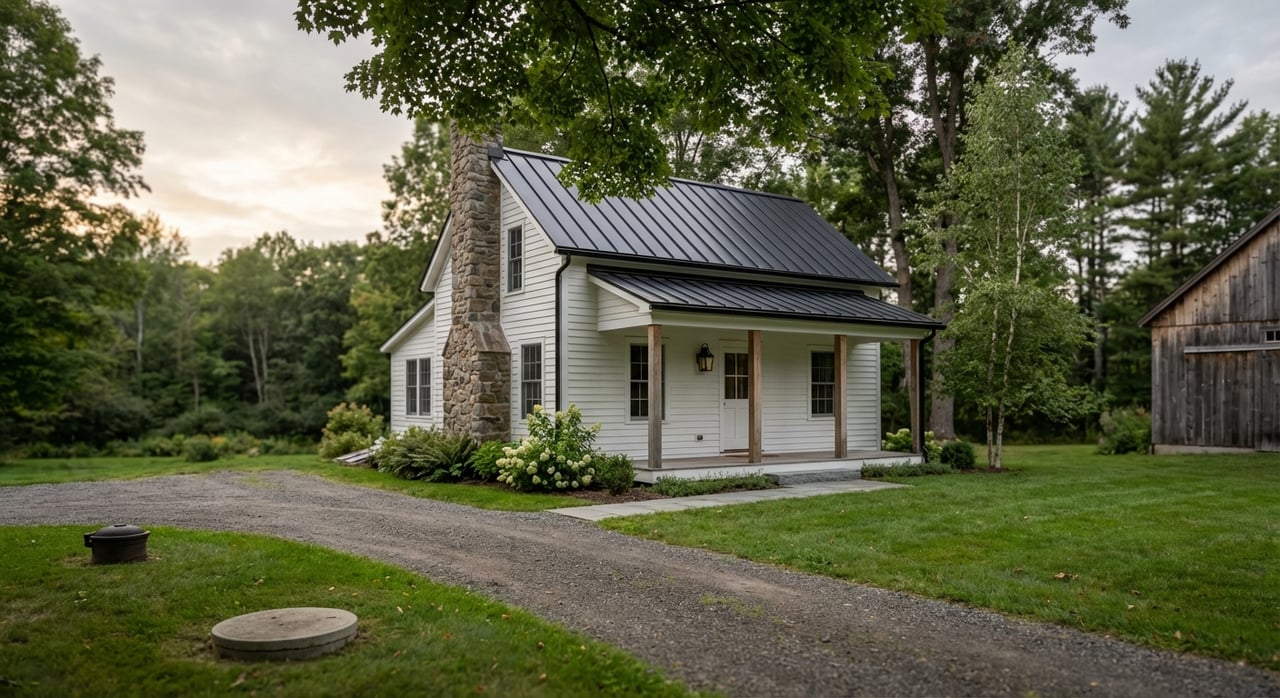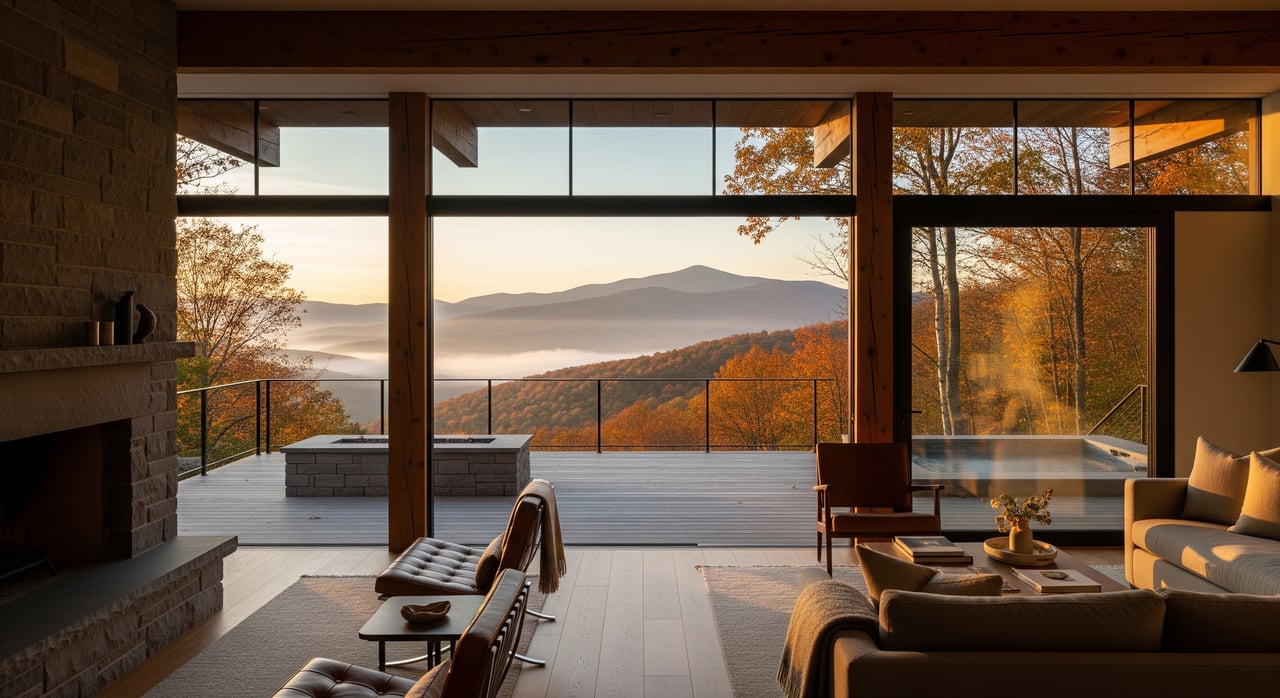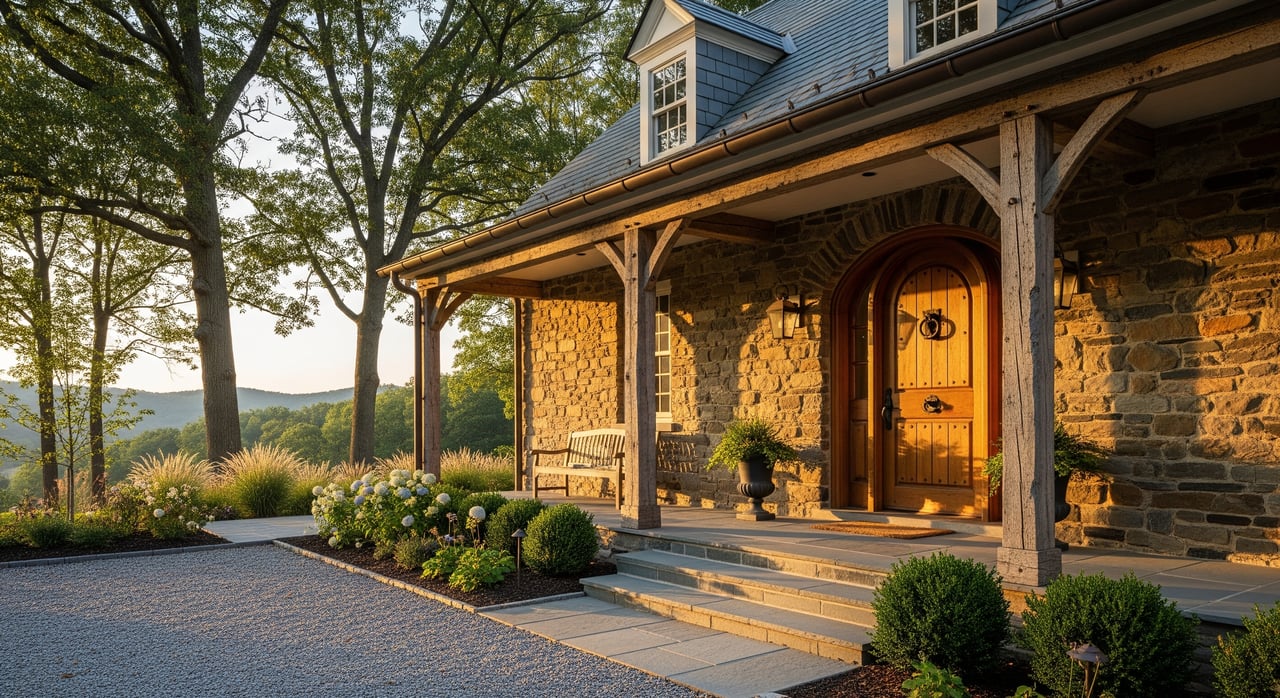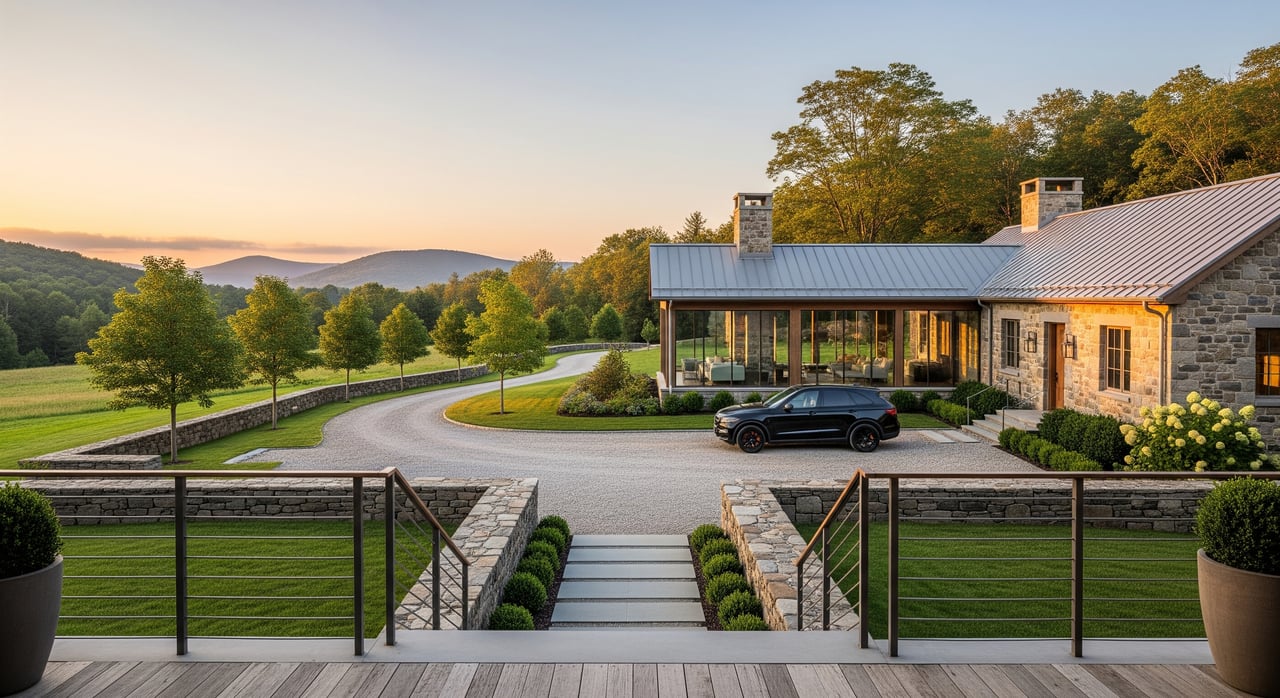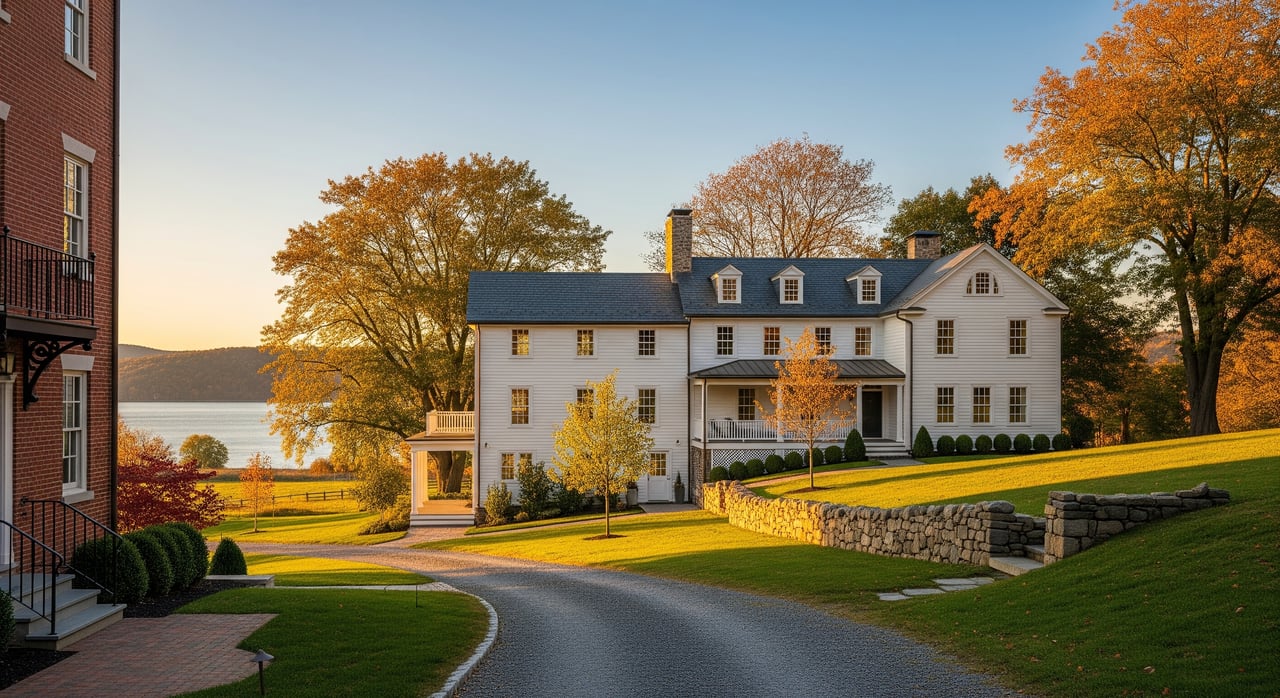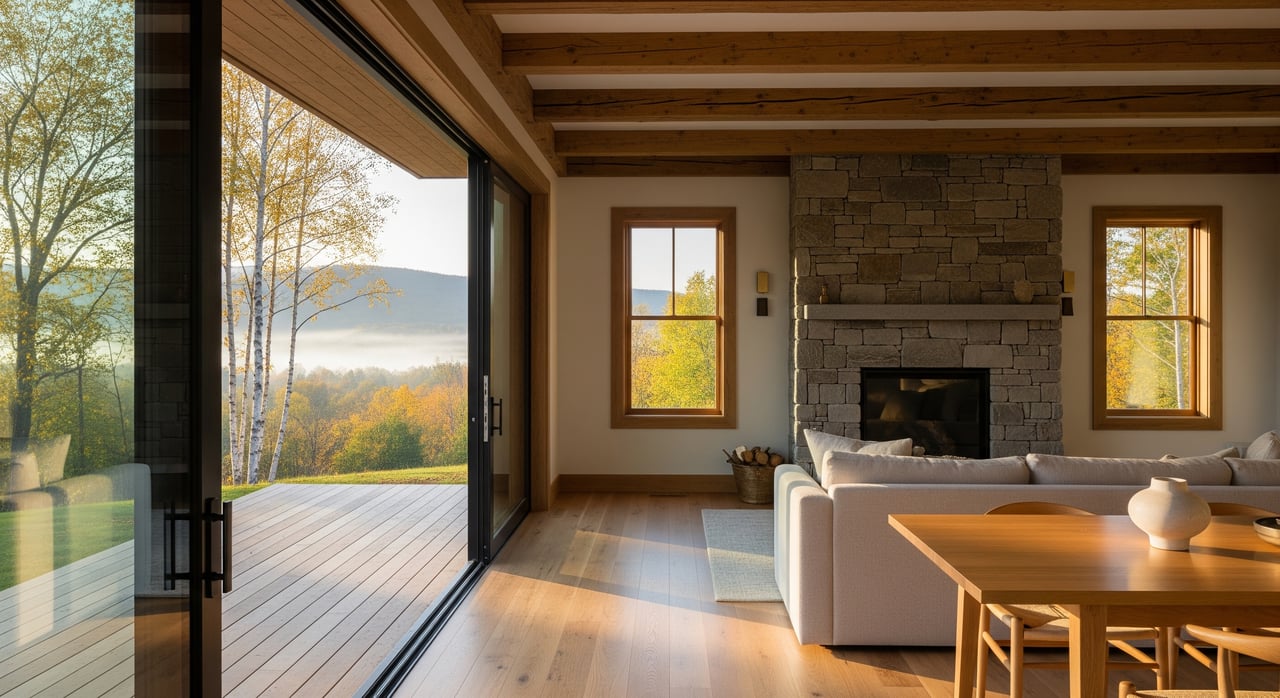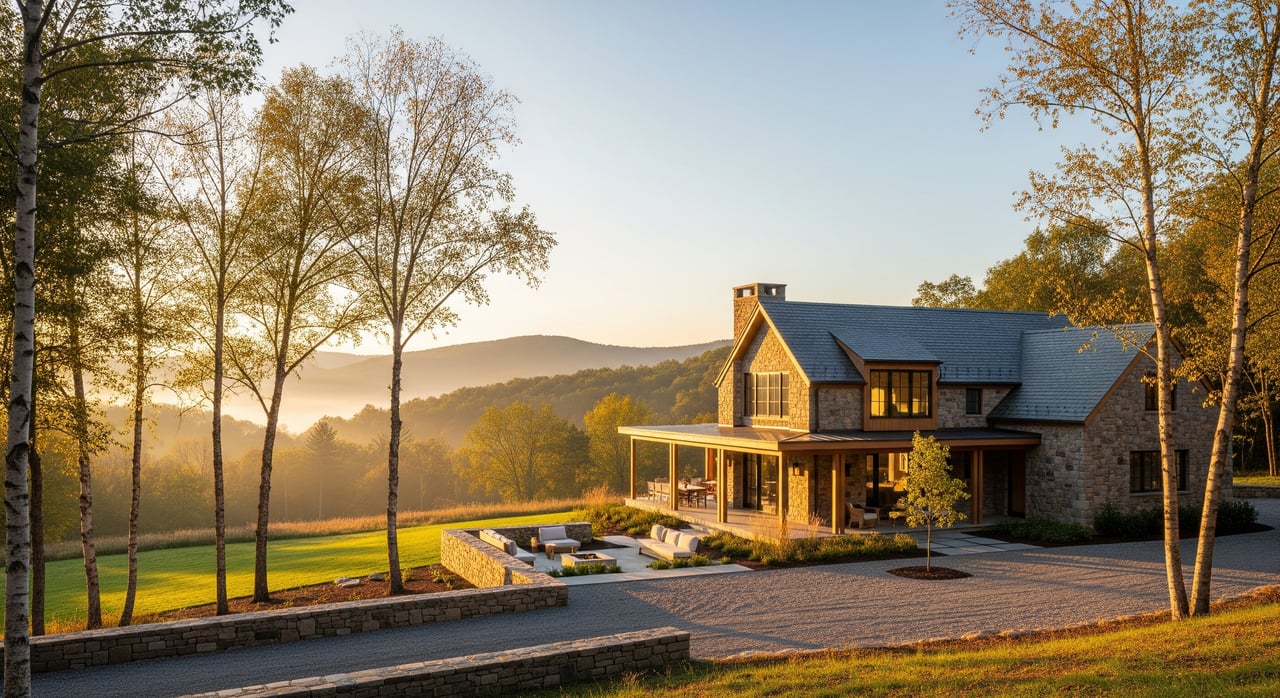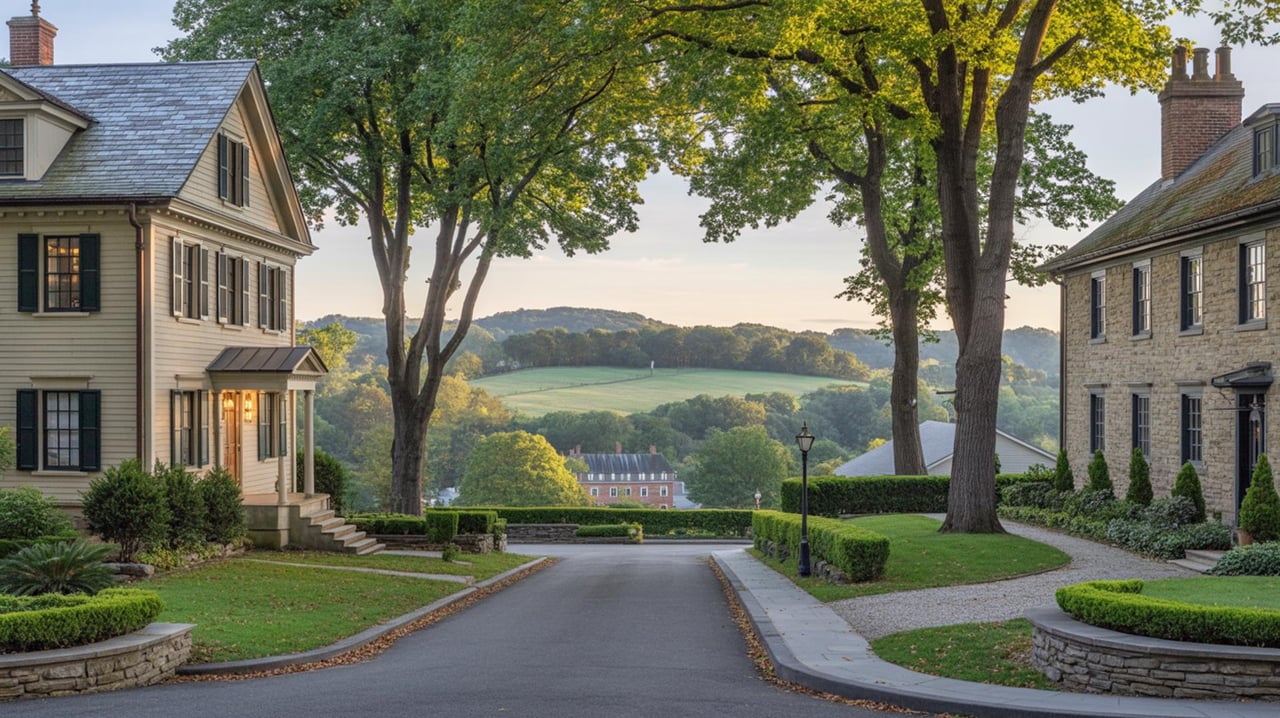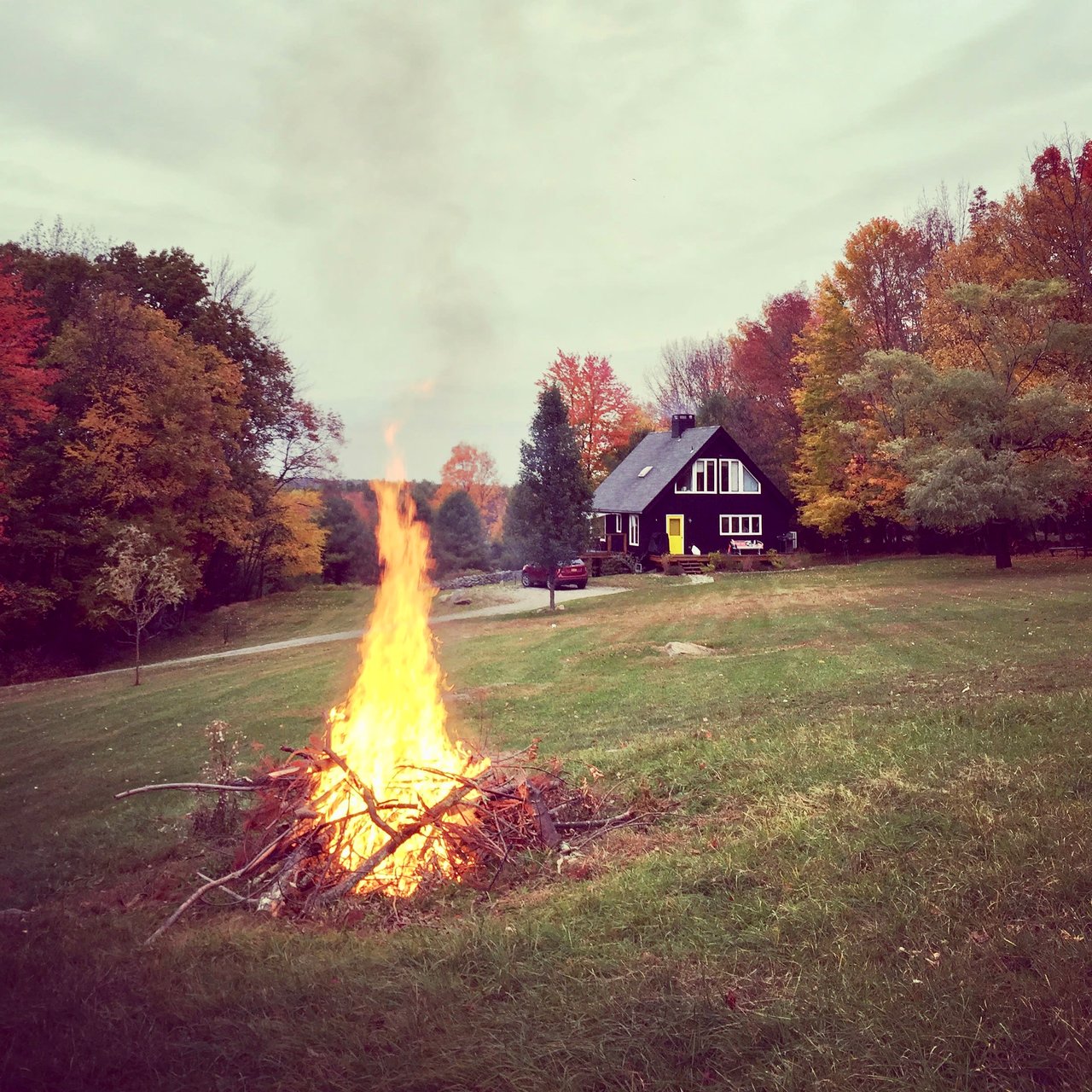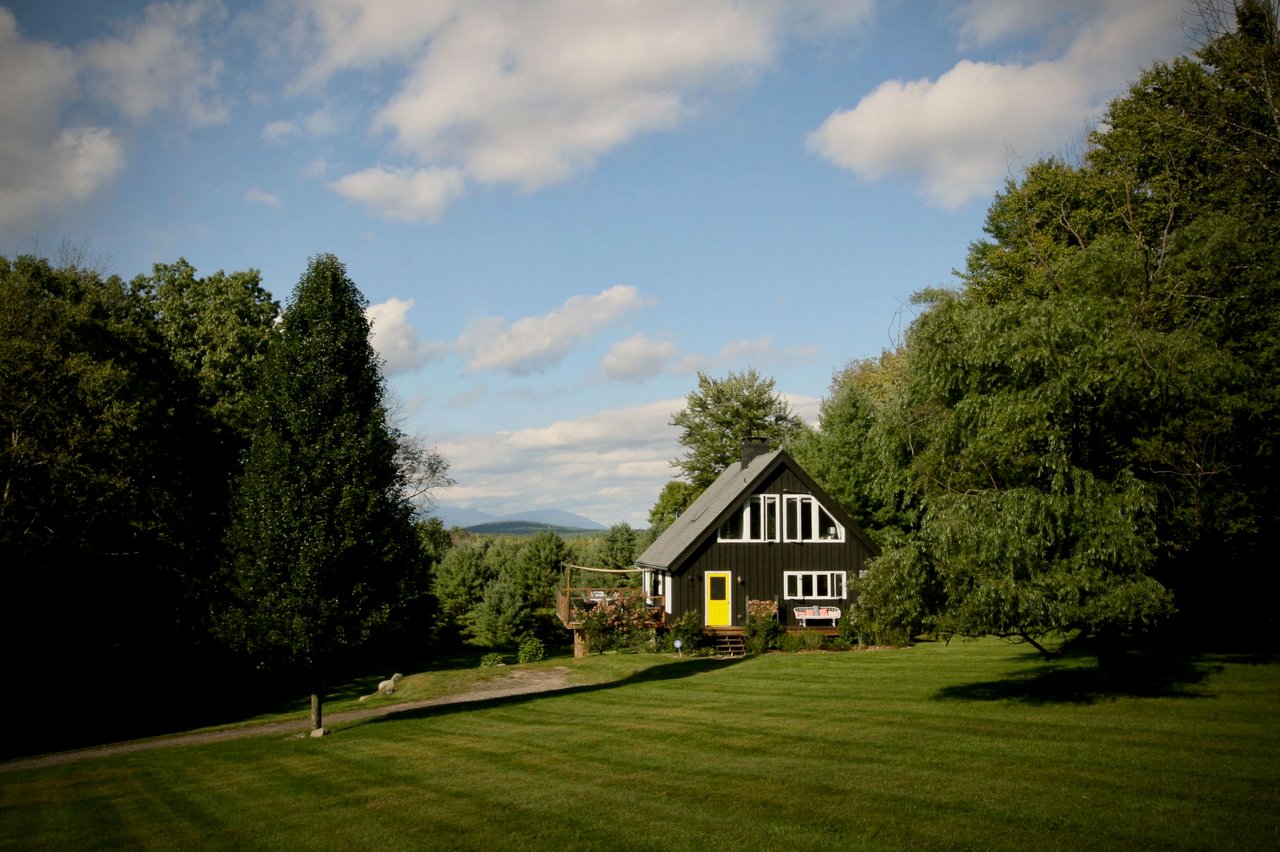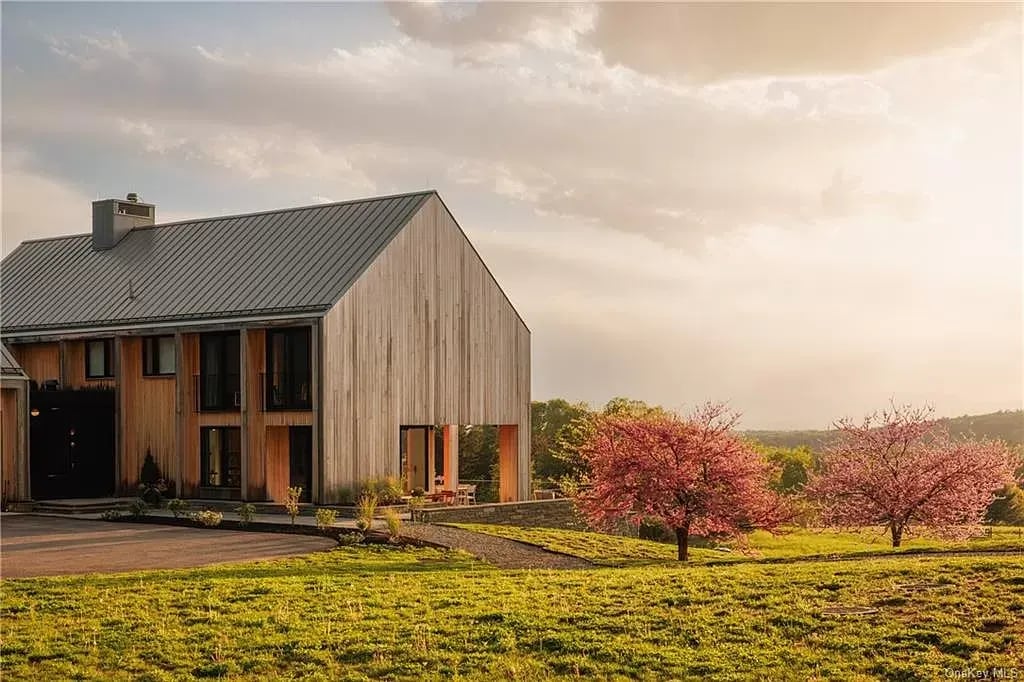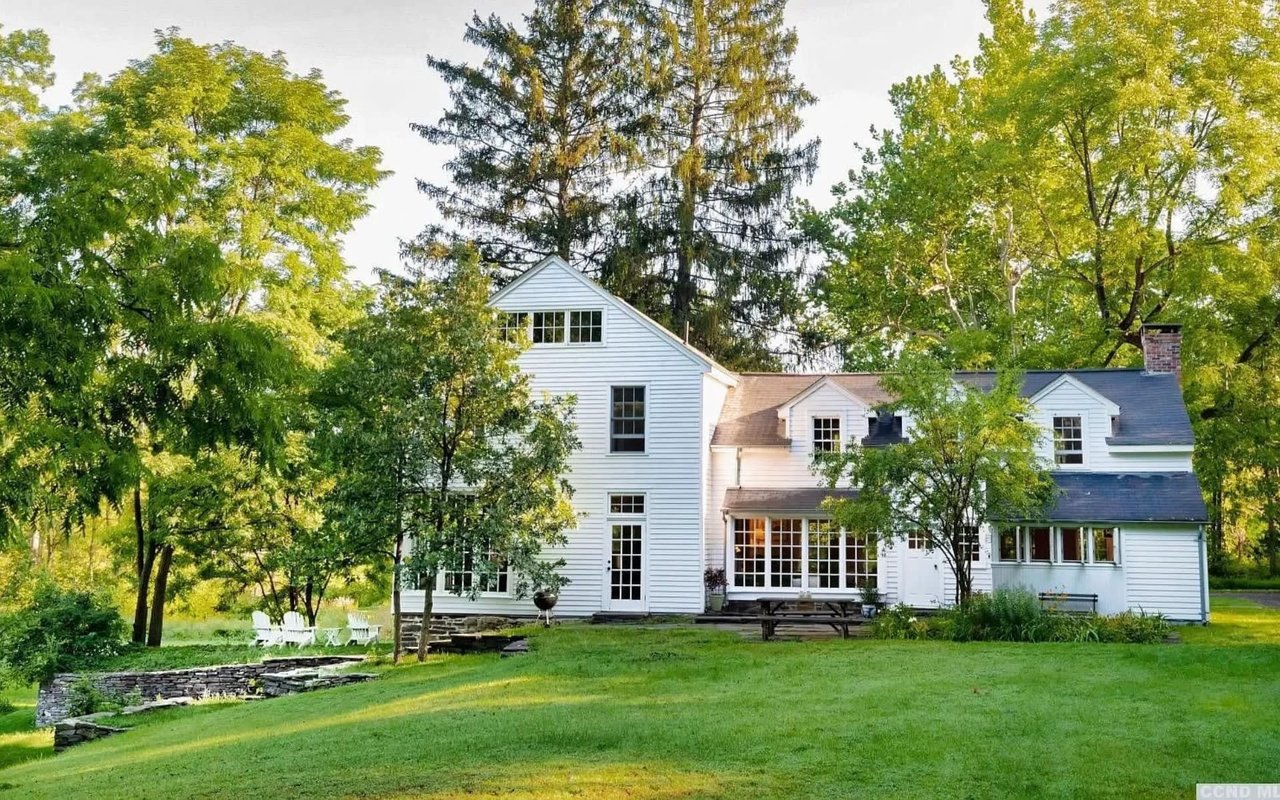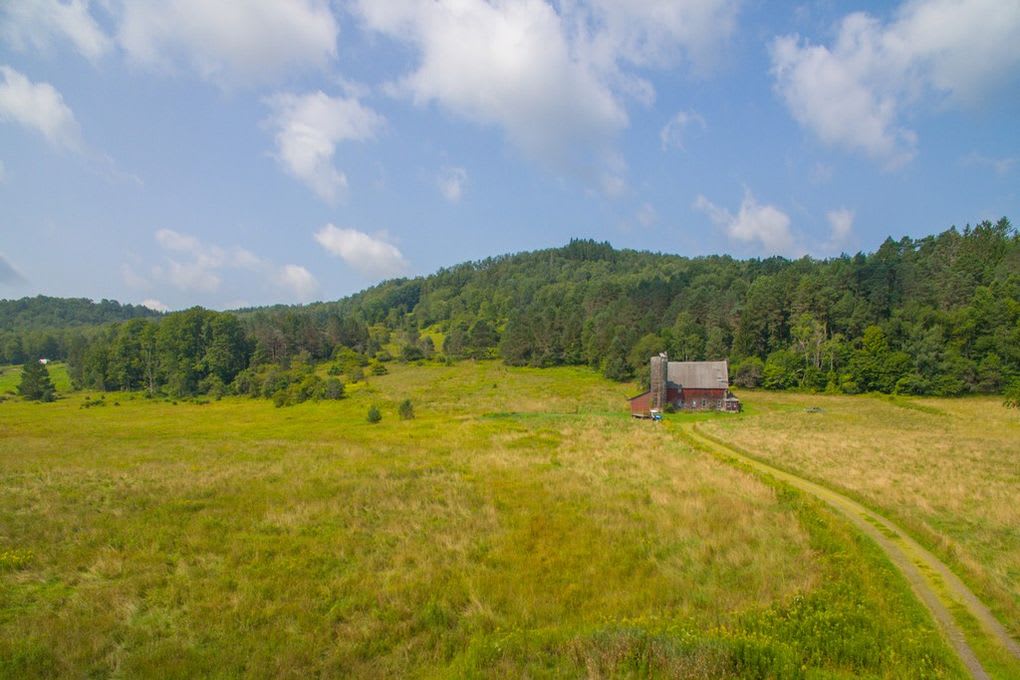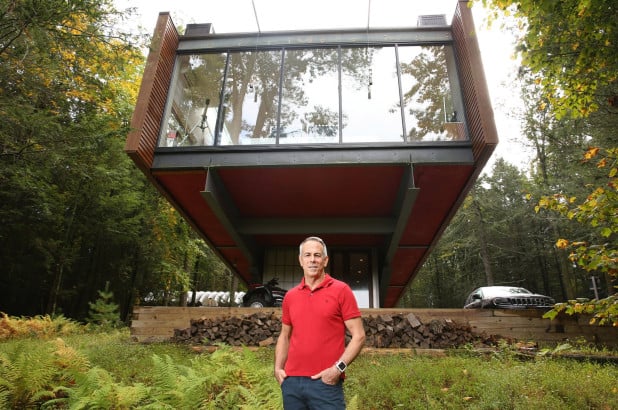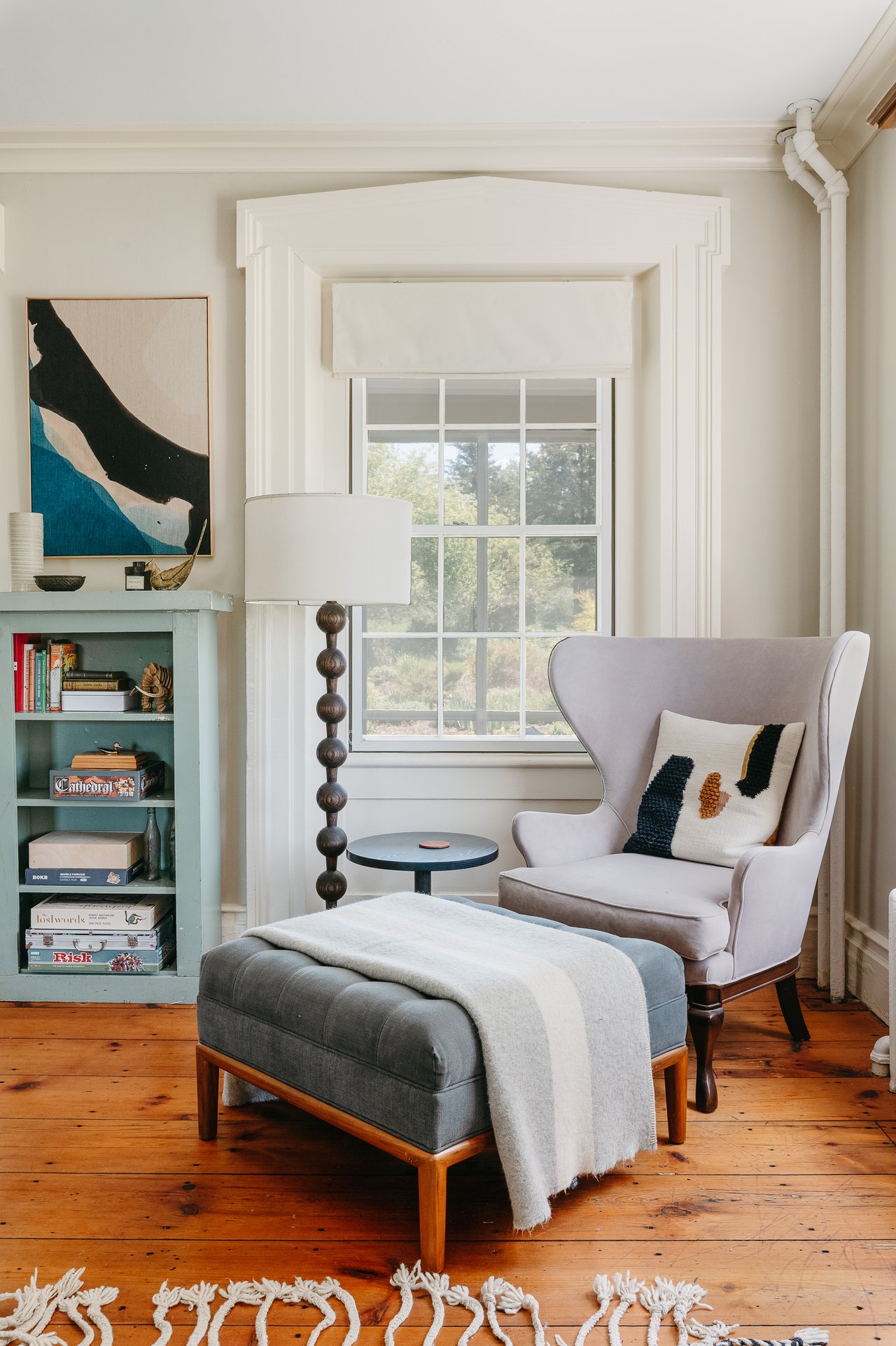
Despite national headlines predicting a housing cooldown, the Catskills and Hudson Valley real estate market tells a different story — one driven by critically low inventory, persistent demand from New York City buyers, and home values that continue to rise even as other markets flatten. While Sunbelt cities grapple with price corrections and buyers gain leverage in the South, the Catskills remains one of the most supply-constrained markets in the Northeast—a distinction that protects the long-term value of every home in the region.
Why National Headlines Don’t Apply Here
When a financial outlet reports that home prices are cooling, they are usually talking about markets like Phoenix, Austin, or Tampa. These areas saw a massive construction boom and remote-work speculation that eventually led to a glut of inventory.
The Catskills never had that problem. Here, the challenge has always been a structural shortage. This shortage predates the pandemic and was cemented by the buying frenzy of 2020–2021. As of March 2026, inventory remains the dominant force. As long as supply stays at these historic lows, the price declines predicted by national media simply have no mechanism to occur here.
Key Insight: National trends are driven by inventory-heavy markets. The Catskills operates under a "Scarcity Model"—buyers waiting for a national-style correction may be waiting indefinitely.
The 2026 Standoff: Why Sellers Aren’t Selling
One of the most significant forces suppressing inventory right now is the "Rate Lock" effect—or what we call the Golden Handlock.
-
The Math: Many Catskills homeowners locked in mortgage rates around 3% during the pandemic.
-
The Reality: Today, prevailing rates are hovering near 6.11%.
-
The Result: For a homeowner sitting on a $700,000 home, moving to a comparable property would nearly double their monthly interest payment.
This is not a temporary glitch. Until rates move significantly closer to the 5% mark, these homeowners have a massive financial incentive to stay put. This keeps quality homes off the market and ensures the window to buy isn't widening as quickly as some hope.
What the Data Shows: Prices Are Still Climbing
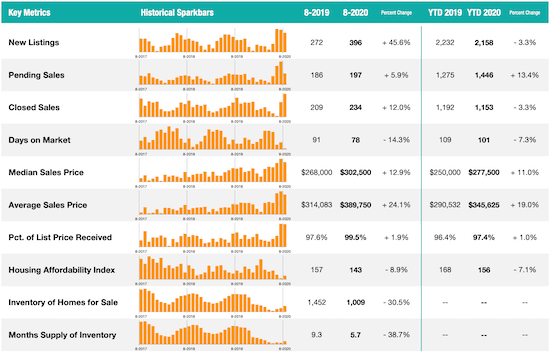
The 2025/2026 Housing Reports for the region tell a story of incredible resilience. For the first time in history, the median cost of a home reached $350,000 or greater in every single Hudson Valley county.
Market Comparison: National vs. Local (Early 2026)
| Metric | National Trend | Catskills / Hudson Valley |
| Inventory | Recovering (Up ~15% YoY) | Critically Low (~60% below 2019 levels) |
| Median Price | Flat or slightly declining in Sunbelt | Rising: Sullivan County median up to ~$375,000 |
| Buyer Leverage | Neutral / Buyer-Leaning | Seller-Leaning Standoff |
| Days on Market | ~30–45 Days | Measured: ~70–110 Days |
Sullivan County remains a standout. Median prices have risen from roughly $144,900 in 2019 to approximately $375,000 in early 2026. That is a 141%+ increase in seven years. This is not a market in distress; it is a market where scarcity has created lasting, compounding value.
What This Means If You’re Buying
If you're waiting for a "crash," the data isn't on your side. However, the market has matured. The "frenzy" of 2021—where buyers waived inspections and bid 30% over asking—is behind us.
-
Proper Due Diligence: You can now take your time and conduct inspections.
-
Negotiation Power: While prices are high, most homes are selling for roughly 97% of their list price rather than way above it.
-
Selectivity: You aren't buying into a declining market, but you are buying into a measured one.
Buyer Tip: Don’t confuse "slower pace" with "falling prices." In the Catskills, the return to a normal transaction speed is simply the market catching its breath, not losing its value.
What This Means If You’re Selling
If you own a home here, those national "housing gloom" headlines aren't describing your backyard.
-
Limited Competition: The "Golden Handlock" is keeping your neighbors from listing their homes, meaning your property faces very little competition.
-
Persistent Demand: The proximity to NYC (the "two-hour escape valve") ensures a steady stream of well-qualified buyers regardless of interest rate cycles.
-
The Luxury Floor: High-end sales in towns like Woodstock, Hudson, and Livingston Manor remain robust, providing a valuation anchor for the entire region.
Why the Catskills Remains Insulated
-
Zero Overbuild: Unlike Florida or Texas, there was no surge of speculative new construction here that now needs to be absorbed.
-
Lifestyle Scarcity: The arts culture, farm-to-table scene, and natural beauty cannot be mass-produced. This creates a "lifestyle moat" around property values.
-
The NYC Factor: As long as Manhattan remains a global hub, the Catskills will be its premier retreat.
The Final Takeaway
The 2026 market is a standoff. Sellers with low rates are reluctant to move, and buyers are more price-sensitive. This lower transaction volume is often mistaken for a weak market, but the price data proves otherwise. Scarcity is the defining story of 2026.
Sources and Data References
-
Hudson Valley Pattern for Progress: 2025-2026 Annual Out of Reach Report. (Data regarding the $350k median price floor across all Hudson Valley counties).
-
New York State Association of Realtors (NYSAR): Housing Market Report, Q1 2026. (Verified 7.2% statewide median price increase and regional inventory deficits).
-
Sullivan County Real Estate Statistics: Historical Sales Data (2019–2026). (Verified 141% price appreciation in Sullivan County since 2019).
-
Freddie Mac / Mortgage Bankers Association: March 2026 Interest Rate Tracker. (Current national average rates hovering at 6.11%).
-
Regional Multiple Listing Service (MLS): Catskills/Hudson Valley Inventory Analysis. (Data showing active listings are ~60% below pre-pandemic levels).
-
National Association of Realtors (NAR): Sunbelt Market Correction Index. (Comparative data for Phoenix, Austin, and Tampa).