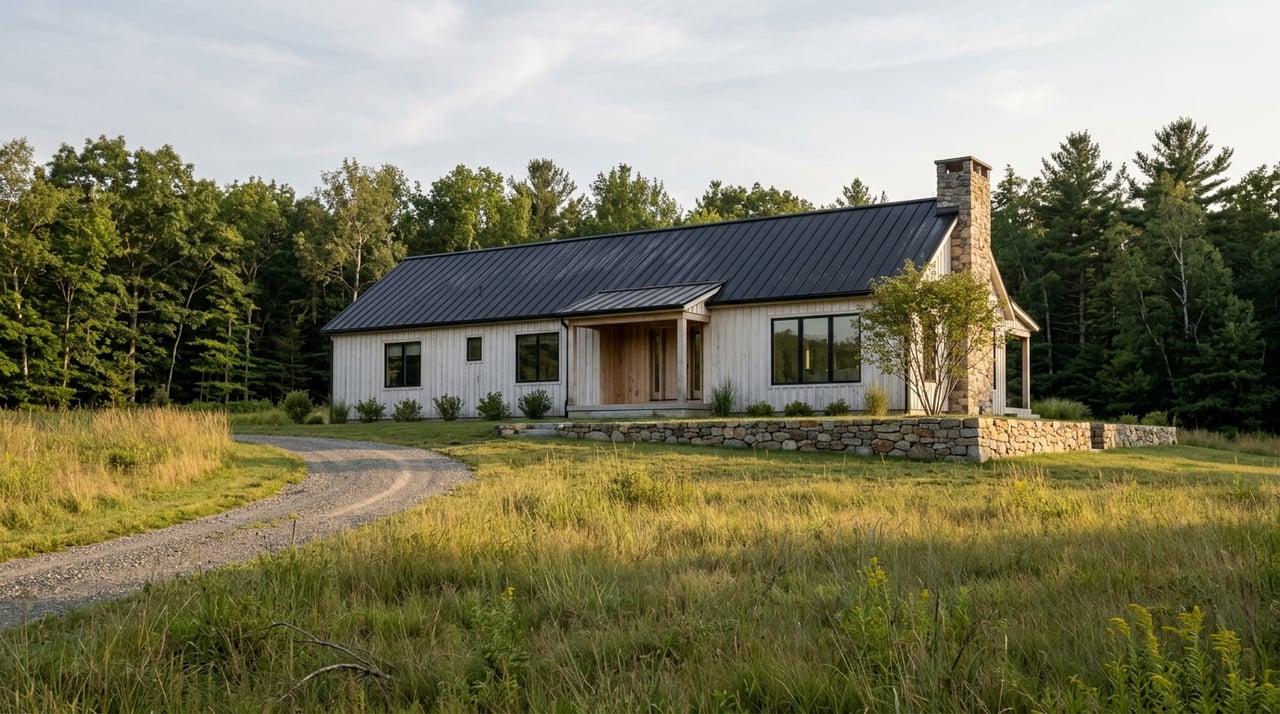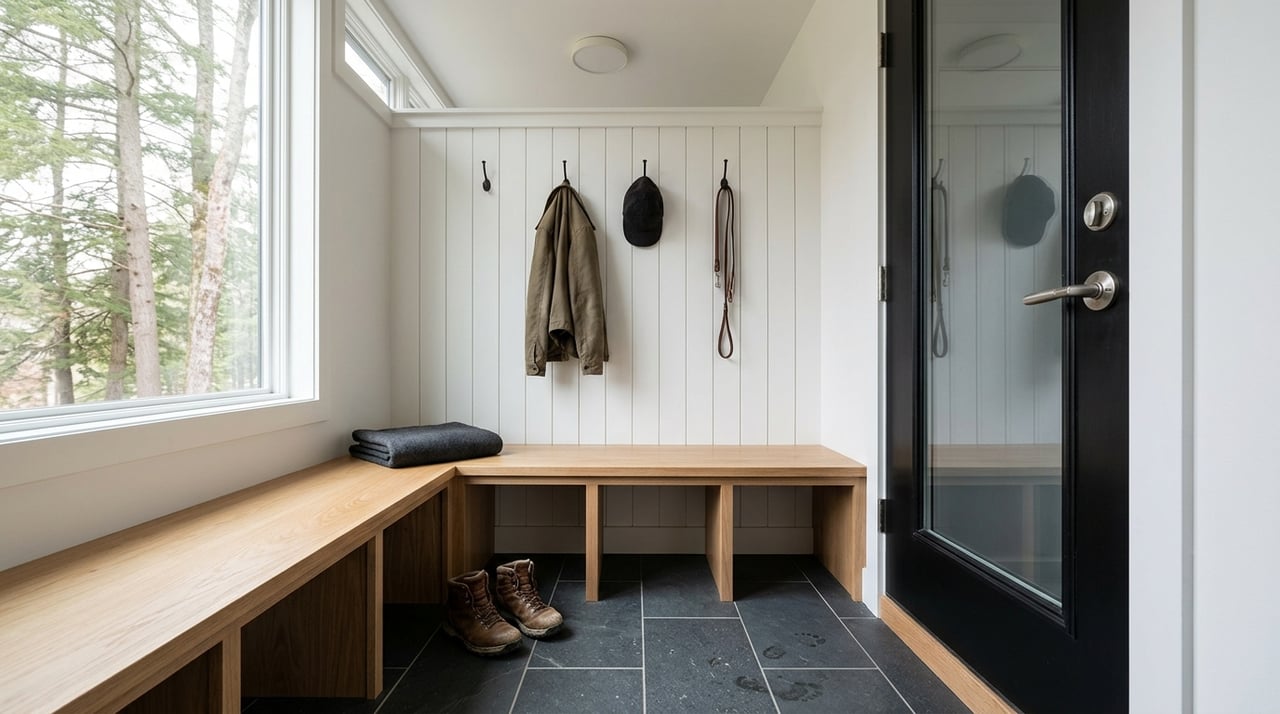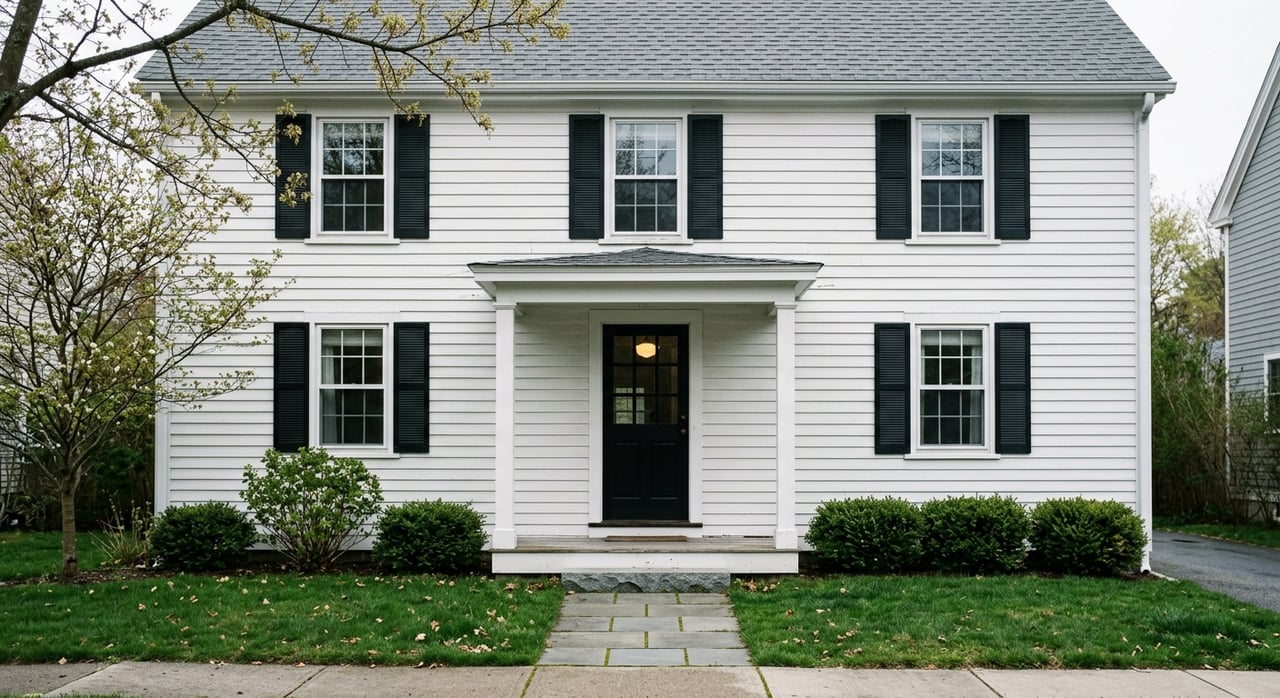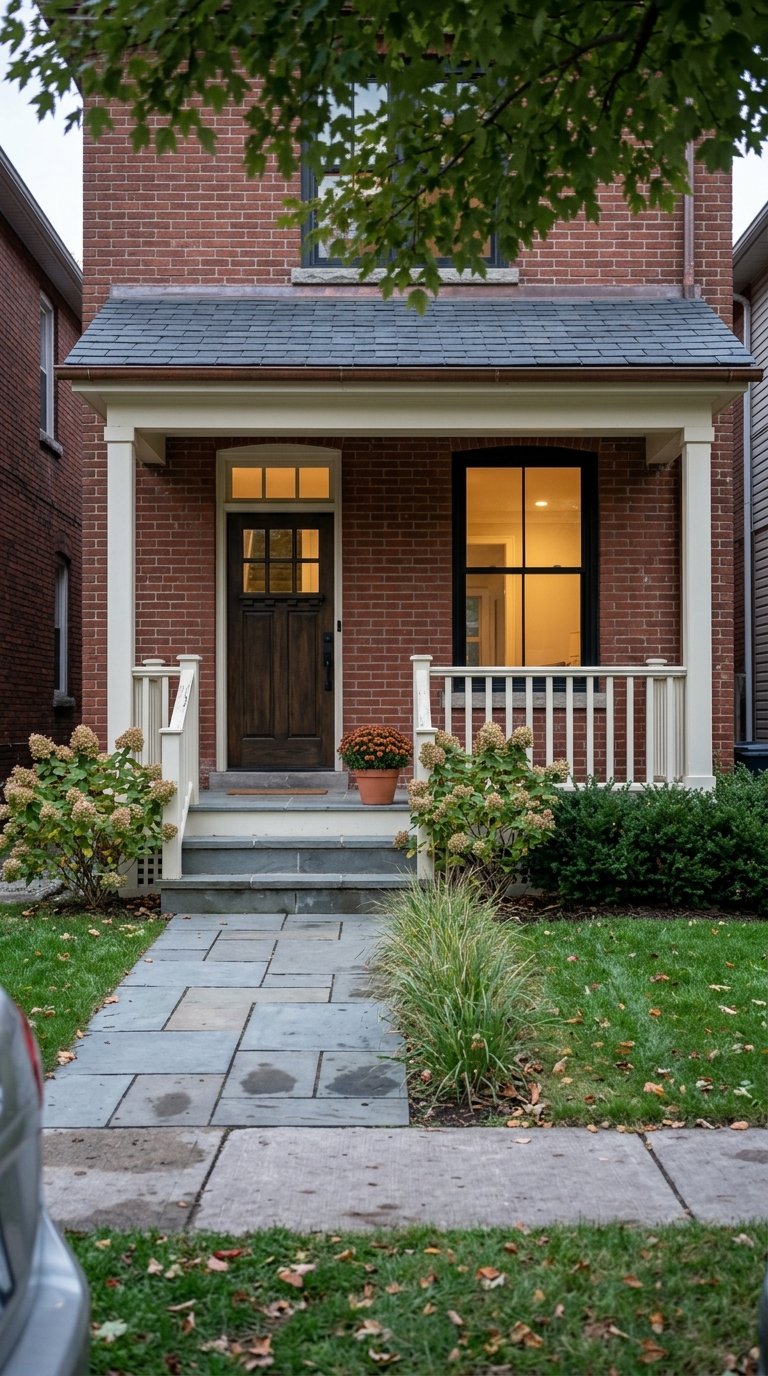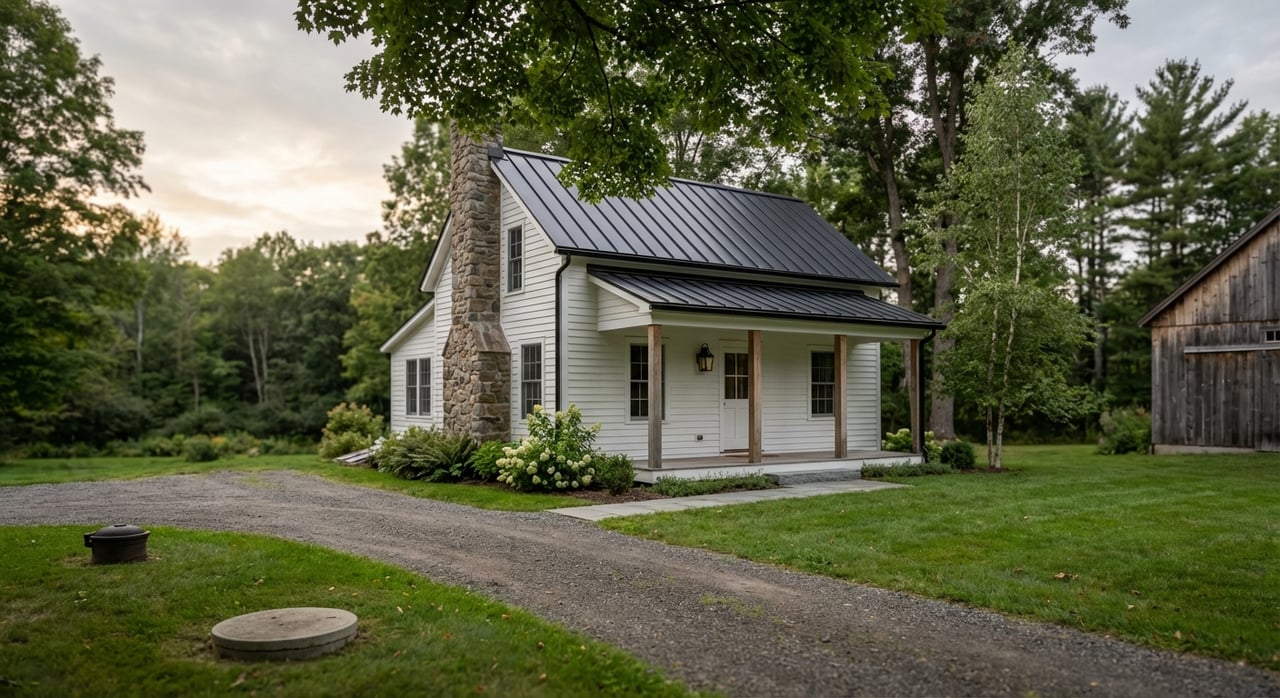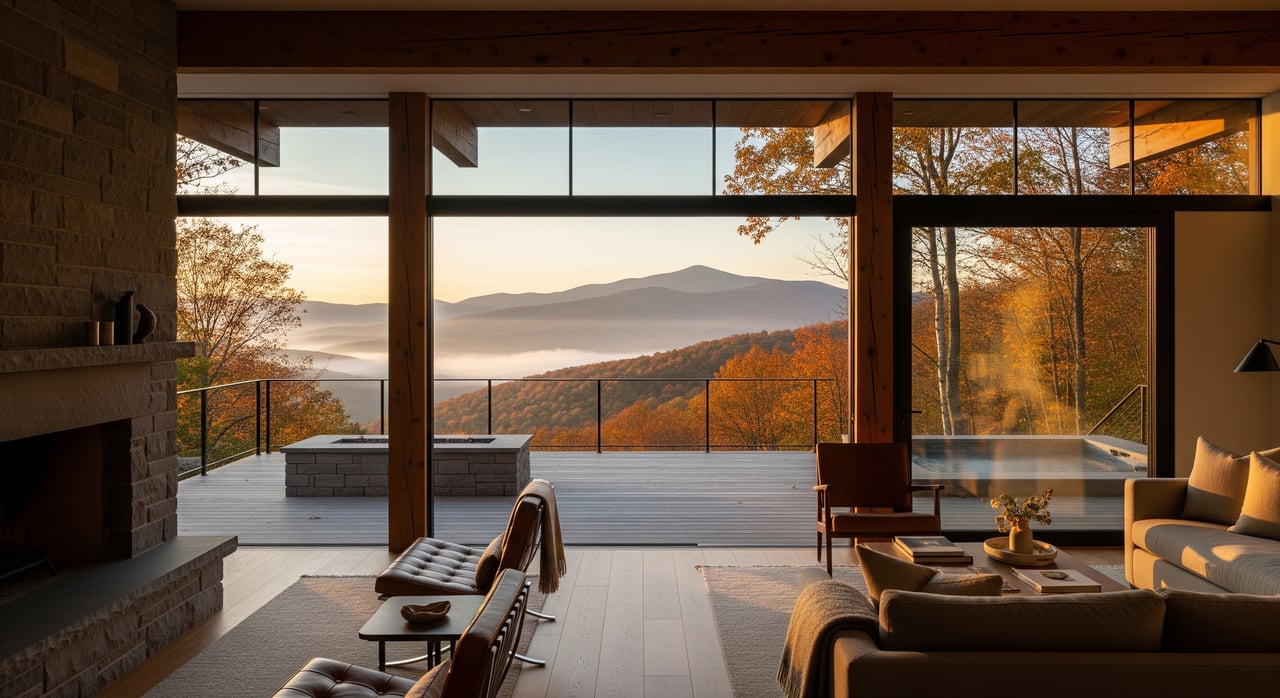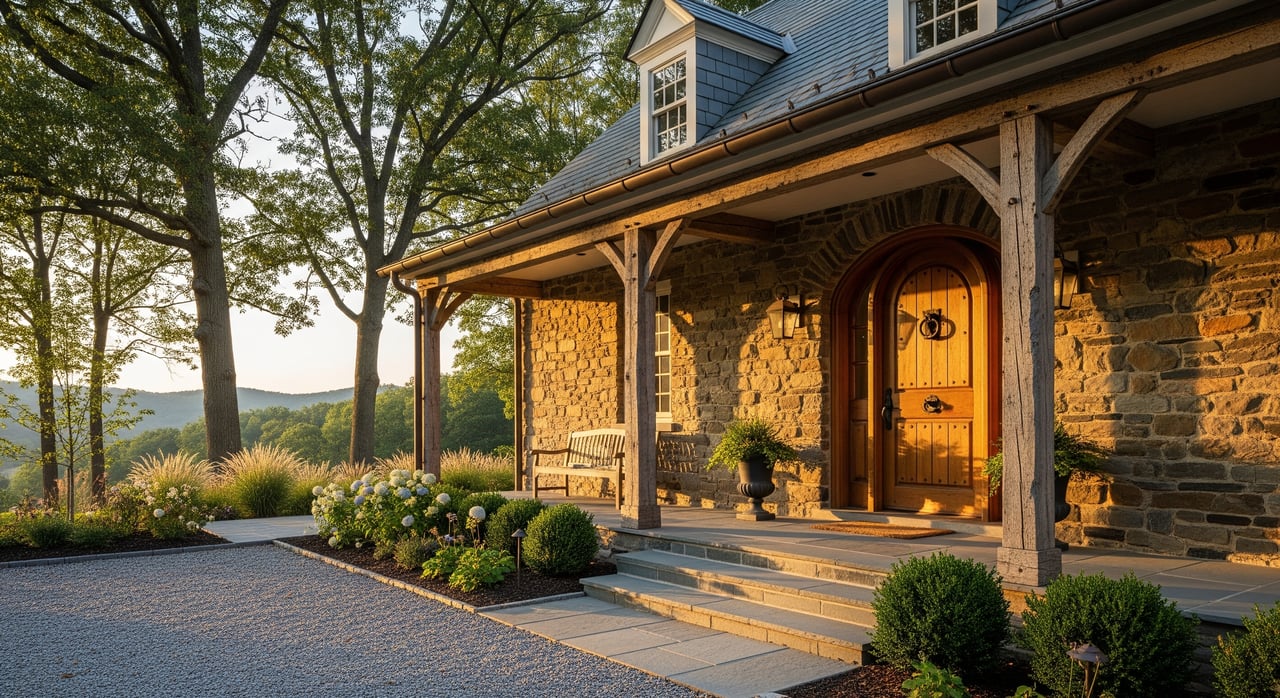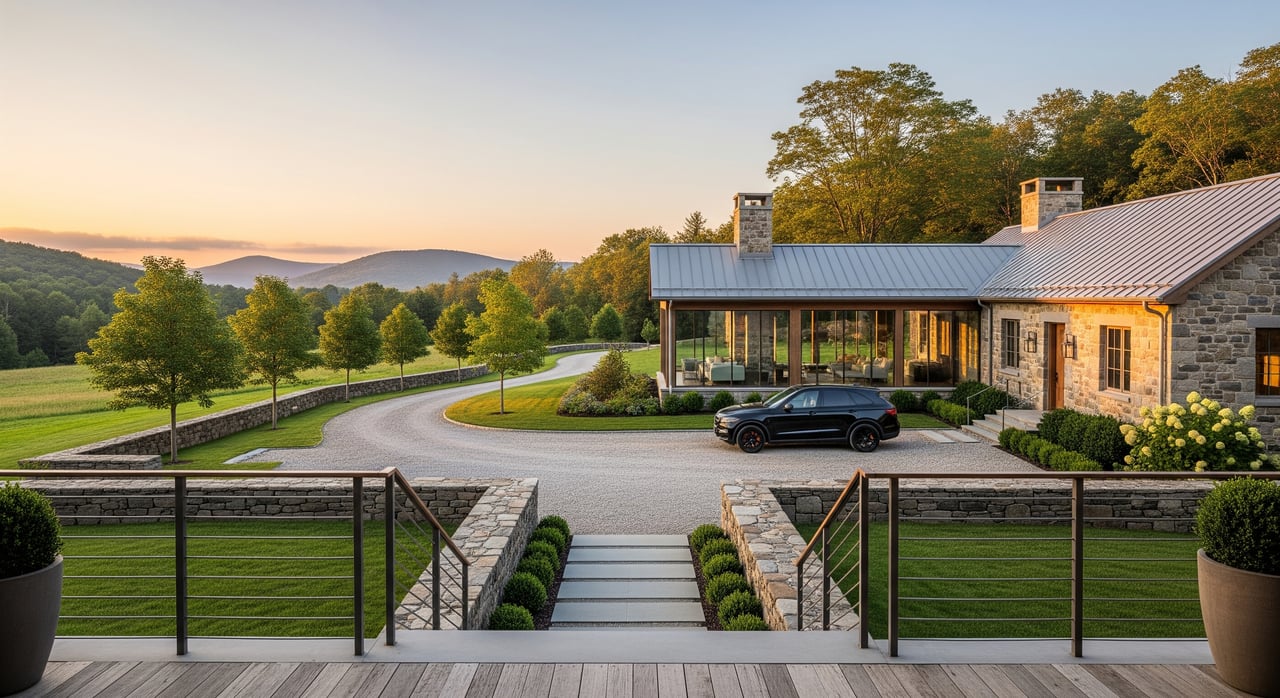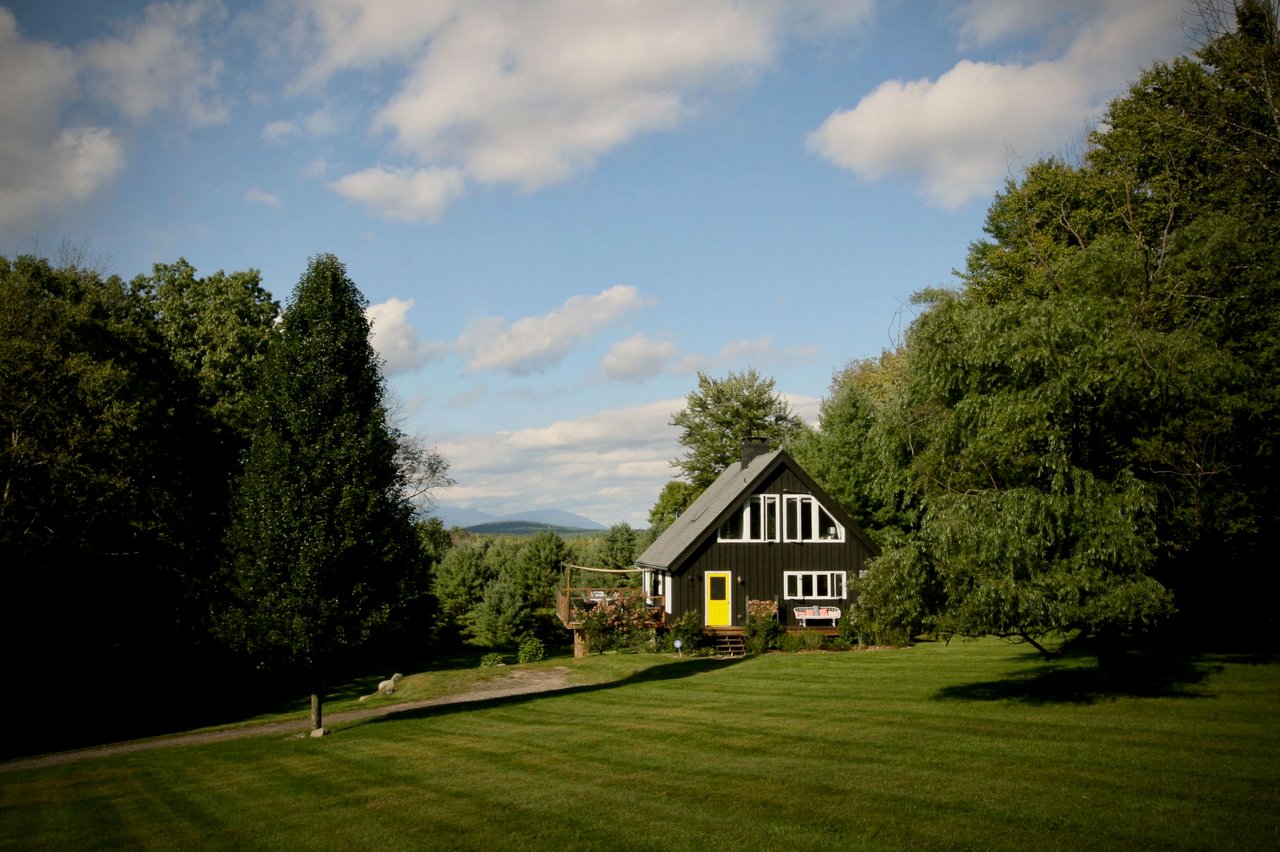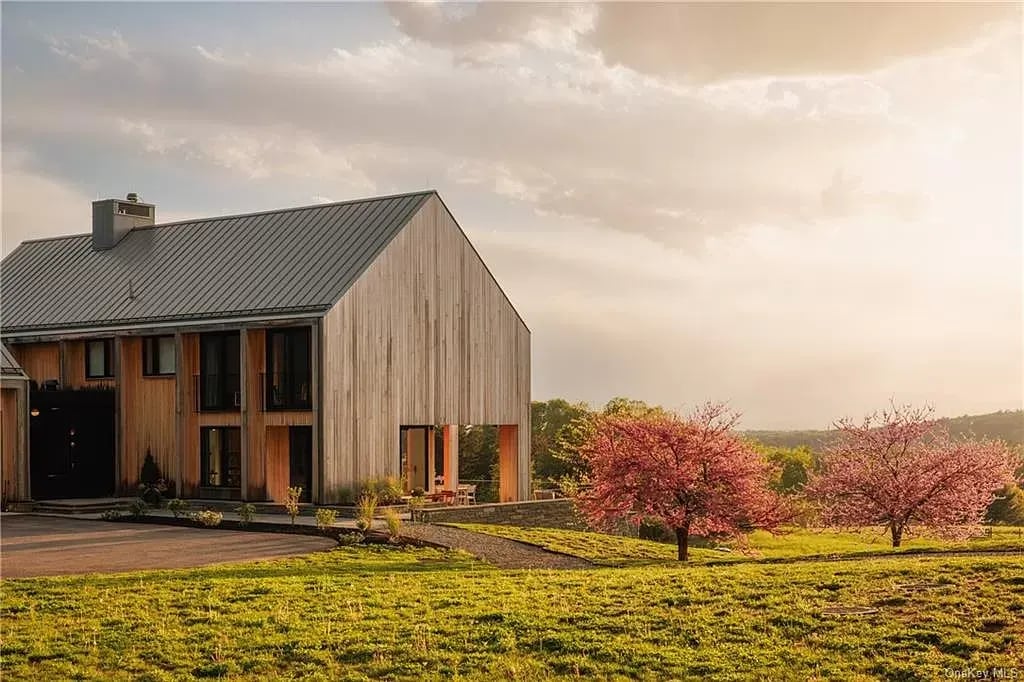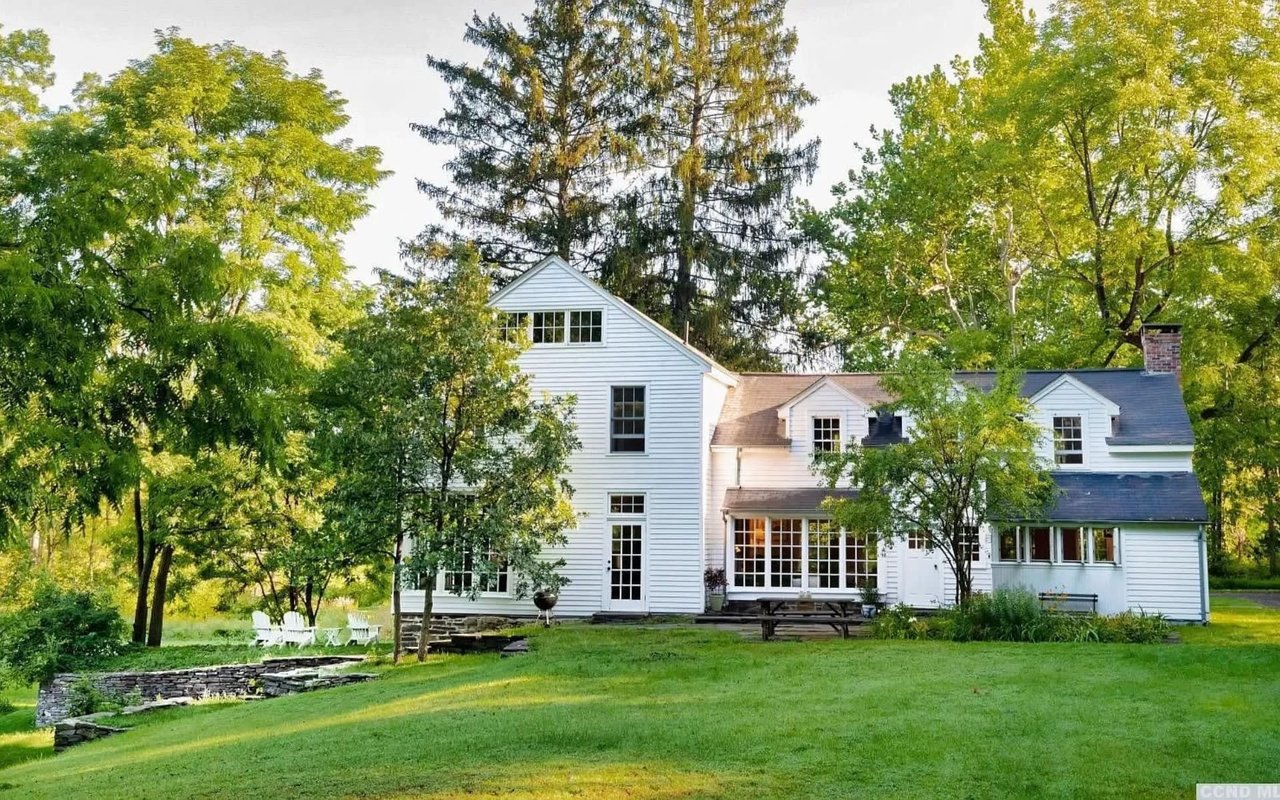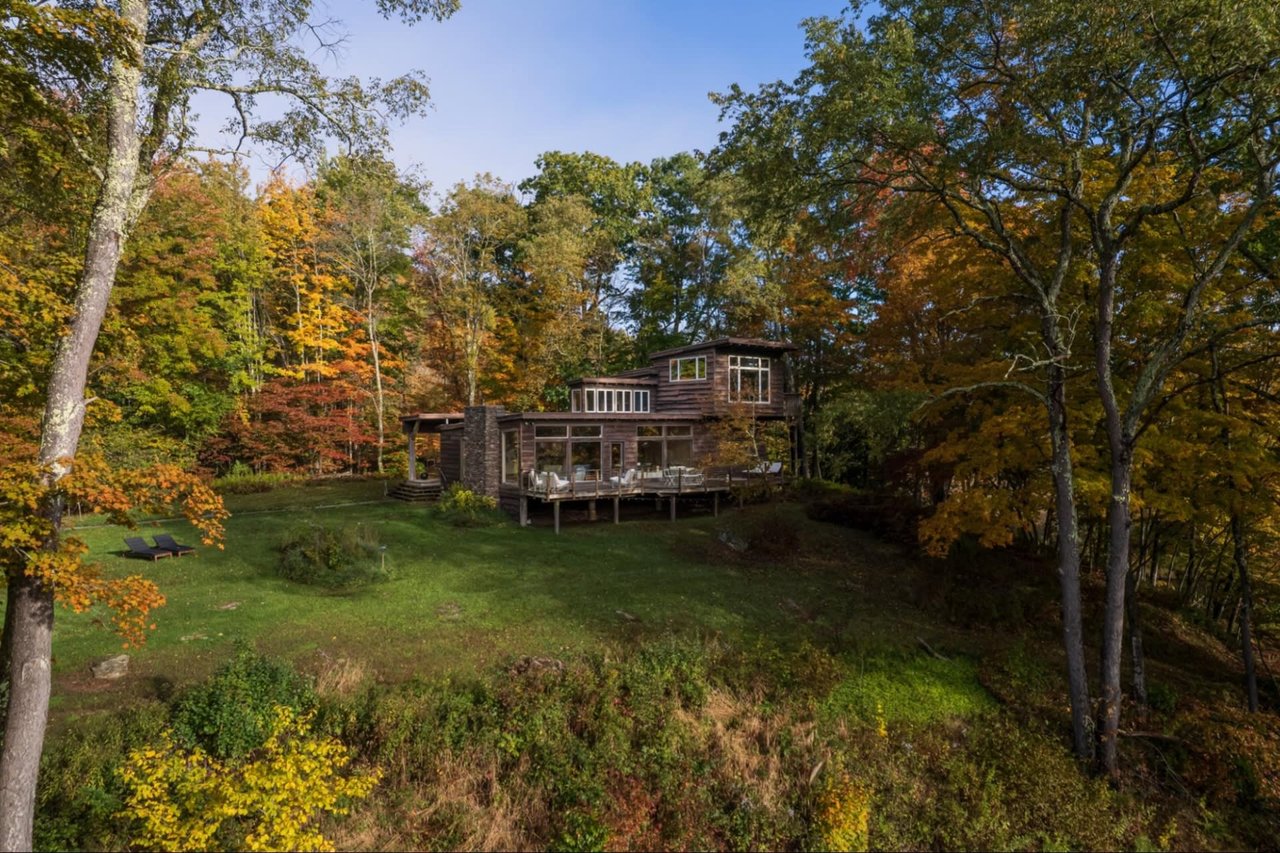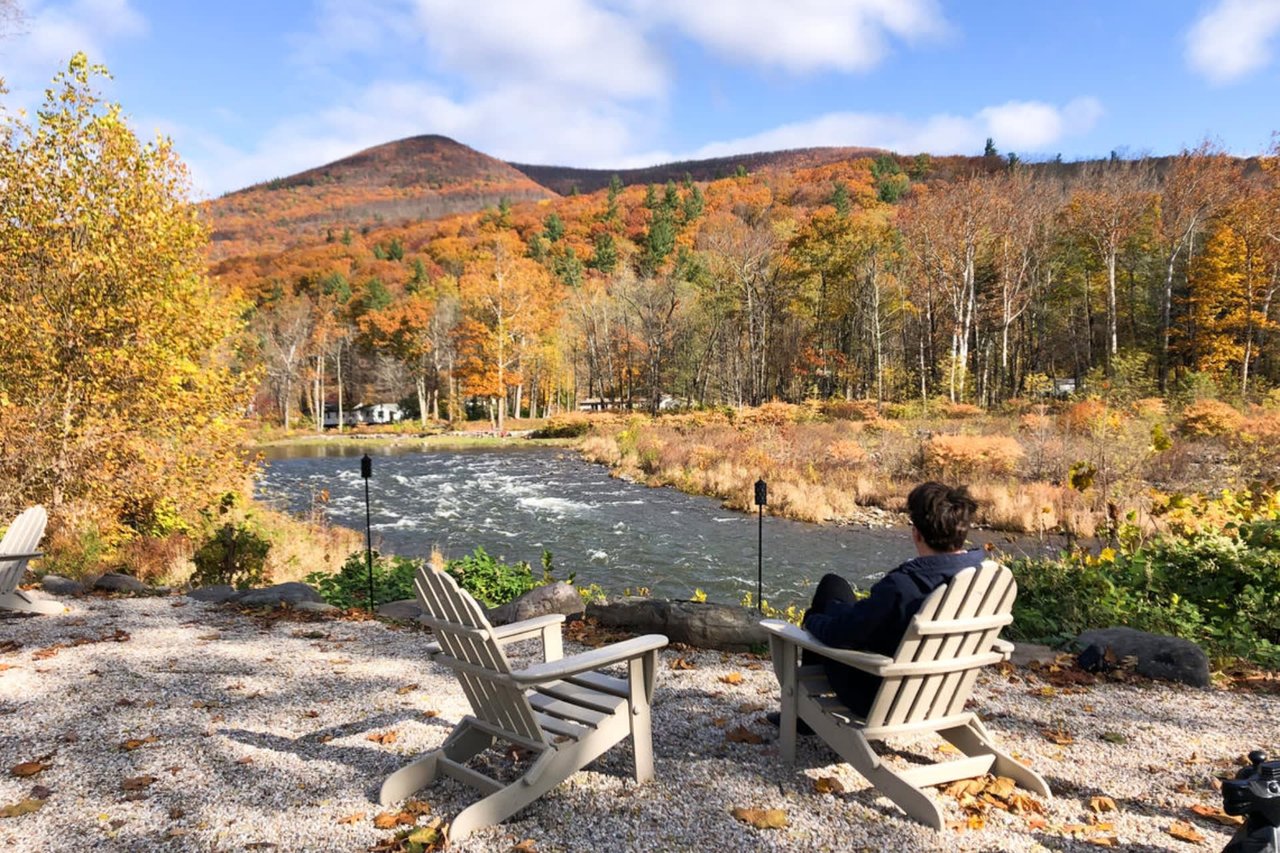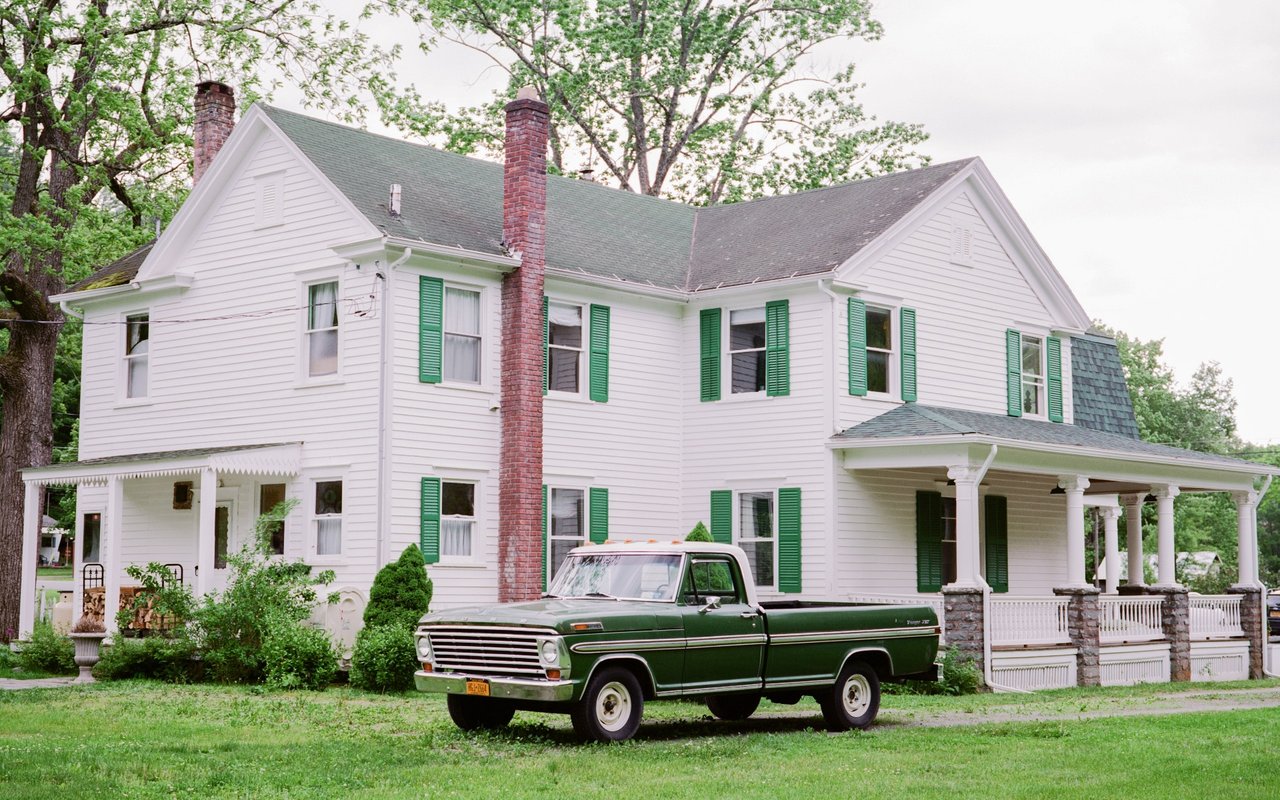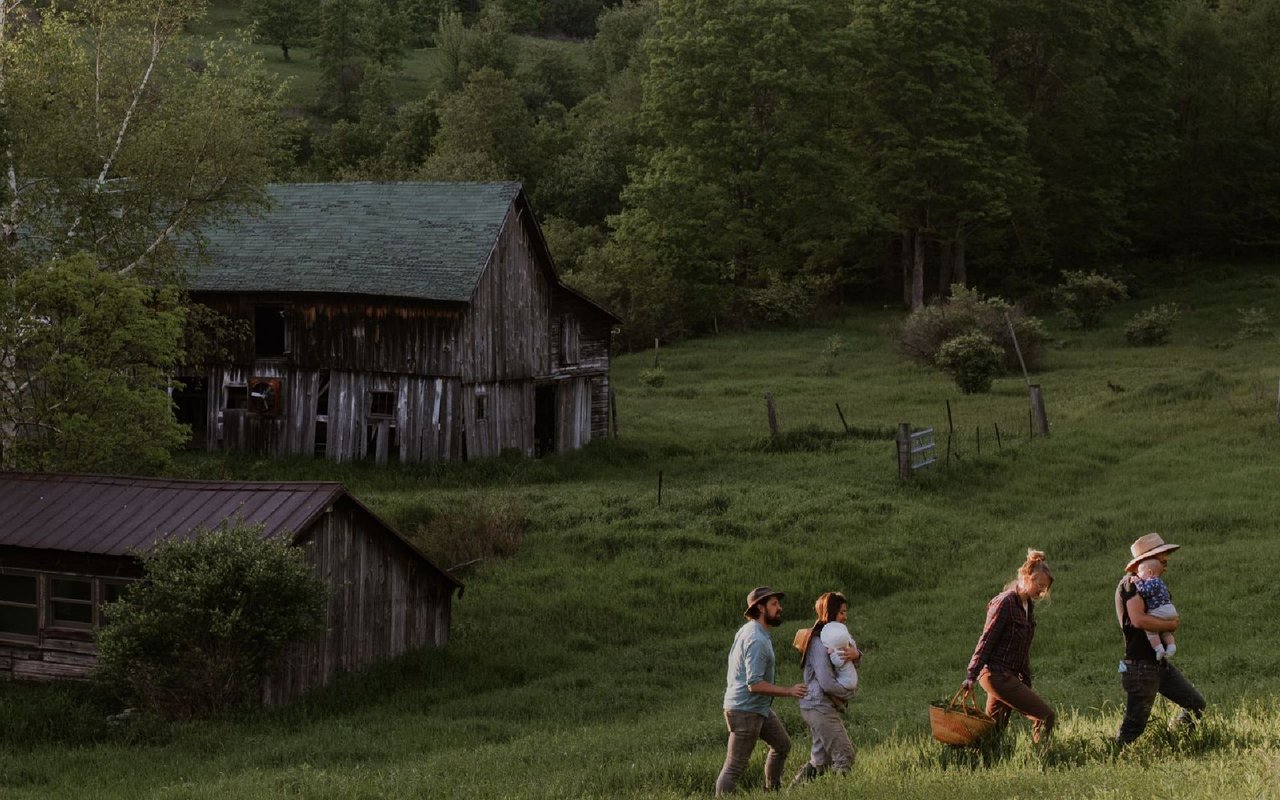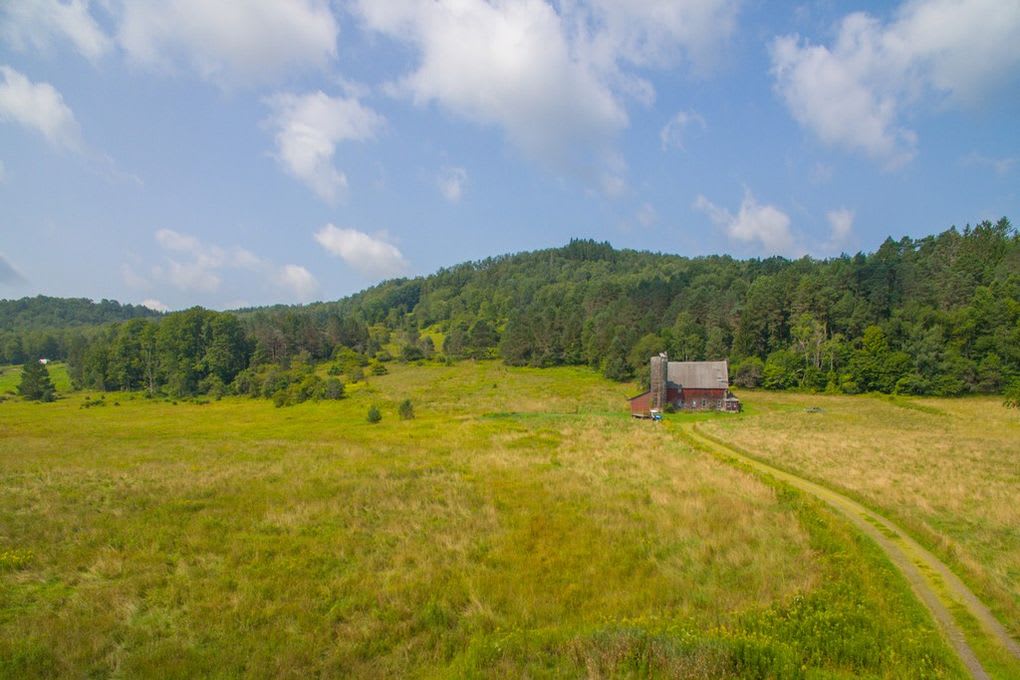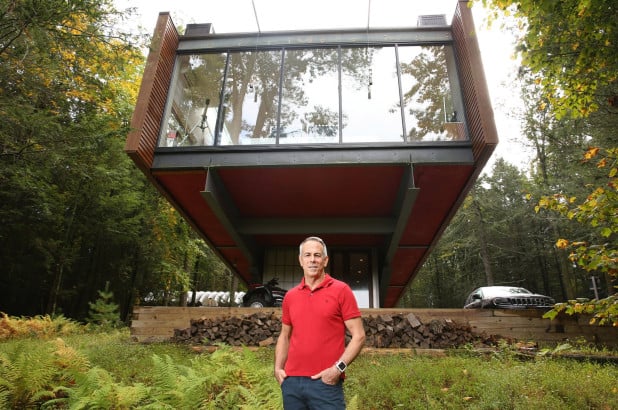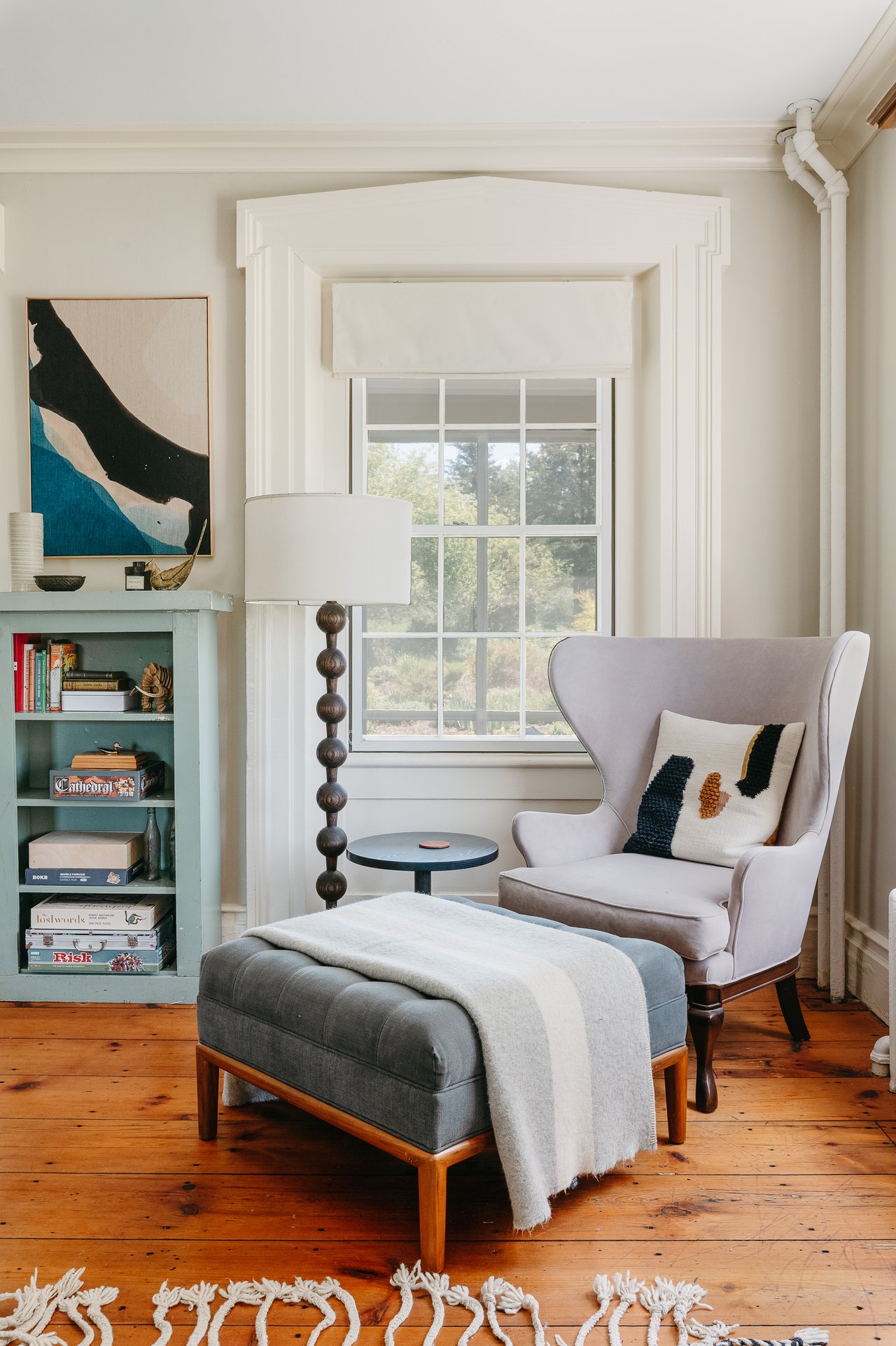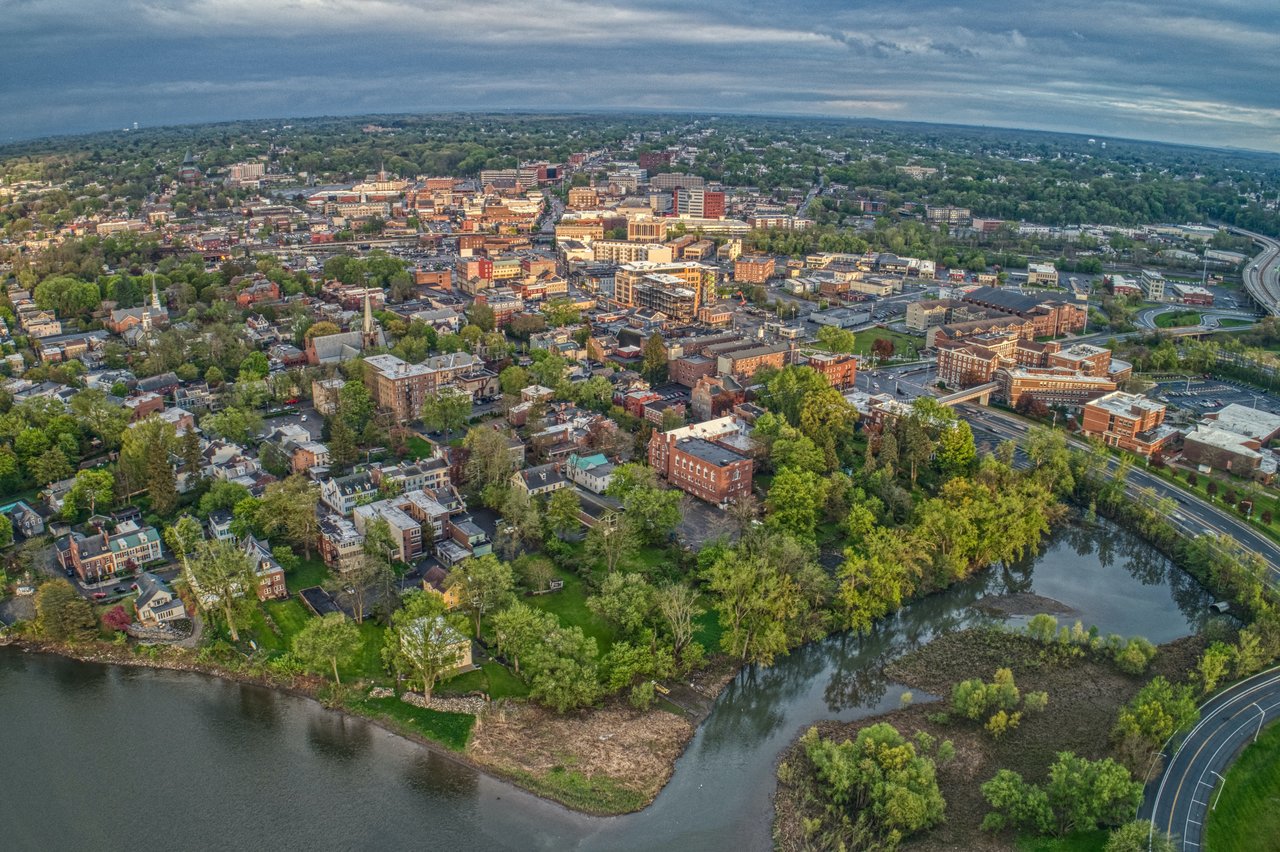
The NYC-to-Catskills migration isn't a pandemic blip; it's a permanent shift. A new category of buyer emerged out of the last five years: remote-capable professionals who realized they could trade a cramped apartment for a mountain house without giving up their careers. Many came for the weekends. A surprising number never fully went back.
What Actually Drove the Migration
The short version: remote work made distance irrelevant and city living expensive. The longer version involves a structural change in how and where people work that isn't going to reverse itself.
The data tells the story clearly. Survey research from Catskills-area brokers found:
-
Roughly 29% of NYC-employed buyers now work remotely full-time and live in the Catskills year-round
-
Around 8% changed jobs specifically to enable a full relocation
-
More than half split their time between upstate and the city on a hybrid schedule
That behavioral shift created demand that the local market had never seen before, and it shows no signs of reversing. The people who moved here didn't just buy vacation homes. They bought into a lifestyle.
|
Market Insight: This isn't seasonal demand. It's a durable, structural shift in where people want to live and how they define a good life. The Catskills benefits from proximity to NYC without requiring NYC prices or NYC pace. |
What Buyers Are Looking For When They Make the Move
Understanding what drives NYC buyers helps sellers and agents position properties correctly. Fresh Air Realty's post on what city buyers want in Catskills real estate goes deep on this, but the short version is that city buyers aren't just looking for space. They're looking for a complete lifestyle shift.
The most common priorities from NYC buyers include:
-
Land and privacy, especially for buyers coming from apartments or dense neighborhoods
-
Reliable high-speed internet, which is a non-negotiable for remote workers
-
Proximity to a town with good food, coffee, and community
-
Year-round livability, not just a summer escape
-
Access to hiking, outdoor activities, and nature
-
A home that functions as a retreat without requiring a full renovation
The Towns Attracting the Most NYC Transplants
Not every Catskills town appeals equally to the NYC crowd. Here's how the top destinations break down by buyer type:
|
Town |
Who It Attracts |
Why They Stay |
|
Brooklyn creative class, young professionals |
Walkable, restaurant scene, arts community, feels familiar |
|
|
Artists, musicians, culture seekers |
Community depth, established identity, proximity to hiking |
|
|
Privacy-seekers, design-forward buyers |
Rural setting, farm culture, stone houses, quiet roads |
|
|
Families, longtime Hudson Valley fans |
Great main street, school proximity, historic homes |
|
|
Affluent NYC families, weekend estate buyers |
Upscale dining, easy Amtrak access, established prestige |
What Year-Round Catskills Life Actually Looks Like
What's it actually like to live in the Catskills year-round, not just on summer weekends? The answer is that the Catskills rewards full-time residents in ways that weekend visitors never fully experience.
The short version looks like this:
-
A genuine sense of community that builds over seasons, not weekends
-
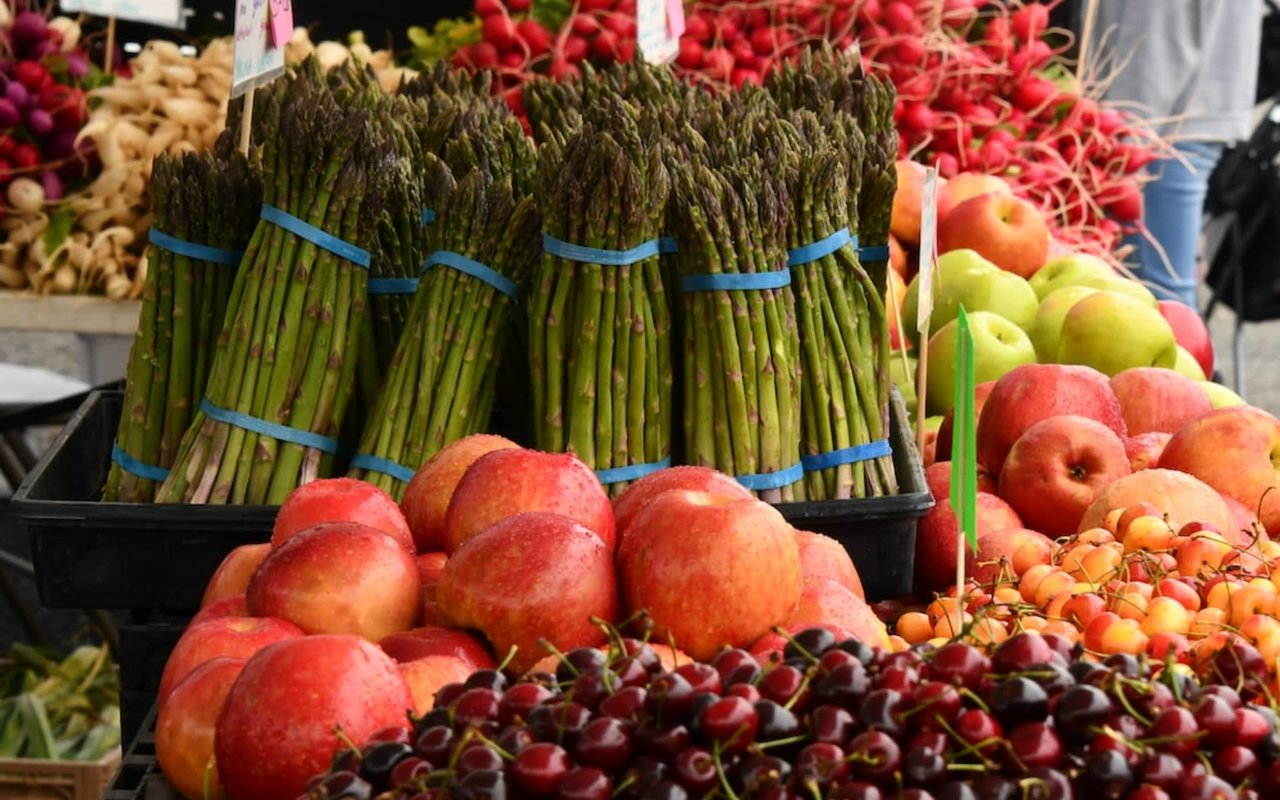
Access to farmers markets, farm stands, and local food that makes city grocery stores feel shallow by comparison
-
Four distinct seasons, each with its own outdoor rhythm
-
A pace of life that people describe as finally feeling like they have enough time
-
Proximity to NYC that keeps the city accessible without making it inescapable
The region also offers winter activities that keep year-round residents engaged when temps drop, plus hikes for all skill levels that make the warmer months genuinely special. People who come thinking they'll miss the city often find themselves surprised by how quickly the Catskills fills that space.
The Relative Value Equation: Catskills vs. Other NYC-Proximity Markets
The other thing driving migration here is simple math. Compare the Catskills to other markets within three hours of Manhattan:
-
The Hamptons: similar lifestyle aspiration, 3–5x the price
-
Connecticut shoreline: similar commute time, significantly higher property taxes and prices
-
Hudson Valley luxury corridor (Rhinebeck, Millbrook): elevated prices, more established buyer pool
-
Catskills: entry-level properties still available at $400K–$600K, with genuine land and privacy
For the NYC buyer who wants space, nature, and community without spending $3 million, the Catskills remains the clearest value in the Northeast.
|
Market Perspective: The Catskills regularly beats competing markets on the value-per-acre and quality-of-life metrics that matter most to city buyers making the move. That's why the demand has held even as prices have risen. |
What This Means for Sellers in the Catskills
If you're selling a Catskills property, understanding the NYC buyer is the key to pricing and positioning it correctly. City buyers respond to quality, authenticity, and clarity in listings. They've seen enough glossy photography to know when a property is being oversold, and they value agents who give them the honest picture.
For a deeper read on what separates a successful sale from one that sits on the market, the post on five things to consider before selling in the Catskills covers the key decisions sellers need to make before listing.
Frequently Asked Questions
Is the NYC-to-Catskills migration still happening in 2026?
Yes. While the initial surge from 2020–2021 has moderated, the underlying demand remains strong. Remote and hybrid work arrangements are now standard at many companies, and the category of buyer who can work from anywhere continues to view the Catskills as a top destination.
How far is the Catskills from New York City?
Most of the Catskills towns that Fresh Air Realty serves are 90 minutes to 2.5 hours from Manhattan by car, depending on traffic and the specific town. Rhinebeck and Hudson are accessible by Amtrak, adding a train option for buyers who prefer not to drive.
Is the Catskills a good place to raise a family?
Many NYC transplants specifically choose the Catskills because of the lifestyle advantages for families, including space, outdoor access, and lower cost of living compared to the city.
What's the local job market like for people who aren't remote workers?
The Catskills economy includes healthcare, education, hospitality, agriculture, and a growing creative/maker economy. It's not a metropolitan job market, but for buyers with remote income or local career options, it's a functional and growing local economy.
How do I find the right Catskills community for my lifestyle?
This is one of the most important questions to answer before you start making offers. Exploring the counties of the Catskills provides a breakdown of the different communities and what each offers families considering a move.
Thinking about making the move from New York City to the Catskills, or helping a client who is? Fresh Air Realty works with NYC-based buyers every day and knows this market from every angle. Reach out to Joseph Satto and the team to start the conversation.