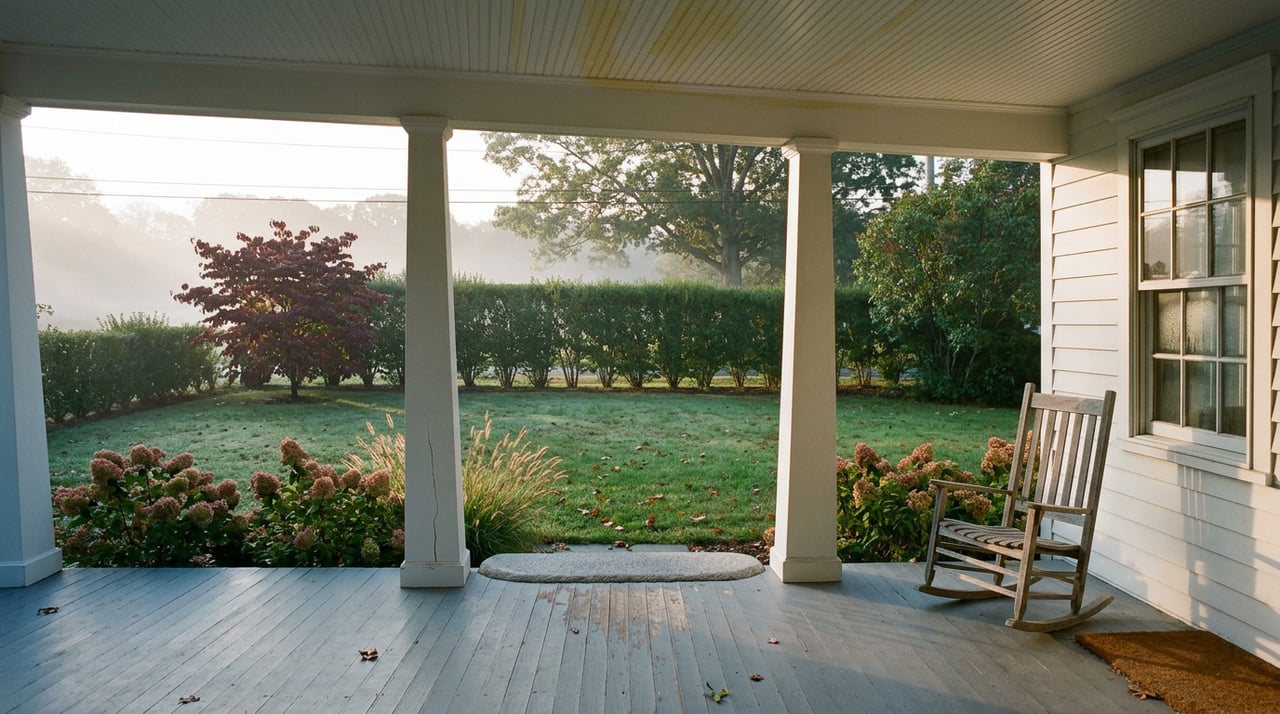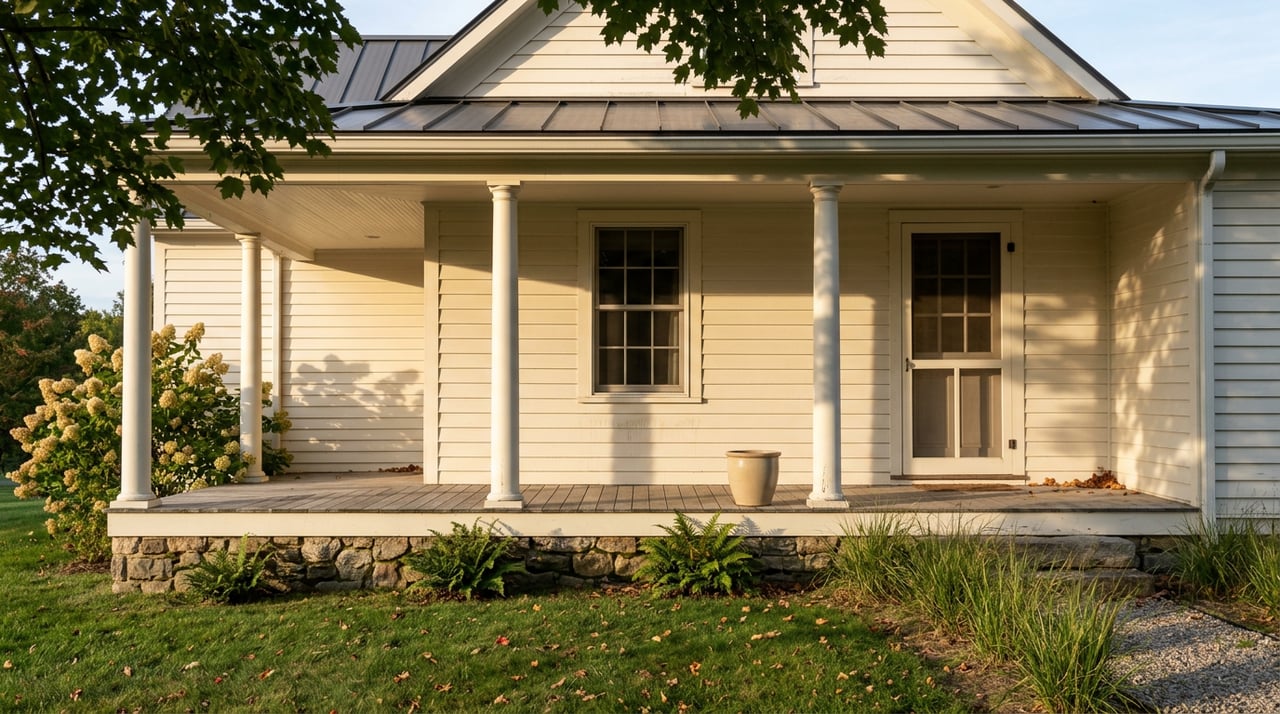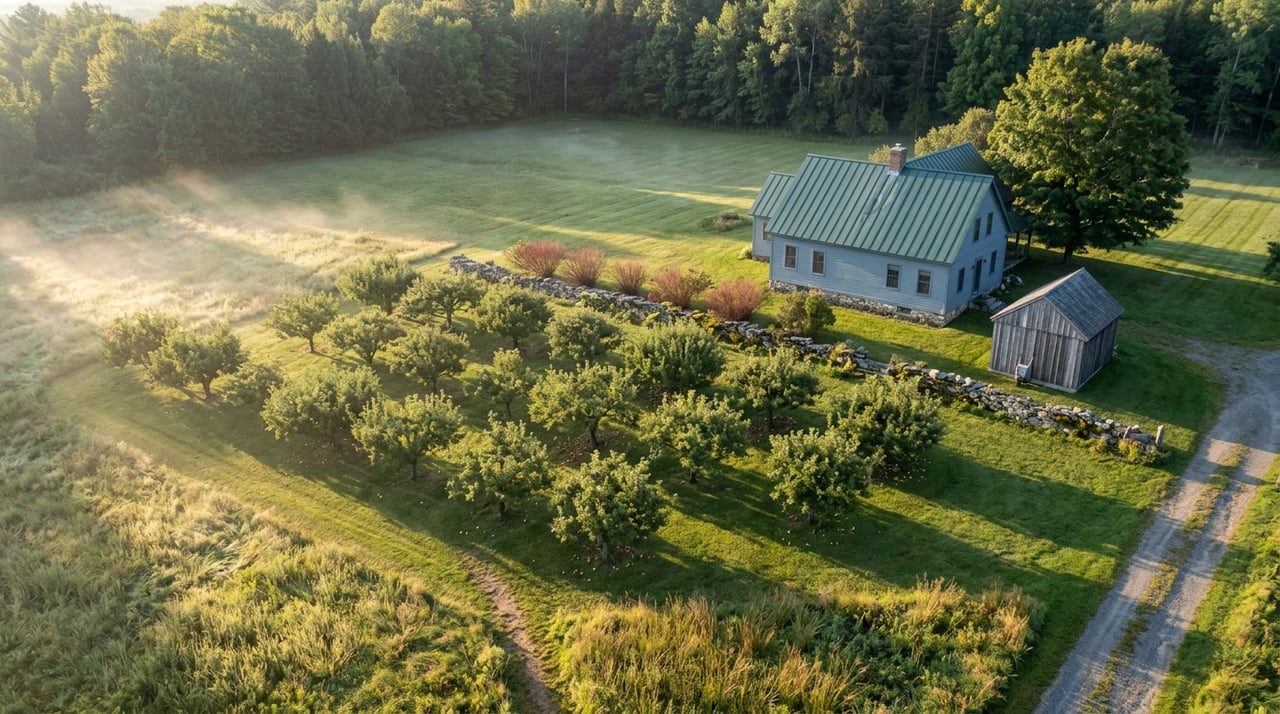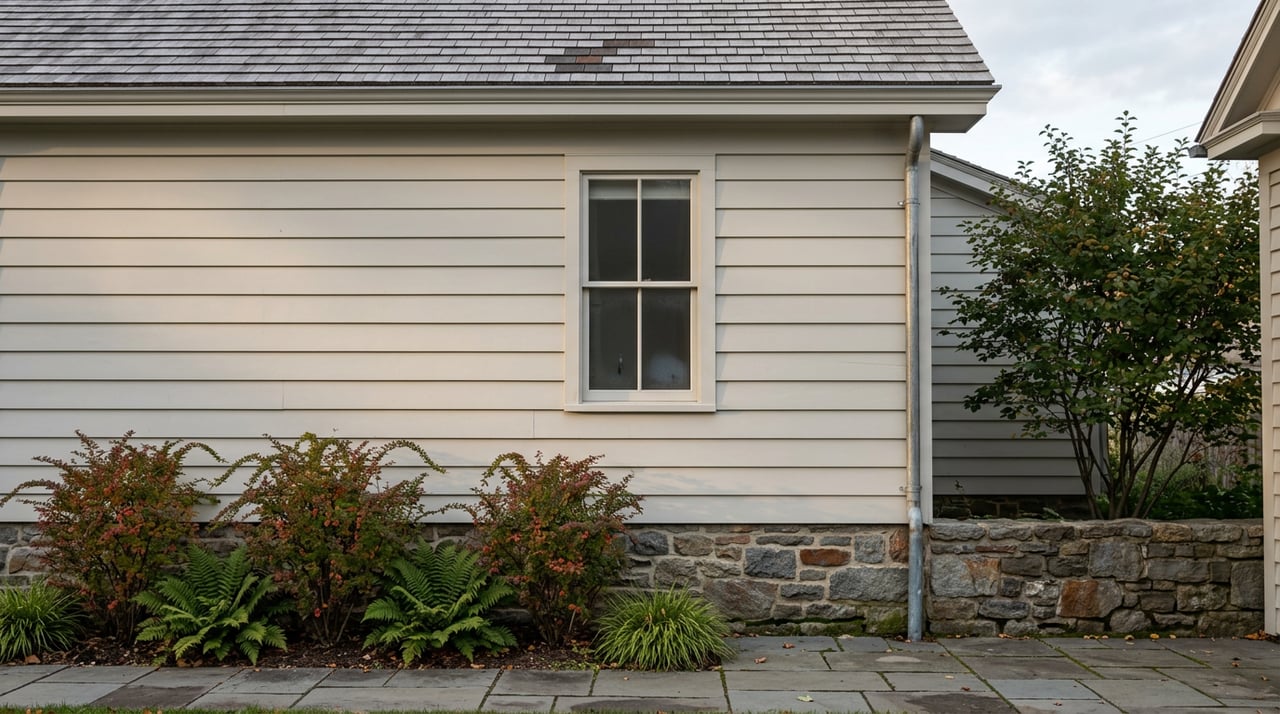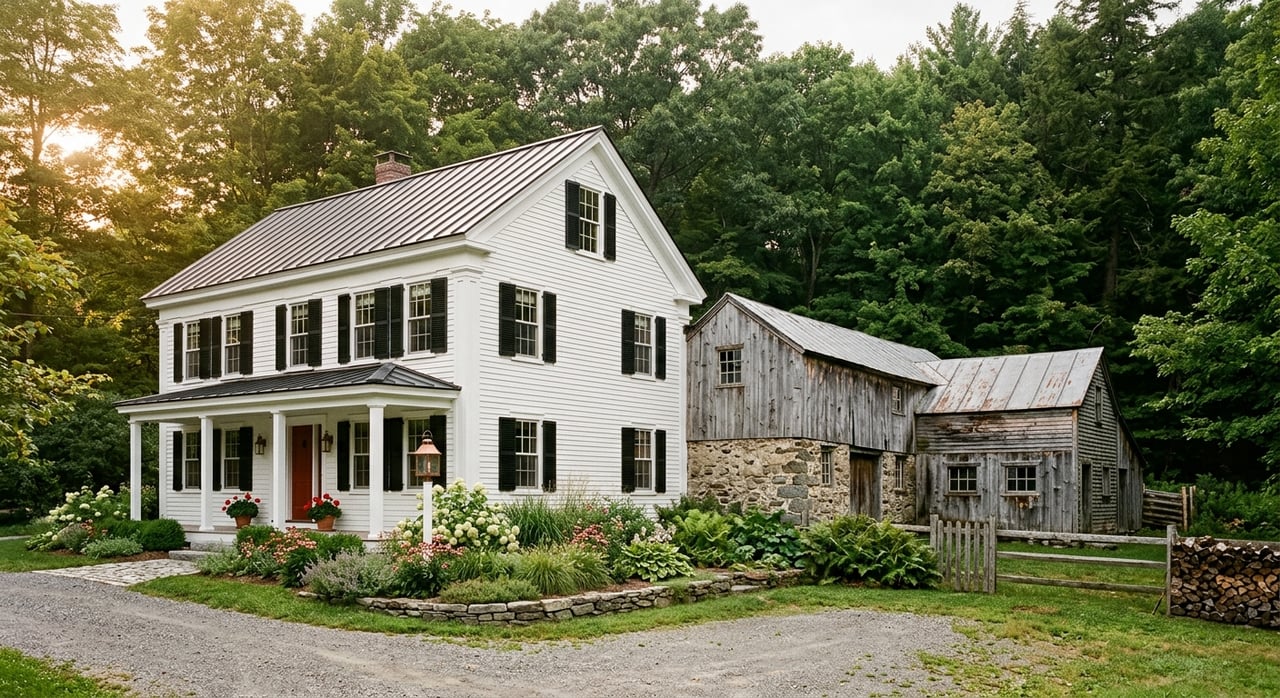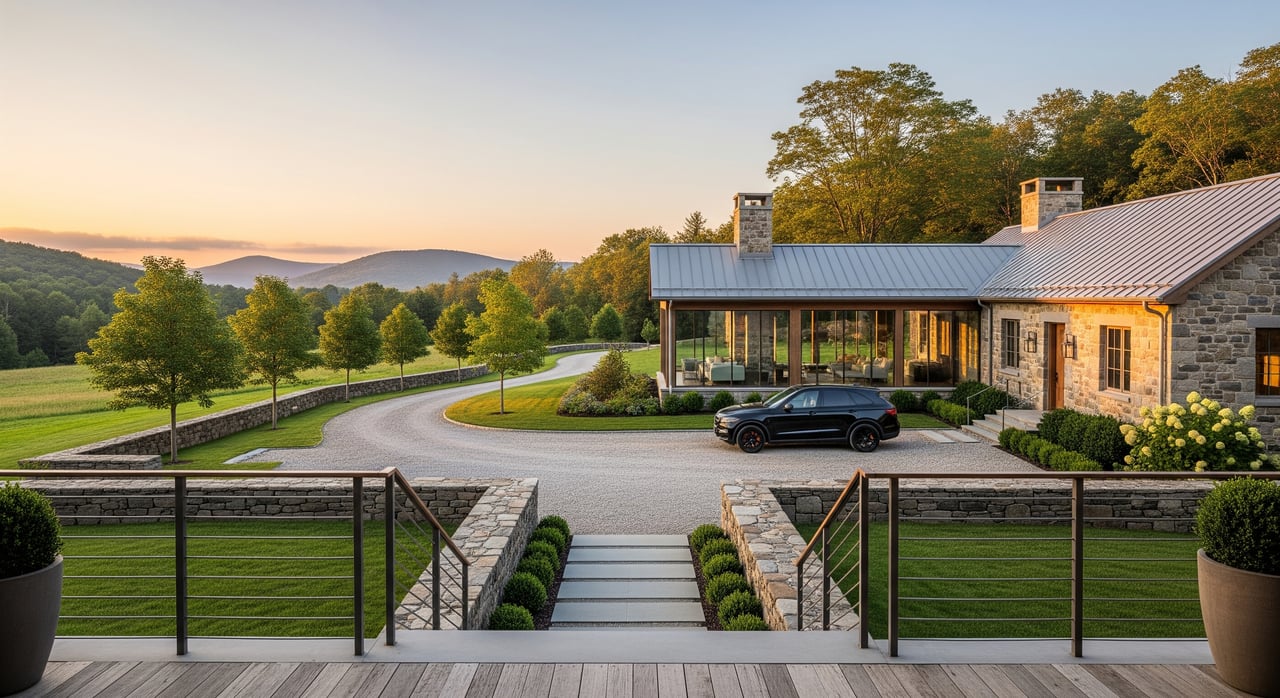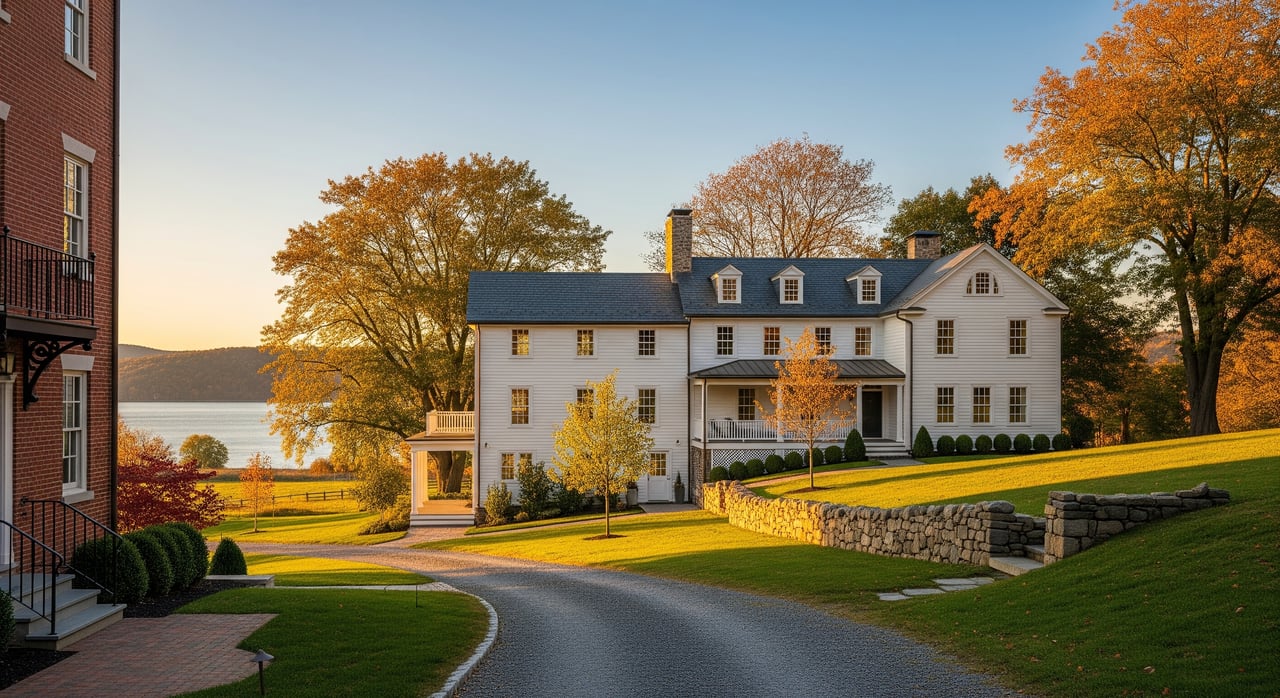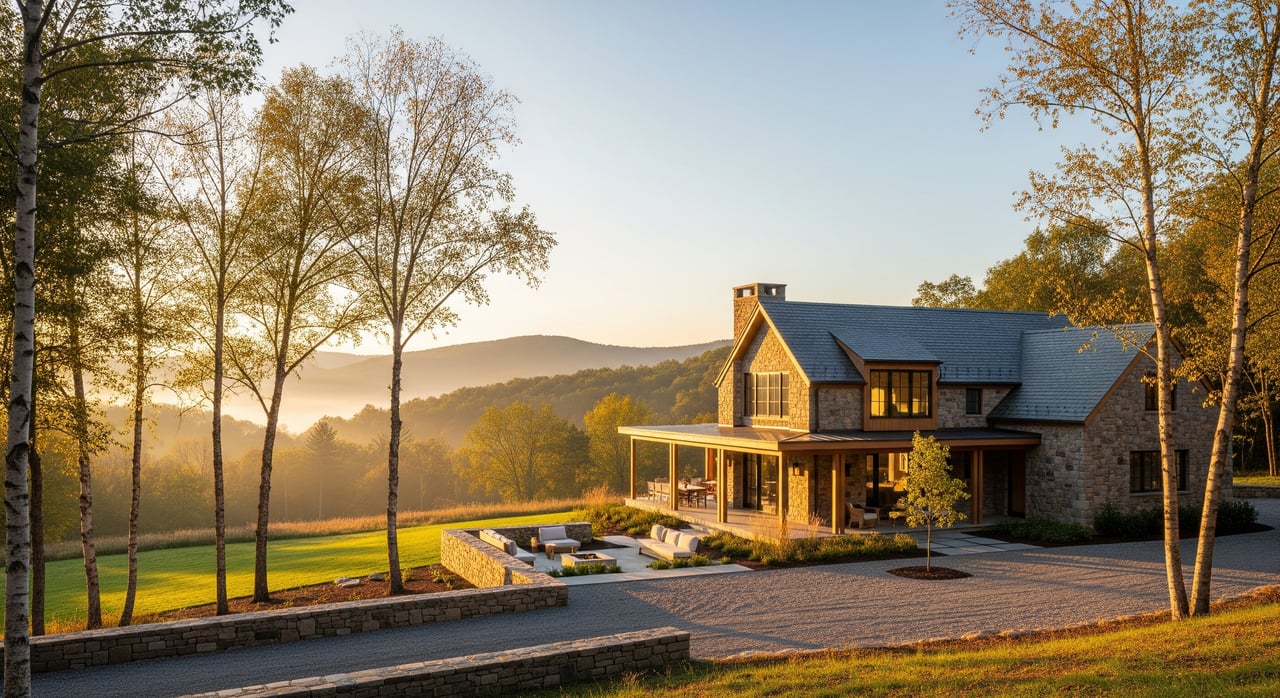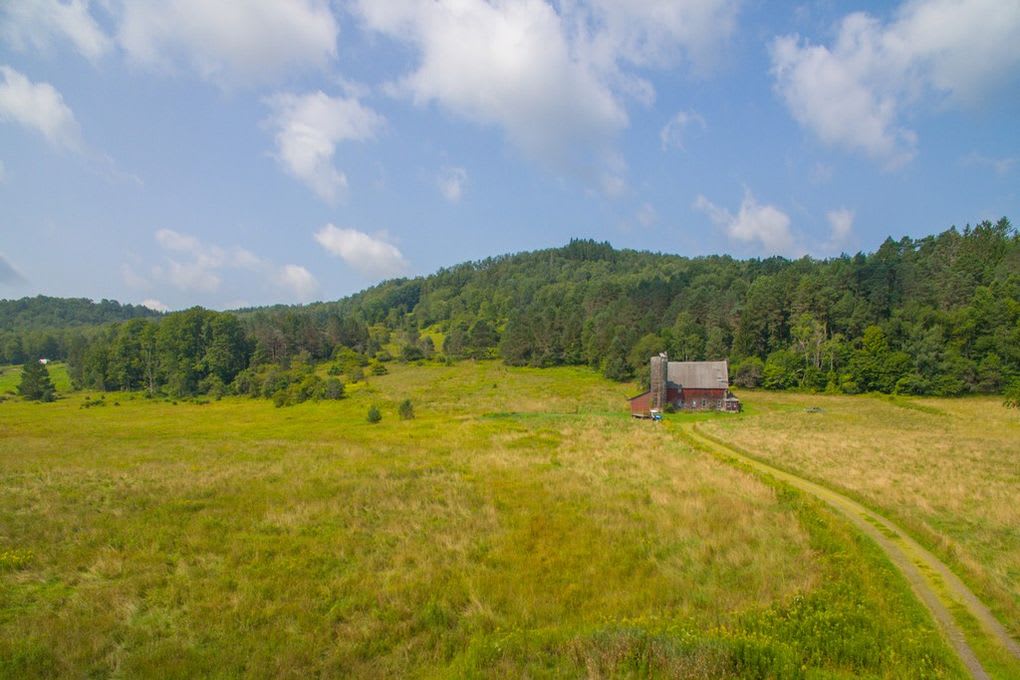
If you are dreaming about a horse property in Millbrook, it is easy to fall for the view first. Rolling fields, old barns, and quiet lanes can look like the perfect setup. But in Millbrook, the smartest buy is not just beautiful. It is a property that actually works for how you plan to use it. This guide will help you look past the romance, understand the local rules, and focus on what matters before you close. Let’s dive in.
Why Millbrook horse properties stand out
Millbrook is not just a rural market with a few paddocks scattered around. It has a long-established equestrian culture, with the Millbrook Hunt operating since 1907 and the Millbrook Horse Trials recognized as a major East Coast event with local economic impact. That matters because it tells you horse use here is part of the area's identity, not just a visual selling point.
For buyers, that means your search should balance lifestyle and function. A field may look ideal, and a barn may photograph beautifully, but neither guarantees the property can support your intended horse use. In Millbrook, the real question is whether the land, access, drainage, and local regulations all line up.
Start with municipality first
Before you evaluate acreage, fencing, or barn space, confirm whether the property sits in the Village of Millbrook or the Town of Washington. This is one of the most important early diligence steps because the rules for horses, stables, and manure storage differ depending on location.
That distinction can affect how many horses you can keep, where a stable can sit, whether boarding is possible, and how manure must be stored. A property that seems workable at first glance may be much more limited once you read the applicable code.
Village of Millbrook basics
In the Village of Millbrook, horses, cattle, and sheep may be kept if they are maintained at least 100 feet from any house. Animal-housing areas must also be kept clean and sanitary, and sheds and barns must be cleaned at least once every 24 hours.
If you are considering a boarding stable or commercial riding school, the rules become more specific. The Village allows those uses by special permit only in districts where they are permitted or special uses, with a 5-acre minimum lot size, a limit of one horse per 2.5 acres, 100-foot setbacks from lot lines or street rights-of-way, no horses housed in residences, and manure storage limited to 10 cubic yards. Buffer zones are also meant to keep horses at least 100 feet from surface water or wetlands.
Town of Washington basics
The Town of Washington separates horse use into private stables and public stables. A private stable is for horses kept for private use, not for hire or sale. A public stable is for horses kept for remuneration, hire, or sale.
For private stables, buildings must be 100 feet from any property line. Manure must be 250 feet from neighboring residences, property lines, watercourses, or wetlands. Riding academies and public stables face stricter spacing rules, including 125 feet from the street line and 250 feet from side and rear property lines.
If your plan includes keeping horses for your own use, that is a different category than hosting lessons, boarding, or another income-producing use. Knowing that difference early can save you time, money, and disappointment.
Look for turnkey versus adaptable
One of the best ways to judge a Millbrook equestrian property is to ask whether it is turnkey or adaptable. This simple distinction can shape your budget, timeline, and expectations.
A turnkey horse property is one where the existing barn, paddocks, fencing, manure area, well and septic layout, and access already fit within the local code framework. An adaptable property may still be a strong buy, but it could need permits, drainage work, fencing changes, or site improvements before it truly supports your goals.
That difference matters because adaptable properties can look like a bargain at first. In reality, the cost of bringing the site into compliance and making it practical for daily horse use may be significant.
Inspect the land, not just the house
A standard home inspection is important, but it will not tell you everything you need to know about a horse property. In Millbrook, the land itself is a major part of the purchase.
You are not just buying a residence. You are buying a land-management system that has to function over time.
Pasture quality matters
Pasture is not just open space. Cornell notes that pasture health has a significant impact on horse health, and extension guidance shows that soil type, drainage, stocking density, and weather all affect how many horses a pasture can support.
High stocking density can reduce available forage and create muddy, worn-down areas. Guidance also recommends high, dry lanes, rest periods, and drainage improvements in muddy spots. When you tour a property, pay attention to soggy ground, compacted zones, and whether the layout supports rotation and recovery.
Fencing should be safe and visible
Pretty fencing is not always horse-safe fencing. Extension guidance says horse fencing should be highly visible, free of sharp edges, tall enough to discourage jumping, and strong enough to contain a startled horse.
Fencing is also a long-term maintenance expense, and materials differ in durability and upkeep. Guidance specifically advises avoiding barbed wire because of injury risk. When you evaluate a property, treat fencing as an operating system, not just a design feature.
Barn and manure layout affect usability
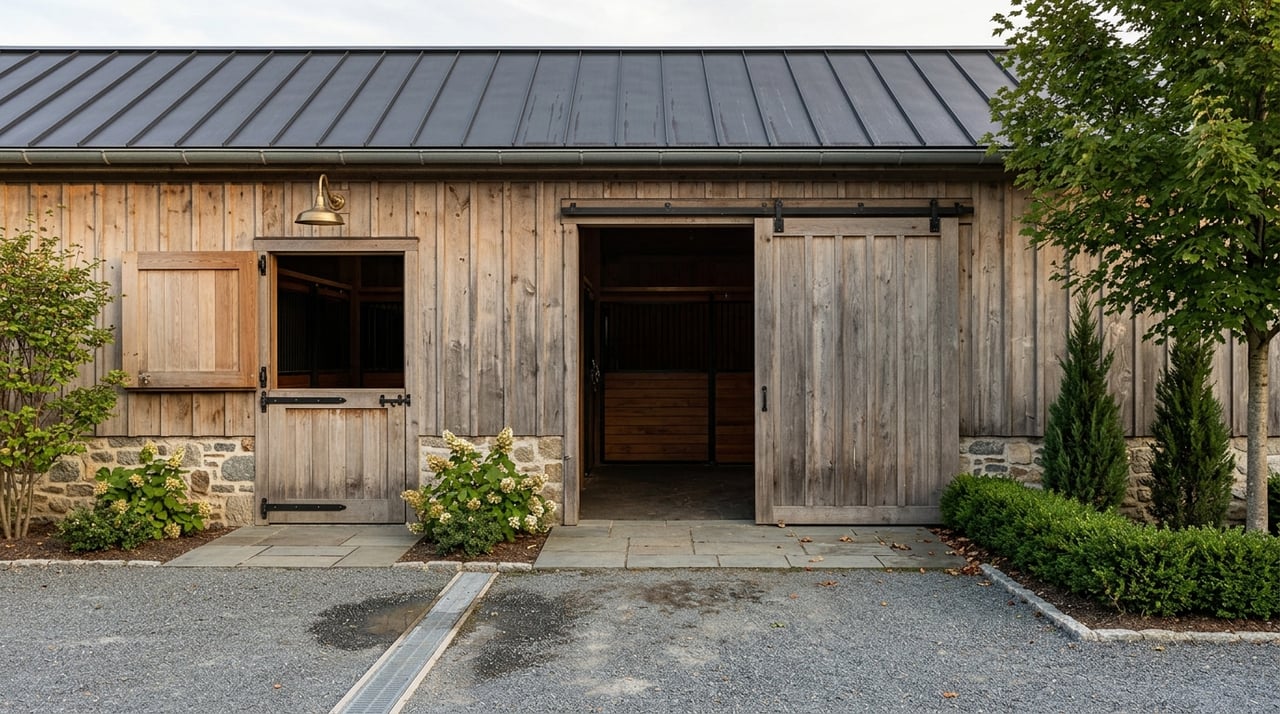
The barn itself is only part of the picture. You also need enough room for daily circulation, cleanup, and compliant manure storage.
This matters in both the Village and the Town, where rules address sanitary conditions, setbacks, and manure location. A charming barn can still be a poor fit if the site does not allow practical manure handling or if the layout creates constant operational headaches.
Check water and wastewater early
Well and septic issues can affect both comfort and feasibility on a rural property. Dutchess County requires wells and septic systems to be shown on plan documents and lists separation distances involving wells, septic components, and streams, lakes, or wetlands.
The County’s septic process begins with a pre-construction inspection of the lot, with the septic system and well staked out. Its design guide also uses a 5-gallons-per-minute benchmark for residential well adequacy. For a horse property, these systems deserve close review because they influence both daily use and future improvement plans.
If you hope to add a barn, rework paddocks, or expand structures later, existing well and septic placement can matter more than you think. This is one of those behind-the-scenes details that can shape what is actually possible on the ground.
Understand agricultural districts and taxes
Some buyers assume that if a parcel is in an agricultural area, it automatically comes with broad use rights or tax savings. In Dutchess County, that is not how it works.
Agricultural District 21 covers the entire county and includes more than 195,945 acres, but district membership is not the same as local zoning. Local zoning still controls where farming and agriculture are allowed, while the state-certified district provides certain protections for farm operations using generally accepted agricultural practices.
Tax assessment is separate
Agricultural value assessment can reduce taxes for qualifying farmland, but it is not automatic. Dutchess County says parcels under 7 acres must generate at least $50,000 in gross sales annually, while parcels 7 acres or larger must generate at least $10,000.
Applications are filed with the local assessor, and the program is separate from agricultural district membership. If a lower tax bill is part of your plan, make sure you verify eligibility rather than assuming the current setup or acreage alone will qualify.
Plan for disclosures and future changes
What you buy today can affect what you can do tomorrow. That is especially true if you may want to subdivide, change the use, or add new improvements later.
Dutchess County says real estate disclosure notices are required for sales, purchases, or exchanges of property located partially or wholly within 500 feet of a state-certified agricultural district. The County also notes that certain special-use permit, site plan, use variance, or subdivision applications on property in or near an agricultural district require an agricultural data statement.
Some parcels may also be subject to conservation easements. In practical terms, that means you should review deed restrictions carefully before assuming future additions, alternate uses, or subdivision are possible.
Do not overlook access
On equestrian property, access is about much more than a long scenic drive. If a parcel is served by a private road, that road can affect maintenance responsibilities, emergency access, drainage, and future approvals.
The Town of Washington requires Planning Board review for new private roads and requires owners on a private road to enter into a maintenance and repair agreement. The Town also requires findings that the road will safely serve residents and emergency vehicles while protecting downstream drainage, aquifer recharge, and nearby wells and septic systems.
In other words, acreage without practical access can create ongoing friction. Make sure the route in and out works for trailers, service vehicles, and regular day-to-day use.
Budget for the real carrying costs
Horse properties come with ongoing costs beyond the purchase price and mortgage. Routine care, manure removal, fence and barn maintenance, feed storage, hoof care, and veterinary care are all part of the equation.
That is true even if the property already has turnout, pasture, or an attractive barn. The right property is not just one you can buy. It is one you can comfortably maintain over time without stretching the budget beyond what feels sustainable.
Buy with a clear-eyed process
A Millbrook equestrian property can be deeply rewarding, but only if you separate what looks horse-ready from what is legally, physically, and financially workable. The best purchases tend to come from patient buyers who confirm the municipality, review use rules, inspect the land systems, and think carefully about future flexibility.
If you are searching for a second home, retreat, or full-time move in Dutchess County, it helps to work with someone who understands how lifestyle appeal and site diligence intersect. For thoughtful guidance on Hudson Valley lifestyle properties, connect with Joseph Satto.
FAQs
What should you confirm first when buying a Millbrook equestrian property?
- First, confirm whether the property is in the Village of Millbrook or the Town of Washington, because horse-use rules, stable categories, and manure regulations differ between the two.
What makes a Millbrook horse property turnkey?
- A turnkey property is one where the existing barn, fencing, paddocks, manure area, access, and well and septic setup already fit the local code framework and support your intended use.
What should you inspect beyond the house on a Millbrook horse property?
- Focus on pasture quality, drainage, fencing safety, barn layout, manure storage space, well capacity, septic placement, and property access.
Does being in a Dutchess County agricultural district lower property taxes automatically?
- No. Dutchess County says agricultural district membership is separate from agricultural value assessment, which has its own acreage, sales, and filing requirements.
Why does access matter on a Millbrook equestrian parcel?
- Access matters because private roads can involve maintenance agreements, safety concerns for residents and emergency vehicles, and drainage or infrastructure issues that affect long-term usability.