Wondering if New Paltz can give you the best of both worlds? If you want more space, stronger access to nature, and a small-town rhythm without fully giving up New York City, it is a fair question. The good news is that New Paltz offers a very real version of hybrid living, but it works best when your city time is planned rather than daily. Let’s dive in.
Why New Paltz works for hybrid living
New Paltz stands out as a practical base for people who want occasional access to New York City without building their whole routine around a train station. The town’s transportation pattern is bus-forward, with regional connections that make planned trips possible.
UCAT routes connect New Paltz to Poughkeepsie, Kingston, and Newburgh. The UPL route runs through New Paltz to Poughkeepsie Train Station, the CL route connects SUNY New Paltz with SUNY Ulster and Kingston, and the X route connects New Paltz with Newburgh. UCAT also says these fixed routes are fare free.
Trailways adds a direct New Paltz-to-New York City option from Main Street. Its listed average trip time is about 3 hours 11 minutes. If you prefer rail, the connection runs through Poughkeepsie, where both Metro-North’s Hudson Line and Amtrak serve the station.
What the commute really feels like
For many hybrid buyers, the key question is not whether you can get to the city. It is whether the trip fits the way you actually live. In New Paltz, the answer depends on how often you need to go.
If you head into the city a few times a month, New Paltz can make a lot of sense. You have repeatable transit options, and you are not limited to driving everywhere for regional connections.
If you want a rail-from-home setup for frequent daily commuting, this is likely not your easiest match. New Paltz does not have its own train station, and the internal local shuttle layer is limited. The New Paltz Loop operates only on Tuesdays and Saturdays, so even a compact lifestyle often works better if you have a car or are comfortable planning around bus schedules.
New Paltz offers more than one lifestyle
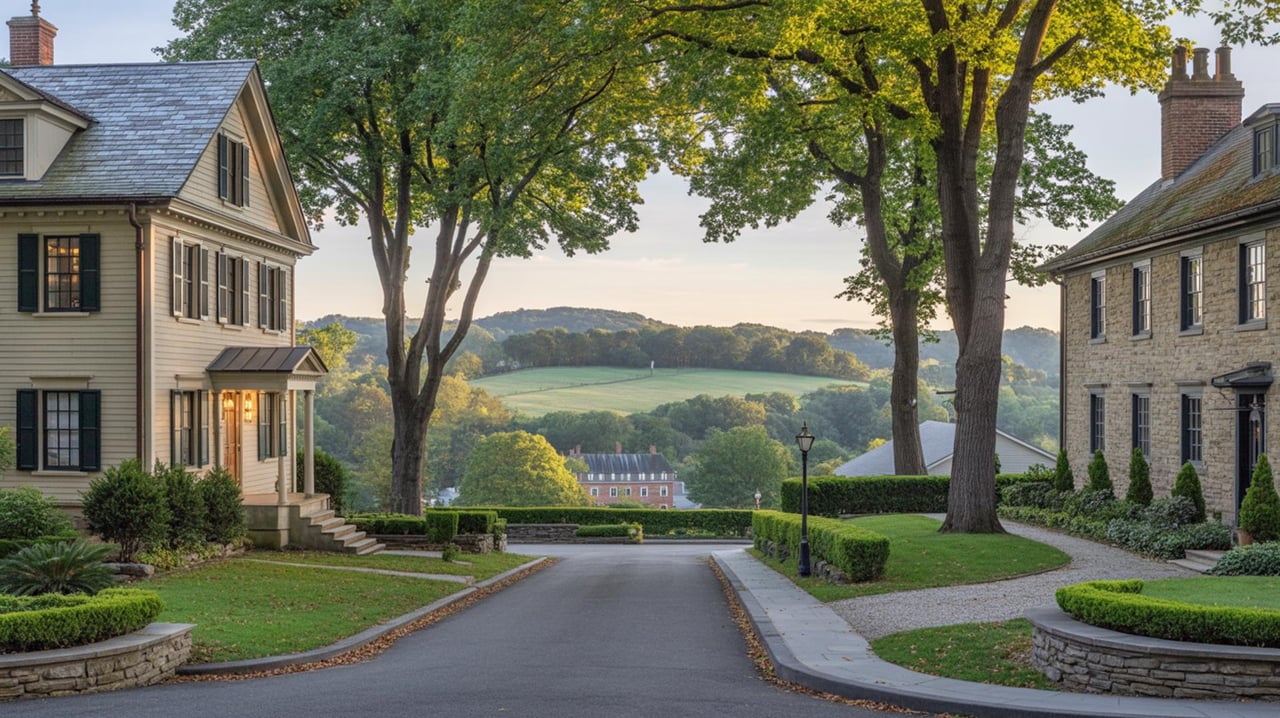
One of the biggest strengths of New Paltz is that it is not a one-note market. Town planning documents describe a clear split between the compact village area and the broader town, which means your day-to-day experience can look very different depending on where you land.
Traditional residential neighborhoods near the Village are described as low-density and mostly built out. On the east and west extremes of town, agricultural districts are intended to preserve rural character, and together they cover more than 60% of the town.
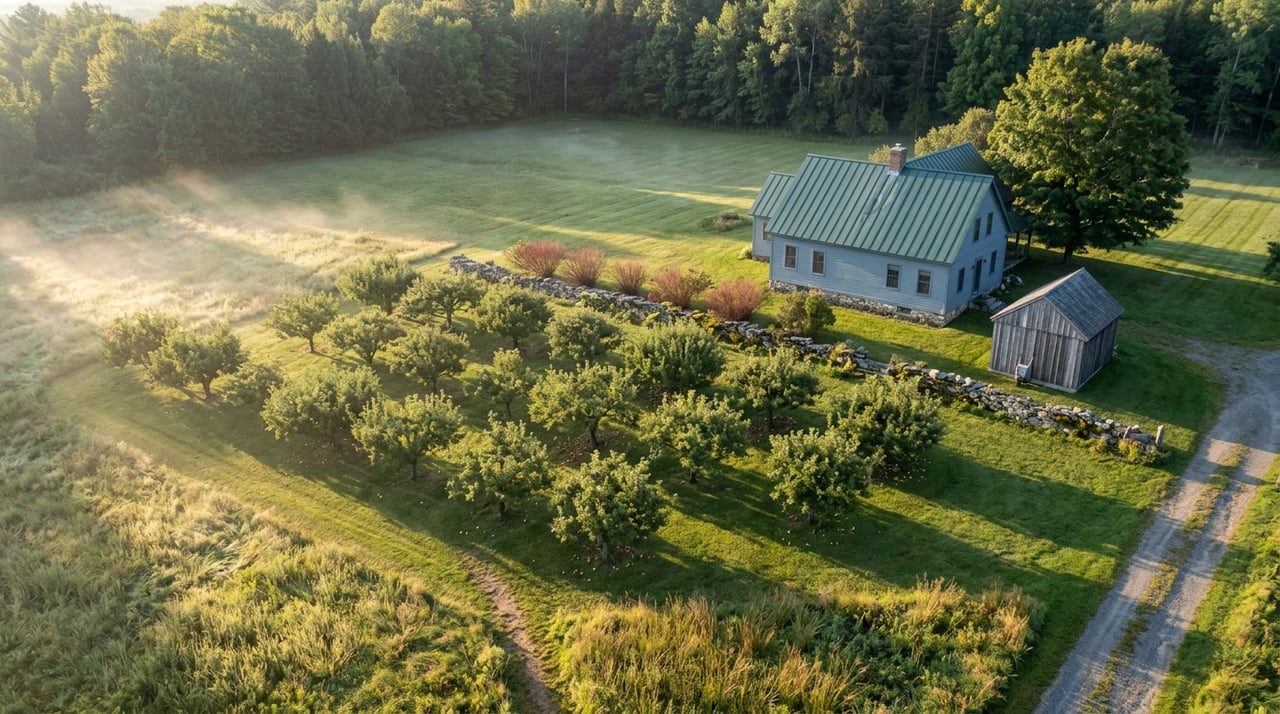
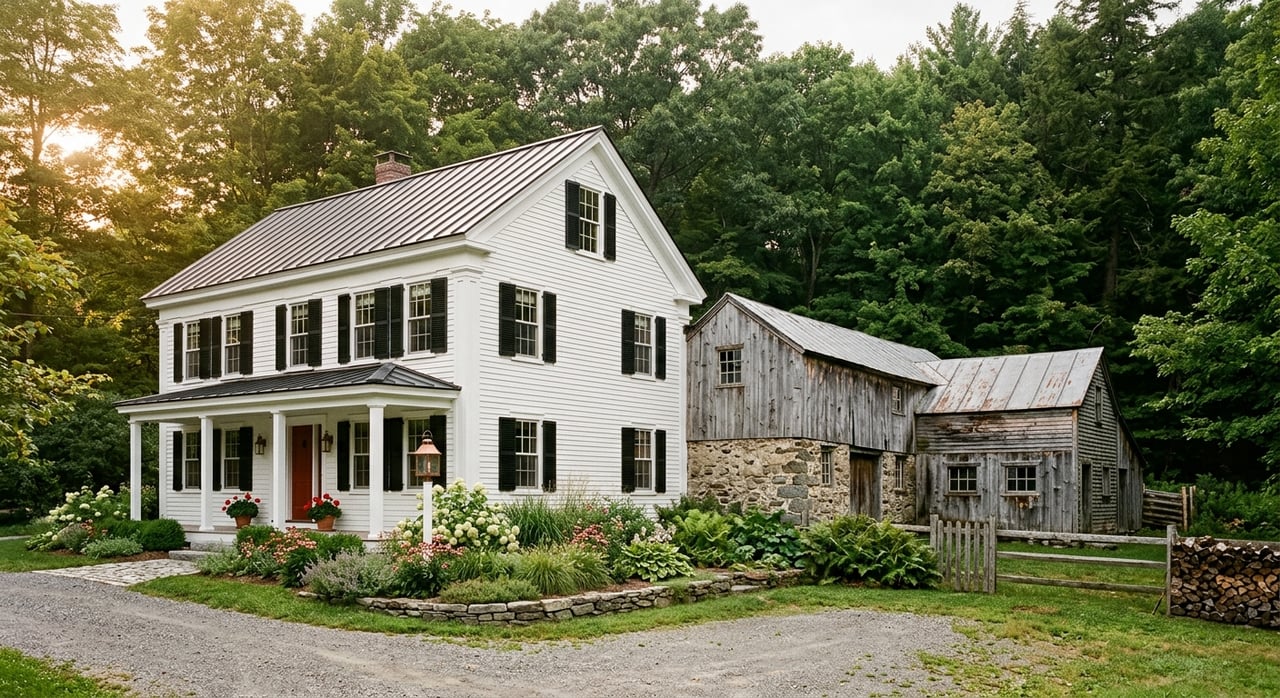
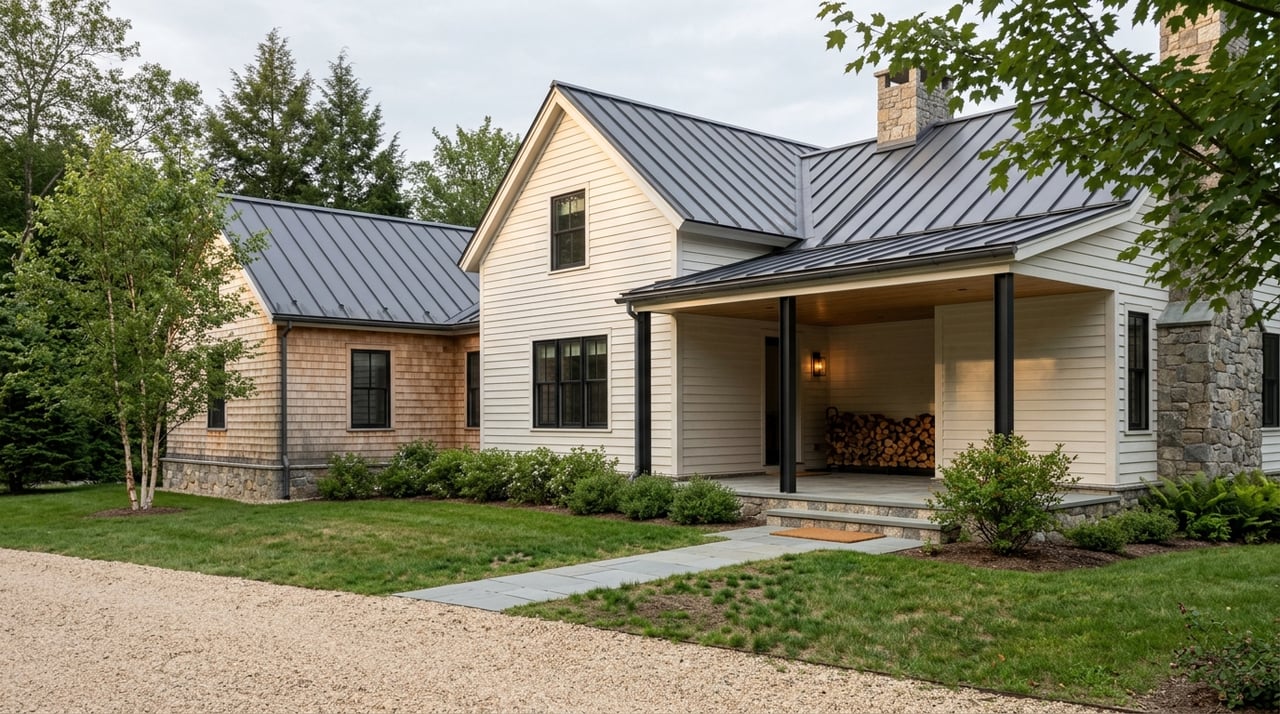
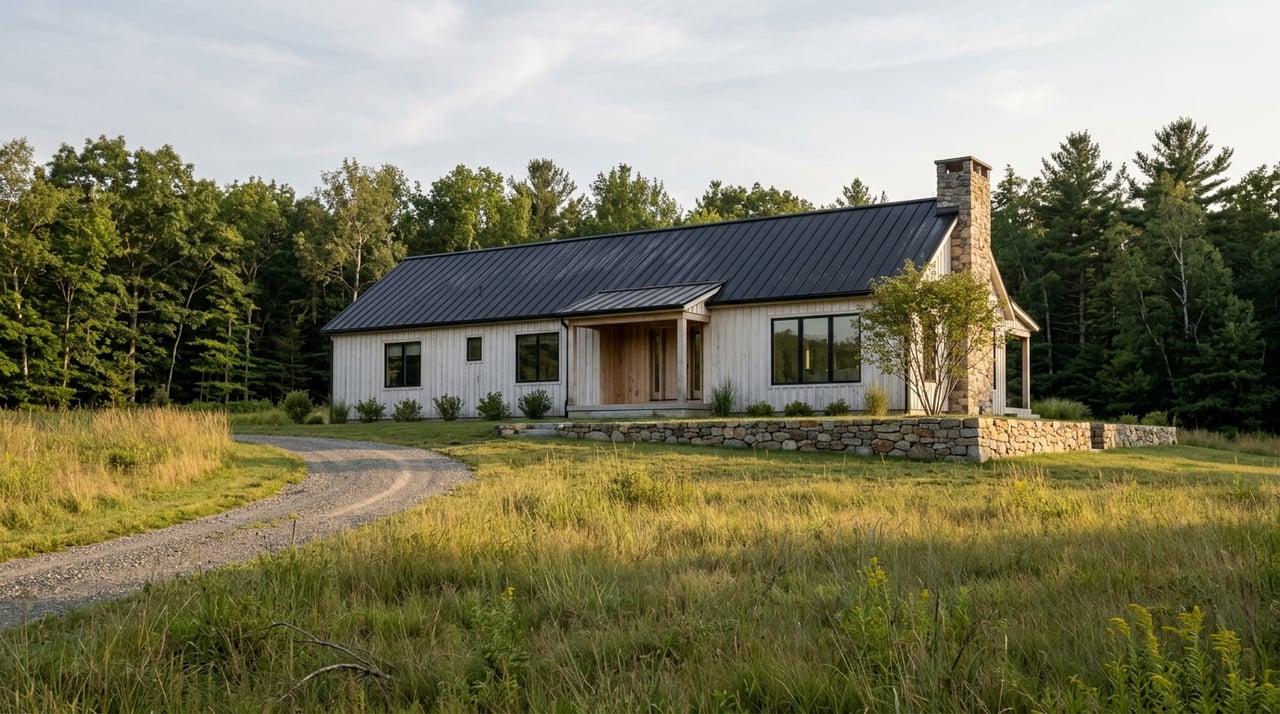
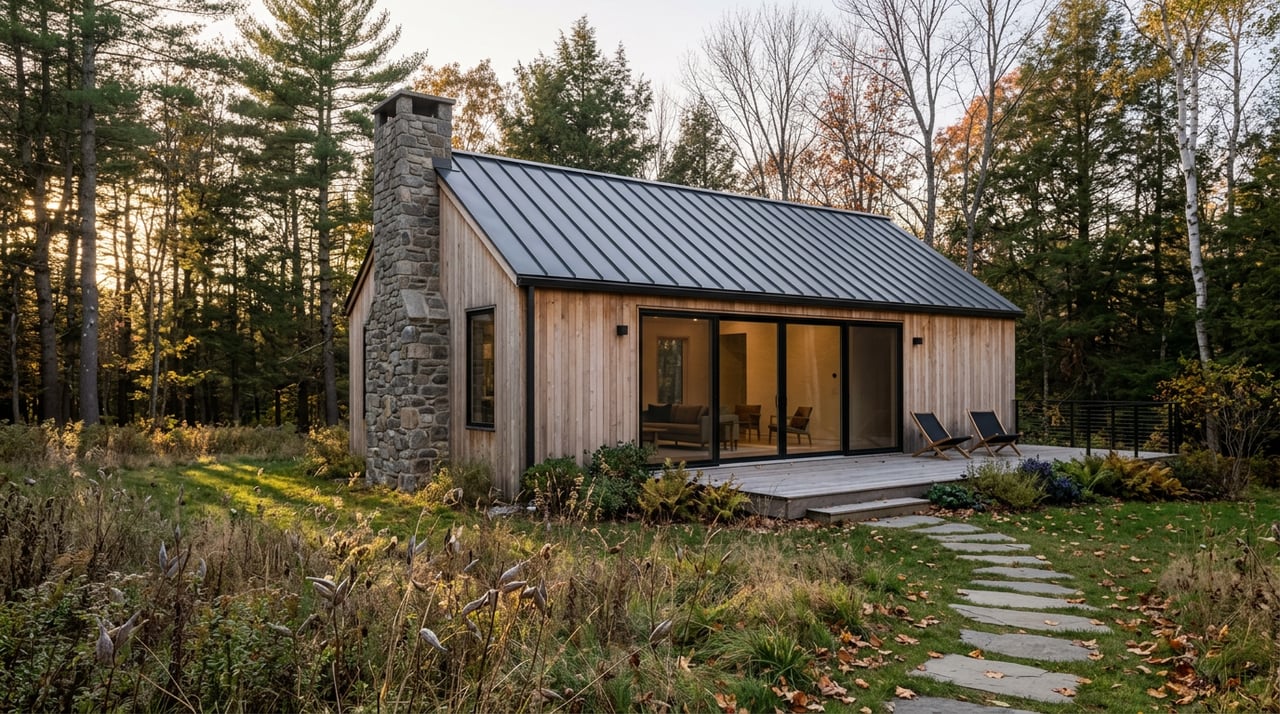
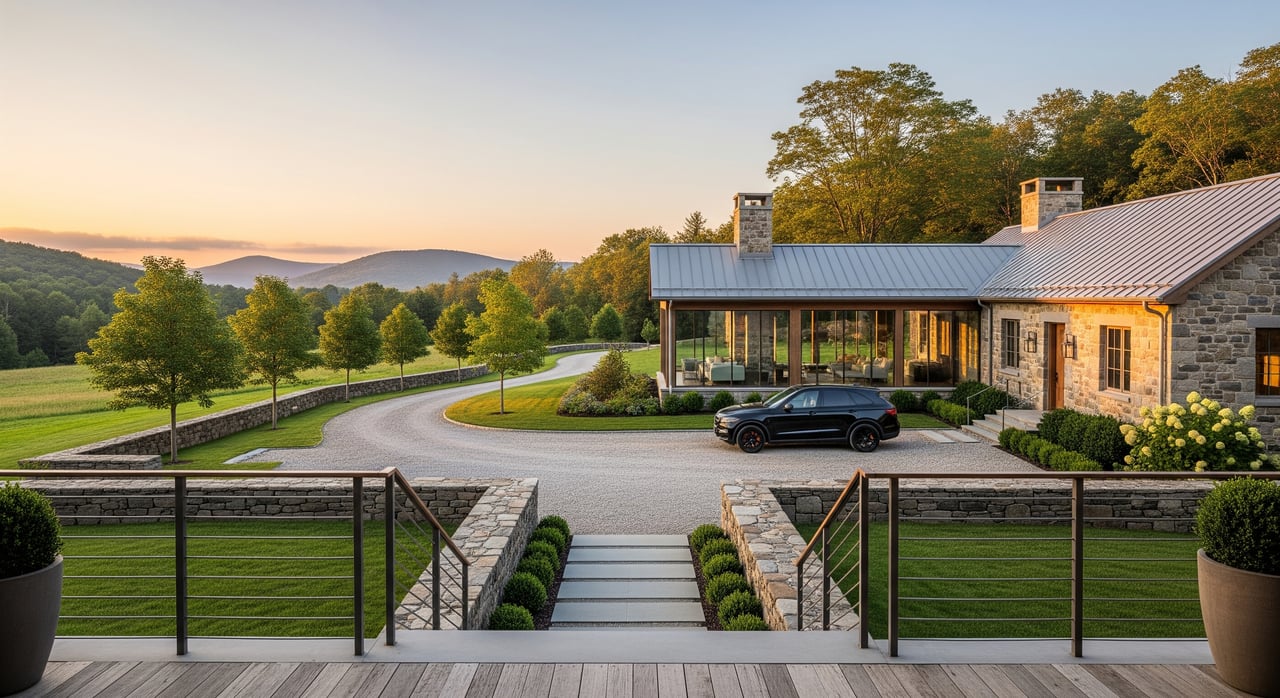
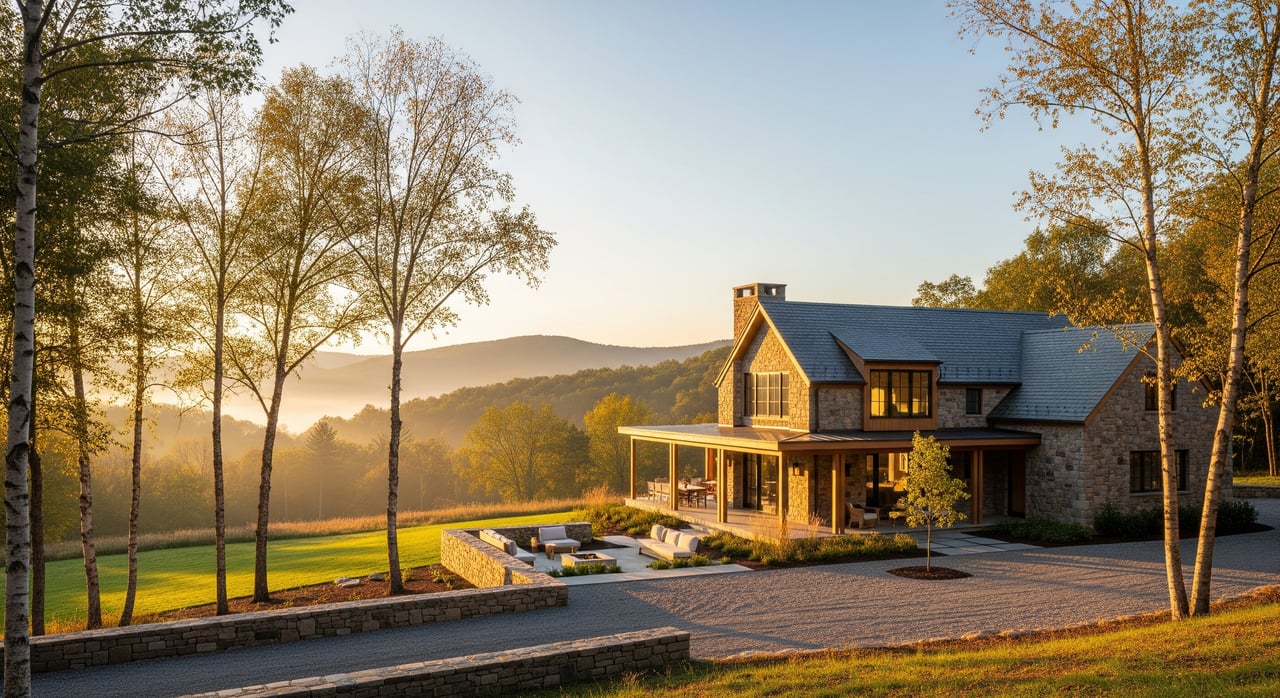
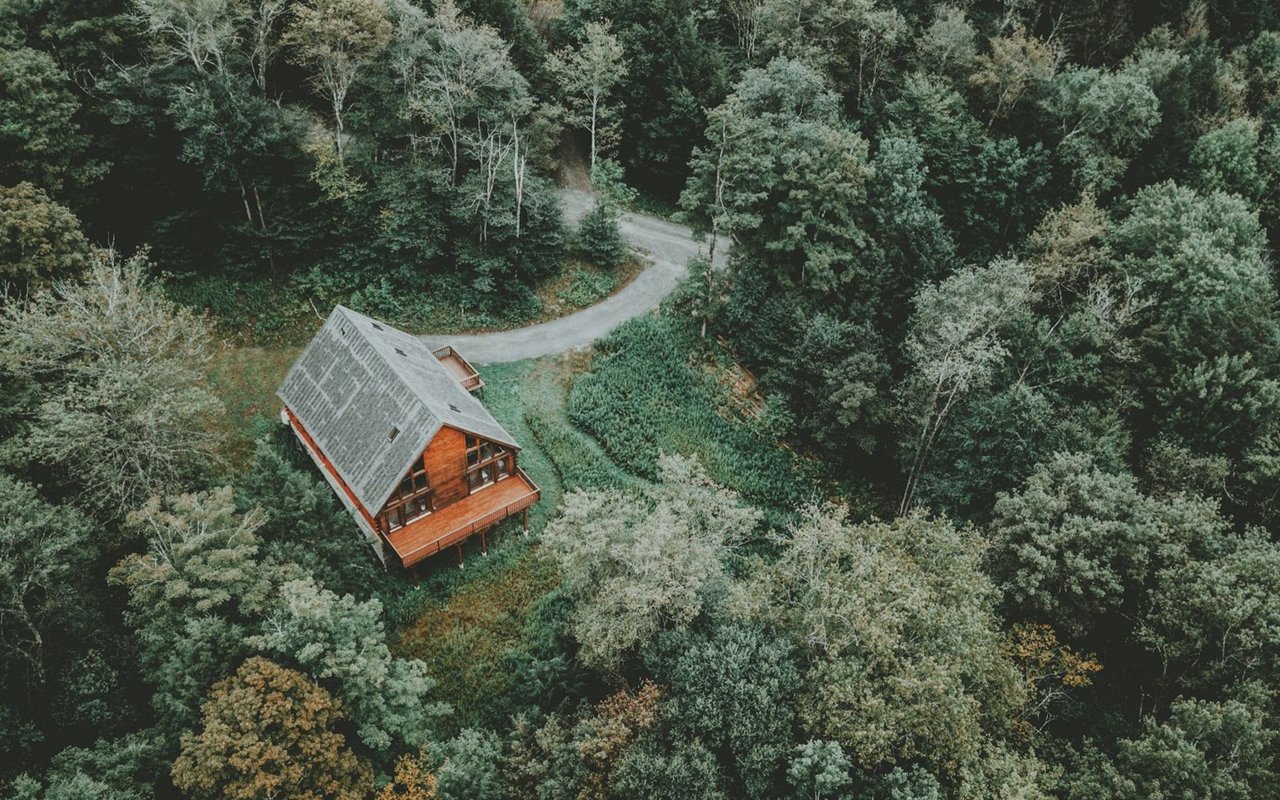
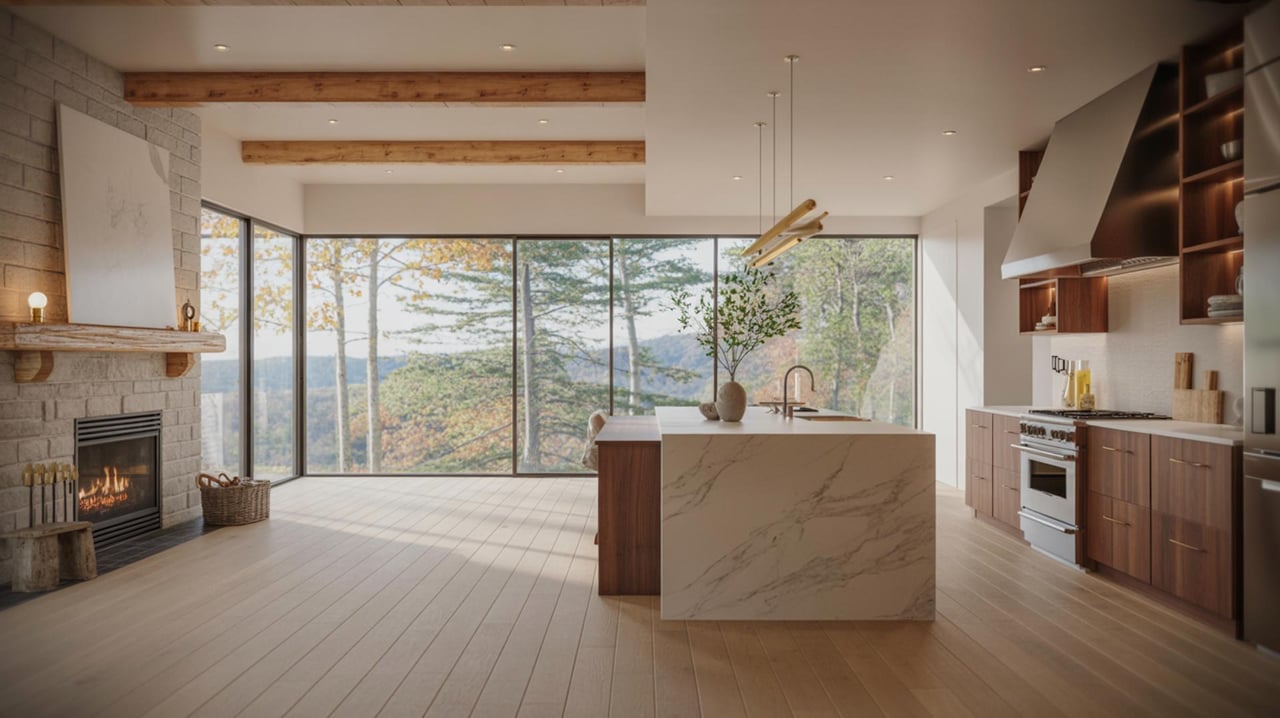
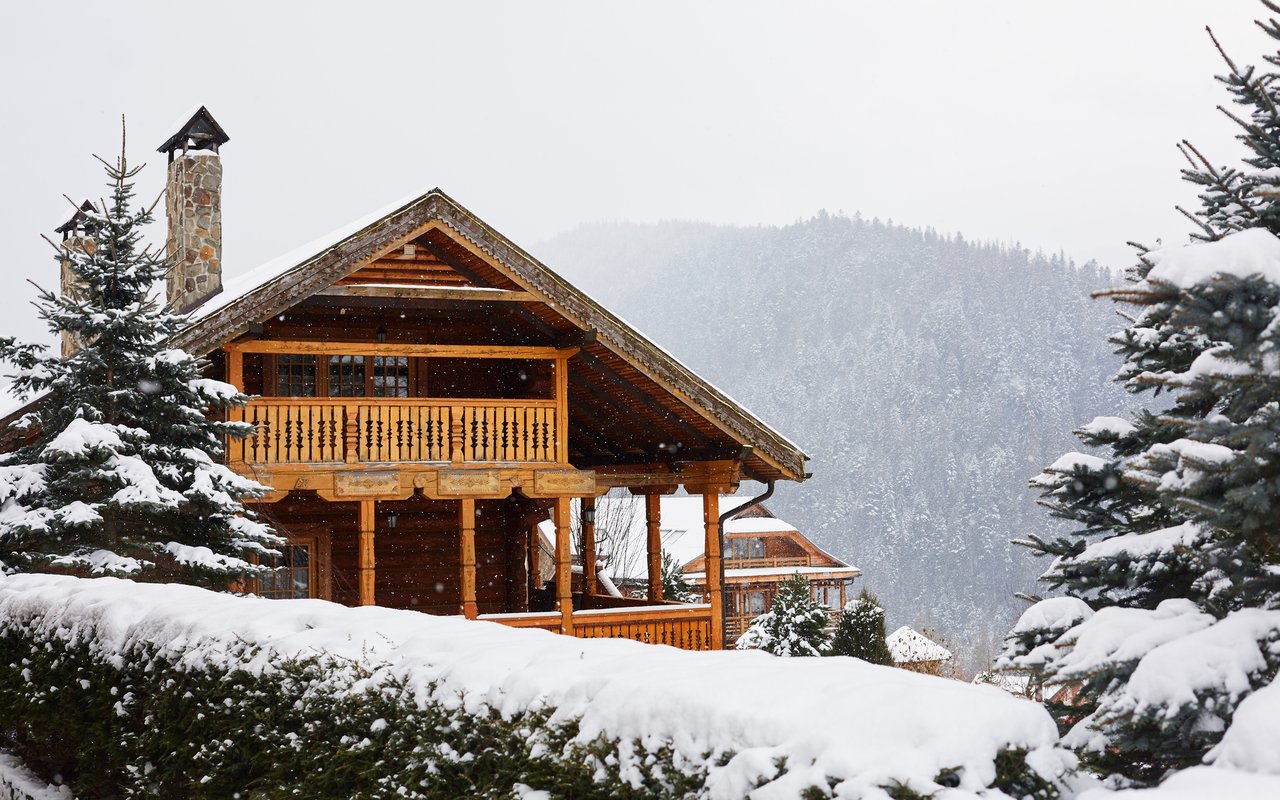
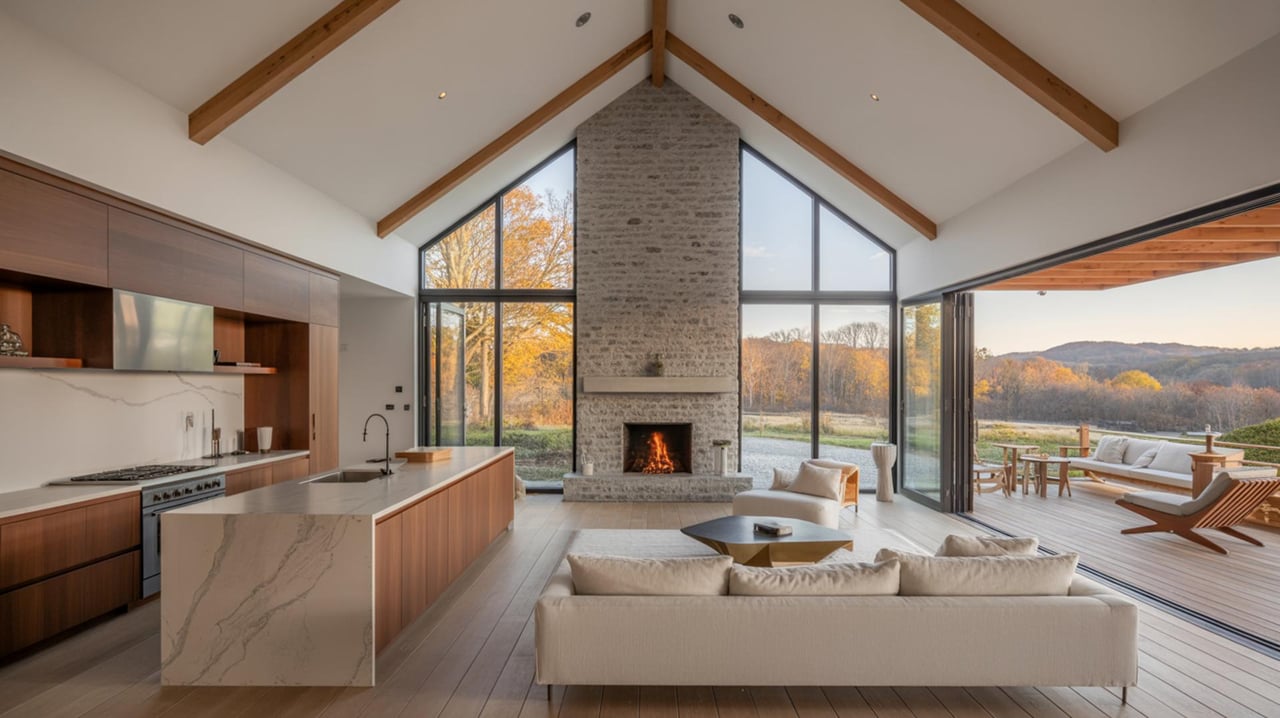
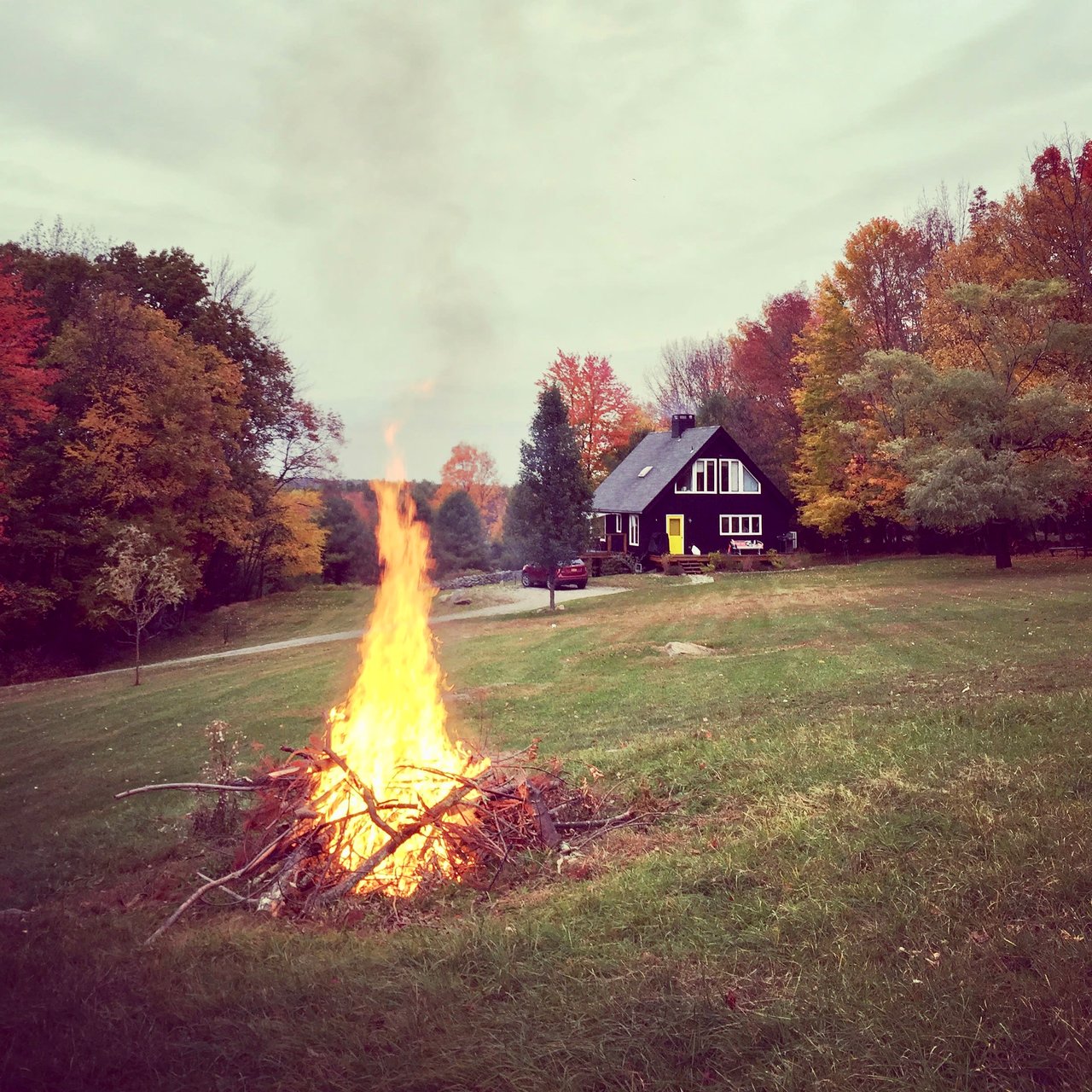
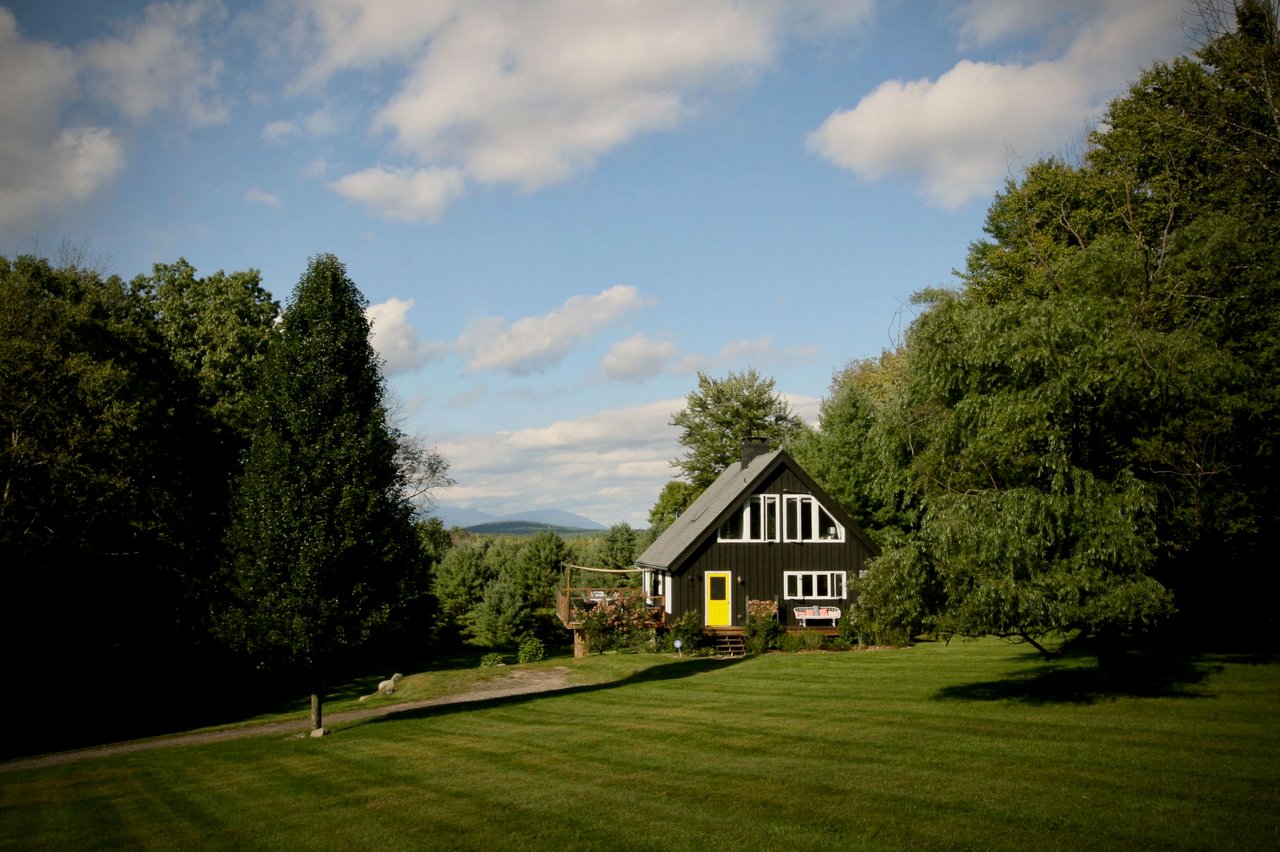
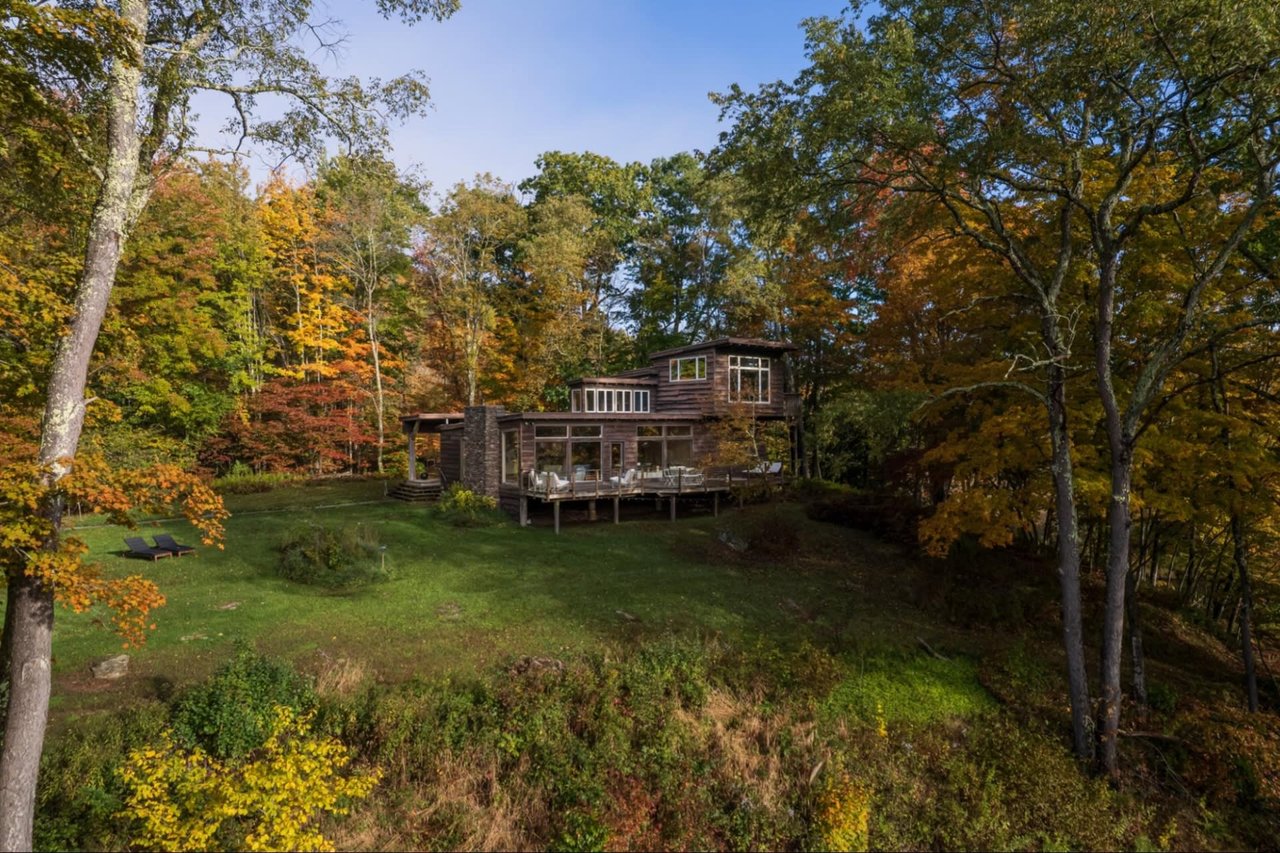
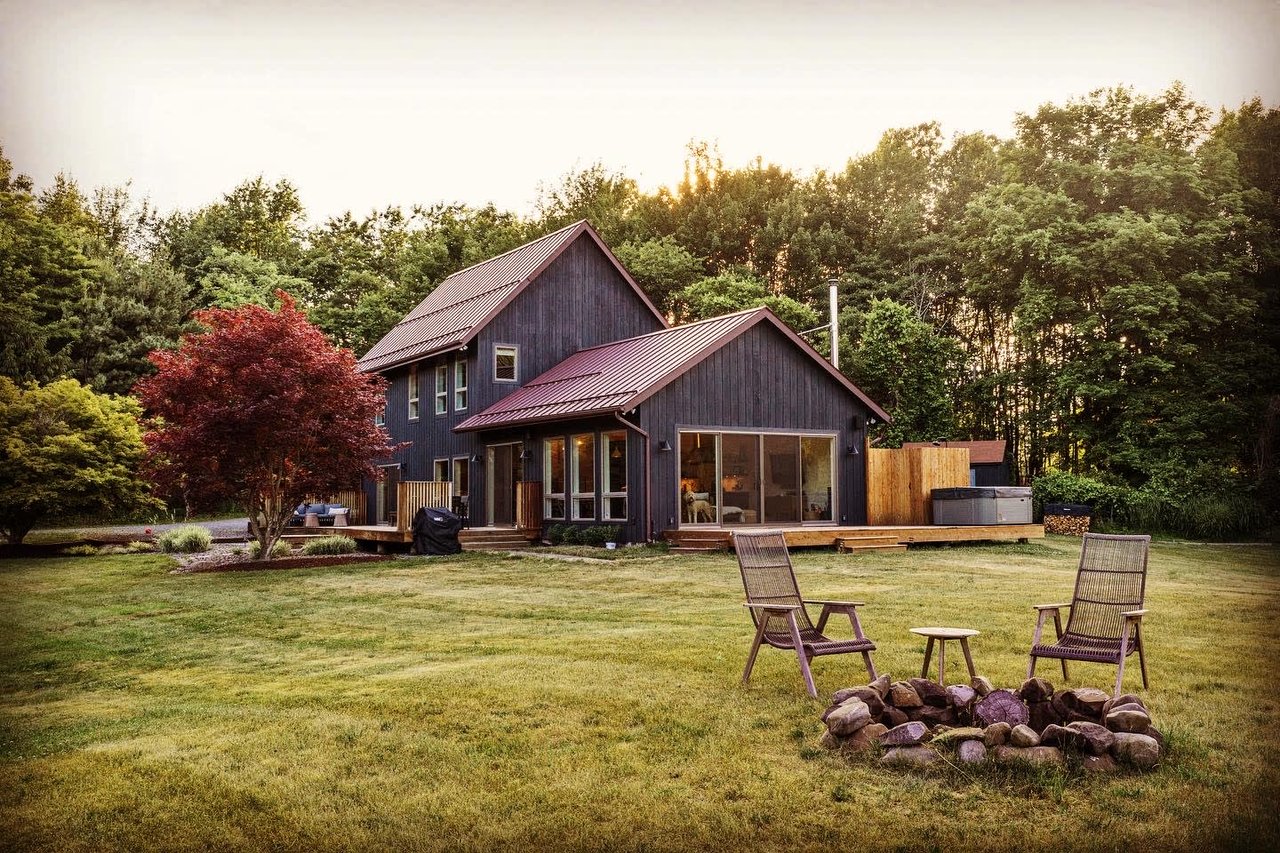
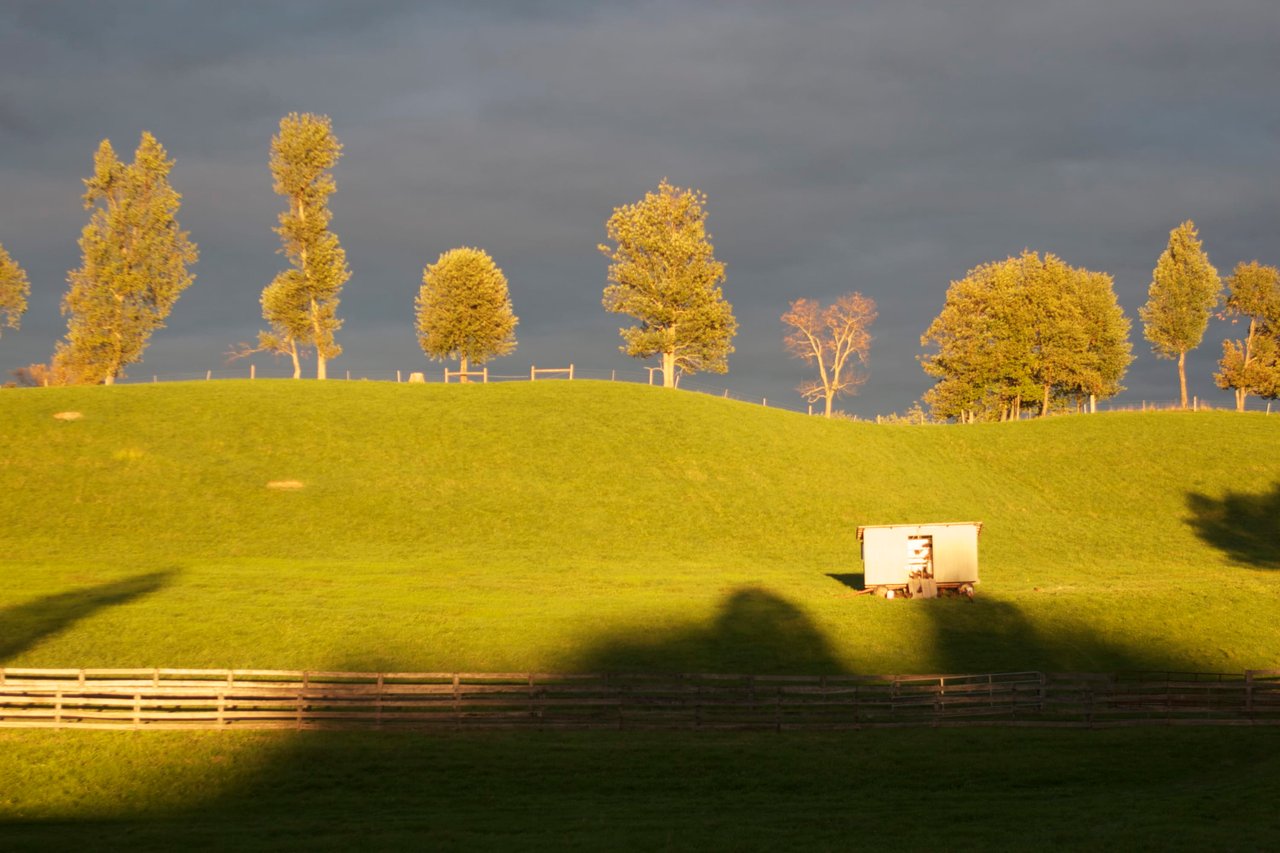
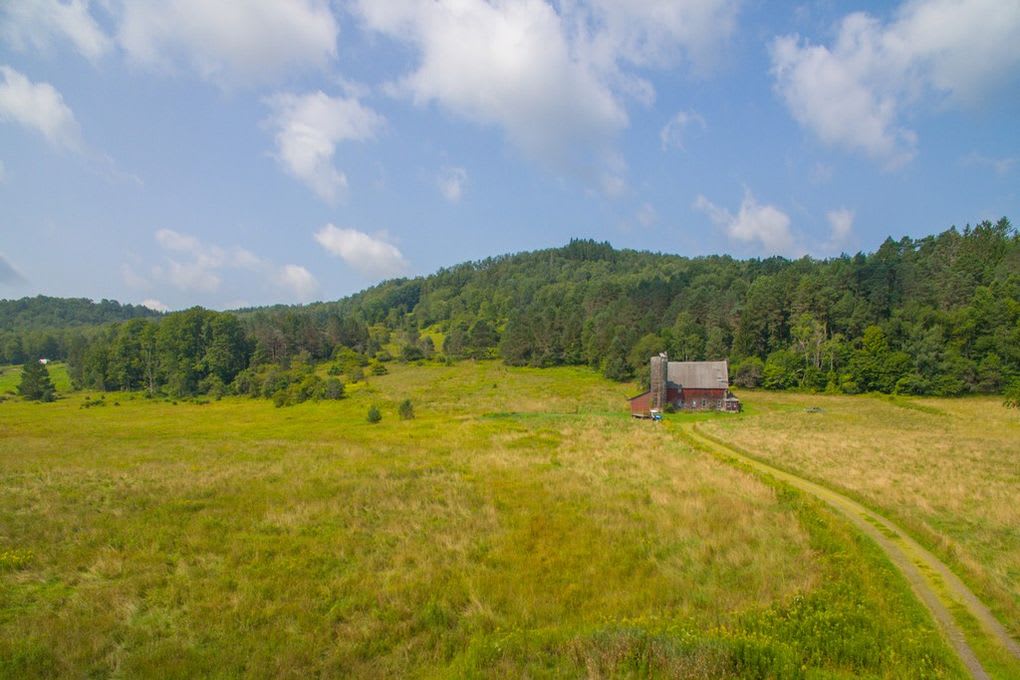
That creates a genuine range of settings for buyers. You can focus on a village-centered lifestyle, choose a more tucked-away hamlet feel, or look for a property with more land and open surroundings.
Village living in New Paltz
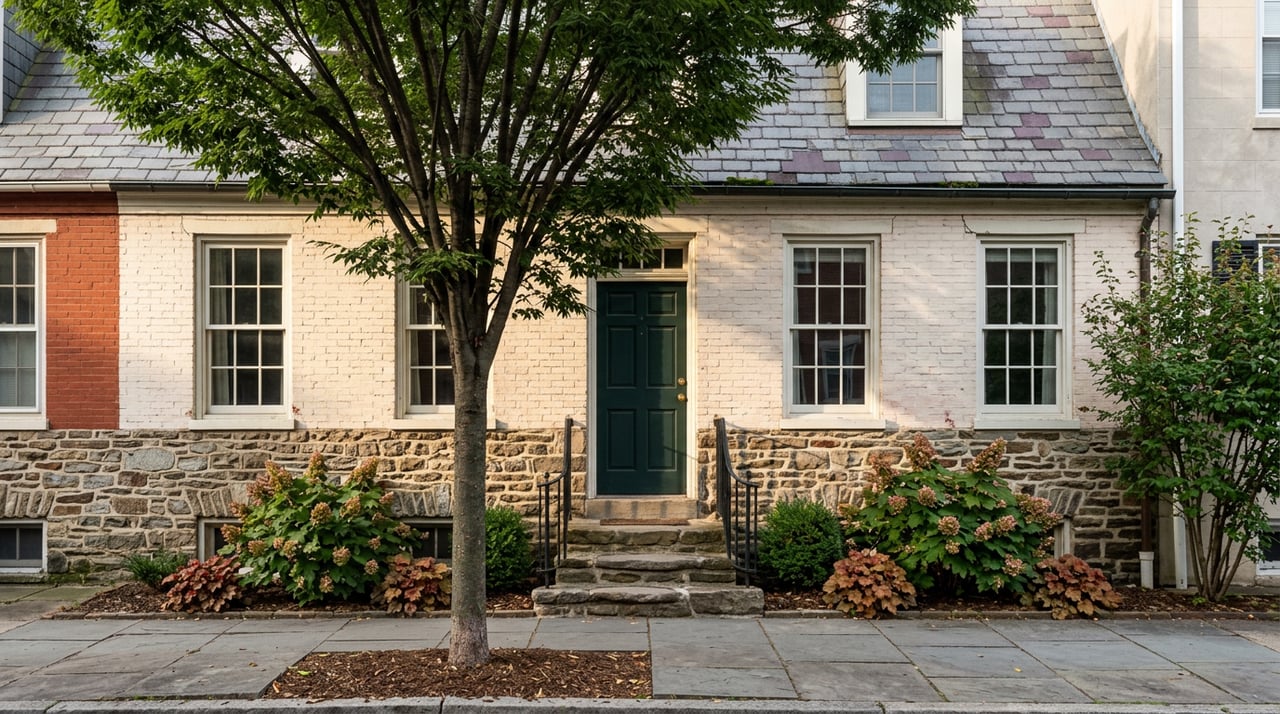
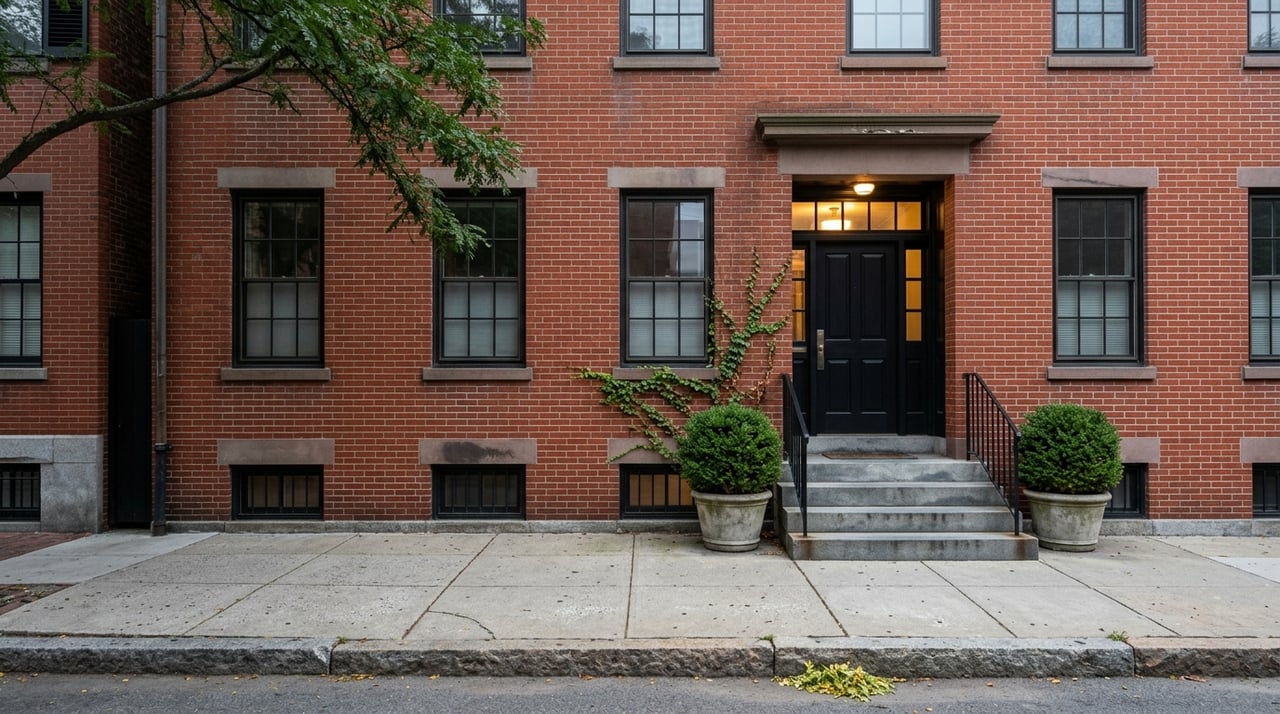
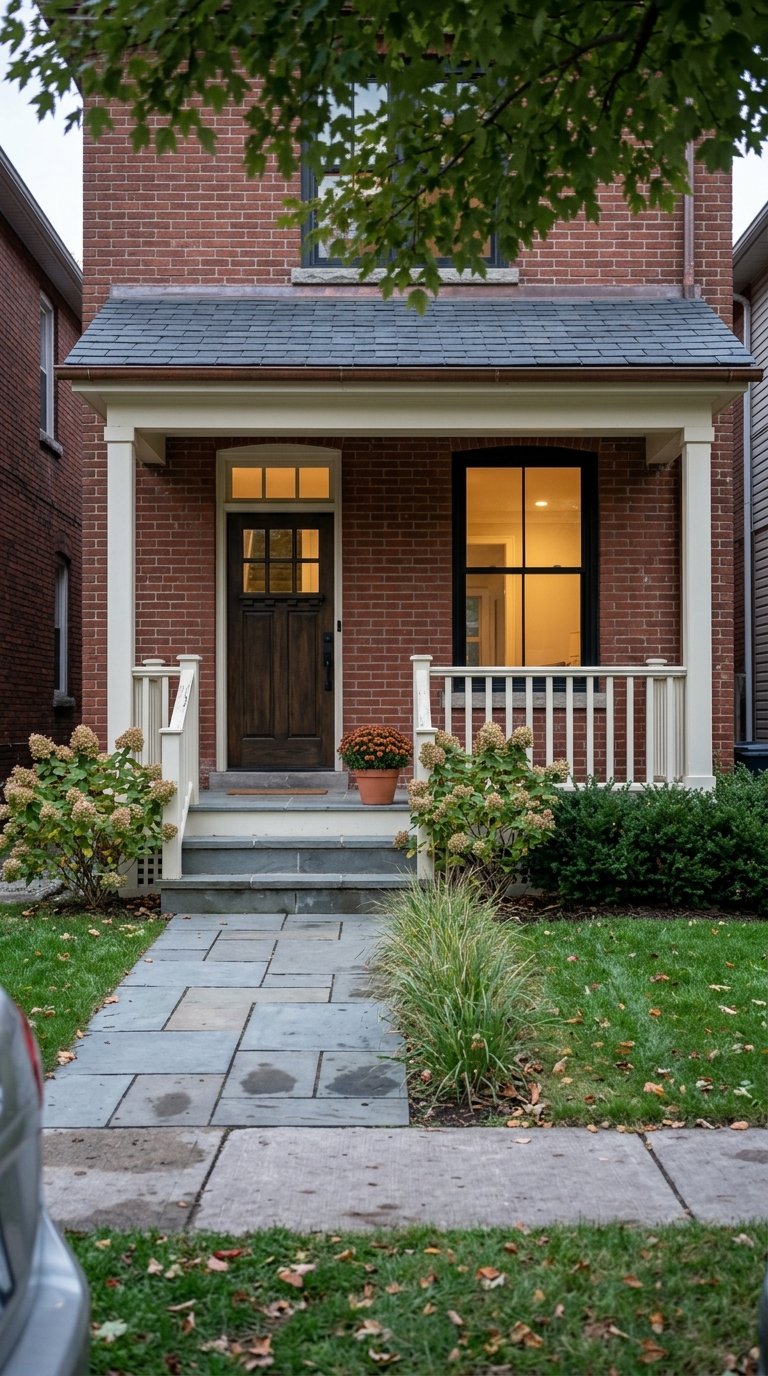
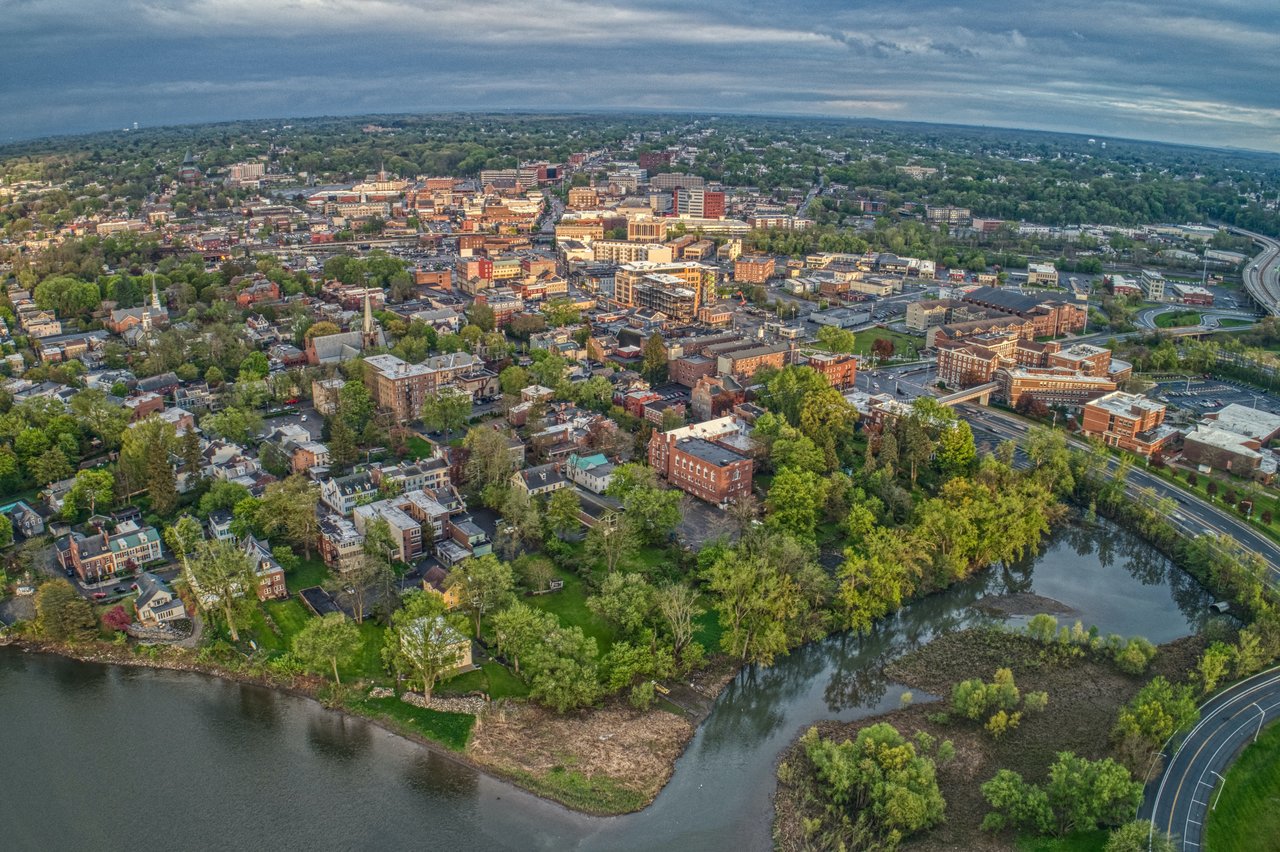
If you want to be closer to shops, services, campus activity, and a more walkable daily rhythm, the village area may feel like the strongest fit. It offers the compact, lived-in texture that many city buyers are looking for when they move upstate without wanting to feel isolated.
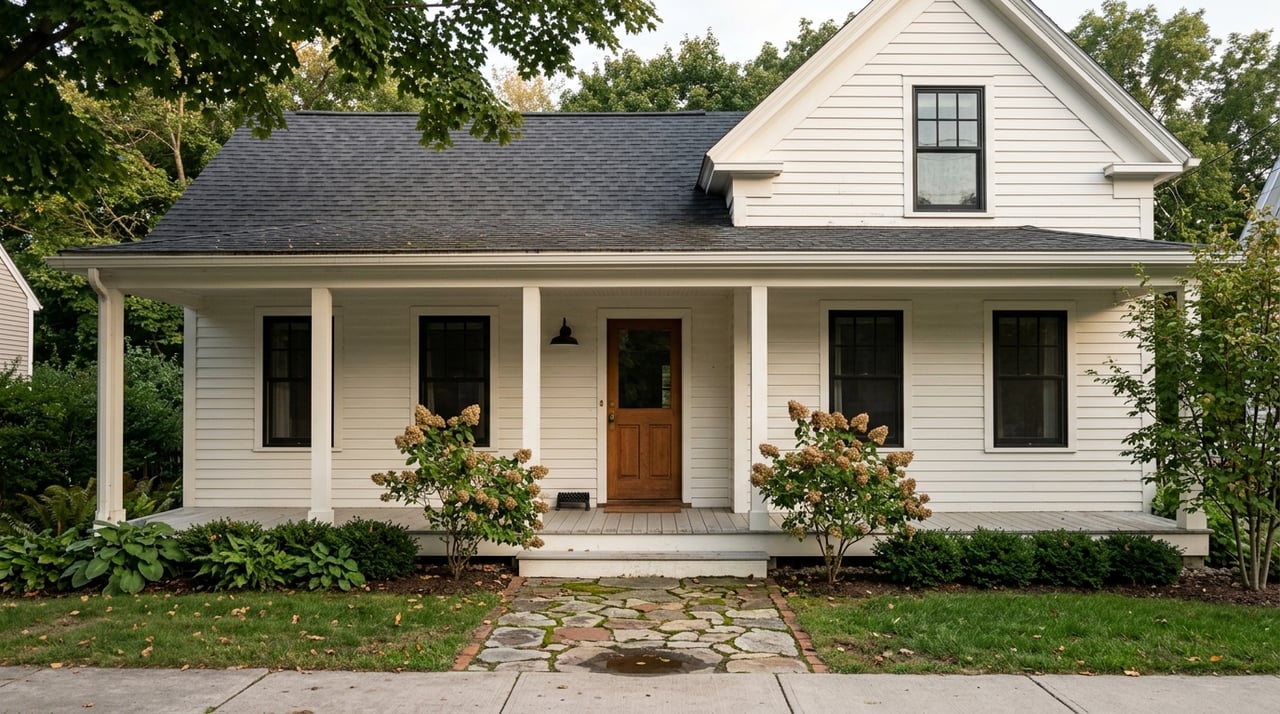
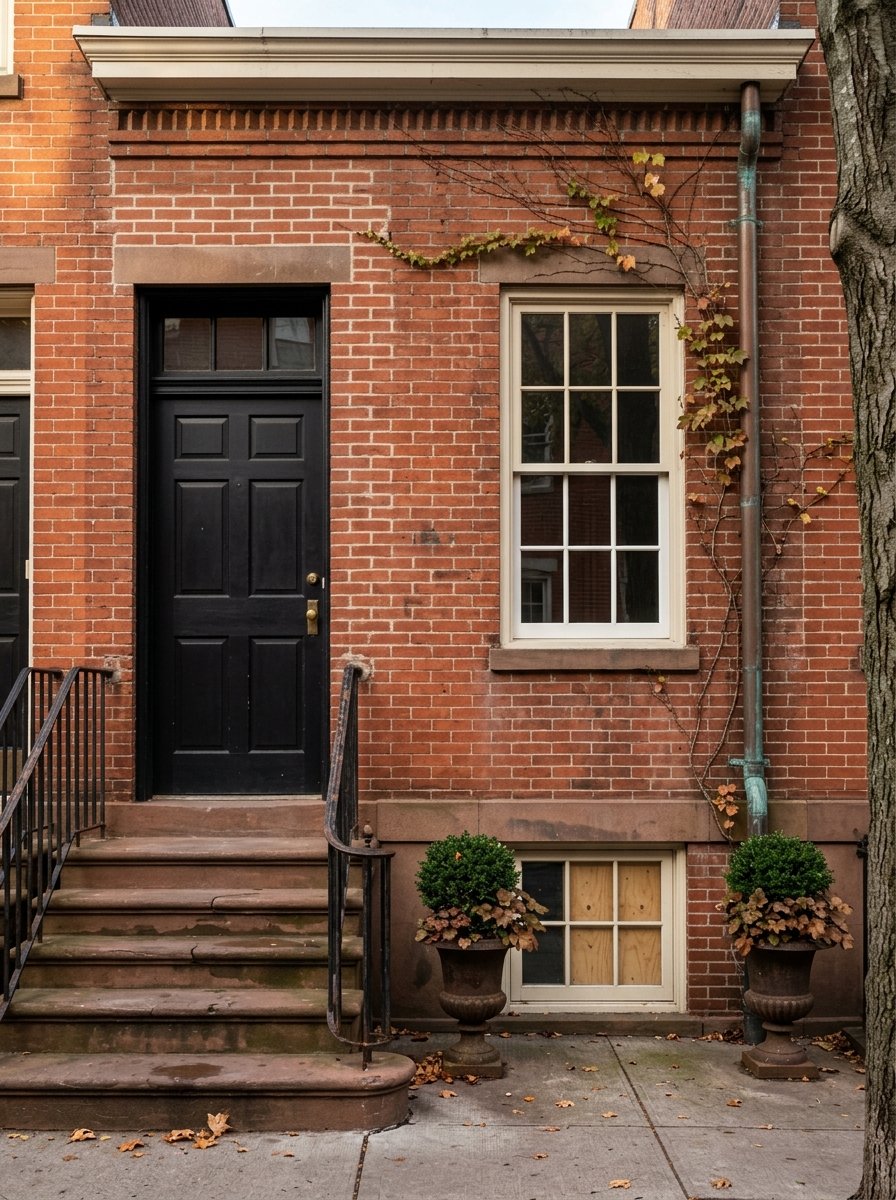
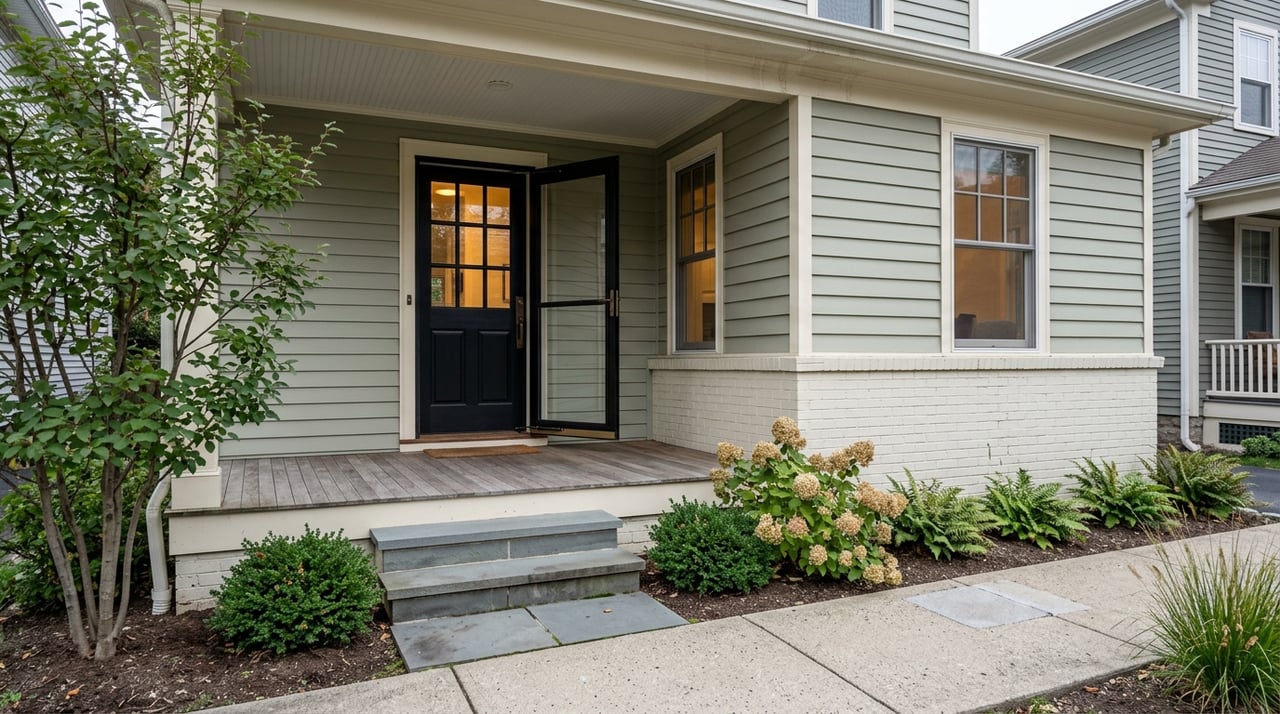
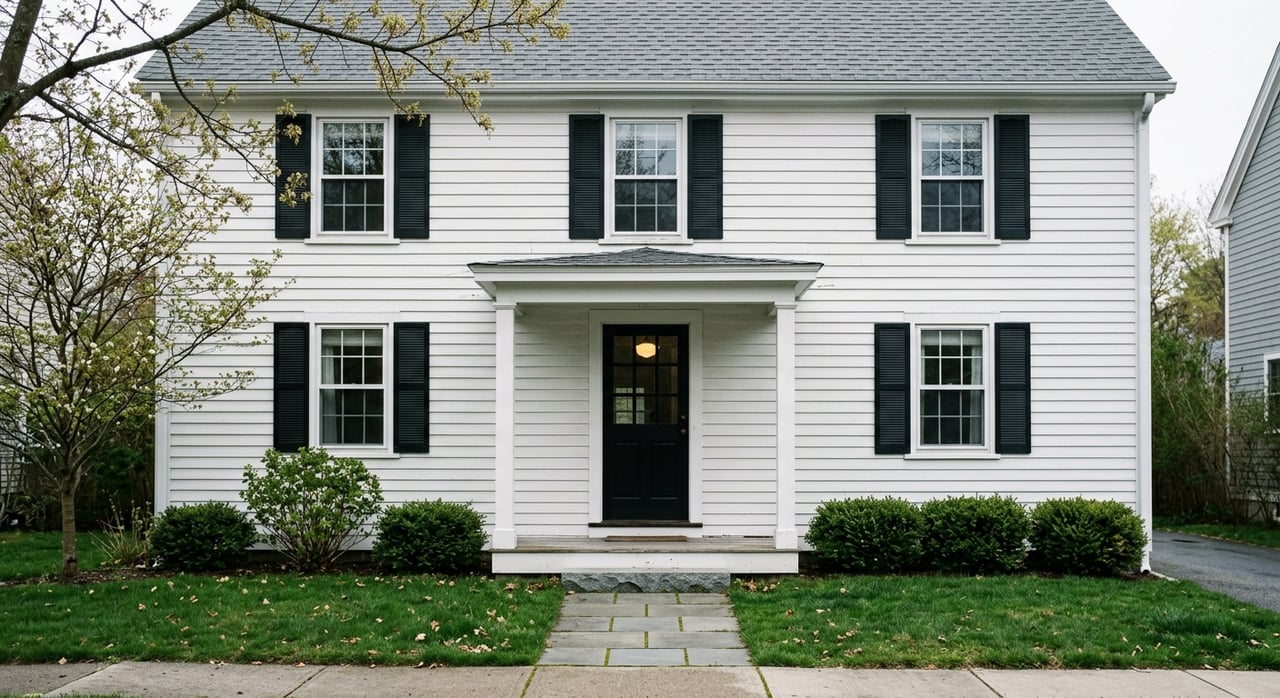
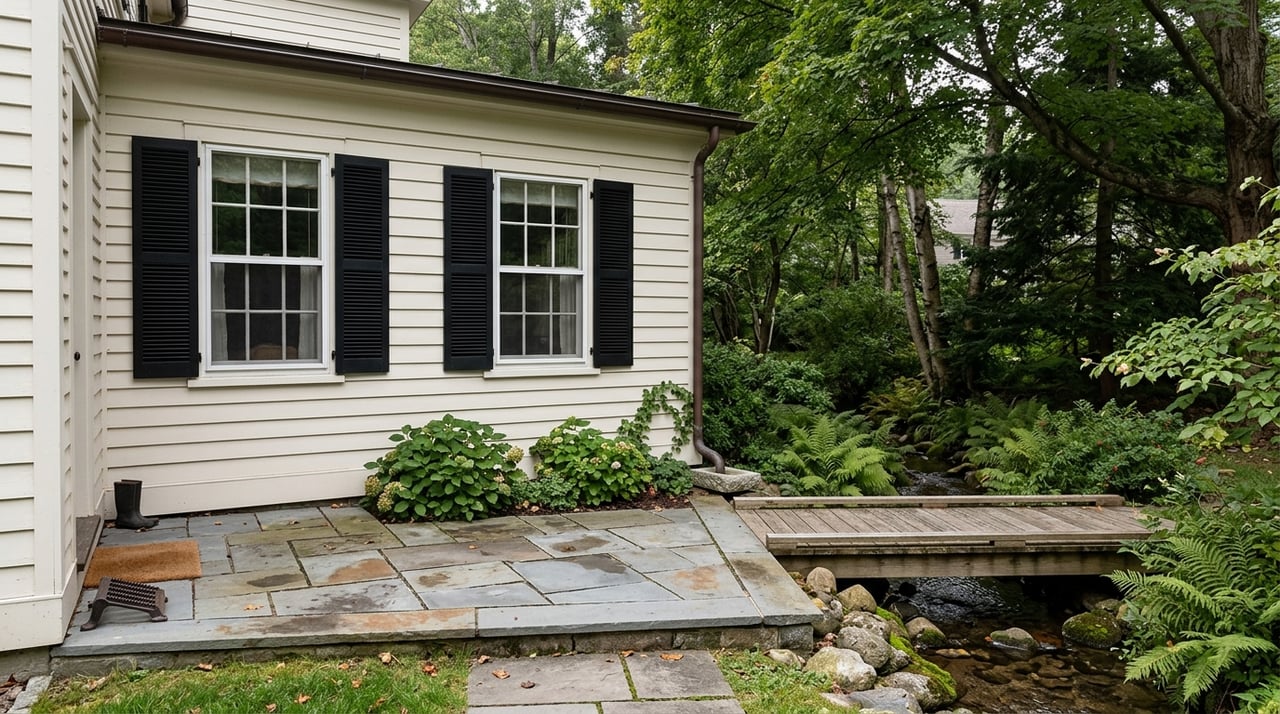
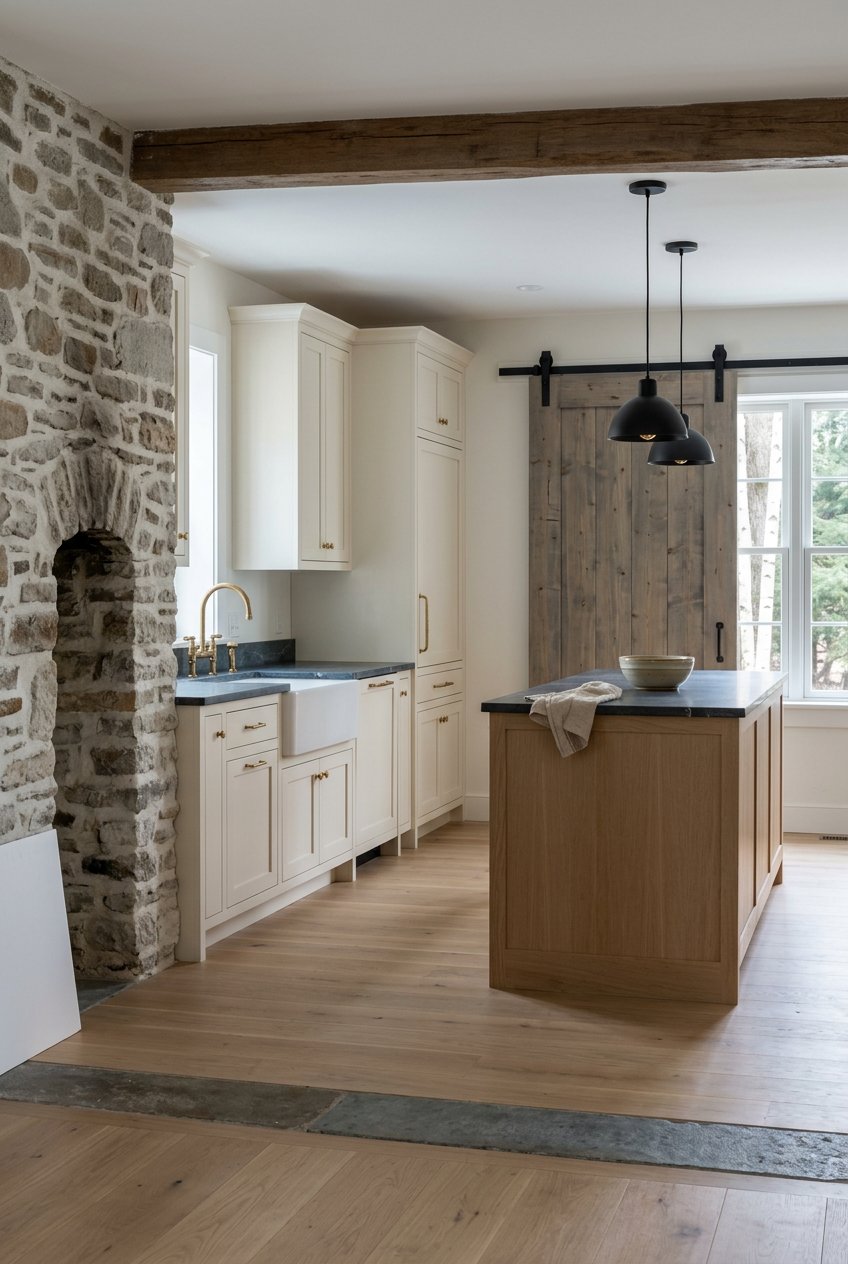
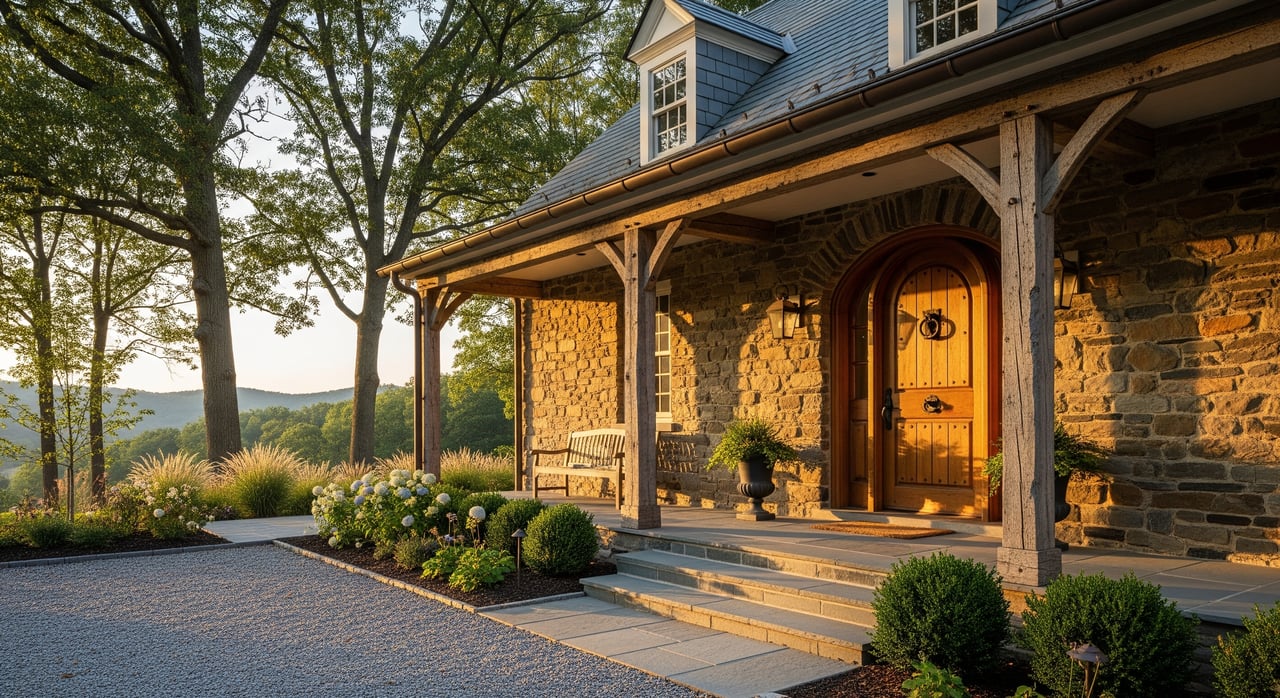
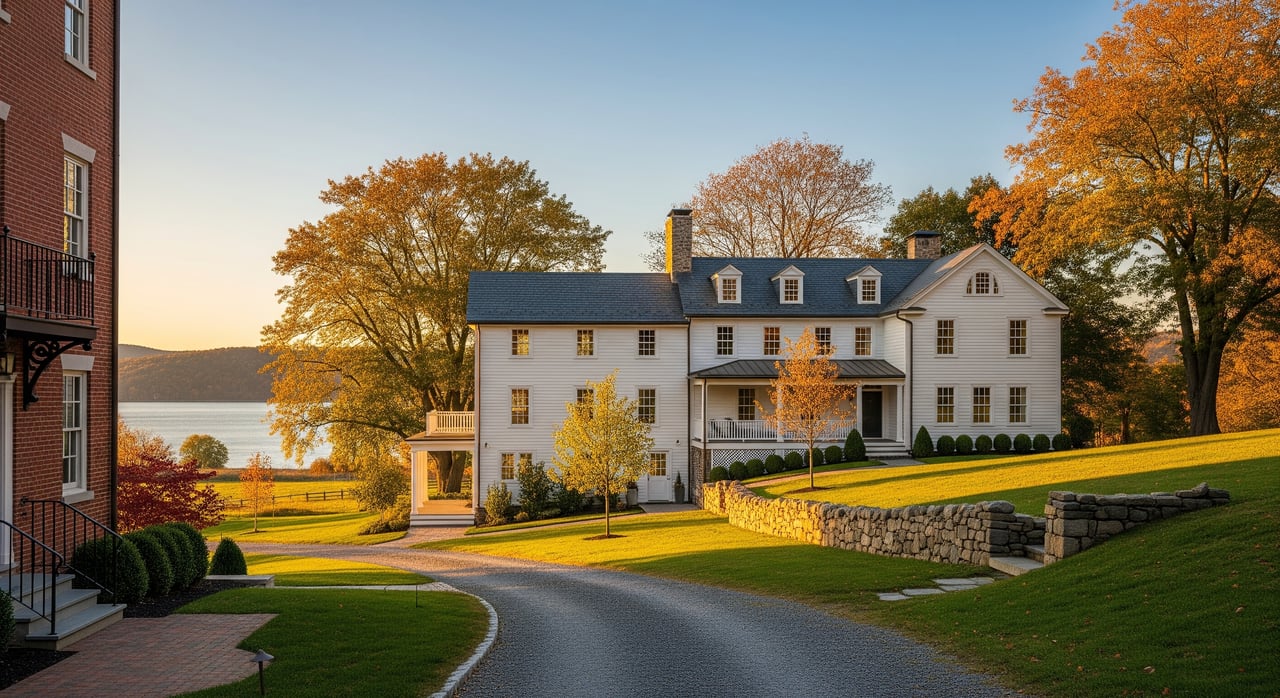
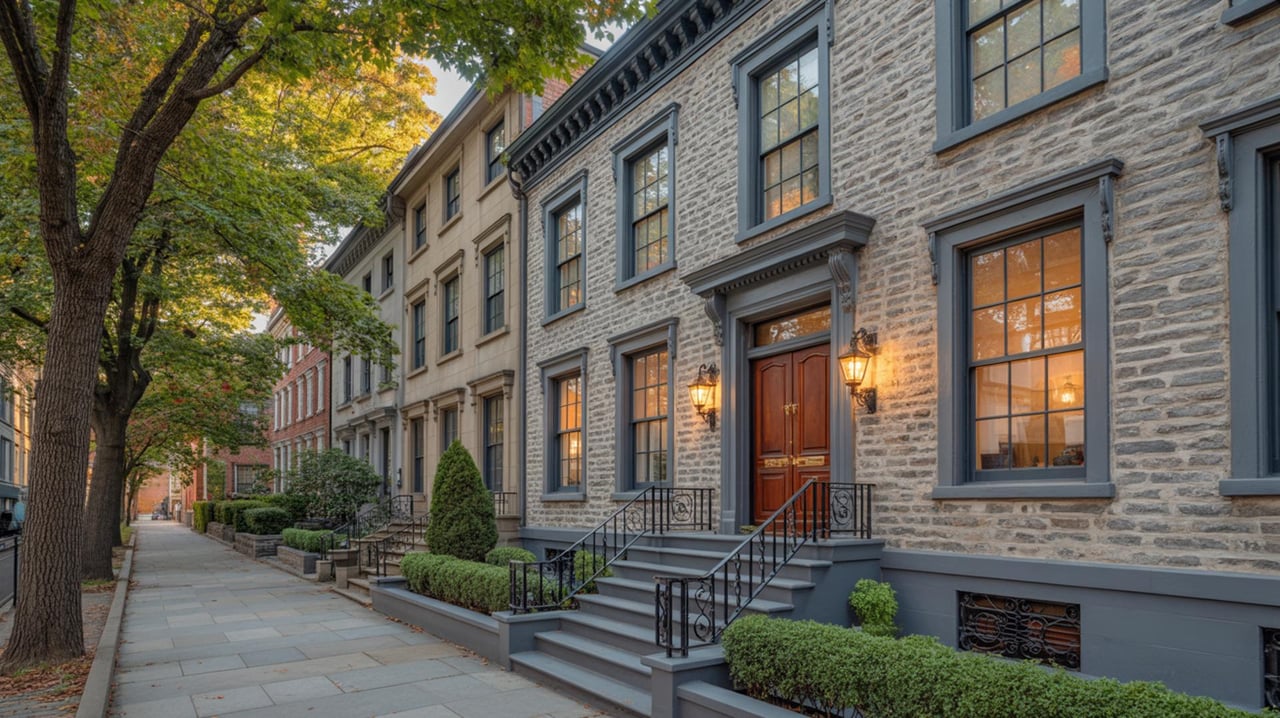
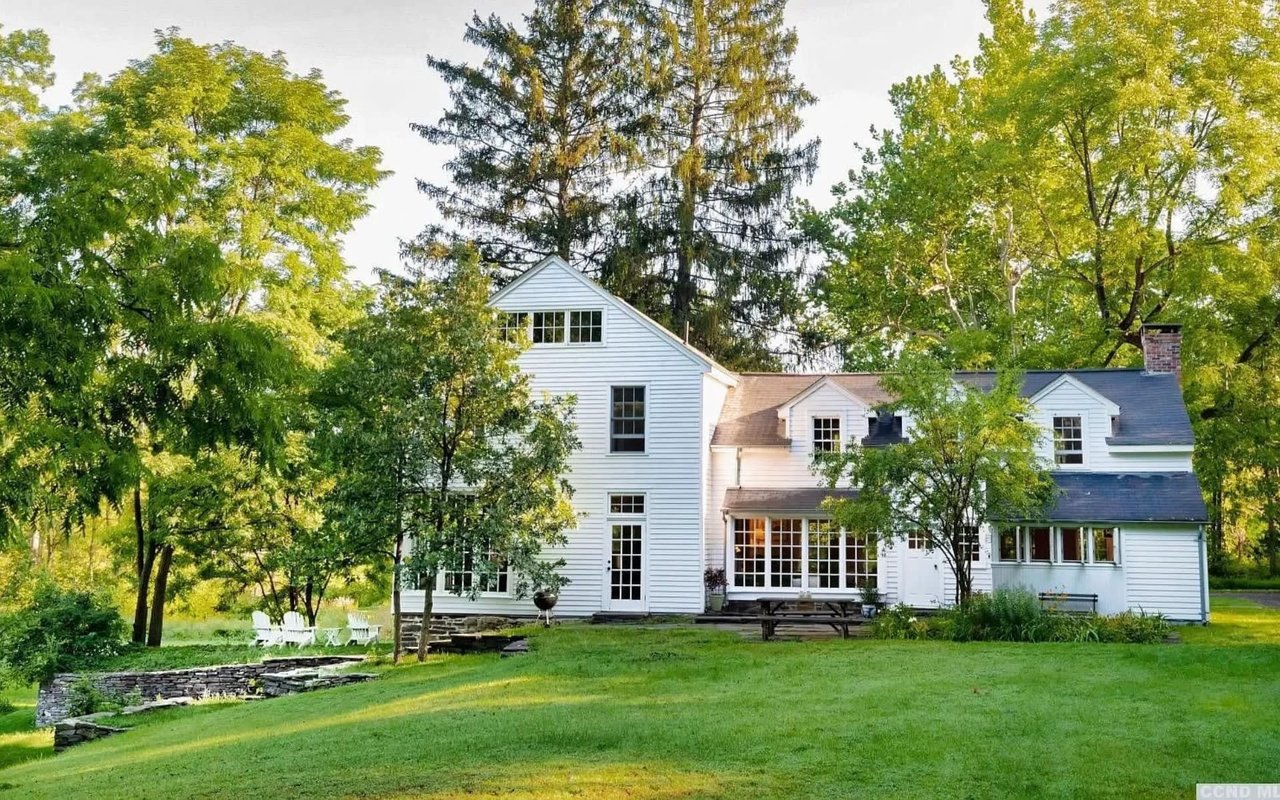
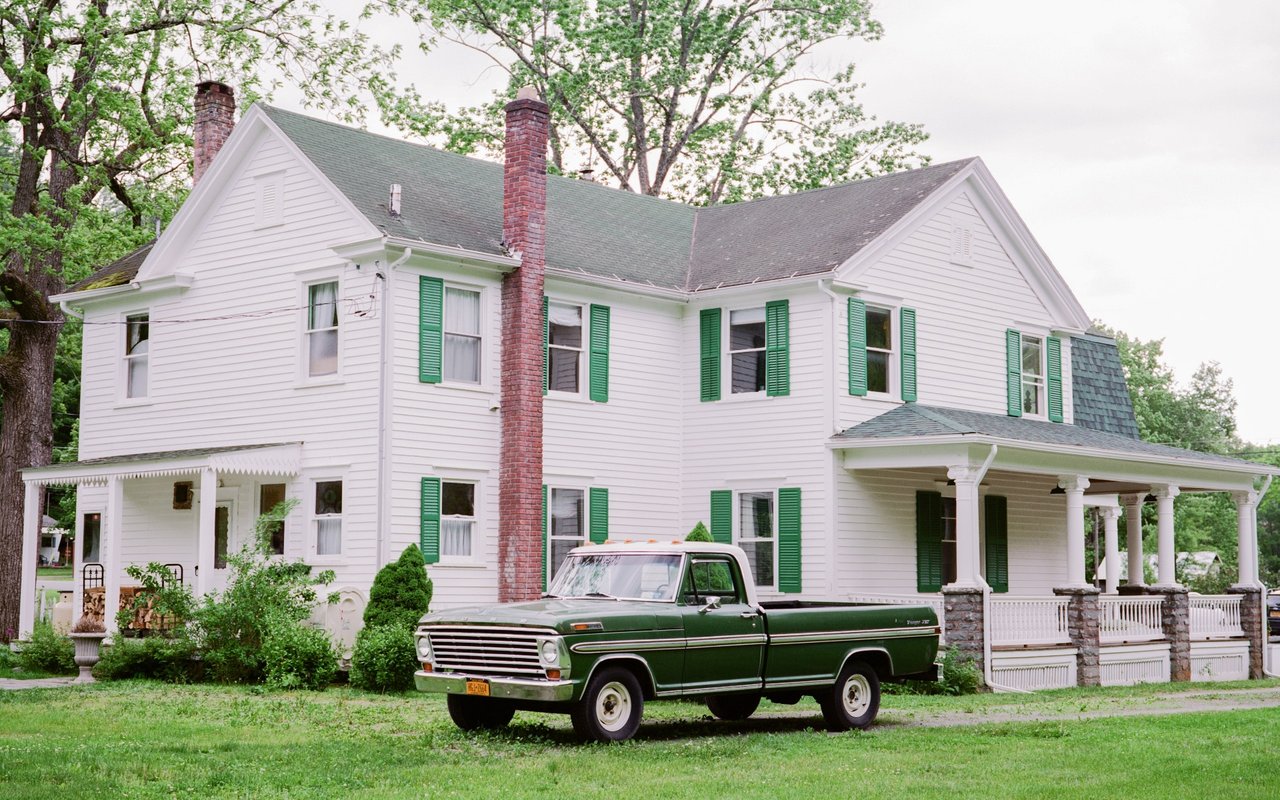
The housing stock here is varied too. Village survey material highlights New Paltz’s stone-house legacy around Huguenot Street, along with many mid-20th-century homes such as Bungalows, Cape Cods, Ranches, Craftsman houses, Colonial Revival, Tudor Revival, Dutch Colonial Revival, Split Levels, and postwar brick-and-stone-veneer homes.
If you are considering a landmark or historic-district property, there is an extra practical step to keep in mind. The town Historic Preservation Commission notes that owners of those properties need approval for exterior changes.
Hamlet and rural options
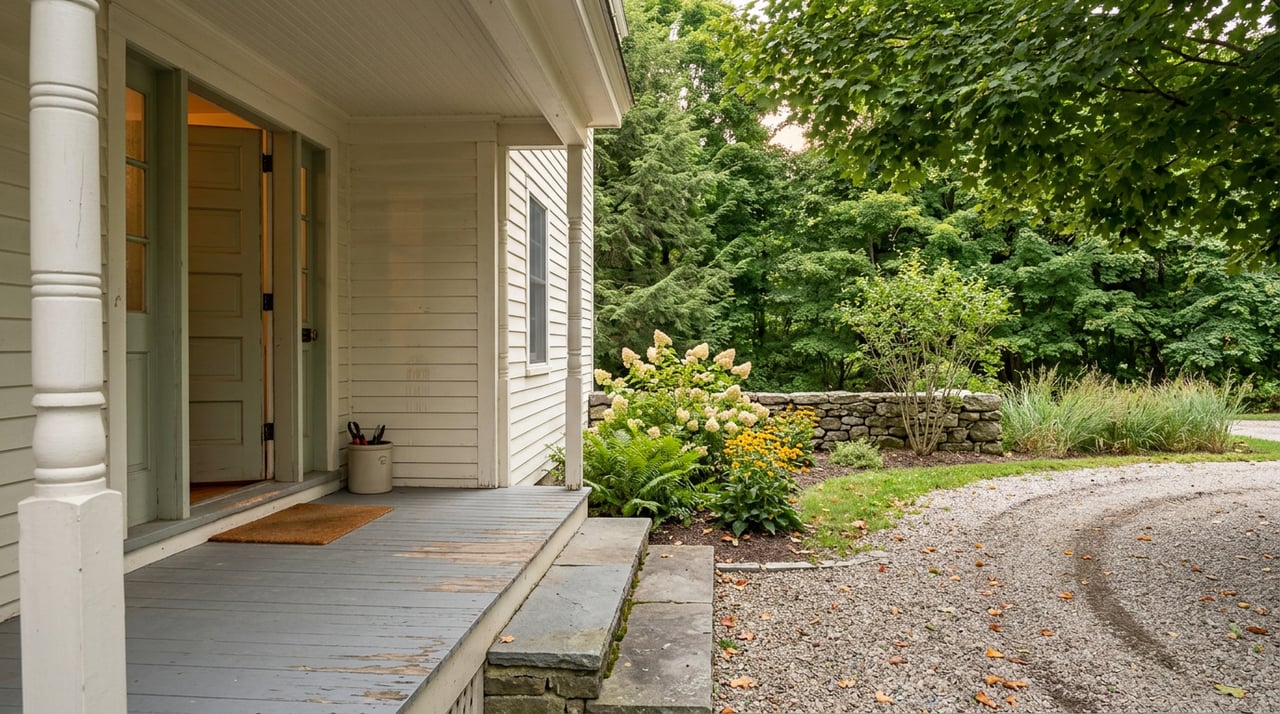
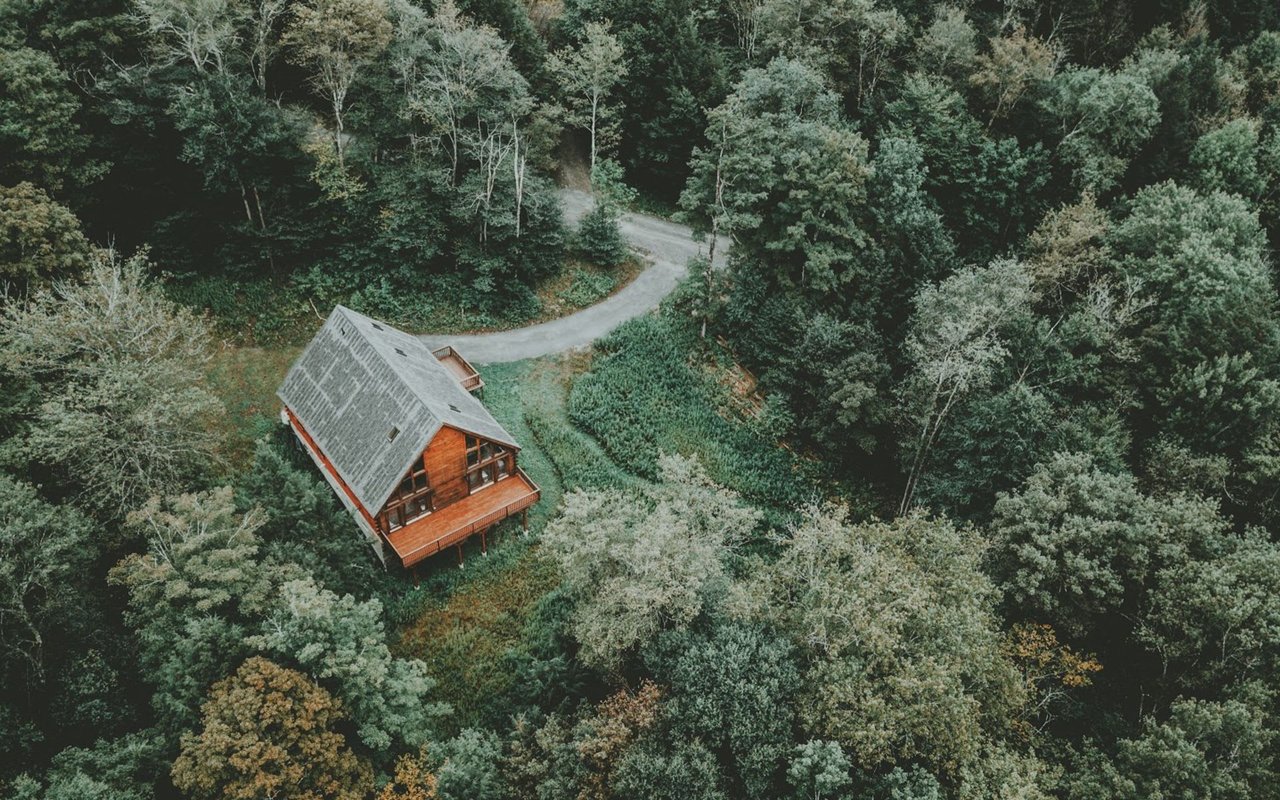
If your version of hybrid life includes more privacy, more land, or a quieter visual setting, the wider town offers a different pace. Town survey material identifies Ohioville as the largest and best-defined hamlet, Springtown as a summer-resort and farming precinct, and Plutarch as a smaller cluster.
A related Route 299 planning document describes Ohioville as a traditional crossroads settlement with a compact, walkable mixed-use pattern. That kind of detail matters because it shows that even outside the village core, New Paltz includes different settlement patterns rather than one uniform rural landscape.
Weekly life has real energy
A lot of towns feel lively on a fall weekend and quiet the rest of the time. New Paltz has a stronger weekday pulse than that, thanks in part to SUNY New Paltz and the activity that comes with it.
SUNY New Paltz reports 6,197 undergraduates and 1,036 graduate students. Its Student Union averages about 8,000 events per year, which helps support a more active weekly rhythm than you might expect in a small village.
That matters if you are looking for a home base that feels usable year-round, not just picturesque. It can make errands, coffee runs, casual dinners, and social plans feel more routine and less like something reserved for weekends.
Food and market culture
New Paltz also benefits from an established food-and-drink identity. The campus farmers market runs every Thursday from September to May and offers local produce, baked goods, dairy, honey, and maple products.
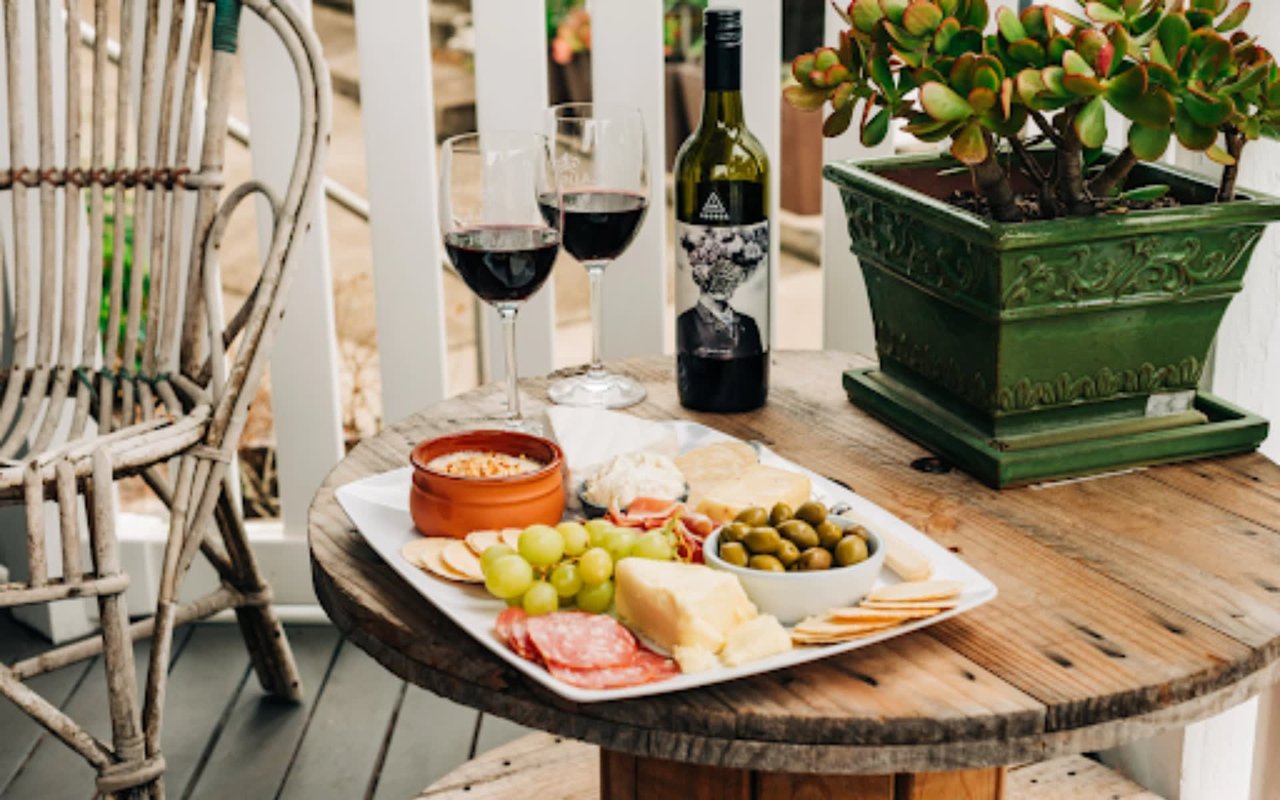
The town’s annual happenings calendar highlights the New Paltz Farmers Market, Water Street Market, Taste of New Paltz, Hudson Valley Restaurant Week, and the Wine & Food Festival of New Paltz at Mohonk Mountain House. The town also notes that New Paltz sits in a broader food-and-drink corridor that includes twelve wineries on the Shawangunk Wine Trail.
For many buyers, that means daily life can feel full without feeling overprogrammed. You are not relying on special-occasion planning to enjoy where you live.
Outdoor access is a major advantage
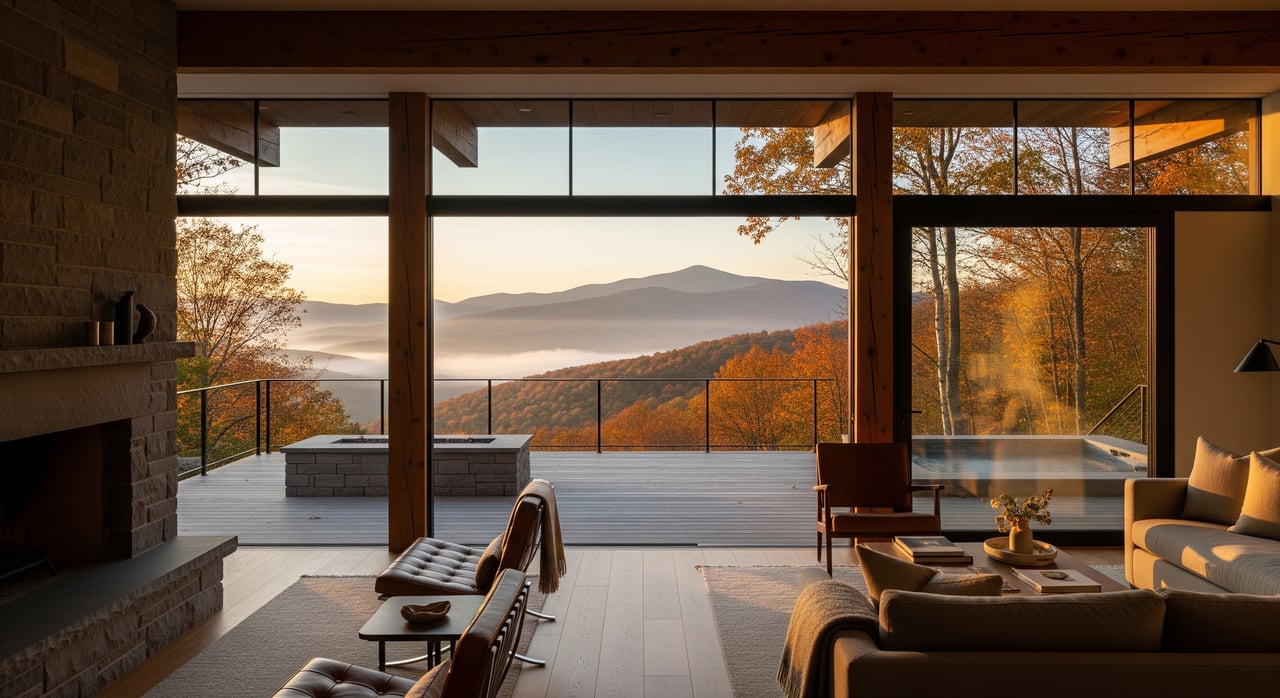
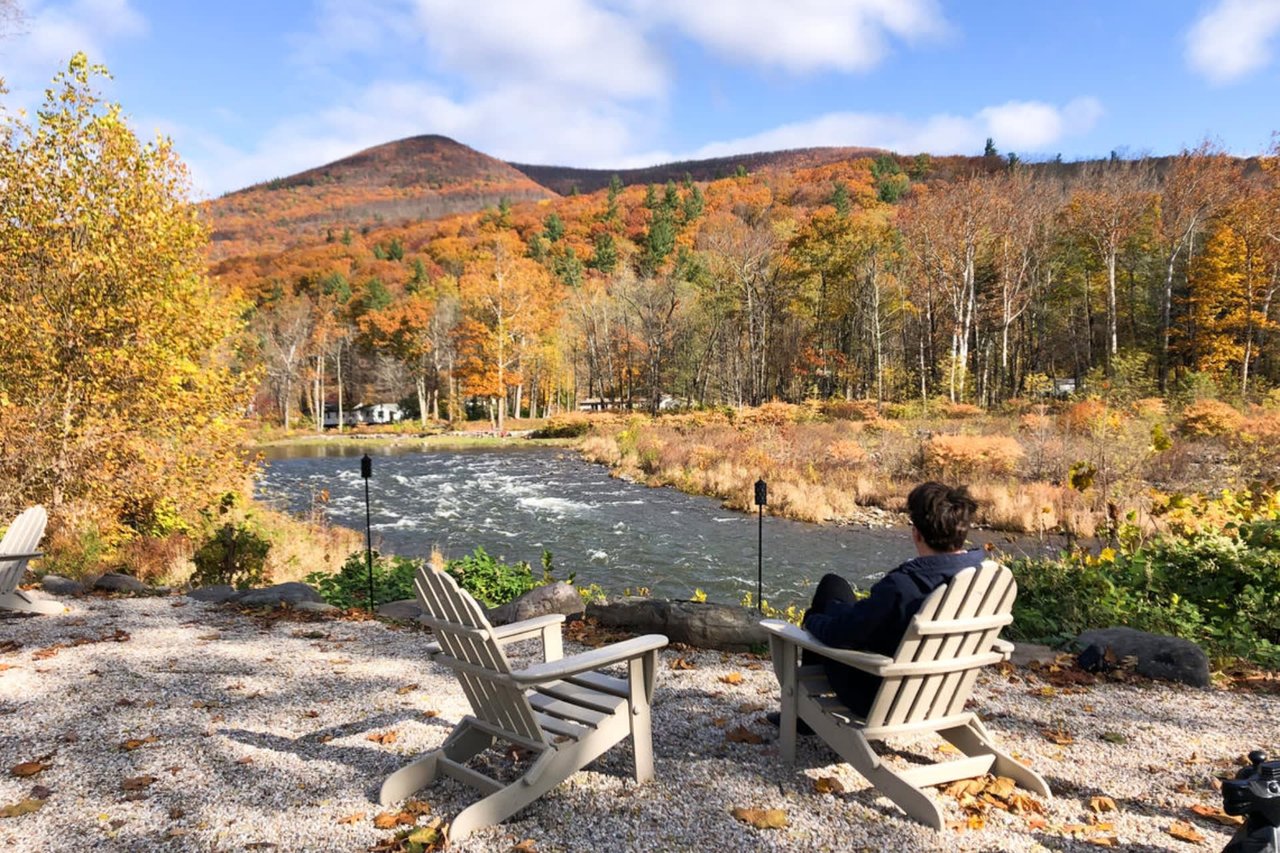
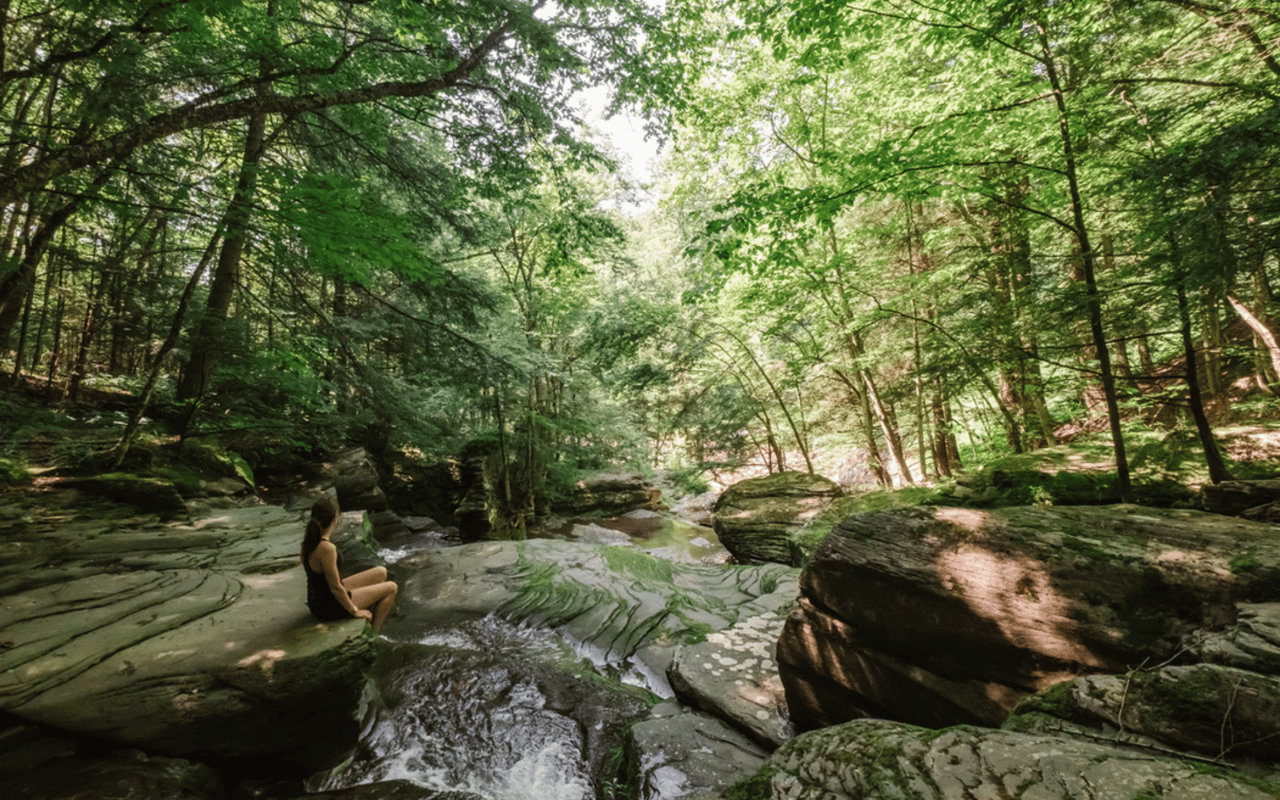
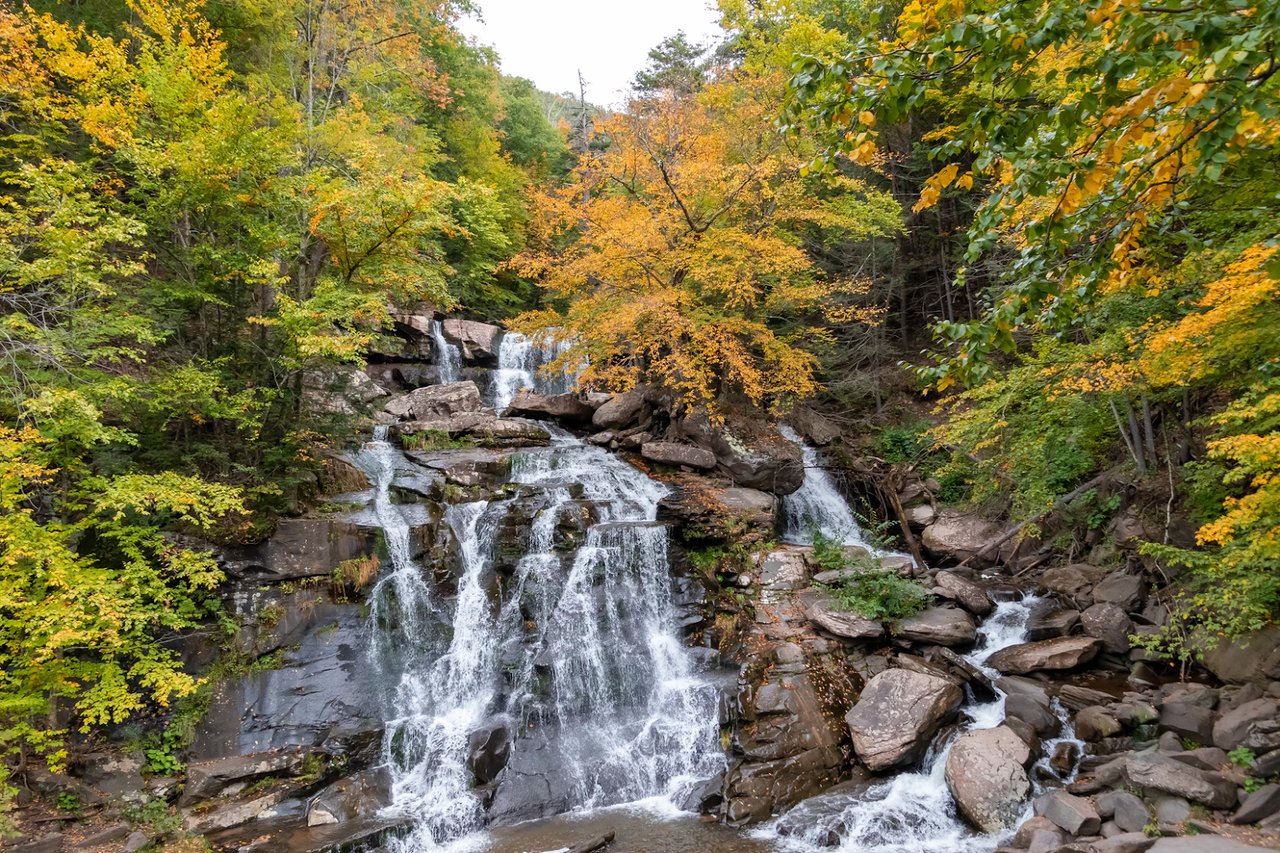
If your ideal hybrid base includes regular time outside, New Paltz has a strong case. Its outdoor access is unusually robust for a small village, especially when you compare how quickly you can move from town life to major trail systems.
The River-to-Ridge Trail begins at the edge of the Village and connects directly to the Shawangunk Ridge, Mohonk Preserve, Minnewaska State Park Preserve, the Wallkill Valley Rail Trail, and the Empire State Trail. The Open Space Institute says the trail is intended for walking, running, hiking, biking, and equestrian use.
Mohonk Preserve says it has five main trailheads, and Minnewaska State Park Preserve covers more than 24,000 acres. For buyers who want a village setting without giving up immediate access to preserved land and large-scale recreation, that is a meaningful advantage.
Who New Paltz fits best
New Paltz tends to be a strong fit if you want a lively small-town base with repeatable access to New York City and easy access to trails and open land. It also works well if you value having different housing settings to choose from, from historic village streets to more rural properties.
It may be a weaker fit if you need a train station in town, want an everyday rail commute from home, or are looking for the quietest acreage-first experience with the least amount of activity nearby. In other words, New Paltz is compelling because it balances energy and escape, not because it removes tradeoffs.
How to think about your search
If you are considering New Paltz, it helps to start with your real weekly pattern rather than your idealized one. Ask yourself how often you need city access, how much you want to drive, and whether you feel more drawn to a village-centered routine or a more rural setup.
You should also think carefully about the type of property experience you want. Some buyers care most about charm and walkability. Others want land, privacy, or a renovation opportunity with room to shape it over time.
That is where a place like New Paltz gets interesting. It can support several versions of hybrid life, but the right fit depends on matching the property and the setting to the way you actually want to live.
If you are exploring New Paltz as your next move, working with a local brokerage that understands both the city-to-country mindset and the nuances of Ulster County can make the process much clearer. To talk through neighborhoods, property types, or your goals for a second home or full-time move, connect with Joseph Satto.
FAQs
Is New Paltz a good place for hybrid workers?
- Yes. New Paltz is a strong option for hybrid workers who go to New York City occasionally or on a planned schedule, especially if they want a small-town base with outdoor access and regional transit connections.
Does New Paltz have a train station?
- No. Rail access runs through Poughkeepsie rather than from a station in New Paltz.
How do you get from New Paltz to New York City?
- You can use direct Trailways service from Main Street or connect through Poughkeepsie for Metro-North or Amtrak service.
What are the main living areas in New Paltz?
- Buyers will generally find a mix of village-centered neighborhoods, hamlet areas such as Ohioville, Springtown, and Plutarch, and broader rural sections of town.
What kind of homes can you find in New Paltz?
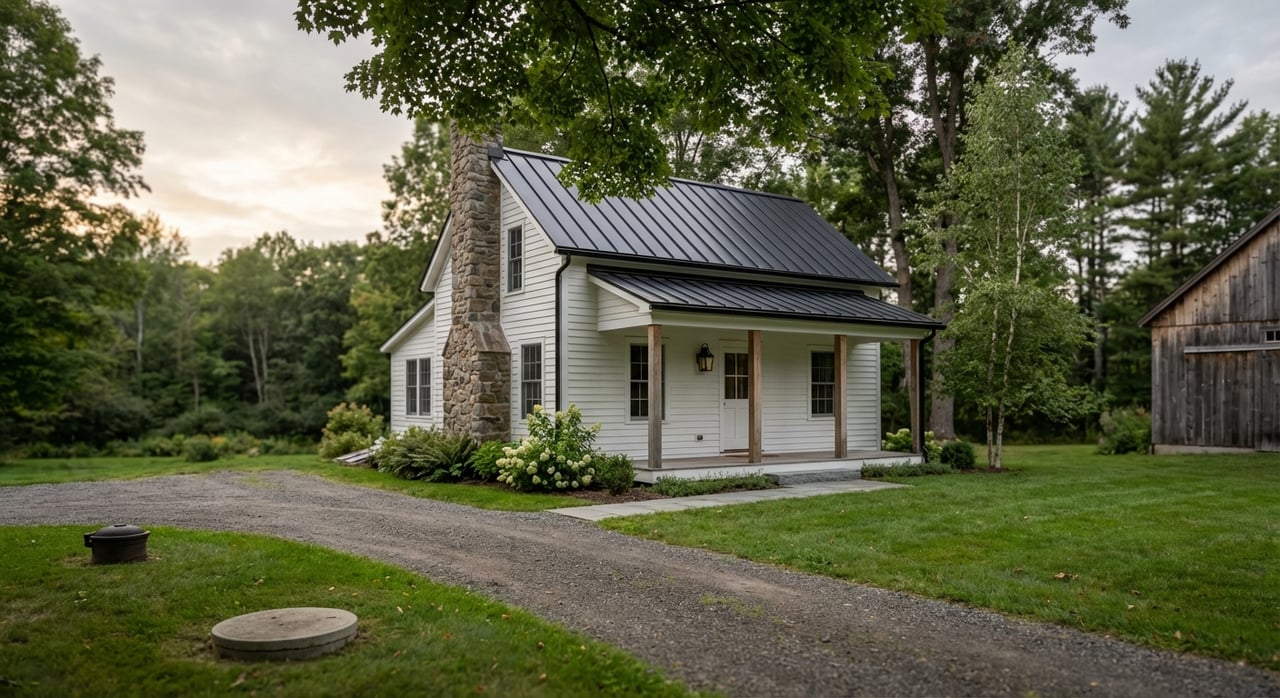
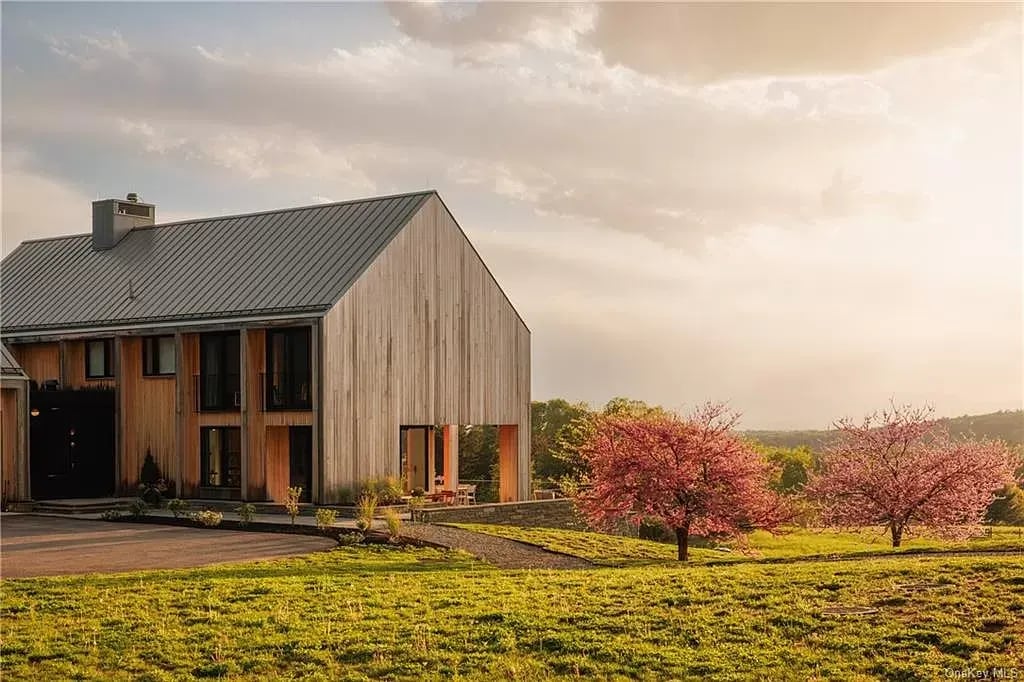
- The housing stock includes historic stone-house areas, mid-century homes such as Ranches and Cape Cods, Craftsman and revival-style houses, Split Levels, and more rural properties with larger parcels.
Is New Paltz walkable for daily life?
- Parts of New Paltz, especially around the village core, support a more compact daily routine, but local transit is limited, so many residents still benefit from having a car or planning around bus schedules.
What makes New Paltz appealing for outdoor living?
- The River-to-Ridge Trail starts at the edge of the Village and connects to major destinations including Mohonk Preserve, Minnewaska State Park Preserve, the Wallkill Valley Rail Trail, and the Empire State Trail.
Is New Paltz better for full-time living or a second home?
- It can work for either, depending on your goals. It is especially appealing for buyers who want a lifestyle base that blends city access, outdoor recreation, and an active small-town atmosphere.