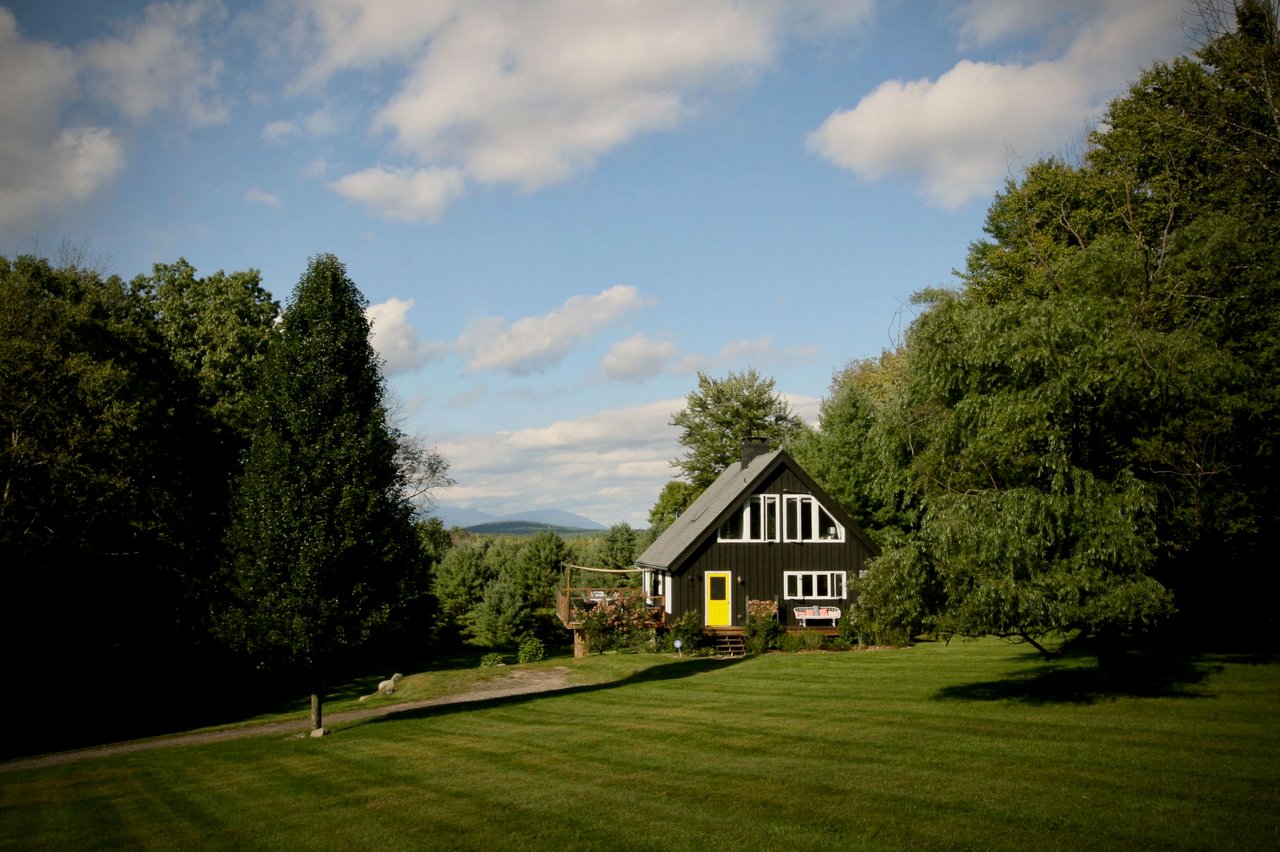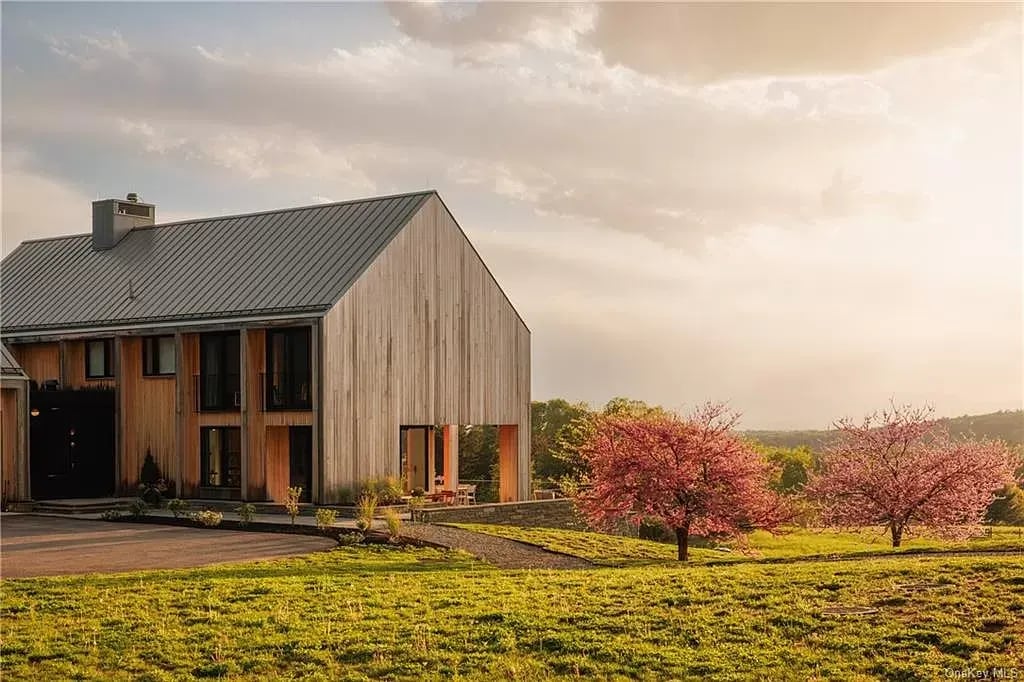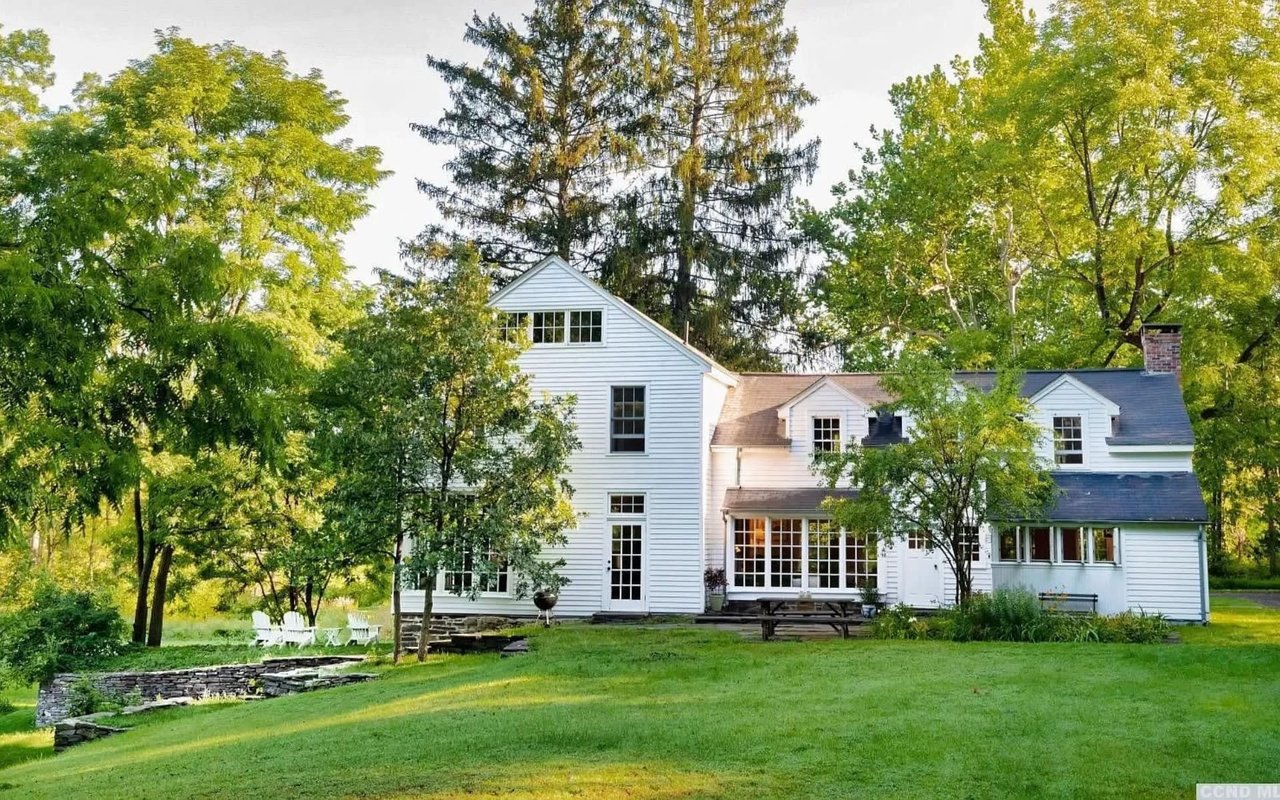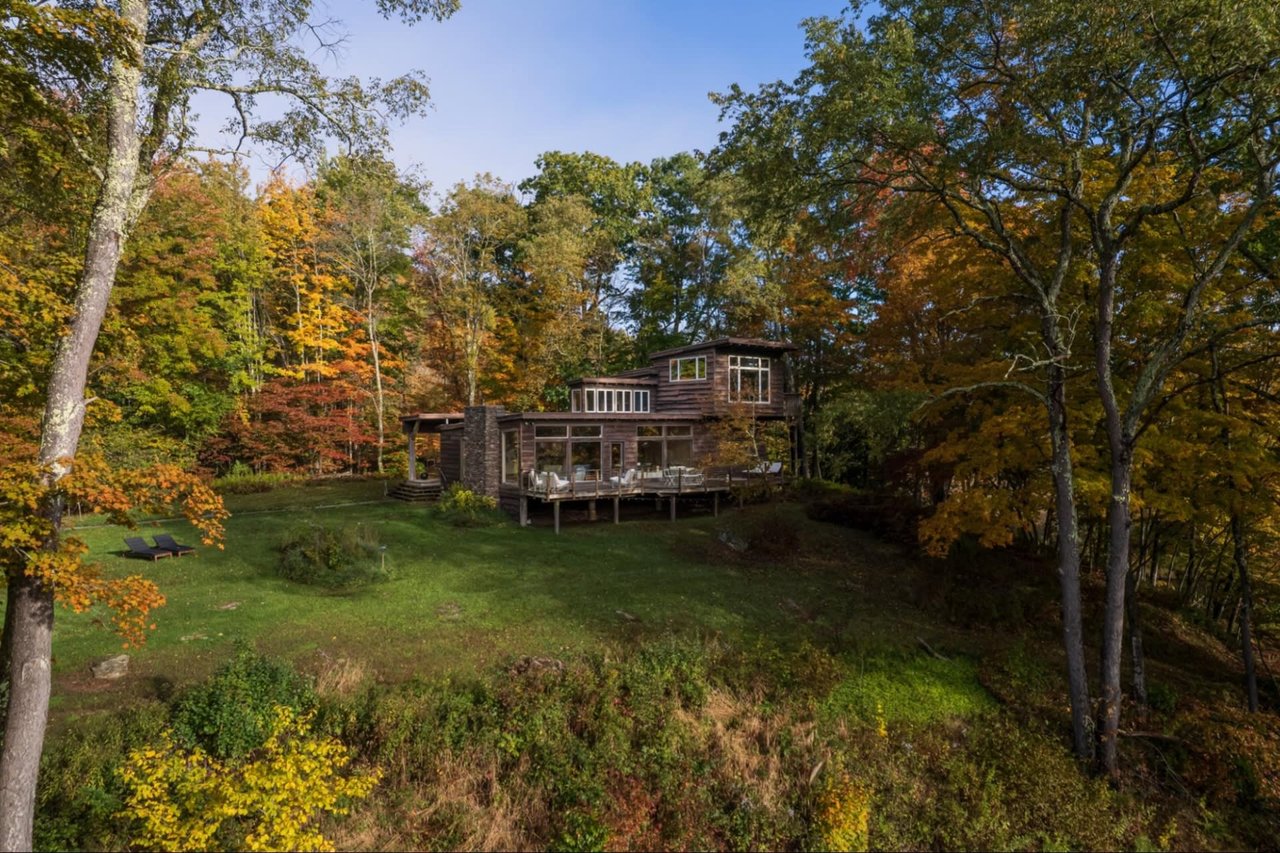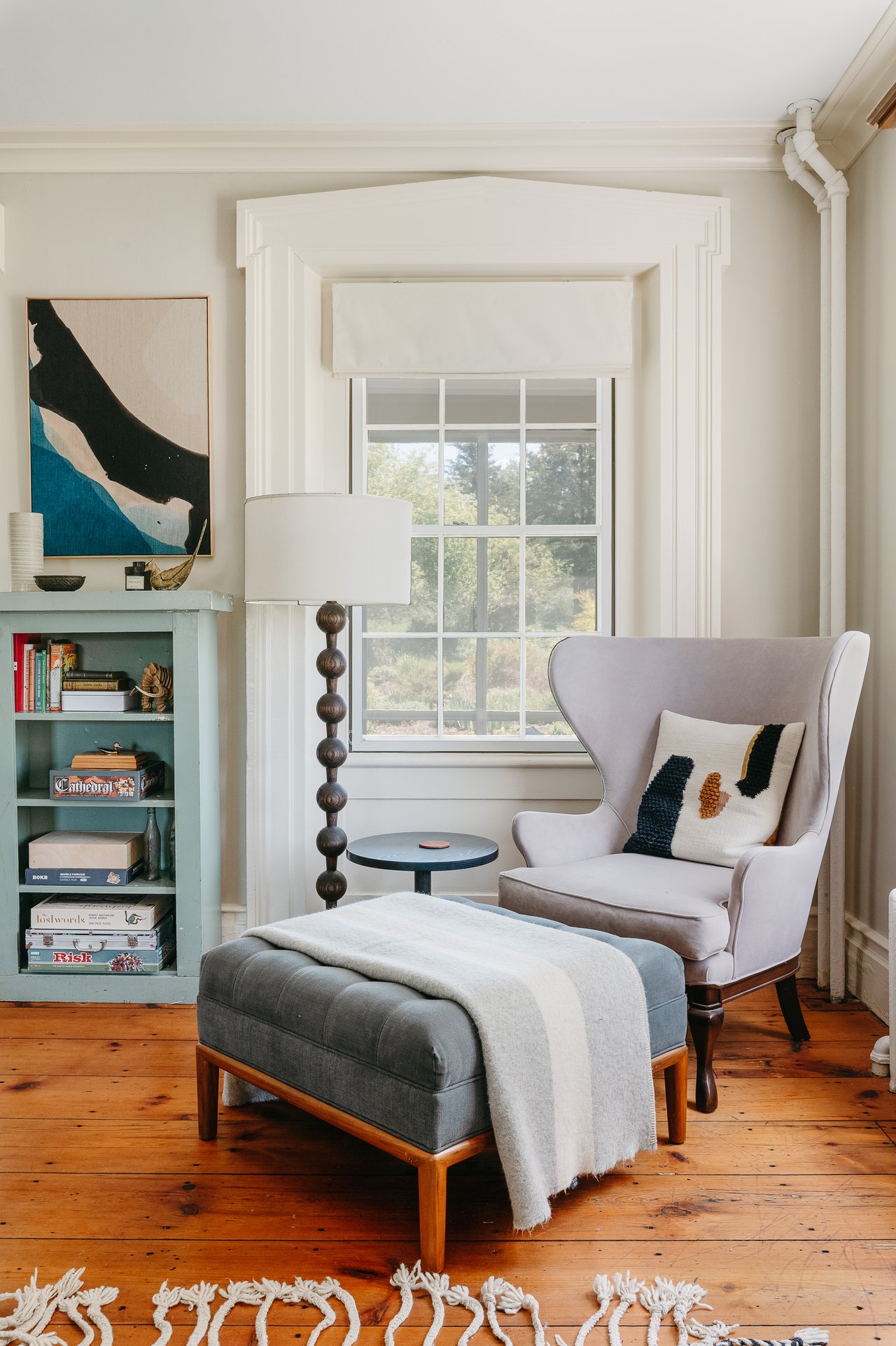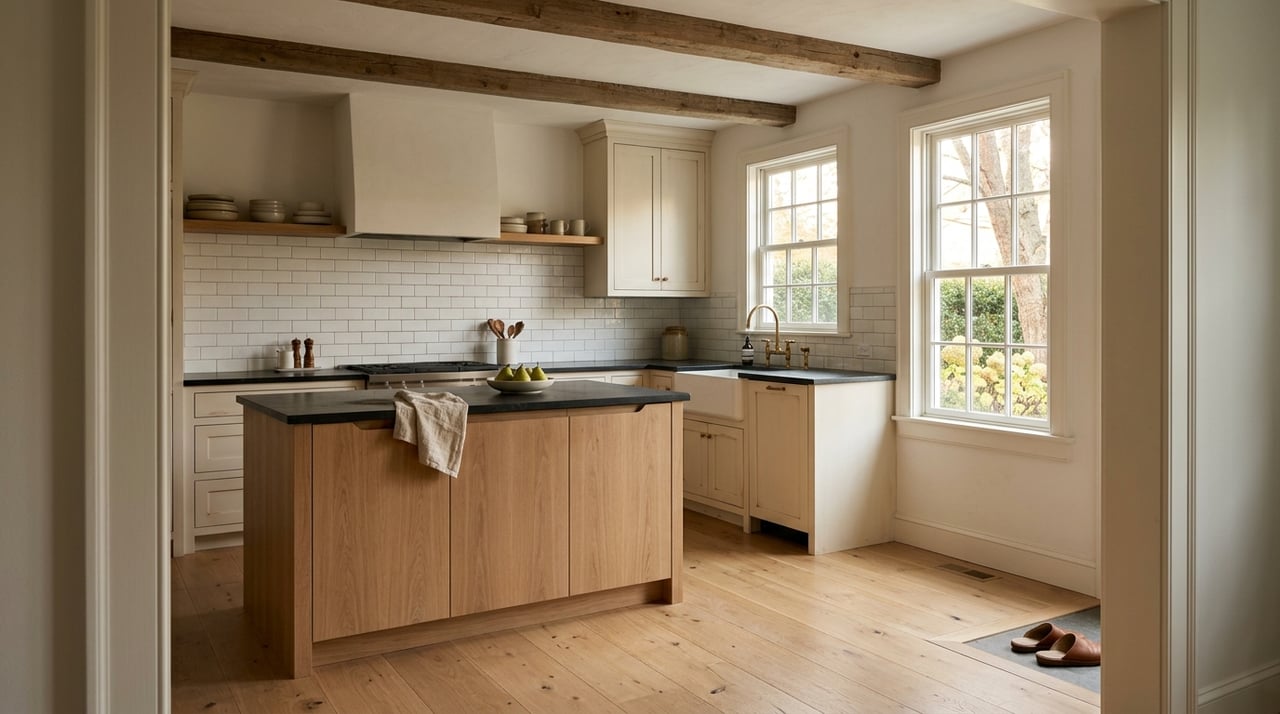
Wondering what will make a New York City buyer fall for your Rhinebeck home right now? In this market, it is rarely just about square footage or finishes. City buyers often respond to ease, character, and the feeling that a home fits the way they want to spend weekends or make a bigger life change. If you are preparing to sell, a smart plan can help you highlight what makes your property feel distinctly Rhinebeck while avoiding updates that miss the mark. Let’s dive in.
What City Buyers Notice First
For many buyers coming from New York City, Rhinebeck starts with access. Rhinecliff station is staffed, has parking, and sits on Empire Service trains with trips that run roughly 2 hours 20 minutes to 2 hours 35 minutes between New York Penn and Rhinecliff. That convenience is part of the property story, especially for buyers thinking about easy weekend use.
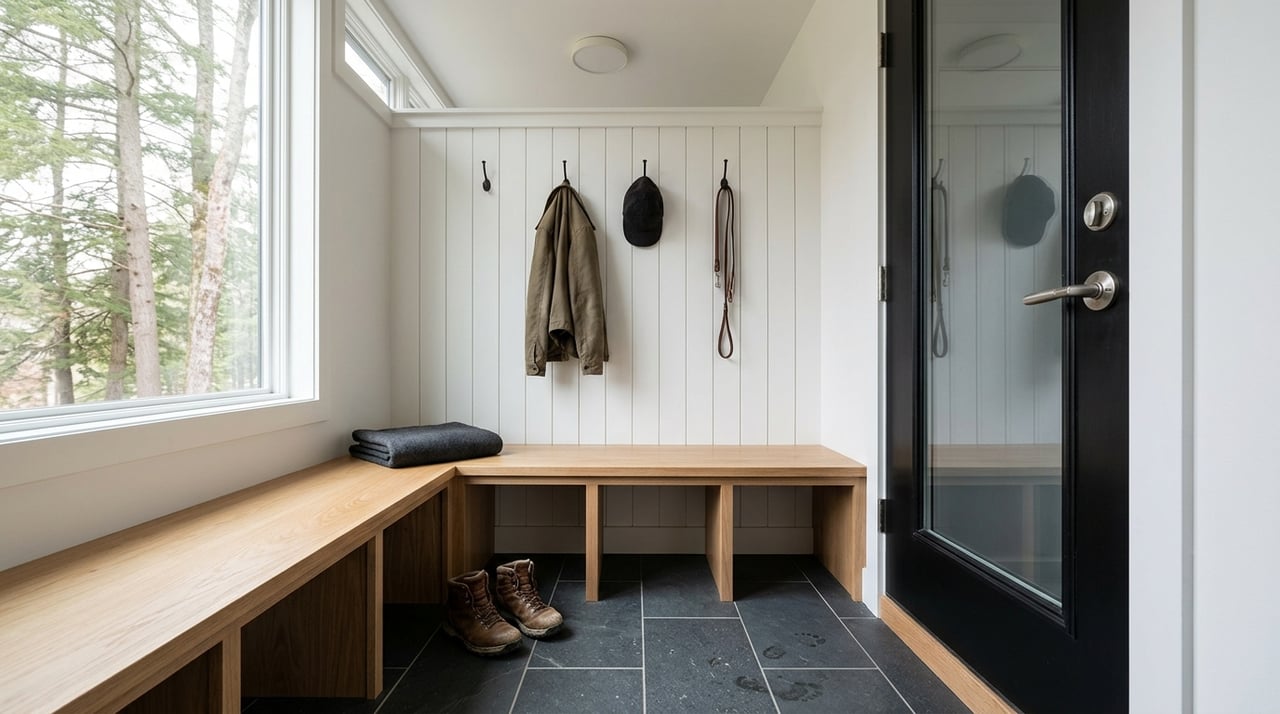
Ease also shows up in smaller details. A clean and simple arrival experience, clear parking, good exterior lighting, and obvious high-speed internet capability all help a home feel usable from day one. Buyers who split time between city and country often notice friction fast, so reducing it matters.
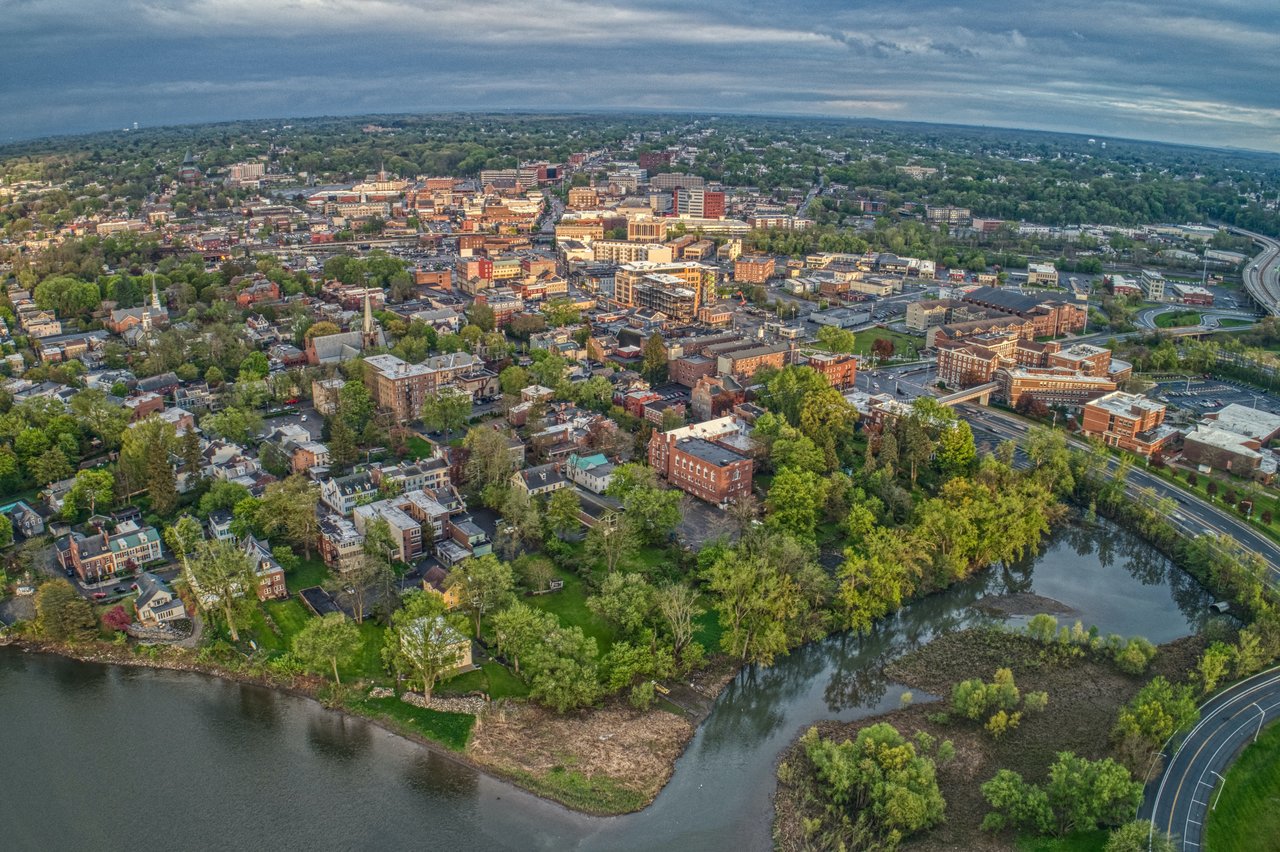
Rhinebeck also has a location story that buyers can picture themselves in. Village planning materials highlight walkability, vibrant local businesses, and historic charm, and the village has been improving sidewalks and adding a four-way crosswalk downtown. National buyer trend data also show strong interest in walkability, shopping convenience, entertainment and leisure, parks, and broadband.
Prep for a Low-Friction Showing
If you want your home to connect with a city buyer, focus on how it lives.
Simplify the arrival experience
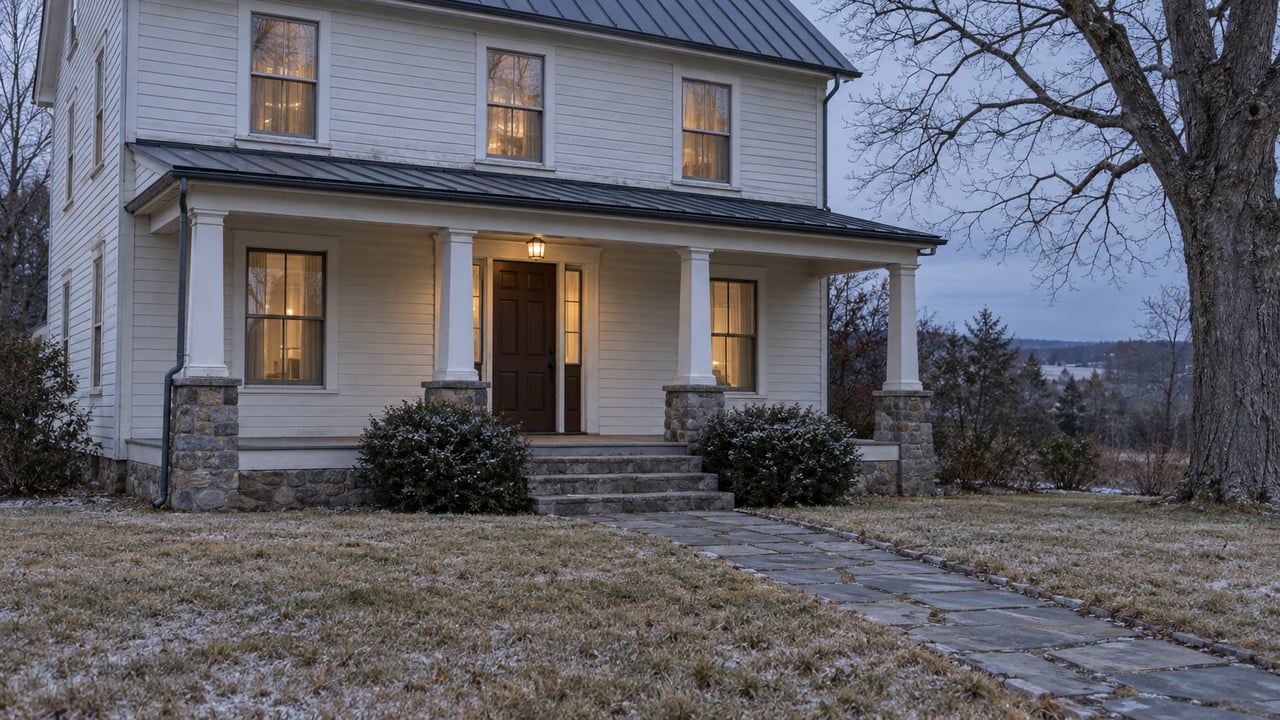
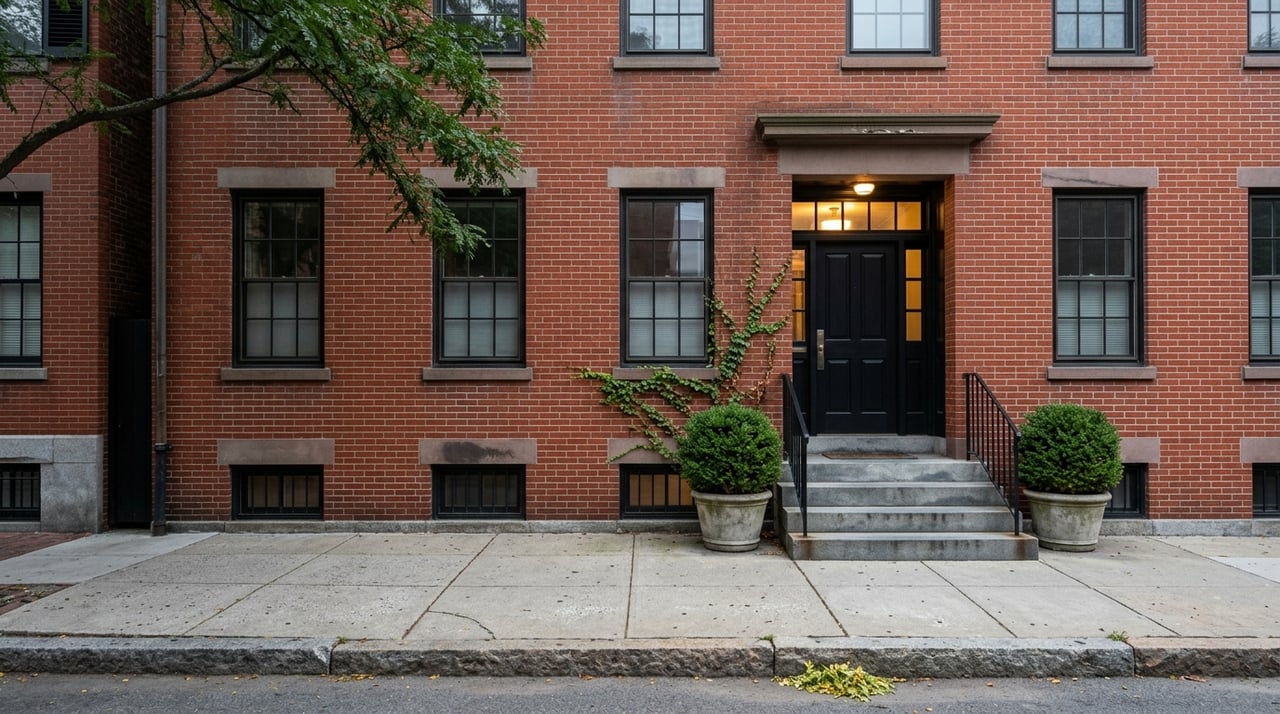
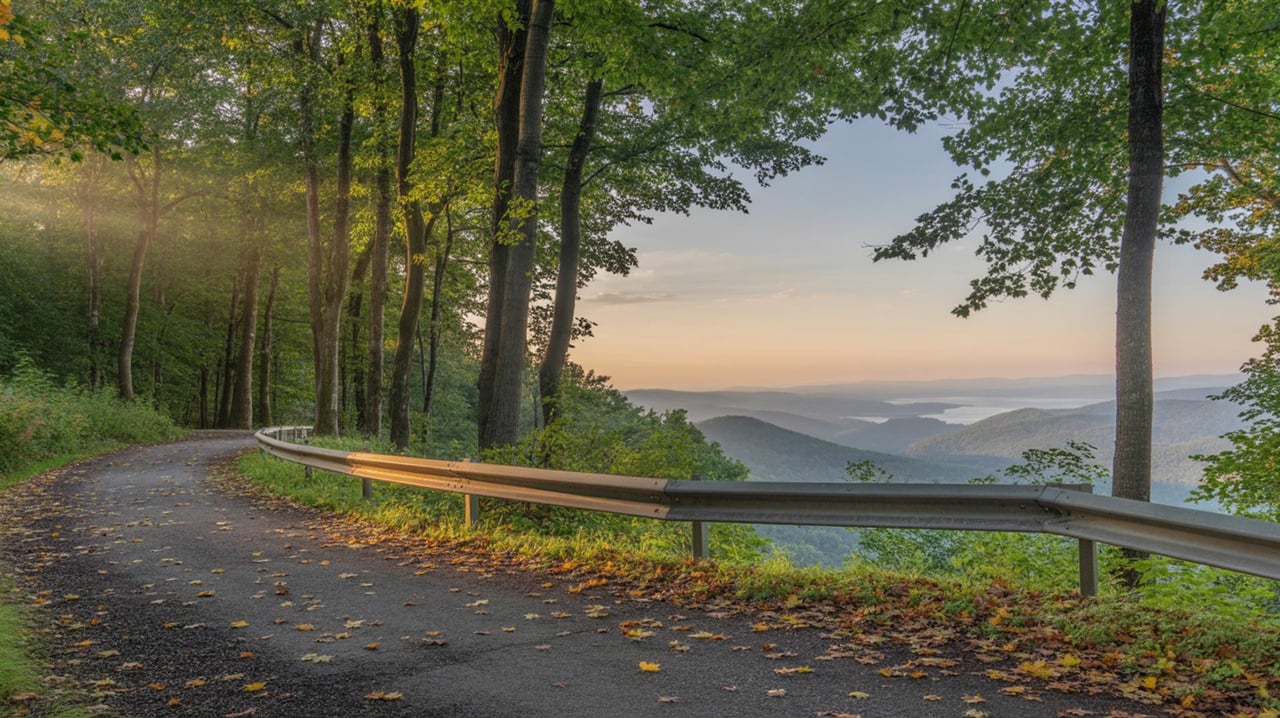
Your showing should feel easy before a buyer even opens the front door. Make sure driveway access is clear, exterior lighting works, and entry paths are clean and well maintained. If parking is not obvious, give simple instructions so the visit starts calmly.
Show internet readiness
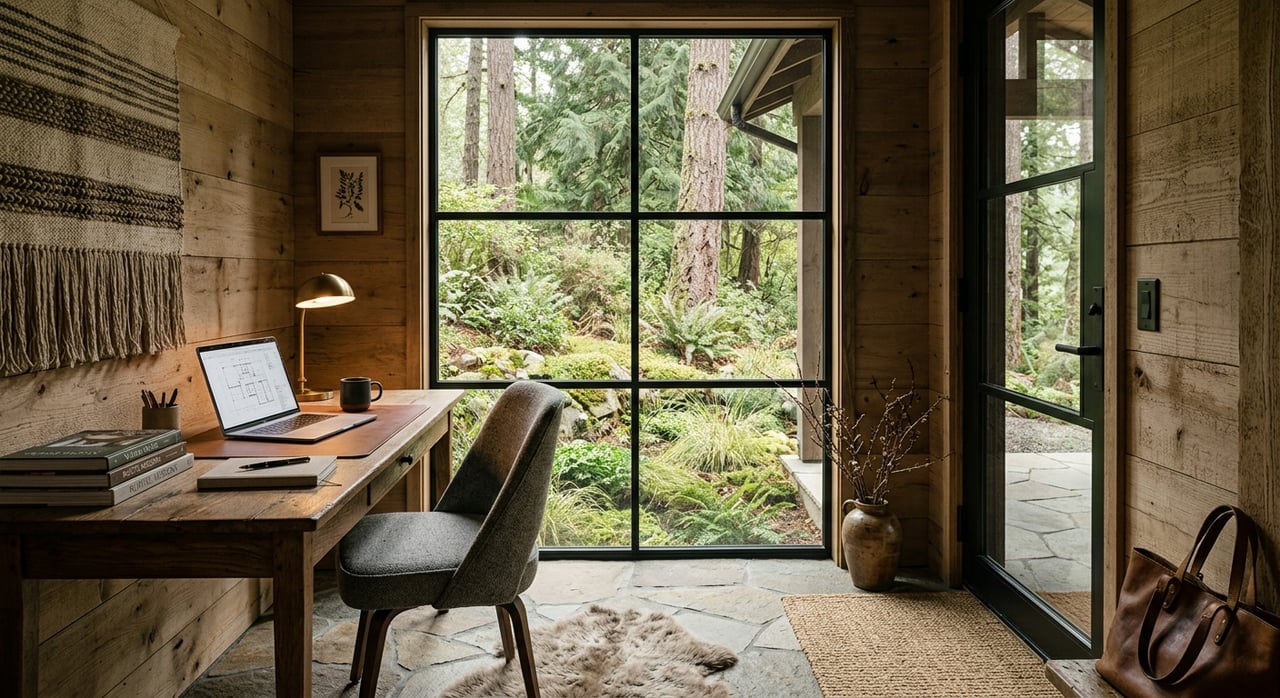
Reliable broadband has become a core desirability factor for many buyers. If your home has strong internet service, make that easy to understand during showings and in marketing materials. For buyers who may work remotely during long weekends or extended stays, that detail can carry real weight.
Create a clean entry sequence
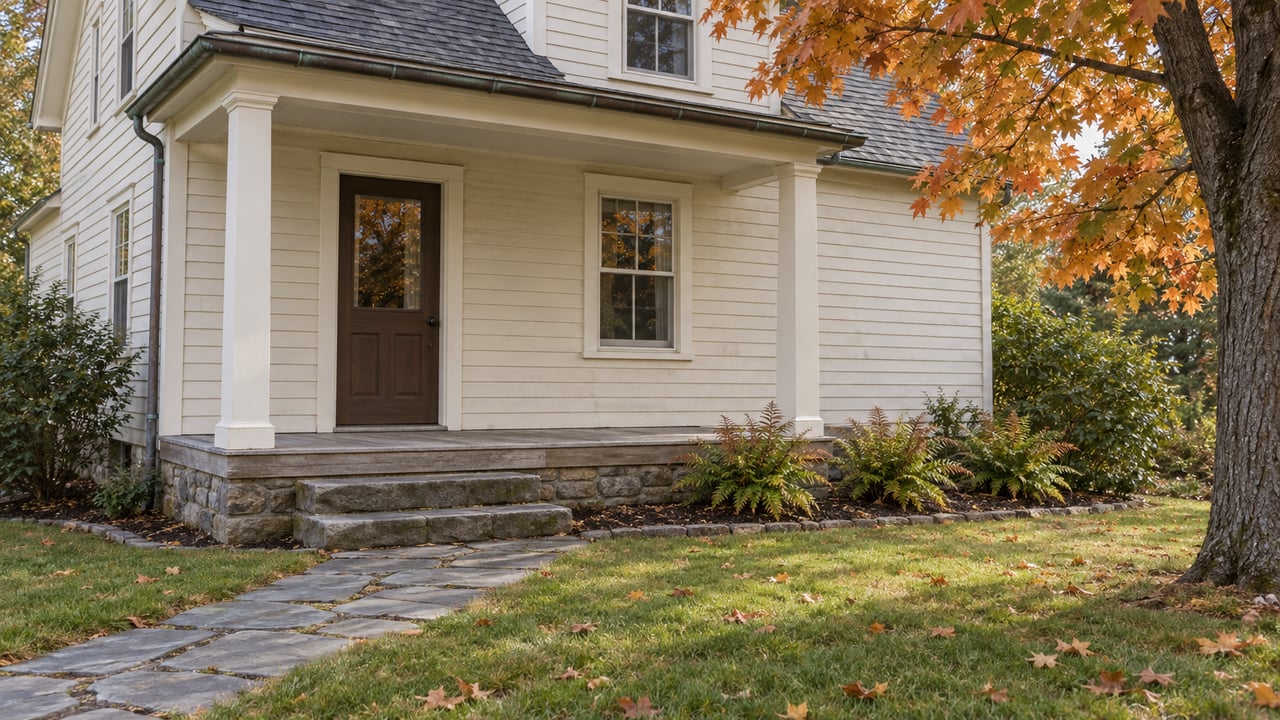
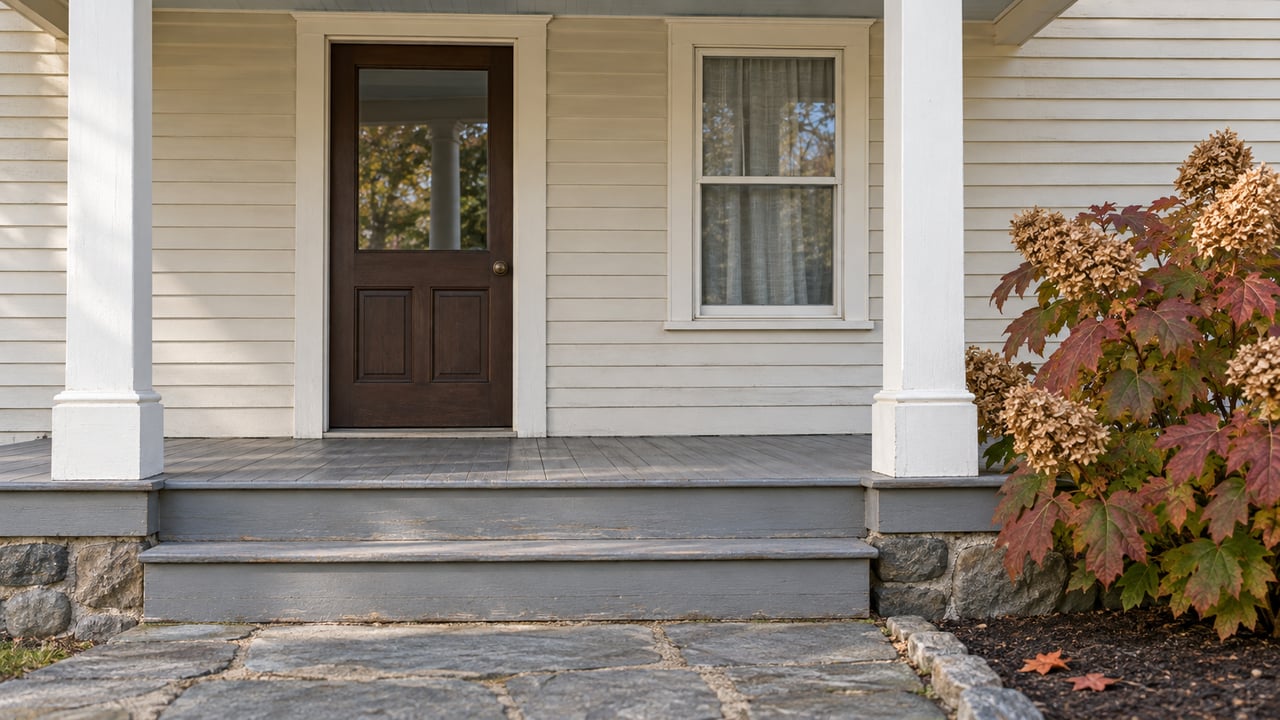
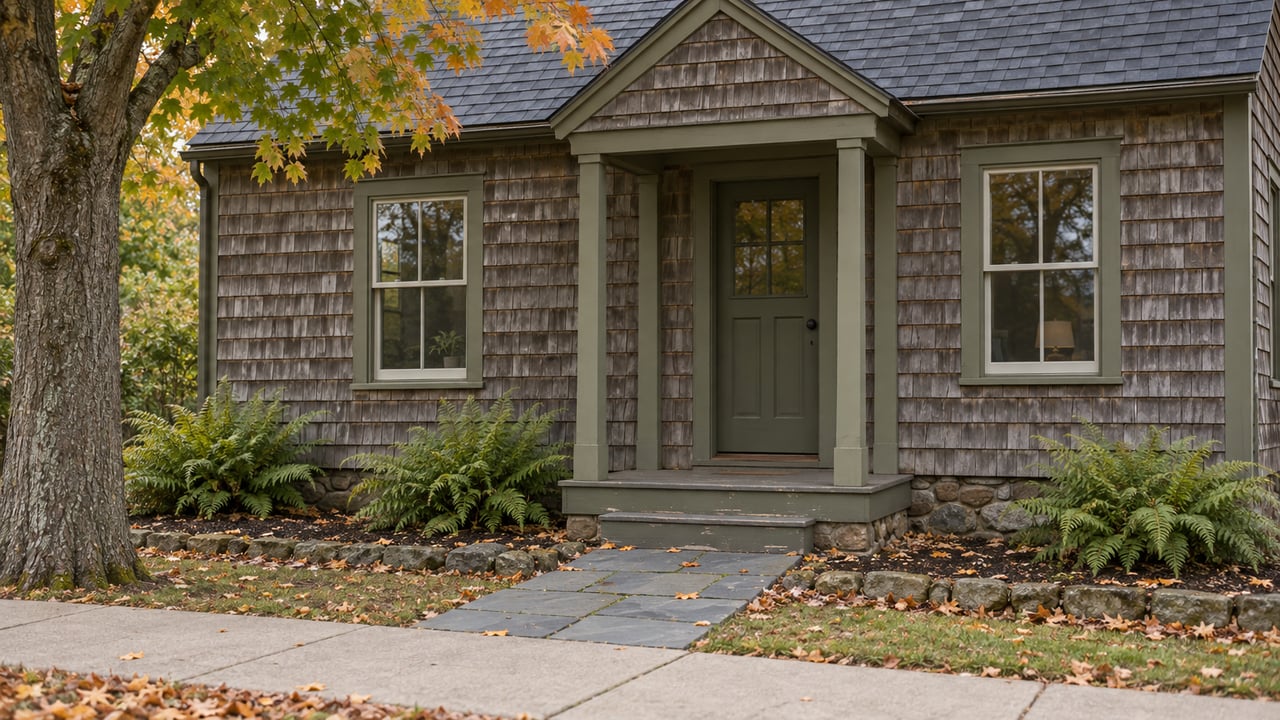
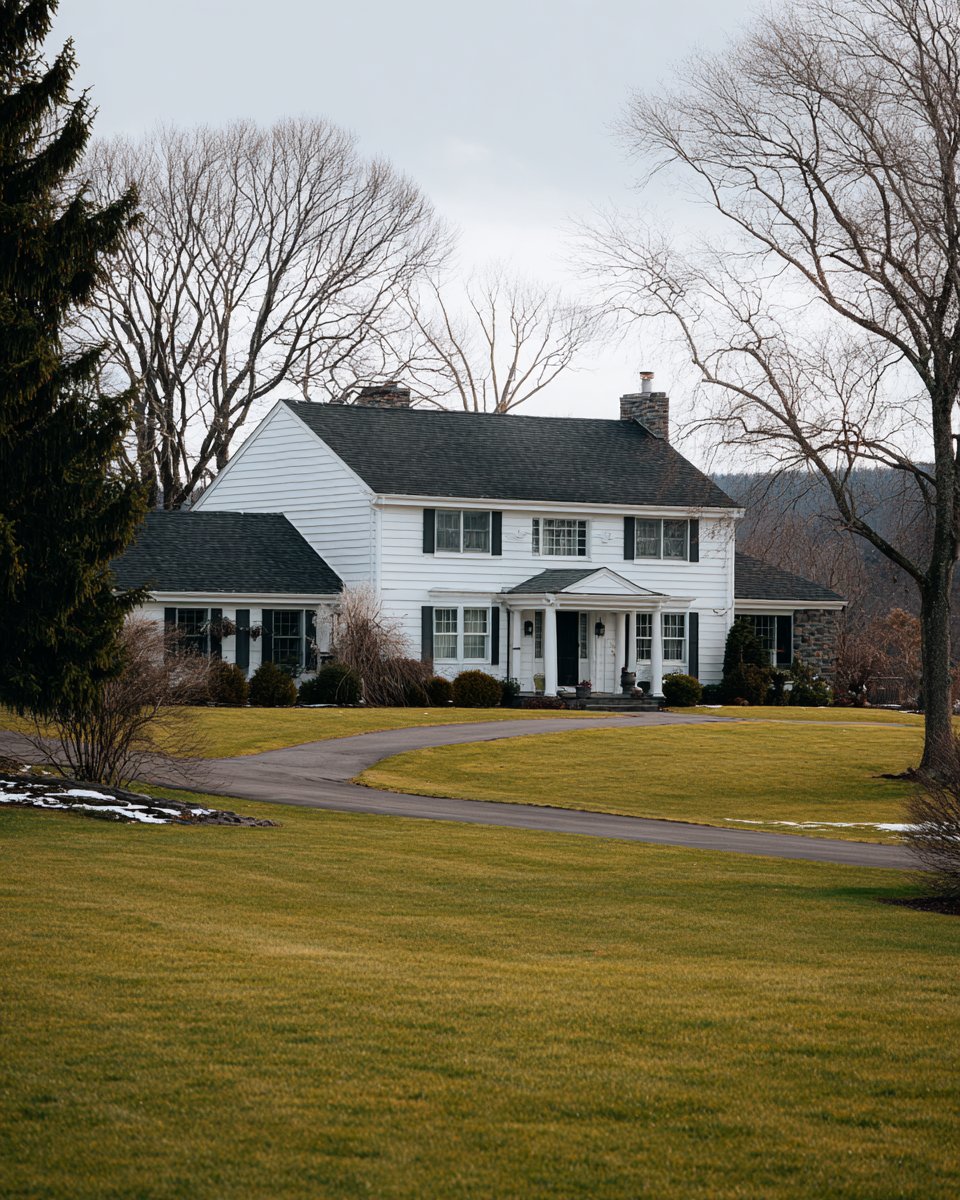
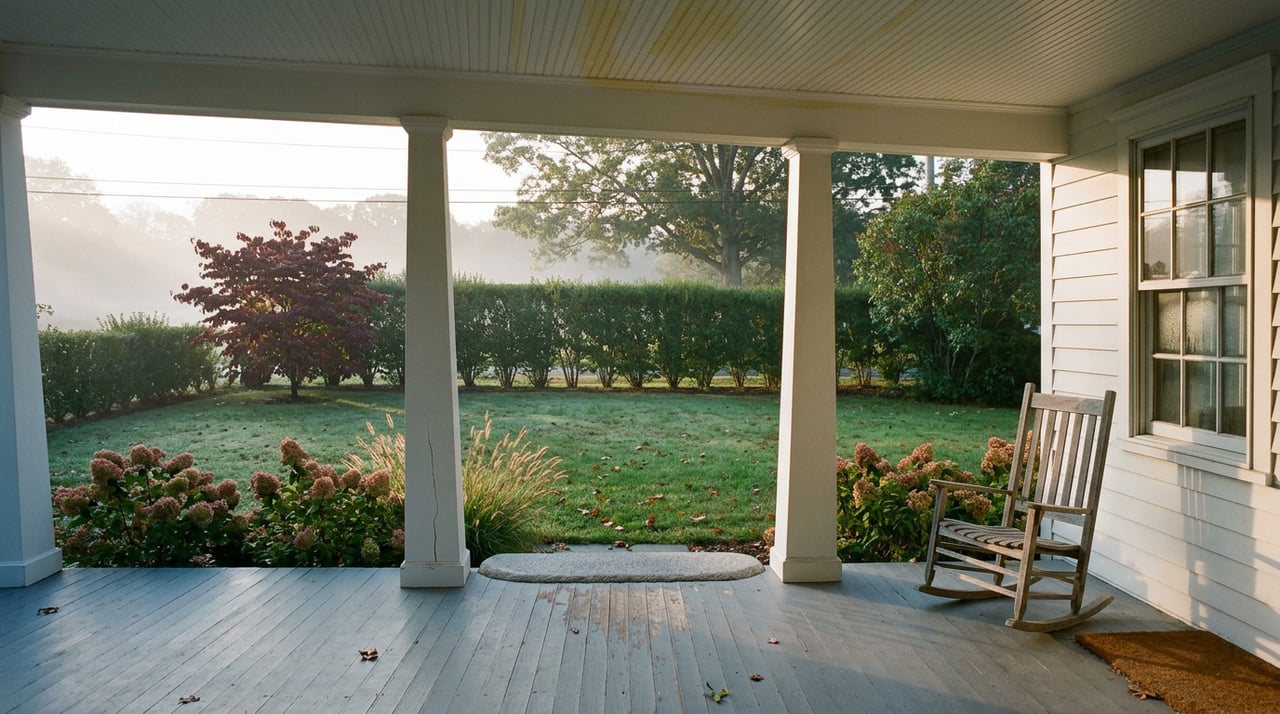
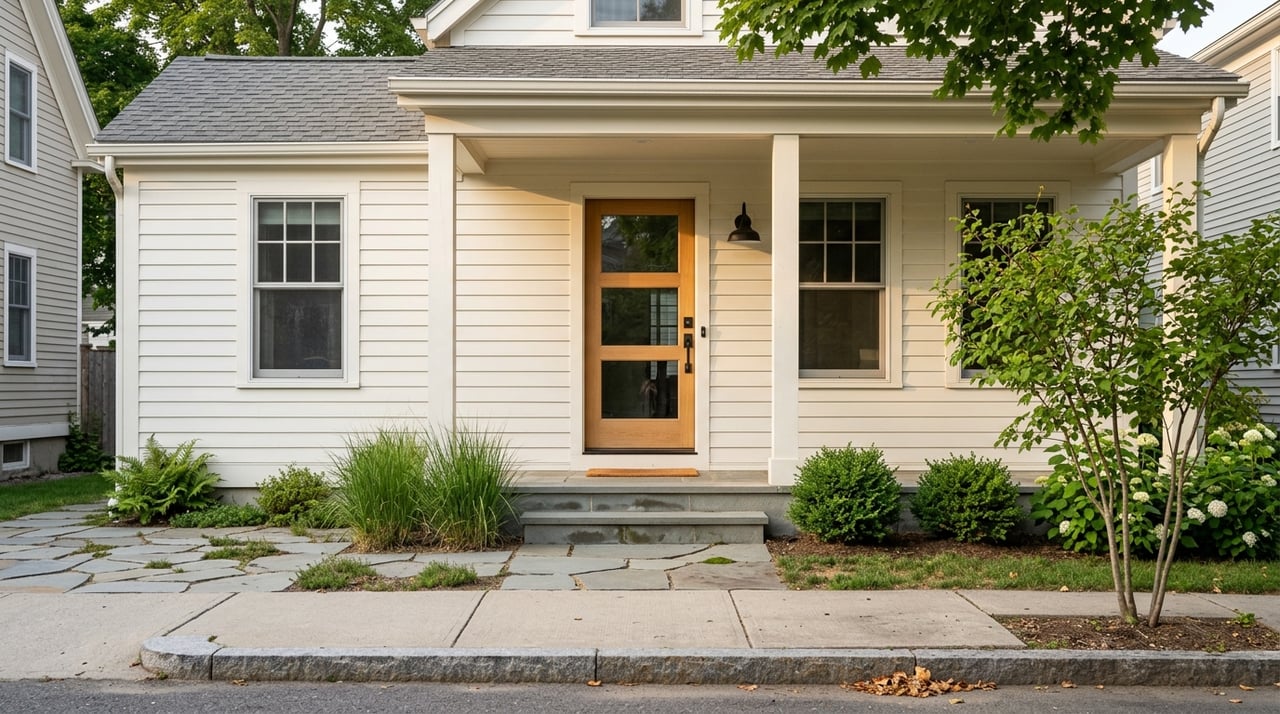
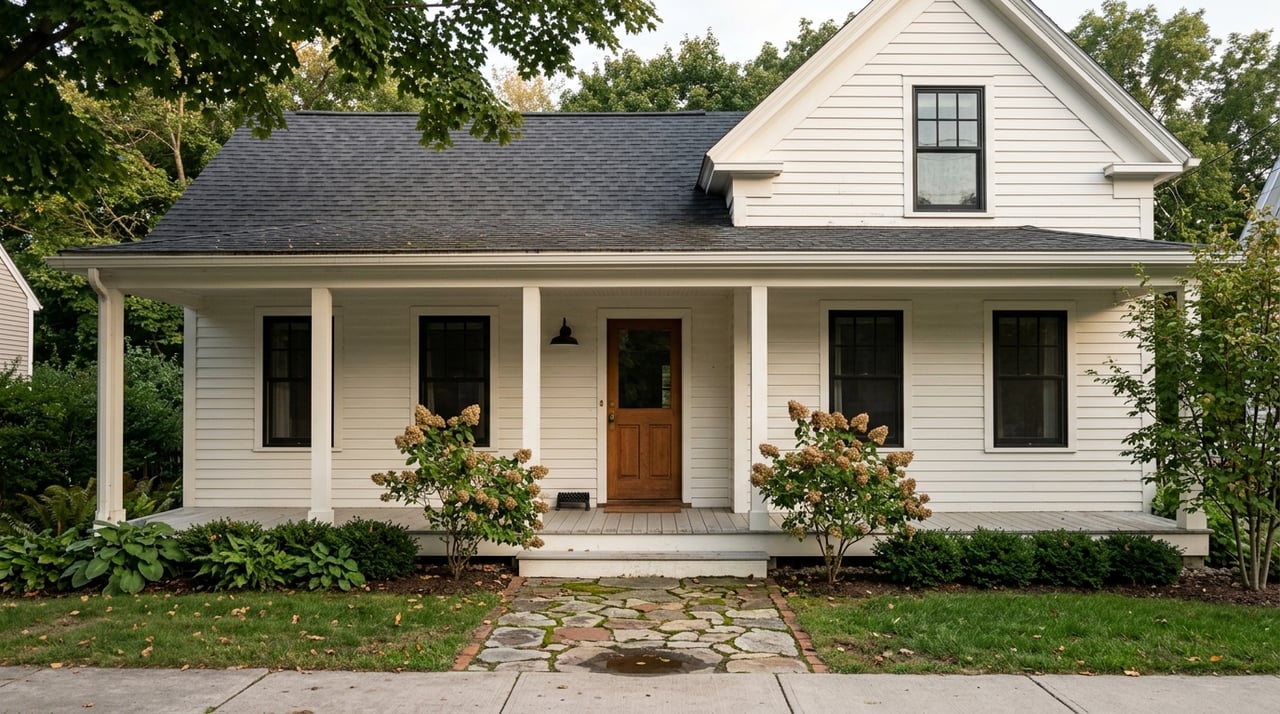
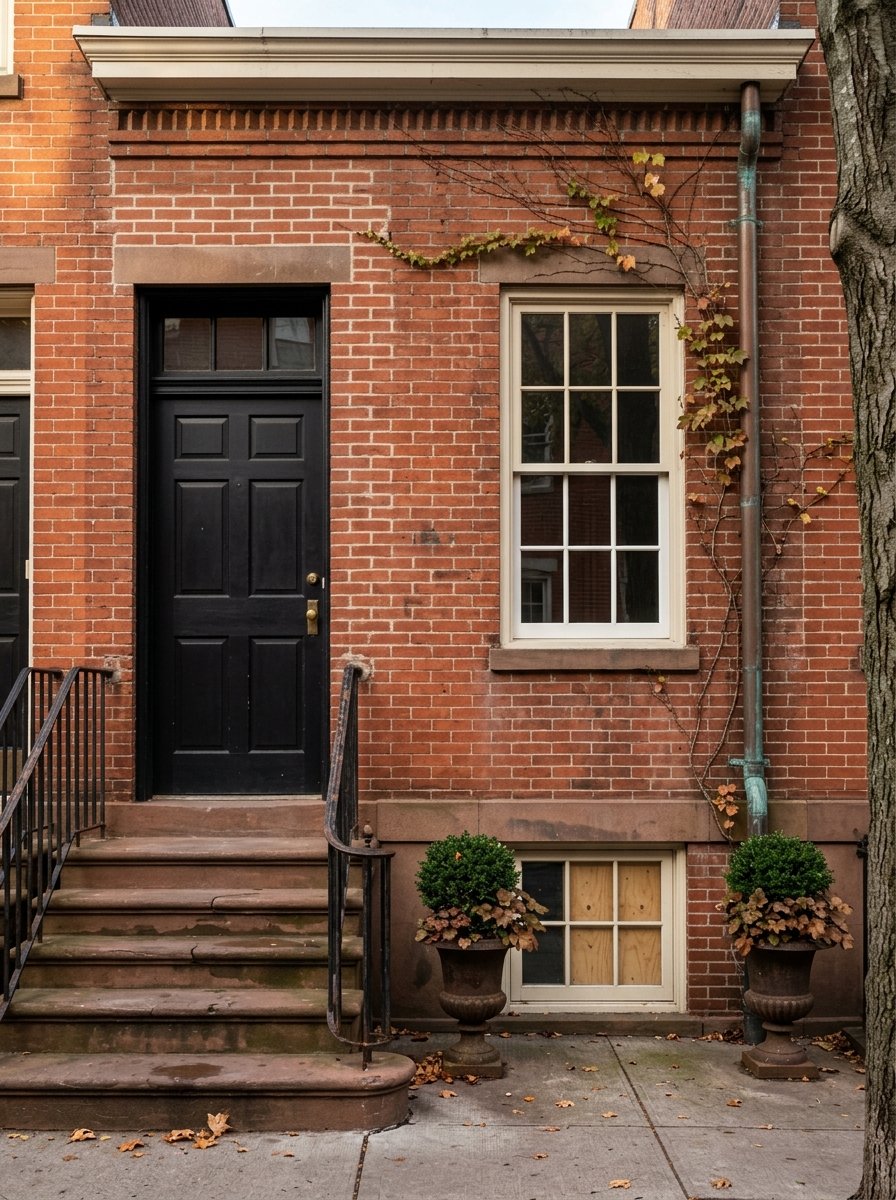
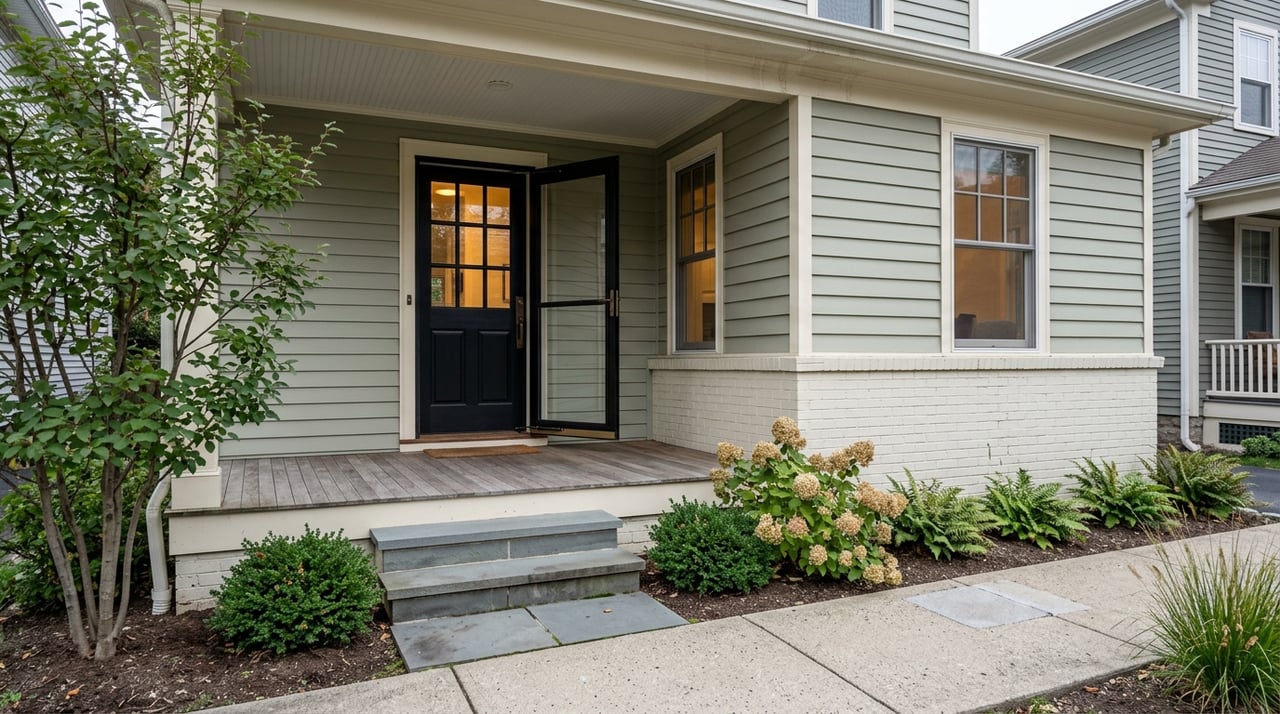
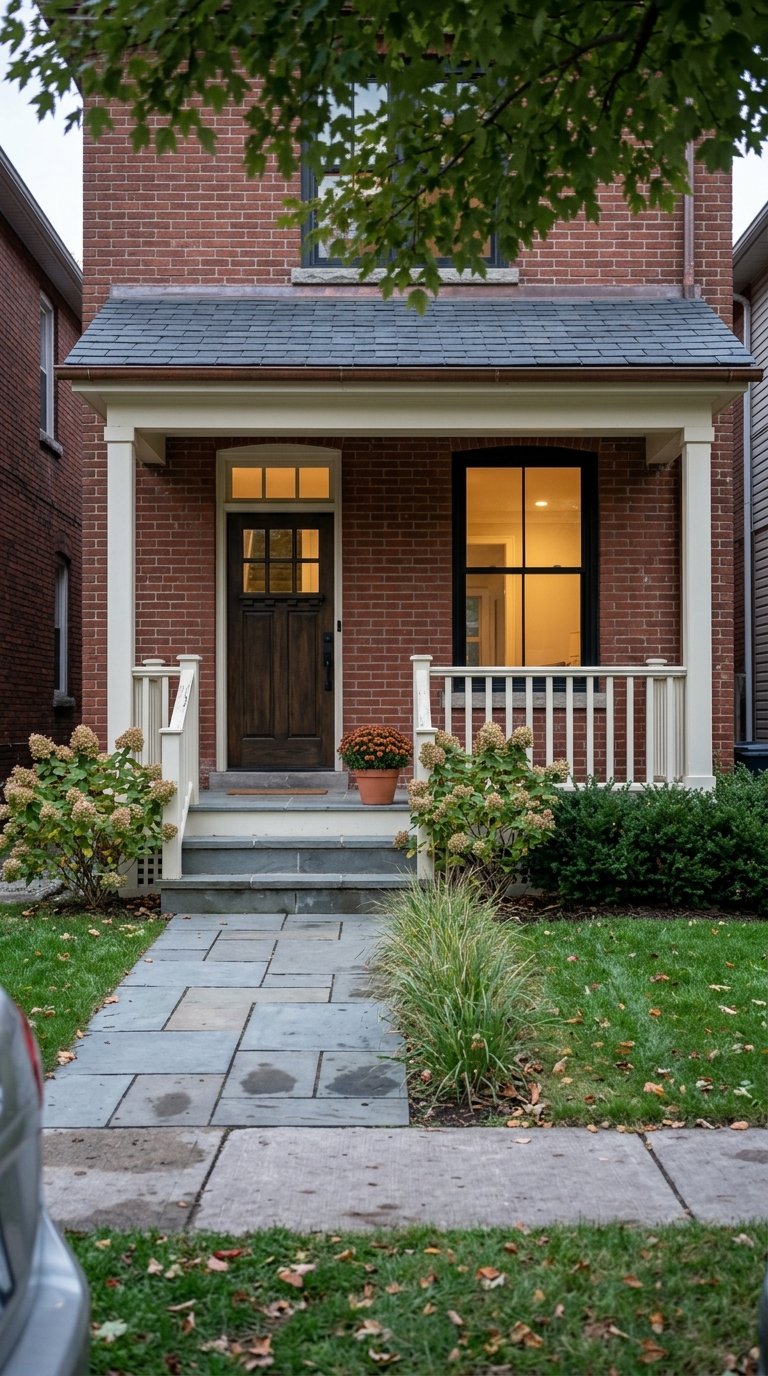
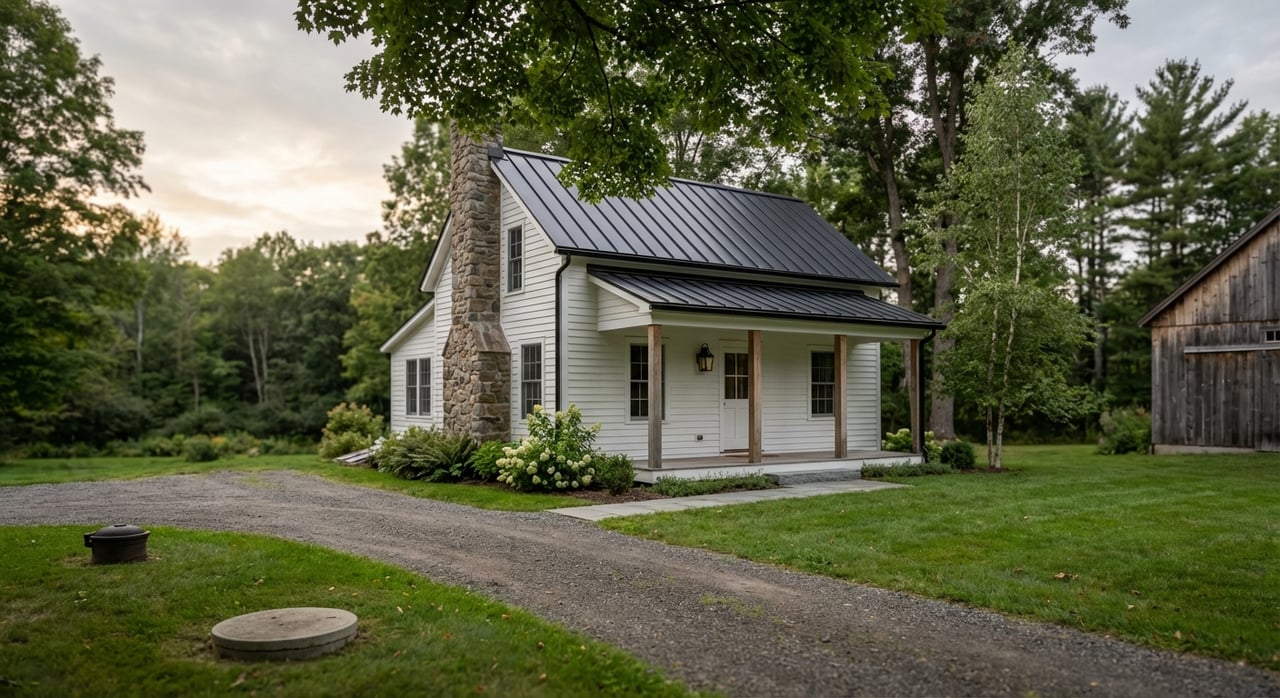
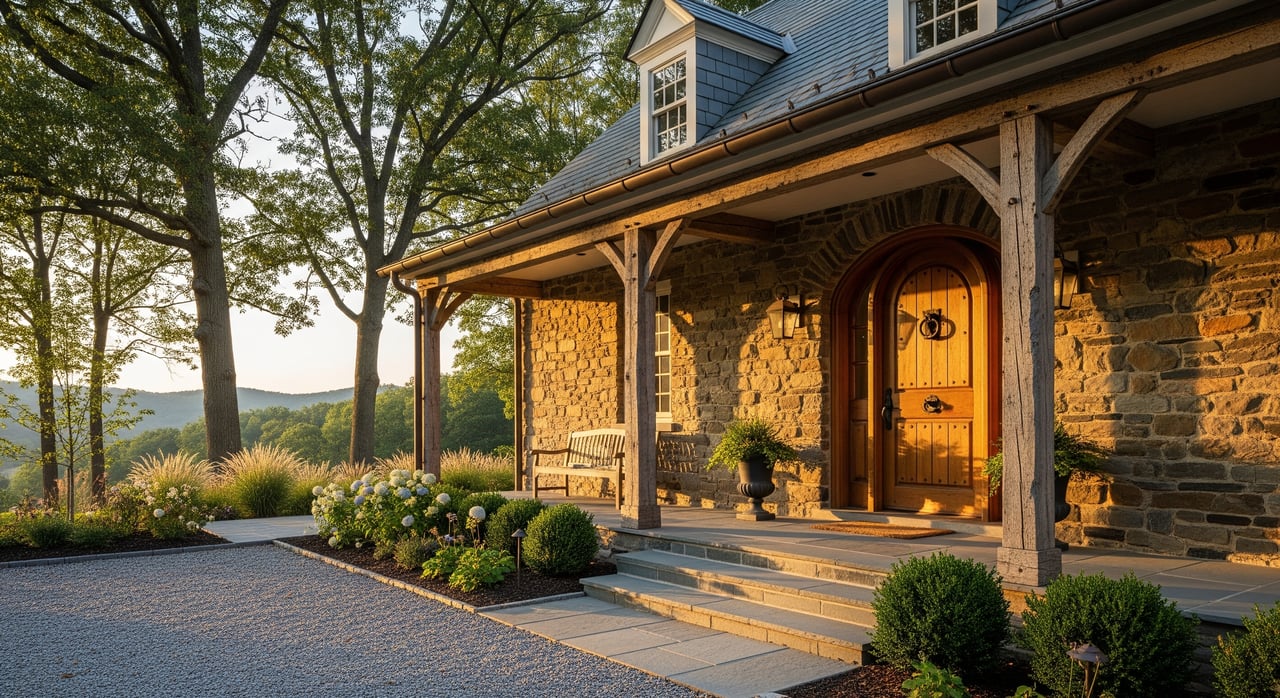
The approach to the house matters more than many sellers realize. Tidy landscaping, a freshly cleaned door, and a well-kept porch or stoop help the property feel cared for. In a second-home market, buyers often respond strongly to the first few moments on site.
Preserve Character, Update Carefully
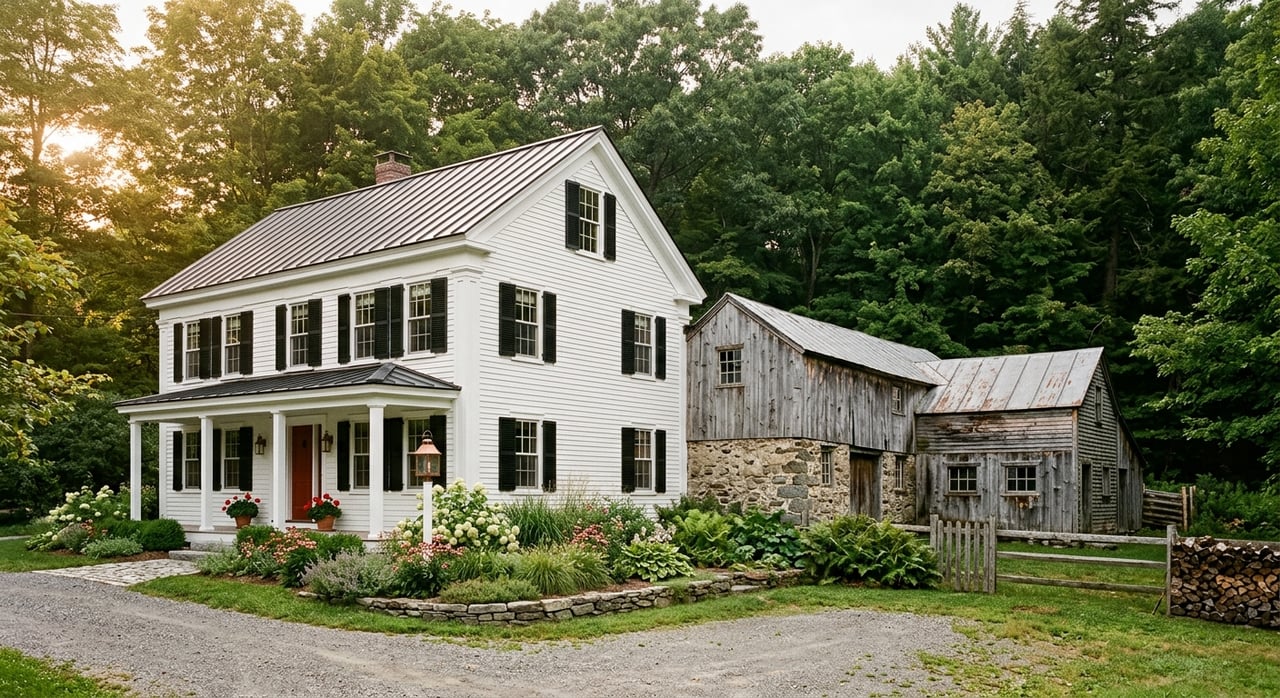
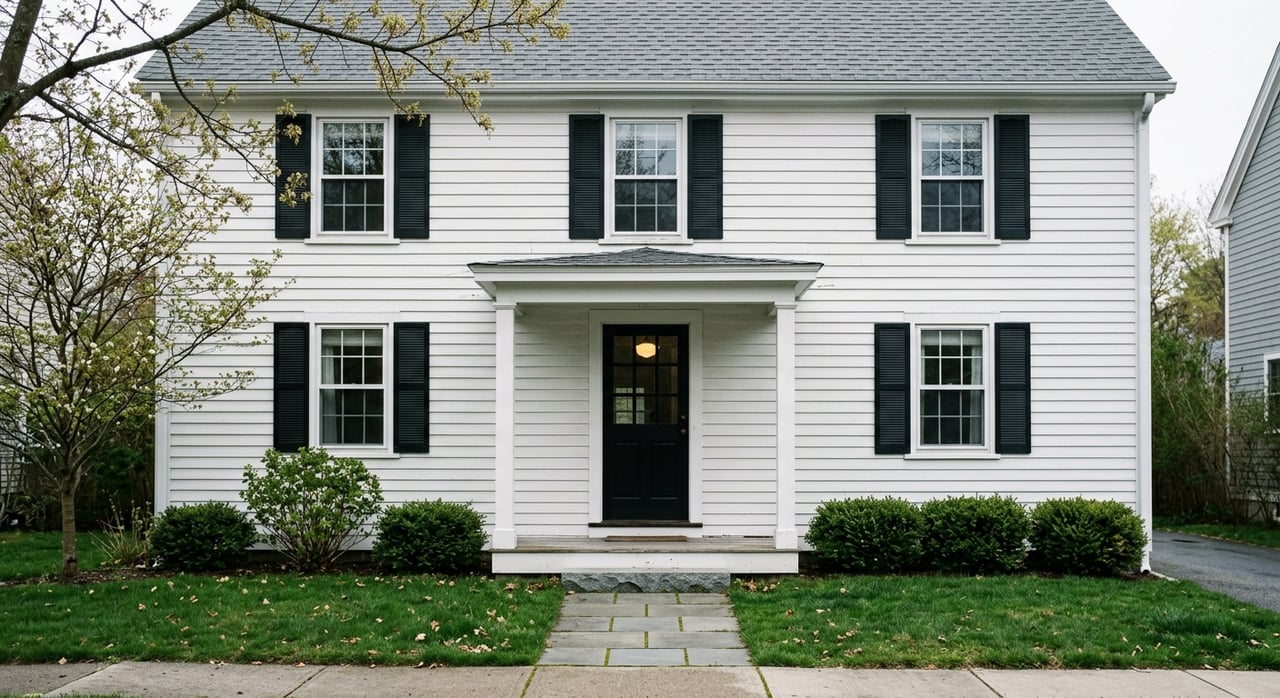
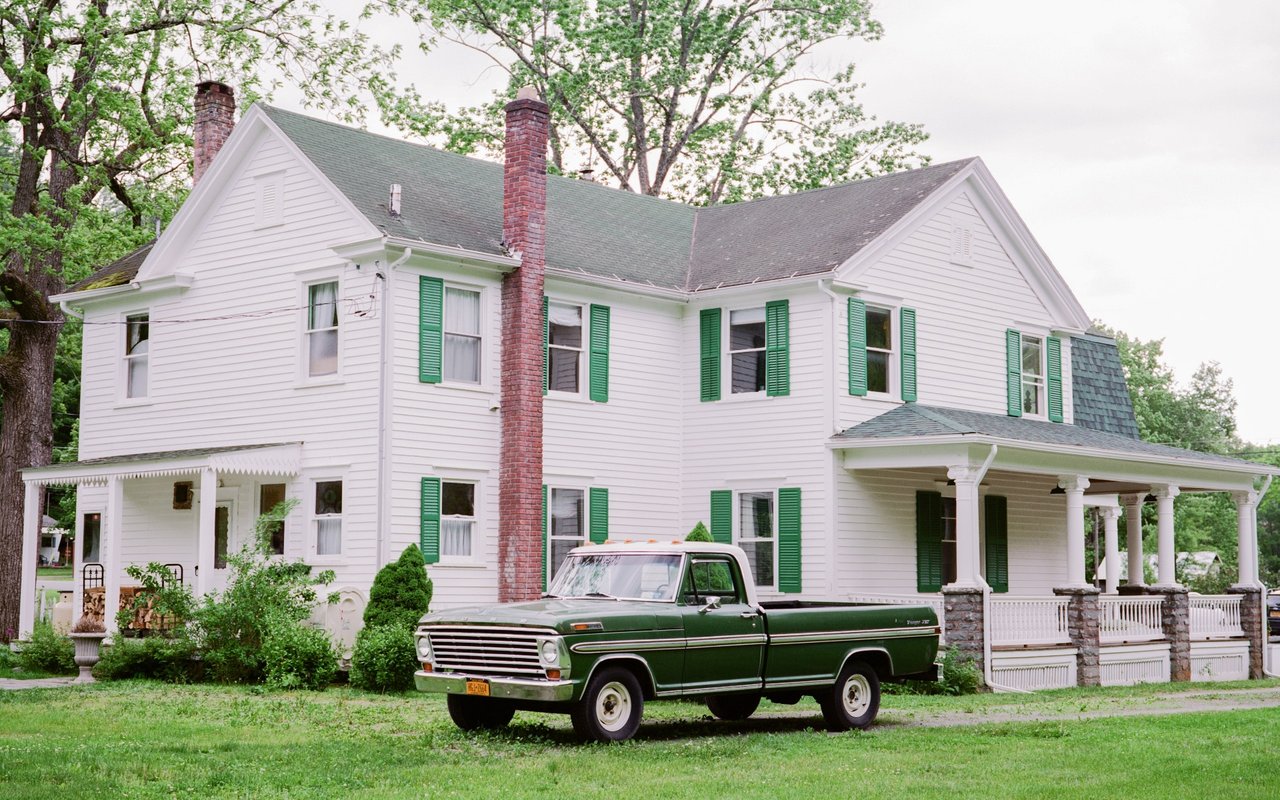
In Rhinebeck, historic character is not background noise. It is often part of the value. The local handbook identifies façades, windows, doors, trimwork, porches, roofs, setting, and landscape as character-defining features, and it recommends preserving and repairing those elements when possible.
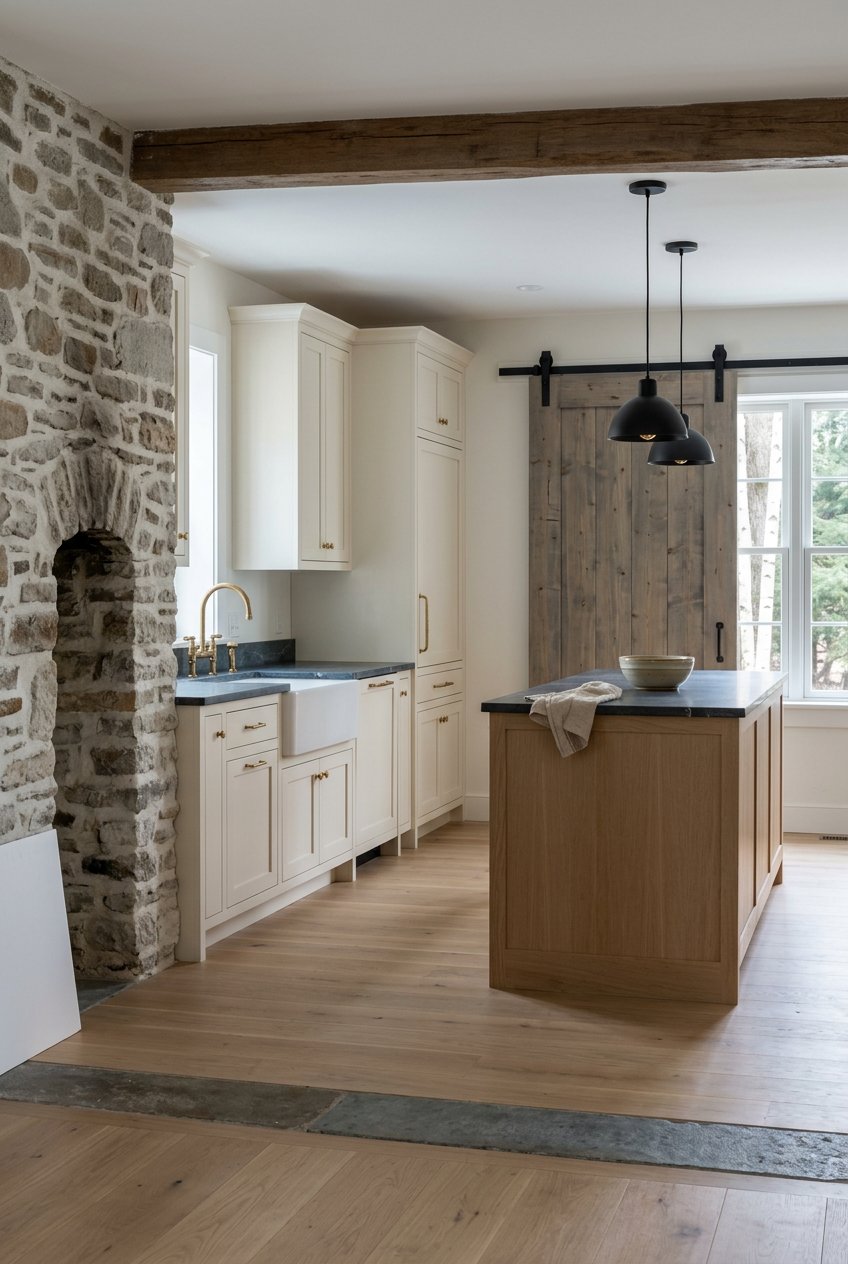
That means the best pre-listing investment is often not a flashy replacement. Careful repair, painting, cleaning, and discreet functional updates usually do more for market appeal than visible substitutions that flatten the home’s identity. If your house has original details, buyers are often responding to those details whether they say it out loud or not.
Think twice before replacing windows
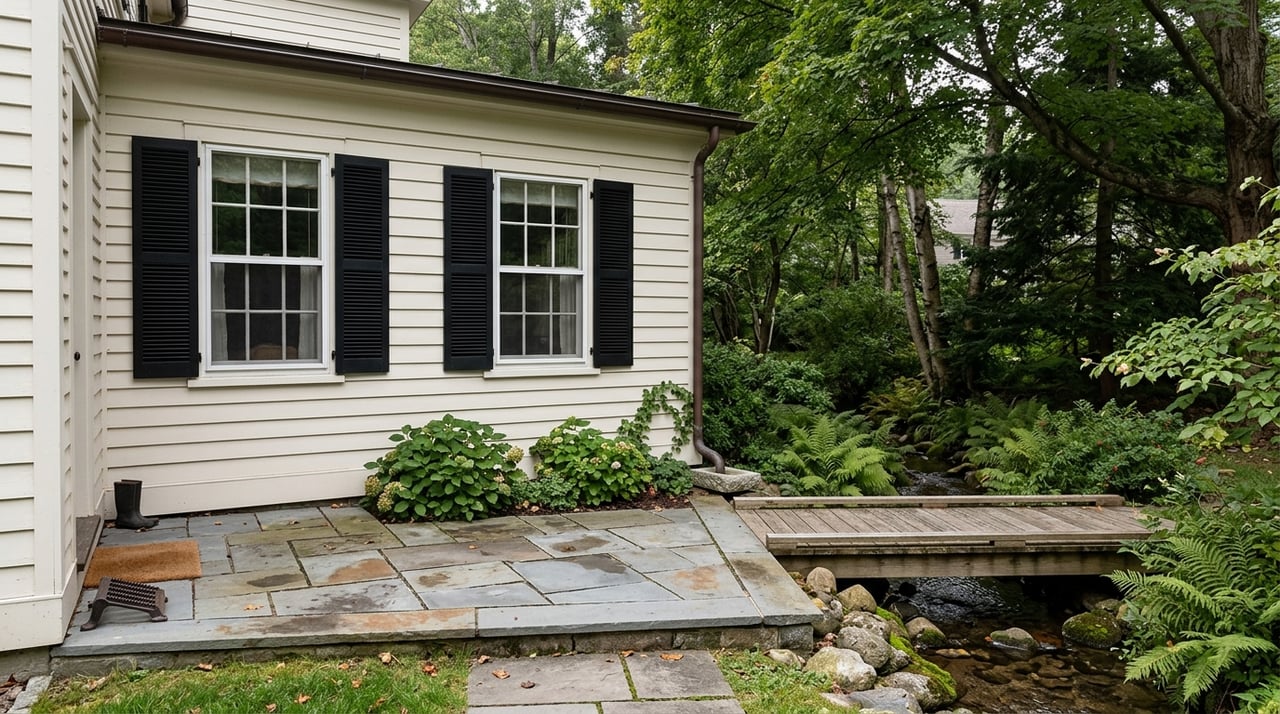
If you have older windows, do not assume replacement is the best move before listing. Rhinebeck guidance favors matching original style and size, with clear glass preferred, and discourages vinyl, aluminum, and composite materials for windows and shutters. When repair is possible, preservation comes first.
That approach can help you avoid spending money in the wrong place. A repaired and well-maintained original feature may support the home’s appeal better than a new element that feels out of sync with the house.
Keep porches and entries true to the house
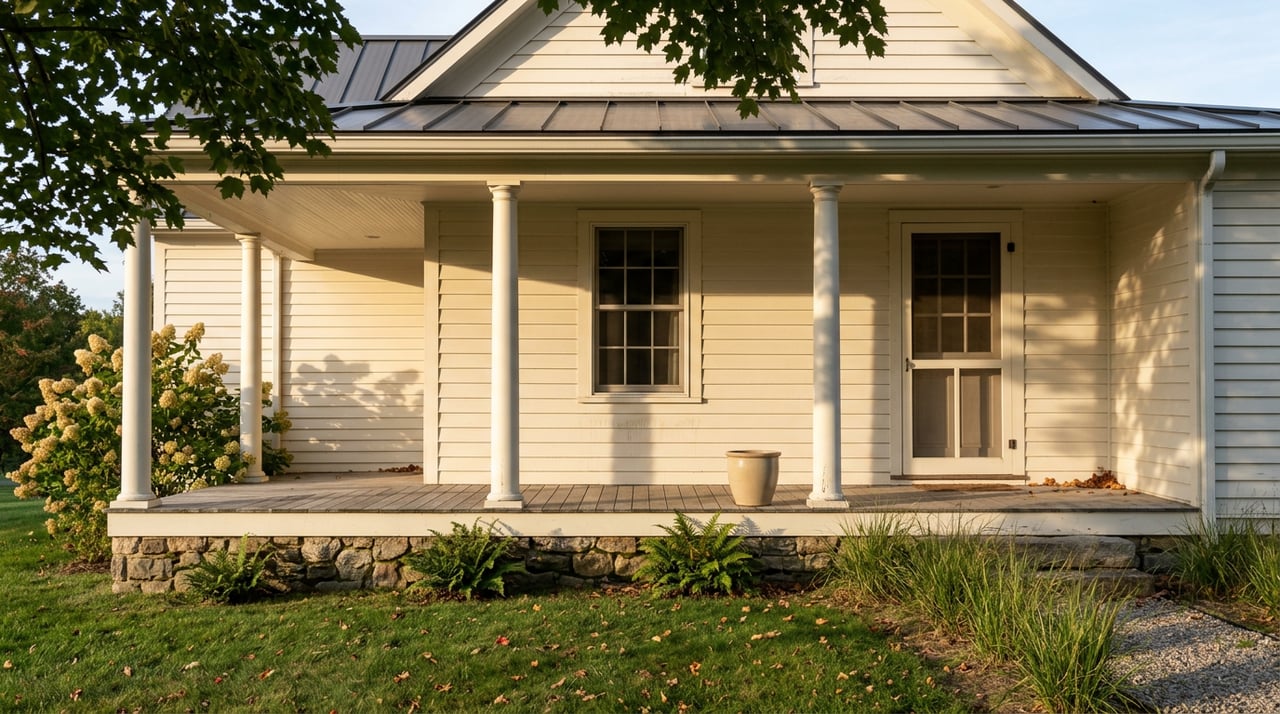
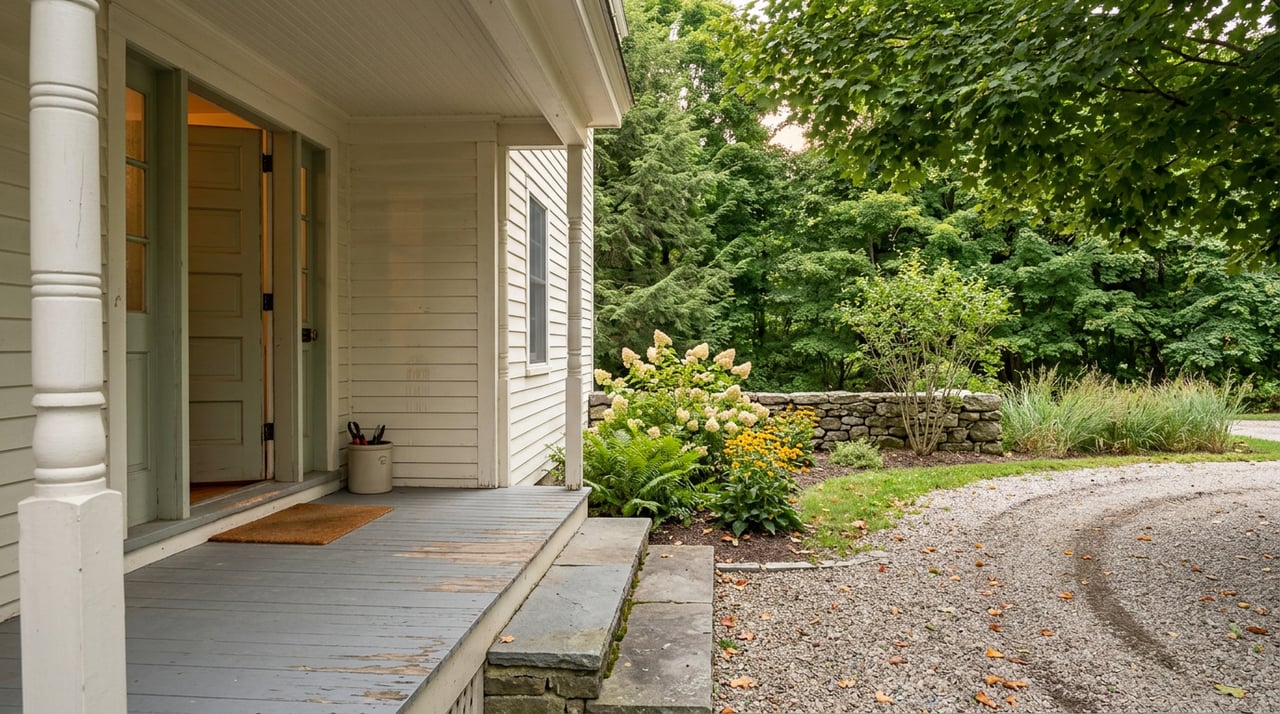
Porches and front entrances often shape a buyer’s emotional response. Local guidance recommends keeping original scale, columns, railings, and balusters, and avoiding enclosure or enlarged openings that change proportions. If your porch is one of the home’s best features, let it read clearly and simply.
For comfort upgrades, subtle measures can help. Weather stripping, caulking, and wood storm doors may improve performance without changing the look of the entrance. That balance is often exactly what buyers want in Rhinebeck.
Hide modern systems when possible
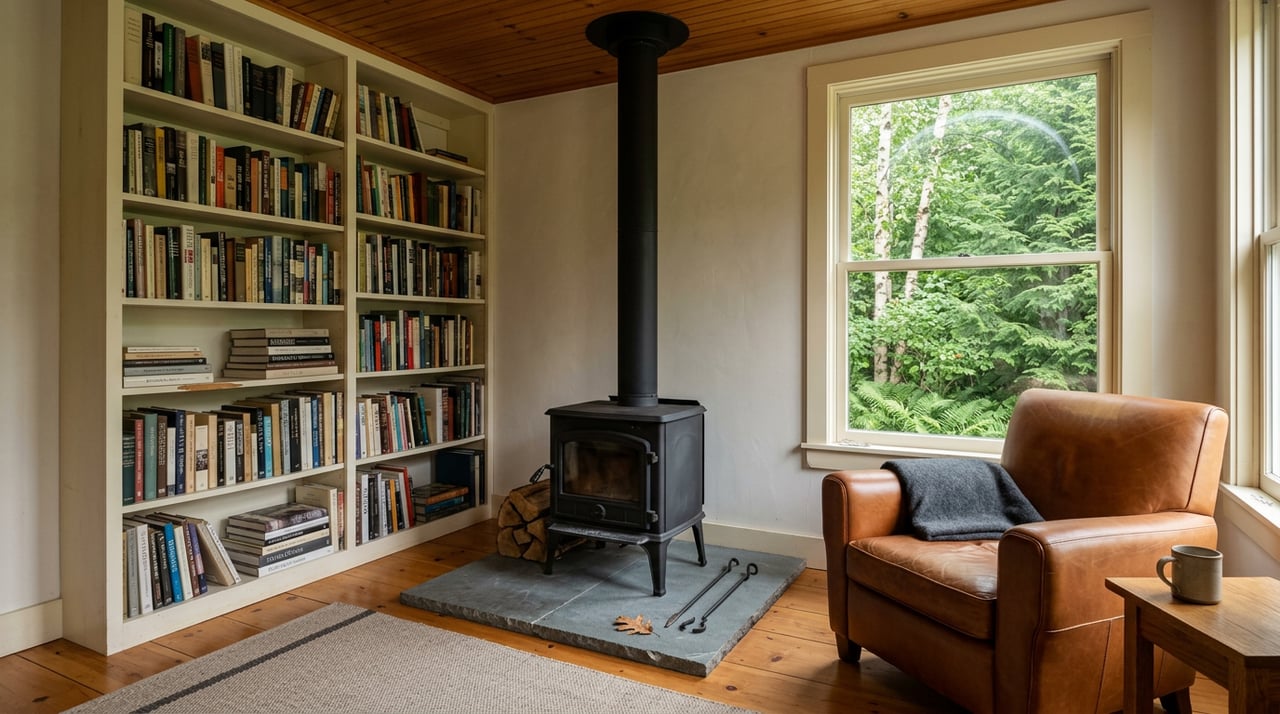
You can modernize a house without making it feel stripped of character. The local handbook recommends keeping mechanical equipment out of street view by placing it to the rear or side and screening it with fencing or landscaping. Buyers tend to appreciate comfort upgrades more when they do not dominate the visual experience.
Respect rooflines and exterior materials
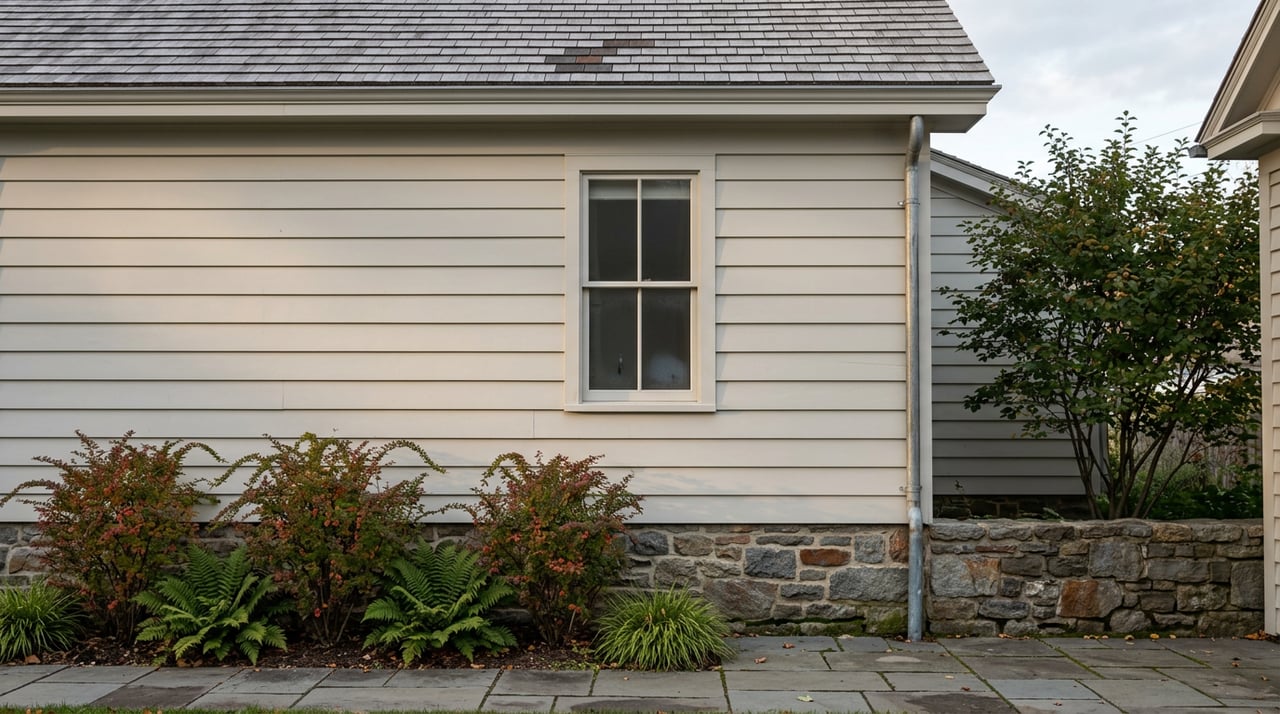
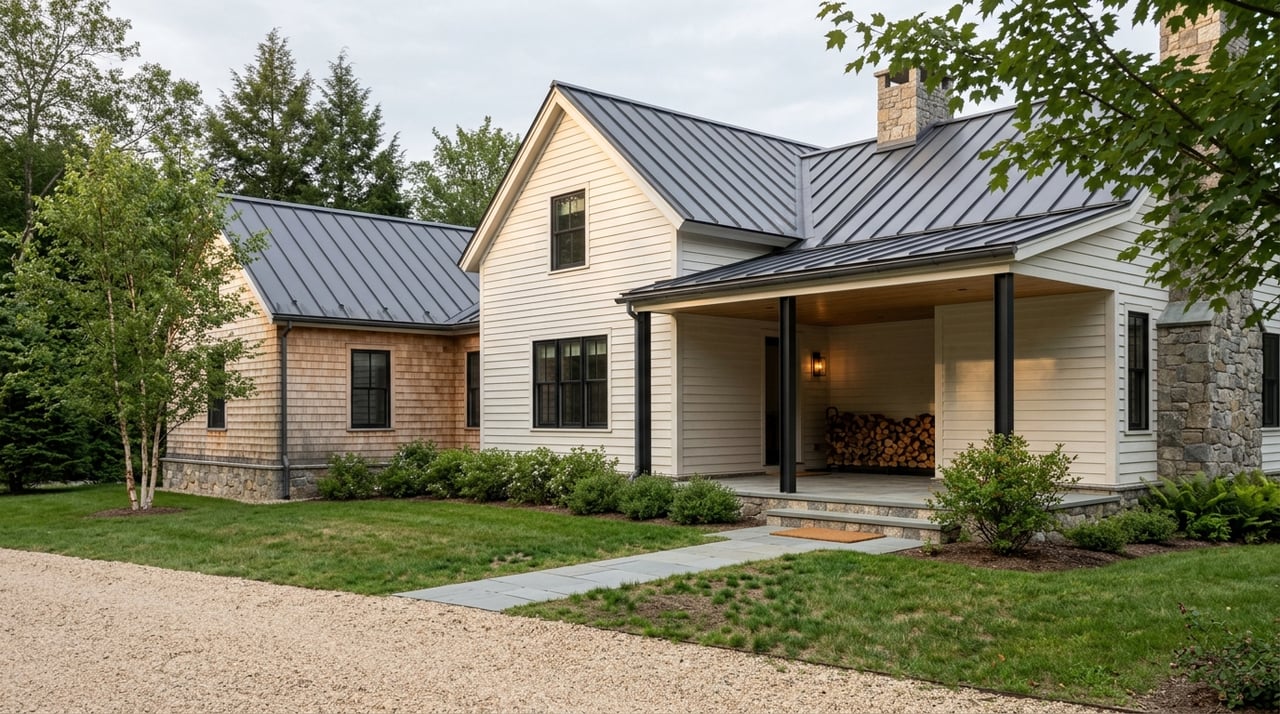
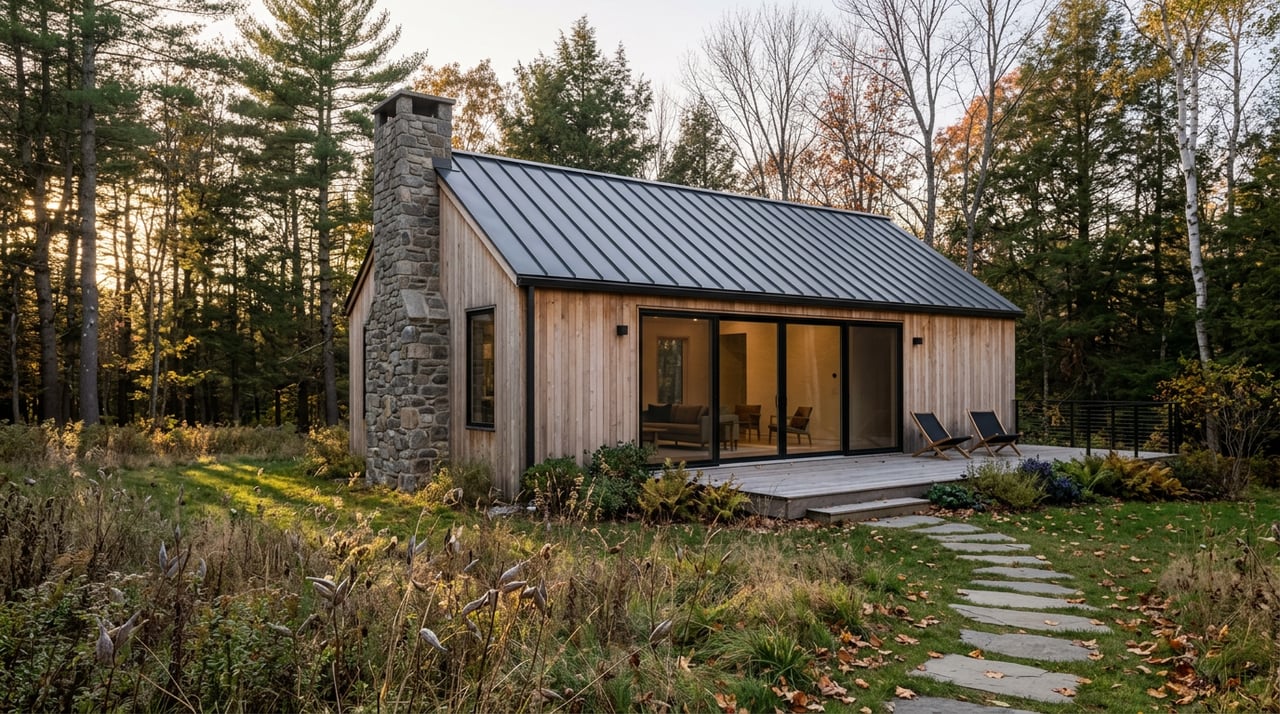
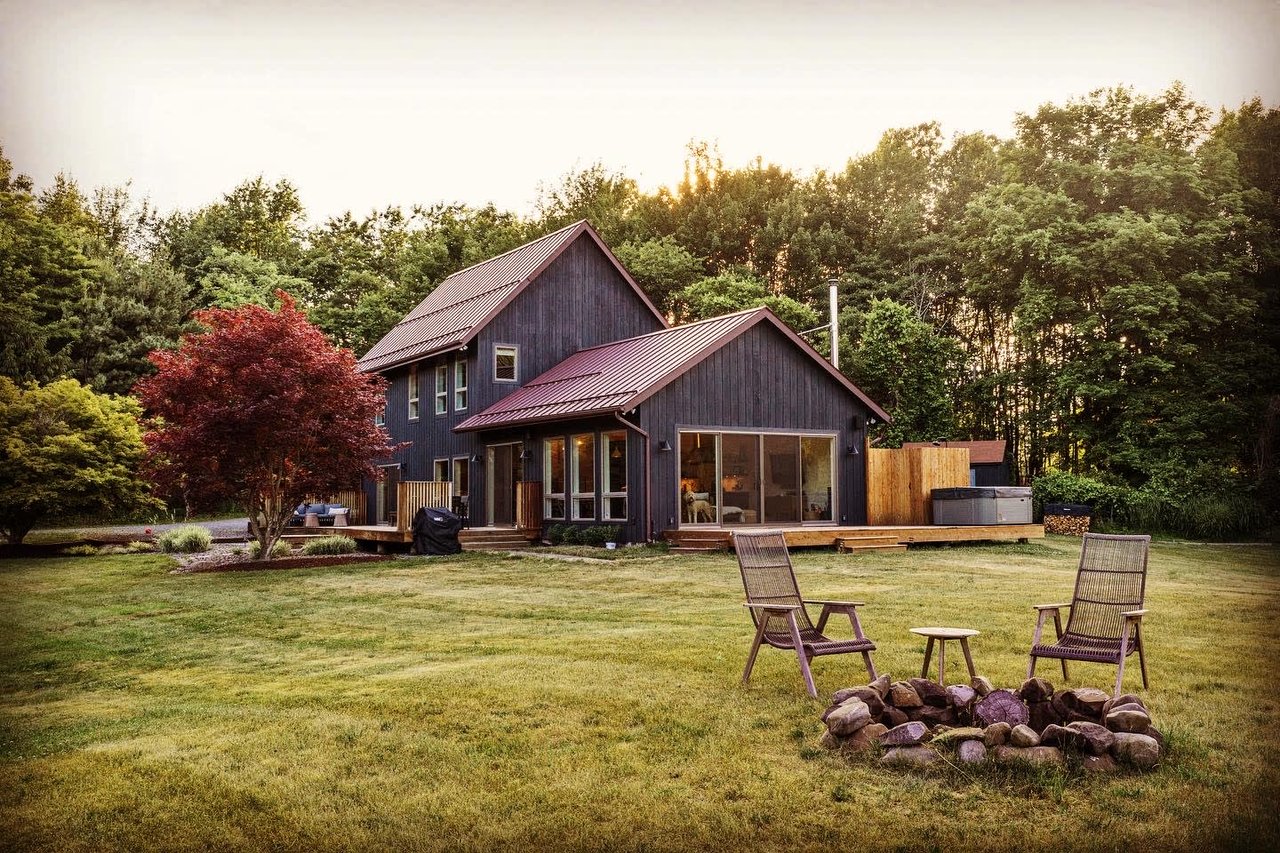
Original roof shape and pitch should be maintained where possible. Common façade materials in Rhinebeck include fieldstone, stucco, wood clapboard, and vertical board-and-batten, and those materials contribute to the home’s visual identity. Before making exterior changes, it is worth asking whether the work supports the house or competes with it.
Market Village Homes and Town Homes Differently
Not every Rhinebeck property should be positioned the same way. The strongest marketing angle depends on whether your home is part of the village experience or the town landscape.
Village homes: sell the lived experience
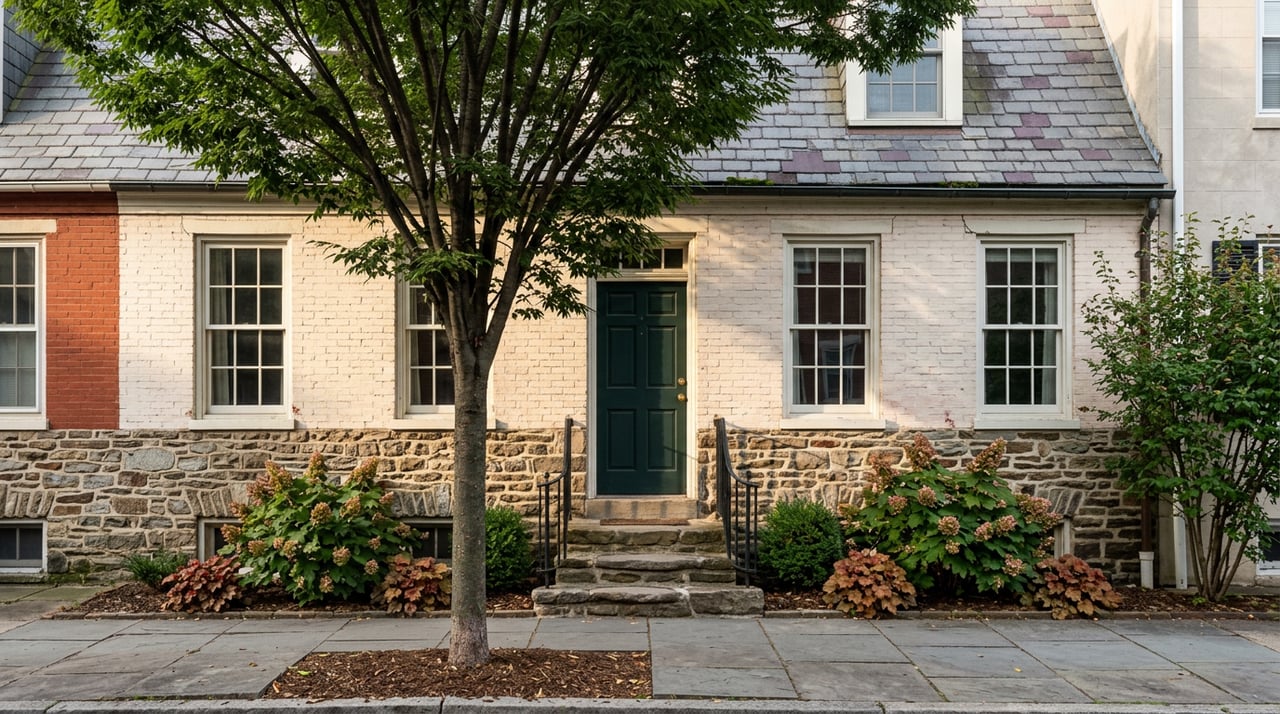
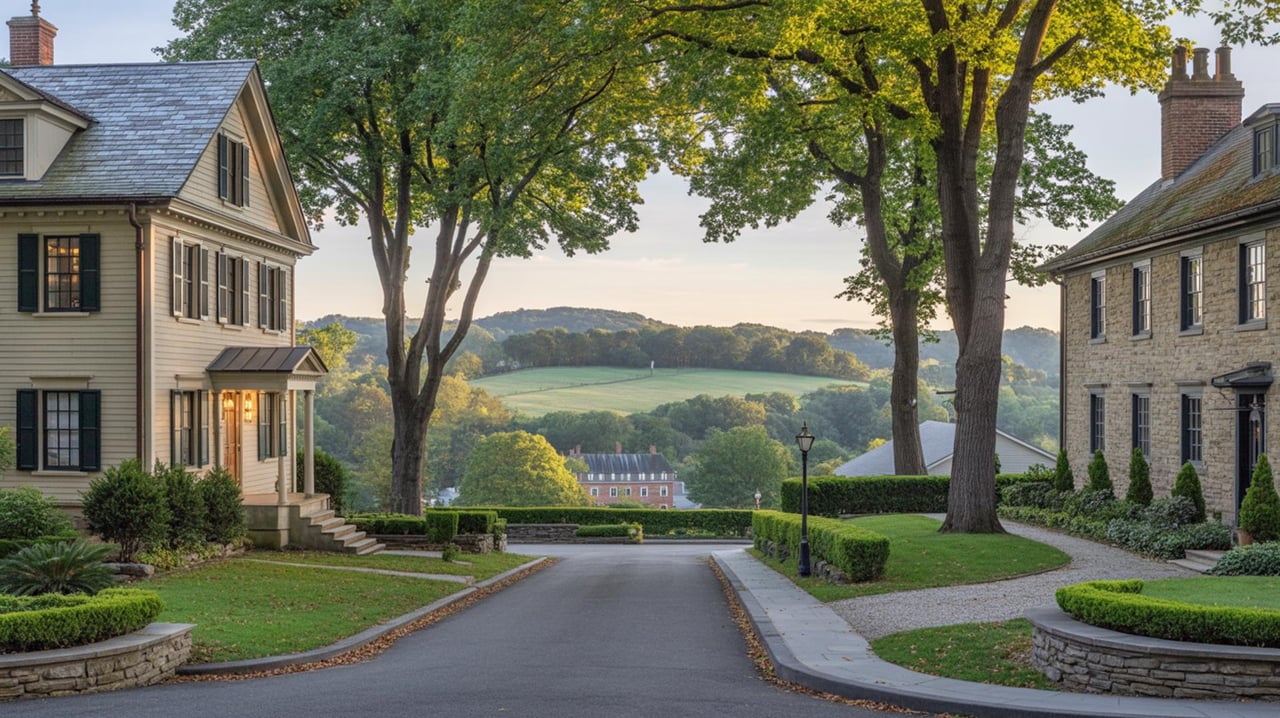
For village properties, lean into what daily life feels like. Walkability, proximity to shops and restaurants, and the ability to get around without driving for every errand are meaningful features. The village’s own messaging highlights walkability, local businesses, and historic charm, which aligns closely with what many city buyers already value.
In practical terms, this means your photography and listing presentation should support that story. If sidewalks, downtown access, or the train route are part of the appeal, they should be part of how the home is introduced.
Town homes: sell the land and setting
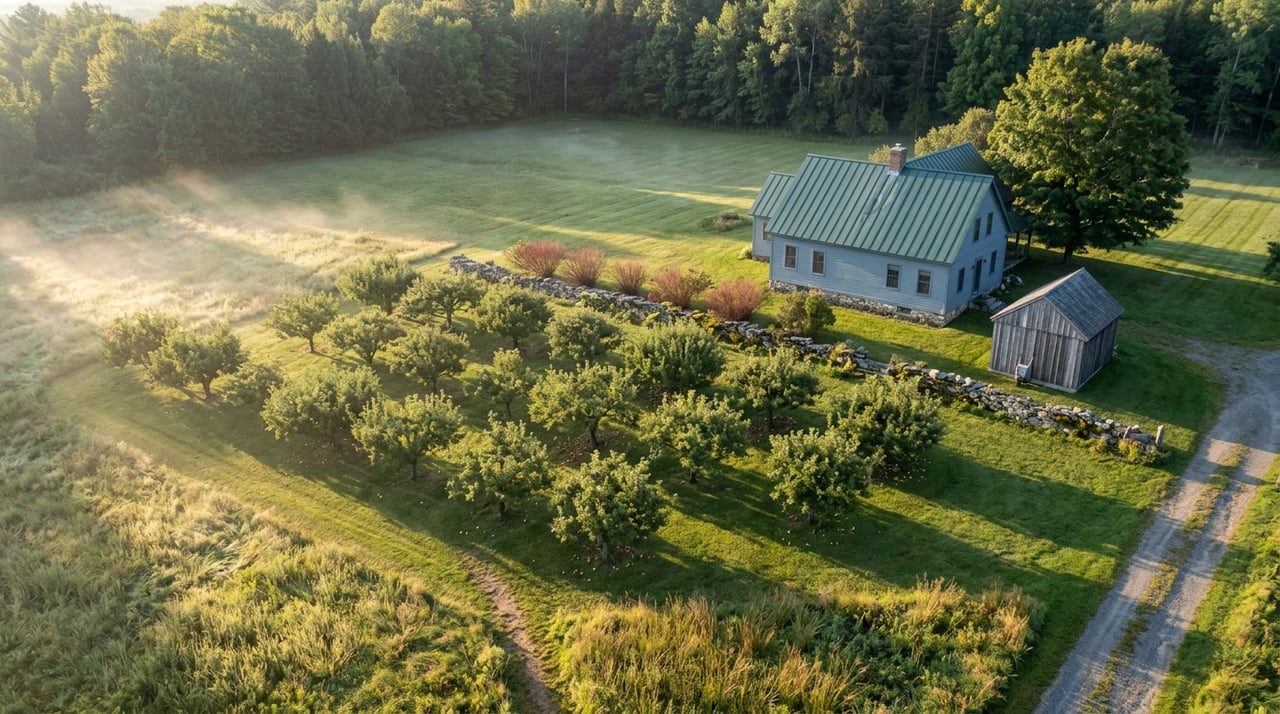
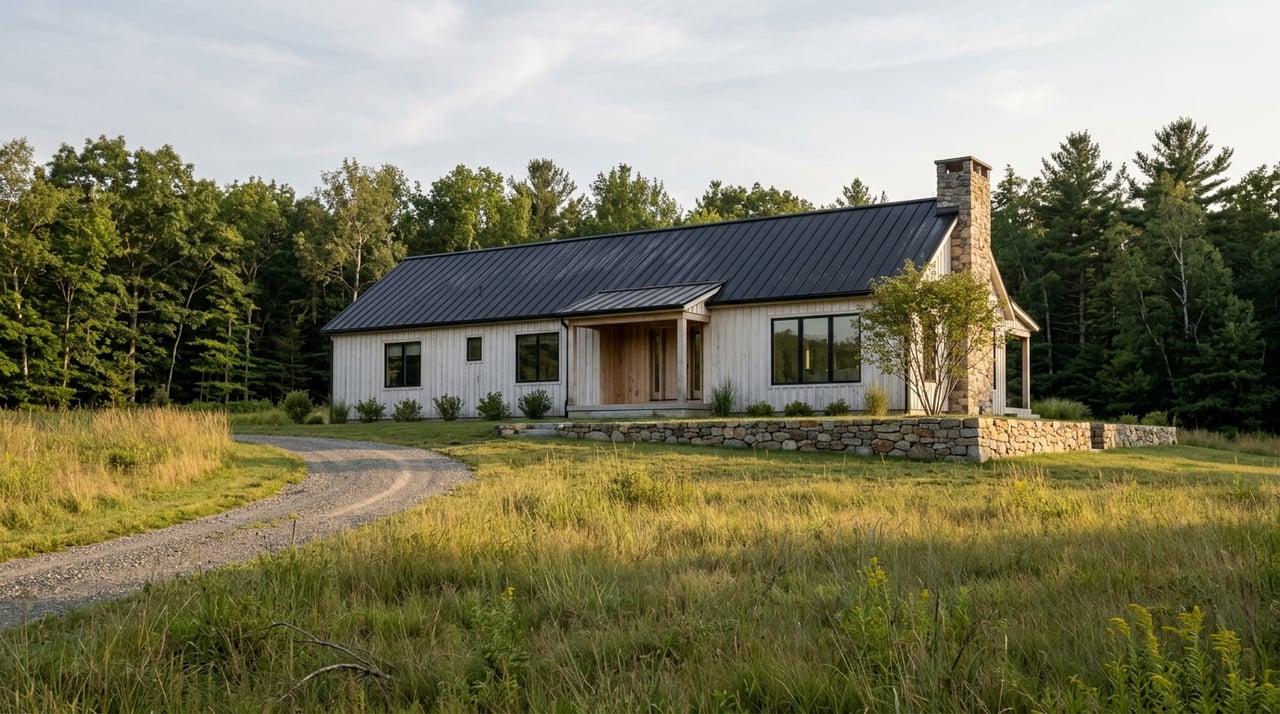
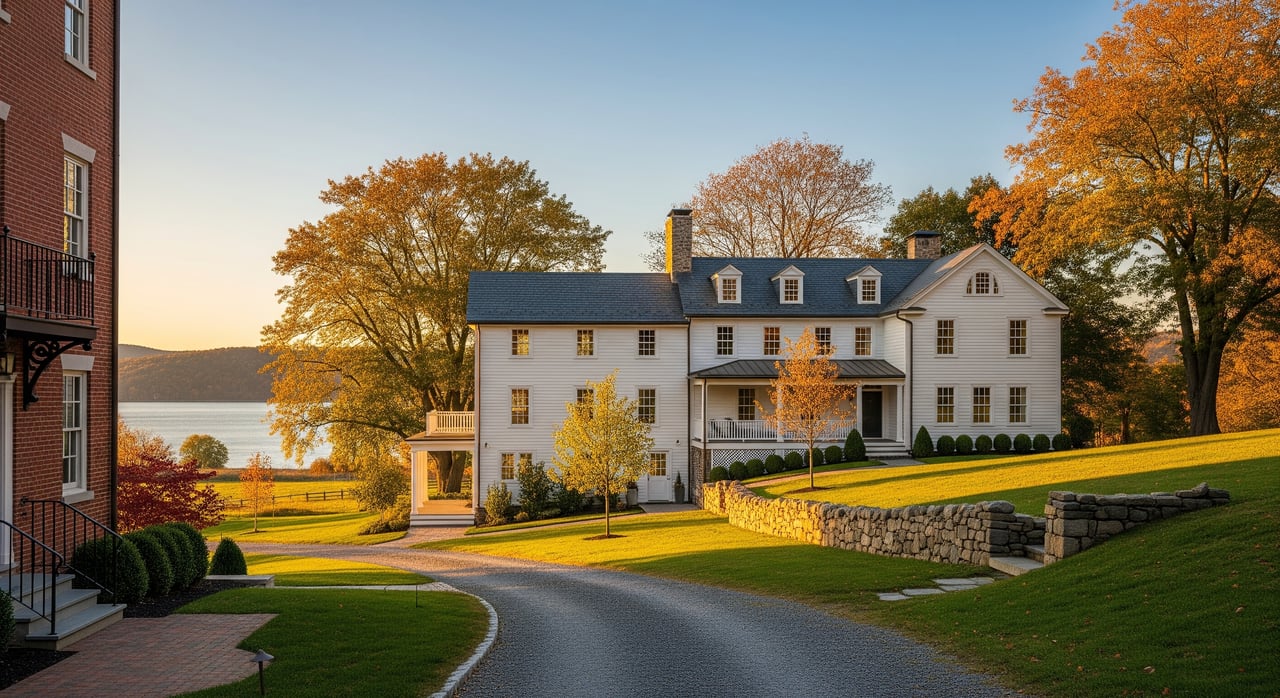
Town properties often win on a different set of strengths. Rhinebeck’s local handbook emphasizes preserving setting, views, vistas, topography, landscaping patterns, and the visual relationship between buildings and their surroundings. Stone walls are also identified as original site features found throughout the town.
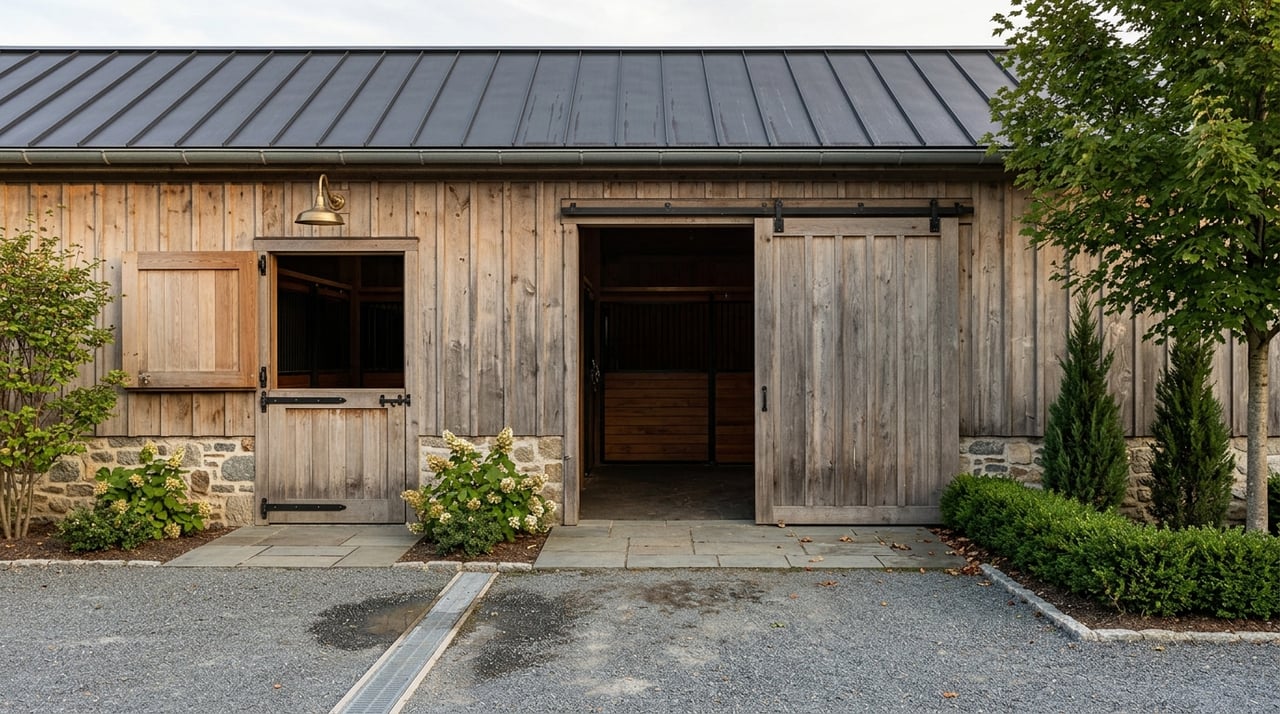
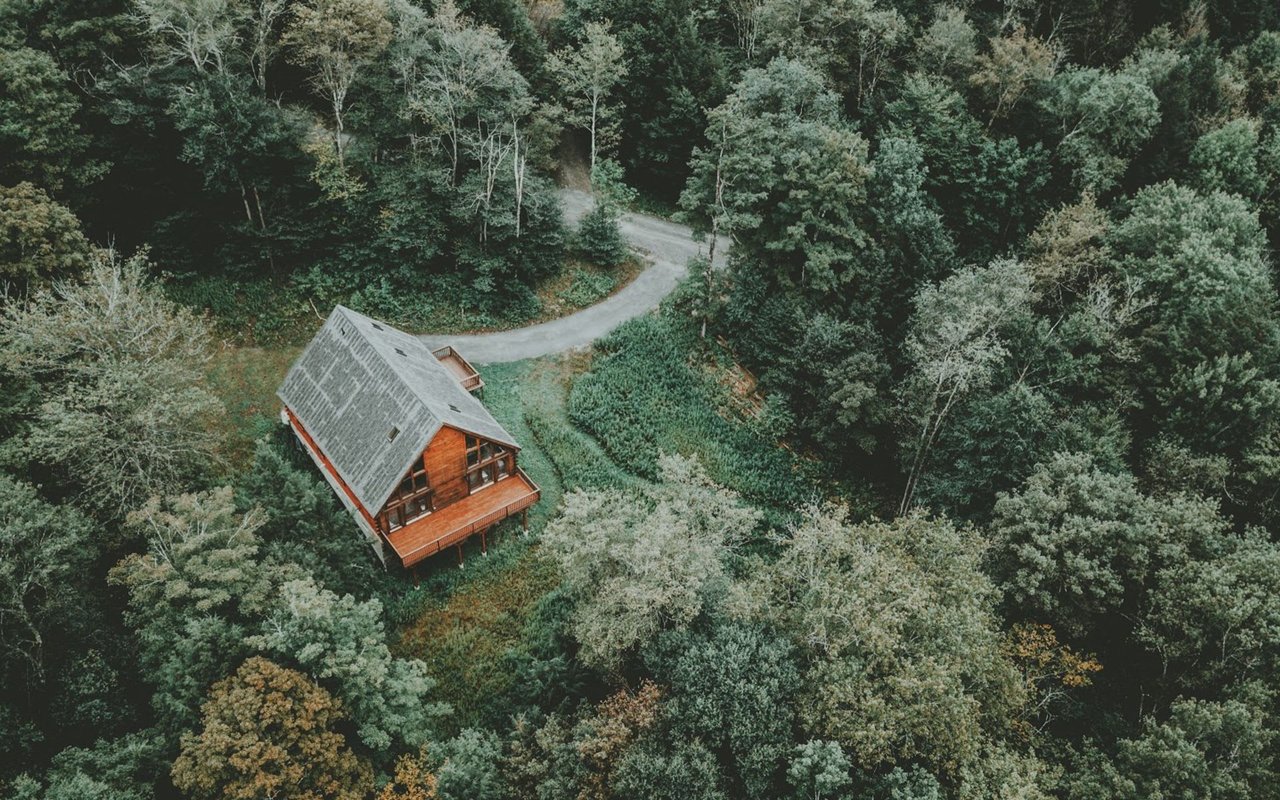
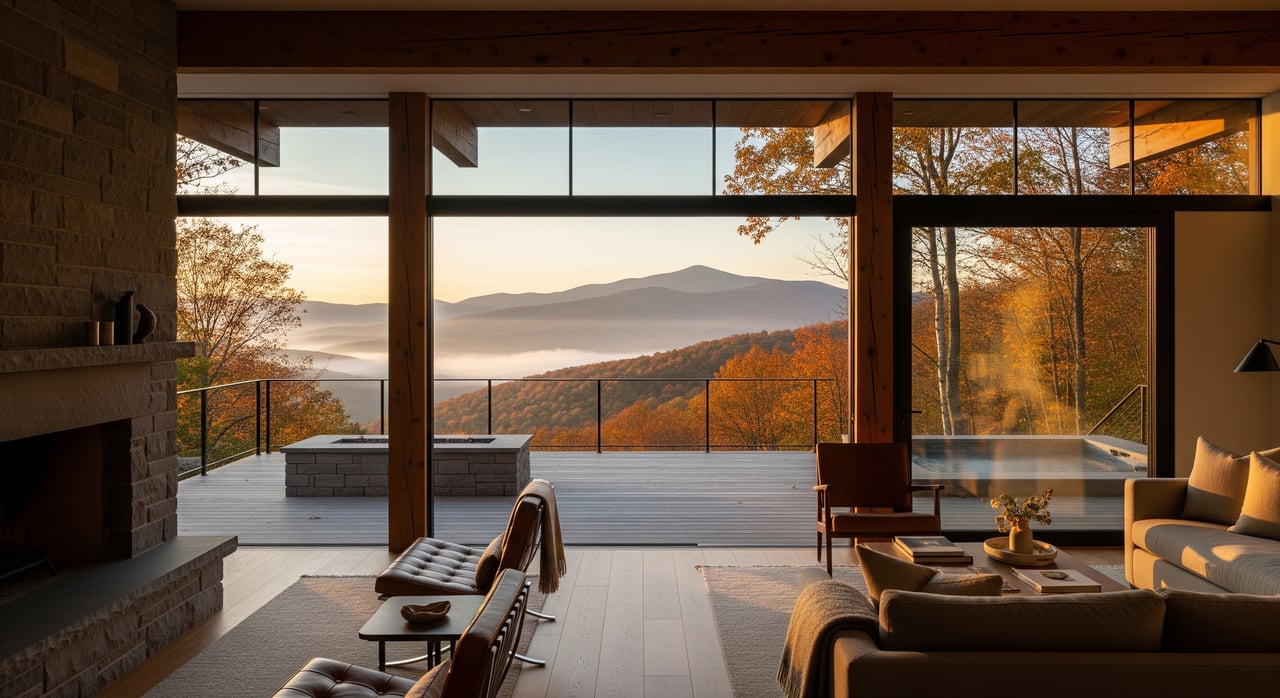
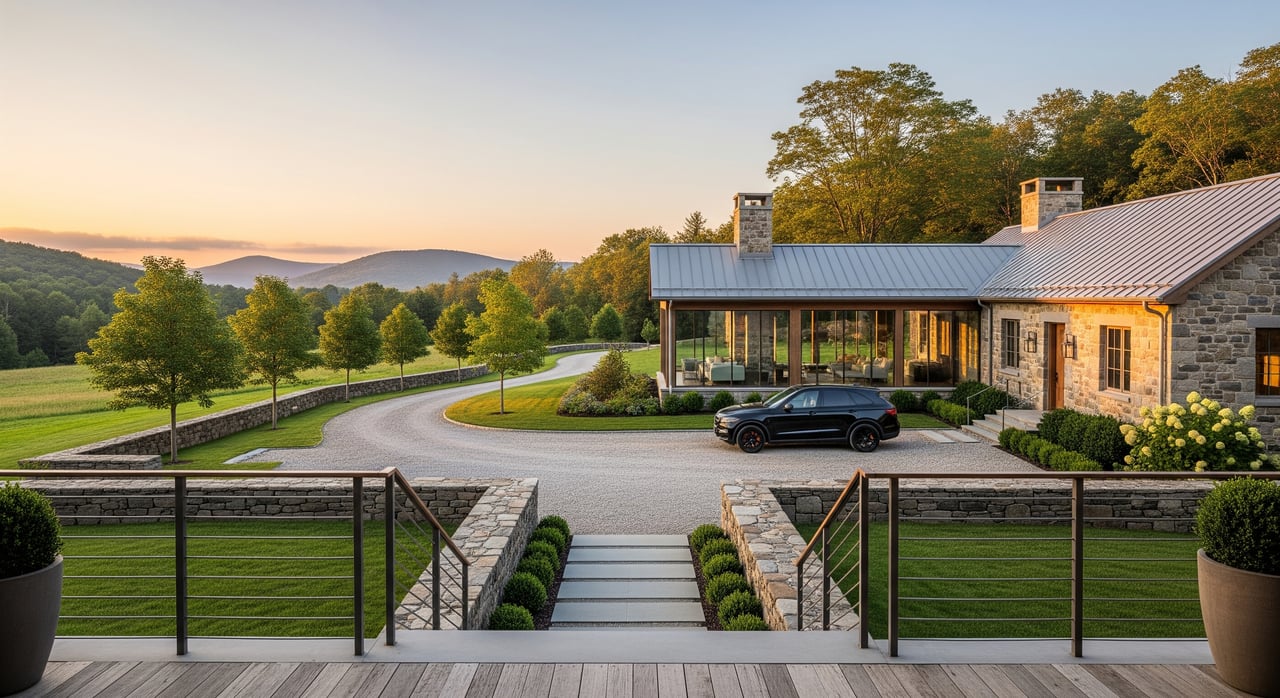
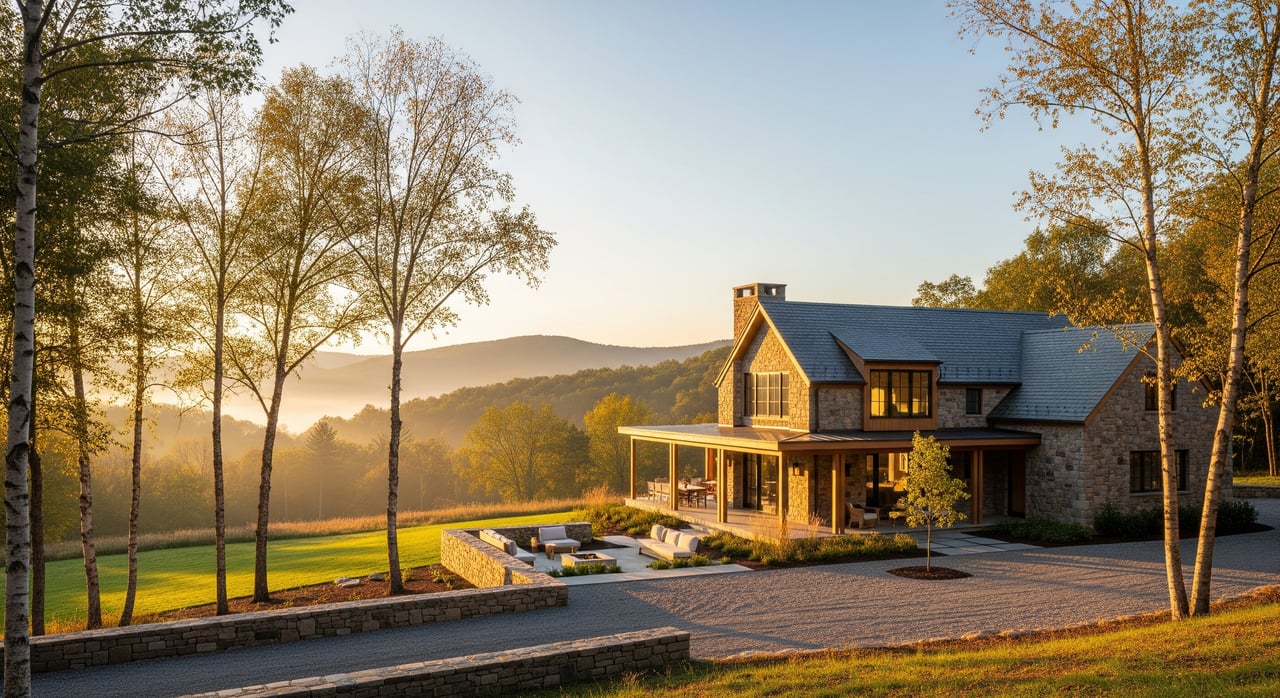
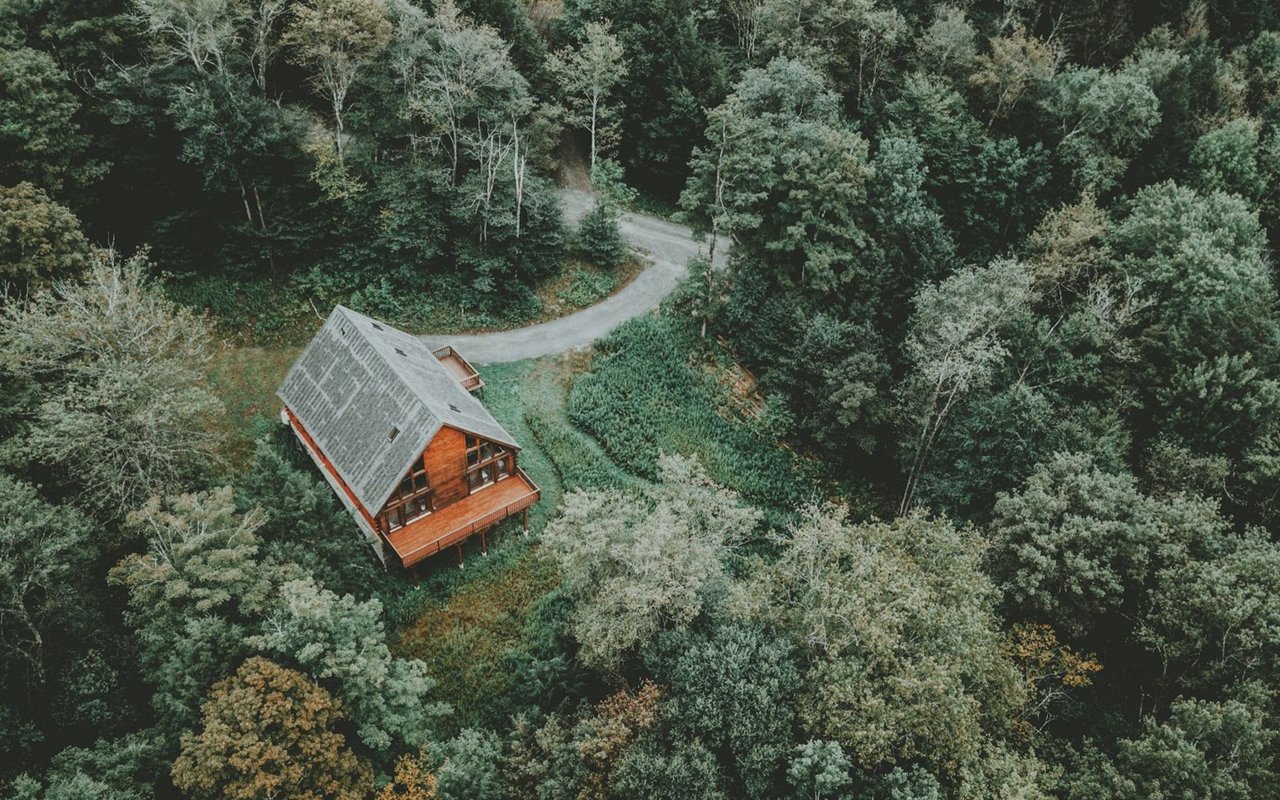
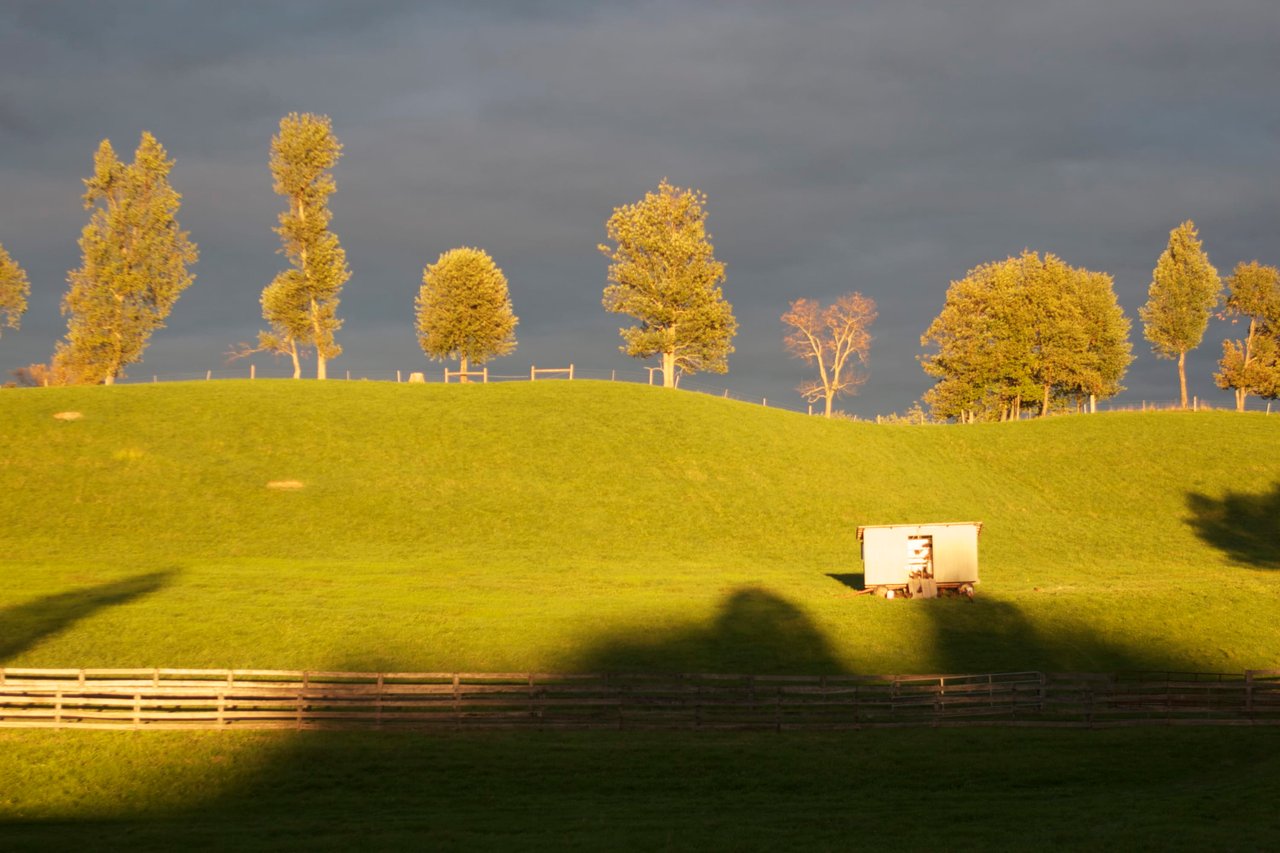
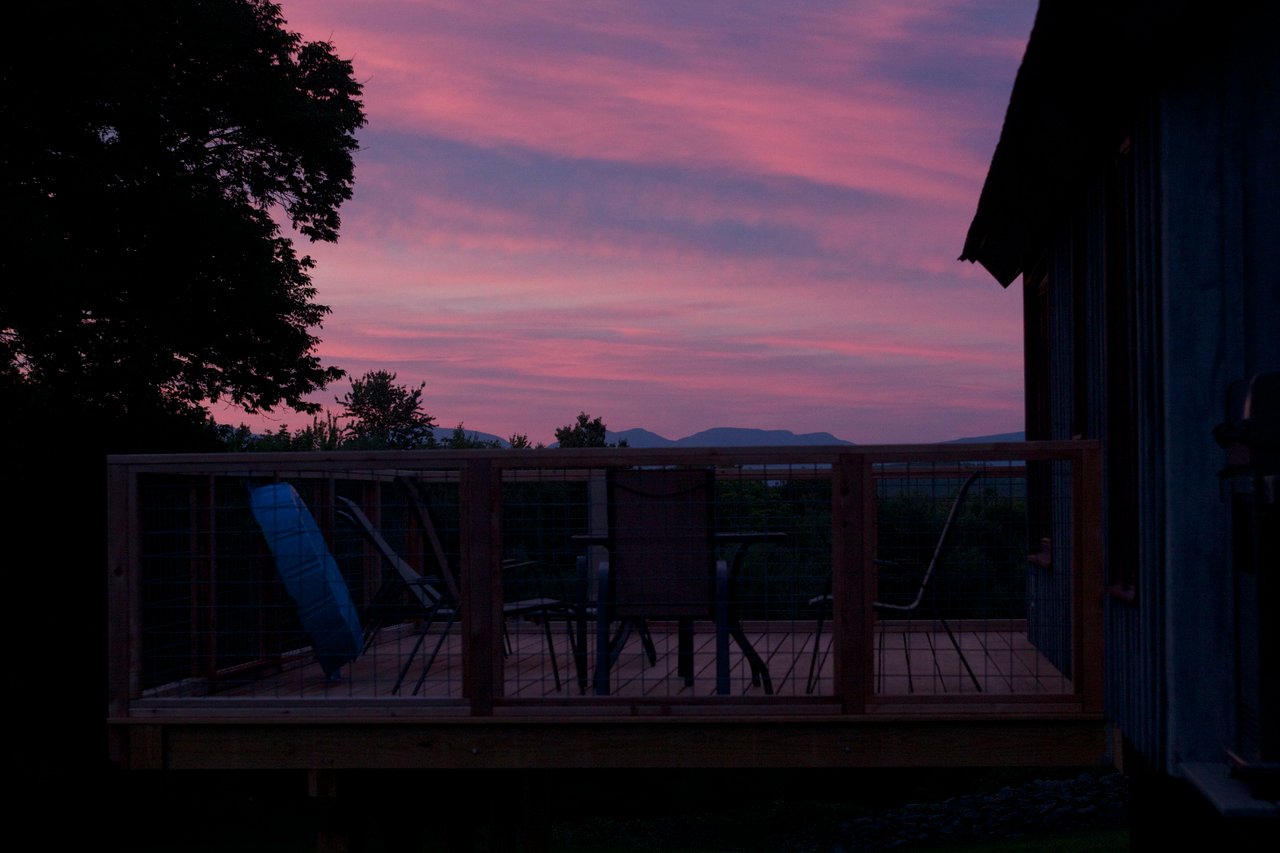
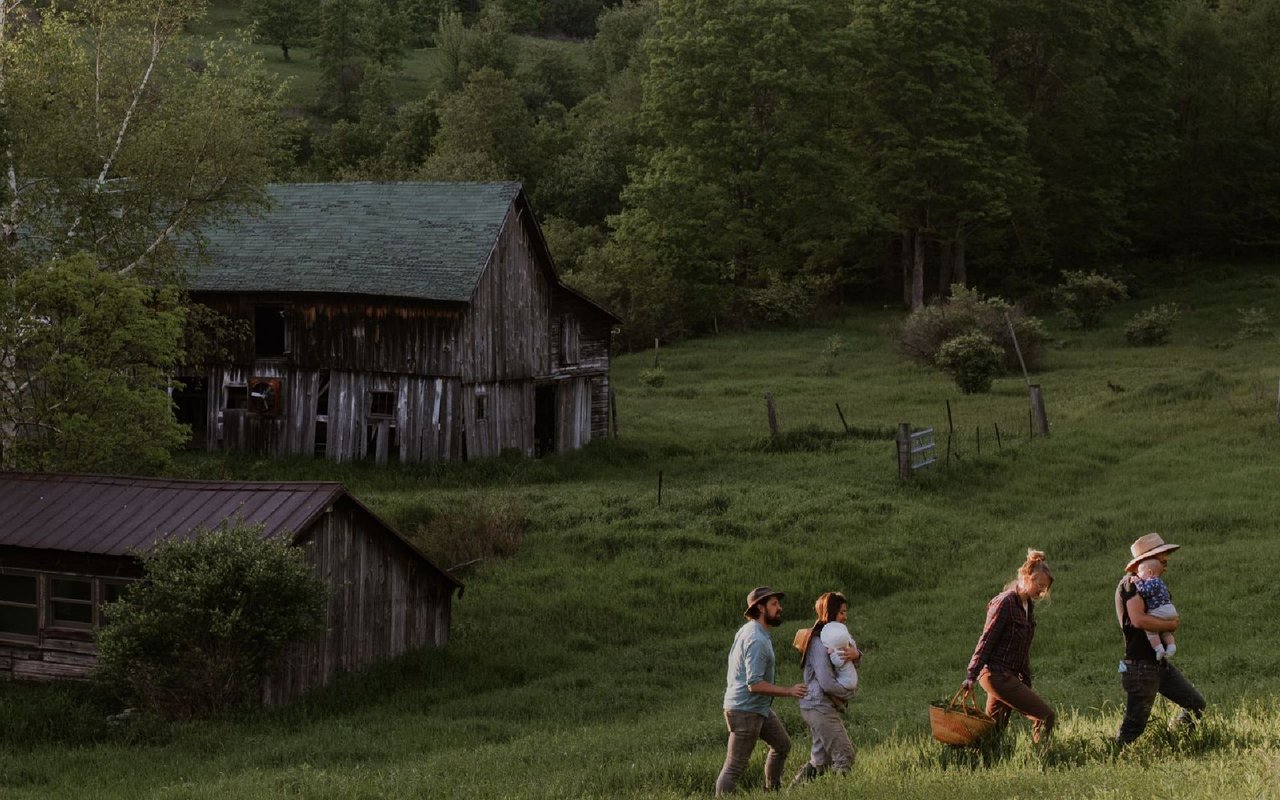
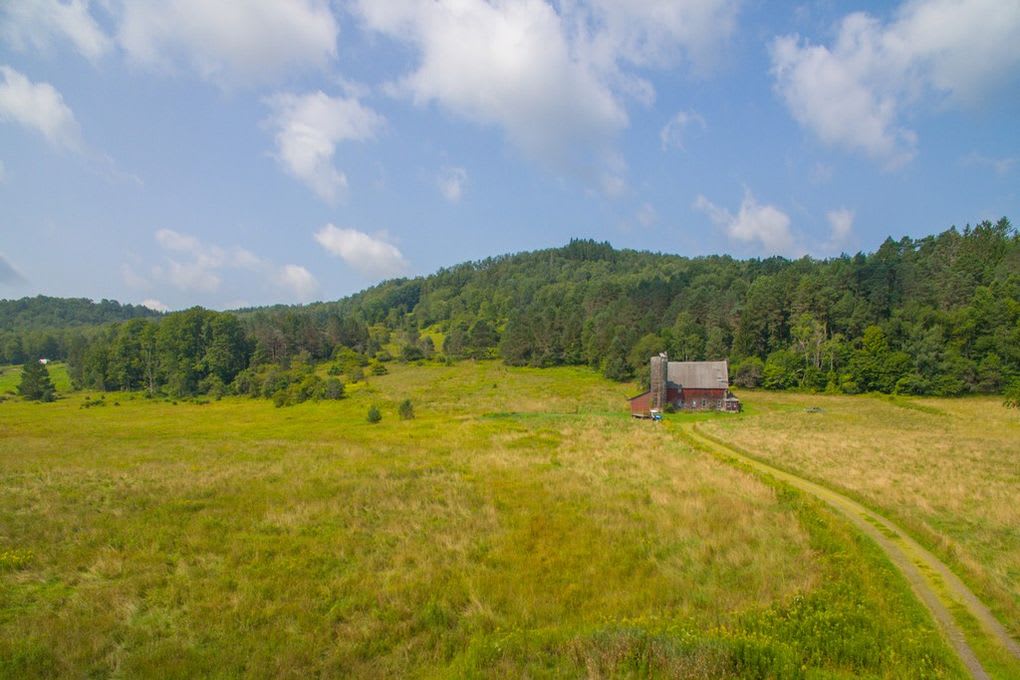
If your property has acreage, privacy, barns, outbuildings, mature trees, or long views, those are not side notes. They are the main story. Buyer trend data show that larger lots or acreage can be a distinct priority, so your presentation should make the land feel legible and important.
Photograph what is most distinctive
Strong presentation starts with knowing what makes your property different. For a village home, that may be streetscape, sidewalks, storefront proximity, or ease of access. For a town home, it may be fields, stone walls, barns, tree lines, and the way the house sits in the landscape.
This is where polished, curated photography matters. The right images do more than document a house. They help a city buyer understand how life at the property would actually feel.
Price and Timing Matter Too
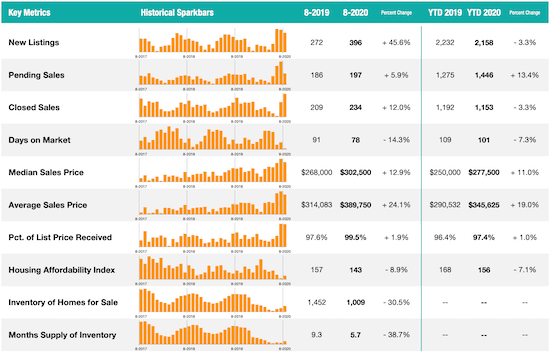
Even the best-prepared home needs the right pricing and launch strategy. Dutchess County’s January 2026 OneKey MLS update shows a single-family median sales price of $507,500, 55 days on market, 400 homes in inventory, and sellers receiving 97.8% of original list price. The county’s 2024 housing report also shows Rhinebeck’s northwest area among the county’s higher-price communities.
Consumer-facing market data suggests Rhinebeck itself often trades above countywide medians. Redfin reports a three-month median sale price of $800,000 in Rhinebeck, with recently sold homes showing a median 28 days on market. That is useful context, though pricing still needs to be grounded in property-specific comparisons.
Plan around major event weekends
Timing can shape the showing experience in Rhinebeck more than sellers sometimes expect. The Dutchess County Fairgrounds host major annual events, including the Dutchess County Fair from August 25 to 30, 2026, the Hudson Valley Wine & Food Festival on September 12 and 13, and the New York State Sheep and Wool Festival on October 17 and 18.
If your home is near Route 9 or the fairgrounds, those weekends may bring heavier traffic and more complicated logistics. It is smart to plan photography, open houses, and tours around those dates when possible. A smoother visit often leads to a stronger impression.
Check Historic Review Before Exterior Work
Before starting exterior changes, it is worth confirming whether local review may apply. Rhinebeck’s Historic and Archaeological Preservation Advisory Committee, established by Local Law 4 of 2019, can review applications and recommend historic districts and landmarks. If you are considering exterior work before listing, verify what is needed first.
That step can help you avoid wasted time and last-minute changes. It can also keep your prep plan aligned with the very qualities that make Rhinebeck attractive to buyers in the first place.
If you are getting your Rhinebeck home ready for today’s city buyer, the goal is not to make it feel generic or overly polished. The goal is to make it feel easy to use, true to its setting, and presented in a way that helps the right buyer see its value right away. For a tailored pre-listing strategy built around how urban buyers actually shop for Hudson Valley homes, connect with Joseph Satto.
FAQs
Should I replace old windows before listing a Rhinebeck home?
- Usually, no. Rhinebeck guidance favors repairing and preserving historic windows when possible, and if replacement is necessary, the new windows should match the original size, style, and visual qualities.
How should I prepare a historic Rhinebeck home for sale?
- Focus on careful repair, cleaning, paint, and discreet comfort upgrades while preserving character-defining features like façades, porches, doors, trim, windows, rooflines, and landscape.
What do New York City buyers value in Rhinebeck?
- Many city buyers respond to easy train access, walkability, shopping and leisure convenience, reliable broadband, and a home that feels simple to use for weekends or longer stays.
How should I market a village home in Rhinebeck?
- Emphasize walkability, access to shops and restaurants, historic charm, and the practical ease of getting around without driving for every errand.
How should I market a town property in Rhinebeck?
- Highlight acreage, privacy, views, topography, stone walls, barns, outbuildings, and the relationship between the house and the surrounding landscape.
Do I need to think about event weekends when listing a Rhinebeck home?
- Yes. Major fairgrounds events in late summer and fall can affect traffic and showing logistics, especially near Route 9 and the fairgrounds, so timing photography and tours carefully can help.