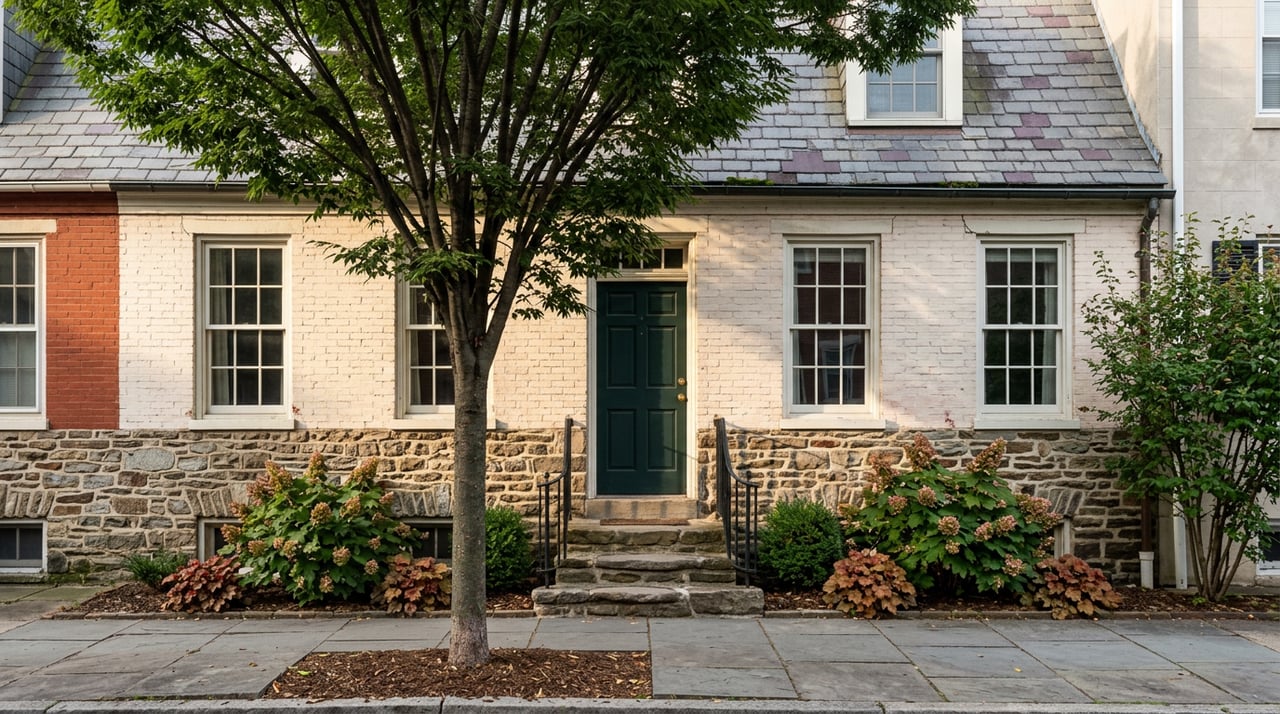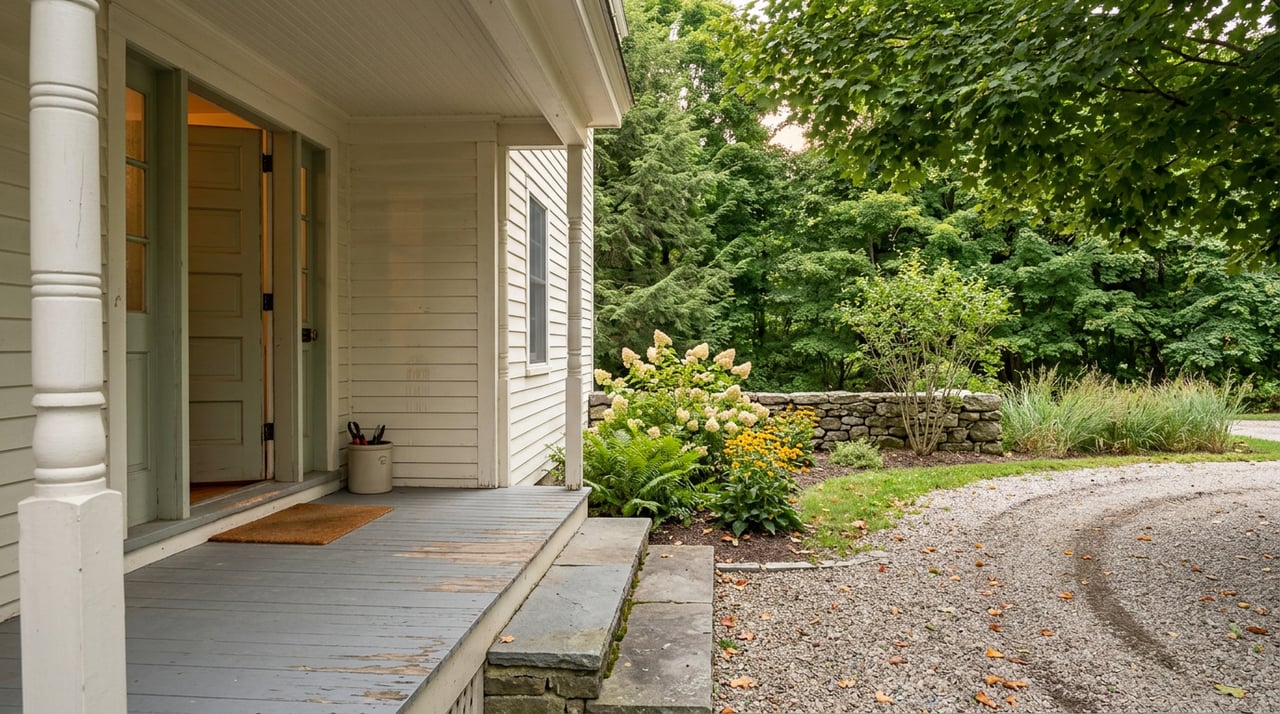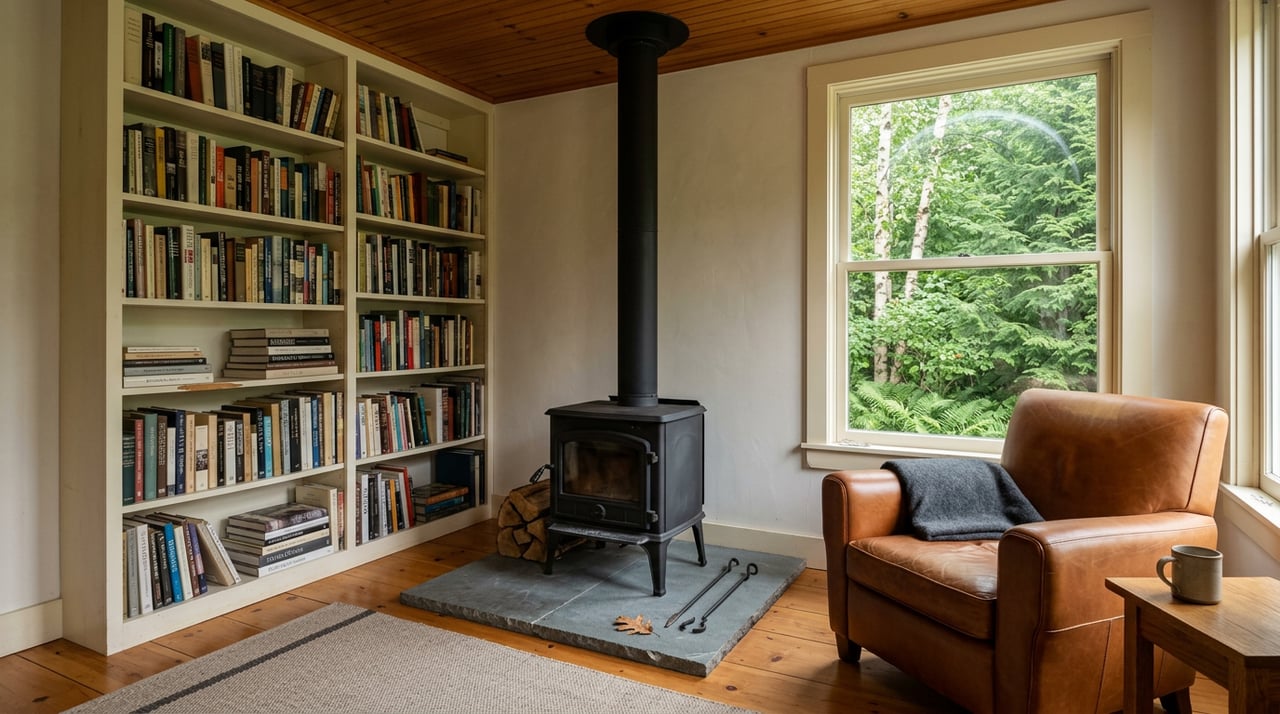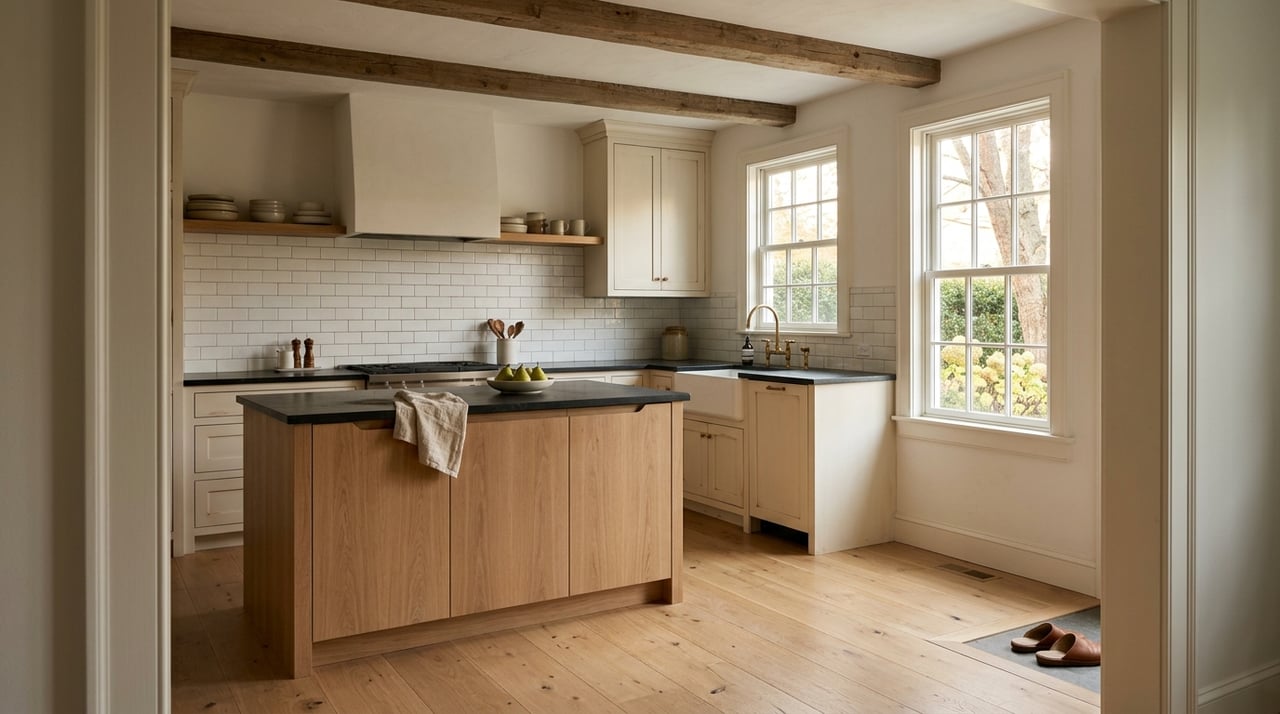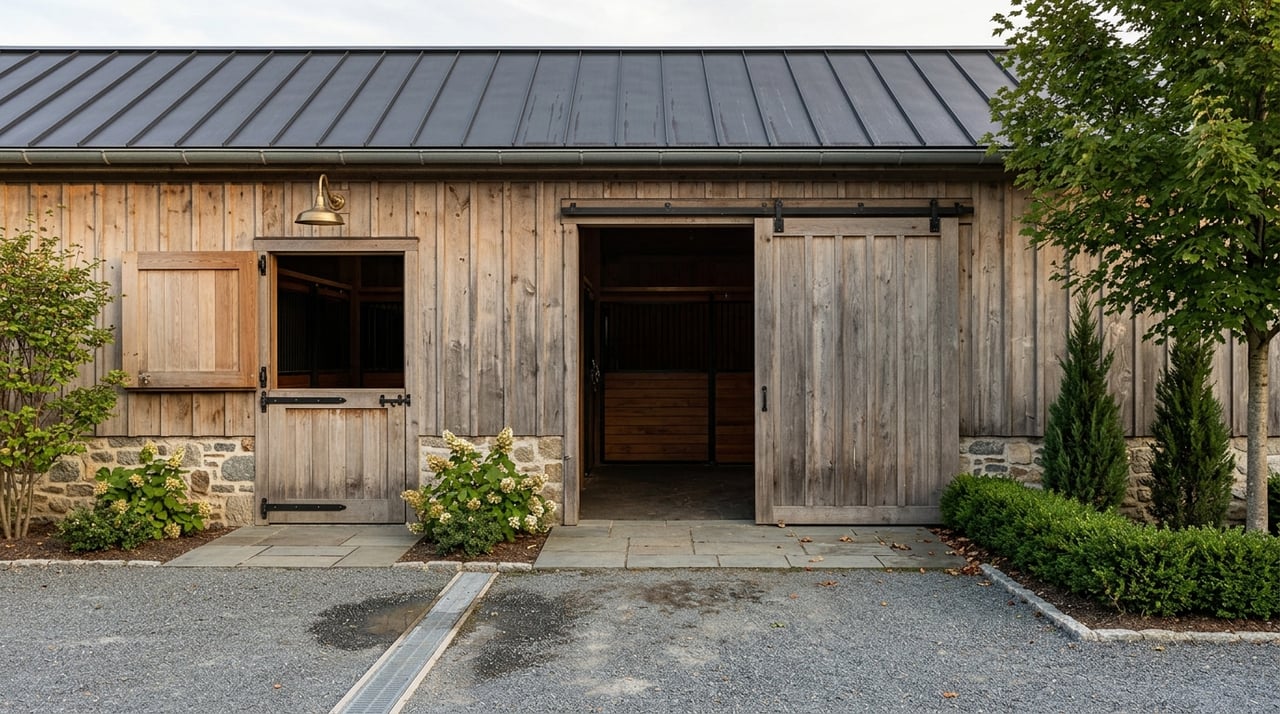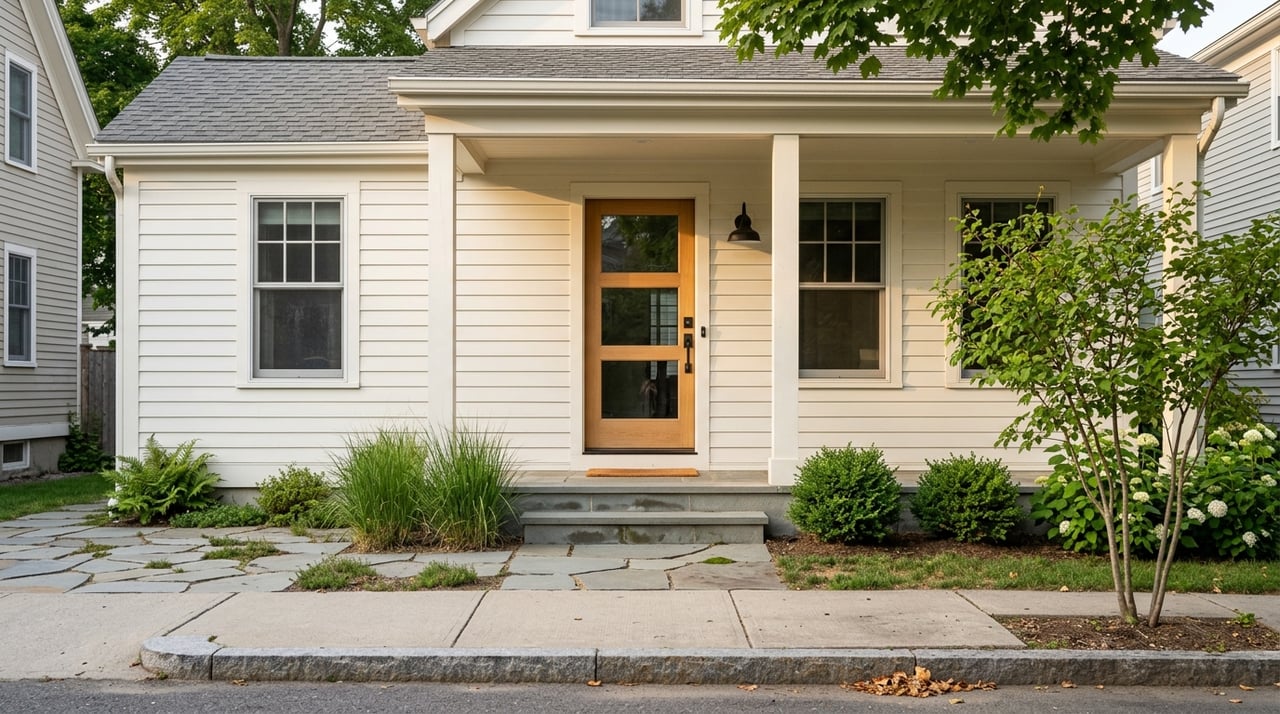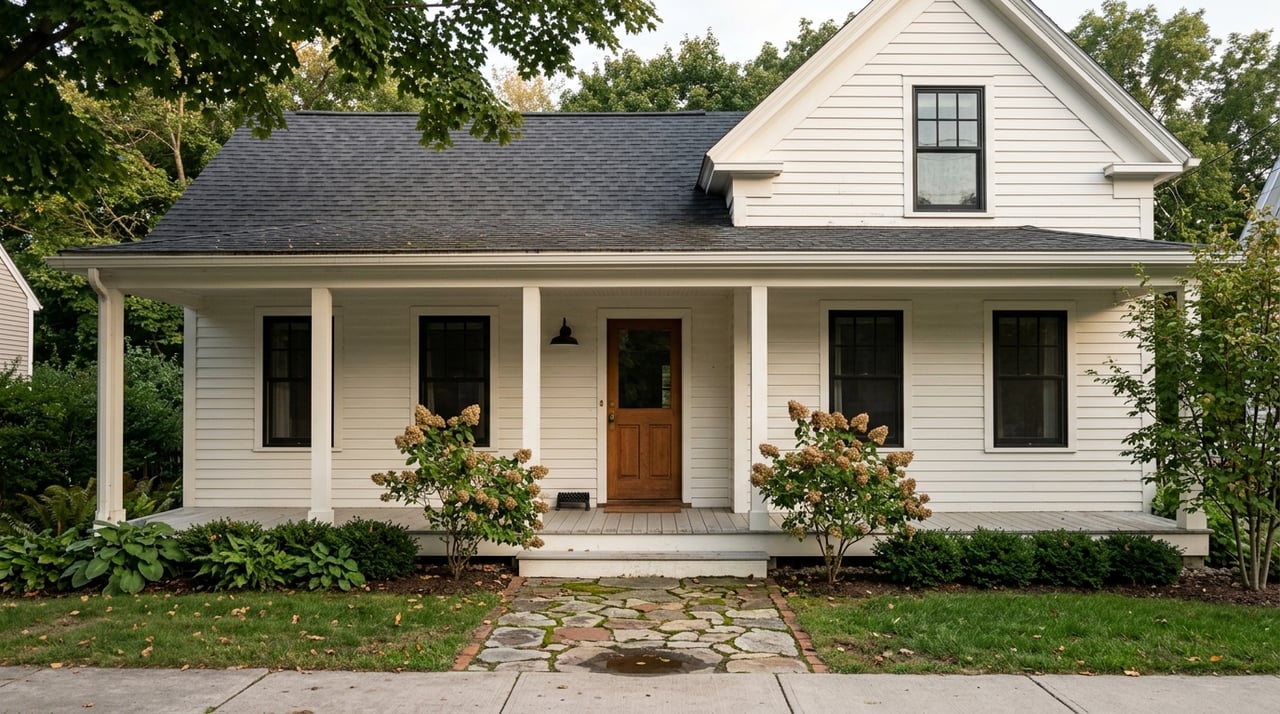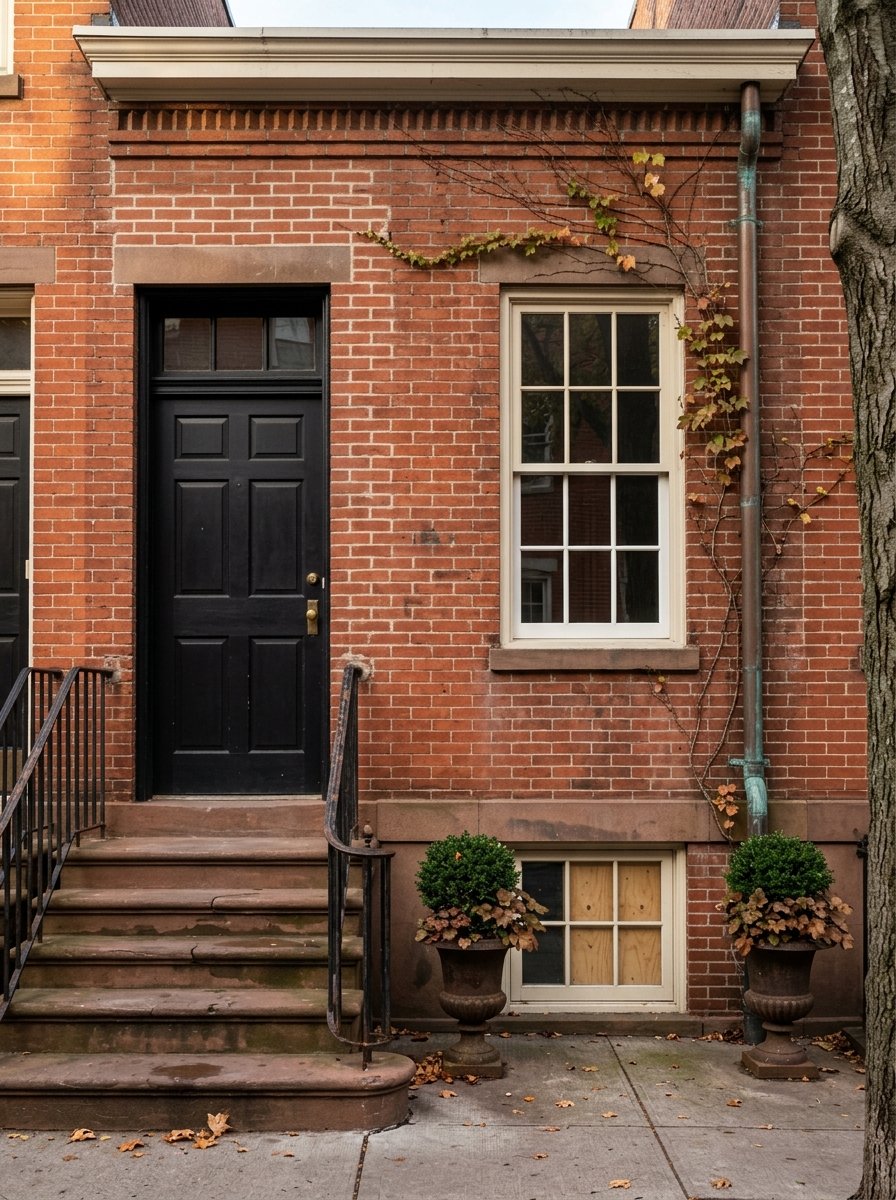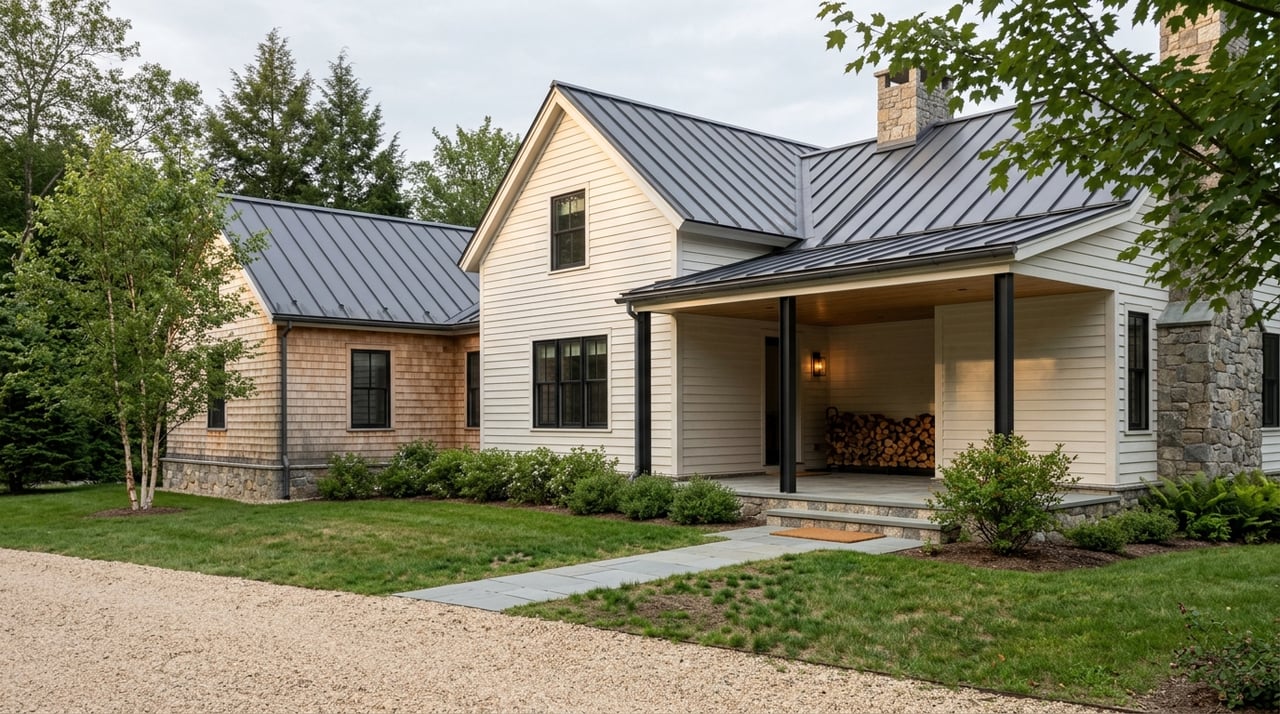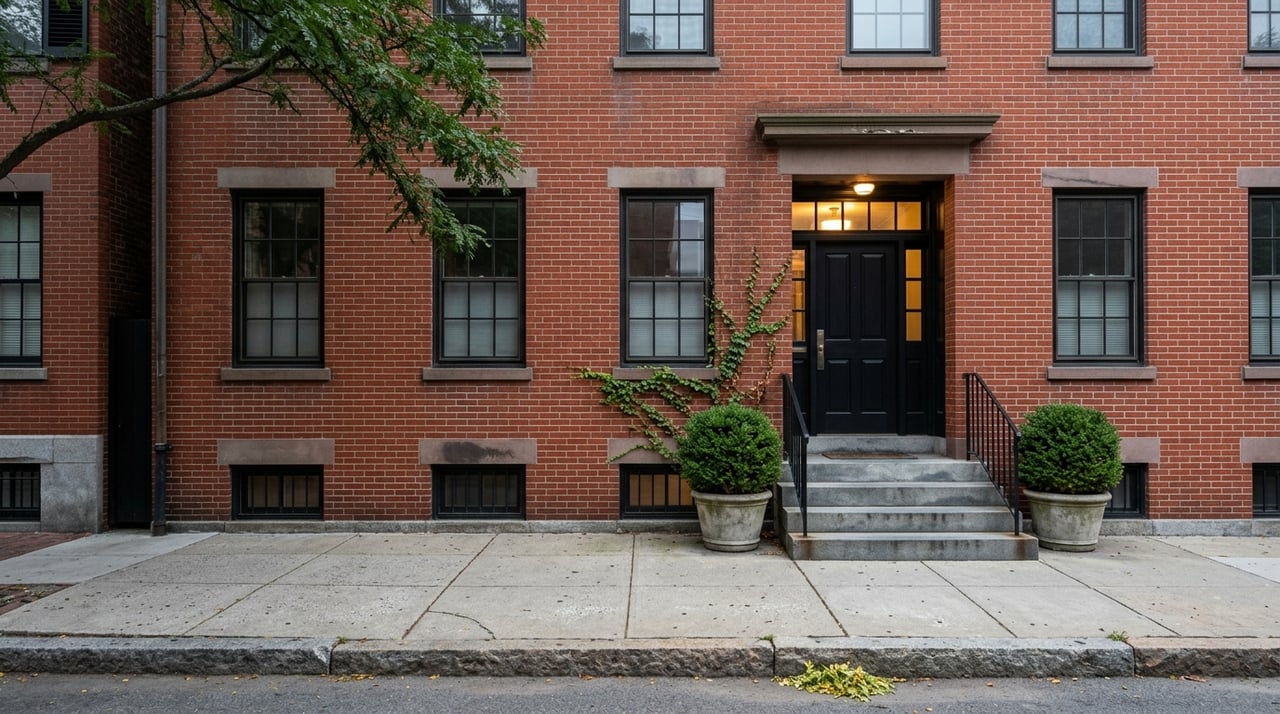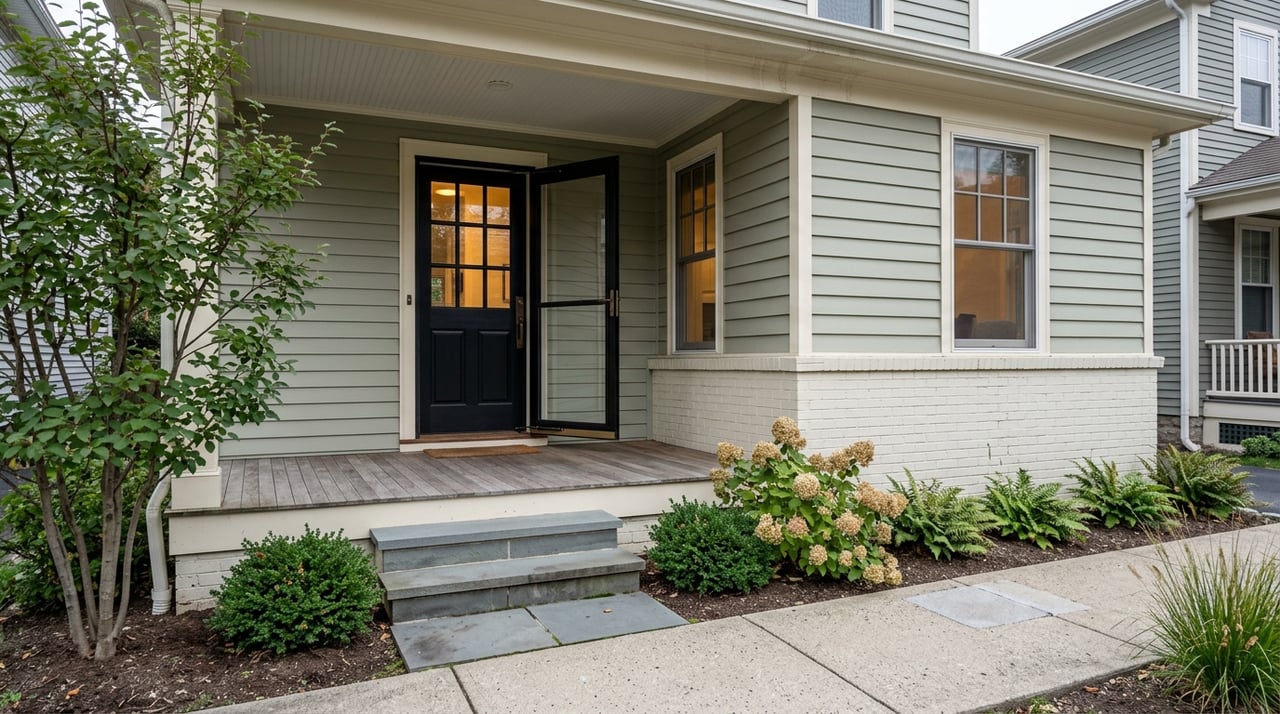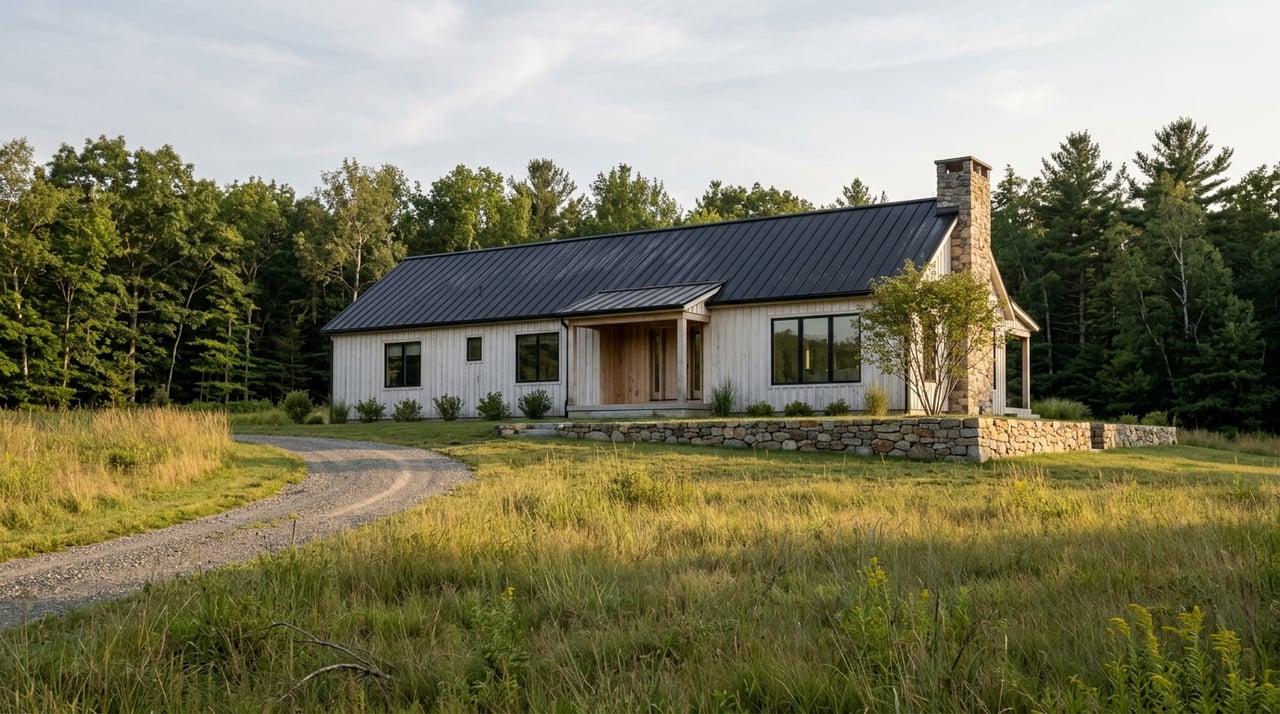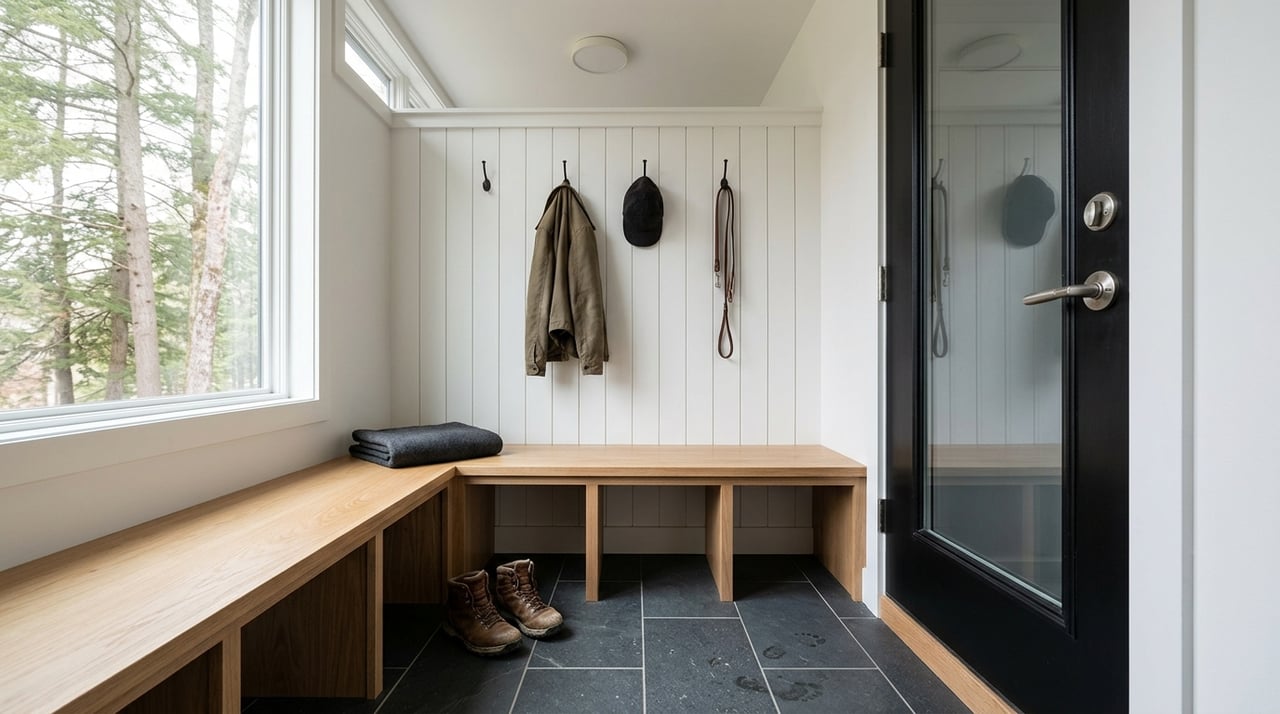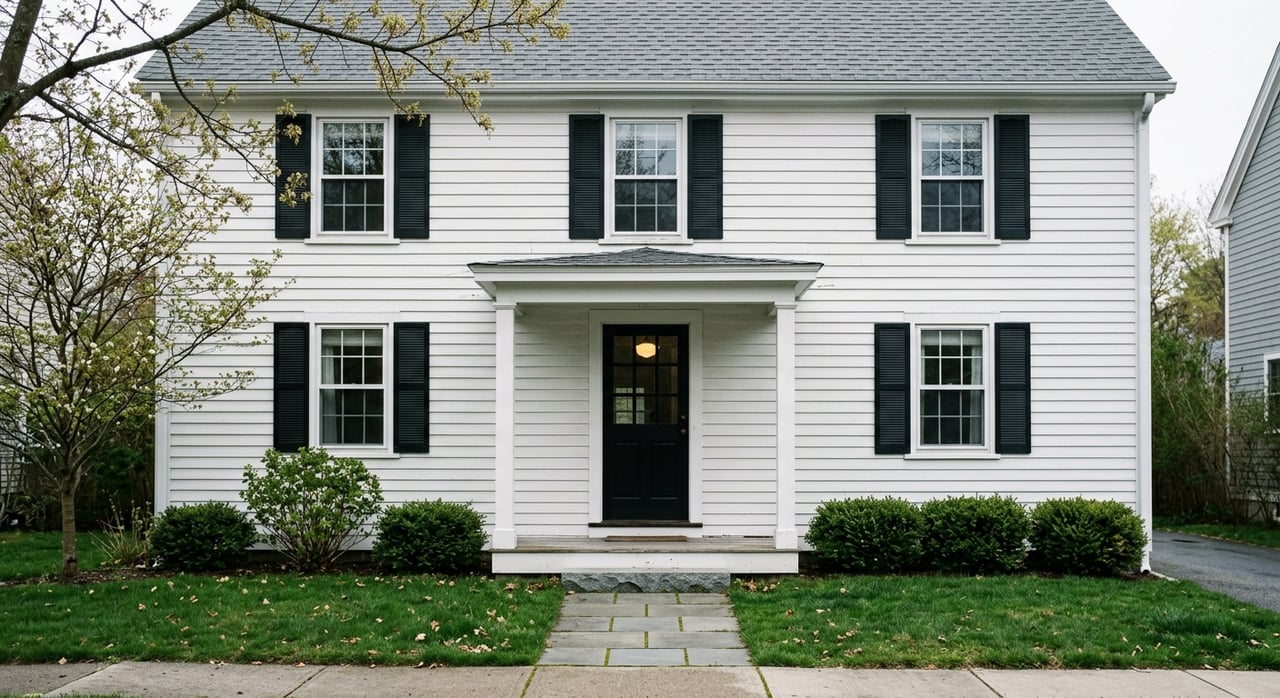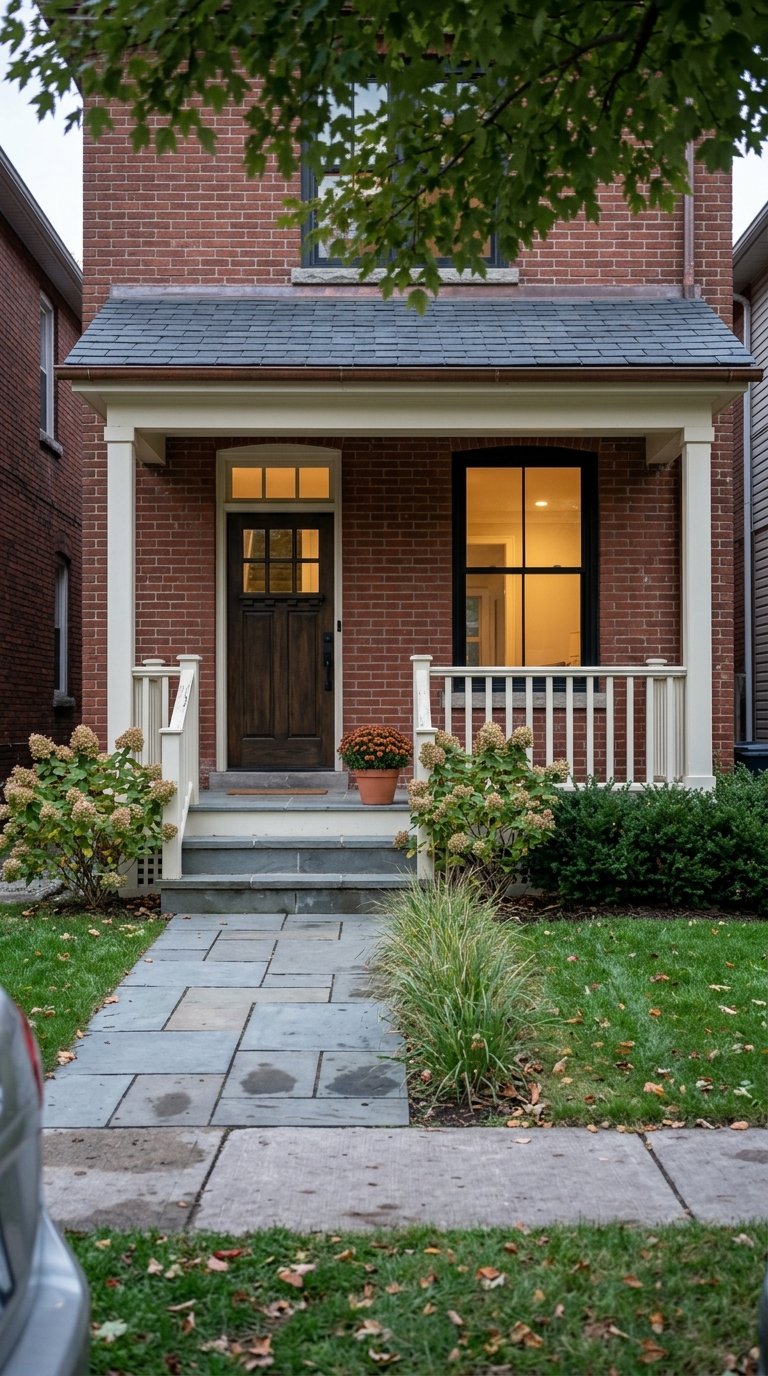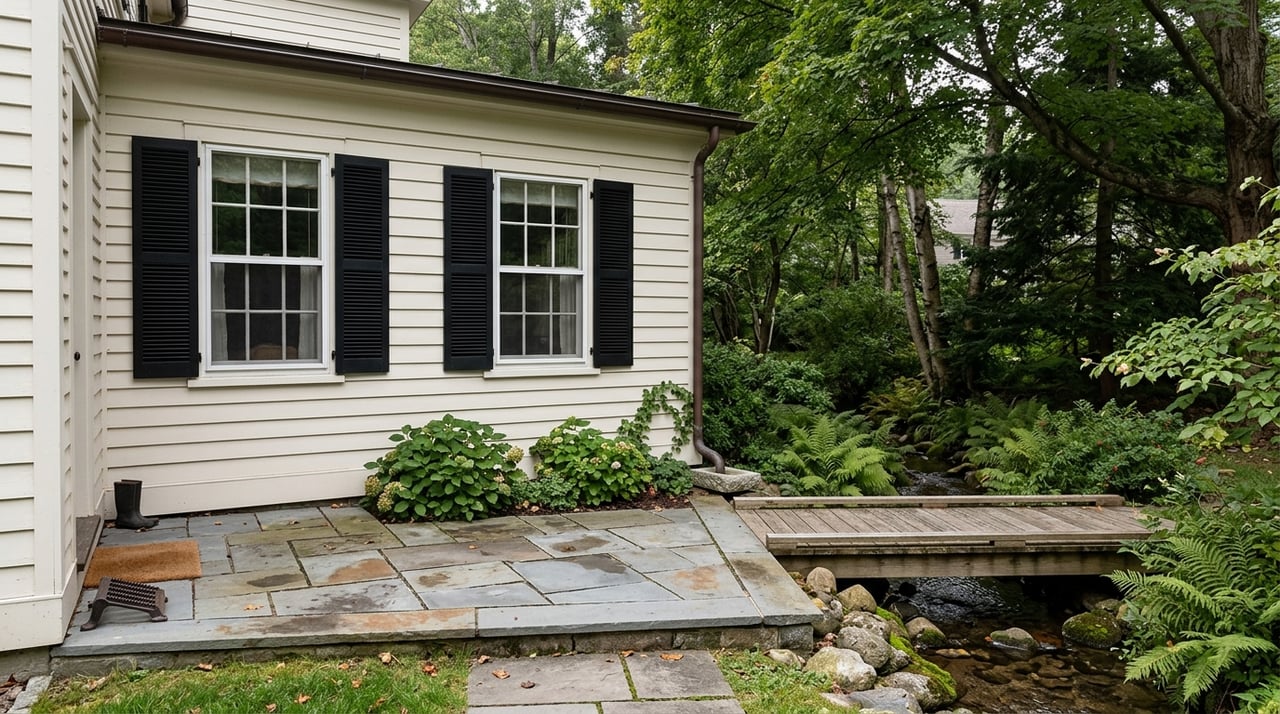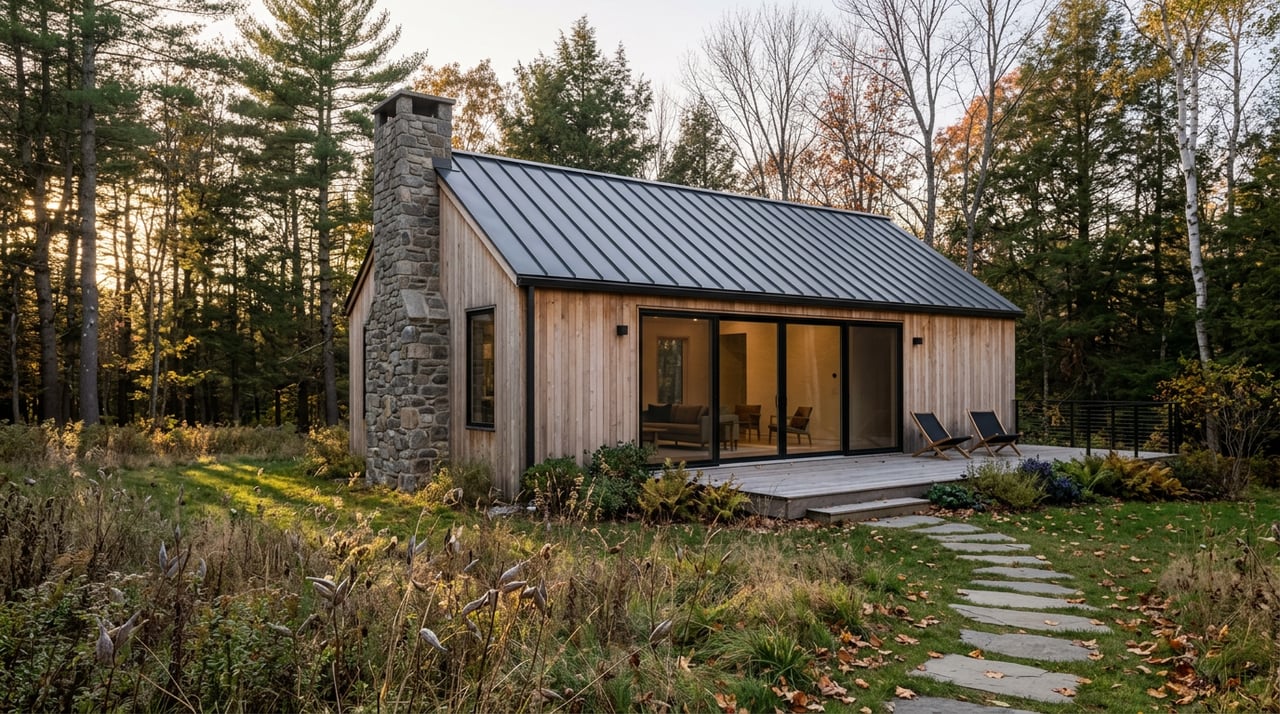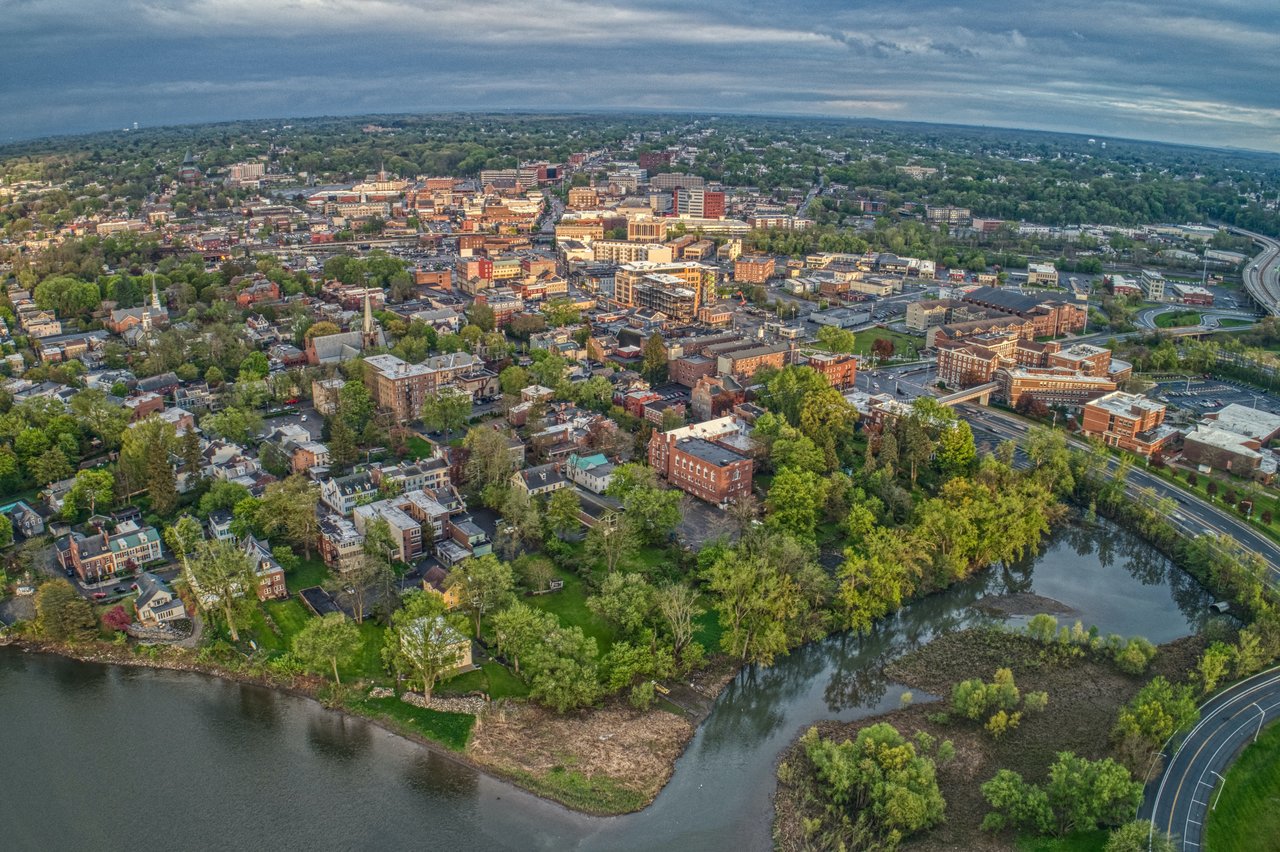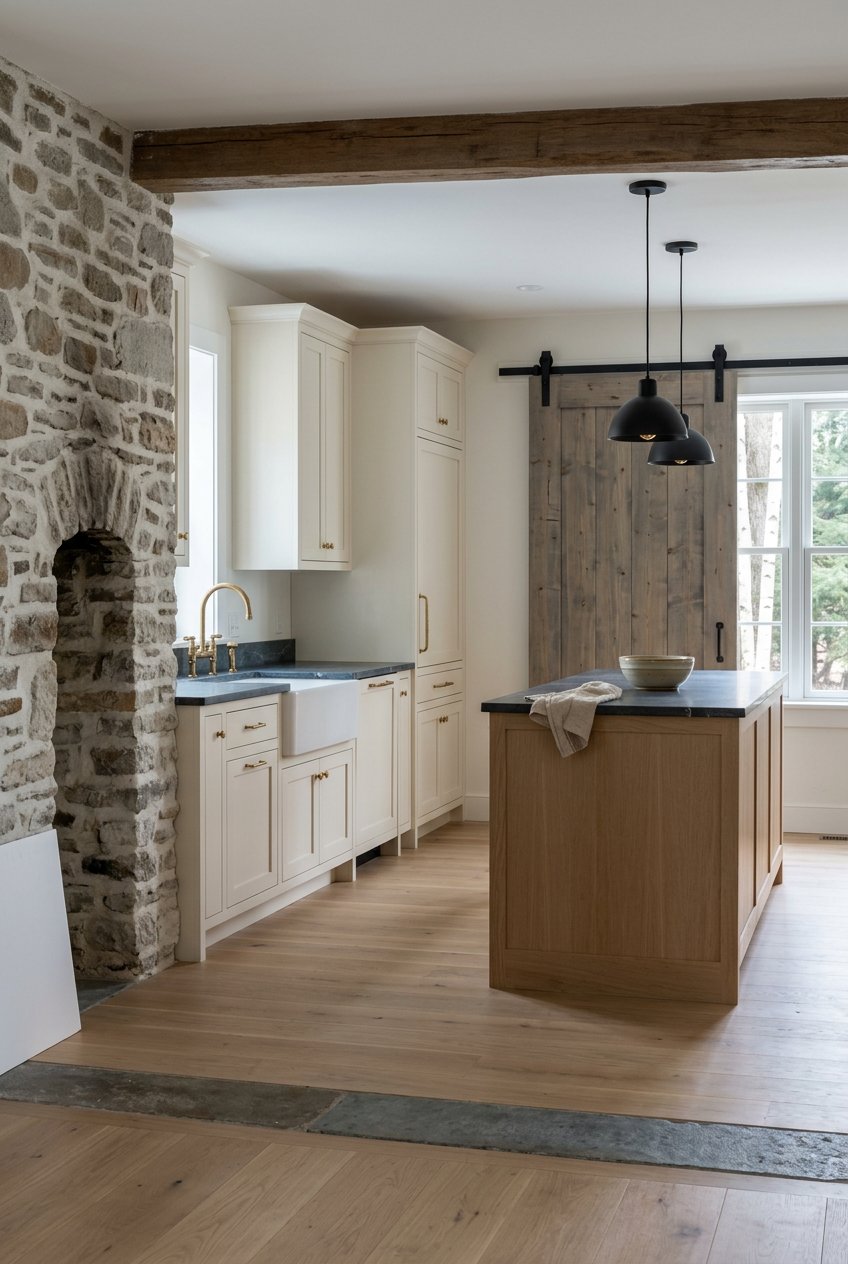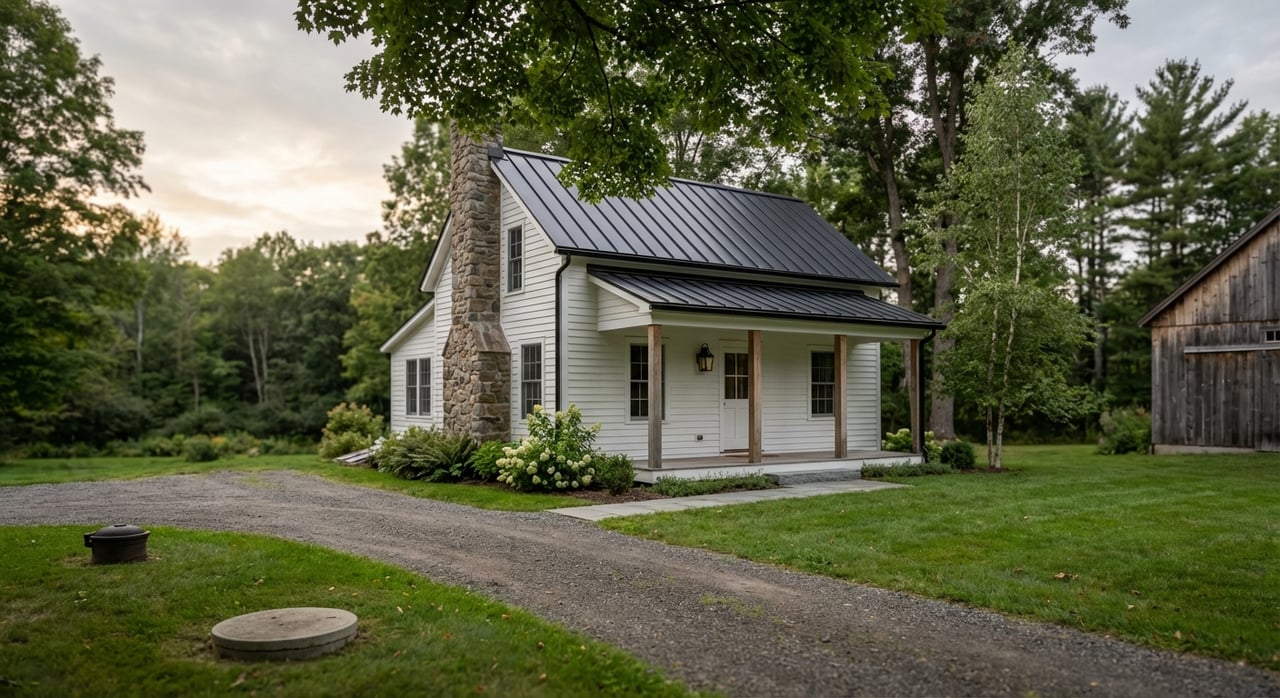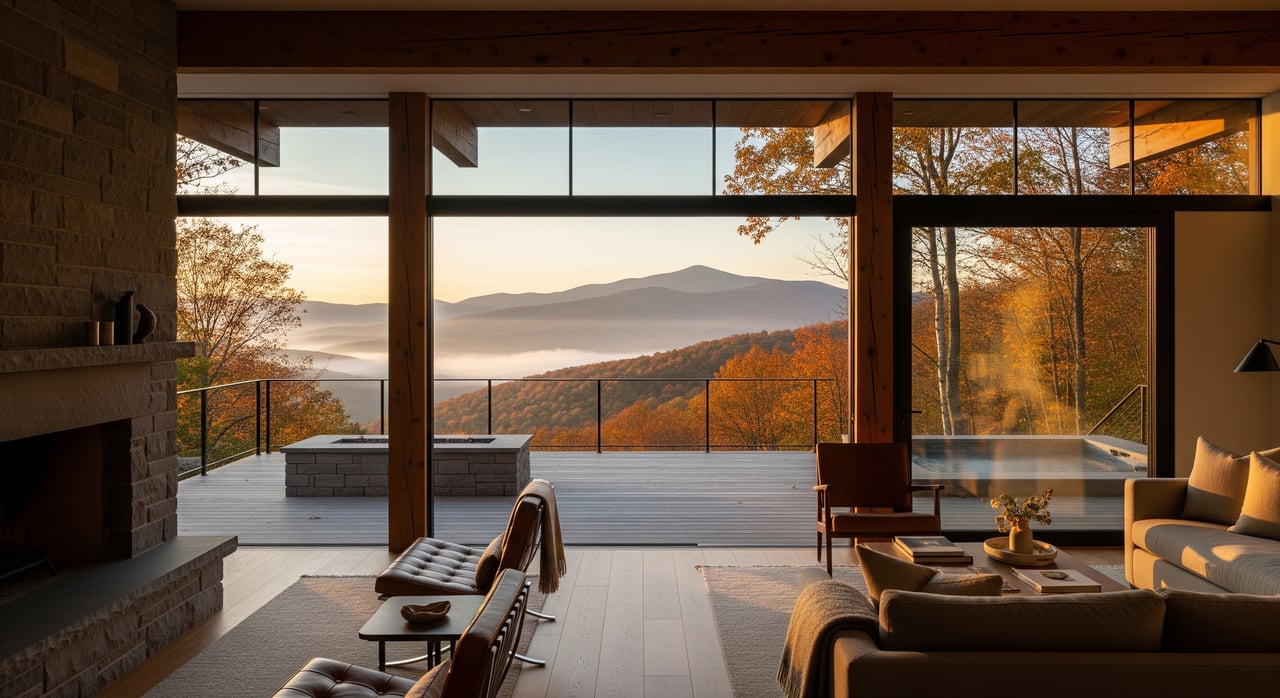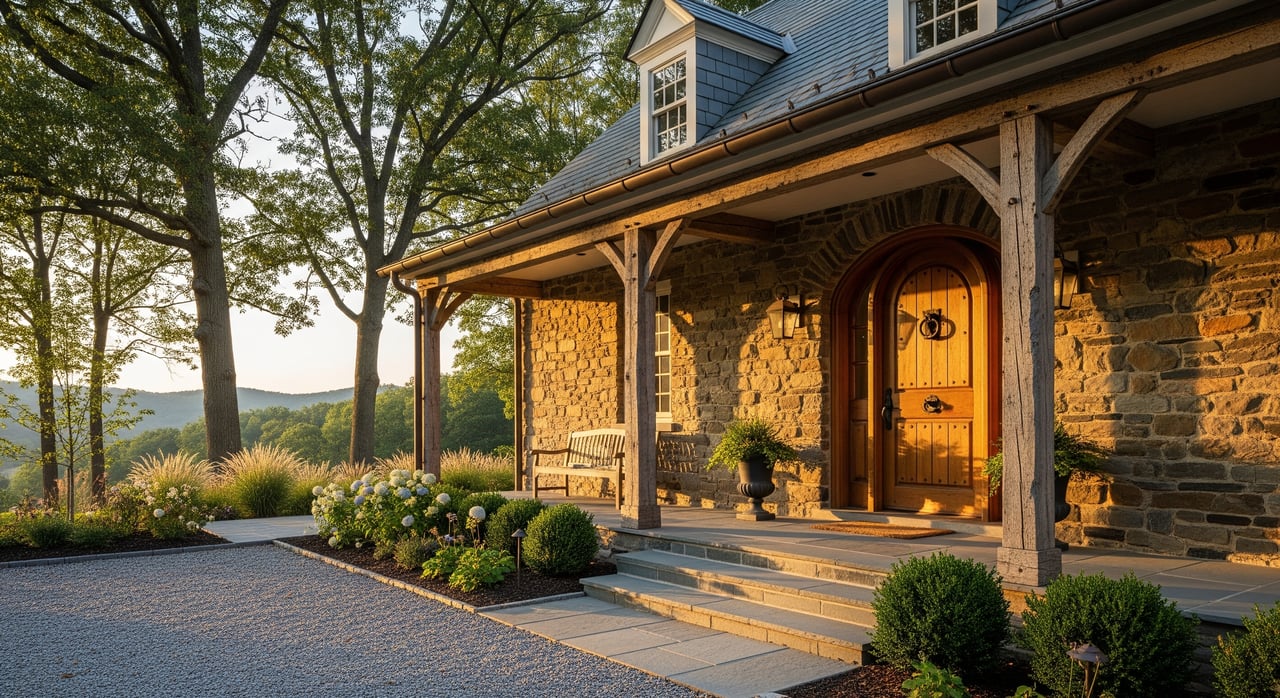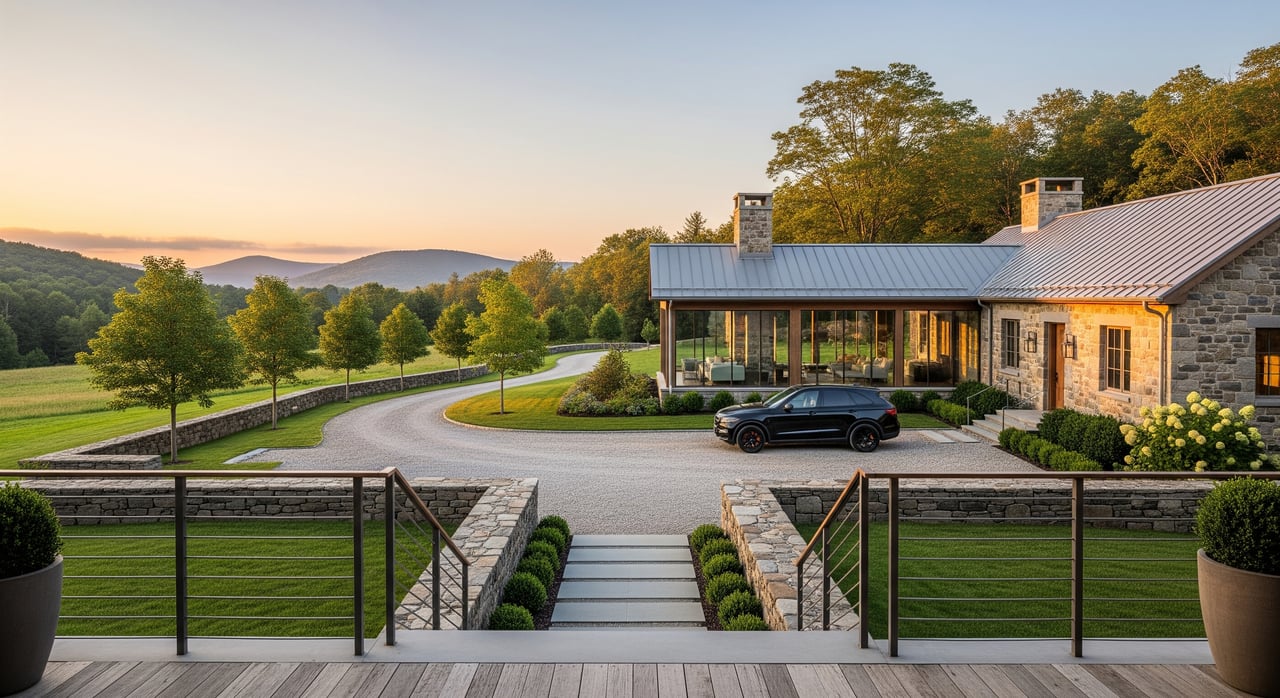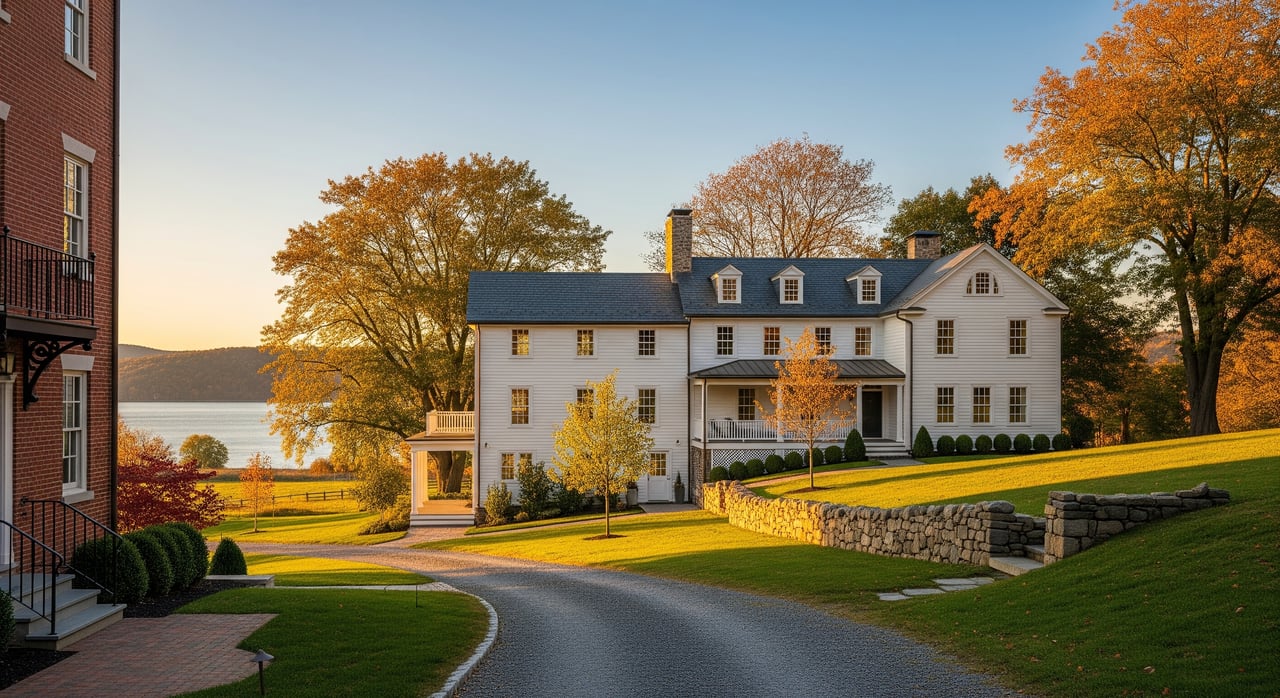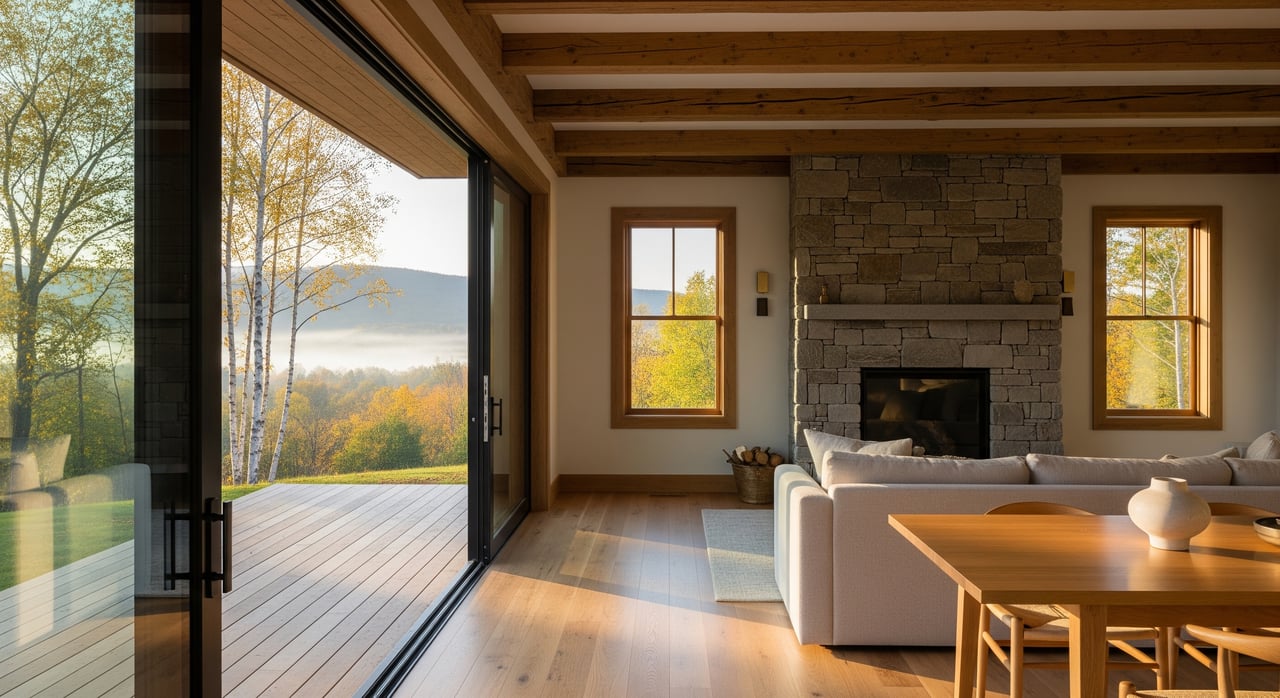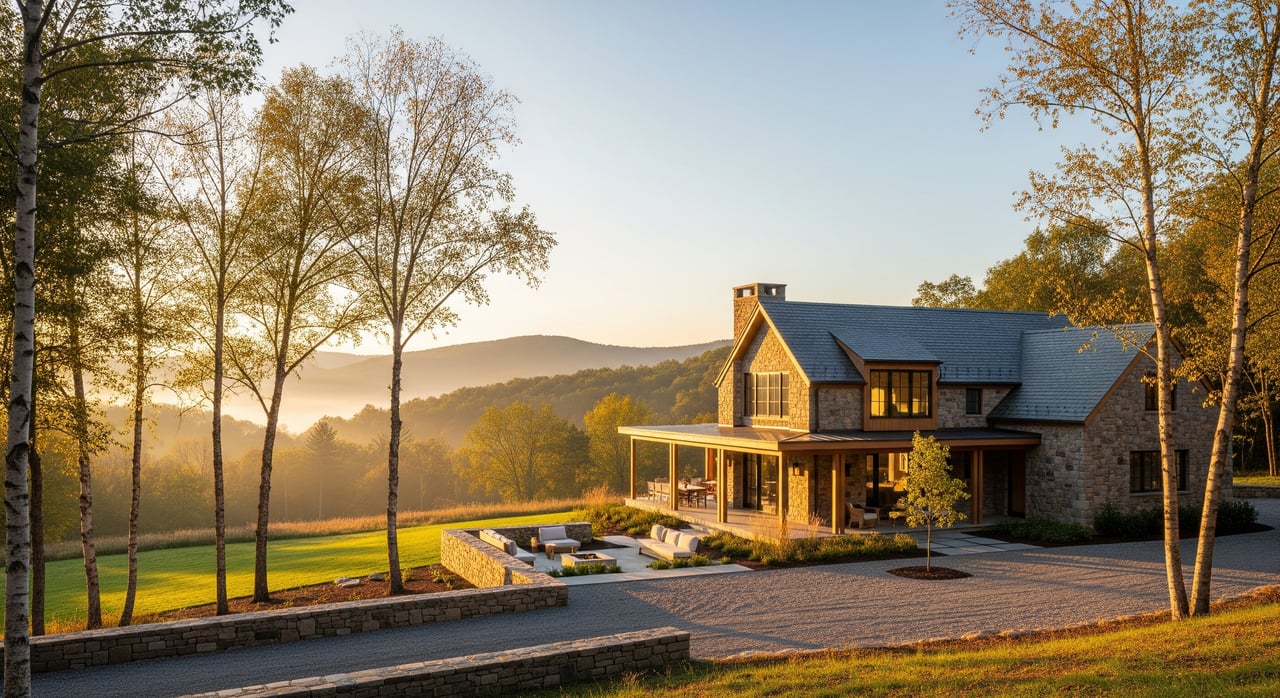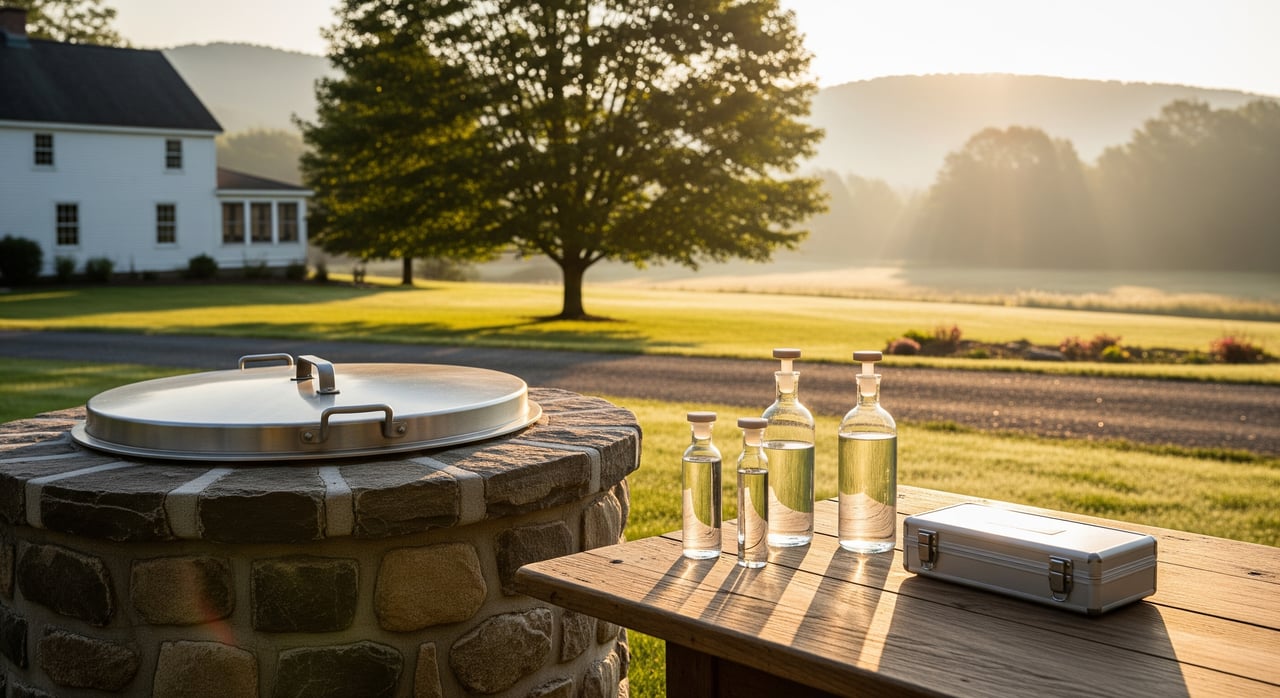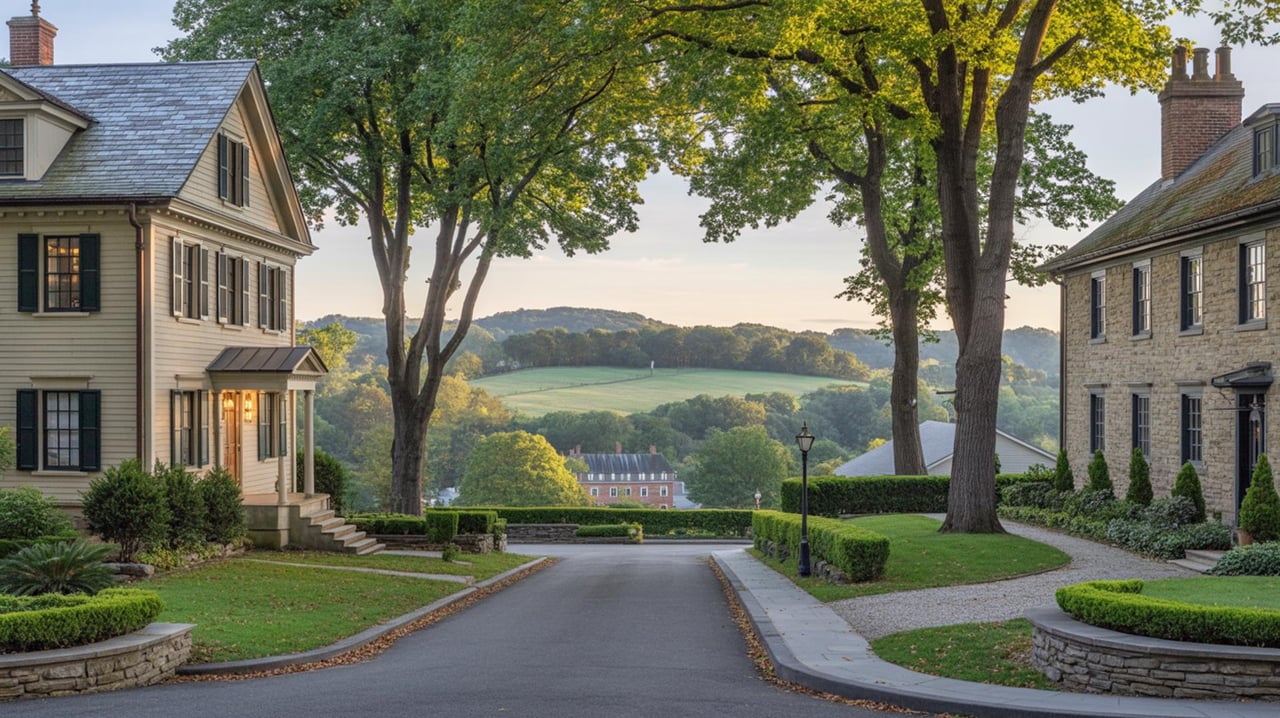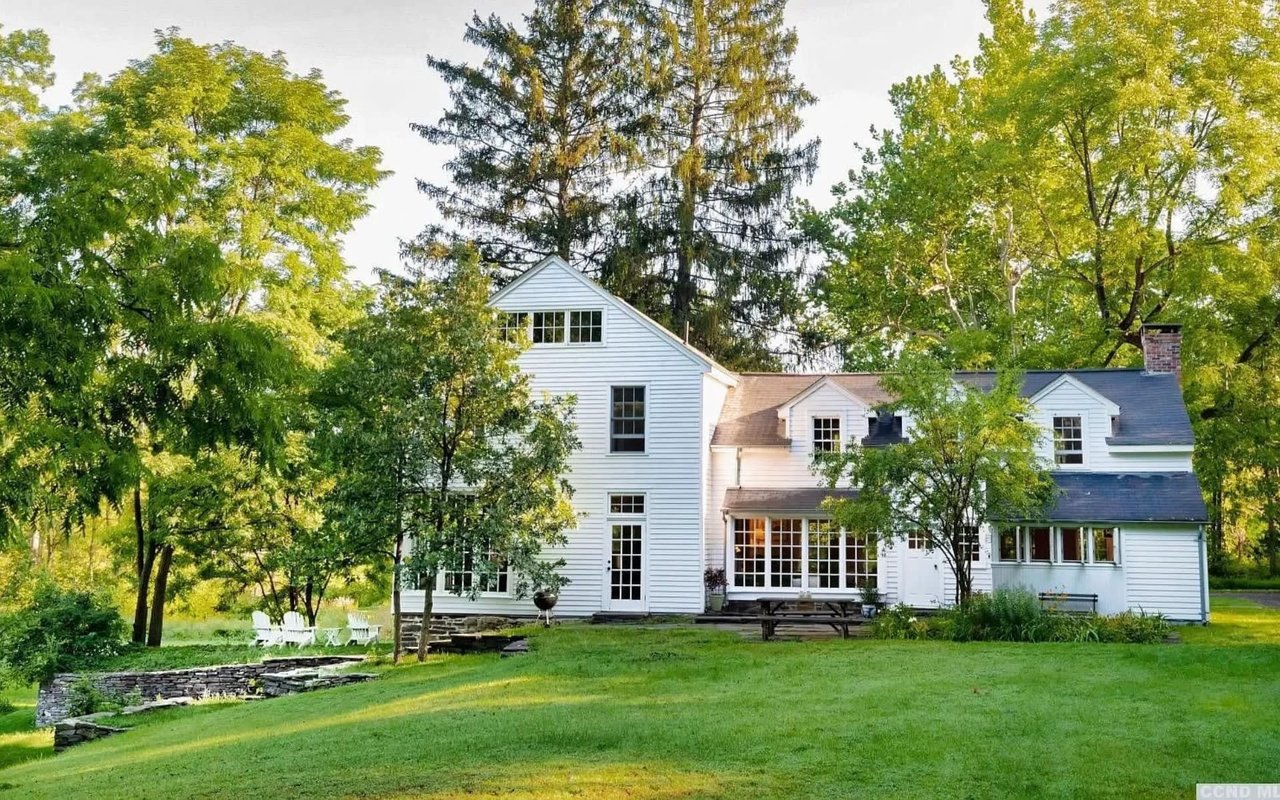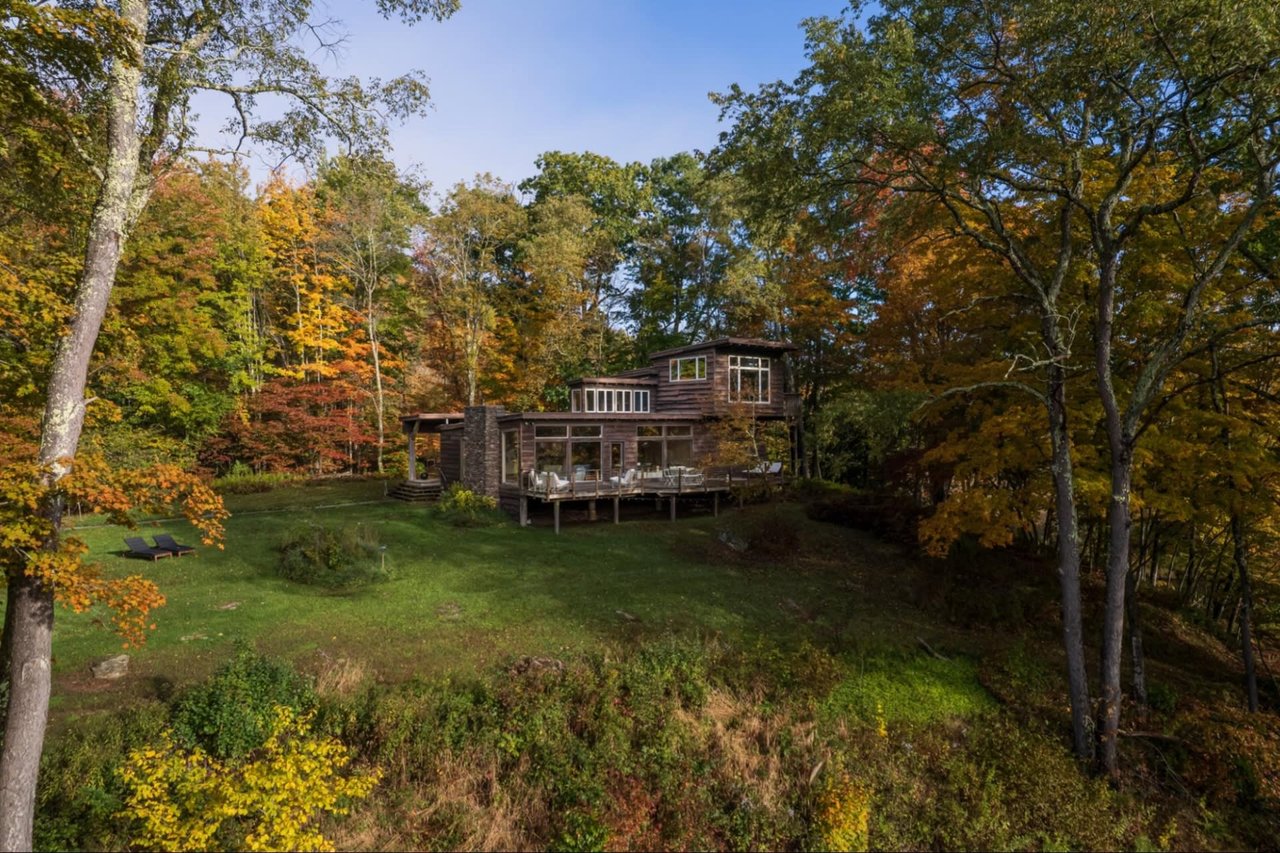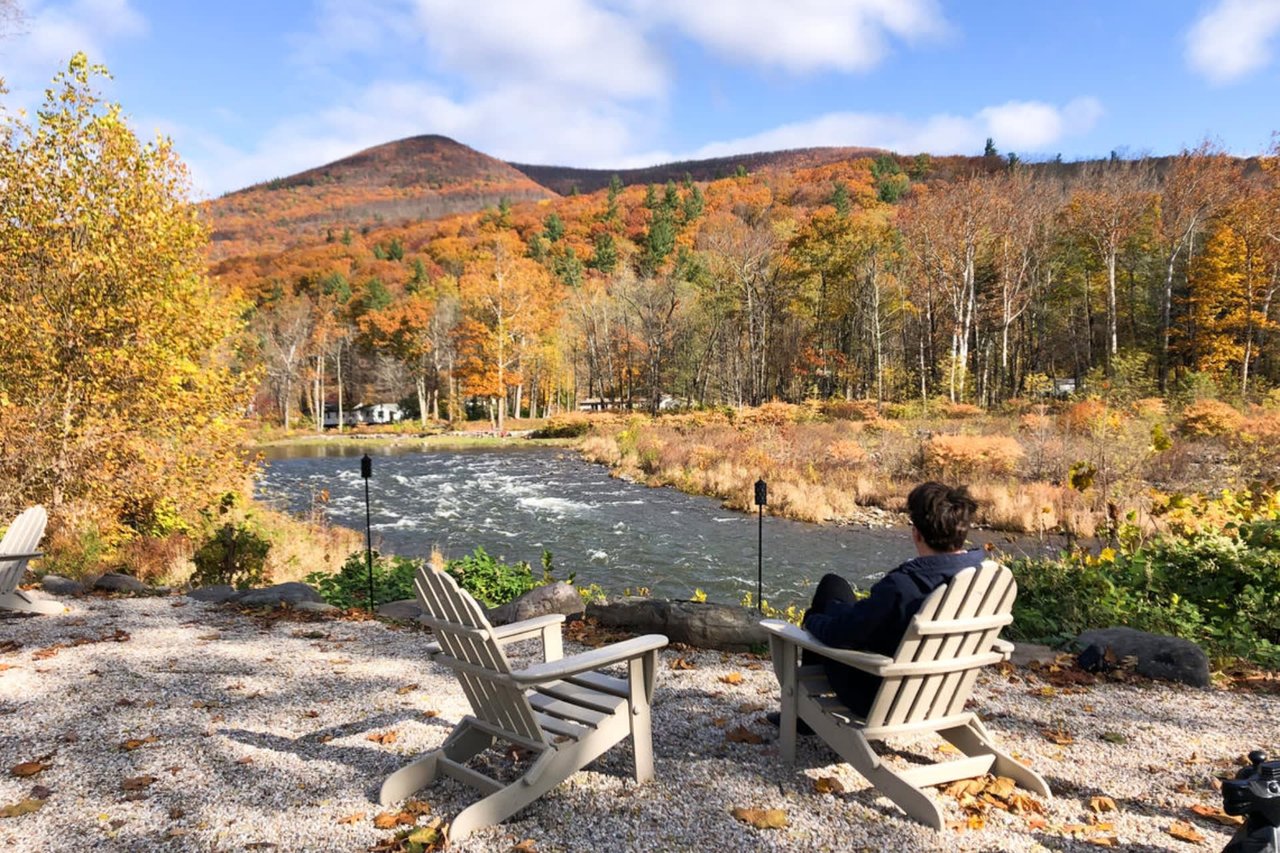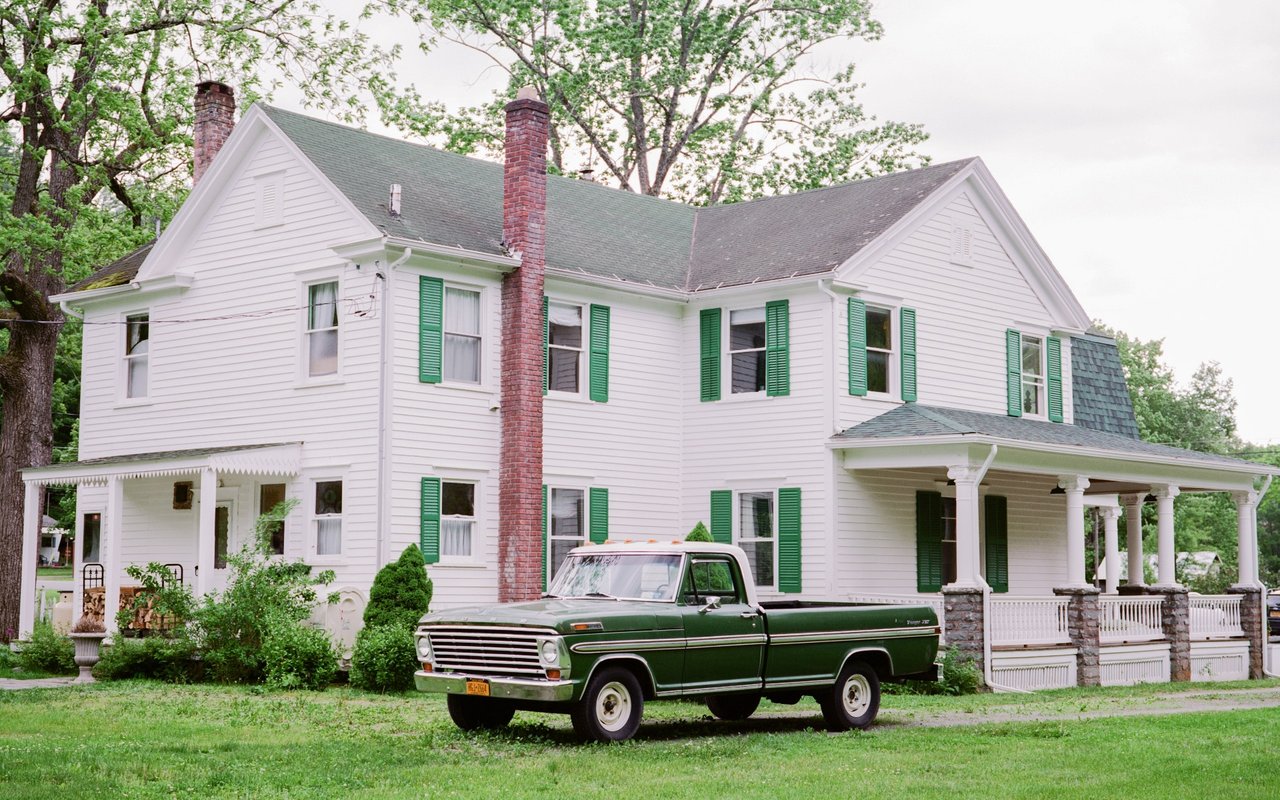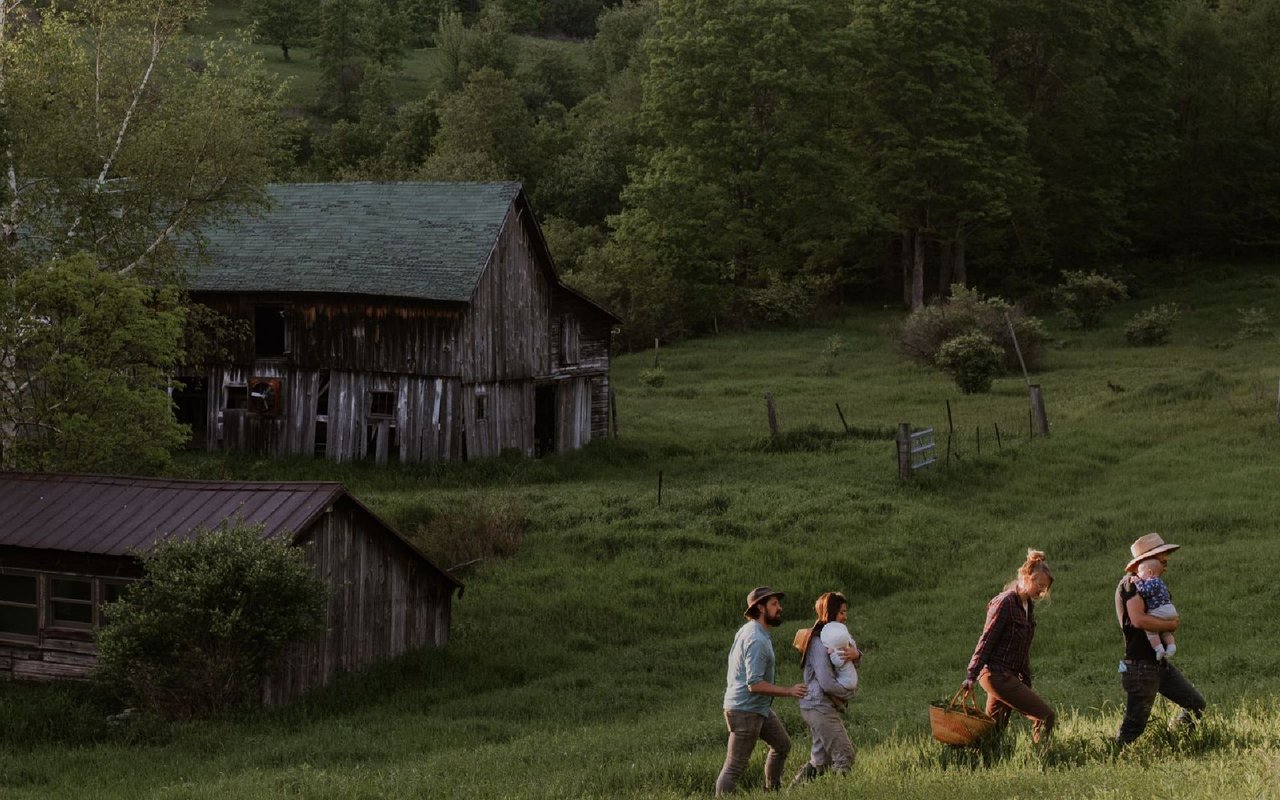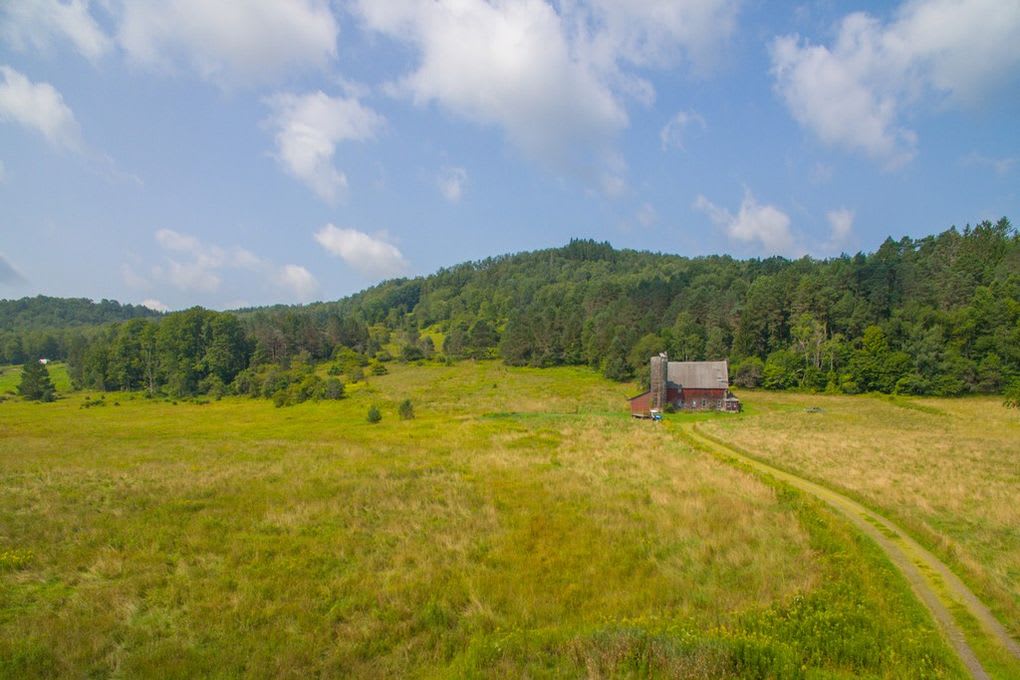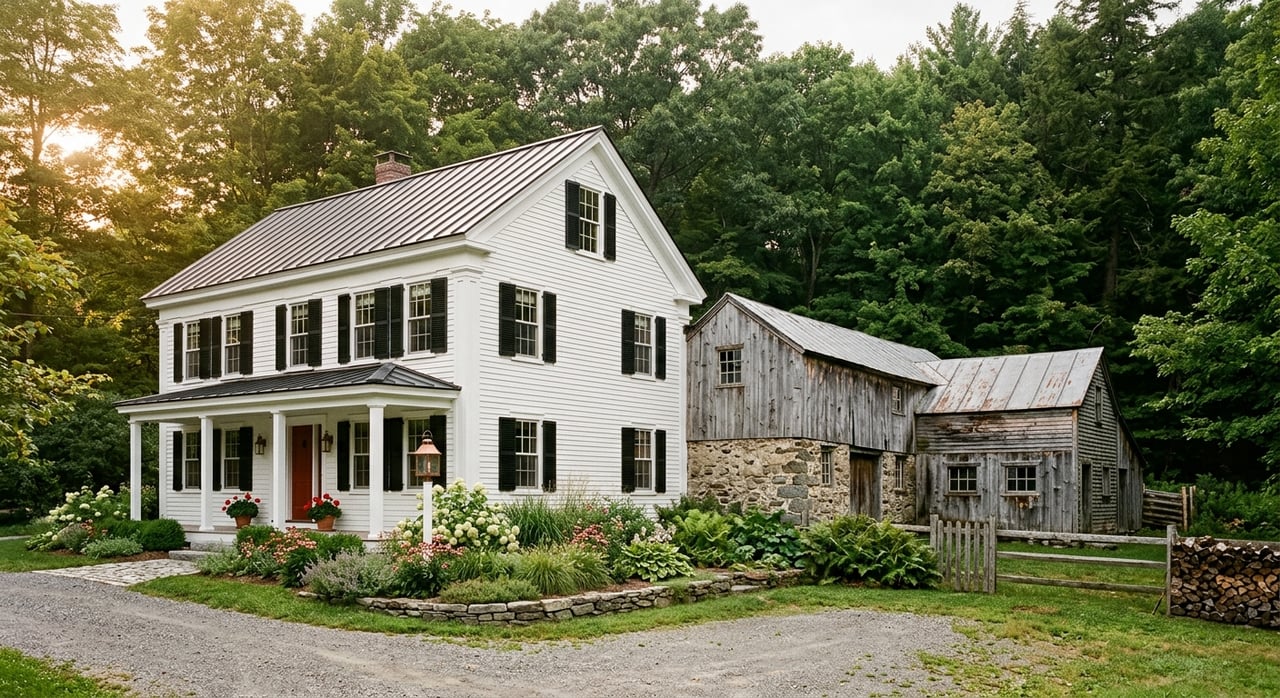
If you are eyeing a Stone Ridge farmhouse, the biggest question may not be whether to buy, but what kind of project fits your life right now. Some homes offer the charm of old beams and wide-board floors with major updates already in place, while others promise room to create something more personal over time. In a place like Stone Ridge, where history, farmland, and lifestyle appeal all meet, that choice deserves a closer look. Let’s dive in.
Why Stone Ridge Farmhouses Stand Out
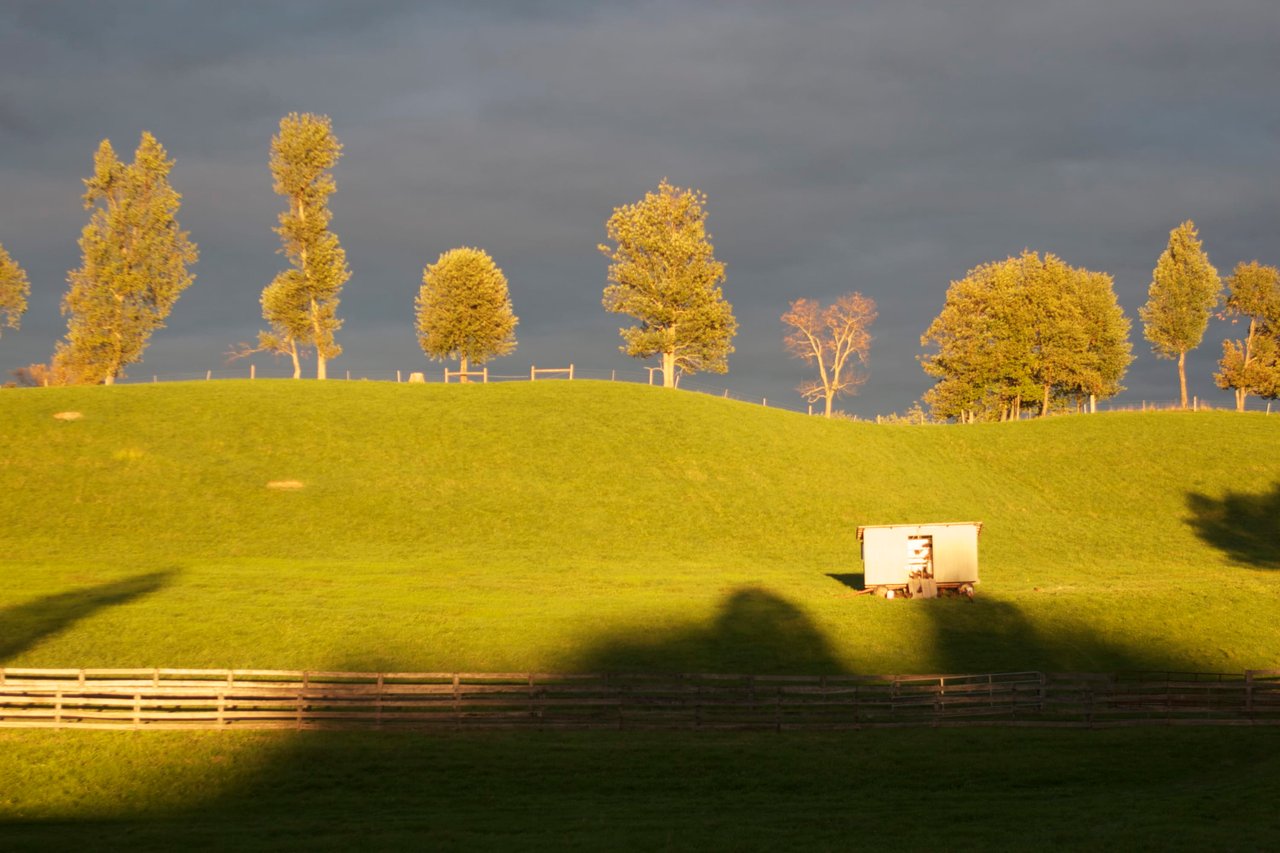
Stone Ridge sits within the Town of Marbletown in central Ulster County, and its appeal is closely tied to landscape and history. Marbletown describes the area as scenic, rich in farmland, and layered with historic character, with Stone Ridge featuring historic homes, churches, shops, farm stands, and a library.
The hamlet also has a strong architectural story. The Main Street Historic District was listed on the National Register in 1988, and records identify styles including Federal, Greek Revival, and Bungalow/Craftsman across periods from the late 18th century into the mid-20th century. For you as a buyer, that means farmhouse inventory here can range from carefully preserved homes to properties that need major modernization.
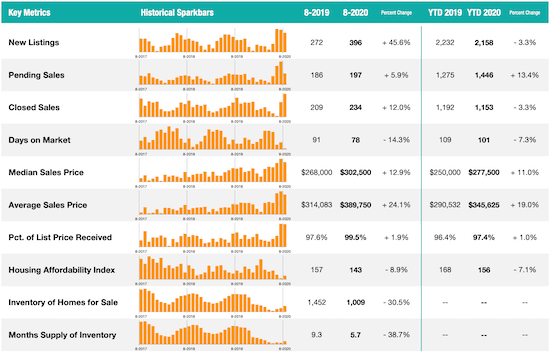
Stone Ridge also appears to be giving buyers room to weigh options thoughtfully. Public market data described the area as a balanced market in June 2026, with 25 homes for sale and a median of 25 days on market. That kind of environment supports a more measured decision between paying more for a polished property or taking on a project with long-term upside.
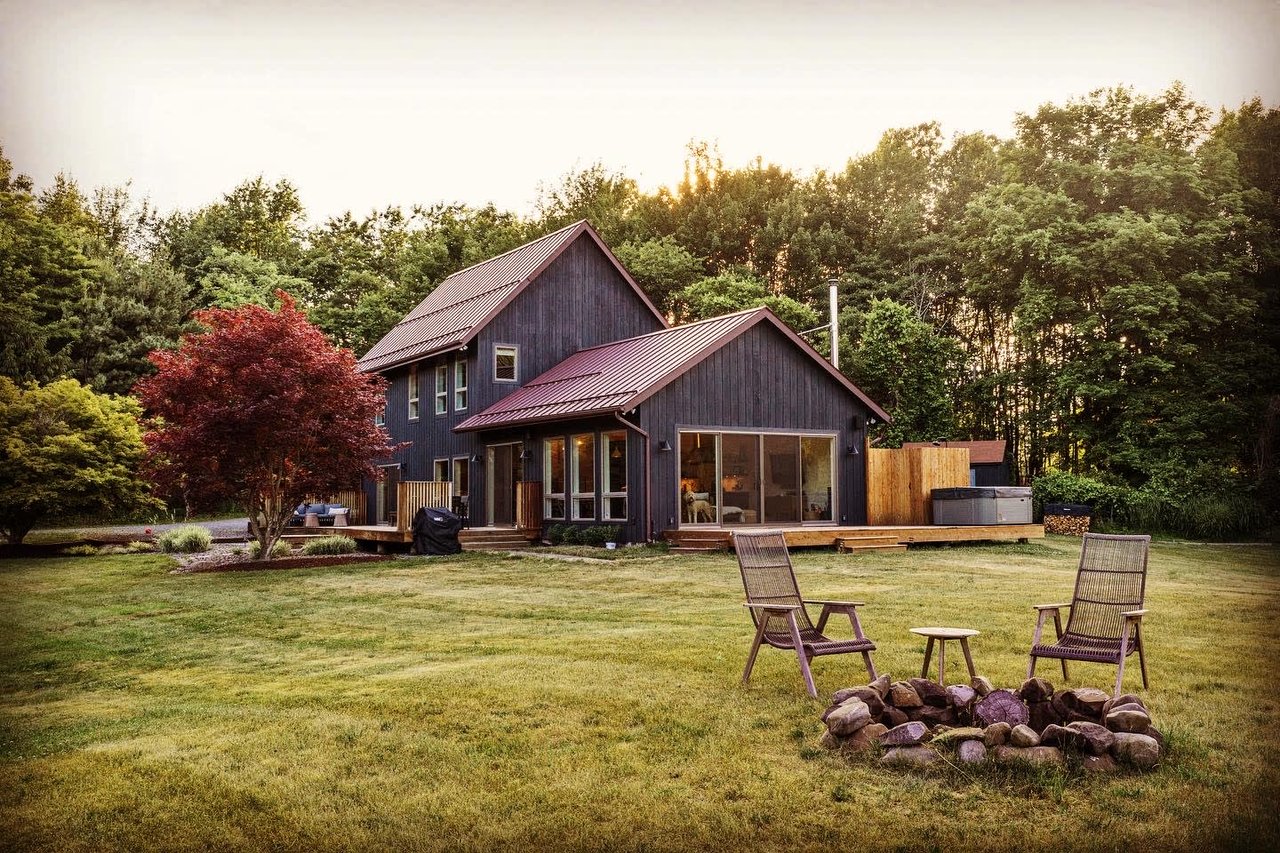
What A Renovated Gem Really Means
A renovated farmhouse is not just a pretty kitchen and fresh paint. In practical terms, it usually means the costliest and most disruptive categories of work have already been addressed.
Common improvements in that category often include updated kitchens and bathrooms, newer windows, HVAC replacement, backup power or battery systems, smart energy features, and resiliency upgrades. When buyers describe a farmhouse as turnkey, these are often the upgrades they mean.
In Stone Ridge, renovation quality also has a paperwork side. Marbletown says permits are required for indoor, outdoor, structural, or major changes, and work should not begin until the permit is issued. If a farmhouse is locally landmarked, the Historic Preservation Commission must review the project and issue a Certificate of Appropriateness before the building department can proceed.
That matters because a true renovated gem should offer more than visual appeal. Ideally, it also comes with a clean permit trail, closed permits where required, and a valid Certificate of Occupancy for the spaces being used. Marbletown materials state that only structures and uses with a Certificate of Occupancy may be legally occupied, which makes documentation an important part of value.
What A Project Opportunity Can Offer
A project farmhouse can make sense if you want more control over the final result. You may be able to choose finishes, plan system upgrades your way, and shape the home around how you actually want to use it.
That path can be especially appealing if you are searching for a second home or full-time move with personality rather than a generic finished product. In a place like Stone Ridge, older homes often have the kind of bones and setting that inspire thoughtful restoration.
Still, a project home asks more from you. You need patience, a realistic budget, and a willingness to manage permits, inspections, contractor schedules, and the surprises that older houses can hide.
Common Farmhouse Issues To Watch
With older Stone Ridge farmhouses, the right question is rarely just “Does it look nice?” A better question is what sits behind the finishes.
Lead Paint In Older Homes
Lead-based paint is a major consideration in older housing. The EPA says older homes are more likely to contain lead-based paint and estimates that 87% of homes built before 1940 have some lead-based paint.
That is especially relevant in a hamlet with housing stock that can date back generations. Even a cosmetic remodel can disturb hidden lead hazards, so pre-1978 homes deserve careful review before you assume a simple refresh will stay simple.
Asbestos In Legacy Materials
Asbestos can also appear in older materials such as floor tile, ceiling tile, shingles, or siding. The EPA recommends testing suspect materials if they are damaged or if planned renovations will disturb them.
For you, that means renovation costs may involve more than design choices. A home that looks like a quick update on the surface may carry extra steps if legacy materials are present.
Well Testing Matters
Private wells are a recurring issue in rural Ulster County. New York State recommends testing private wells at least once a year for bacteria and every three to five years for other contaminants.
There is also a timely local factor. Ulster County’s 2026 PFAS pilot allows eligible private-well users to receive free testing, and if results meet state thresholds, owners may qualify for rebates for treatment systems or, where feasible, connection to public water. If a farmhouse relies on a private well, recent test results are worth asking for early.
Septic Can Affect Budget And Timing
Septic systems often create bigger budget and timeline swings than buyers expect. Ulster County says sewage-disposal-system designs can take up to six months to approve on smaller residential properties, and many townships require approved onsite wastewater plans before issuing a building permit.
The county also requires detailed submittals that can include well setbacks, field contours, and reserve-system details. If you are considering additions, major renovations, or a replacement system, septic planning can shape both your cost and your schedule.
Major Systems Decide The Real Story
For most farmhouse buyers, the biggest value questions come down to roof, HVAC, plumbing, electrical, and structural or foundation condition. These systems usually determine whether a property is a manageable update or a full-scale rehab.
A home can photograph beautifully and still need expensive work in one or more of these categories. That is why farmhouse buying in Stone Ridge works best when charm and due diligence carry equal weight.
Renovated Vs Project: How To Choose
The cleanest way to decide is to start with your lifestyle, then move to budget, then think about your tolerance for disruption. A renovated farmhouse usually fits buyers who want a more predictable path and faster occupancy.
A project property tends to fit buyers who want customization and are comfortable managing moving parts. In Stone Ridge’s current balanced market, this is less about rushing to beat competition and more about choosing the path that matches your real capacity.
Here is a simple way to frame it:
| Option | Best For | Main Advantage | Main Watch-Out |
|---|---|---|---|
| Renovated farmhouse | Buyers who want speed and predictability | Lower friction after closing | Higher upfront price |
| Project farmhouse | Buyers who want control and customization | Potential to create a more tailored result | Greater cost and timeline uncertainty |
Due Diligence Questions To Ask
Whether you are drawn to a polished farmhouse or a fixer, a few questions can quickly clarify what you are really buying.
Ask about these items early:
- Is the home landmarked or subject to historic review?
- Are there any open permits?
- Is there a valid Certificate of Occupancy for the spaces being used?
- When were the well and septic last tested, replaced, or upgraded?
- Which major systems were updated, and when?
- Were updates structural, mechanical, or mostly cosmetic?
These questions often separate a true renovated property from one that is simply staged well. In Stone Ridge, where historic character is part of the draw, the paperwork and system history are often just as important as the aesthetic.
Financing A Farmhouse Project
If you love the location and the bones but need help bridging the cost of repairs, renovation financing may be part of the conversation. Fannie Mae’s HomeStyle Renovation mortgage allows borrowers to finance repairs and improvements within a single conventional loan.
HUD’s Section 203(k) program is another rehab-and-repair option, with a Limited 203(k) for smaller nonstructural work and a Standard 203(k) for larger projects. For some buyers, these options can make a project farmhouse more realistic.
The key is to match the financing structure to the actual scope of work. A light cosmetic refresh is very different from a farmhouse that needs major system replacement, septic work, or extensive permit review.
The Stone Ridge Takeaway
In Stone Ridge, the right farmhouse is less about labels and more about alignment. A renovated gem can be worth the premium if you want a smoother path to enjoying the property, while a project opportunity may reward you with more control and a stronger personal connection to the finished home.
The smartest move is to look past the romance just long enough to understand the systems, permits, and property conditions that shape real ownership. When you do that well, you are far more likely to end up with a farmhouse that fits both your vision and your reality.
If you are weighing a polished Stone Ridge farmhouse against a renovation candidate, working with someone who understands both the lifestyle appeal and the practical details can make the decision much clearer. Connect with Joseph Satto for thoughtful guidance on buying or selling in Ulster County.
FAQs
What should you check before buying a Stone Ridge farmhouse?
- Ask about historic review status, open permits, Certificate of Occupancy, well testing, septic history, and the age of major systems like roof, HVAC, plumbing, and electrical.
What makes a renovated farmhouse in Stone Ridge worth more?
- A higher price often reflects completed big-ticket improvements, lower immediate repair needs, and cleaner documentation for permits and occupancy.
What are common risks with older farmhouses in Ulster County?
- Common concerns include lead-based paint, possible asbestos in older materials, private well testing needs, septic condition, and outdated major systems.
Can you finance renovations when buying a farmhouse in Stone Ridge?
- Yes. Research sources note options such as Fannie Mae’s HomeStyle Renovation mortgage and HUD’s Section 203(k) programs for eligible repair and improvement projects.
Is Stone Ridge a fast-moving market for farmhouse buyers?
- Public market data described Stone Ridge as a balanced market in June 2026, which can give buyers more space to compare a turnkey home with a project property.