Thinking about buying and renovating a historic home in Hudson? It can be exciting, but it can also get complicated faster than many buyers expect. If you are picturing a quick cosmetic update, Hudson’s older building stock, local review process, and repair priorities may reshape that plan. This guide will help you understand what to expect before you start, so you can budget smarter, build the right team, and move forward with more confidence. Let’s dive in.
Hudson homes are more varied than they look
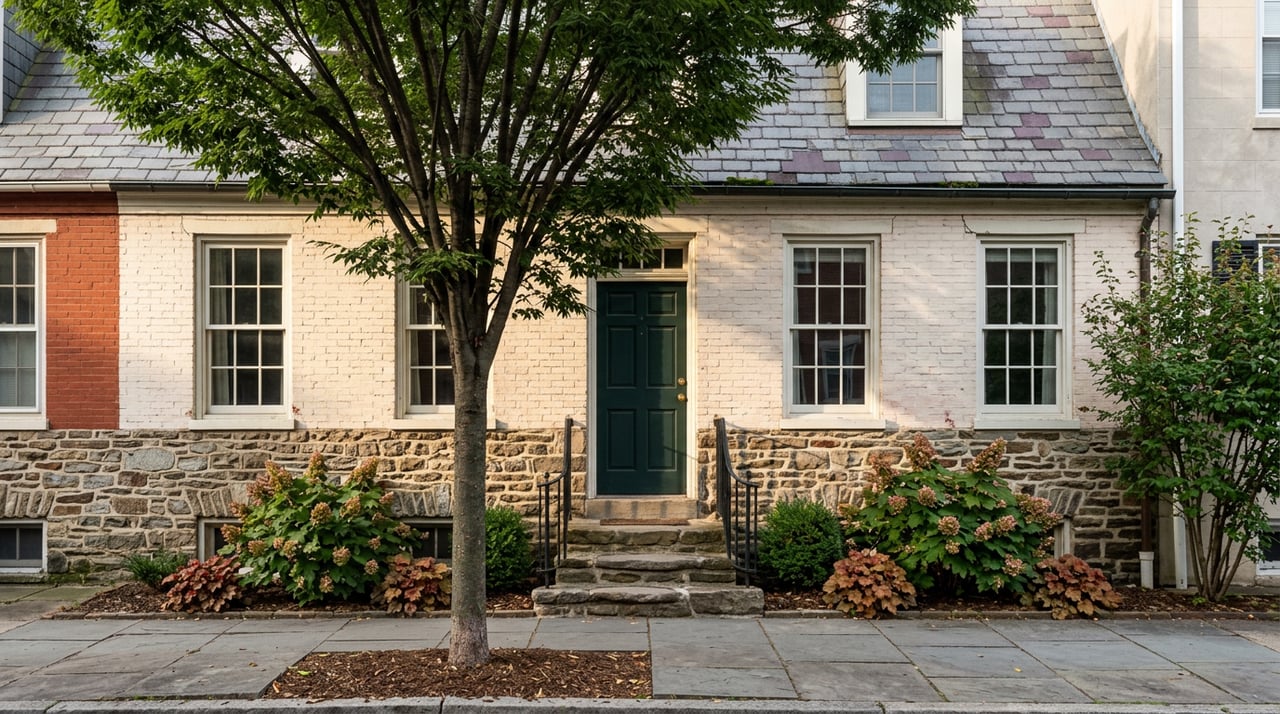
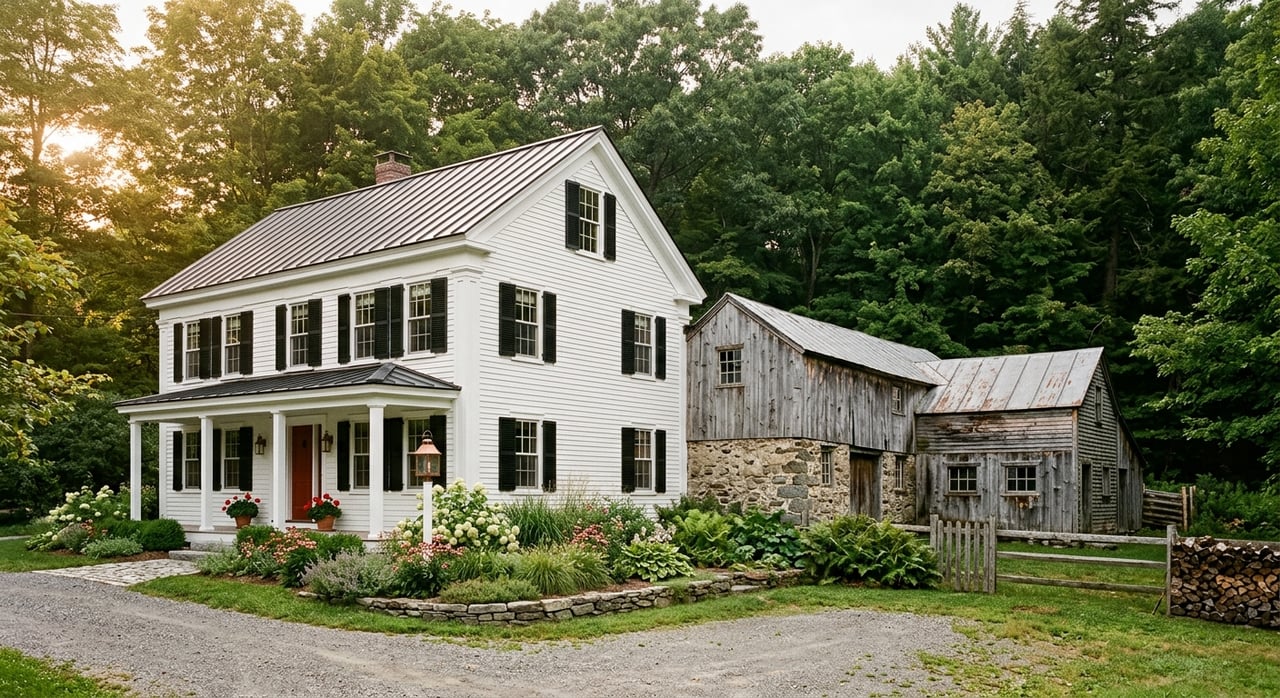
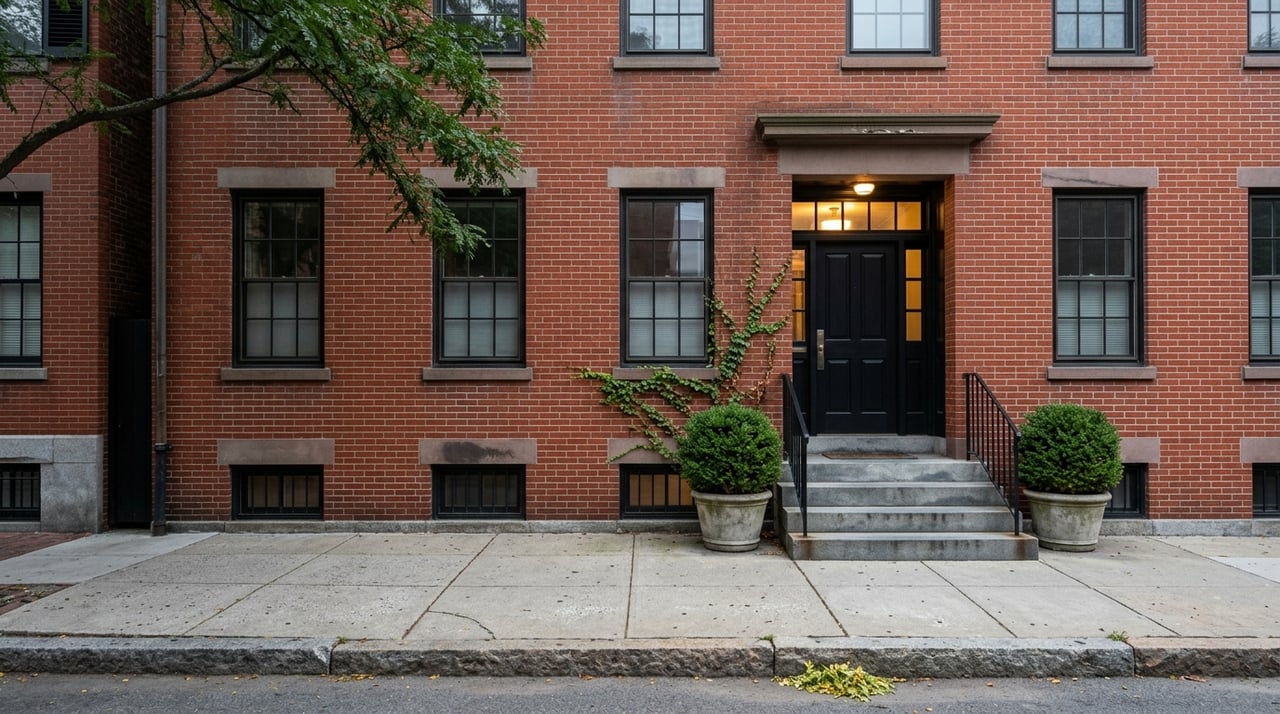
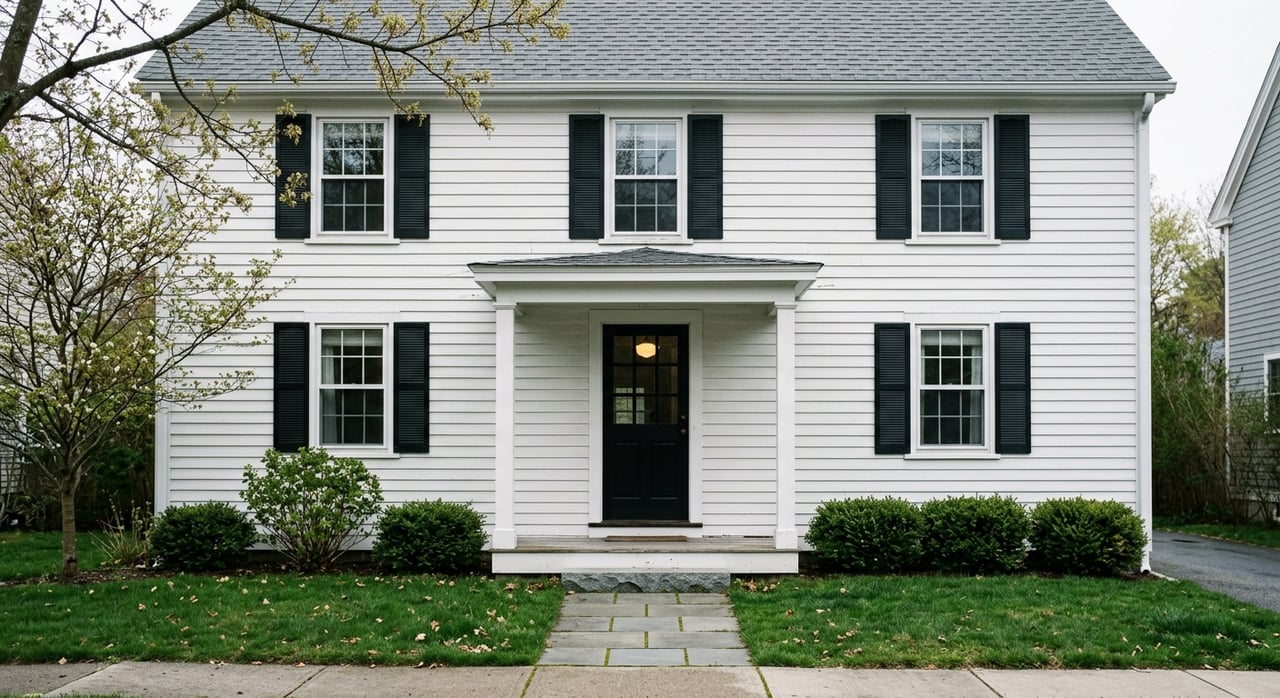
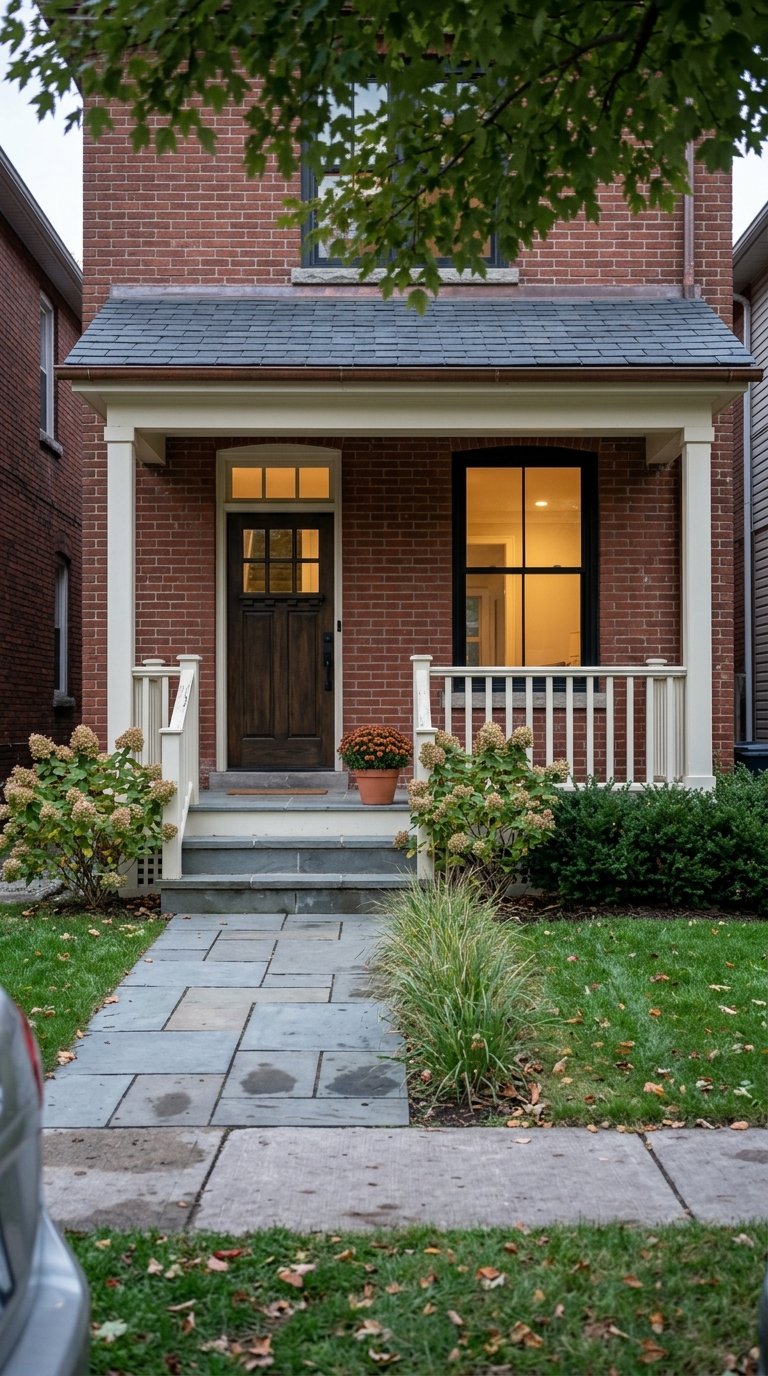
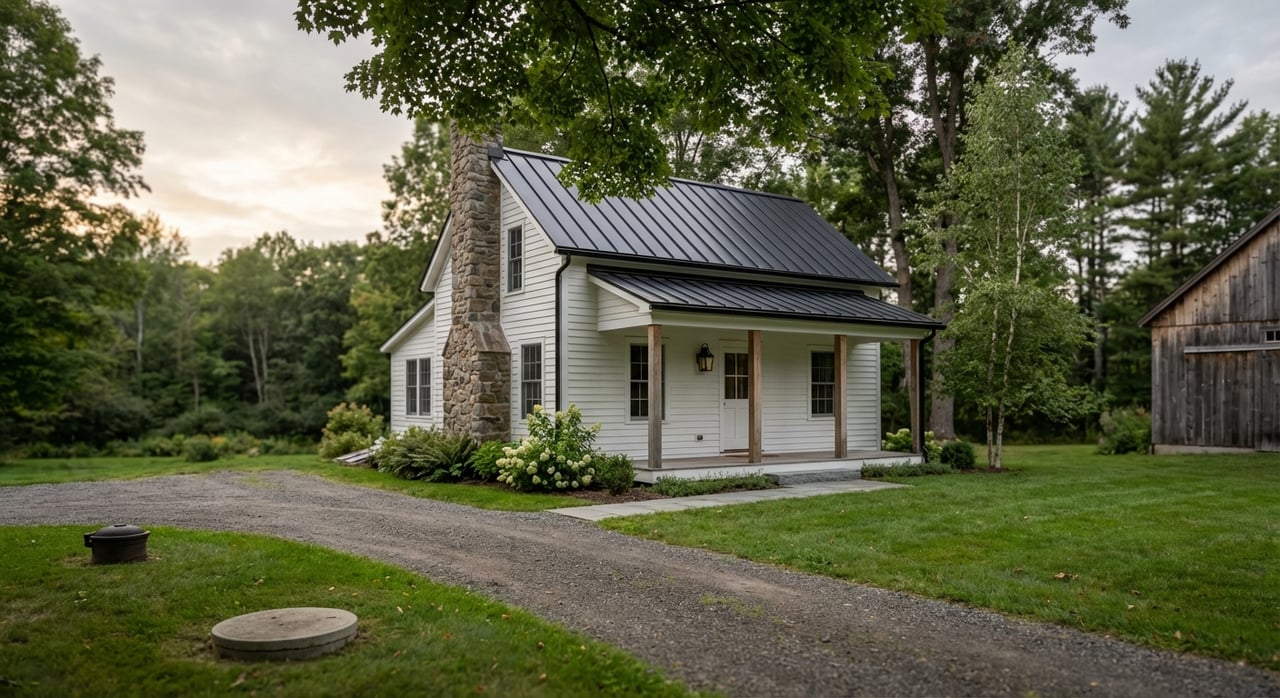
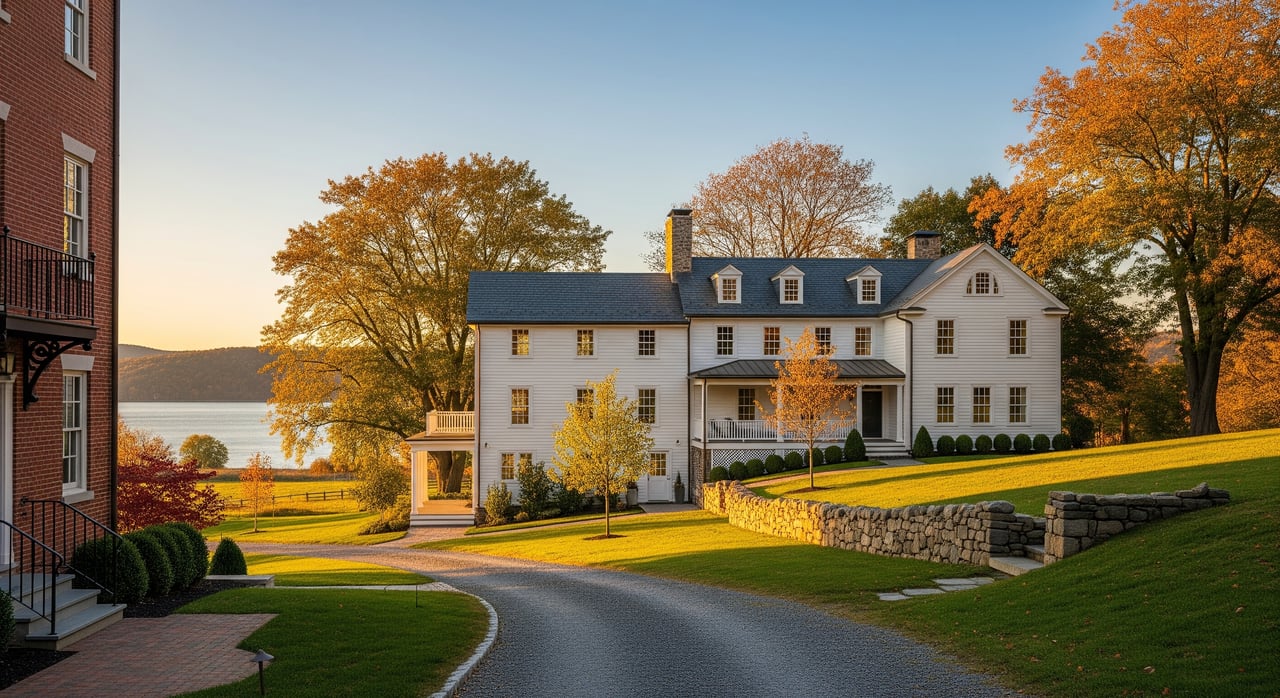
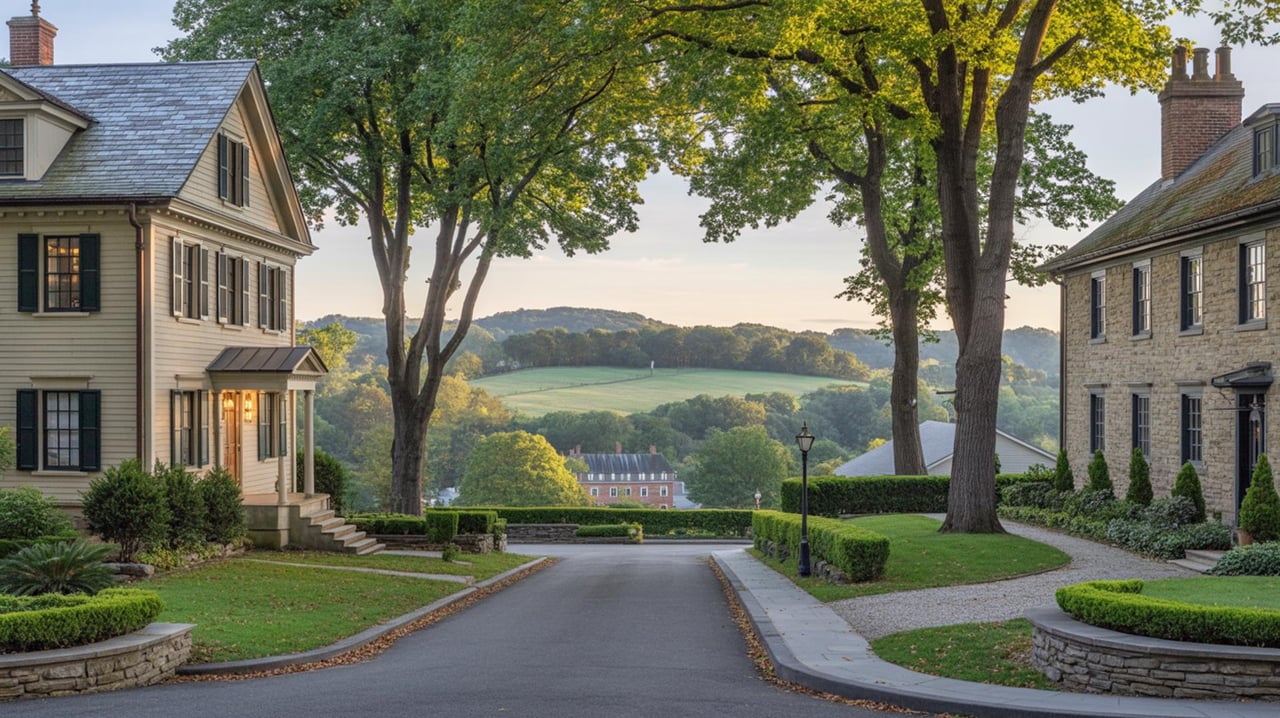
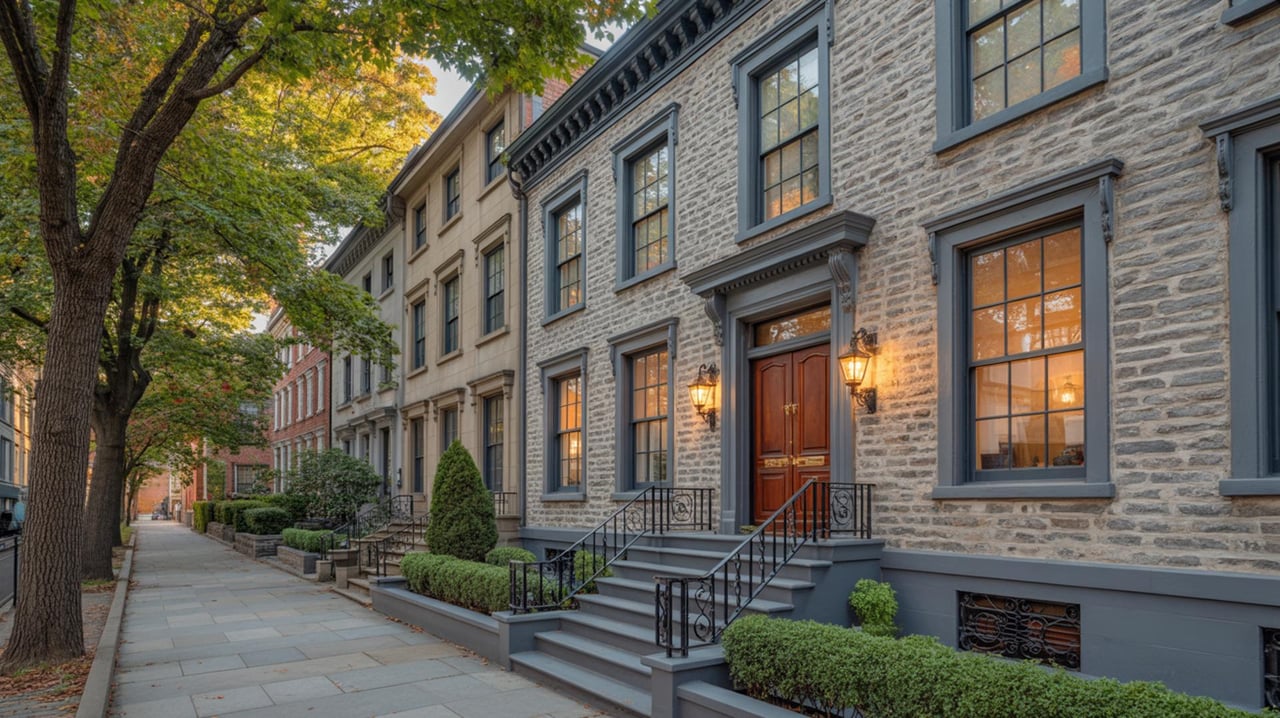
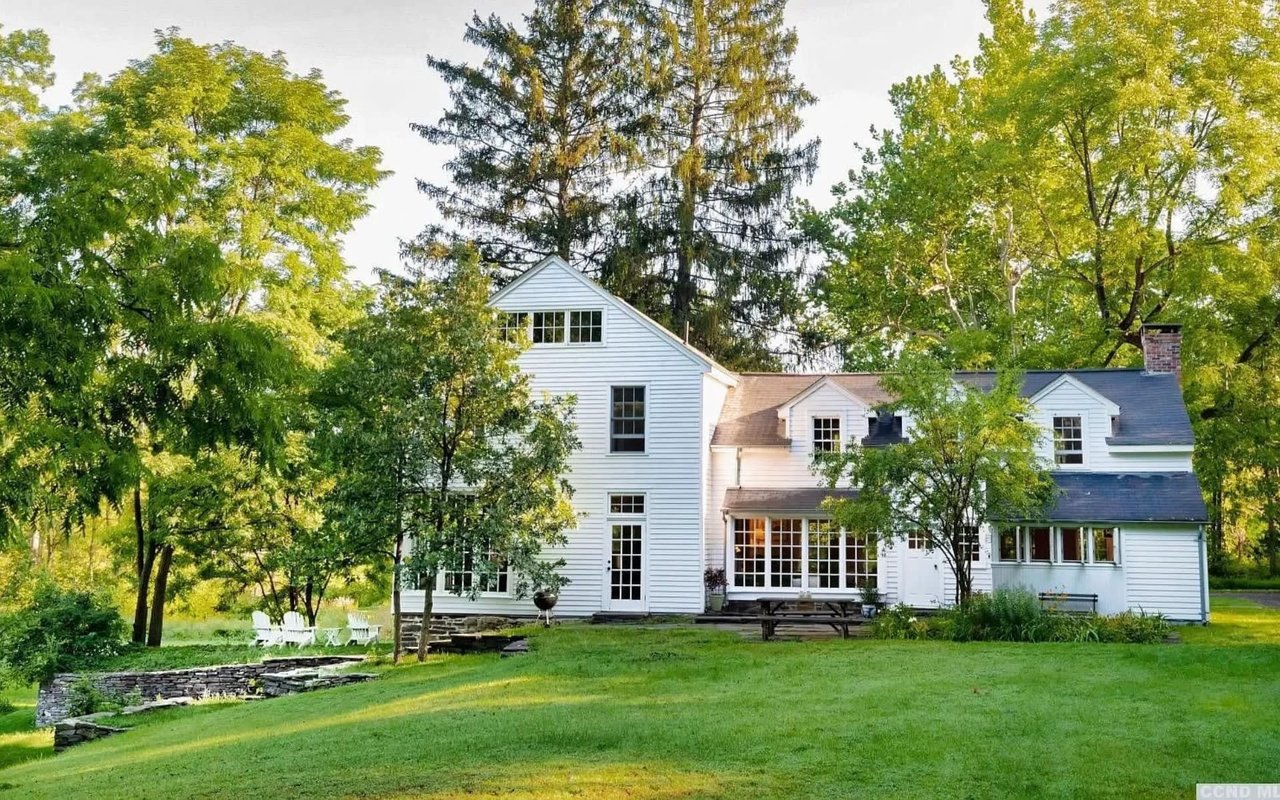
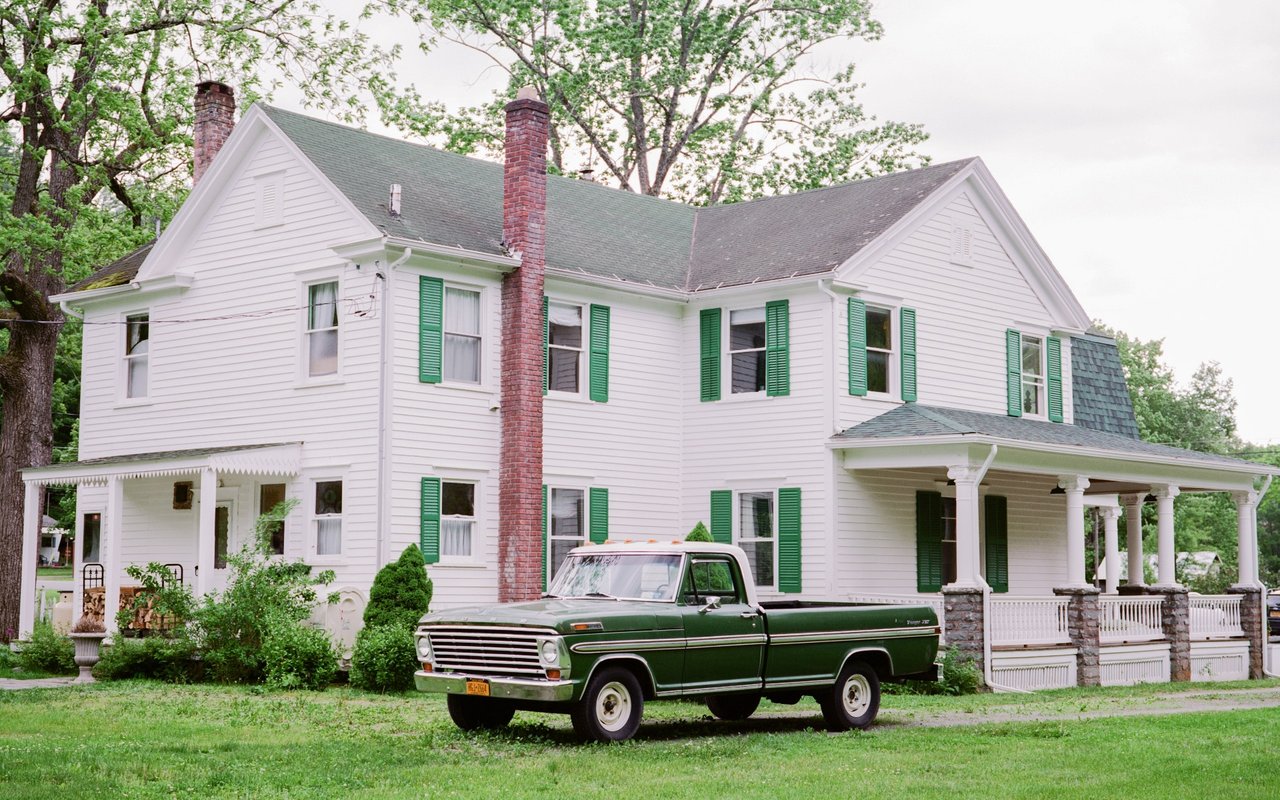
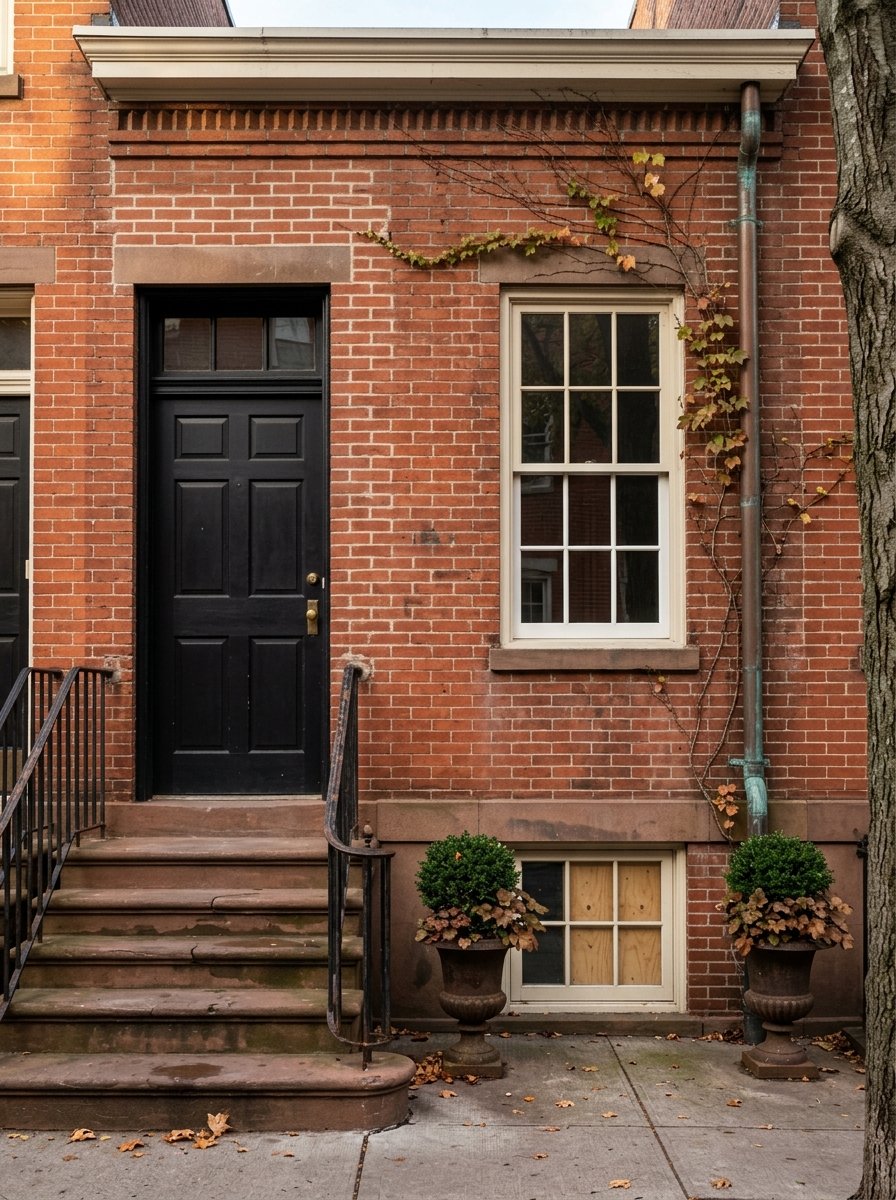
When many buyers picture a historic home in Hudson, they imagine a detached old house with period charm. In reality, Hudson’s historic district includes a wide mix of building types and styles within its long-established street grid. You may be looking at a rowhouse, an attached mixed-use building, a small frame house, a brick house, or a property that reads as residential but sits within a more urban streetscape.
That matters because the renovation path can vary a lot based on the building itself. A narrow attached building may bring different structural, window, roof, or exterior access issues than a detached home. Before you fall in love with finishes, it helps to understand the building’s form, condition, and how it fits into the block.
Local review shapes exterior renovations
One of the biggest surprises for buyers is that National Register status is not the same as local preservation review. In Hudson, day-to-day renovation decisions for exterior work are shaped more by the city’s local rules than by National Register listing alone. That distinction is important if you are planning visible changes.
Hudson requires a Certificate of Appropriateness, often called a COA, for exterior alterations, additions, restoration, reconstruction, demolition, new construction, moving a landmark, or any material change to the appearance of a property in a historic district. That includes windows. The COA is required before a building permit is issued, and in Hudson it may be required even when no building permit would otherwise be needed.
Interior work is generally outside the Historic Preservation Commission’s review unless the interior itself is specifically landmarked. But if your project affects the exterior appearance, you should expect local review early in the process. Even noncontributing properties within the historic district follow the same procedure.
The COA process takes planning
Hudson’s preservation process is not just about getting a yes or no. It is also about documentation. A complete COA application may require photos, elevation drawings if available, perspective drawings if available, and material or color samples.
Once the city receives a completed application, the commission has up to 60 days to act. A public hearing may be part of the review, although the city may waive that hearing for minor cosmetic work such as some window replacement projects. A COA is valid for 12 months, which helps, but the front-end planning still matters.
The city’s current instructions also note that the commission meets twice a month, offers pre-application consultation by request, and requires submissions at least seven business days before the meeting date. For a buyer on a renovation timeline, that means review cycles should be part of your schedule from the beginning, not treated as an afterthought.
Expect building envelope costs first
In many Hudson renovations, the biggest early costs are not kitchens, tile, or paint colors. They are often the less glamorous parts of the building envelope that keep the structure dry, stable, and usable. Hudson’s own demolition-hardship criteria point to common problem areas like exterior walls or supports, roofs, chimneys, stucco or mortar, ineffective waterproofing, and broken windows or doors.
If you are budgeting for a historic property, these are the systems to study closely. A home can look charming on first walk-through and still need major spending on masonry, roof work, drainage, or window repair. For many buyers, this is where the real renovation budget gets decided.
Windows deserve special attention
Windows are one of the most common flashpoints in a historic renovation. Buyers often assume replacement is the default answer, especially when energy efficiency is part of the goal. But for historic properties, repair should be evaluated before replacement.
National Park Service guidance says that when replacement is unavoidable, the new feature should match the old in design, color, texture, and other visual qualities. The same guidance also notes that older windows can often be improved with repair measures, weatherstripping, and storm windows rather than full replacement. In practice, that can affect both your budget and your approval path in Hudson, where windows are specifically part of local review.
Lead-safe work can add cost and time
Because many of Hudson’s historic buildings predate 1978, lead-safe work practices are another major factor. Renovation, repair, and painting work that disturbs painted surfaces can create hazardous lead dust. That can apply to projects that seem fairly routine, such as replacing windows, removing trim, or opening up interior surfaces.
For many pre-1978 homes, contractors doing this kind of work generally need to be certified under the EPA’s Renovation, Repair and Painting rules and use lead-safe practices. For you, that can mean added containment, cleanup, coordination, and cost. It is one more reason why historic renovations often run differently than a standard cosmetic update.
Permits require more detail than many buyers expect
Hudson’s building permit process has its own documentation requirements beyond preservation review. The city requires plans and specifications that include floor plans, elevations, sections, and other construction details. Depending on the scope, state law may require drawings to be sealed by a registered architect or licensed professional engineer.
The permit process also requires proof of workers’ compensation and disability coverage, or an affidavit if no employees were engaged. Building permits are generally valid for one year, with a possible six-month extension. And no new or altered building may be occupied until a certificate of occupancy is issued.
That level of paperwork is one reason first-time renovators can feel overwhelmed. The process tends to go more smoothly when your plans are well developed and your team is aligned before applications are submitted.
Bring your team in early
If you are new to Hudson renovations, one of the smartest moves is building your team earlier than you think you need to. The city offers pre-application consultation, which can help you understand what the Historic Preservation Commission will want to see before formal review. That is especially useful if your project may also raise zoning questions tied to setbacks, lot coverage, or other dimensional rules.
An architect or preservation-minded designer can be valuable because Hudson’s COA process may call for elevations, perspective drawings, and material samples. A contractor with experience in historic masonry, plaster, windows, and phased rehab work can also help you plan realistically. Since permits are tied to approved plans, changes made midstream can create delays or stop-work issues.
Tax credits may be available
Some owner-occupied historic homes may qualify for New York’s Historic Homeownership Rehabilitation Tax Credit. According to New York State, the credit equals 20% of qualified rehabilitation expenses. But the requirements are specific, and buyers should understand them before counting on the credit.
The home must be owner-occupied, listed individually or as a contributing building in a listed historic district, located in a qualifying census tract, and the project must be approved before work begins. The state also requires at least $5,000 in qualified expenses, with at least 5% spent on exterior work. If you think your project may qualify, it is worth confirming eligibility early.
What buyers should plan for
A Hudson historic renovation can be deeply rewarding, especially if you love old buildings and care about restoring original character. But the experience tends to go best when you assume there will be review cycles, documentation needs, and some unknown conditions behind the walls or above the ceilings. Flexibility matters.
Before you buy, try to evaluate the property with a clear eye on exterior systems, window condition, approval timing, and the likely need for specialized help. The more realistic your expectations are at the start, the better your renovation decisions tend to be later. In Hudson, good planning is not just helpful. It is often what keeps the project manageable.
If you are considering a historic property in Hudson and want a practical read on the renovation path before you commit, Joseph Satto can help you evaluate the opportunity with a sharper eye and a local, strategy-first approach.
FAQs
What does historic home renovation review mean in Hudson?
- In Hudson, exterior changes in the historic district typically require a Certificate of Appropriateness from the Historic Preservation Commission before a building permit is issued, and sometimes even when a building permit is not otherwise required.
What kinds of Hudson properties are considered historic homes?
- Hudson’s historic housing stock includes more than detached houses. It can include rowhouses, attached mixed-use buildings, small frame or brick homes, and other older buildings within the city’s historic district.
What renovation costs are most common in Hudson historic homes?
- Major costs often come from the building envelope first, including roofs, exterior walls or supports, chimneys, stucco or mortar, waterproofing, and windows or doors.
What should buyers know about replacing windows in Hudson historic homes?
- Window work often needs local review, and repair should be evaluated before replacement. If replacement is necessary, the new windows should match the old in key visual qualities.
What permits are needed for a Hudson historic home renovation?
- Many projects need both preservation review and building permit approval. Hudson’s permit process can require detailed plans, construction drawings, insurance documentation, and a certificate of occupancy before the altered building can be occupied.
What tax credit options exist for owner-occupied historic homes in Hudson?
- Some owner-occupied homes may qualify for New York’s Historic Homeownership Rehabilitation Tax Credit if the property and project meet state eligibility rules and approval is obtained before work begins.