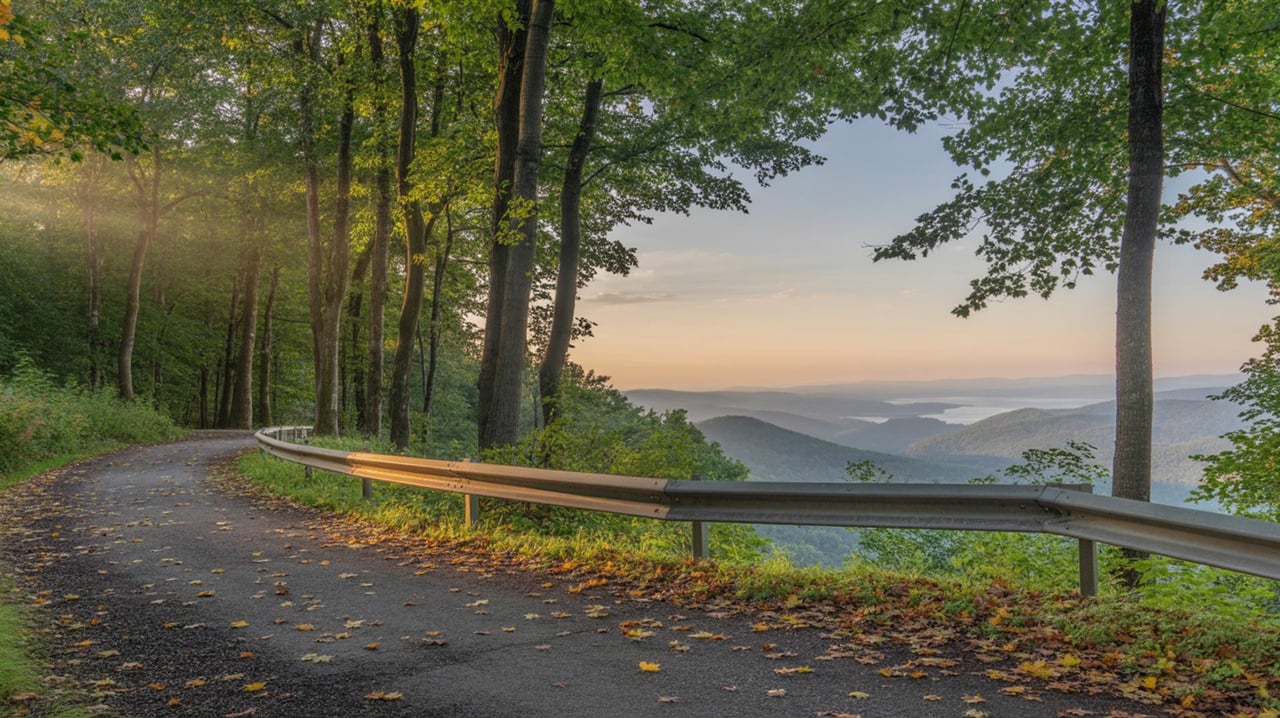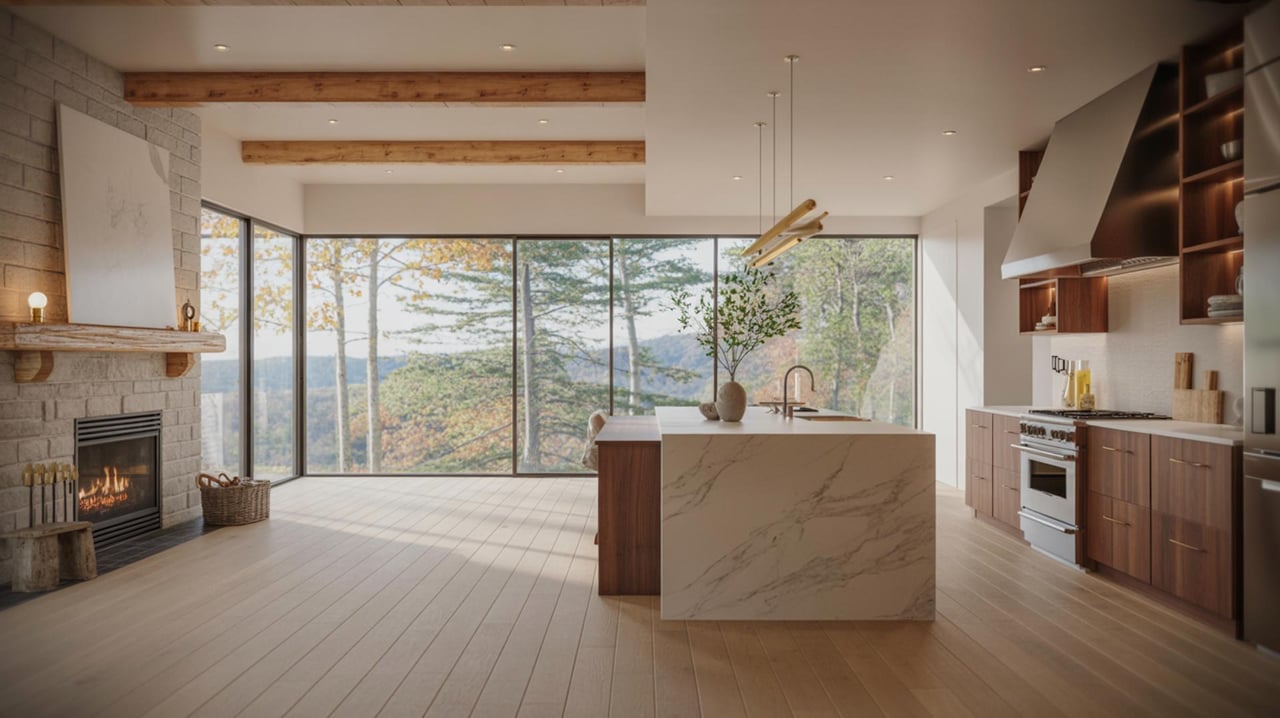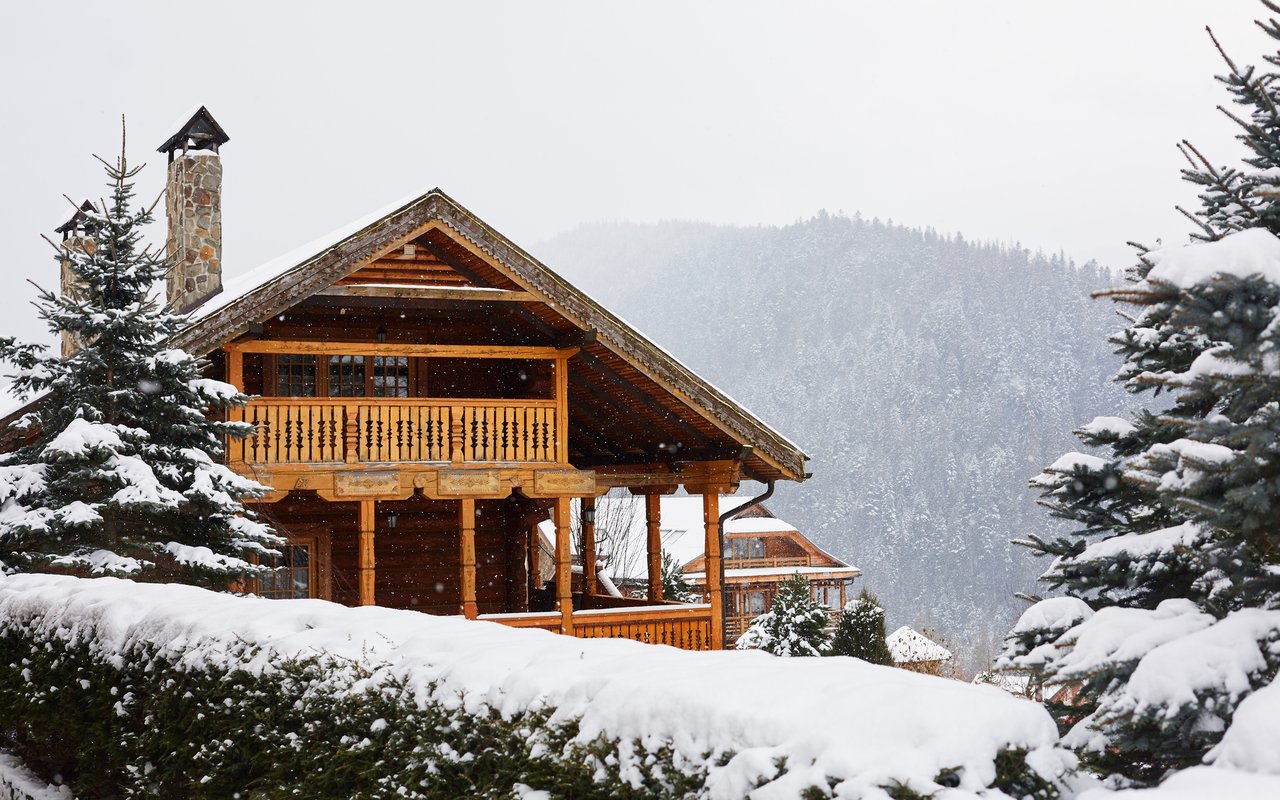
If you have been dreaming about a weekend place that feels like a real escape but does not take all day to reach, New Paltz deserves a closer look. For many first-time second-home buyers, the challenge is finding a market that offers both scenery and practicality, without feeling too remote or too complicated. In New Paltz, you can start to see how a second home might fit into your life, your budget, and your weekends. Let’s dive in.
Why New Paltz works
New Paltz stands out because it combines a real village center, strong outdoor access, and practical connections from the New York City area. The Town of New Paltz describes the area as shaped by natural beauty, historic character, and proximity to major Northeast metros. The village also sits between New York City and Albany, with quick Thruway access and active commercial corridors along Main Street, Route 299, and Route 32.
That mix matters when you are buying your first second home. You are not just buying a house. You are buying ease of use, flexibility, and the ability to actually enjoy the property on a short weekend.
Getting there from NYC
Access is a big part of New Paltz’s appeal. Trailways lists a New Paltz bus station at 139 Main Street, plus a separate SUNY curbside stop on Route 32. If you prefer rail, Metro-North service to Poughkeepsie connects with Amtrak and local bus service, and the MTA says the fastest Hudson Line trips between Poughkeepsie and Grand Central can run in under 90 minutes.
That does not mean every trip will be seamless, but it does make car-light weekends more realistic than in many rural markets. The MTA also notes that Ulster County Transit routes connect Poughkeepsie station with Highland, New Paltz, and Kingston, which can make planning easier if you want to tour homes without driving every leg yourself.
Outdoor lifestyle is part of the value
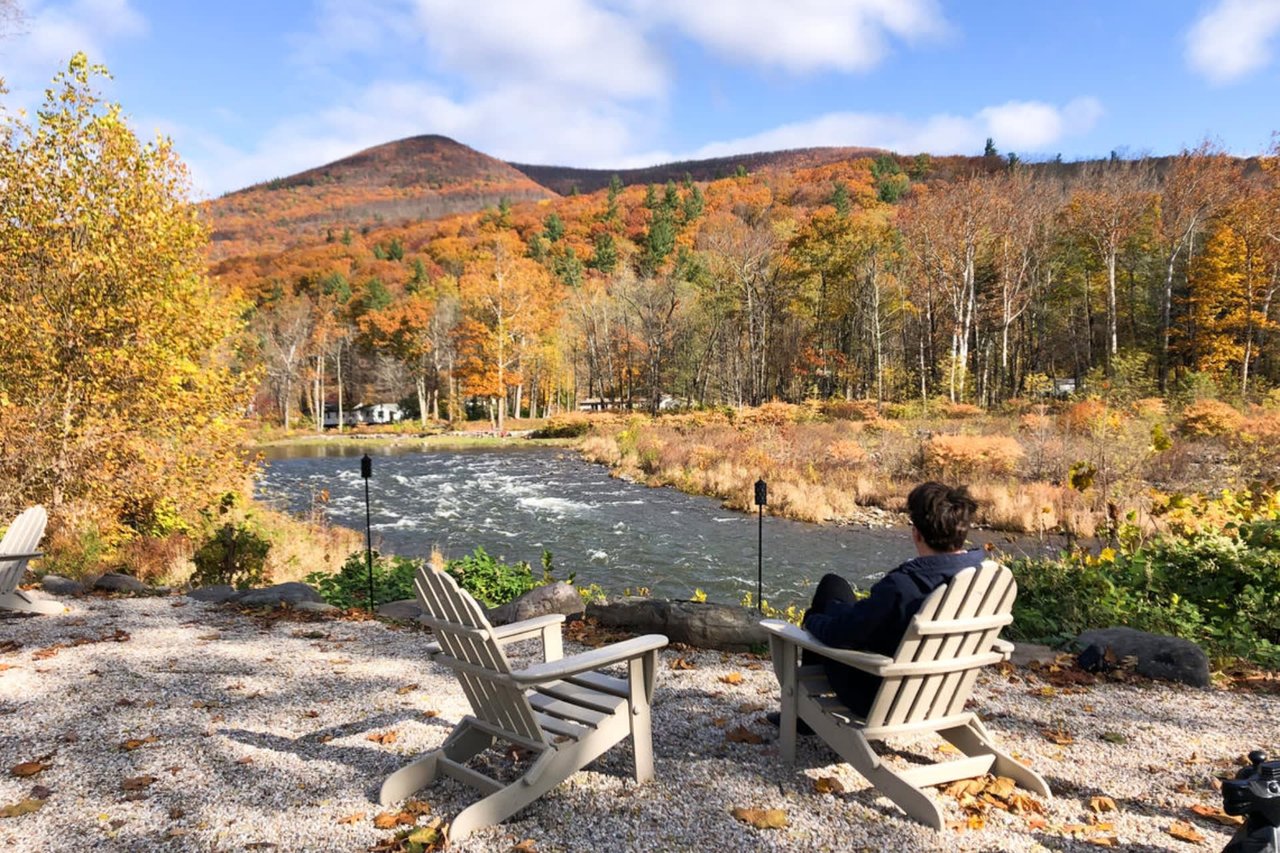
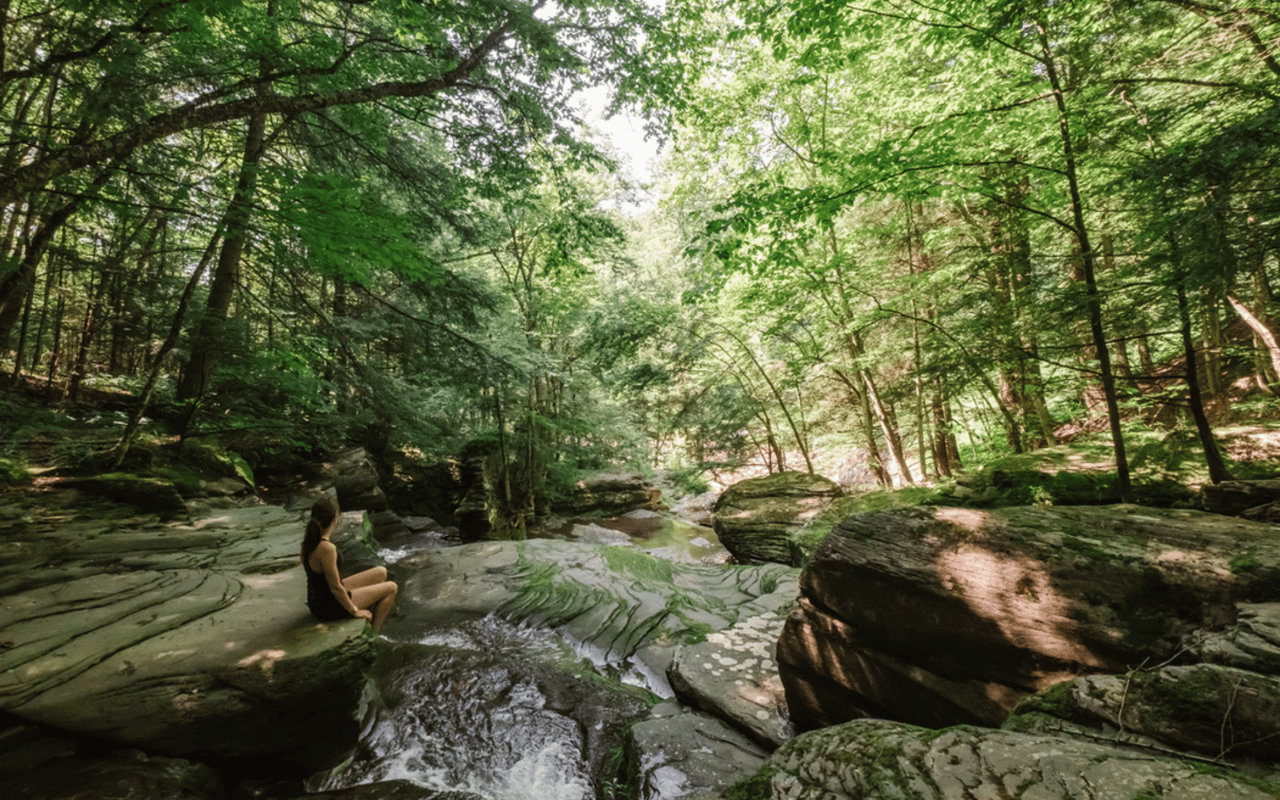
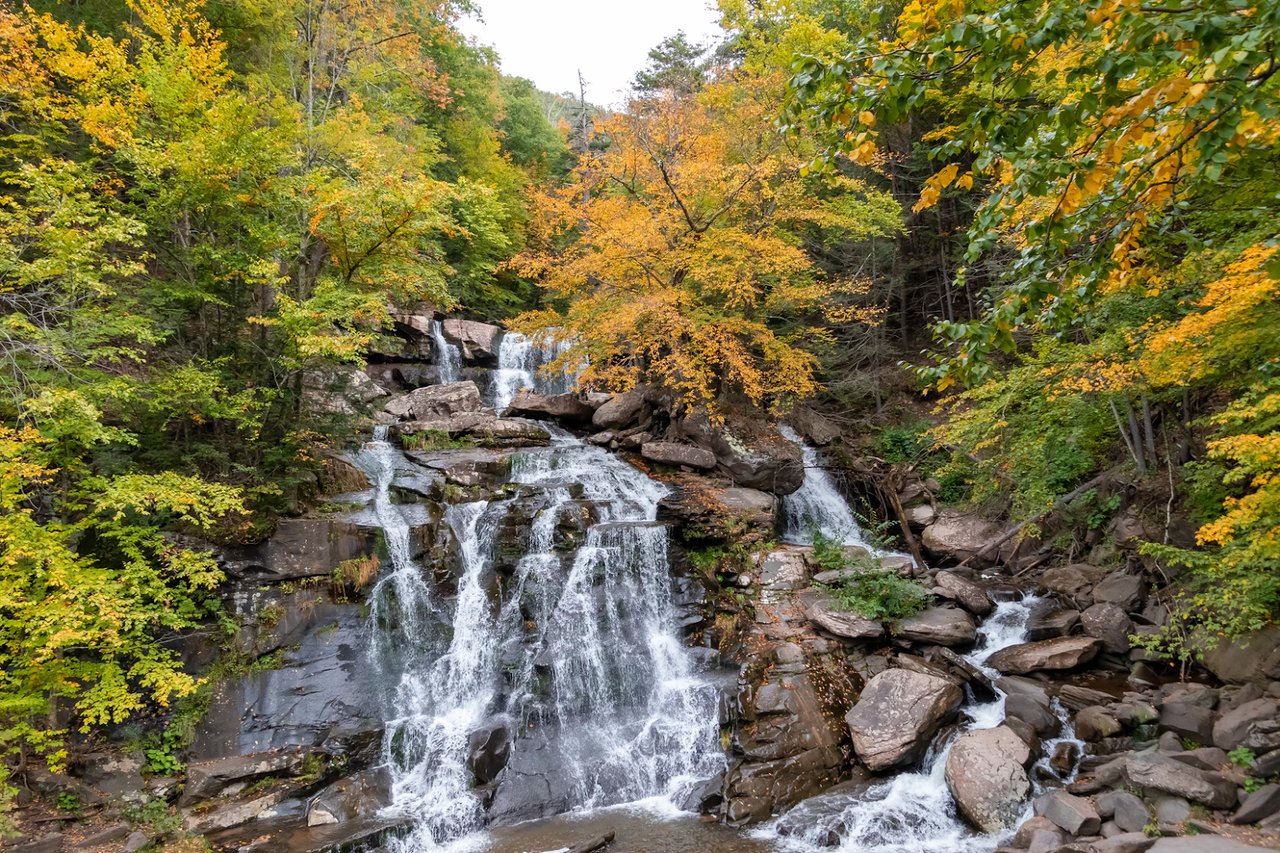
A second home in New Paltz is often about what happens outside the house as much as inside it. The town highlights local trails, views, and the area’s outdoor identity as a core part of what makes New Paltz special. For many buyers, that means the lifestyle is not theoretical. It is available right away.
The Mohonk Preserve area access information supports that idea. Visitors can reach nearby New Paltz by car, Trailways bus, and taxi, and the Preserve says trailheads are open daily from sunrise to sunset. It also offers a free seasonal Nature Bus from New Paltz on Saturdays from late April through the end of September, which can make it easier to test whether the area truly works for your weekends.
Village or rural property?
One of the first big choices in New Paltz is whether you want a walkable village setting or a more private home outside the center. These are not small differences. They shape how you use the property, what you maintain, and what kind of weekends you actually have.
Village homes
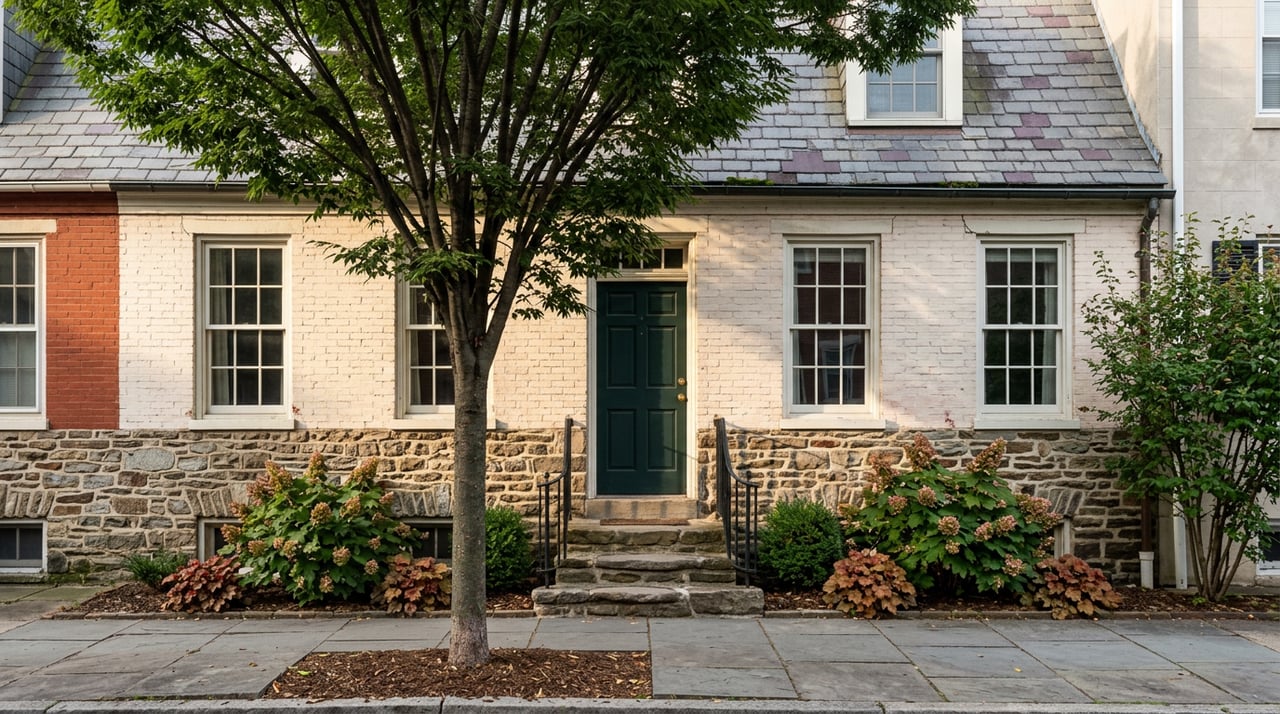
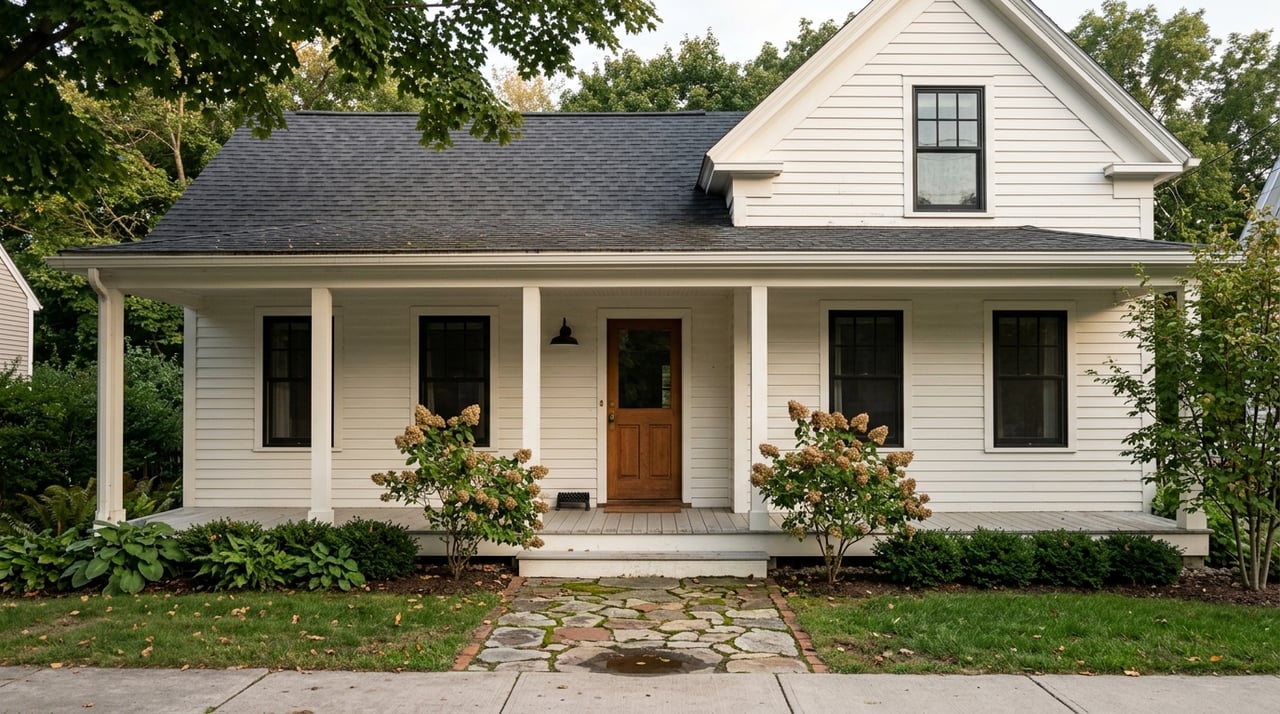
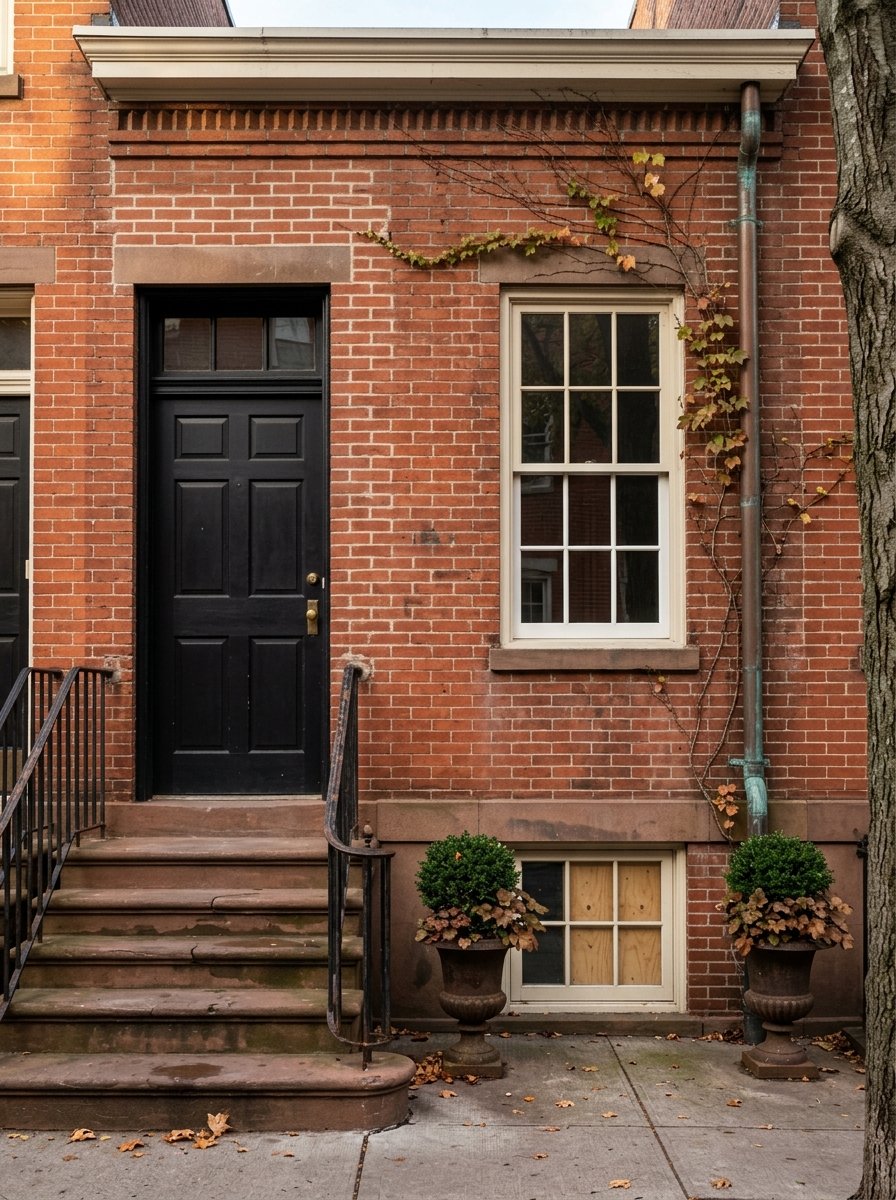
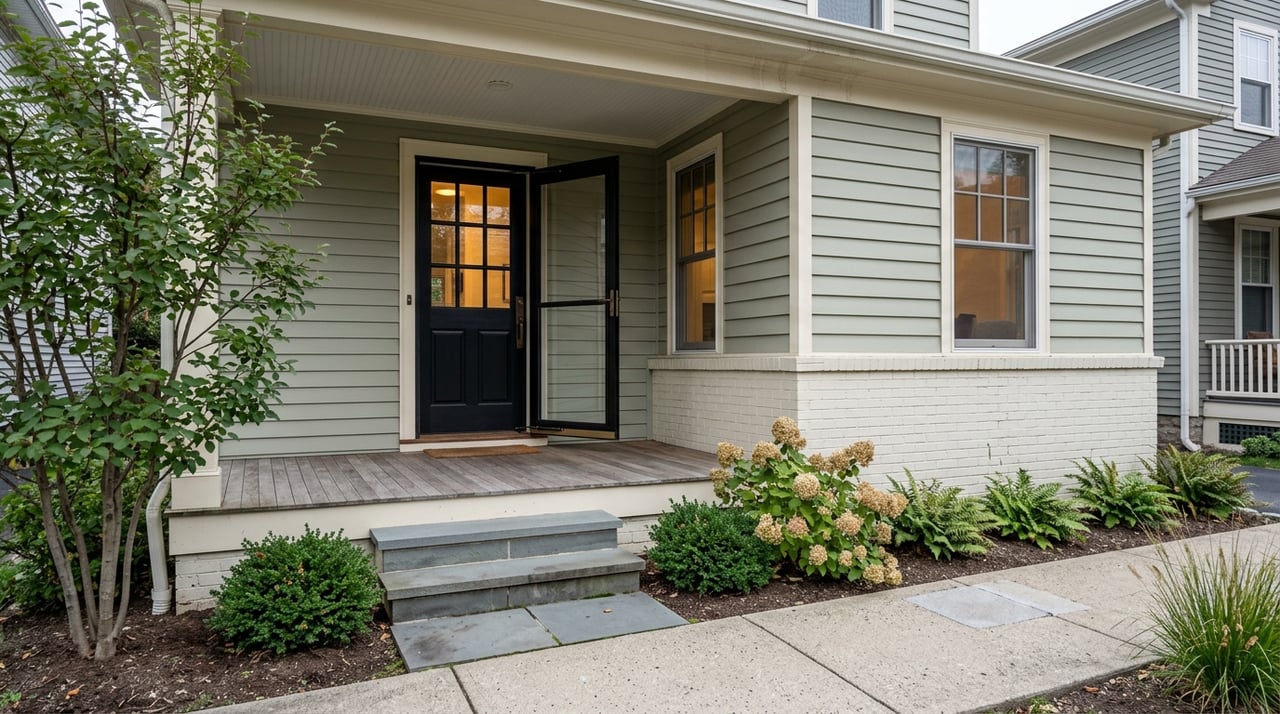
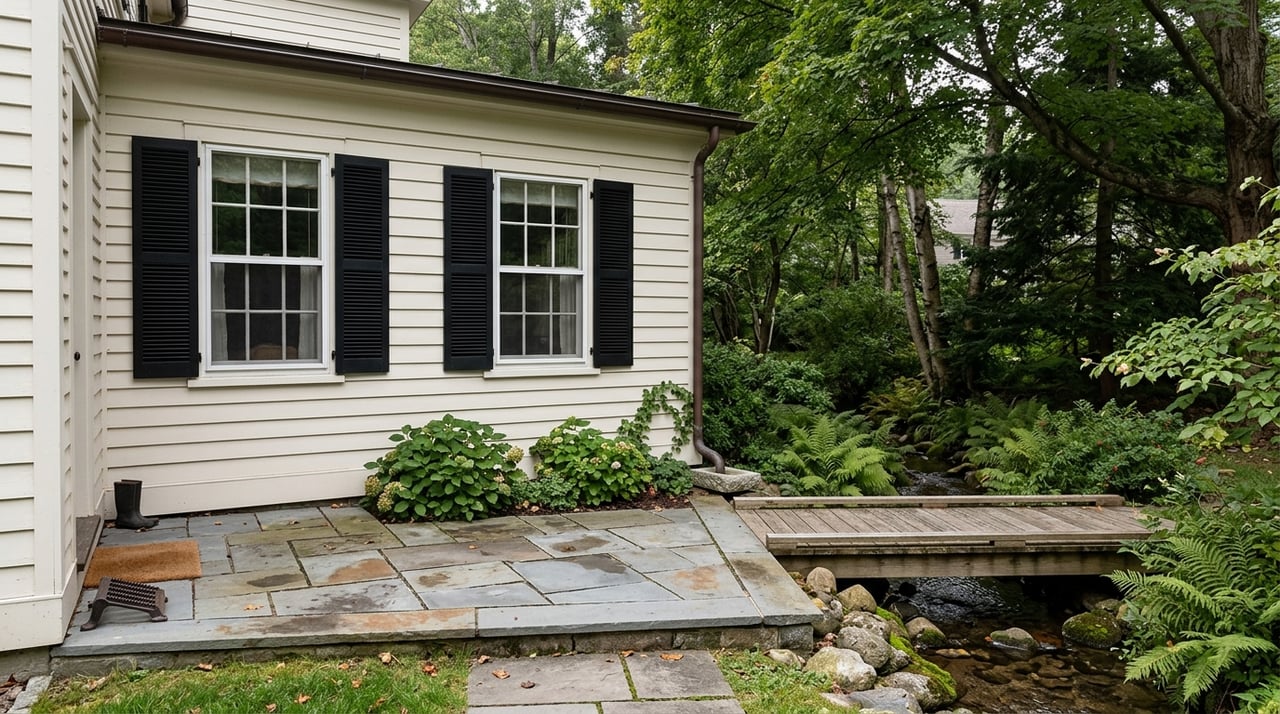
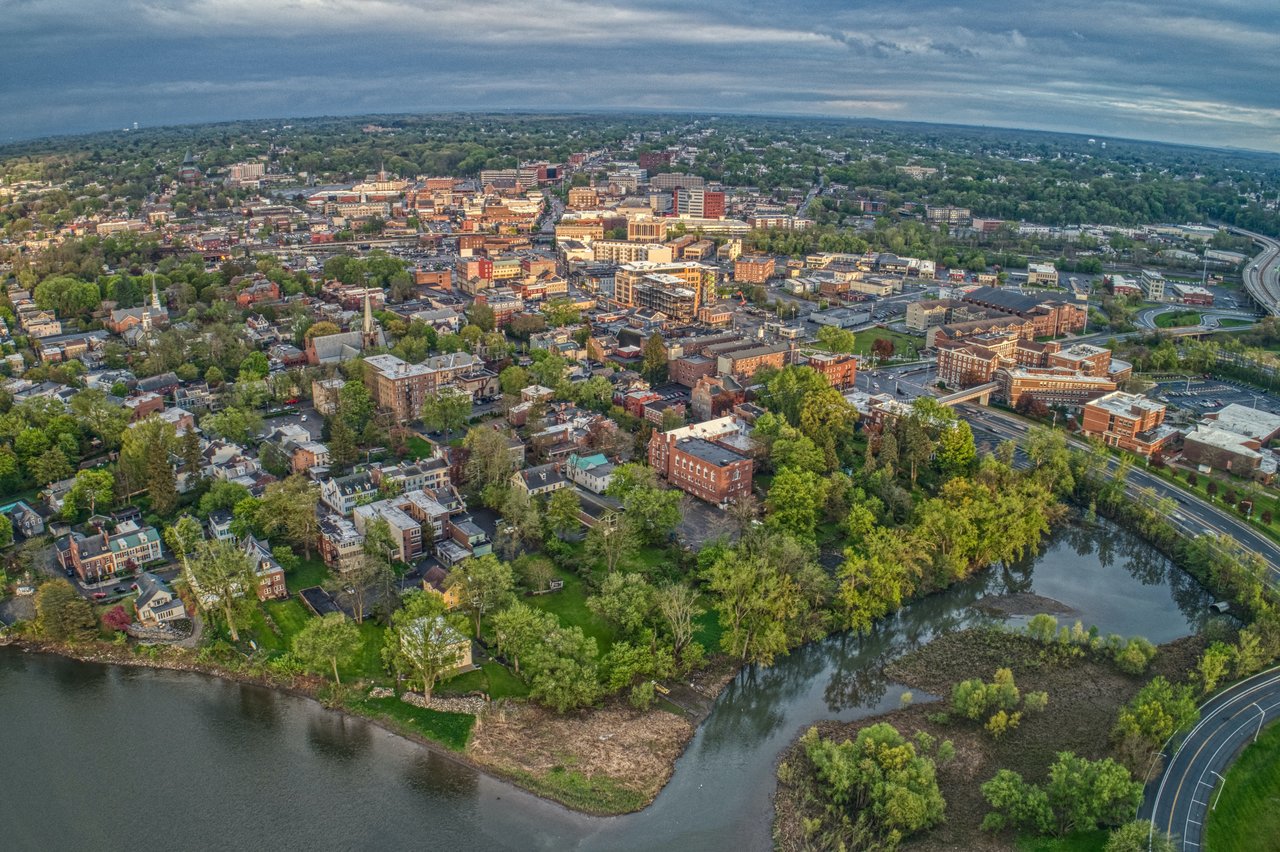
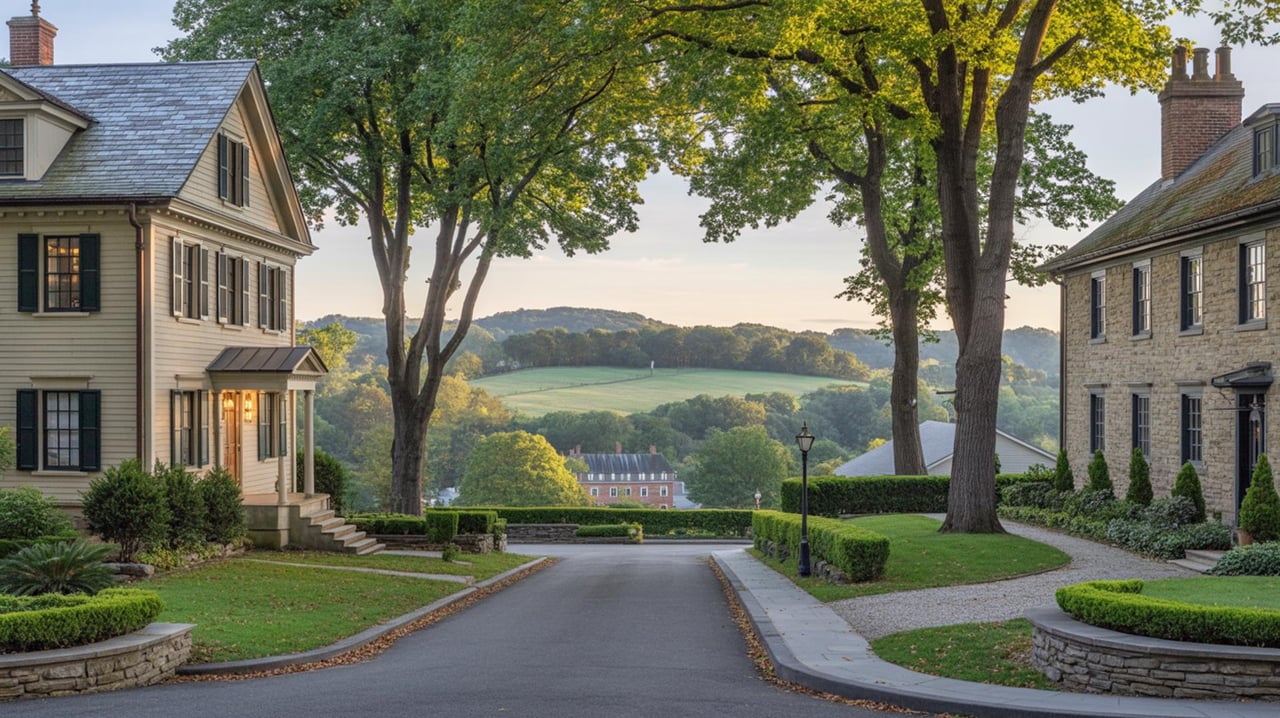
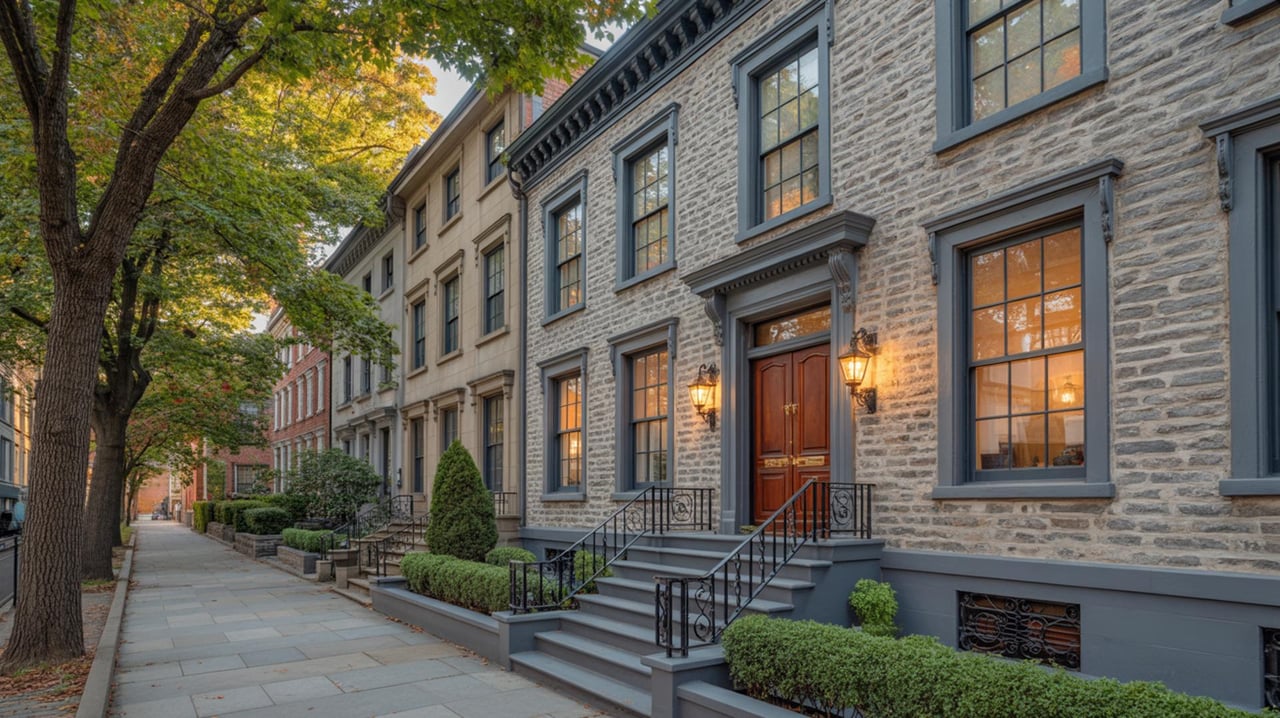
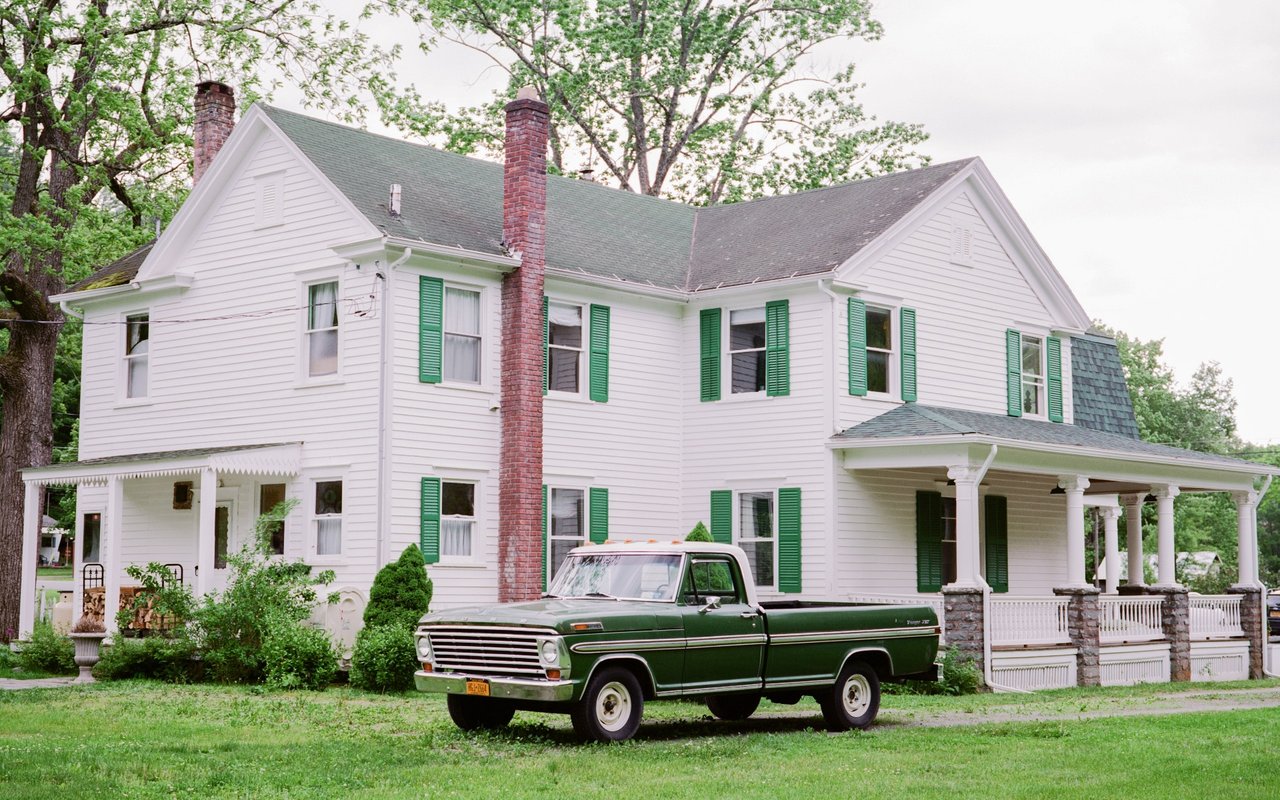
If you want to arrive on Friday and settle in fast, village properties often feel simpler. The town identifies Historic Huguenot Street as a National Historic Landmark District, and the village itself is a denser area along the Wallkill River with commercial activity centered on Main Street, Route 299, and Route 32. In practical terms, that can mean easier access to shops, dining, and daily basics.
For some first-time buyers, that convenience is the whole point. A village home may offer less privacy, but it can be easier to use immediately and easier to enjoy without a long to-do list each weekend.
Rural homes
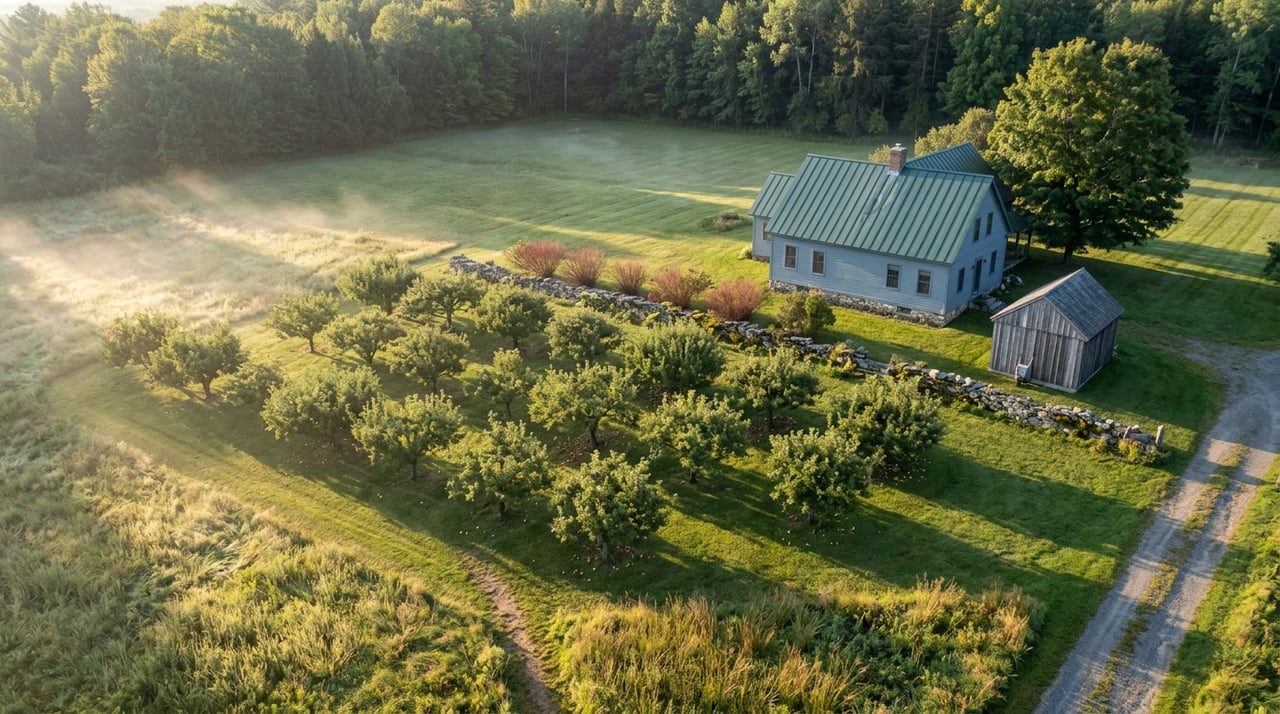
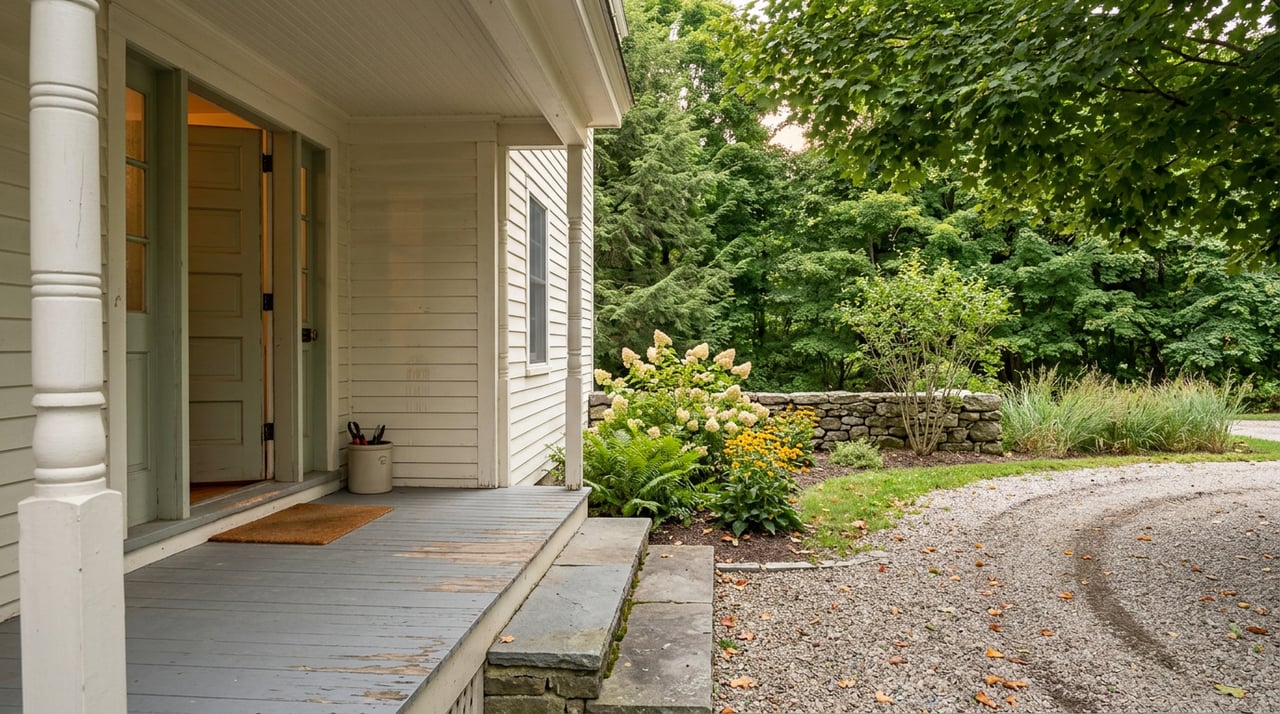
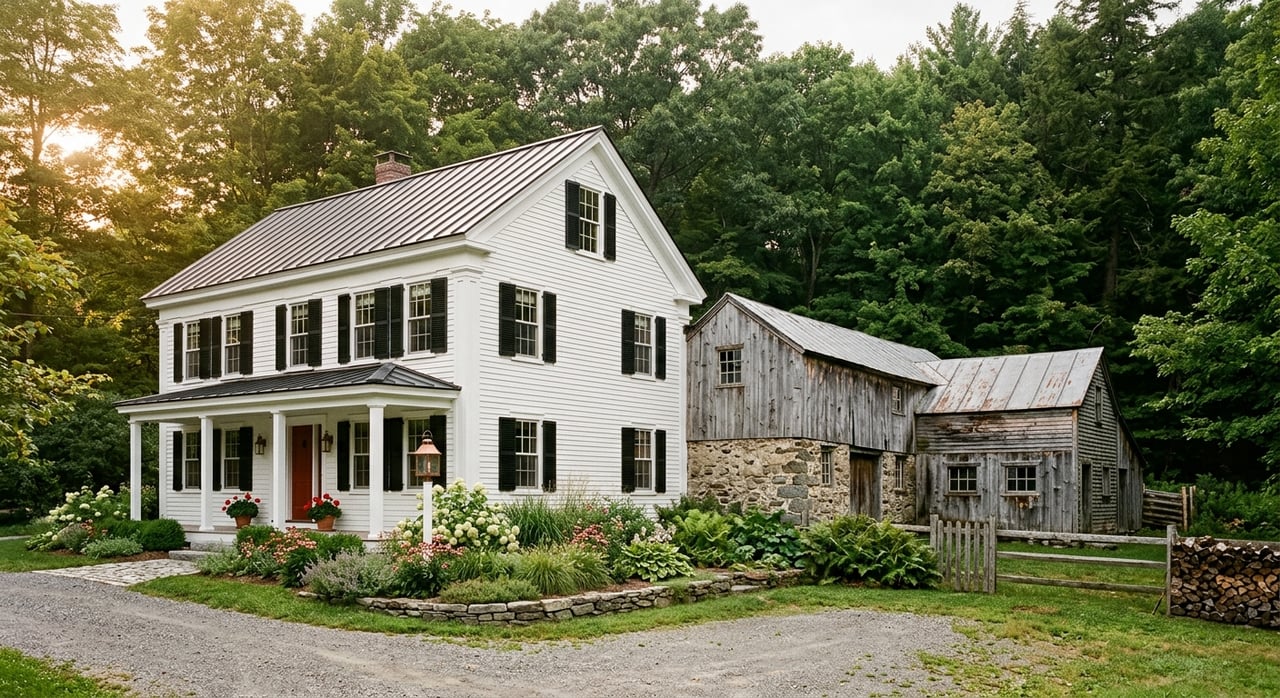
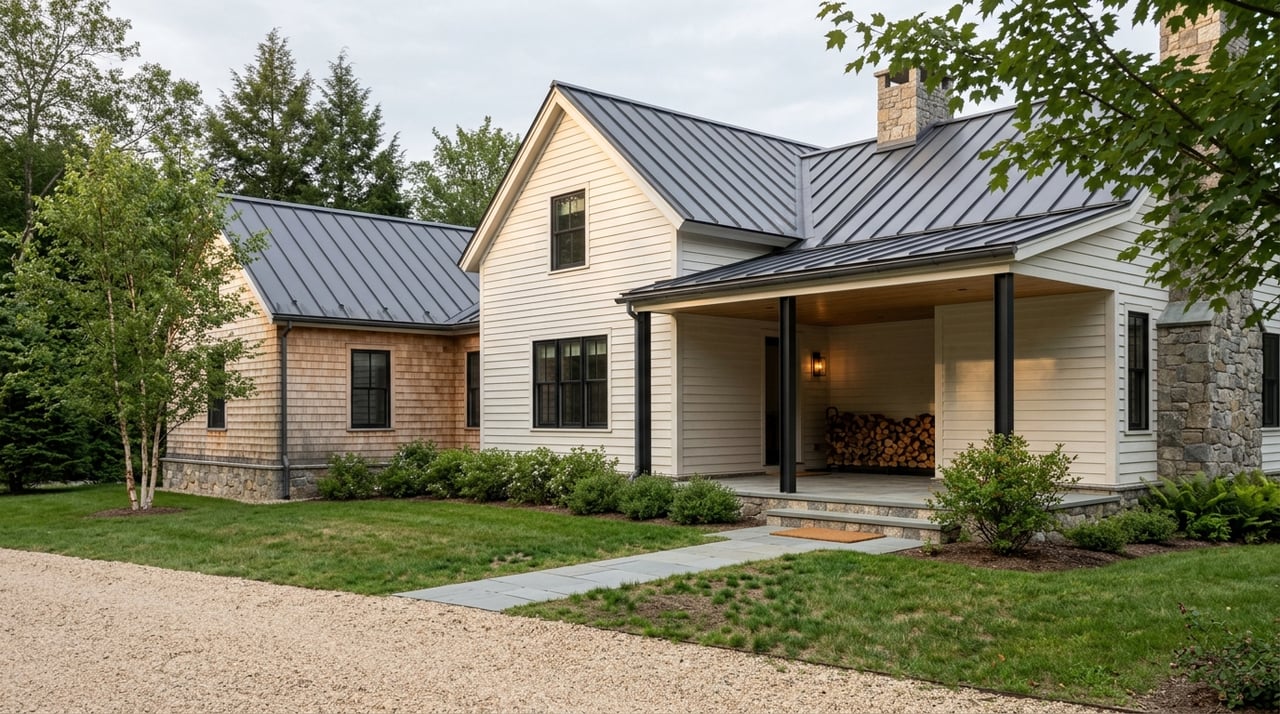
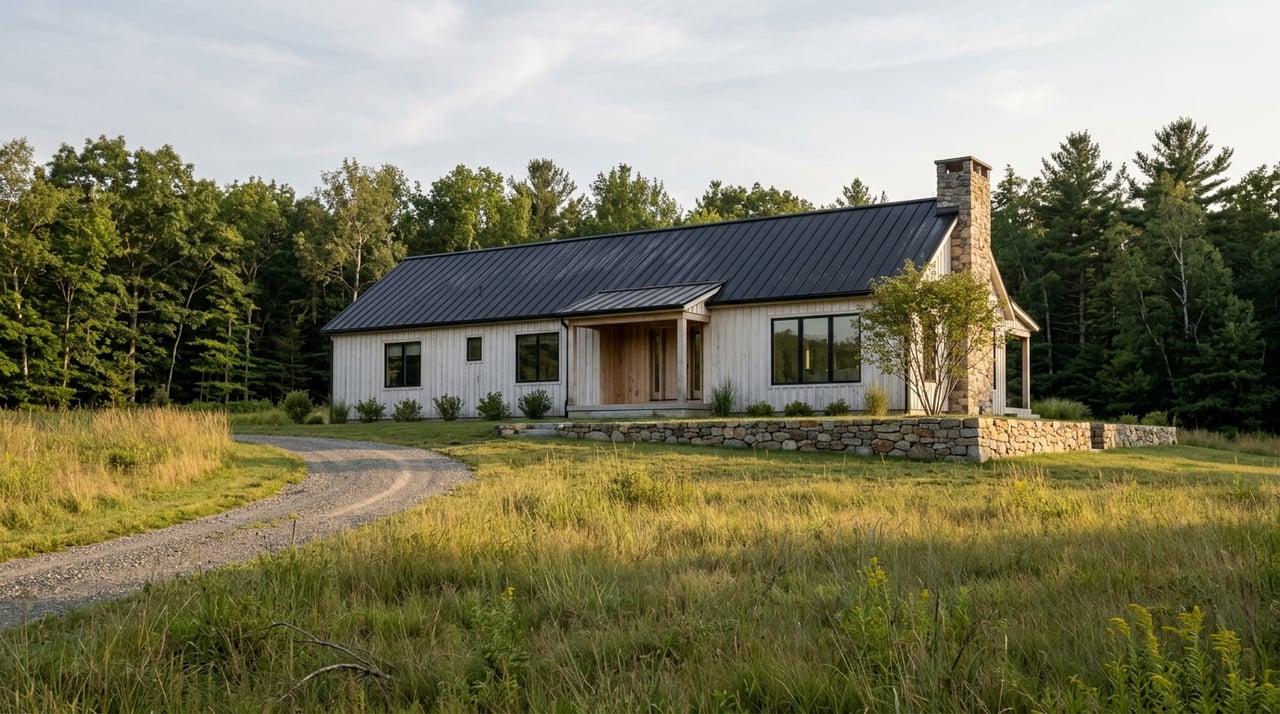
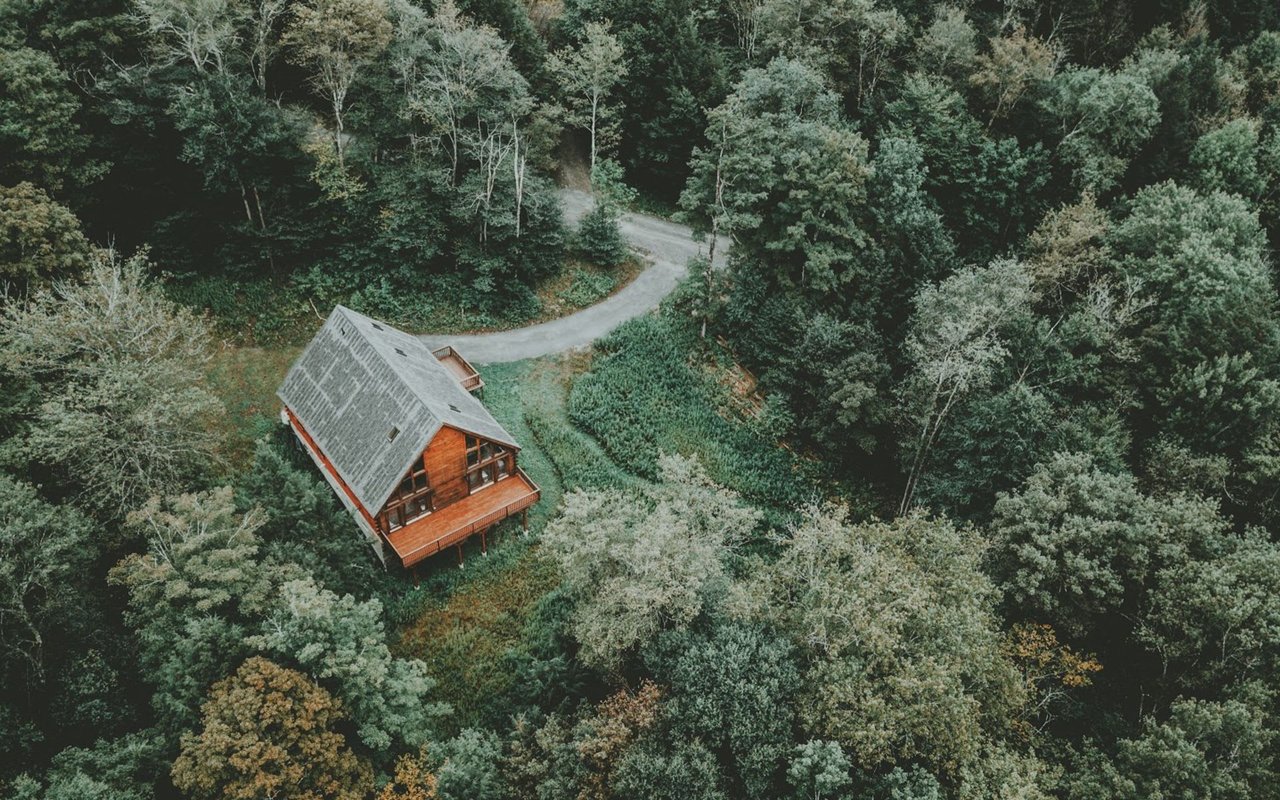
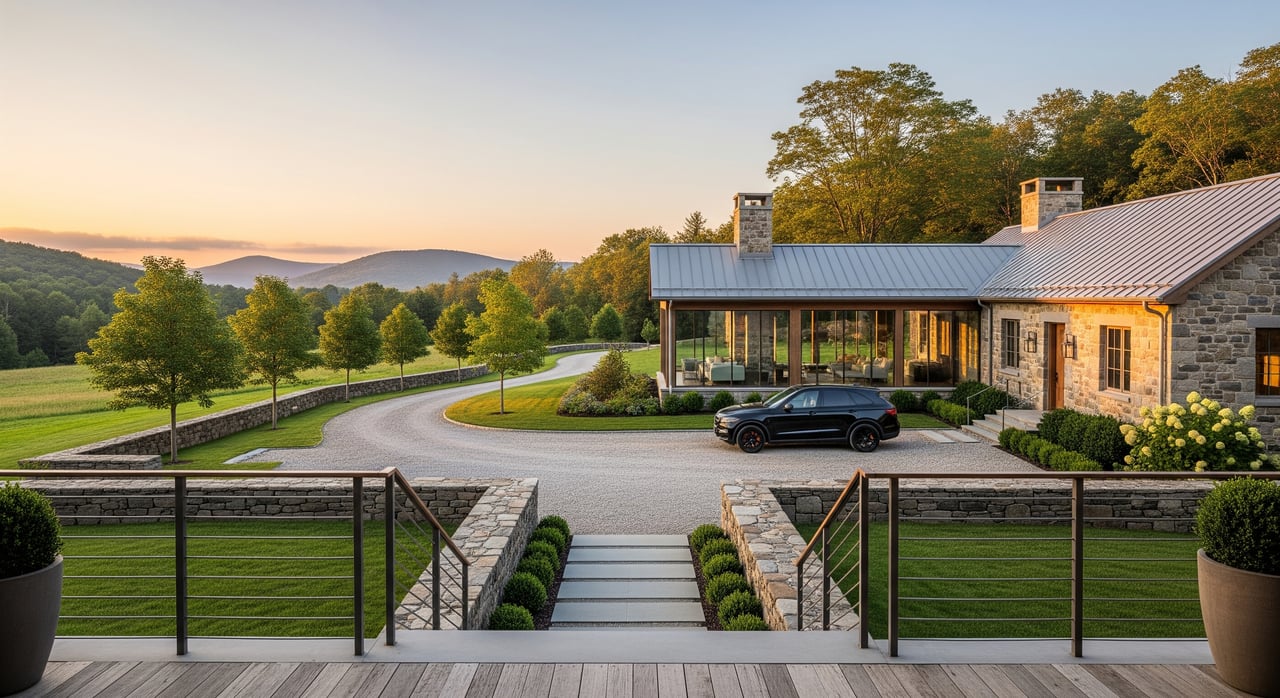
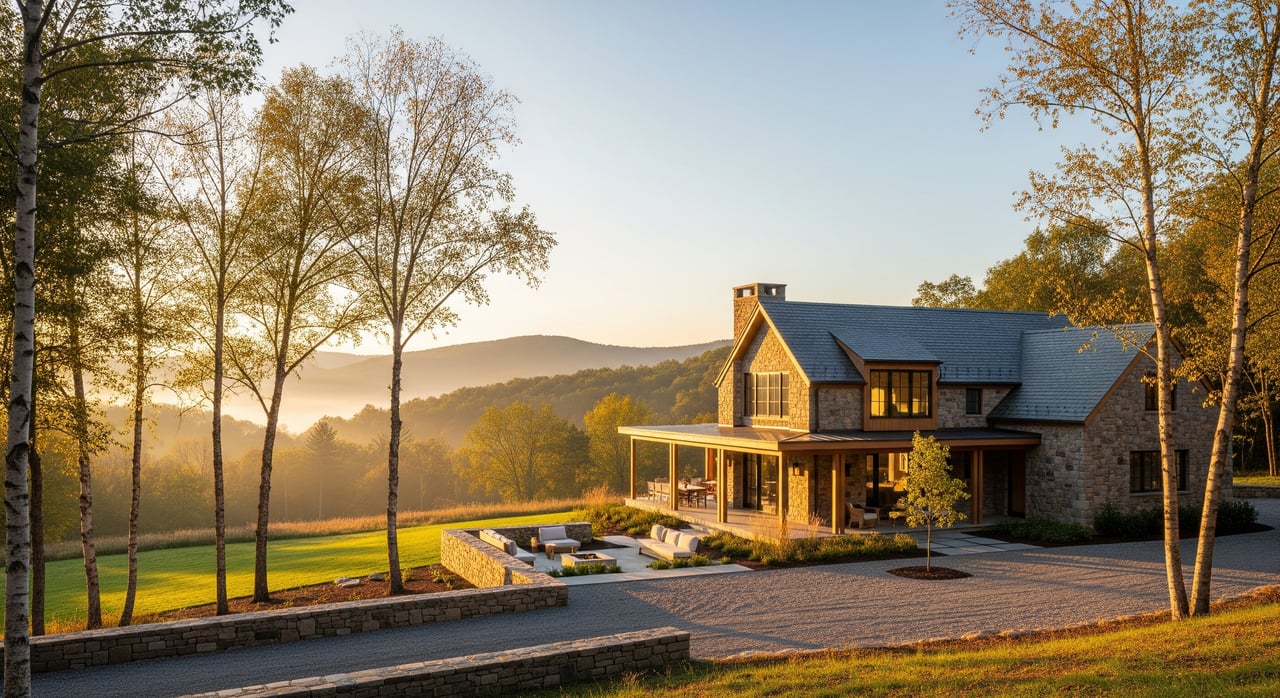
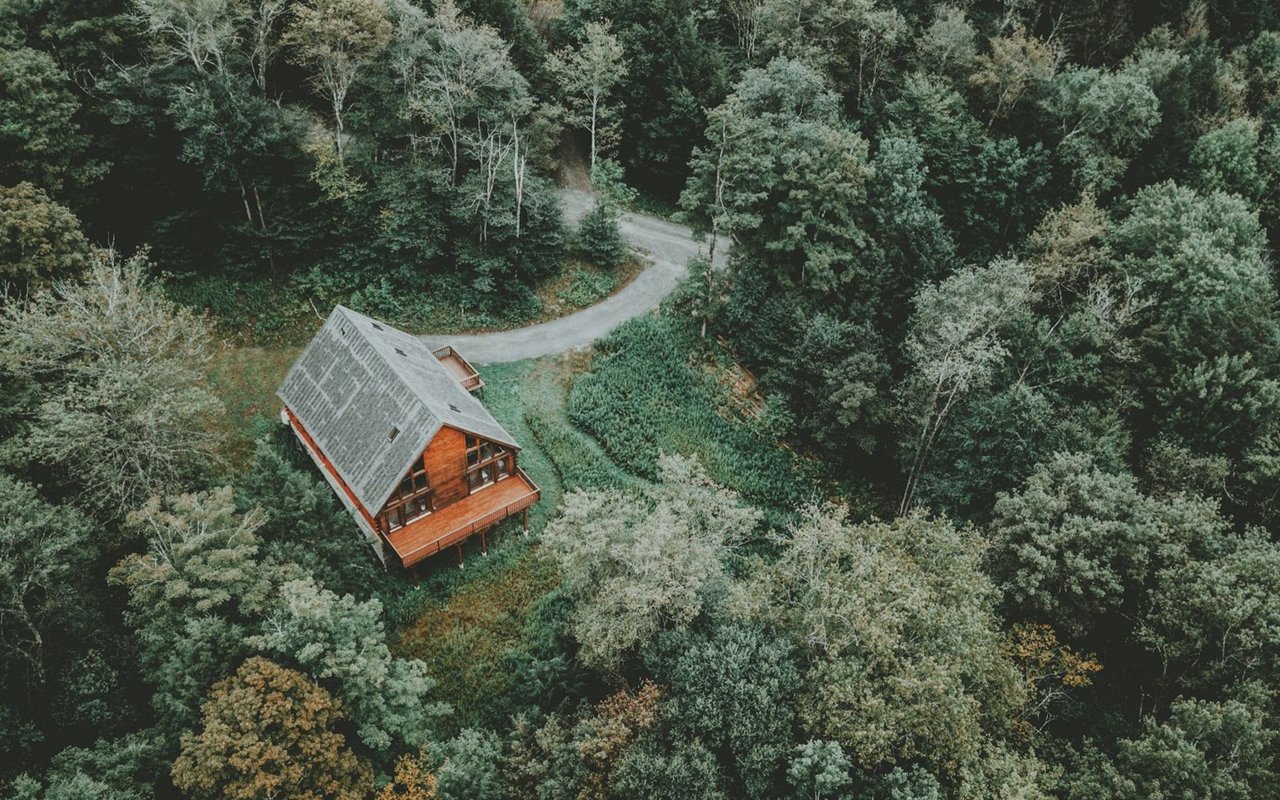
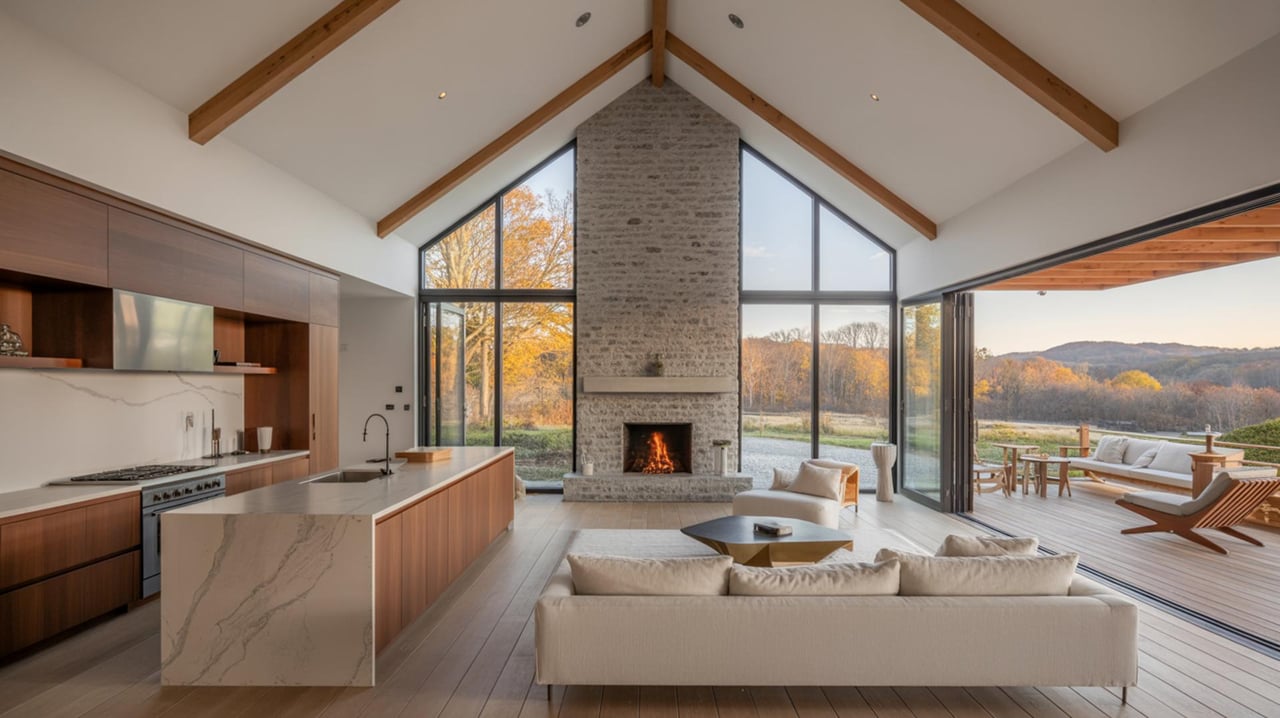
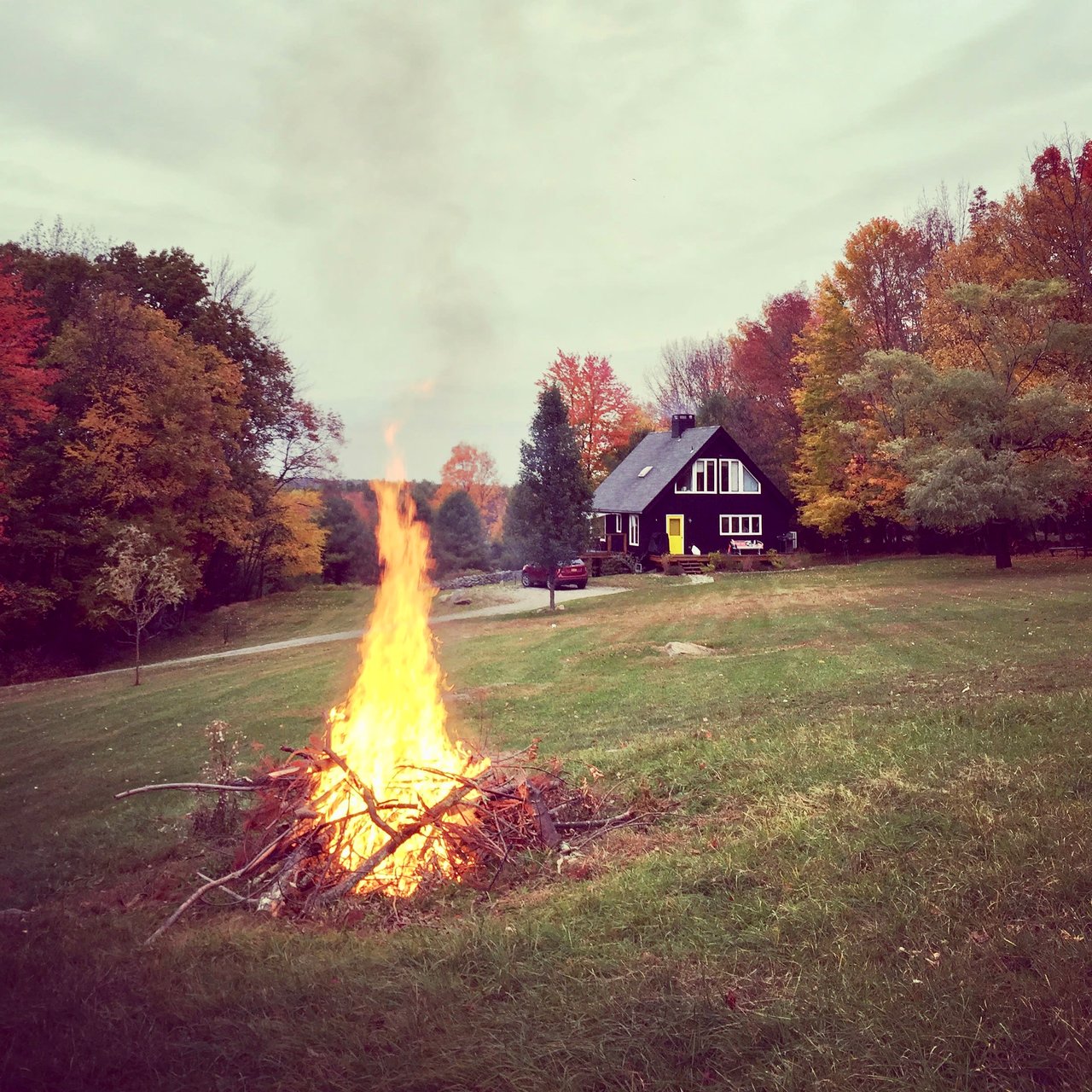
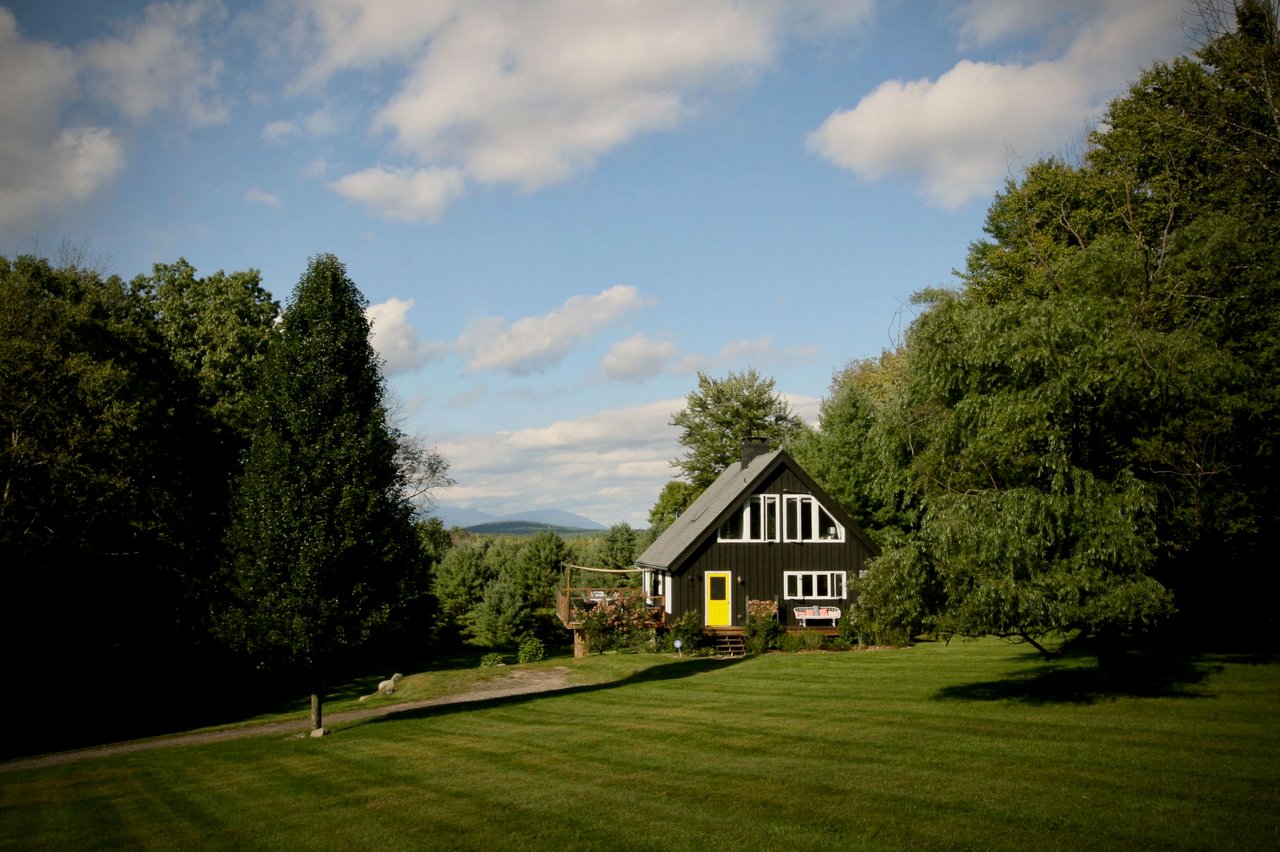
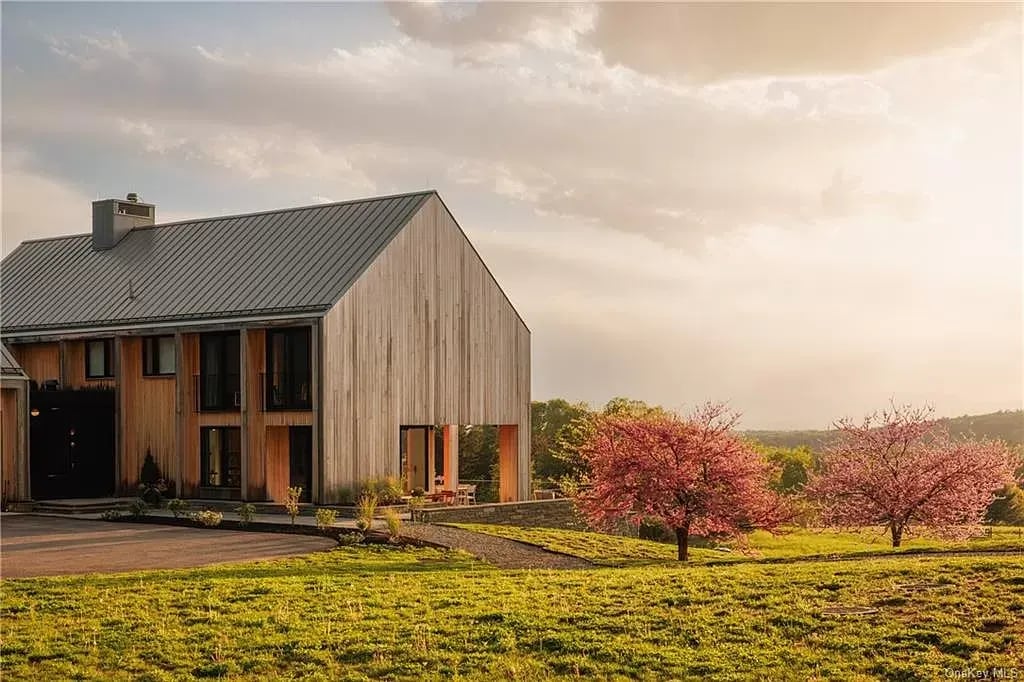
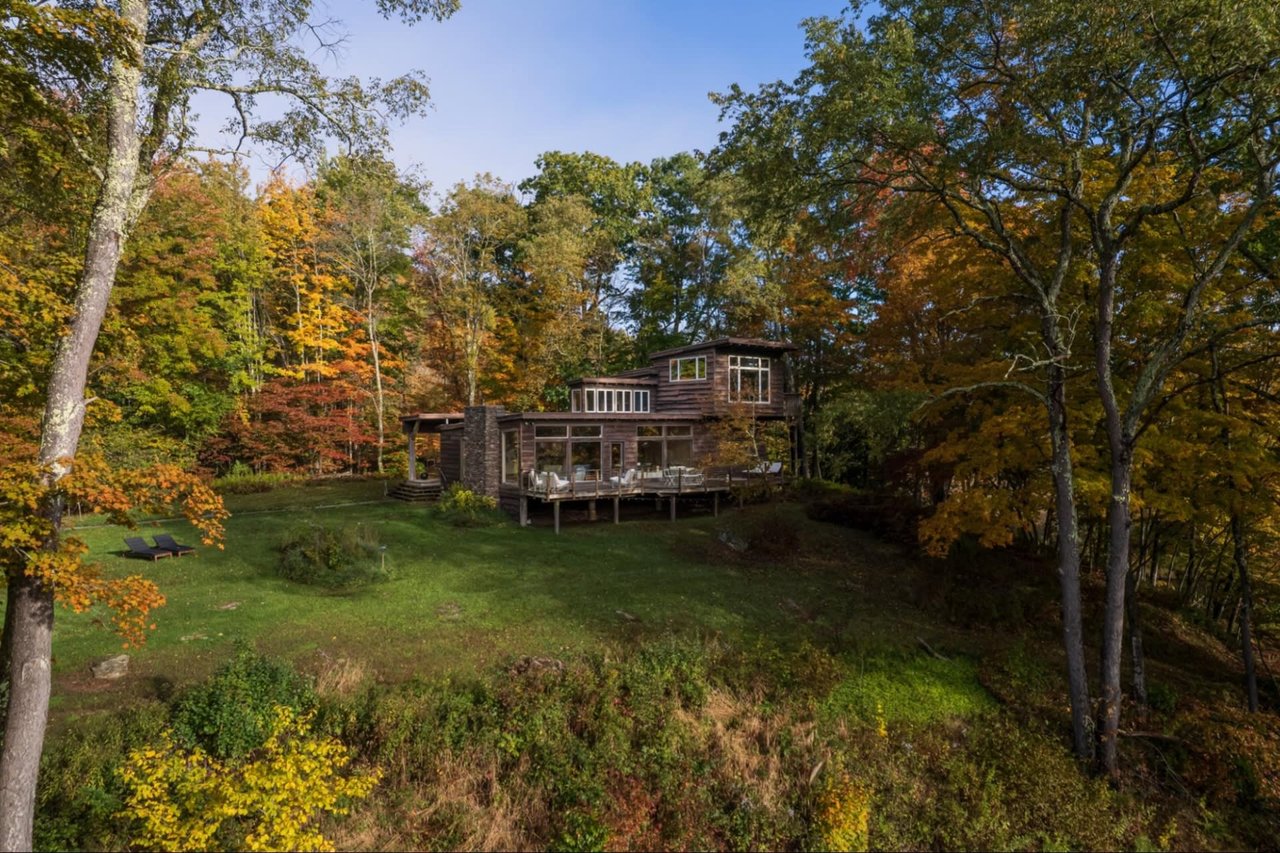
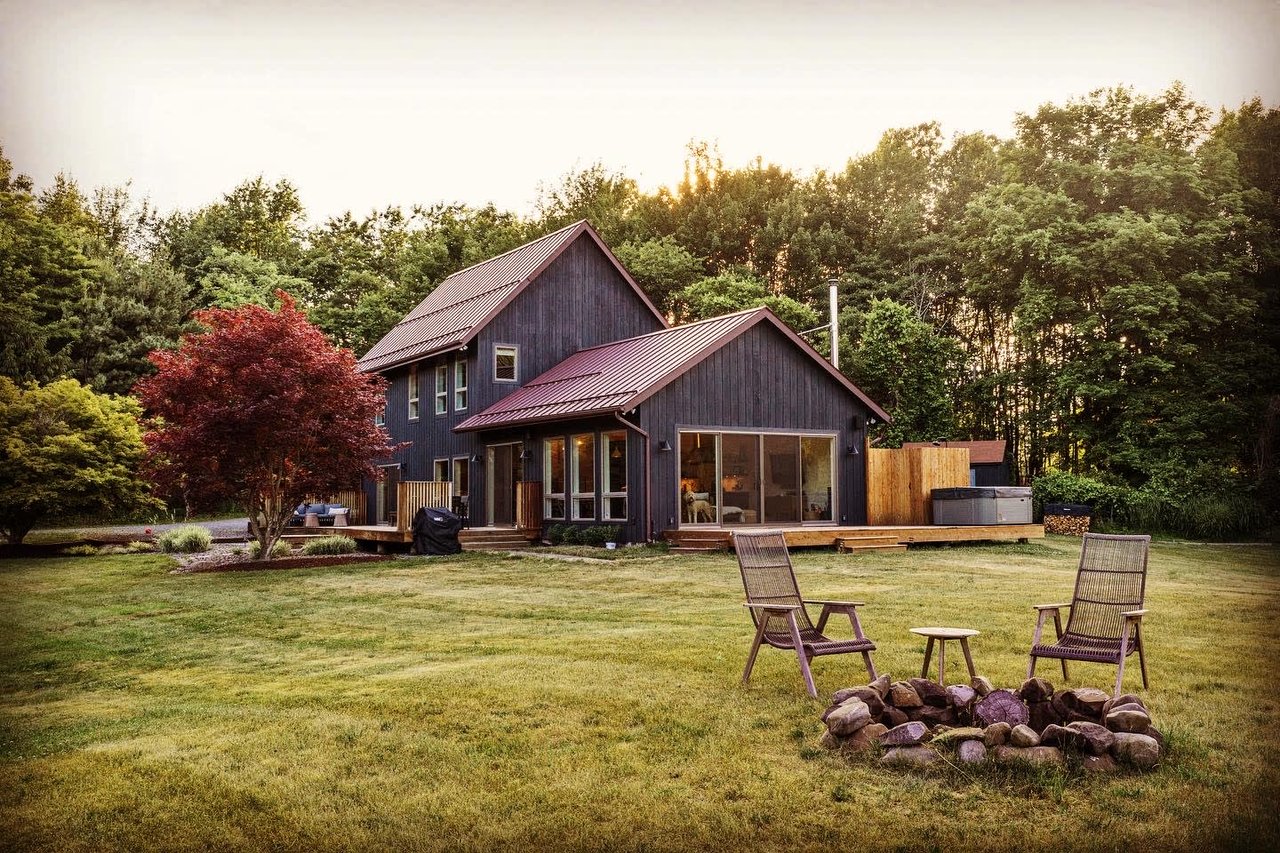
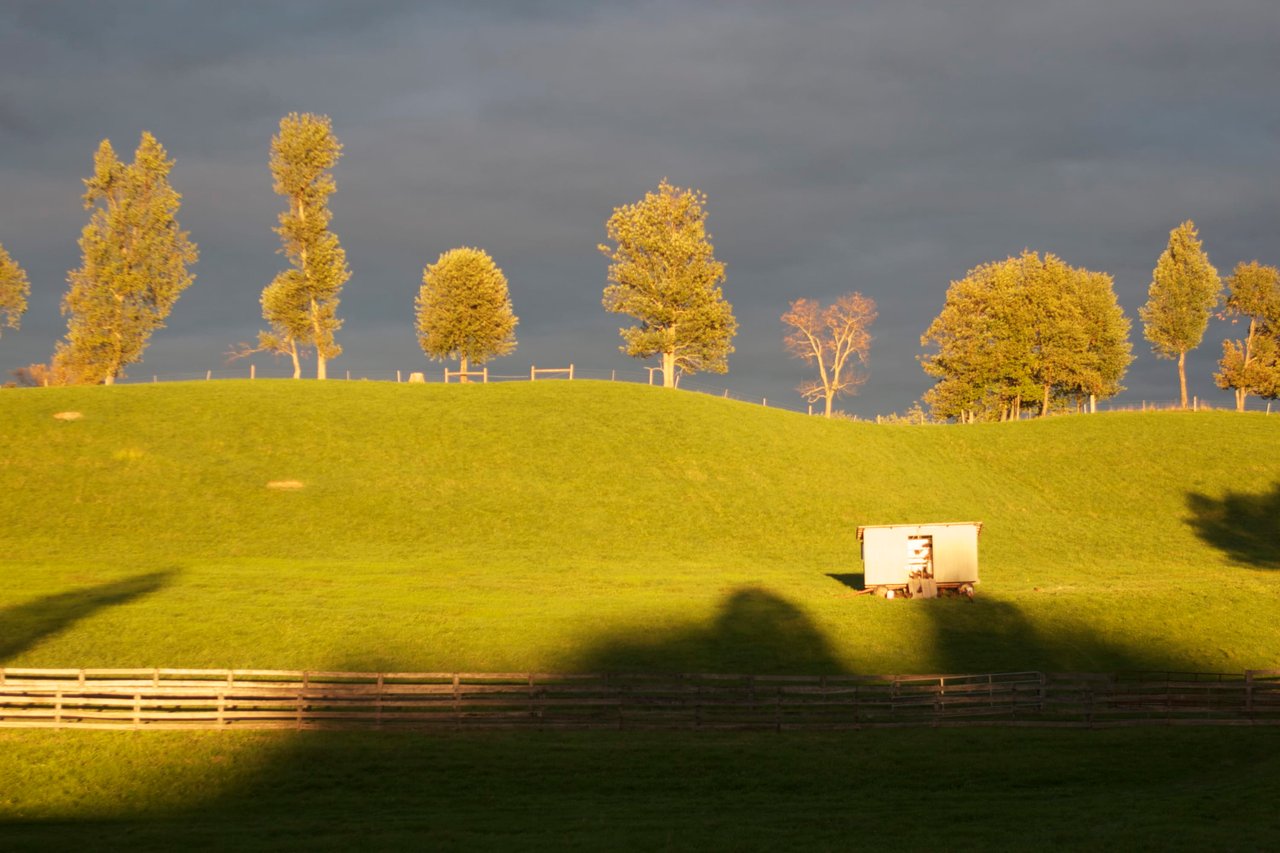
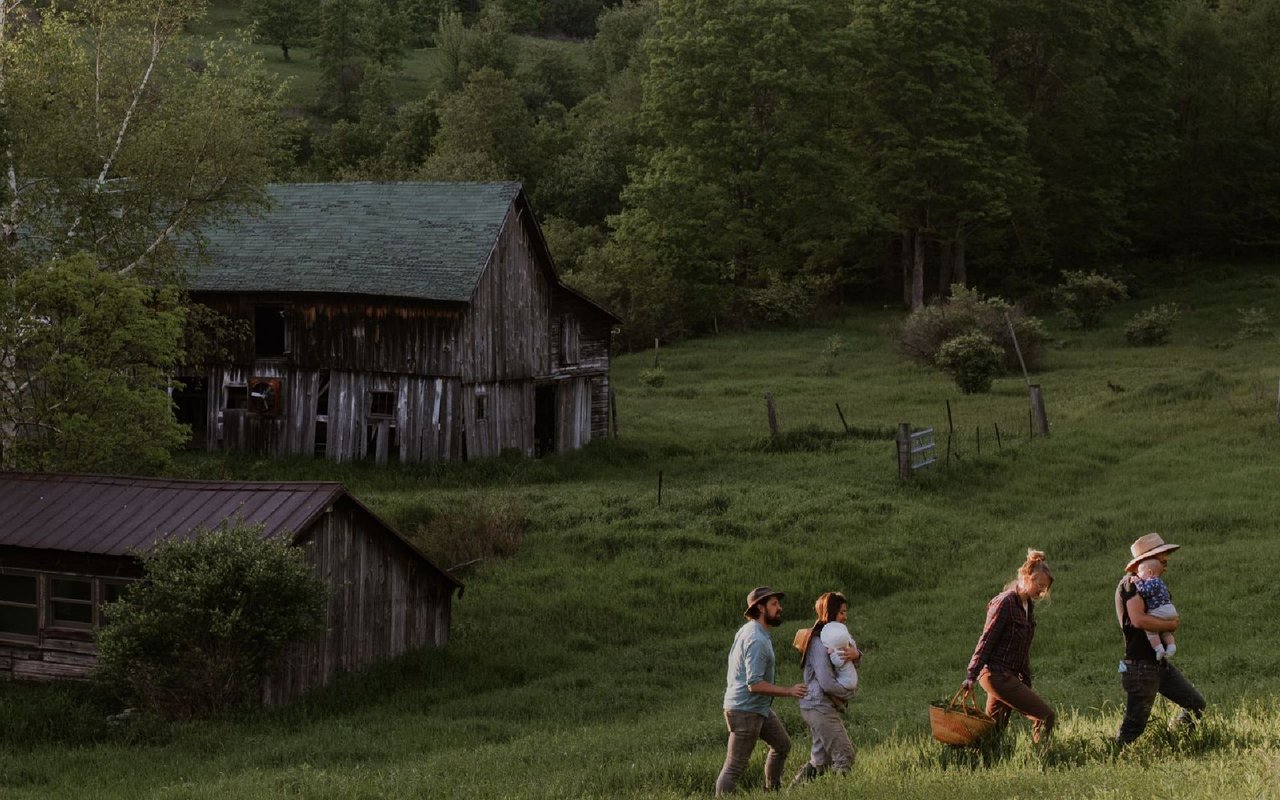
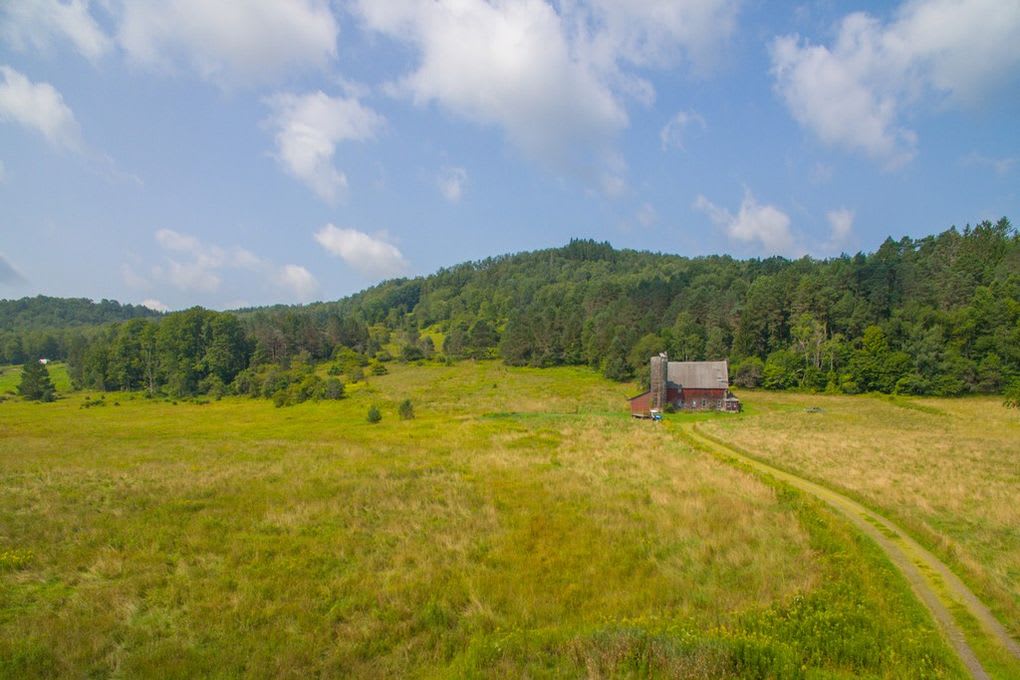
Outside the village core, the search often shifts toward views, privacy, and land. The town’s reconnaissance survey and master plan materials describe areas like Mountain View, Pine Tree, and Rocky Hill roads as places planned to capture views of the Shawangunks. These parts of town include a mix of postwar houses, custom homes, and subdivision properties.
That variety is important. New Paltz is not one single market. It is a group of smaller submarkets, each with different tradeoffs around convenience, scenery, maintenance, and privacy.
Historic homes need extra review
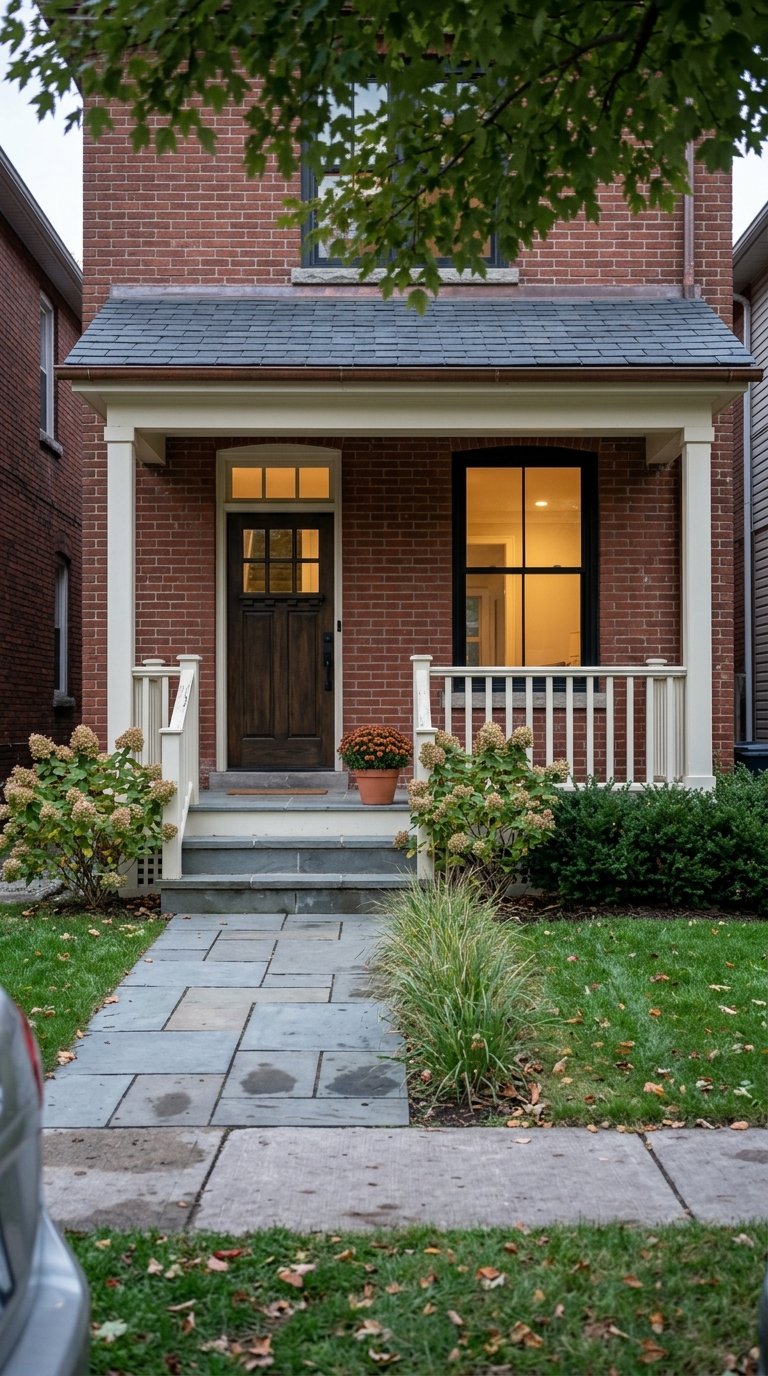
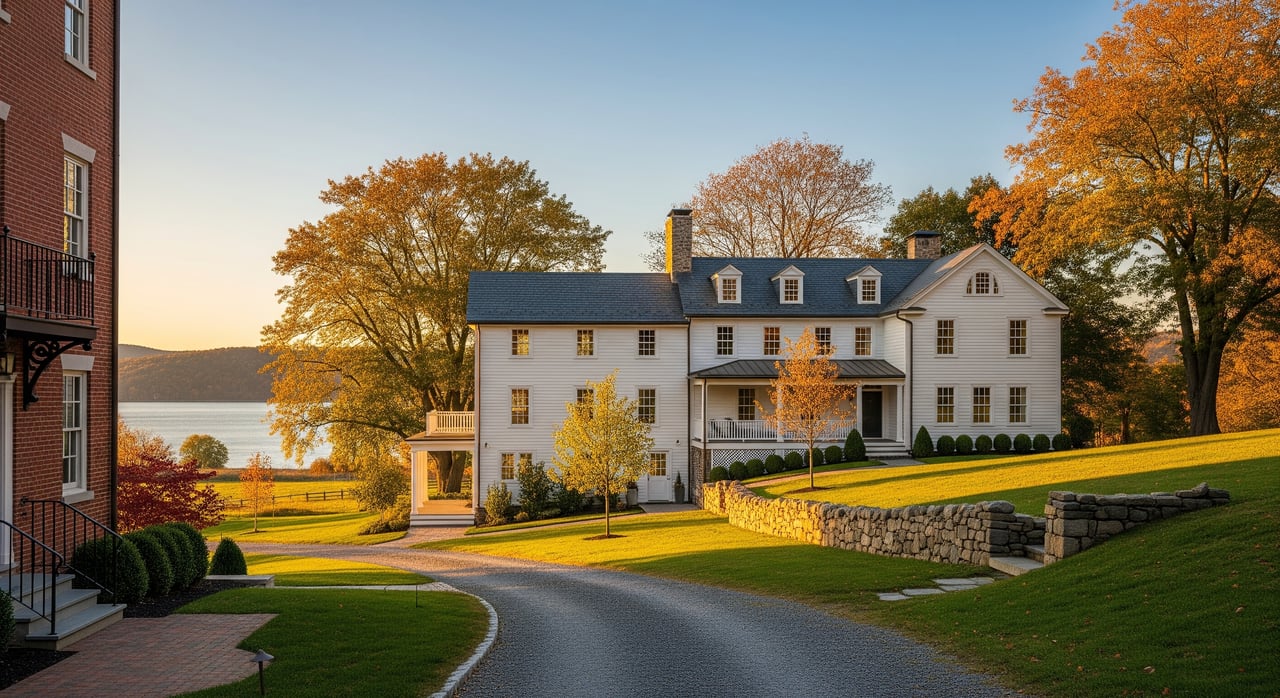
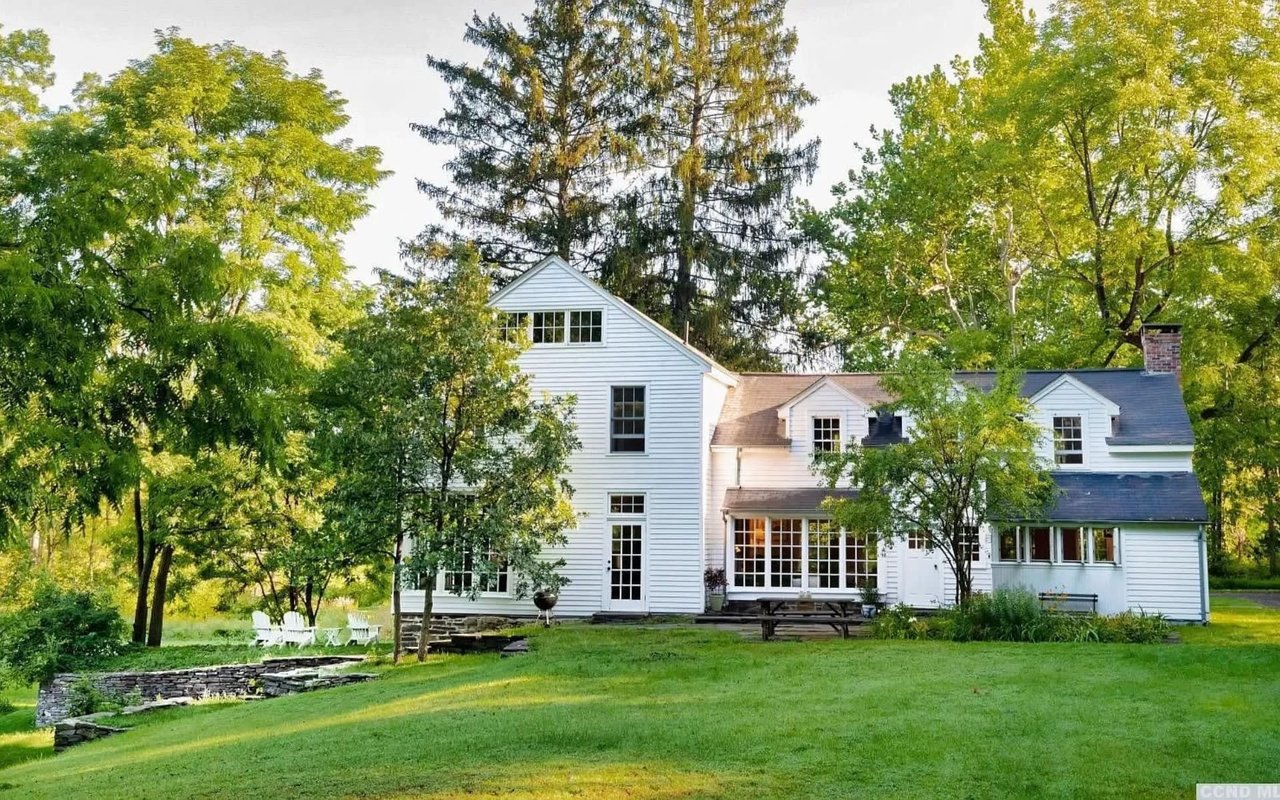
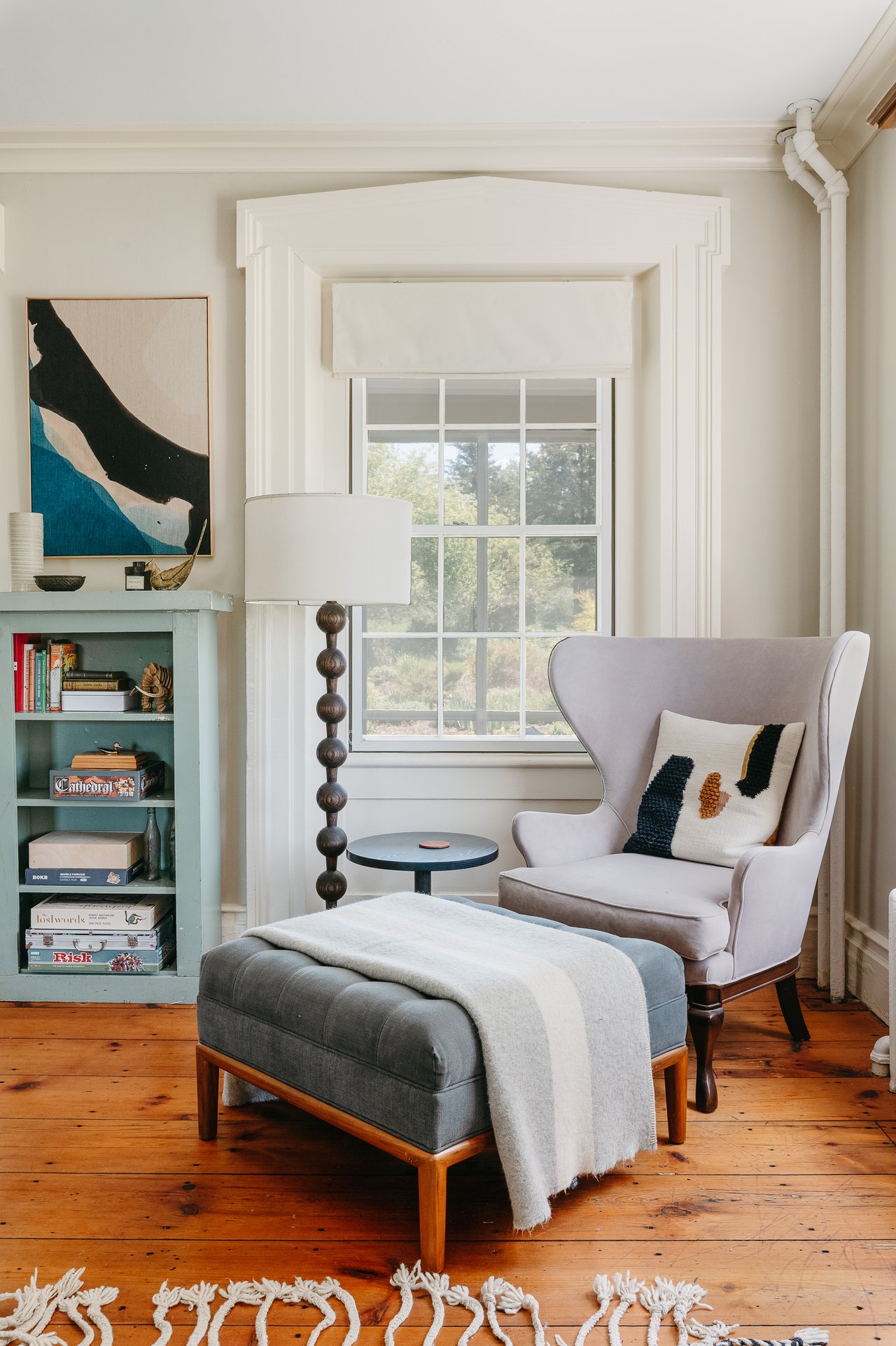
If you are drawn to older homes, New Paltz gives you real options, but it is smart to understand the rules early. The town’s Historic Preservation Commission can designate landmarks and historic districts, and owners of designated properties must get approval for exterior changes through a certificate-of-appropriateness process.
That does not make historic homes a bad choice. It simply means the ownership experience may include an extra layer of review if you plan exterior renovations. If preserved character is part of the appeal for you, this may feel like a fair trade. If you want broad renovation freedom, it is something to weigh before making an offer.
What counts as a second home
Financing rules matter more than many first-time buyers expect. According to Fannie Mae’s occupancy guidance, a second home must generally be a one-unit dwelling, occupied by you for part of the year, suitable for year-round use, and not treated as rental property or a timeshare.
That framework helps explain why the most straightforward second-home purchase is usually a standard single-family property bought for personal use. If your plan depends heavily on rental income from day one, the financing path may look very different.
Budget beyond the down payment
The most common budgeting mistake is thinking the down payment is the only major cash need. The Consumer Financial Protection Bureau says closing costs typically range from 2% to 5% of the purchase price. For a second home, that is on top of furnishing costs, travel, and any repairs or upgrades you want to make after closing.
It helps to think about your budget in layers:
- Down payment
- Closing costs
- Required cash reserves
- Initial furnishing and setup
- Repairs, updates, or maintenance items
When you plan this way, the purchase feels less surprising and more sustainable.
Reserve requirements matter
Second-home financing often comes with stricter reserve standards than buyers expect. Fannie Mae’s reserve requirements say Desktop Underwriter requires two months of reserves for a second-home transaction, with additional reserves possible if you already have multiple financed properties.
That is one reason a lender’s pre-approval is only part of the picture. You also want enough breathing room to own the property comfortably after closing, especially if you are balancing city housing costs and a second set of home expenses.
Do not count on rental income to qualify
This is one of the most important points for first-time second-home buyers. Fannie Mae states that rental income from a second home cannot be used to qualify for the loan. Even if you expect to rent the property occasionally, you should plan as though the home needs to work on its own financial terms.
That can actually be helpful. It pushes you toward a purchase that fits your real budget, not an optimistic future scenario.
What pricing tells you
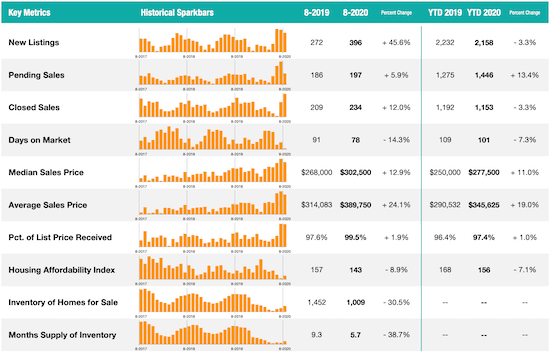
Headline price data can be useful, but it should not replace local, property-specific analysis. According to the research provided, Realtor.com reported a February 2026 median listing price of $639,000 for New Paltz, $606,500 for New Paltz Village, and $695,000 for ZIP code 12561, with a median of 115 days on market. Redfin reported a February 2026 median sale price of $675,000 and 74 median days on market.
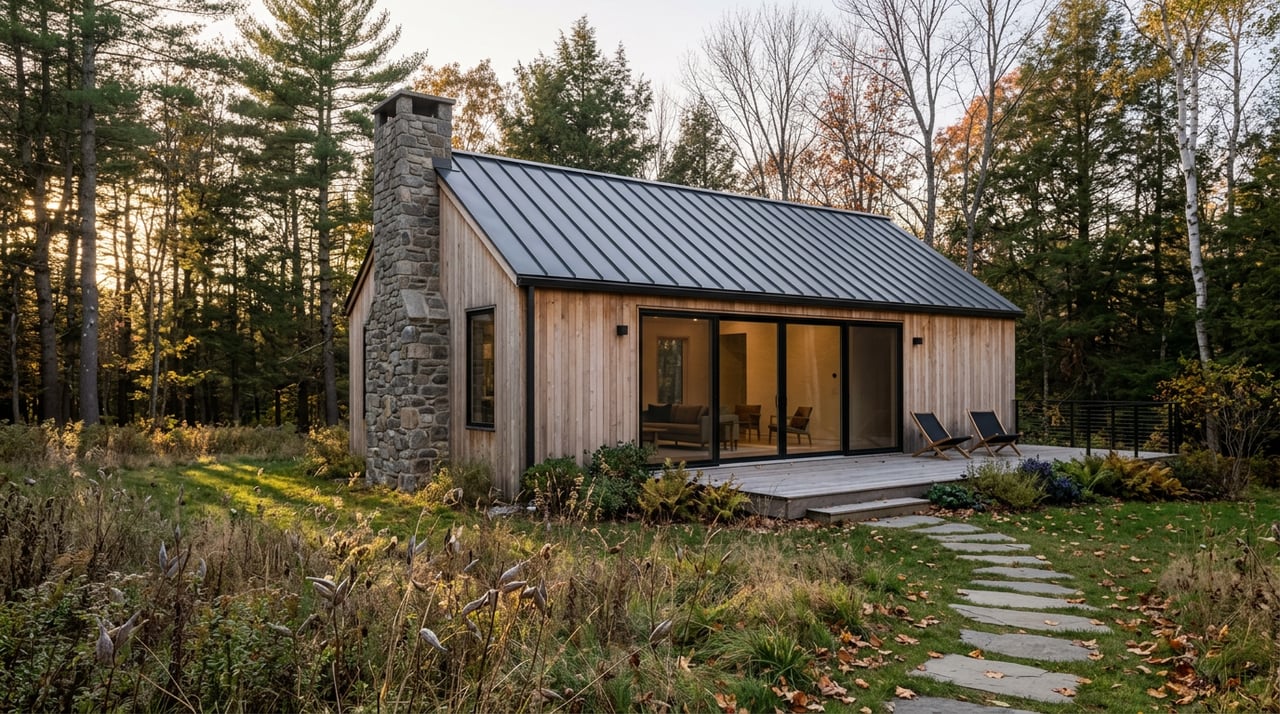
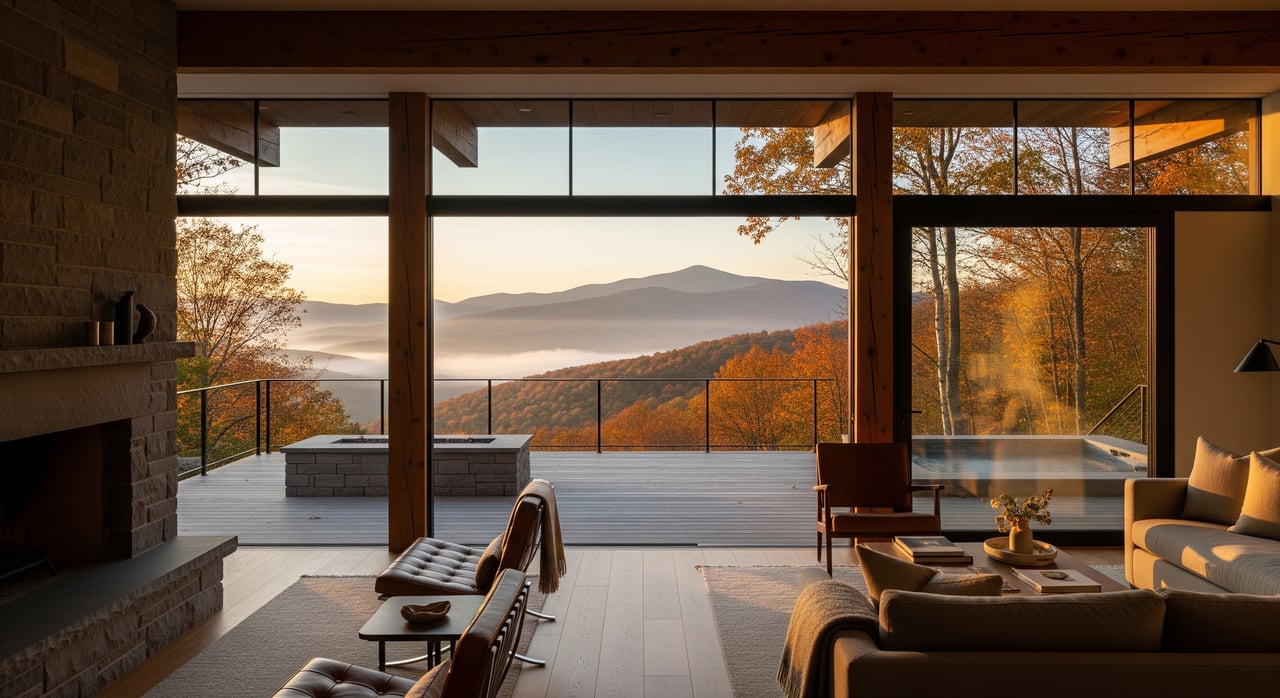
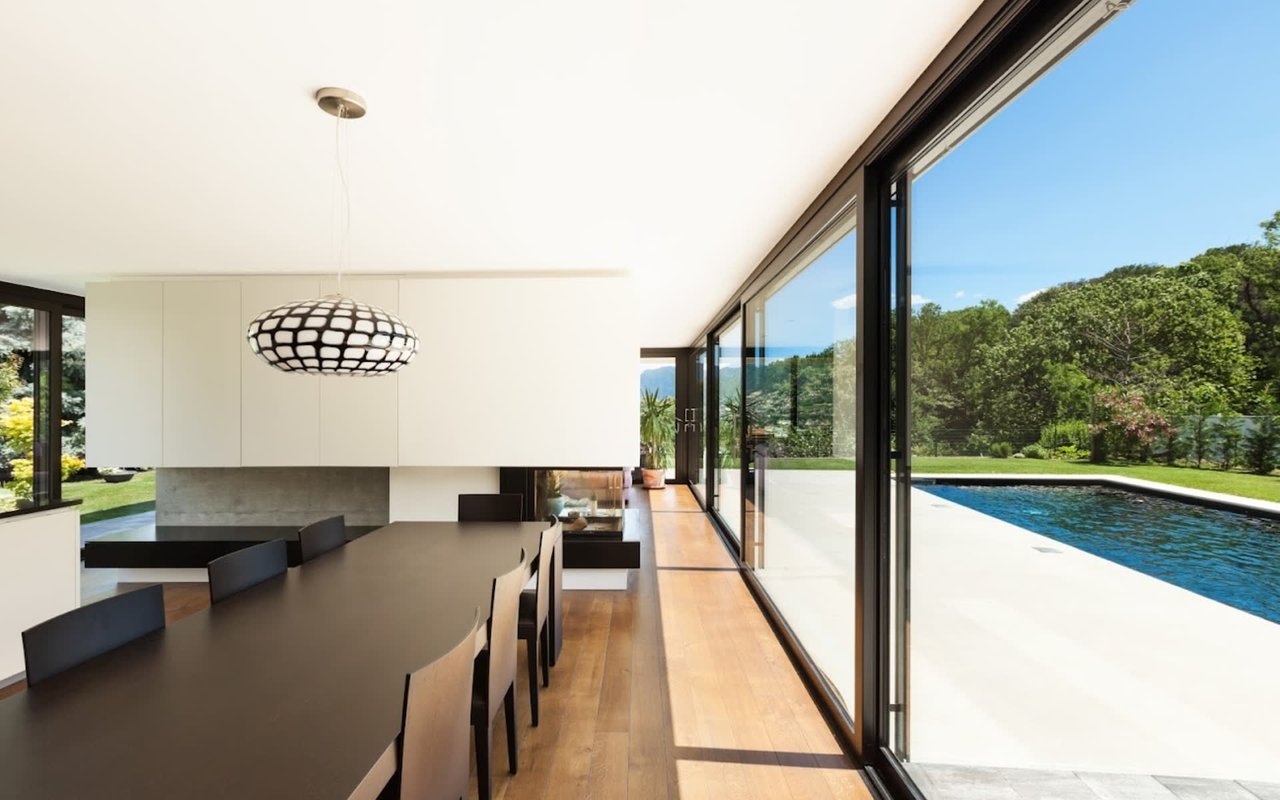
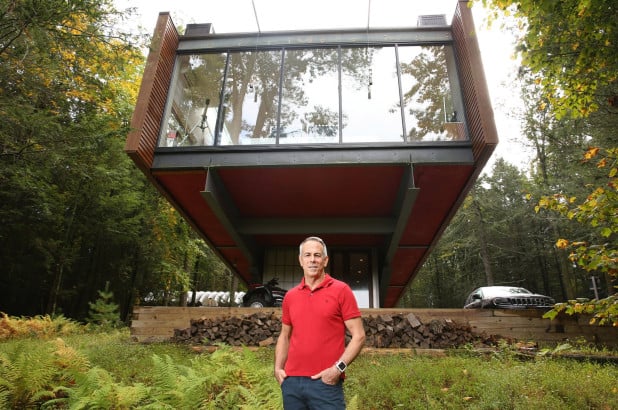
The practical takeaway is simple: New Paltz is active, but not uniform. A village house, a view property, and a more design-forward retreat may all behave differently. That is why comparable sales, property condition, and location-specific tradeoffs matter more than one market headline.
Rural due diligence matters
If you are looking outside the village, inspections and operating systems deserve extra attention. The EPA advises homebuyers to have septic systems inspected before purchase. The agency also notes that private well owners are responsible for providing safe drinking water to their households.
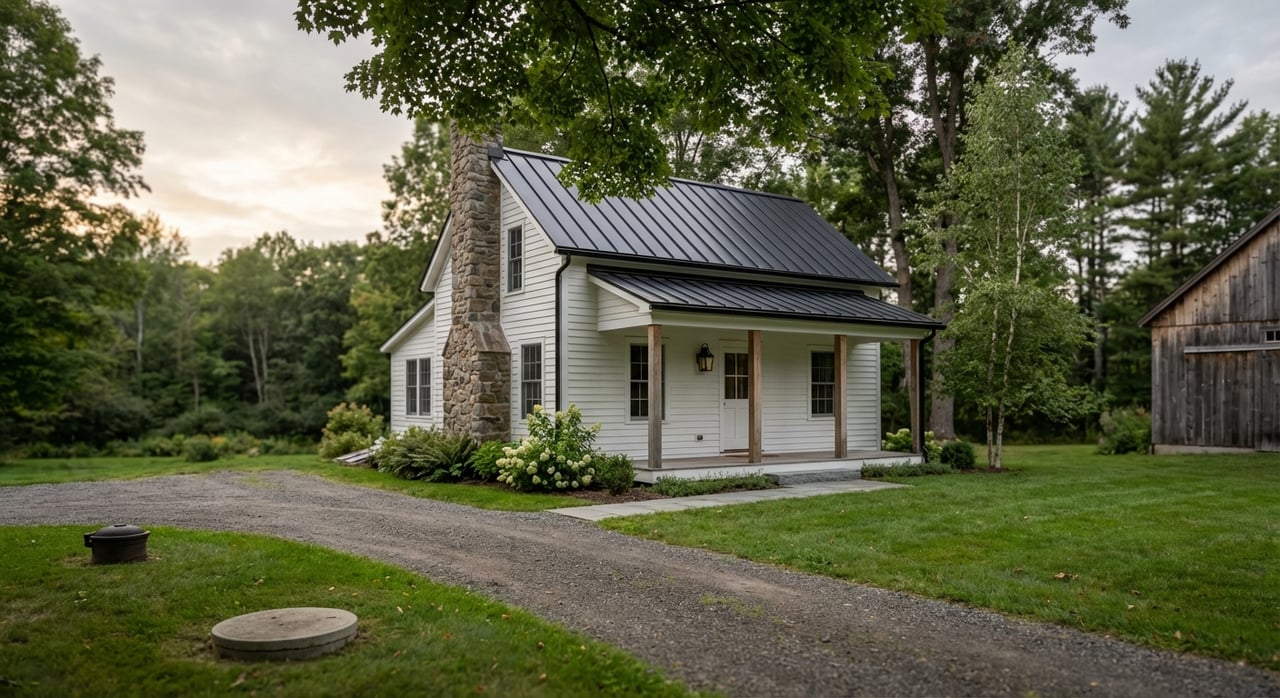
For a rural second home, those are not side issues. They are part of the core buying decision. Septic, well, and access questions should be part of your early budget and inspection plan, not something you figure out after contract.
Plan smart showing weekends
New Paltz is unusually convenient for a market with this much scenery. Because you can reach it by bus, rail connection, and local transit, you can structure your search in a focused way. One weekend might be about village properties and walkability, while another is about rural homes, views, and privacy.
That kind of search process can help you avoid a common mistake. Instead of falling for a house in isolation, you can evaluate whether the place actually fits your weekend routine, travel style, and long-term goals.
Think about resale early
Even if you plan to keep the home for years, resale should still shape your search. The town emphasizes that natural beauty, outdoor attractions, and views are central to New Paltz’s identity. Those same qualities often shape what future buyers respond to as well.
As you compare properties, pay attention to:
- Ease of access
- Privacy level
- Views and setting
- Property condition
- How easy the home is to use for a quick weekend
These are lifestyle factors, but they are also resale factors.
Rental rules affect future flexibility
If optional rental use is part of your long-term thinking, make sure you understand local requirements. The town’s rental registration form states that non-owner-occupied long-term and short-term rentals must be registered, while owner-occupied dwellings are exempt from the registration requirement.
That does not answer every future use question, but it does show why you should not assume every property carries the same rental flexibility. If future optional income matters to you, it is worth confirming local rules before you build that into your plan.
The right way to approach New Paltz
For first-time second-home buyers, New Paltz is best understood as an accessible, lifestyle-driven market. Its appeal comes from the combination of a real town center, practical regional access, and scenery that makes a short weekend feel restorative. It is not just about buying a country house. It is about buying a place you will actually use.
If you are comparing New Paltz with other Hudson Valley options, a focused strategy can make the process much clearer. Joseph Satto can help you weigh village versus rural settings, understand second-home tradeoffs, and search with the kind of local perspective that makes a weekend place feel like the right long-term fit.
FAQs
What makes New Paltz appealing for first-time second-home buyers?
- New Paltz offers a rare mix of village convenience, outdoor access, and practical connections from the New York City area, which can make weekend ownership easier to use and enjoy.
How can you get to New Paltz from New York City for showings?
- You can reach New Paltz by Trailways bus, or take Metro-North to Poughkeepsie and connect through local transit, which makes car-light trips more realistic than in many rural markets.
What types of homes do first-time second-home buyers compare in New Paltz?
- Many buyers compare walkable village homes with more private rural properties, balancing convenience against scenery, land, and privacy.
What financing rules apply to a second home in New Paltz?
- Fannie Mae says a second home generally must be a one-unit, year-round dwelling that you occupy for part of the year, and rental income from that property cannot be used to qualify for a second-home loan.
How much cash should you budget beyond a down payment for a New Paltz second home?
- You should budget for closing costs, reserve requirements, furnishings, and possible repairs or upgrades, with CFPB noting that closing costs typically range from 2% to 5% of the purchase price.
What extra due diligence should you plan for a rural New Paltz property?
- For homes outside the village core, you should plan early for septic inspection, private well considerations, and other rural access or maintenance issues as part of your inspection and budgeting process.
How do historic rules affect buying an older home in New Paltz?
- If a property is designated as a landmark or located in a historic district, exterior changes may require approval through the town’s Historic Preservation Commission.
Why should resale matter when buying a first second home in New Paltz?
- Resale matters because future buyers often value the same things you do, including access, privacy, views, condition, and how easy the home is to enjoy on a quick weekend.