If you are looking for a Hudson Valley village that feels genuinely small, easy to navigate, and full of character, Tivoli stands out fast. Some places promise river-town charm but still feel busy or spread out. Tivoli feels different because the scale is compact, the cultural life is real, and the natural setting is part of your everyday routine. If you are wondering what it is actually like to live in Tivoli’s river village, this guide will help you picture the pace, places, and personality. Let’s dive in.
Tivoli feels compact and walkable
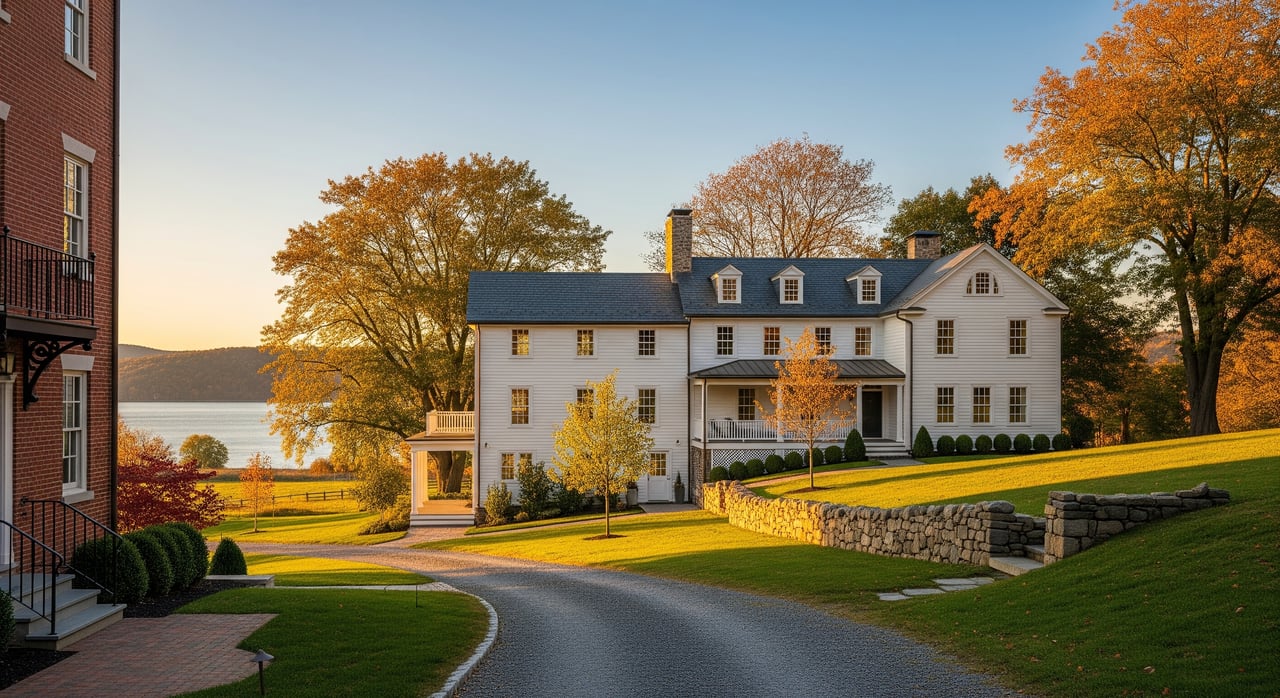
Tivoli is a small Hudson River village in Dutchess County with about 1,100 residents across 1.8 square miles. The village sits on the banks of the Hudson and has views of the Catskills, which gives it an unmistakable sense of place despite its modest size.
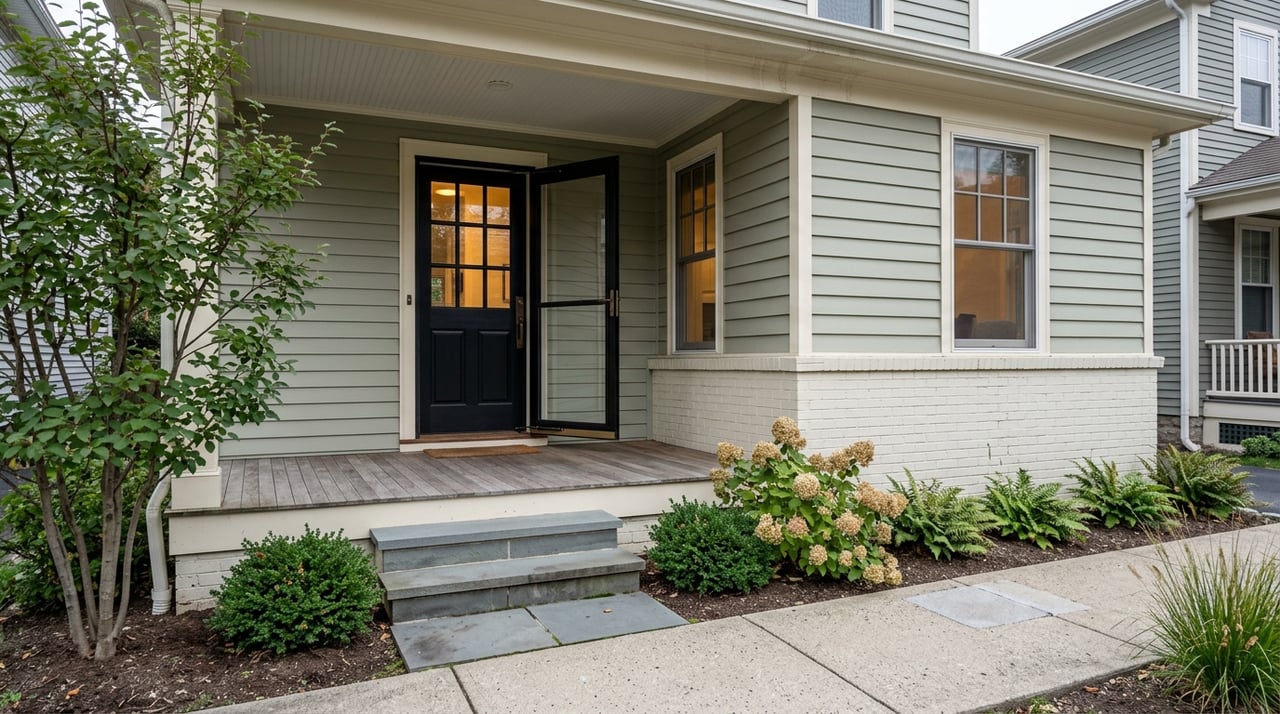
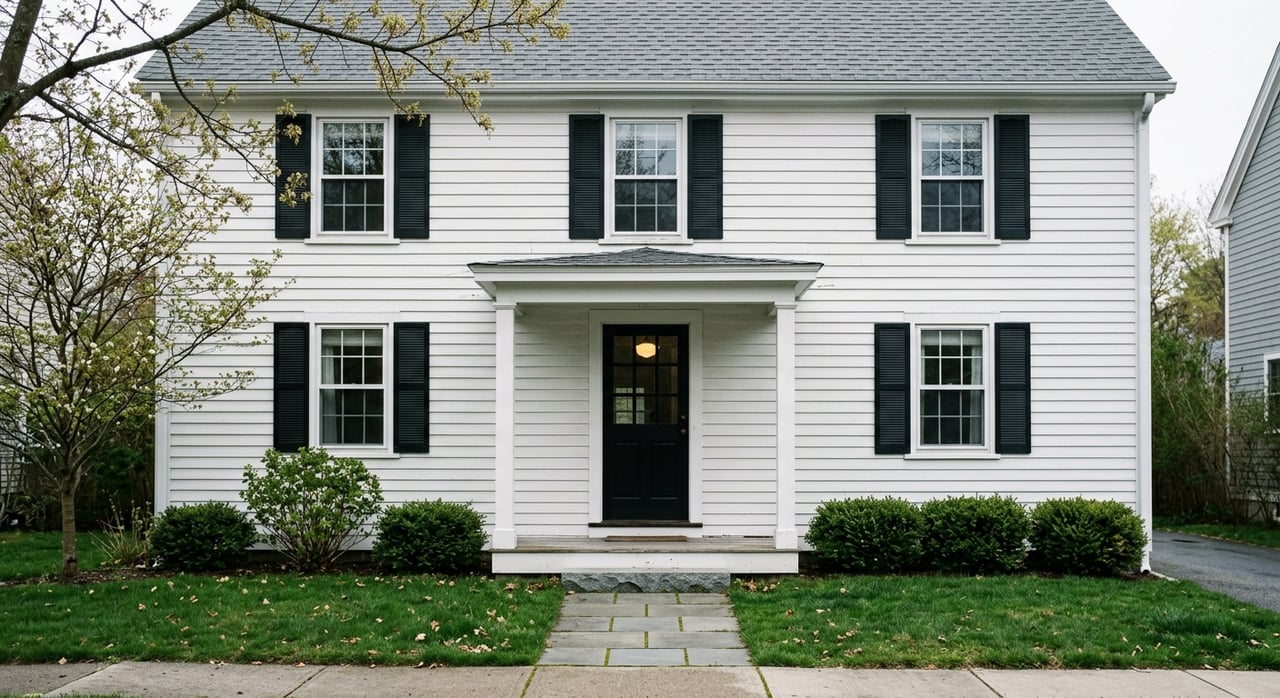
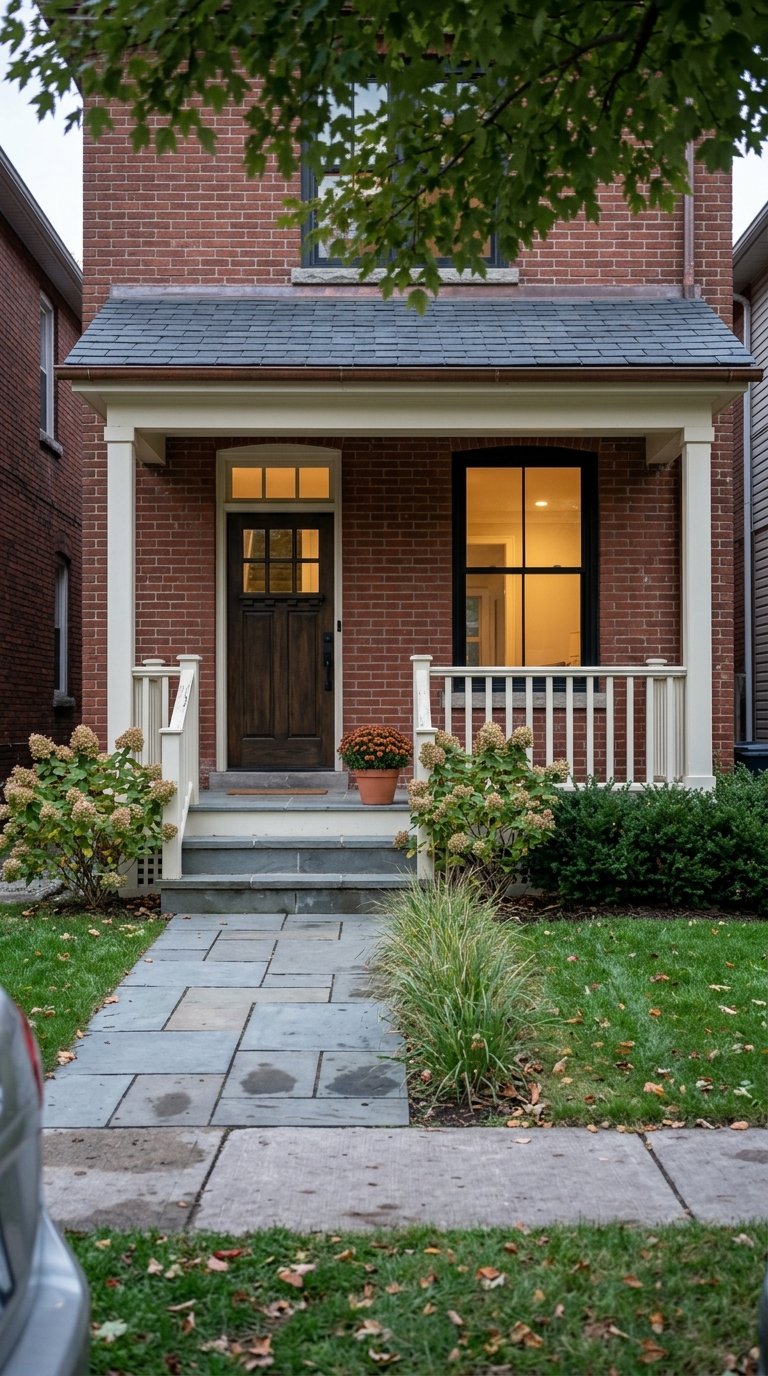
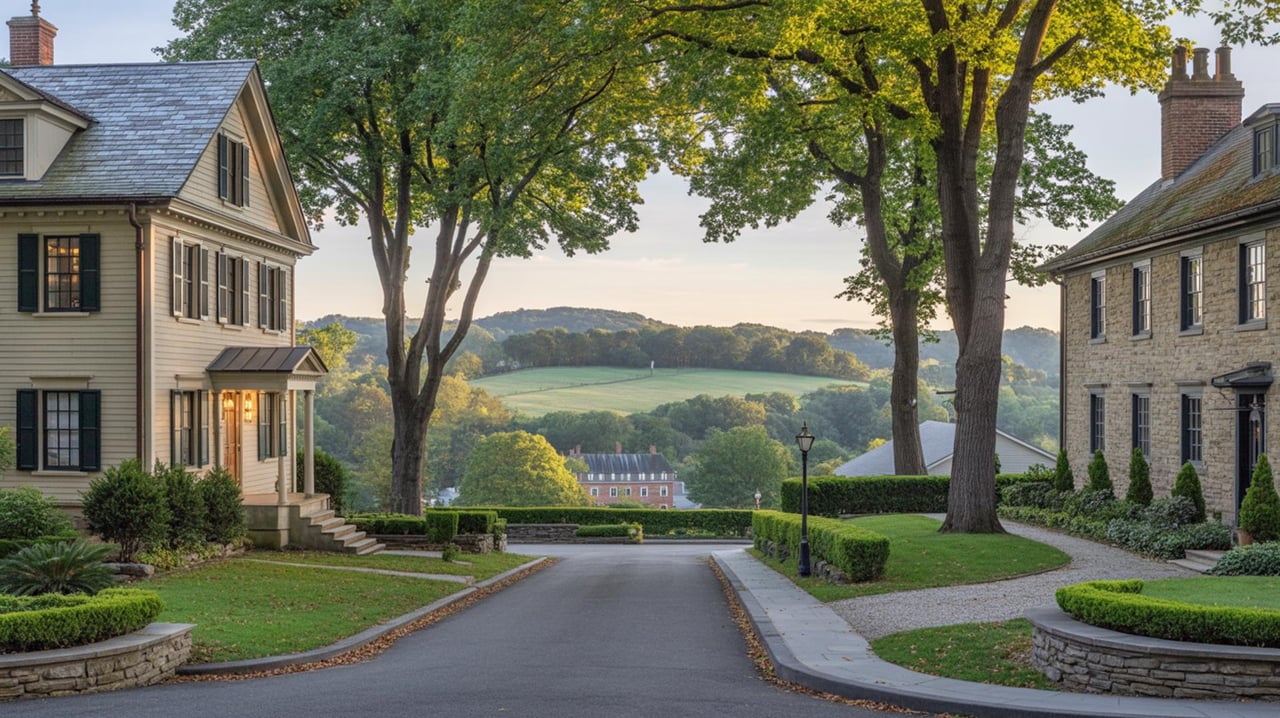
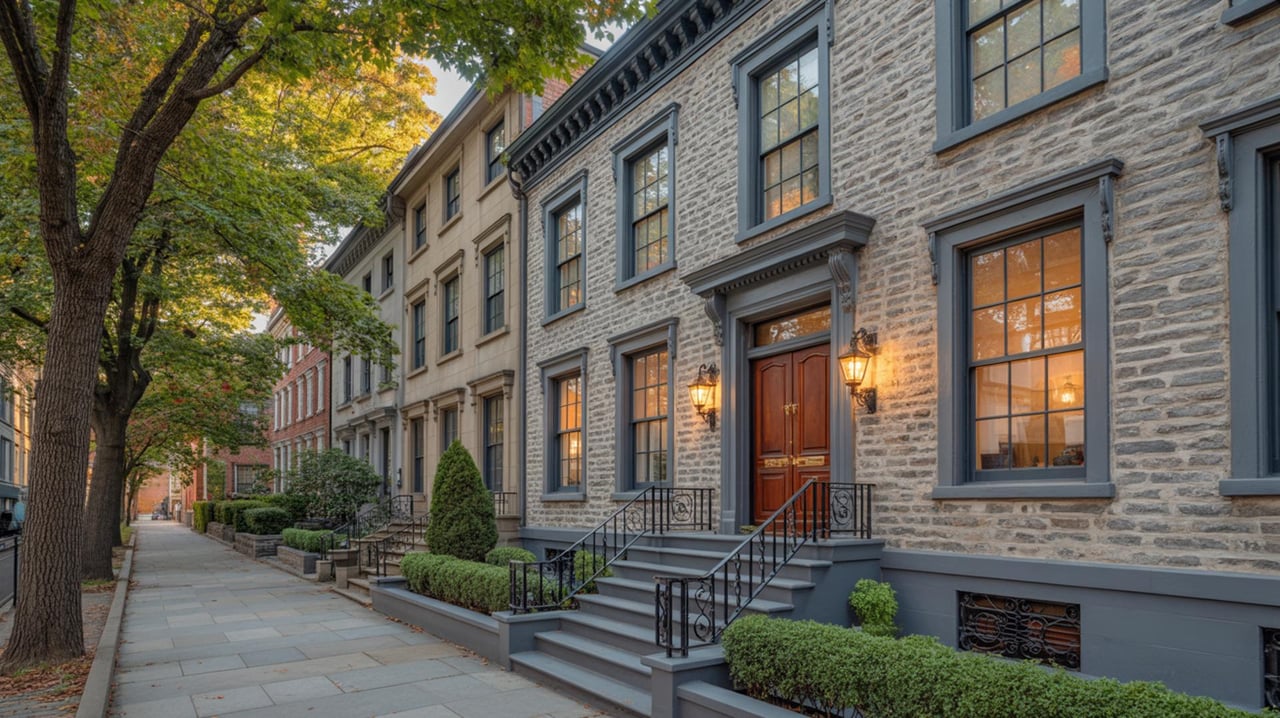
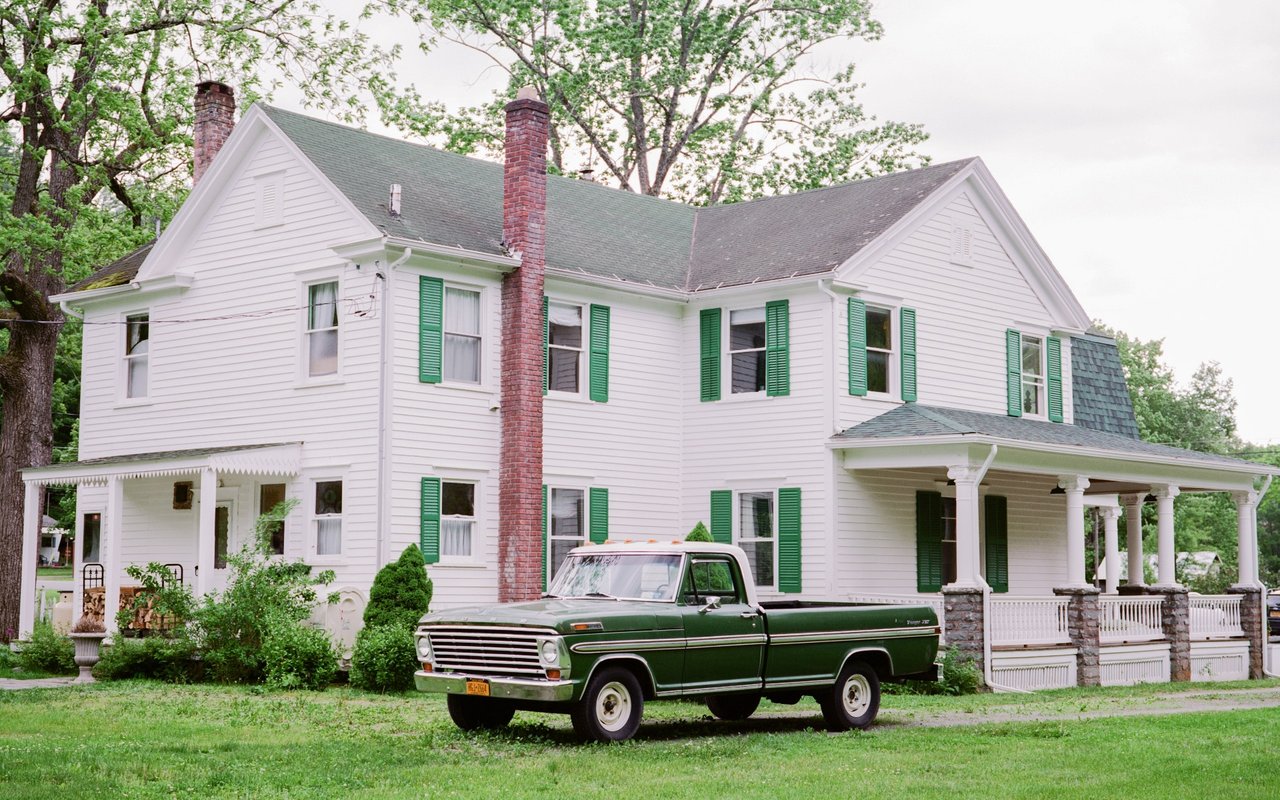
That small footprint shapes daily life in a big way. Tivoli is the kind of place that feels legible on foot, with tree-lined streets, historic homes, and a village center that is easy to understand after just a visit or two. If you want a setting where you can quickly get your bearings, Tivoli delivers that almost immediately.
The village center is about a mile from the river, and Memorial Park sits just one block off Main Street. That layout helps Tivoli feel both connected and calm. You are never too far from the village core, but you also do not feel boxed into a single strip of activity.
Broadway sets the daily rhythm
In many small towns, the main street is mostly functional. In Tivoli, Broadway feels more like the social and cultural heartbeat of the village. The village itself describes the core as a place with restaurants, cafes, an art gallery, theater, shops, and a classic general store.
That mix matters because it gives the village a destination feel rather than an errand-only feel. You are not just going into town to check off a task. You are going because the street has atmosphere, familiar faces, and enough variety to make everyday life feel interesting.
Several well-known spots help shape that experience. Hotel Tivoli anchors the historic center in a century-old building, while The Corner brings a seasonal Mediterranean-inspired menu with locally sourced ingredients. GioBatta adds an Italian option on Broadway, and Traghaven contributes live music, trivia, karaoke, and a lively bar scene.
Tivoli Artists Gallery adds another layer to the street. Its presence helps explain why Tivoli often feels arts-forward even though it is so small. For many buyers, that balance of village intimacy and cultural texture is a big part of the appeal.
Arts and culture are part of life here
One of the most distinctive things about living in Tivoli is that cultural programming feels unusually strong for a village of this size. You are not relying on occasional seasonal activity alone. There is a steady current of events and institutions nearby that shapes the mood year-round.
Kaatsbaan Cultural Park is a major part of that story. Its programming includes residencies, outdoor festivals, educational offerings, and seasonal events, and the site is open to the public on weekdays. That gives Tivoli a creative energy that feels larger than the village itself.
Bard College adds another layer just nearby in Annandale-on-Hudson. The campus hosts lectures, concerts, and exhibitions, while the Fisher Center presents more than 200 events annually and welcomes around 50,000 visitors each year. Bard Conservatory also contributes a wide season of recitals, opera, chamber music, orchestral concerts, and festivals.
For you as a resident, that means access to meaningful arts programming without having to build your week around a larger city center. You can live in a quieter place and still have real cultural options close at hand. That is one of Tivoli’s clearest lifestyle advantages.
Nature is woven into everyday routines
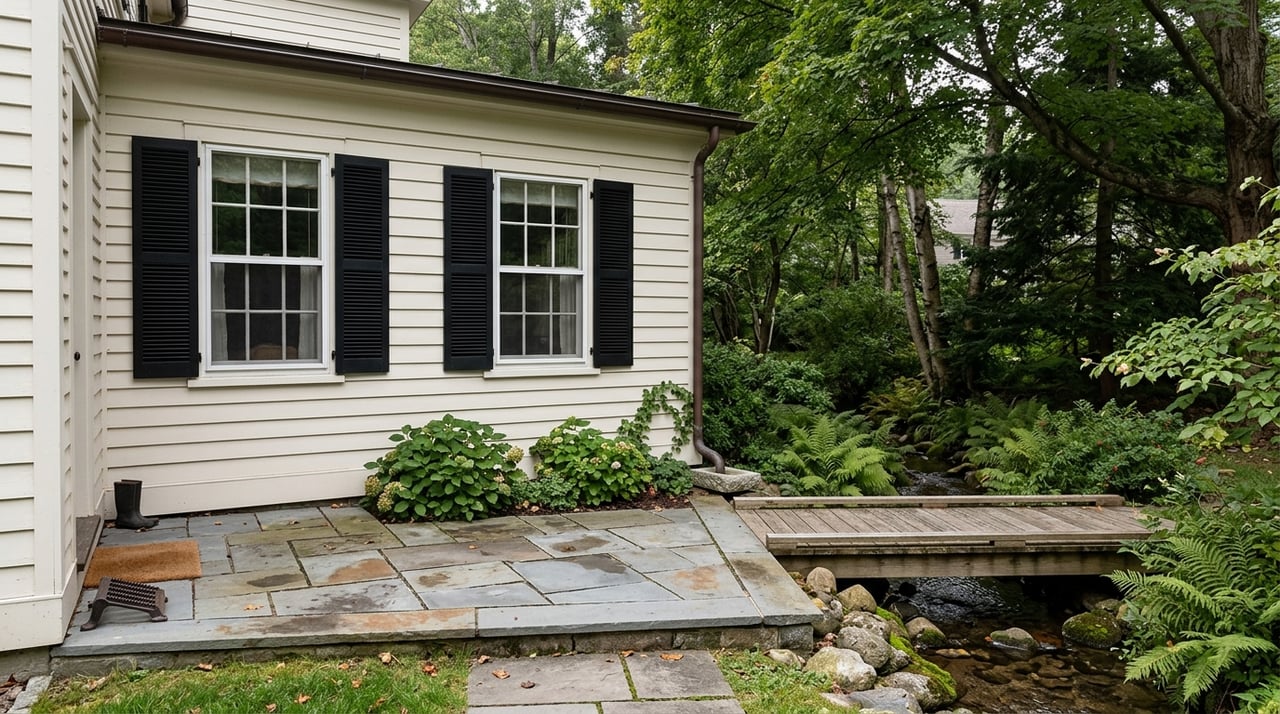
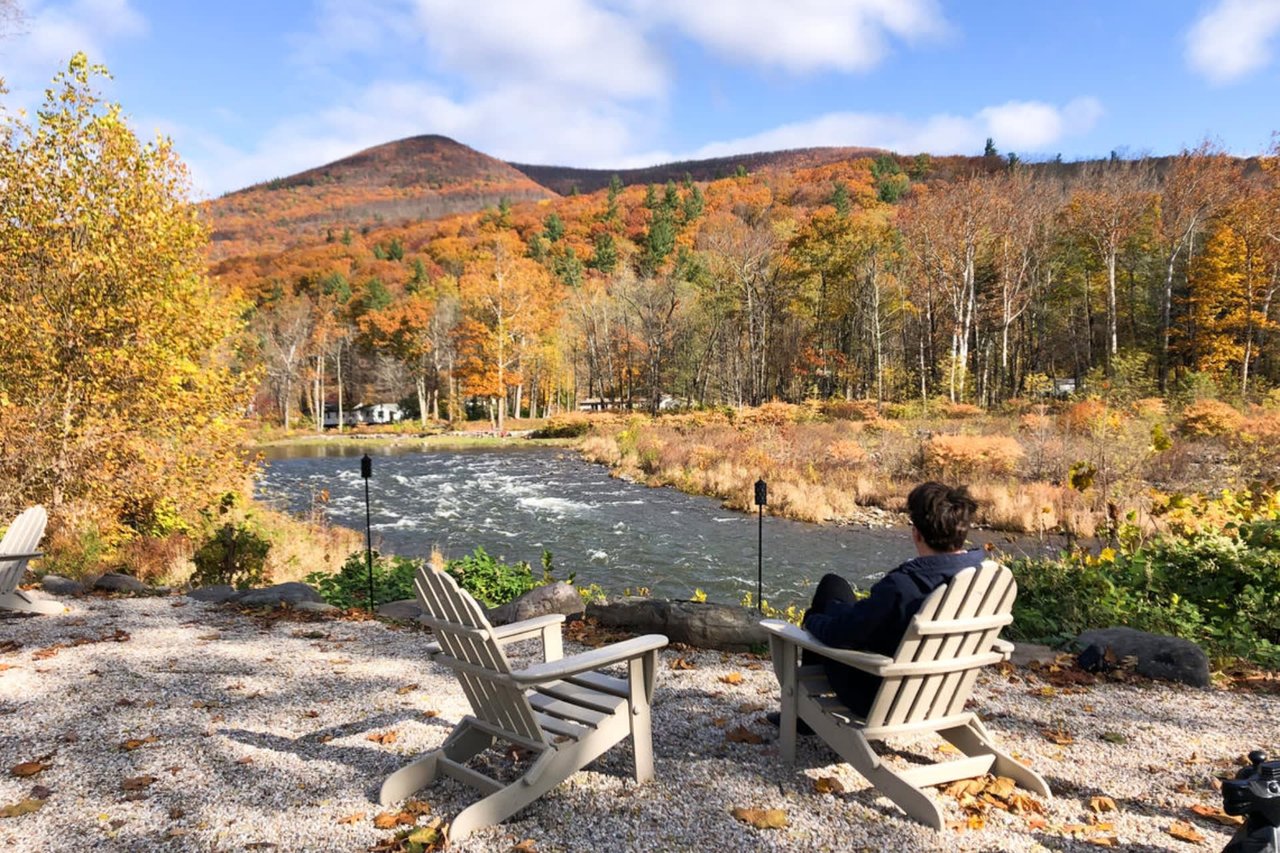
Tivoli’s river setting is not just scenic background. It is part of how people spend time here. The most important natural amenity is Tivoli Bays, which extends two miles along the east shore of the Hudson between Tivoli and Barrytown.
According to the New York State Department of Environmental Conservation, Tivoli Bays includes a large intertidal marsh, a shallow cove with mudflats, extensive hiking trails, and a canoe launch. There are also free public canoe programs in summer. That gives you a direct connection to the Hudson estuary that feels both local and expansive.
Tivoli Bays is also part of the National Estuarine Research Reserve System. In practical terms, that reinforces what residents already feel when they spend time there: this is not generic open space. It is a protected and studied natural landscape with ecological importance and a distinctly river-oriented identity.
The village also points residents toward the trail behind Village Hall for access to Tivoli Bays. In addition, you have the waterfront at Broadway and Friendship Street, which gives another point of contact with the river and helps keep the waterfront part of local life.
Memorial Park adds everyday recreation
For a village this small, Tivoli offers a useful range of local recreation. Memorial Recreation Park includes a playground, pavilion, basketball court, skate ramp, community garden, and baseball field. That mix supports both casual use and regular routines.
This matters because livability is often about the small things close to home. A park one block off Main Street changes how a village works for a lot of people. It creates an easy outlet for fresh air, movement, and community activity without requiring a bigger outing.
The Tivoli Free Library also supports daily life in practical ways, including public computers and internet access. For remote workers, part-time residents, and anyone who values a flexible local routine, those simple resources can be more meaningful than they first appear.
The pace is low-key, not sleepy
Tivoli’s mood is best described as compact, cultured, river-oriented, and low-key. That does not mean there is nothing happening. It means the activity is scaled to the village rather than pushed to an urban tempo.
You may notice that Tivoli attracts people who want a quieter base without giving up character or stimulation. The village’s size, walkability, arts calendar, and access to nature make it especially appealing if you value a thoughtful routine over constant motion.
In that sense, Tivoli often resonates with buyers looking for a second home, a weekend place, or a full-time move that still feels connected to creative life. It offers a softer landing than a larger commercial center, while still giving you places to go and things to do.
Tivoli works well for city-to-country buyers
If you are coming from New York City, Tivoli can feel like a meaningful shift without feeling remote in spirit. The village has the kind of built-in identity that many buyers hope to find when they start exploring Hudson Valley towns. It feels specific, not interchangeable.
The nearby Rhinecliff Amtrak station helps keep the area connected. Located on the Hudson bluff in a 1914 station building, it is an important part of the broader convenience story for people balancing city and country life.
That combination of village charm, arts access, and transportation proximity helps explain Tivoli’s appeal to second-home buyers and lifestyle-minded relocators. You can spend time here in a way that feels restorative, but still remain connected to a broader regional and city orbit.
What living in Tivoli really comes down to
At its core, living in Tivoli is about choosing a smaller stage with a strong sense of place. You are trading scale for texture, convenience for intimacy, and constant activity for a more deliberate rhythm. For the right buyer, that trade feels less like a compromise and more like the point.
What makes Tivoli memorable is not one landmark or one amenity. It is the way Broadway, Tivoli Bays, Memorial Park, Kaatsbaan, and nearby Bard all work together to create a village life that feels unusually complete for its size.
If you are searching for a Hudson Valley village that is walkable, culturally active, and tied closely to the river landscape, Tivoli deserves a close look. And if you want help understanding how Tivoli fits into the broader Dutchess County and Hudson Valley market, Joseph Satto can help you evaluate the lifestyle, the housing stock, and the opportunities with a clear local perspective.
FAQs
What is daily life like in Tivoli, NY?
- Daily life in Tivoli is centered around a compact, walkable village core, with Broadway serving as the main hub for dining, shopping, and casual social time.
What makes Tivoli different from other Hudson Valley villages?
- Tivoli stands out for its small scale, strong arts presence, Hudson River setting, and access to Tivoli Bays, Kaatsbaan Cultural Park, and nearby Bard College programming.
Is Tivoli, NY good for second-home buyers?
- Tivoli can be a strong fit for second-home buyers who want a quiet, low-key village with cultural activity, outdoor access, and nearby rail connectivity through Rhinecliff.
Are there outdoor activities near Tivoli, NY?
- Yes. Tivoli Bays offers hiking trails, a canoe launch, and summer canoe programs, and Memorial Recreation Park includes a playground, basketball court, skate ramp, community garden, and baseball field.
Is Tivoli, NY walkable?
- Tivoli’s small size and clear village layout make it feel highly walkable, especially around the village center, Broadway, Memorial Park, and local civic spaces.
What kind of atmosphere does Tivoli, NY have?
- Tivoli has a compact, cultured, river-oriented, and low-key atmosphere, with a balance of historic village character, creative energy, and easy access to nature.