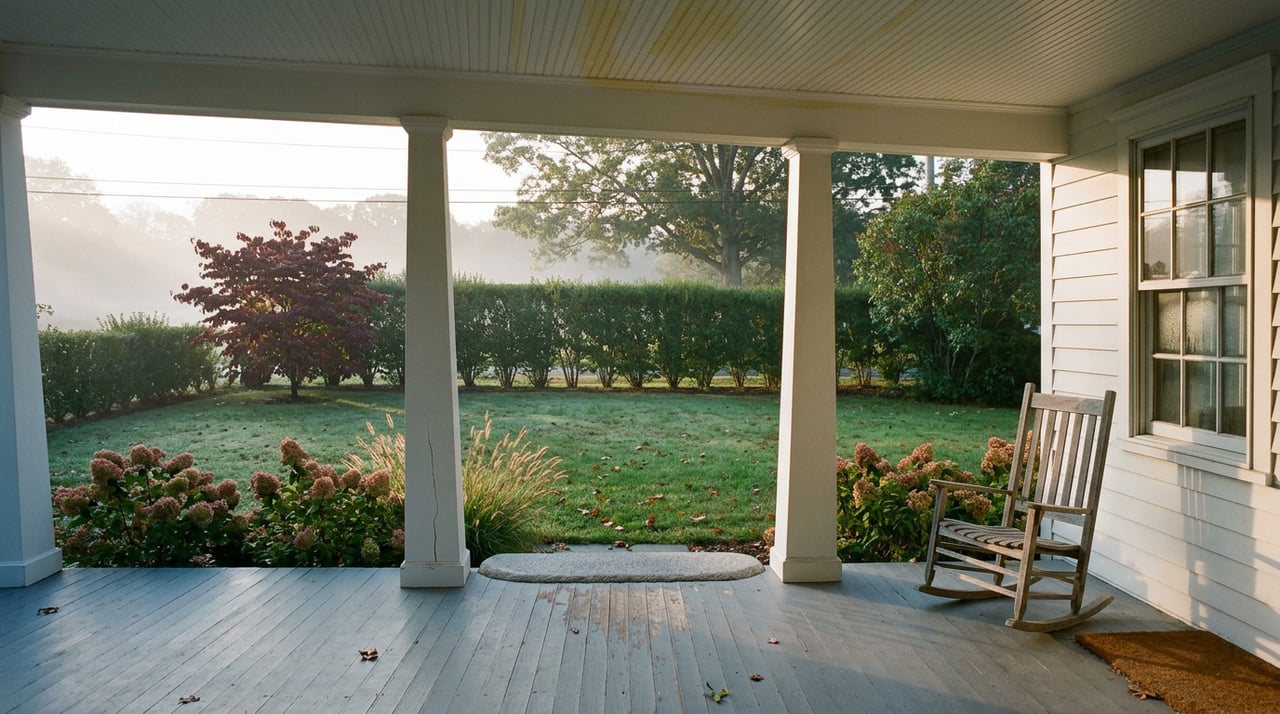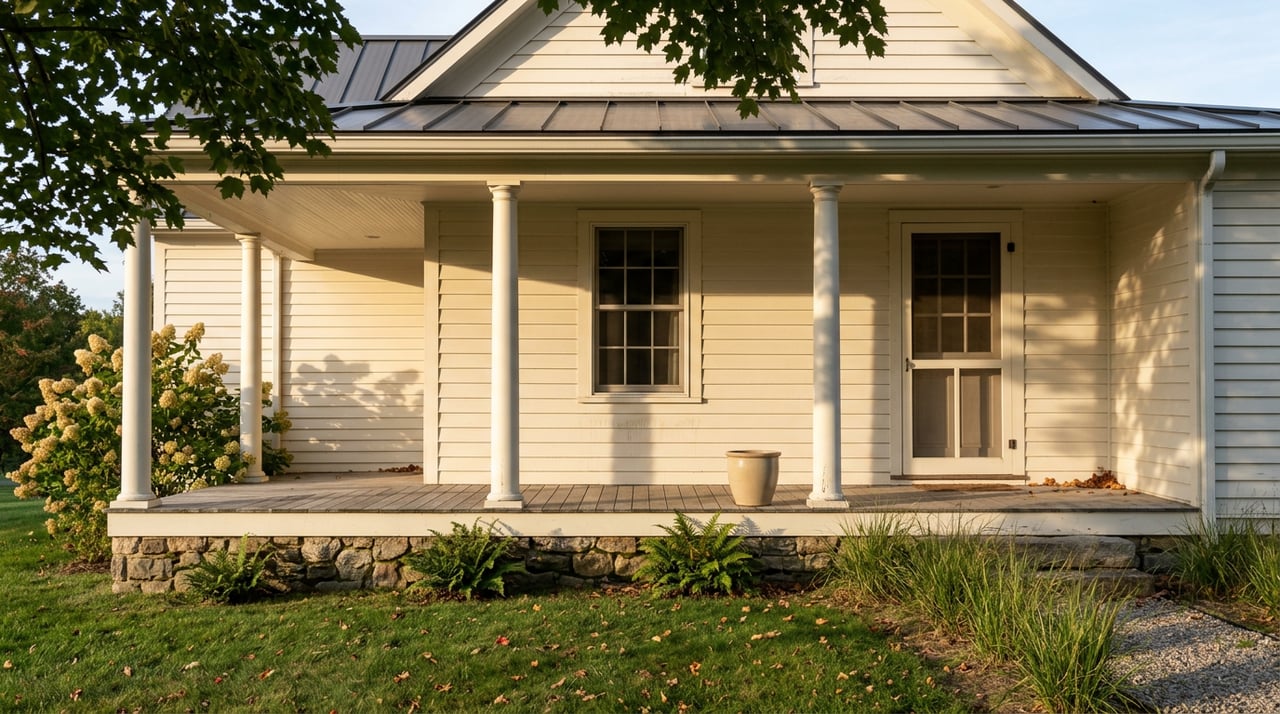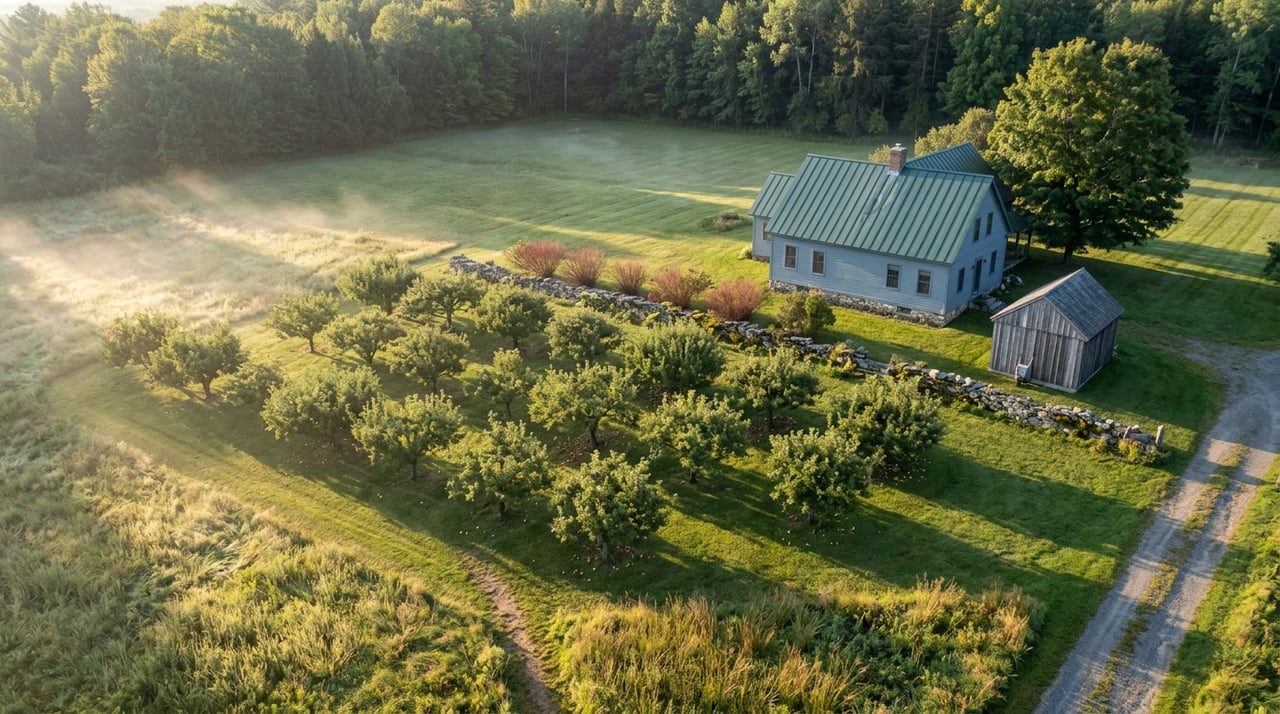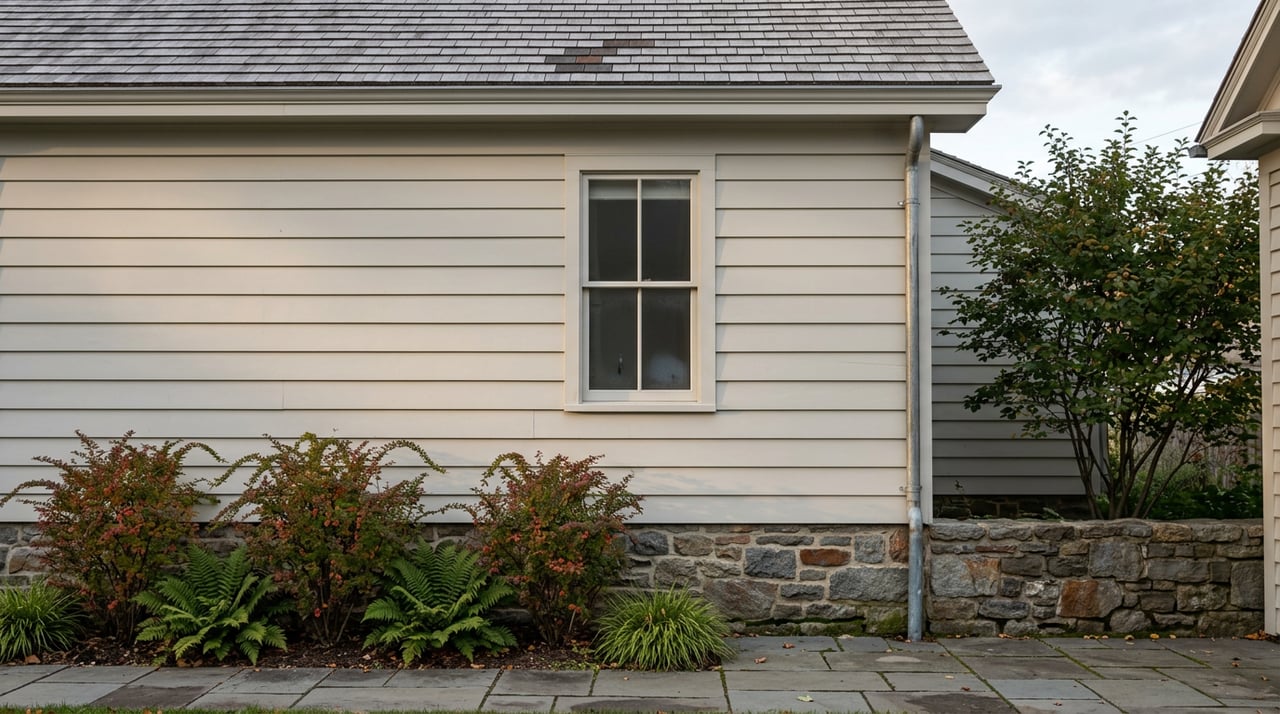
If you are a city family dreaming about more room without giving up a sense of culture, Red Hook has a way of standing out fast. It offers a compact village center, broad rural landscapes, and a strong arts presence that feels unusual for a small Hudson Valley town. If you are weighing a full-time move or a lifestyle shift, this guide will help you understand what Red Hook actually offers day to day. Let’s dive in.
Why Red Hook draws city families
Red Hook often lands on New York City family shortlists because it offers both breathing room and structure. In 2024, the town had 11,198 residents, with 19.7% under age 18, and 76.5% of homes were owner-occupied. That points to a place with an established residential base rather than a purely weekend-market feel.
The town also shows signs of long-term stability. The median value of owner-occupied homes was $430,000, and the mean travel time to work was 26 minutes. For many buyers, that suggests a town where people are not just visiting, but building everyday routines.
Red Hook’s planning outlook matters too. The town’s current comprehensive plan update focuses on balancing growth with rural and historic character while preserving agricultural land and natural resources. If you are looking for a place that wants to evolve without losing what makes it distinct, that goal is worth noting.
What makes Red Hook different
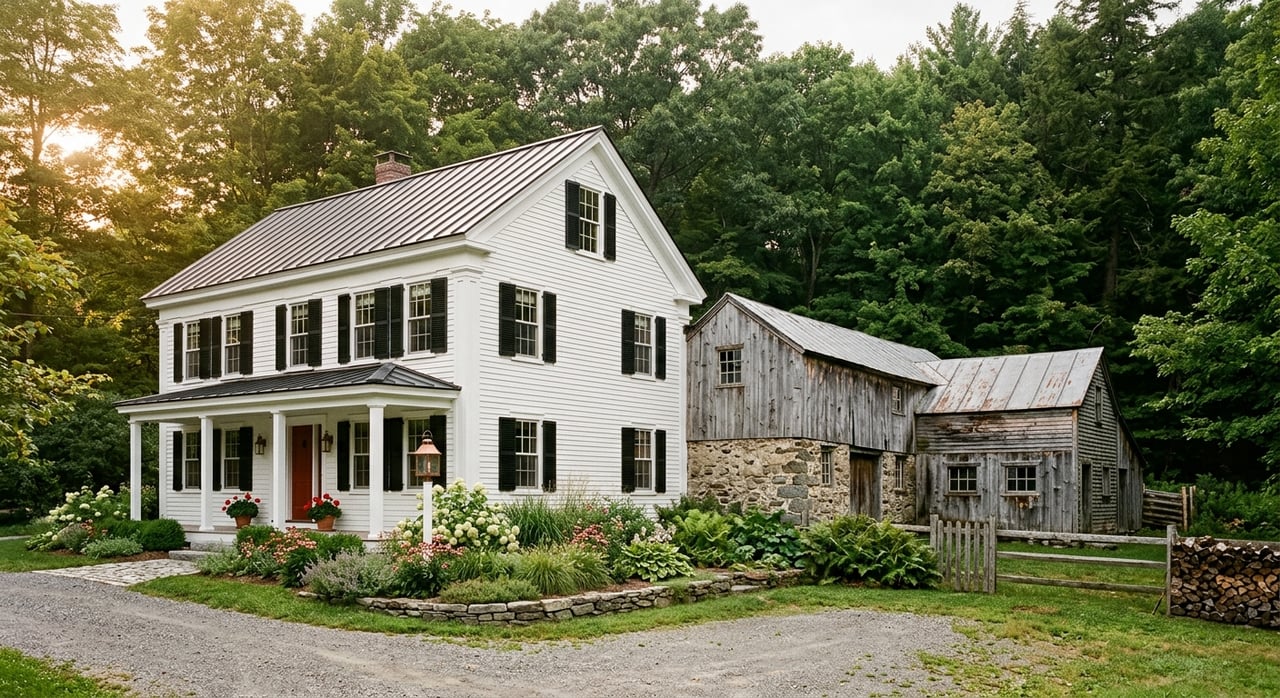
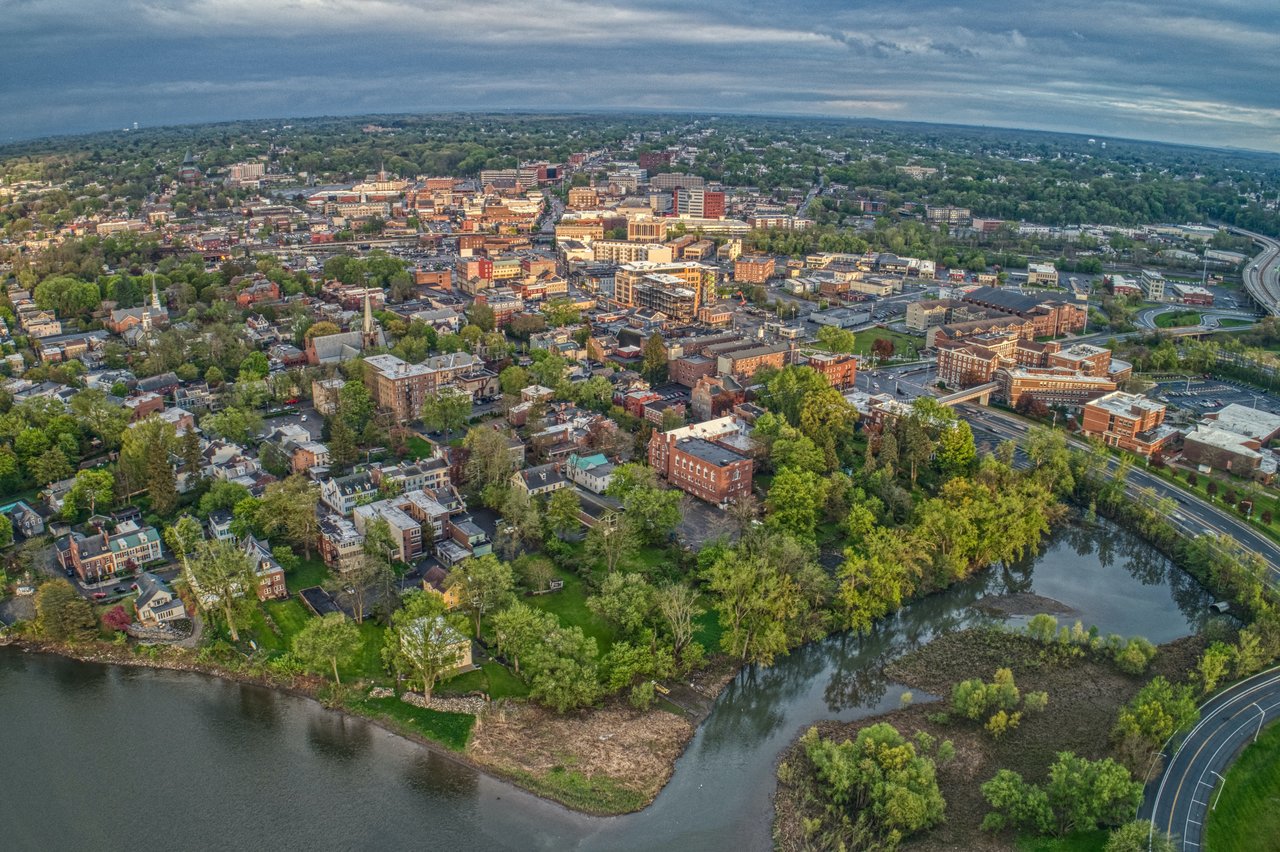
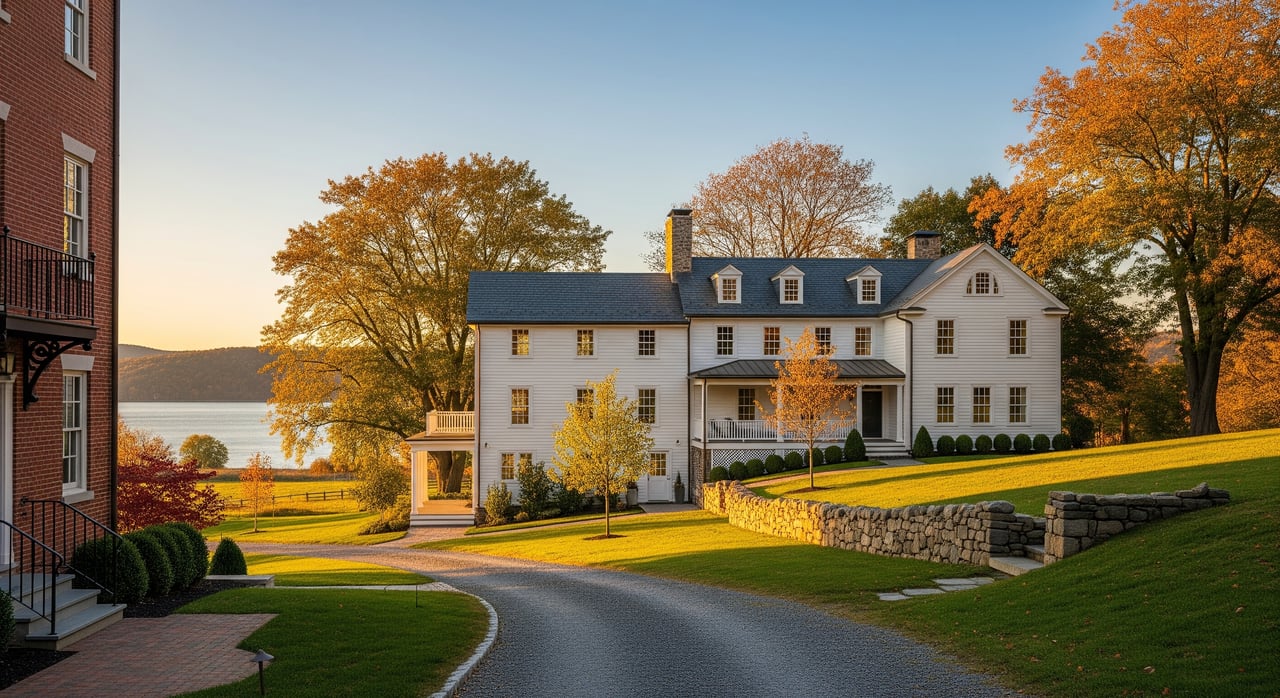
Many Hudson Valley towns offer either a charming main street or countryside acreage. Red Hook offers both in a more pronounced way. County planning materials describe the village as the commercial and civic center of the town, while the surrounding unincorporated areas remain more rural and estate-like.
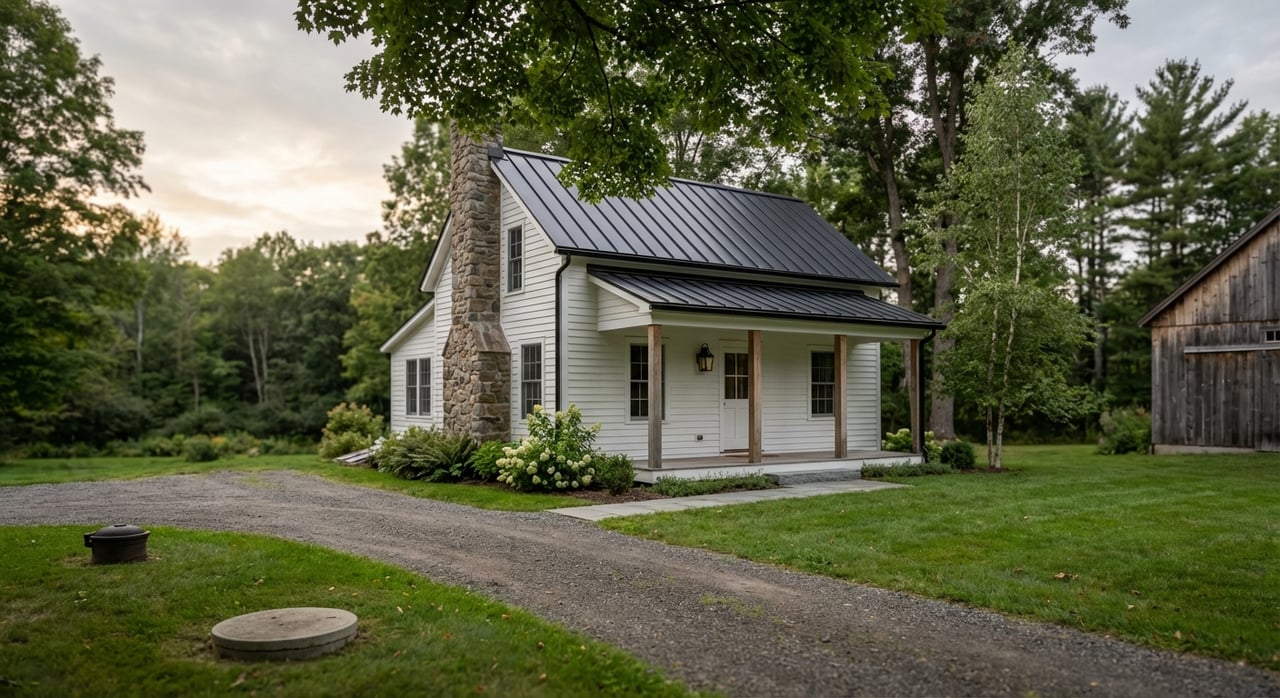
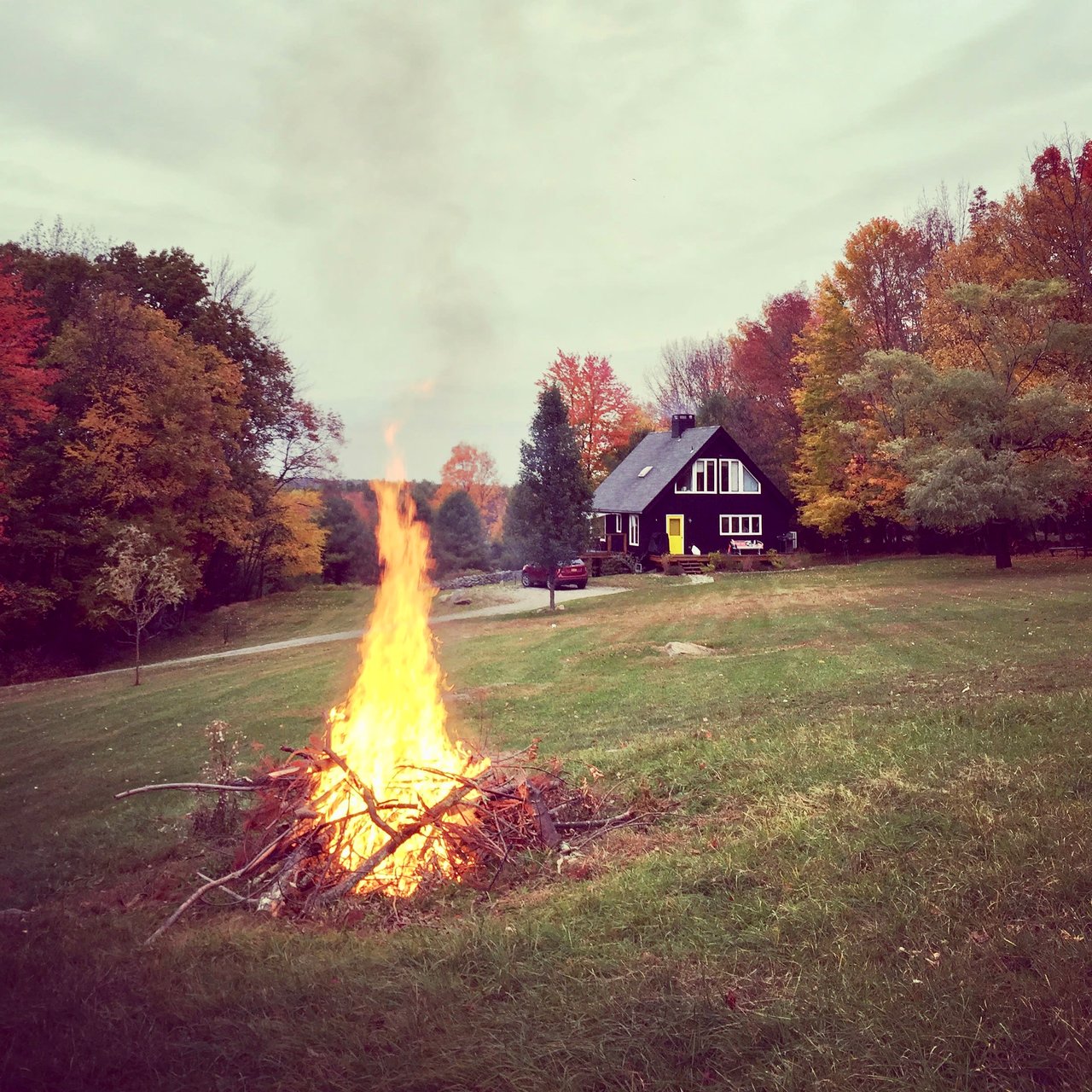
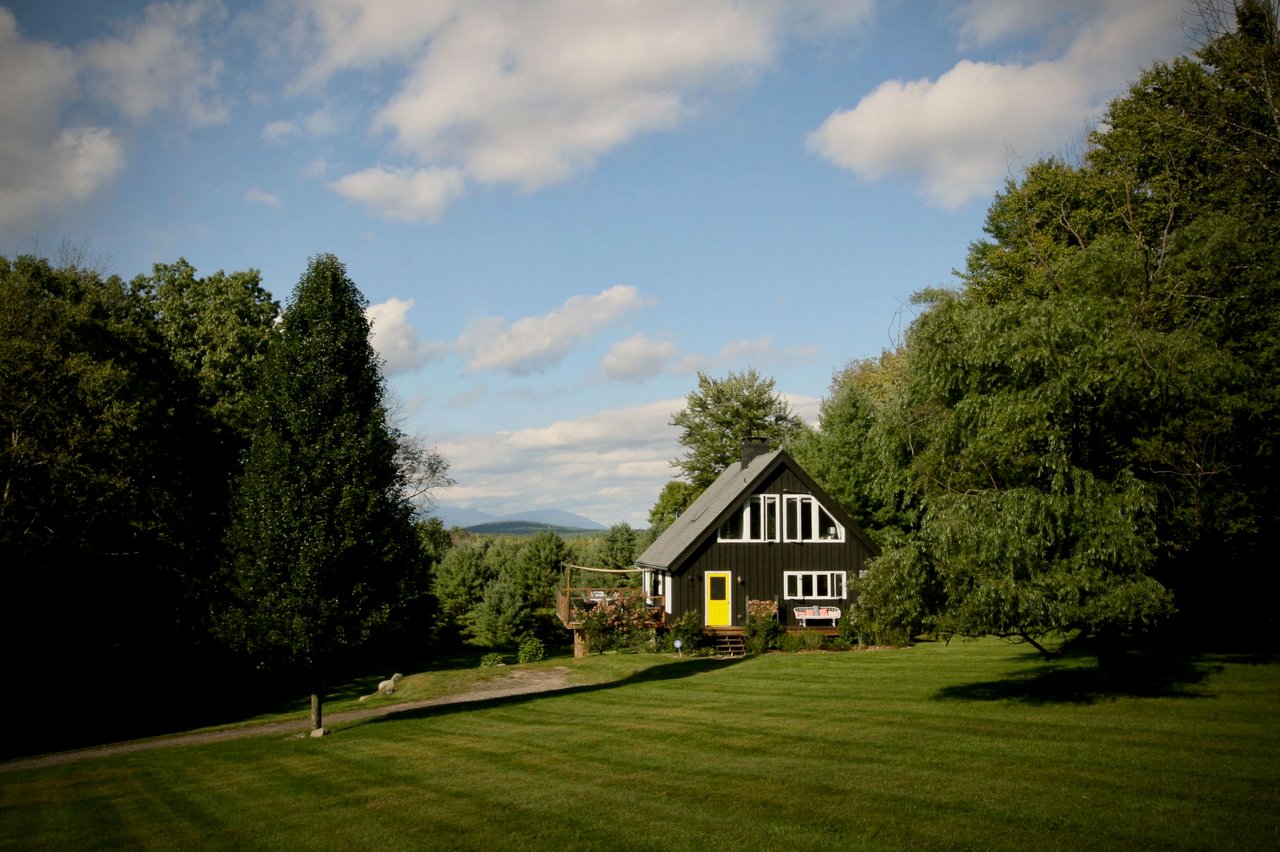
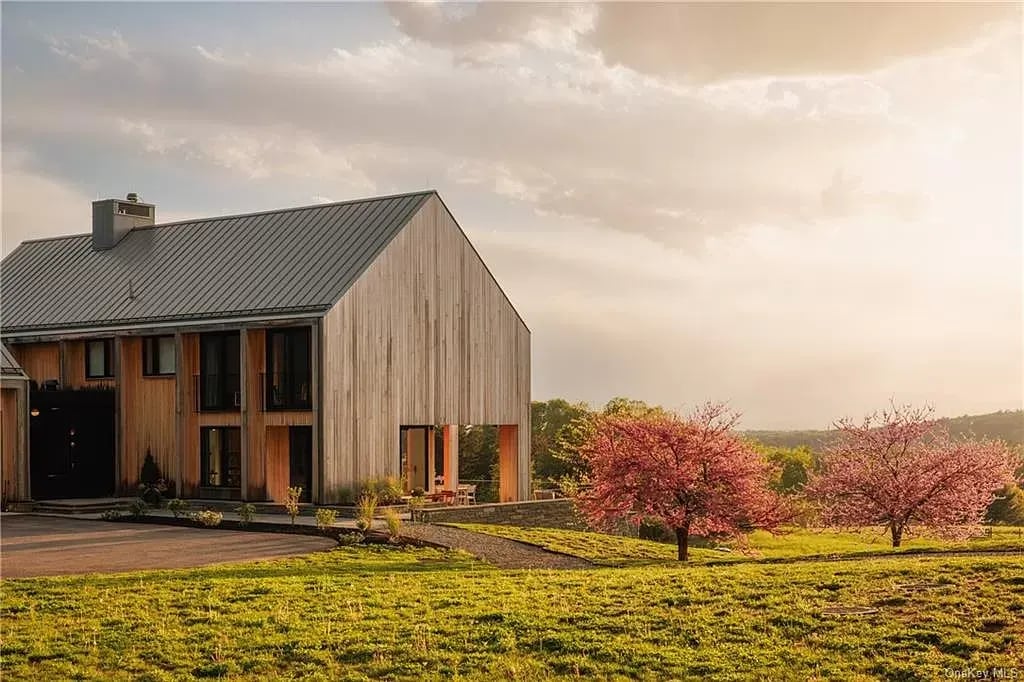
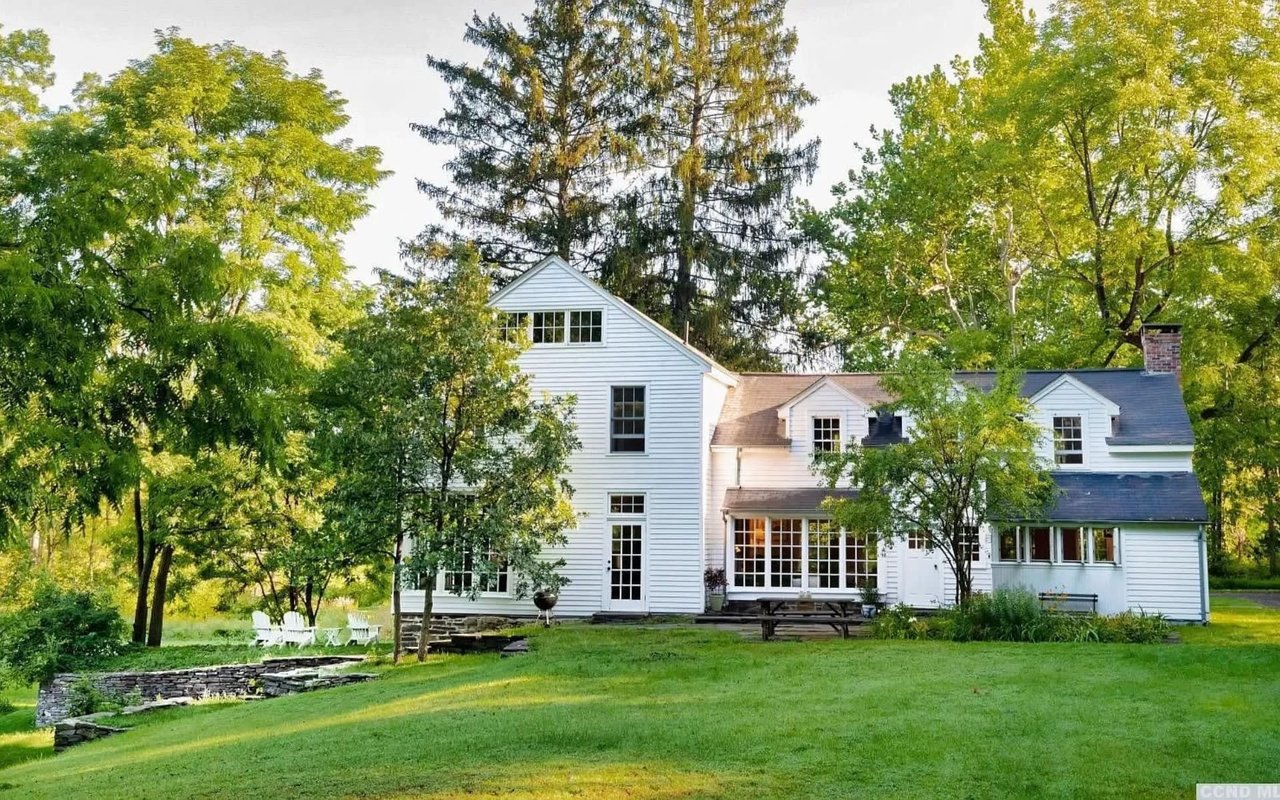
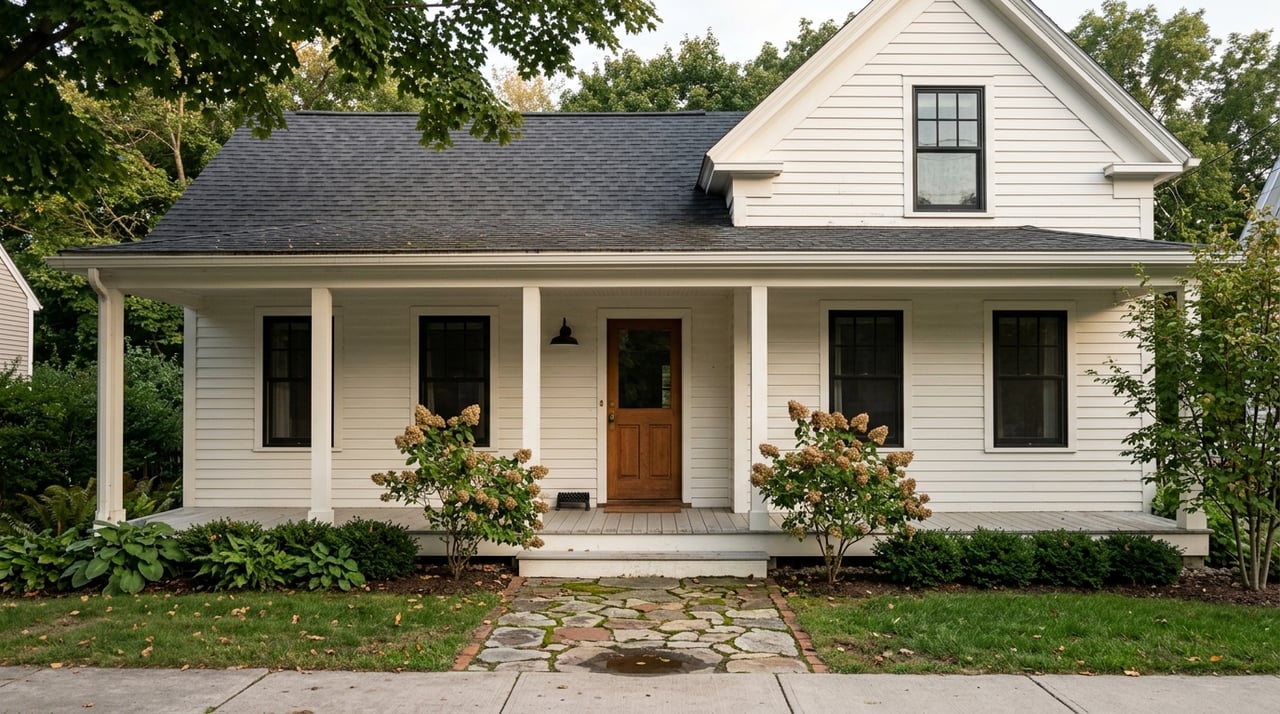
That split gives you options depending on how you want to live. You can choose a more walkable village setting with a neighborhood-scale feel, or you can look outside the village for larger parcels, open views, and a quieter rural pattern. For families moving from the city, that range can make Red Hook easier to fit to real life.
Culture is another big part of the equation. Bard College is located in Annandale-on-Hudson, a hamlet of Red Hook, and the Fisher Center places the campus about 90 miles north of New York City. That connection gives the area a regional cultural identity that reaches beyond a typical small town.
Village living in Red Hook
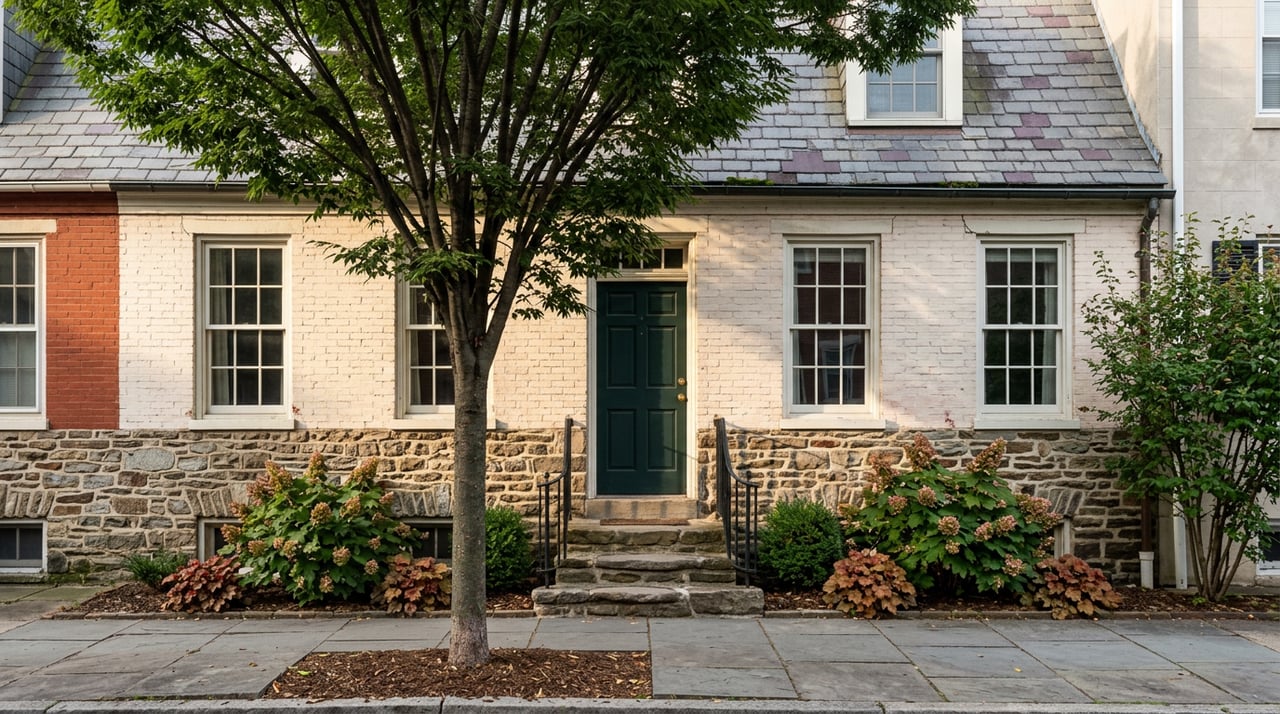
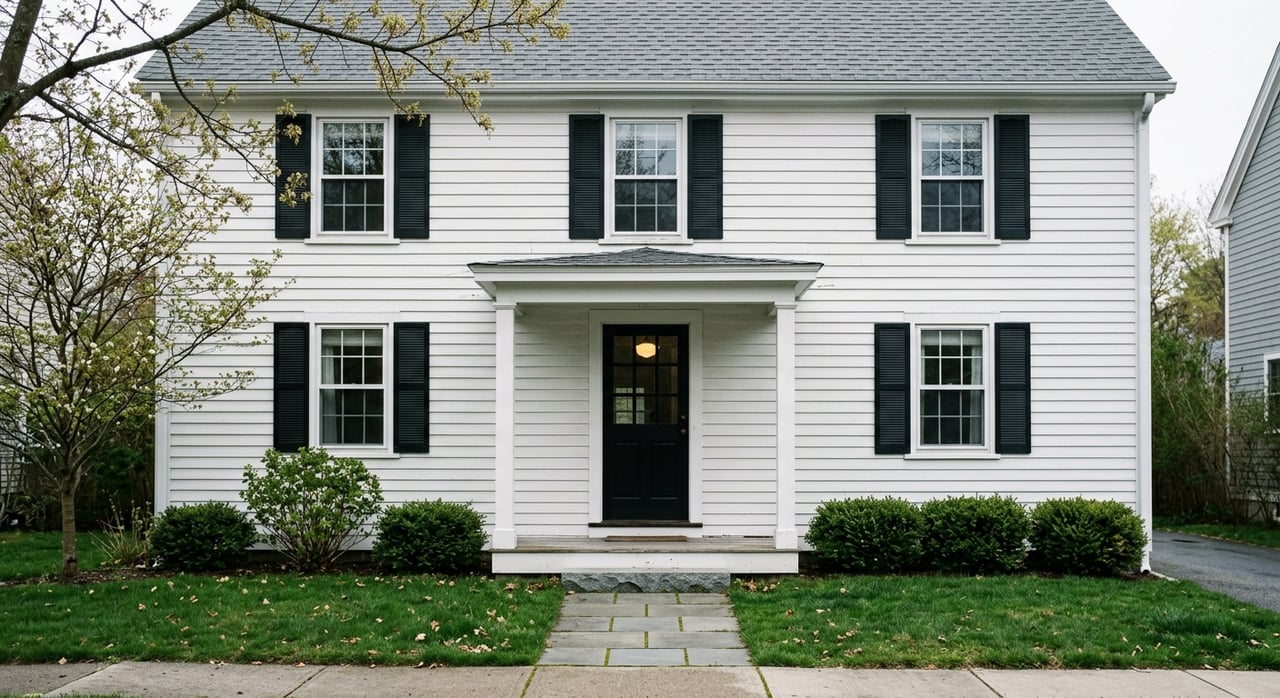
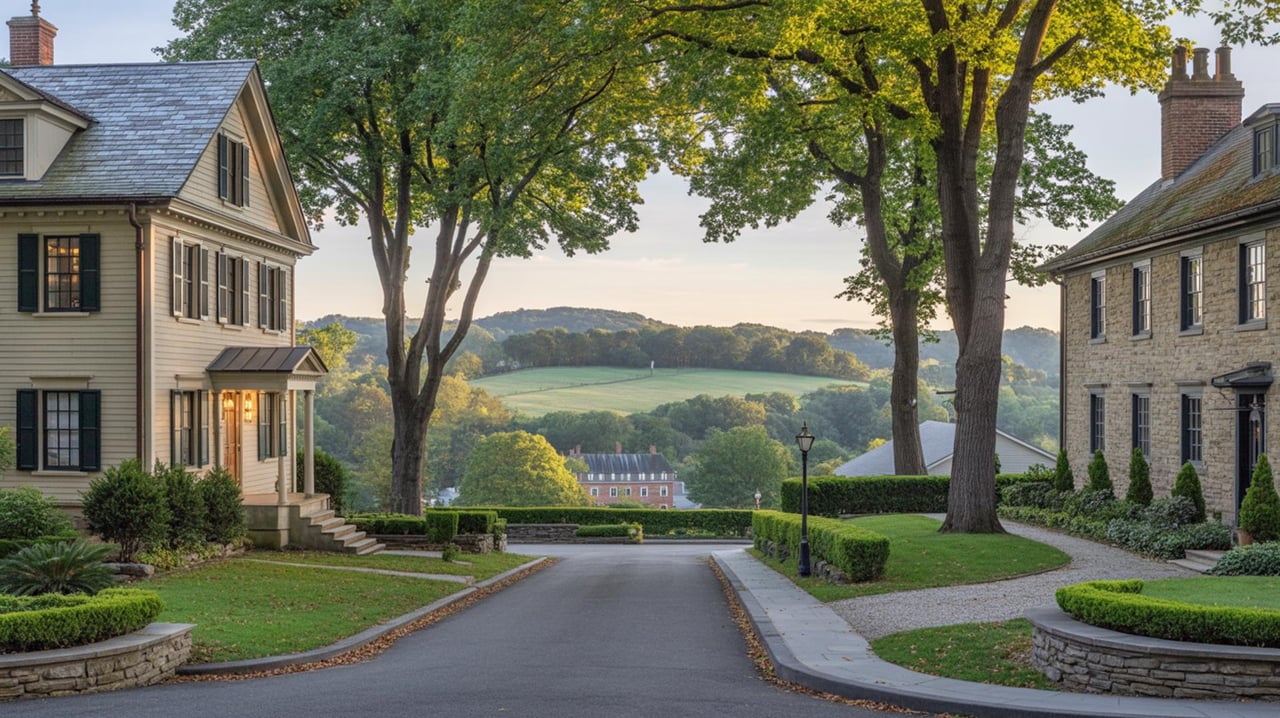
If you picture sidewalks, a traditional core, and homes near daily errands, the village may be the part of Red Hook that feels most familiar. Village zoning includes residential and mixed-use districts such as R20,000, R10,000, GB, GWB, NMU, and LIB. In practical terms, that means the built pattern is more compact than what you will find in the rural parts of town.
Lot sizes help explain the difference. In the village, minimum lot area per dwelling unit is 20,000 square feet in R20,000 districts. In R10,000 districts, it is 10,000 square feet on central sewer or 20,000 square feet without central sewer.
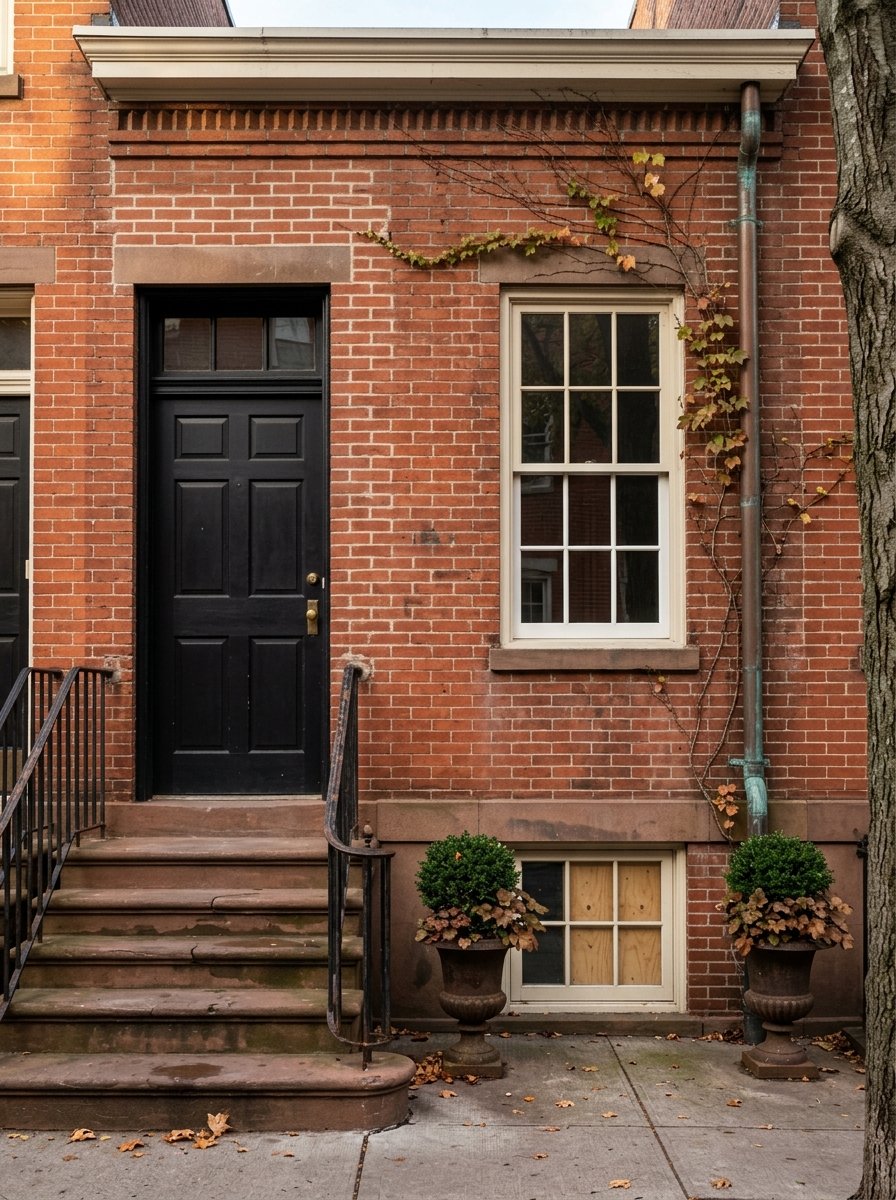
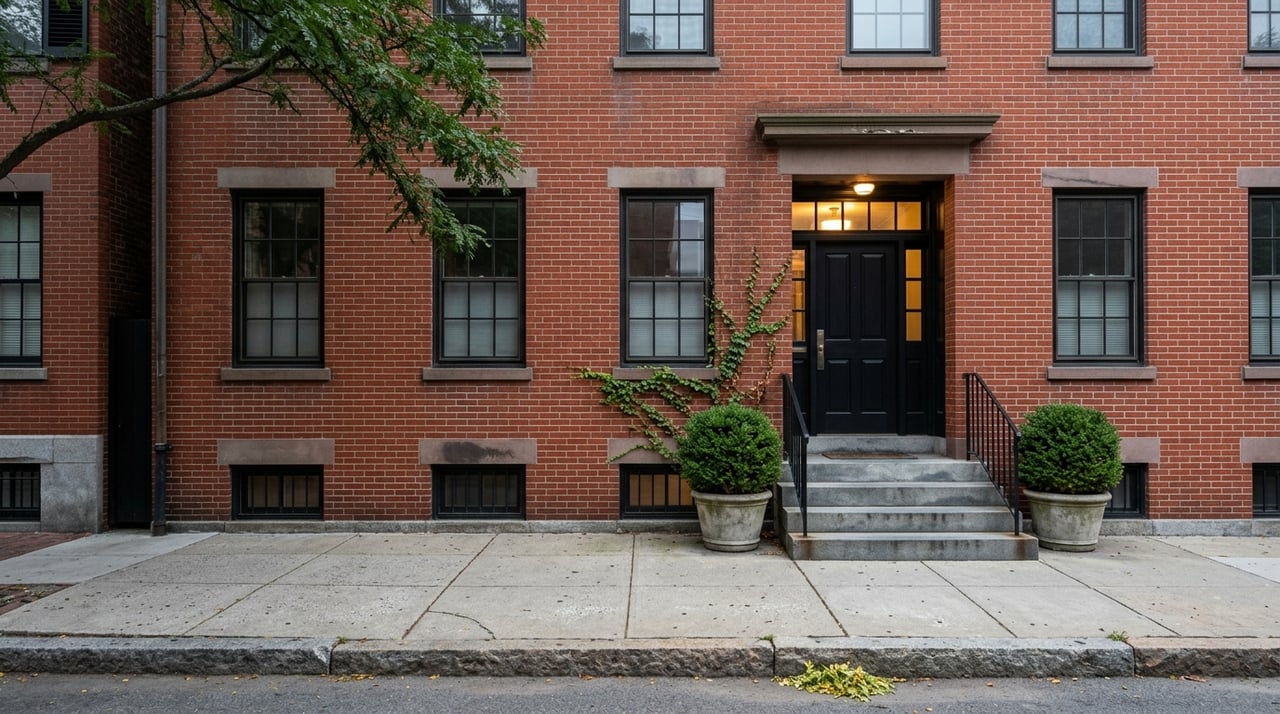
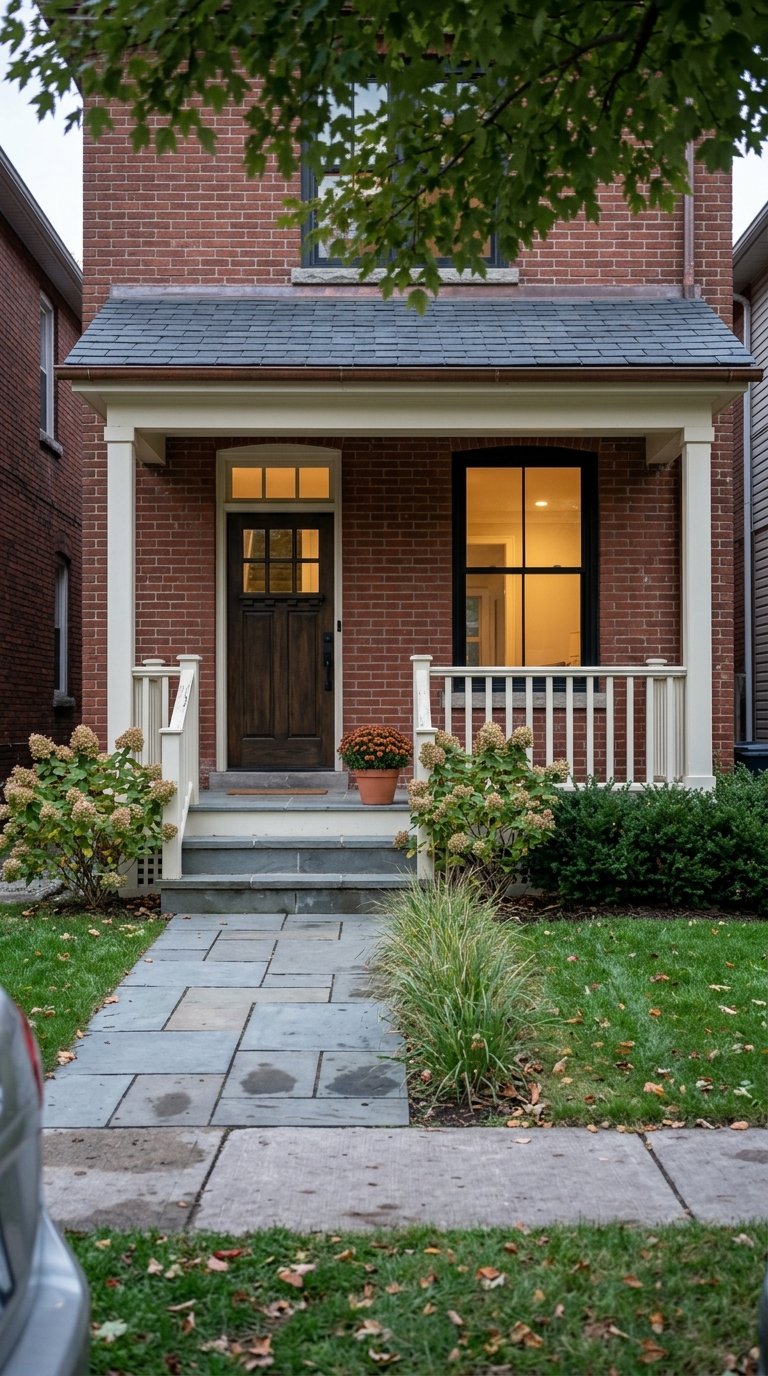
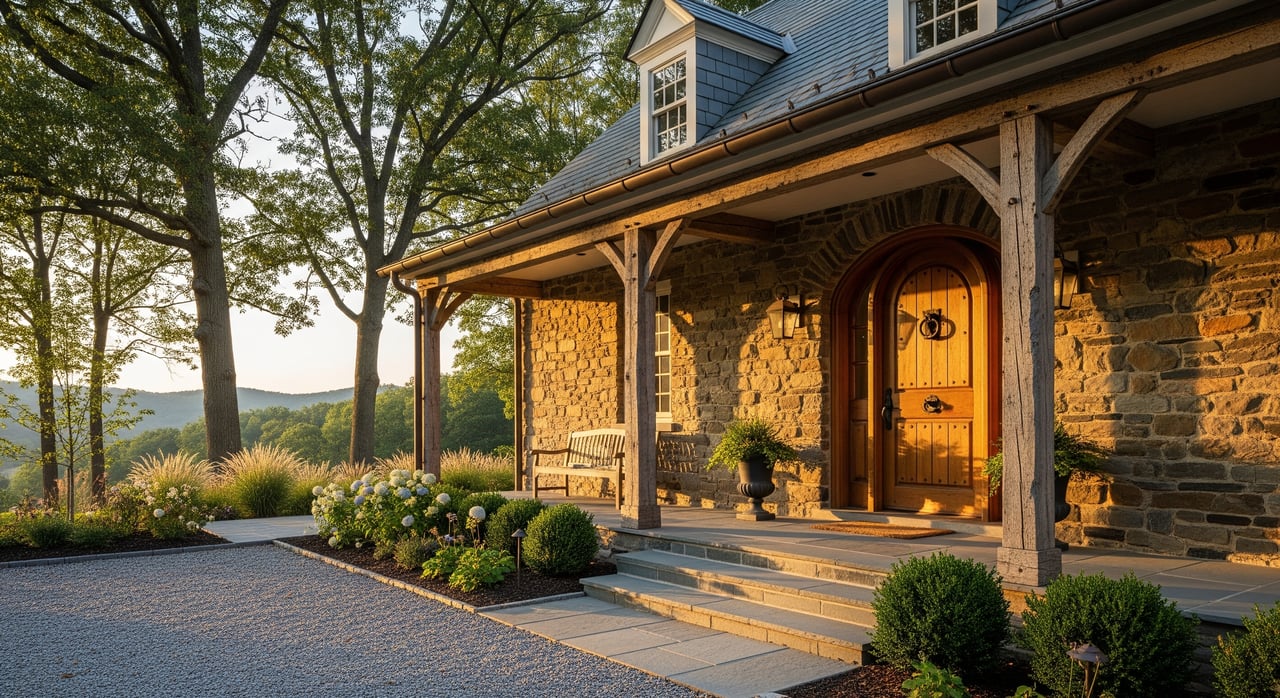
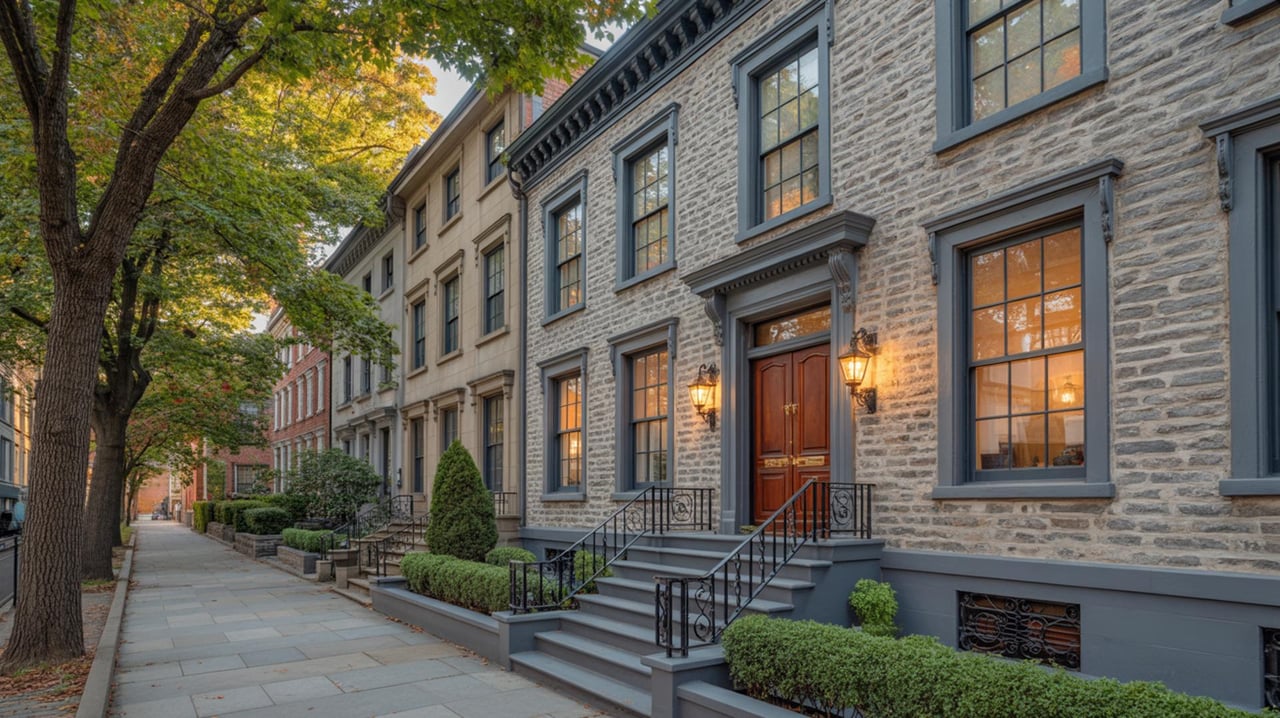
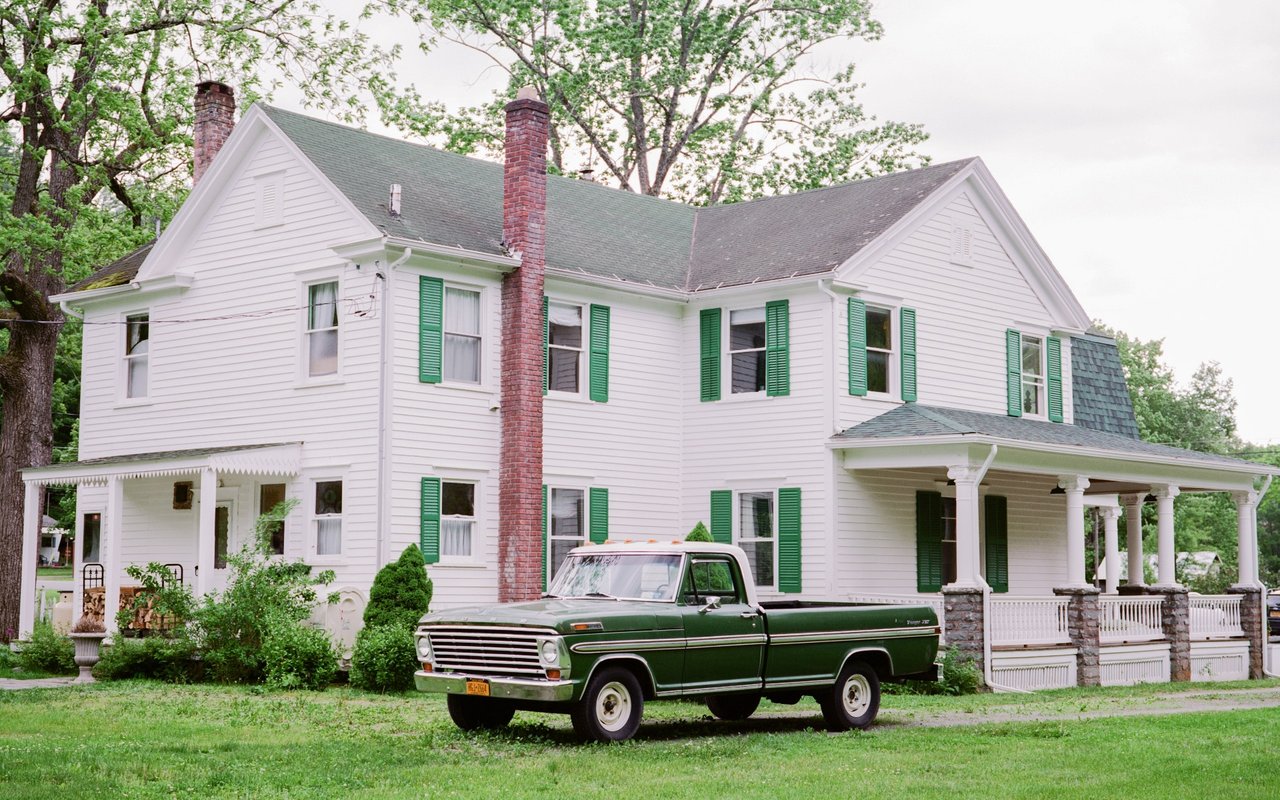
The village pattern book and architectural guidelines also point to an incremental, neighborhood-scale core. Instead of a large-lot suburban format, the village supports infill and changes to existing building stock. For buyers, that often translates to older village houses, some two-family or mixed-use possibilities, and limited but real infill potential.
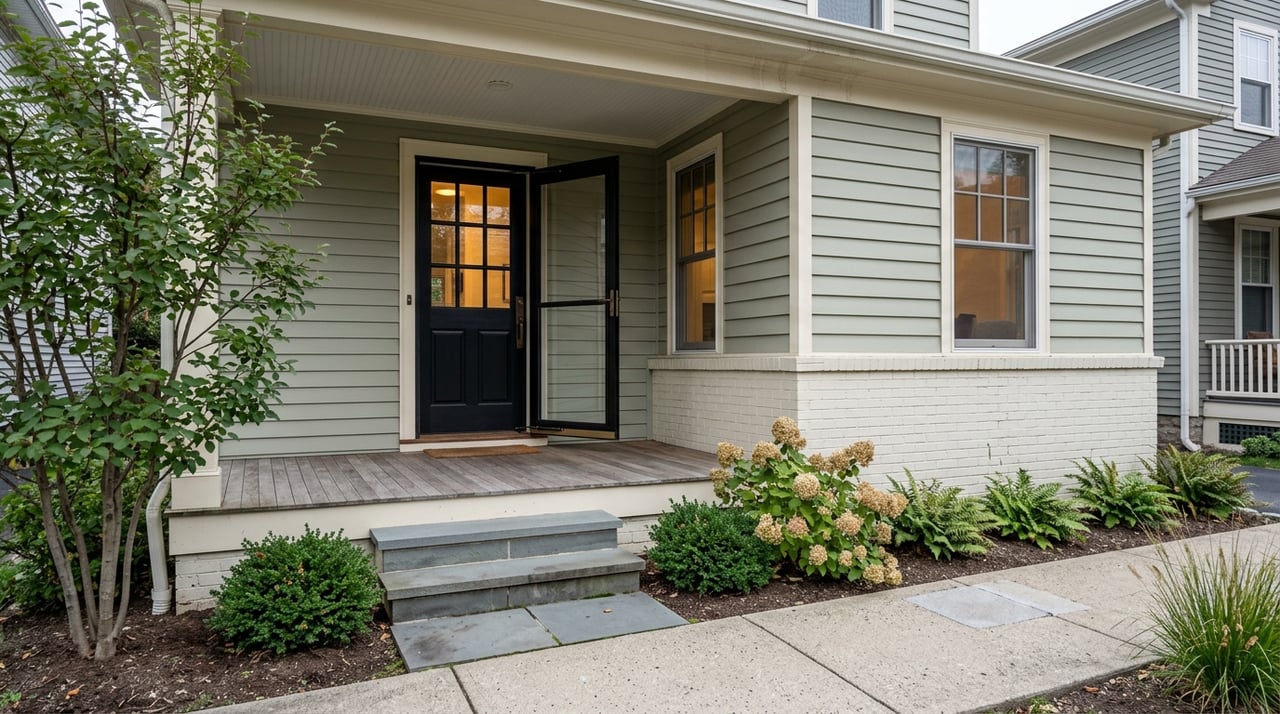
For a city family, village living can offer a smoother transition. You may still gain more space than you had in the city, but without immediately taking on the maintenance and isolation that can come with major acreage. If you want a place where home life and town life feel connected, the village is a strong place to start.
Rural Red Hook and hamlet living
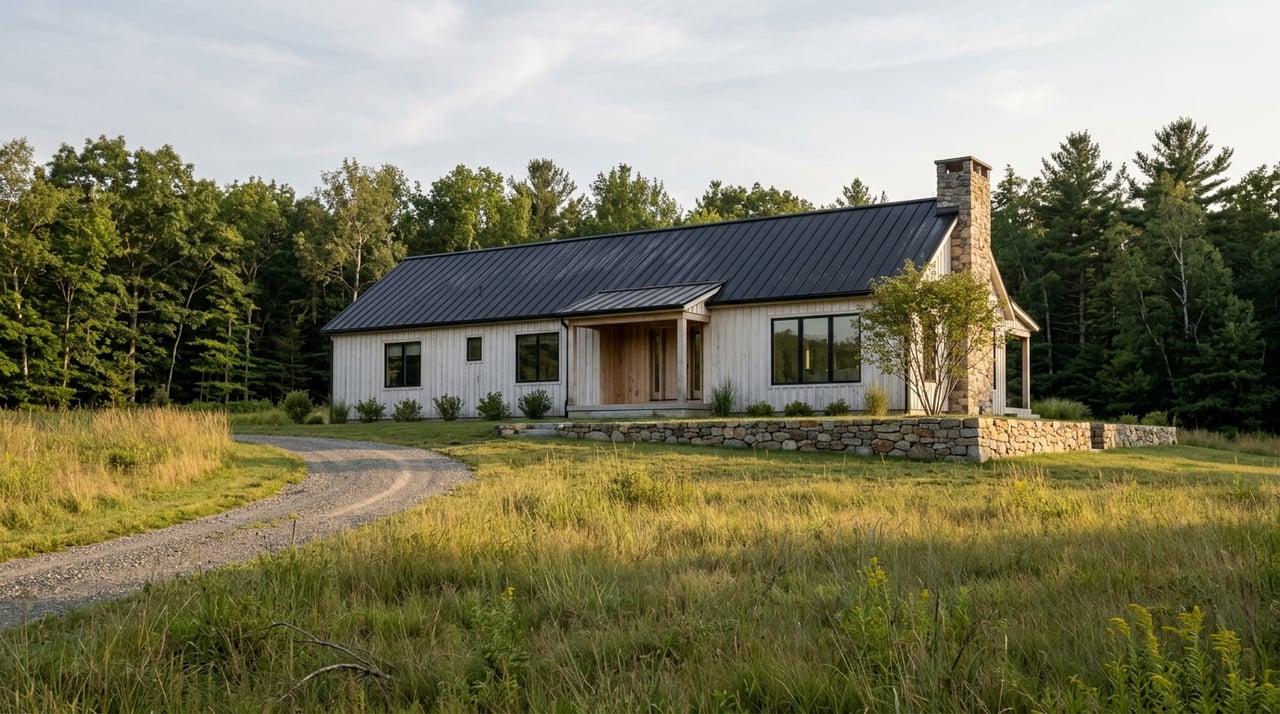
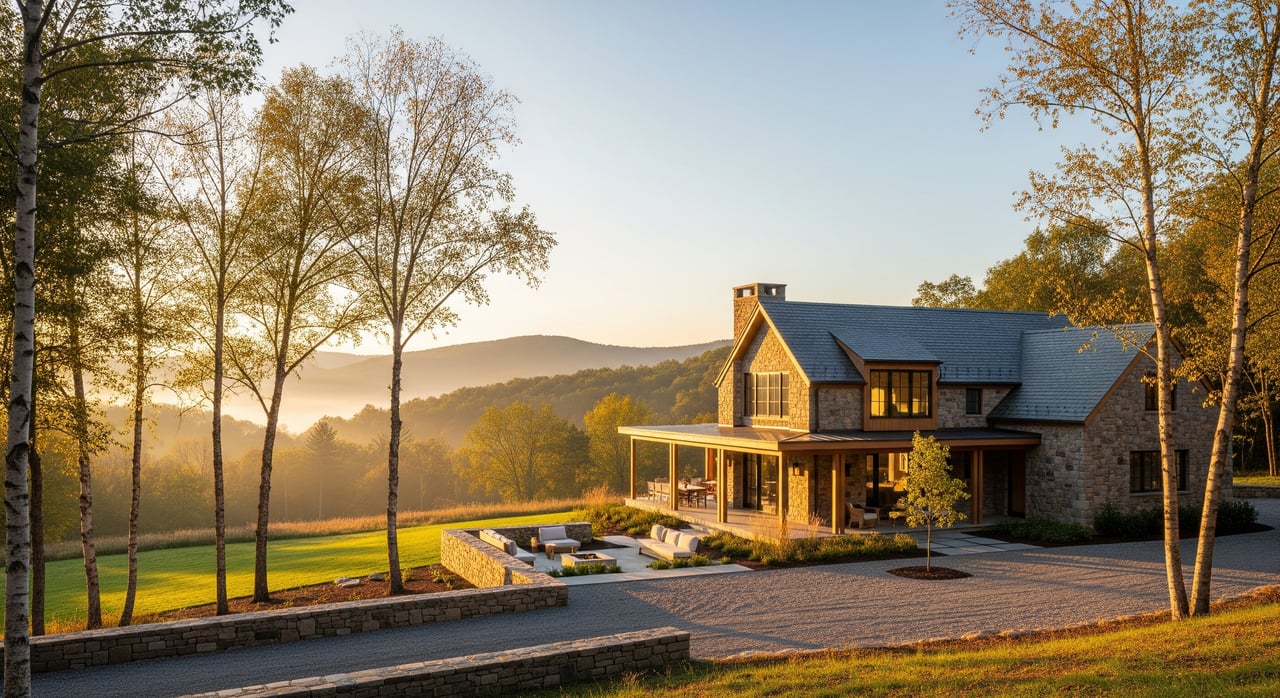
Outside the village, Red Hook changes character quickly. The town zoning code shifts to acreage-based districts, with RD3 requiring 3 acres, RD5 requiring 5 acres, and LD and WC requiring 10 acres. That is a very different land pattern from the village core.
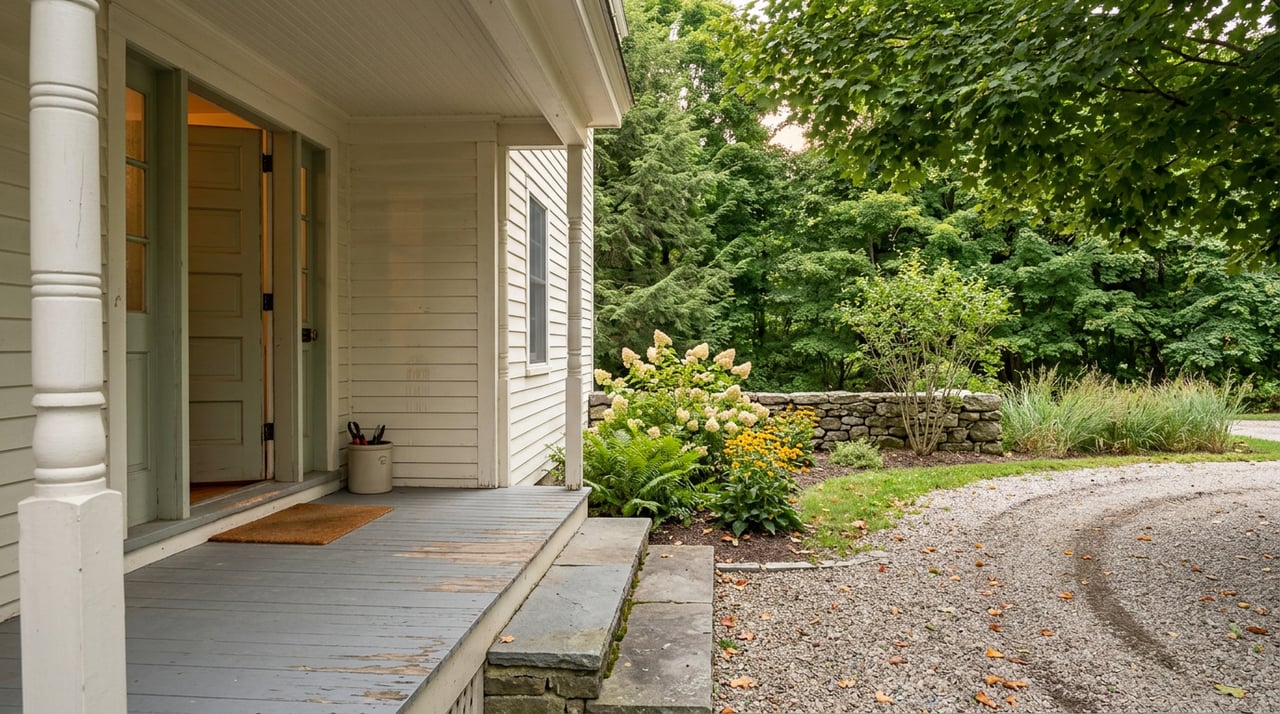
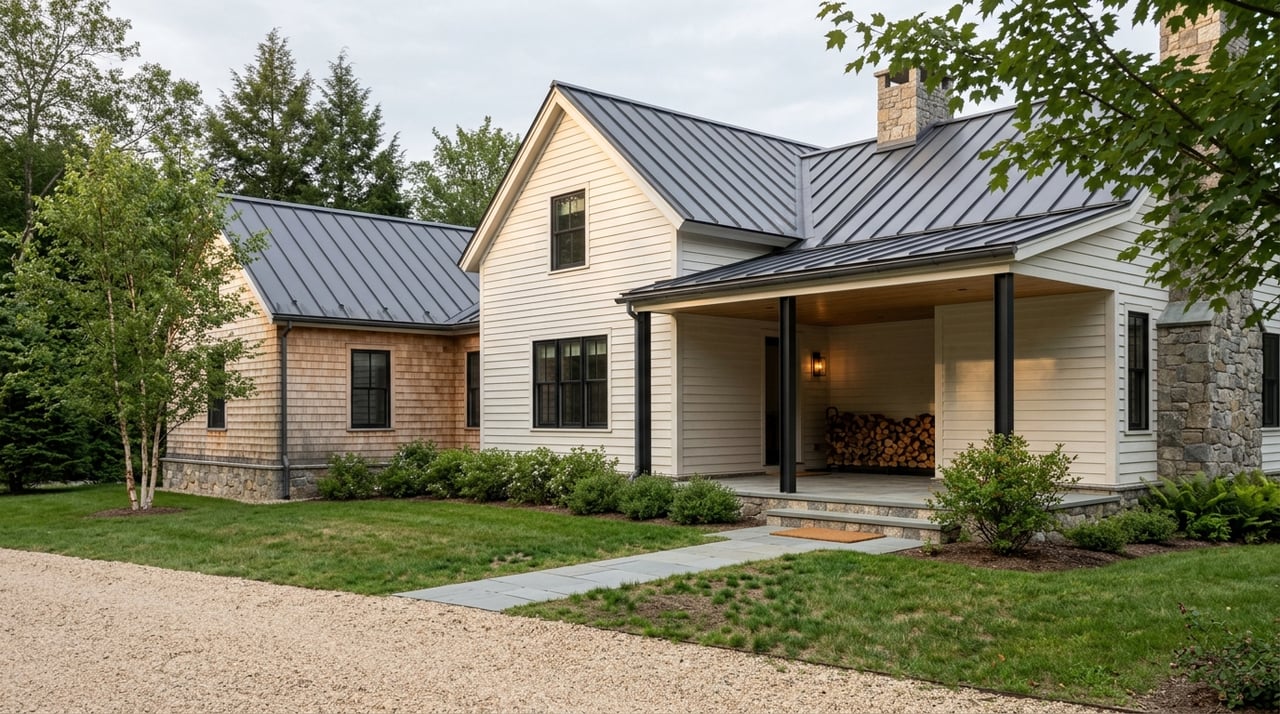
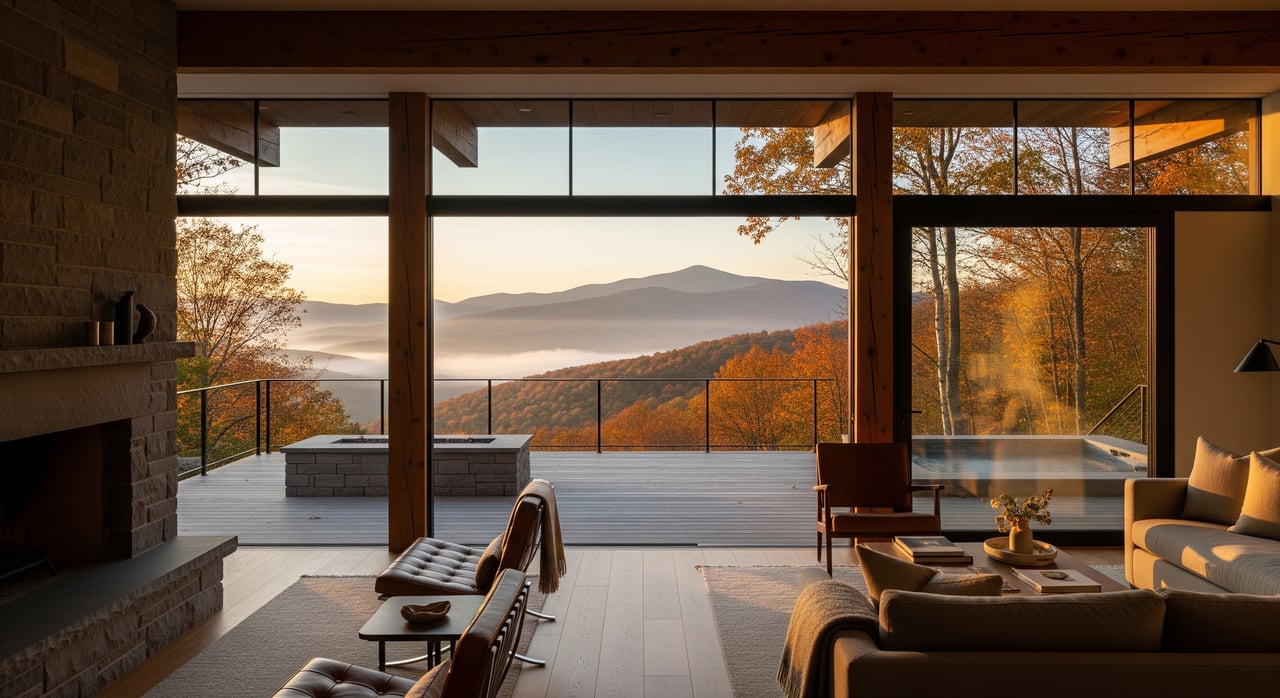
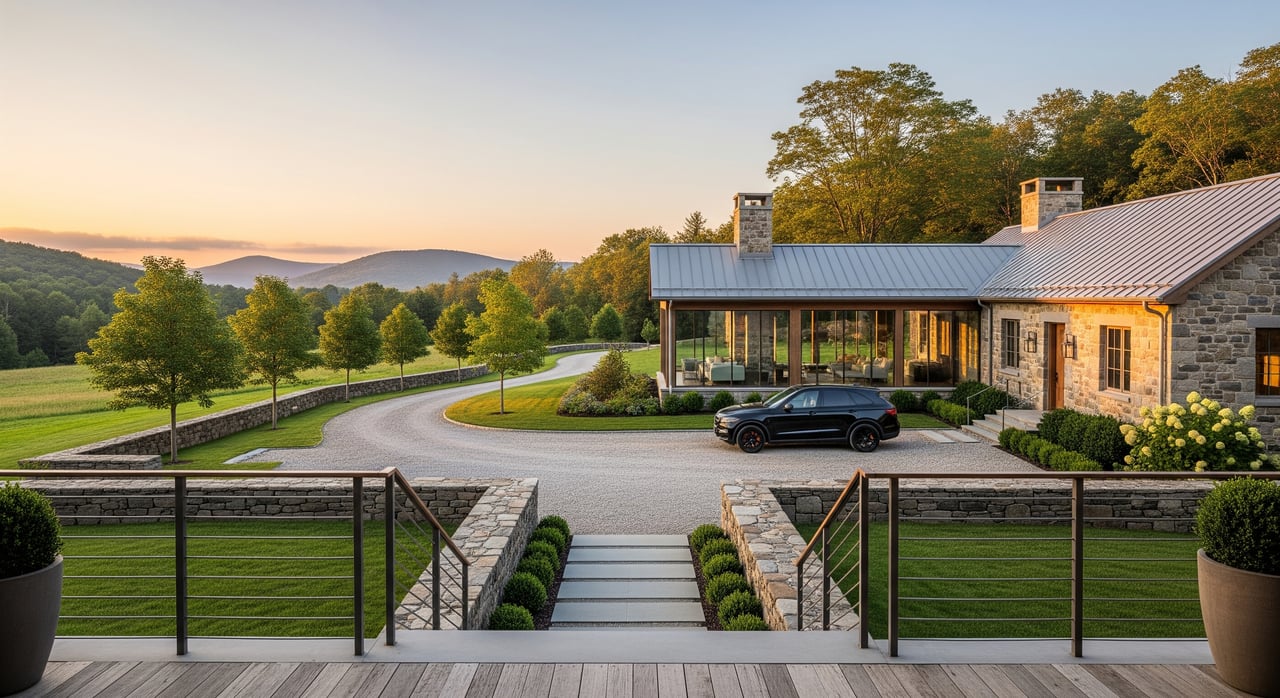
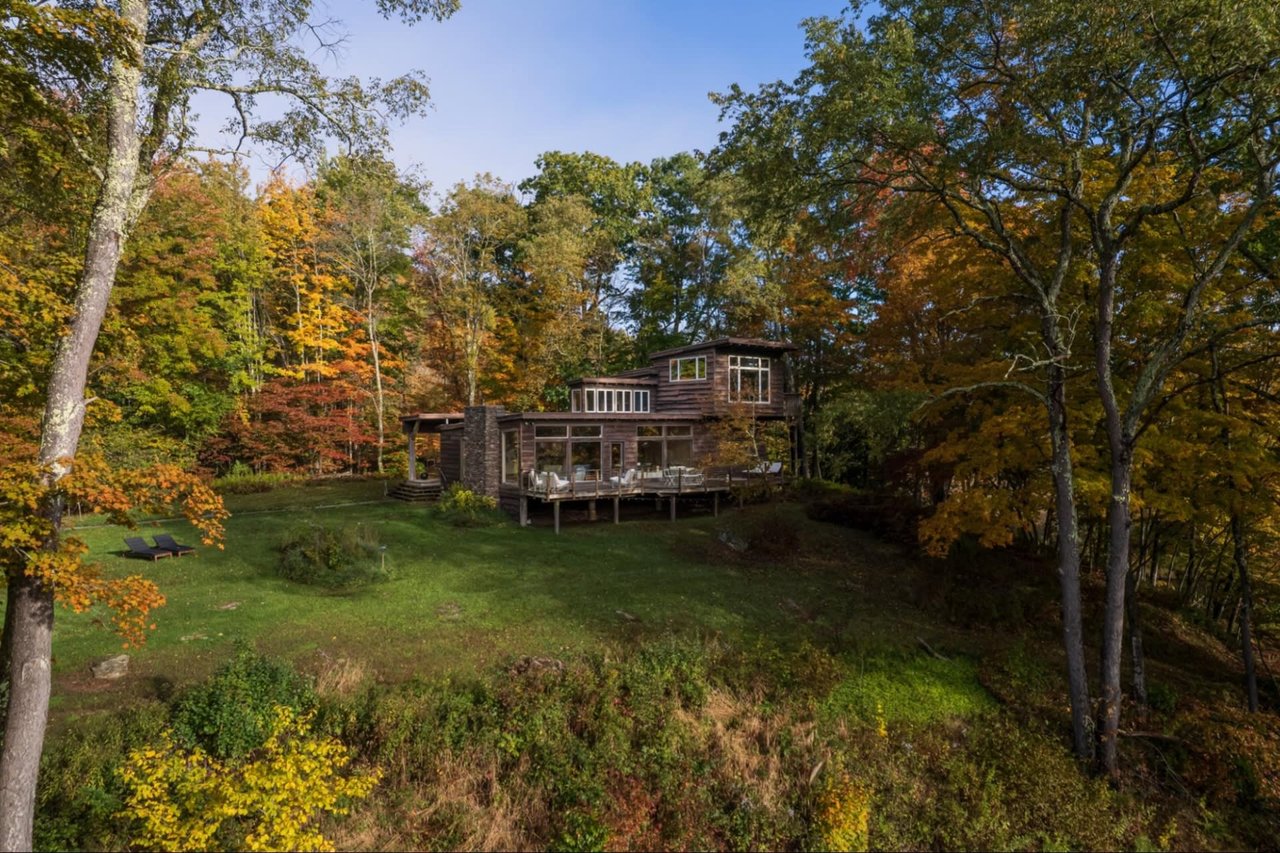
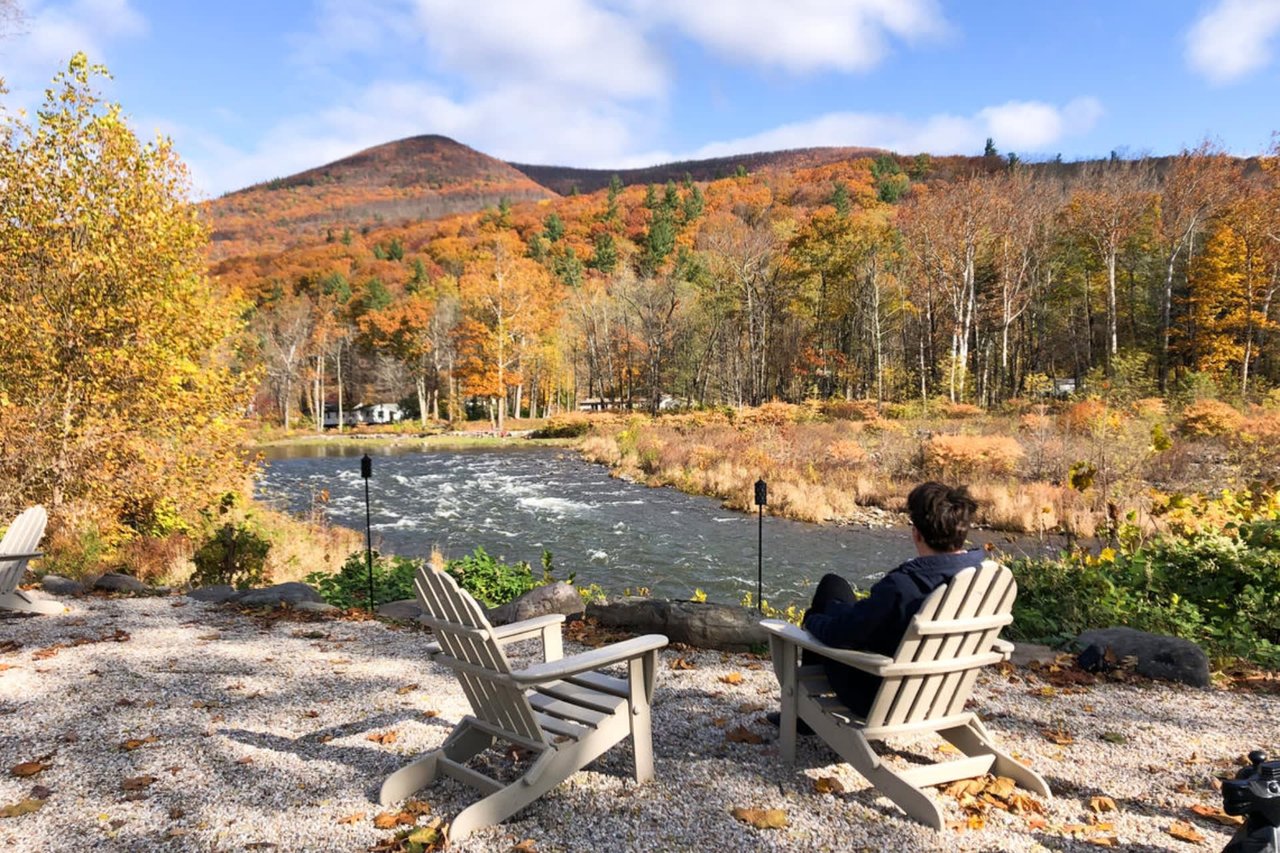
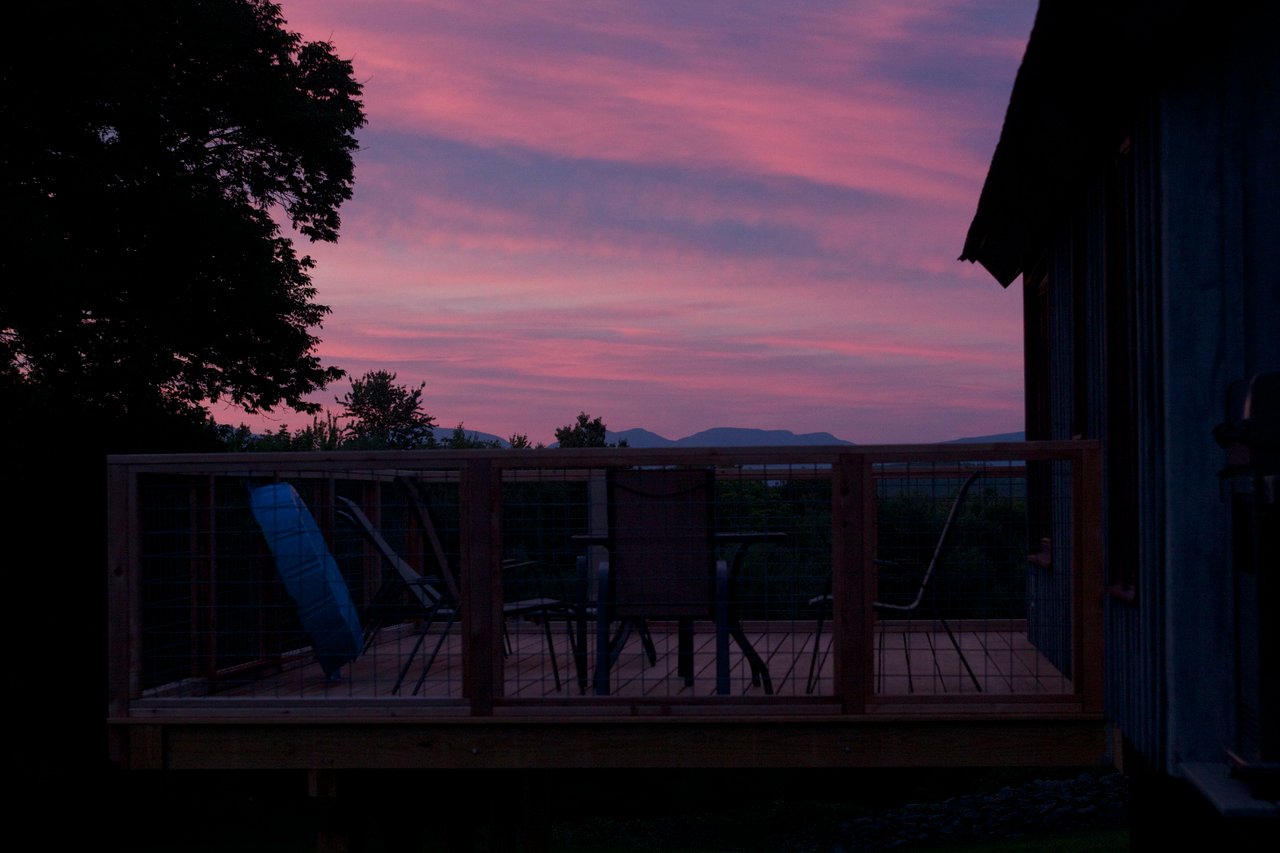
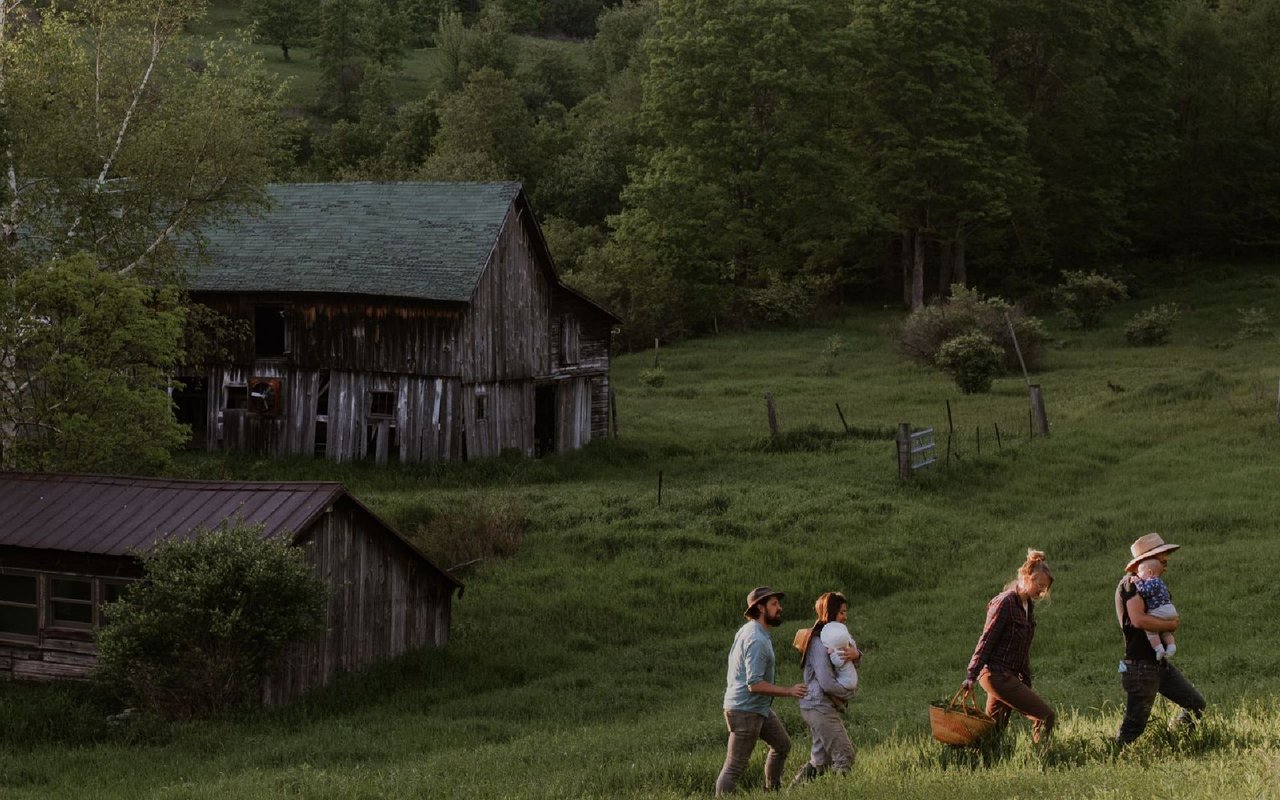
State and county planning materials describe the wider town as rural and estate-like, with active farms, historic hamlets, and large riverfront estates. Annandale is described as a small, primarily residential hamlet between Bard College and Montgomery Place. If your version of space means fields, privacy, and a stronger relationship to the landscape, this is where Red Hook may really click.
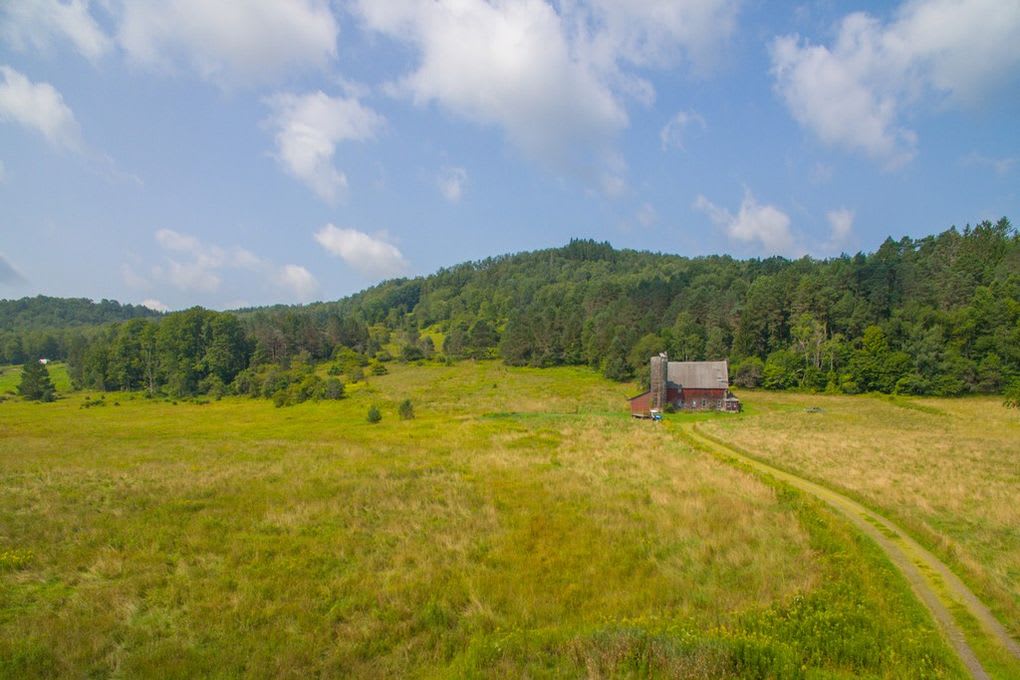
The conservation picture is also significant. County greenspace mapping identifies seven blocks of continuous habitat and farmland over 1,000 acres in Red Hook. It also notes 7,094 acres in agricultural production and 6,287 acres under conservation easement or otherwise protected.
That helps explain why Red Hook feels the way it does on the ground. The landscape is not an afterthought. For buyers who want room to spread out, but also care about long-term land stewardship and protected open space around them, that can be a major part of the appeal.
Space expectations by area
One of the most common buyer questions is simple: how much land do you actually get? In Red Hook, the answer depends heavily on whether you are in the village or outside it.
Here is the clearest way to think about it:
| Area | Typical minimum lot pattern |
|---|---|
| Village residential districts | 10,000 to 20,000 square feet |
| Rural town districts | 3 to 10 acres |
That range shapes your daily experience. A village property may give you easier proximity to the town center and a more compact maintenance load. A rural property may give you much more privacy and flexibility, but usually with a more car-oriented routine.
Family infrastructure beyond the weekend
A town can be beautiful and still be hard for full-time family life. Red Hook stands out because its strongest supports are not just scenic. They are practical.
The Red Hook Public Library offers a notably broad set of family-facing services. These include Dolly Parton Imagination Library, 1,000 Books Before Kindergarten, homeschooling information, museum passes, a seed library, digital resources, and homebound services. For many households, a library like that becomes part of weekly life very quickly.
Parks and recreation also matter when you are assessing whether a place works year-round. Village parks include the 7.16-acre Richard M. Abrahams Memorial Park and Memorial Park. The village also maintains a municipal parking lot with EV charging and a chamber kiosk, which adds a small but useful layer of convenience in the center.
At the town level, Red Hook Recreation Park hosts activities such as summer playground and pickleball, and the park is open from April 1 through October 15. That may not sound flashy, but regular recreational infrastructure is often what makes a place livable for families over time.
Schools and everyday routines
For many relocating households, school structure is part of the decision even if it is not the only factor. Red Hook Central School District serves Mill Road Elementary, Linden Avenue Middle School, and Red Hook High School. District materials highlight IB and advanced coursework, STEAM instruction, and a performing arts center.
Just as important, the school system is part of a broader everyday framework. In Red Hook, the library, parks, recreation options, and school district work together to support full-time routines. That is one reason the town can feel more practical than a place built mainly around weekend tourism.
Arts and culture in Red Hook
If culture is part of what you do as a family, Red Hook has unusual depth for its size. The Fisher Center at Bard is a major regional arts hub on Bard’s campus in Annandale-on-Hudson. Bard SummerScape, the Fisher Center LAB, and the Bard Music Festival all contribute to the area’s identity.
Bard’s campus adds more than performance programming. It also includes CCS Bard and the Hessel Museum of Art, along with Blithewood Manor and Montgomery Place, a 380-acre National Historic Landmark estate. Together, those places help create a setting where arts, architecture, and landscape are closely linked.
For city buyers, this can be the difference between a town that feels pretty and a town that feels sustaining. Red Hook offers access to culture that is woven into the place itself, not imported occasionally. If you want your move to include both more space and ongoing intellectual or creative life, that mix is a real strength.
Commuting from Red Hook
Red Hook is workable for households that still need access to the city or the region, but it helps to have realistic expectations. The practical rail options are Metro-North’s Poughkeepsie station and Amtrak’s Rhinecliff station. Poughkeepsie also connects to Amtrak and Dutchess County Public Transit.
Dutchess County Public Transit runs a Poughkeepsie-to-Tivoli route via Rhinebeck and Red Hook Monday through Saturday. RailLink service also connects to the Poughkeepsie and New Hamburg stations Monday through Friday. Those options add flexibility, especially for mixed commute patterns.
Still, the overall transit picture suggests a car-oriented lifestyle. Bard’s directions identify the Taconic State Parkway from the east and the New York State Thruway with the Kingston-Rhinecliff Bridge from the west as the most direct routes to campus. For many buyers, the most realistic setup is car-to-train or car-first, not rail-first suburban commuting.
Is Red Hook right for your family?
Red Hook tends to fit families who want more than one thing at once. You may want a village center but also access to open land. You may want a calmer setting for daily life but still care about arts, events, and a sense of cultural energy.
It can also suit families deciding between a second home and a full-time move. The town has enough everyday infrastructure to support regular life, while the wider landscape still delivers the room and atmosphere many city buyers are seeking. That combination is not easy to find.
The key is matching the right part of Red Hook to the way you actually live. Village buyers and rural-acreage buyers are often looking for very different experiences, even within the same town. If you get that alignment right, Red Hook can offer both space and substance.
If you are considering Red Hook and want a clear read on which properties, settings, and commute patterns best match your goals, Joseph Satto can help you navigate the options with a practical, local perspective.
FAQs
What makes Red Hook, NY appealing for city families?
- Red Hook combines a compact village center, large agricultural and open-space landscapes, family infrastructure like schools and library services, and a strong arts presence through Bard College.
What is the difference between village and rural living in Red Hook?
- In the village, residential lots are generally measured in 10,000 to 20,000 square feet, while outside the village, town zoning commonly requires 3 to 10 acres depending on the district.
Is Red Hook, NY practical for full-time family living?
- Yes. Red Hook has everyday supports that include the public library, village parks, recreation programming, and the Red Hook Central School District.
What cultural amenities are in Red Hook, NY?
- Red Hook is home to Bard College in Annandale-on-Hudson, including the Fisher Center, Bard SummerScape, the Bard Music Festival, CCS Bard, the Hessel Museum of Art, Blithewood Manor, and Montgomery Place.
Can you commute to New York City from Red Hook?
- Yes, but most households should expect a car-oriented pattern, often using either Poughkeepsie or Rhinecliff for rail connections rather than relying on rail-first commuting.
How large are properties in Red Hook, NY?
- Property size varies sharply by location, with village homes typically on smaller residential lots and rural areas offering acreage-based zoning from 3 to 10 acres in many districts.