If you are drawn to Hudson, you are probably not just shopping for square footage. You are looking at a lifestyle where you can walk to coffee, dinner, the riverfront, galleries, and even the train. That changes how homes are valued, how buyers compete, and what feels worth paying for. Let’s dive in.
Why walkability matters in Hudson
Hudson offers something that is still rare in much of the Hudson Valley: a compact, mixed-use core where daily life can happen on foot. New York State’s Downtown Revitalization Initiative describes the BRIDGE District as walkable and bikeable, with a Walk Score of 67 and nearby Warren Street rated 84, or Very Walkable.
That matters because walkability is not just a lifestyle perk. In Hudson, it helps shape demand. When you can step out your door and reach shops, restaurants, galleries, public spaces, and the waterfront without relying on a car, the address itself starts to carry a different kind of value.
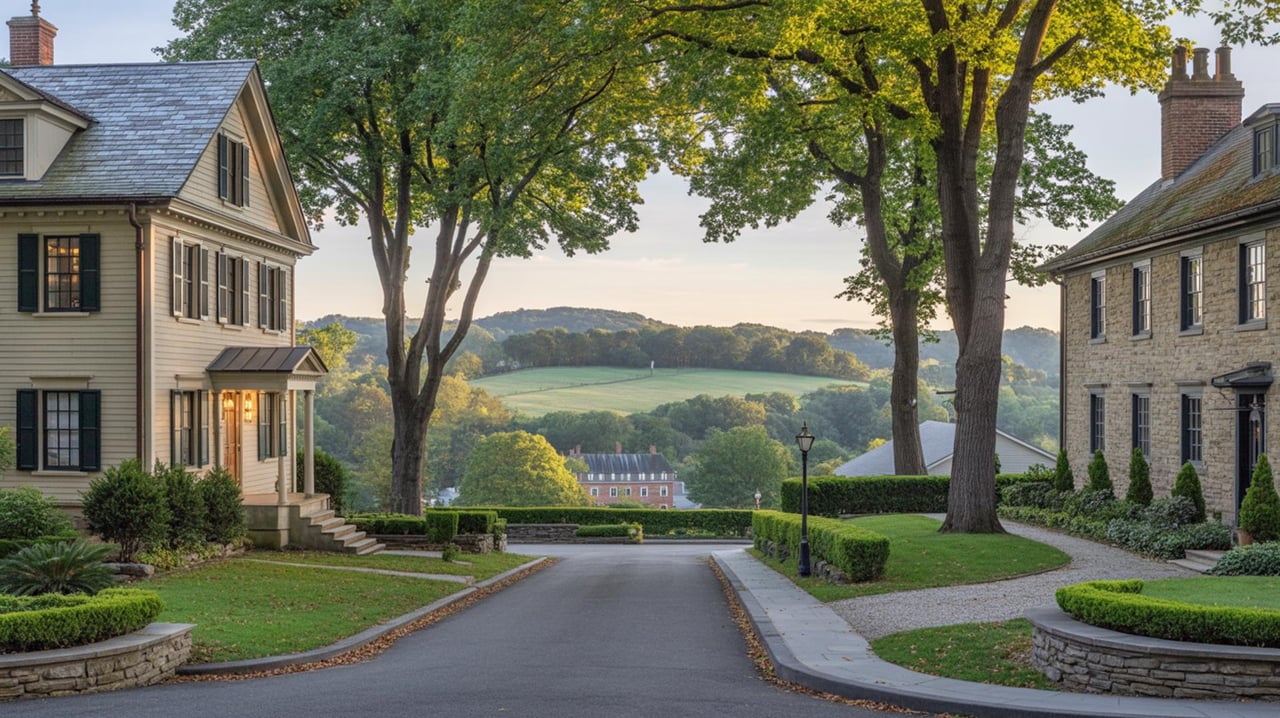
The city’s public spaces also reinforce that appeal. Promenade Hill and Henry Hudson Riverfront Park act as anchors in the downtown area, and the DRI materials note that many locations have Hudson River and Catskill Mountain views. For many buyers, that mix of convenience, scenery, and public access is exactly what makes Hudson feel distinct.
Rail access adds another layer
Walkability in Hudson works hand in hand with rail access. Hudson’s Amtrak station, located at 69 South Front Street, is within walking distance of downtown shops, galleries, and restaurants, according to Amtrak.
The city’s DRI materials also note that the rail line connects Hudson directly to New York City and Albany. For buyers who want a small-city setting without feeling cut off, that is a major part of the draw. You can have a more compact, urban-style rhythm here while still keeping an easy connection to larger metro areas.
For second-home buyers in particular, this can make Hudson feel unusually practical. A weekend place that does not require a fully car-dependent routine often appeals to buyers coming from New York City, especially when the downtown experience feels active and established rather than seasonal or isolated.
Hudson is really a set of micro-markets
One of the biggest mistakes buyers and sellers can make is treating Hudson like one uniform market. The city’s own DRI plan points to a more layered picture.
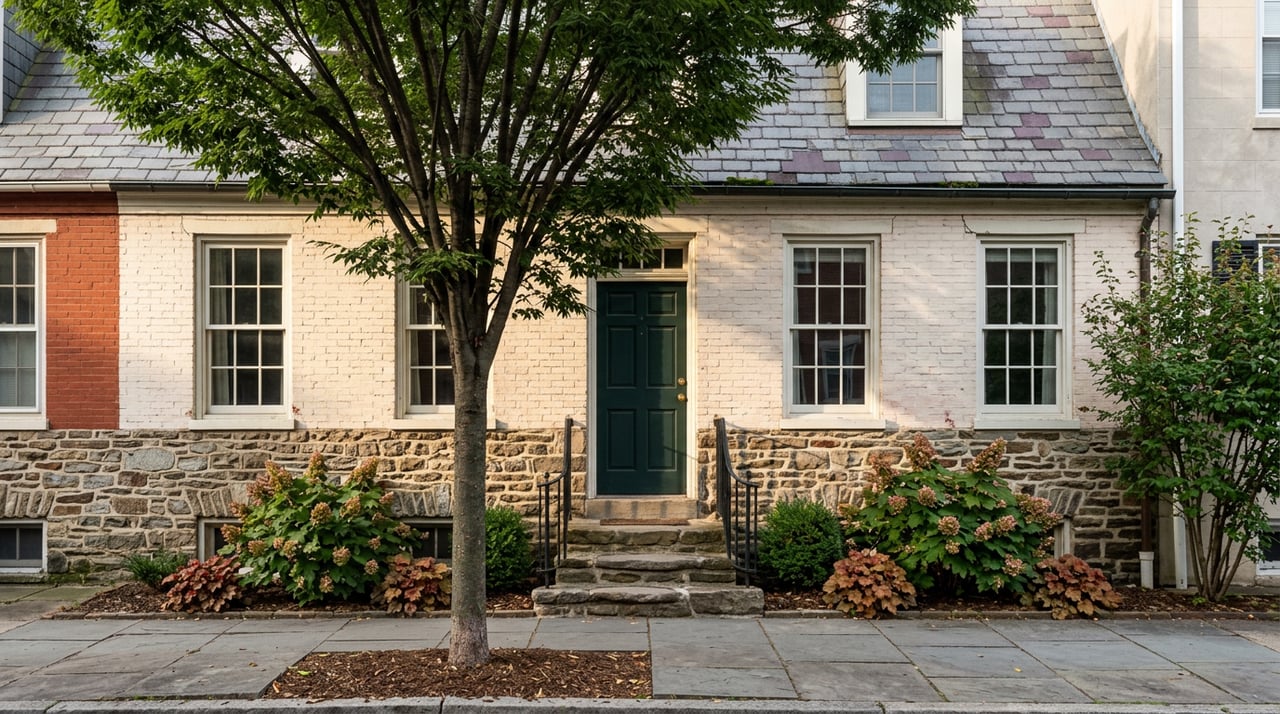
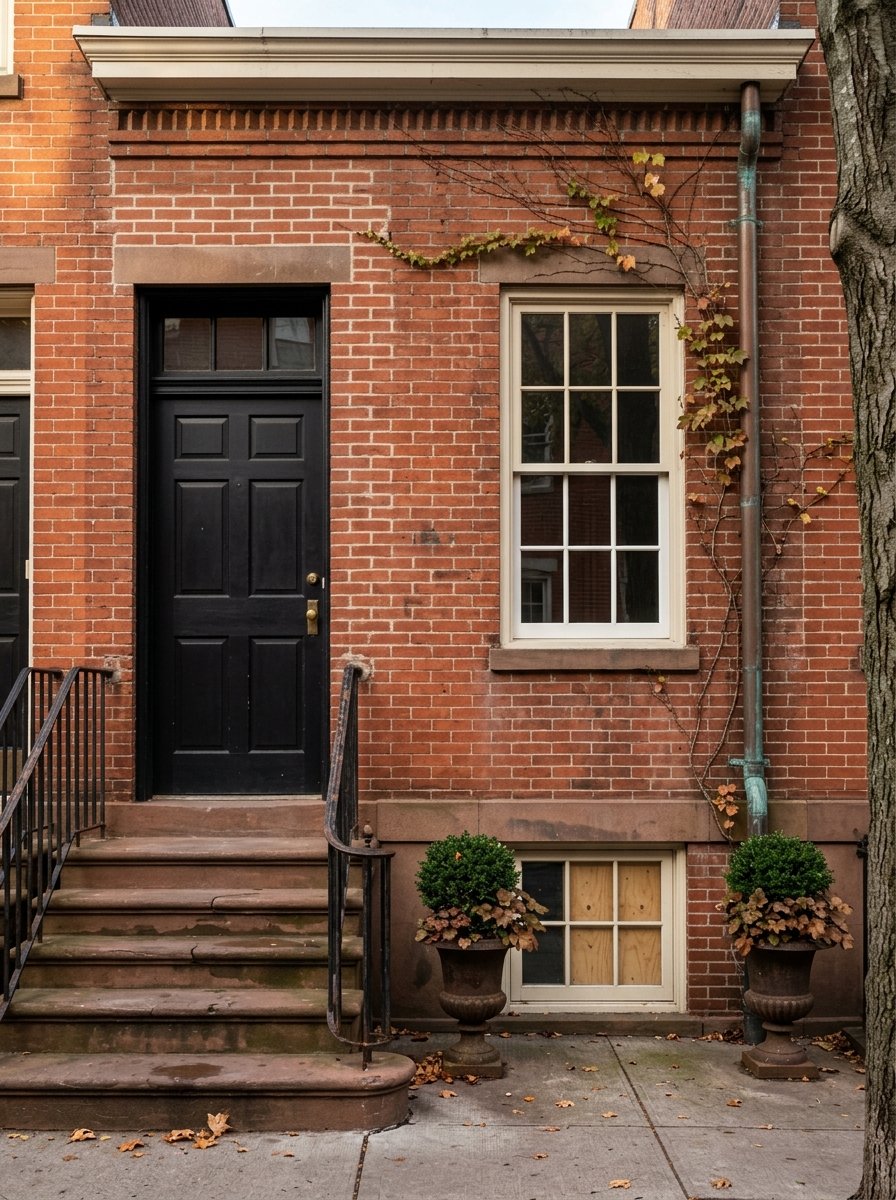
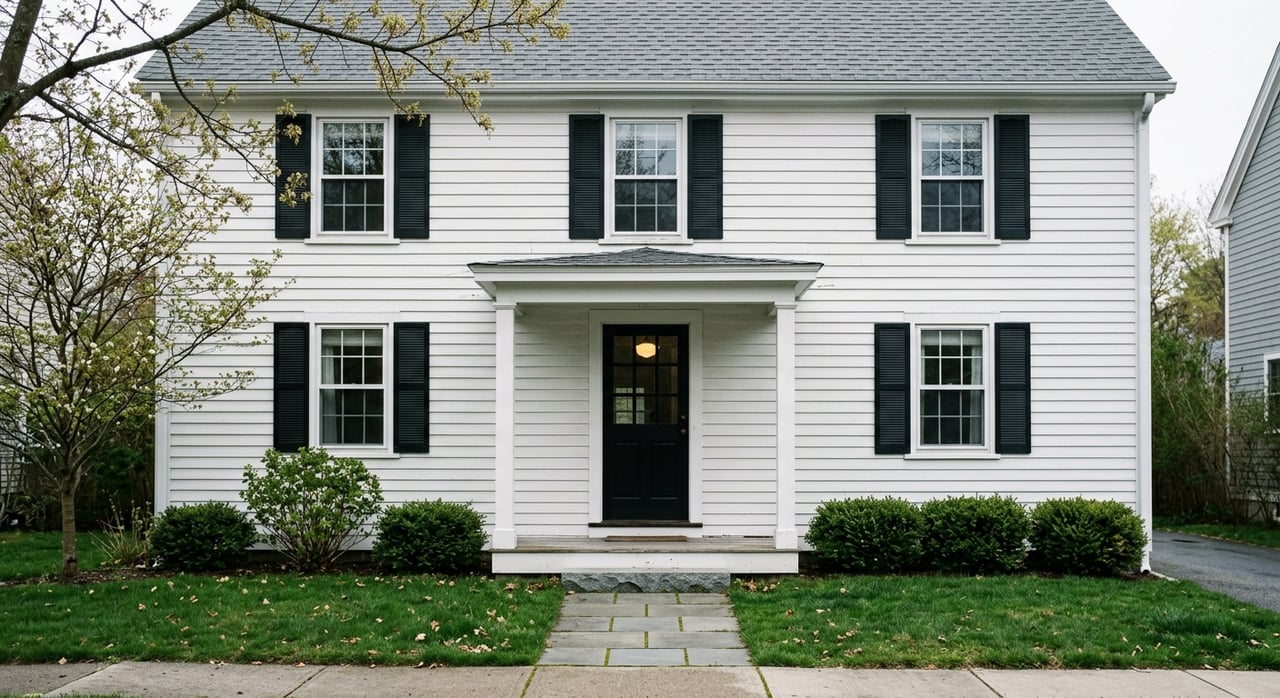
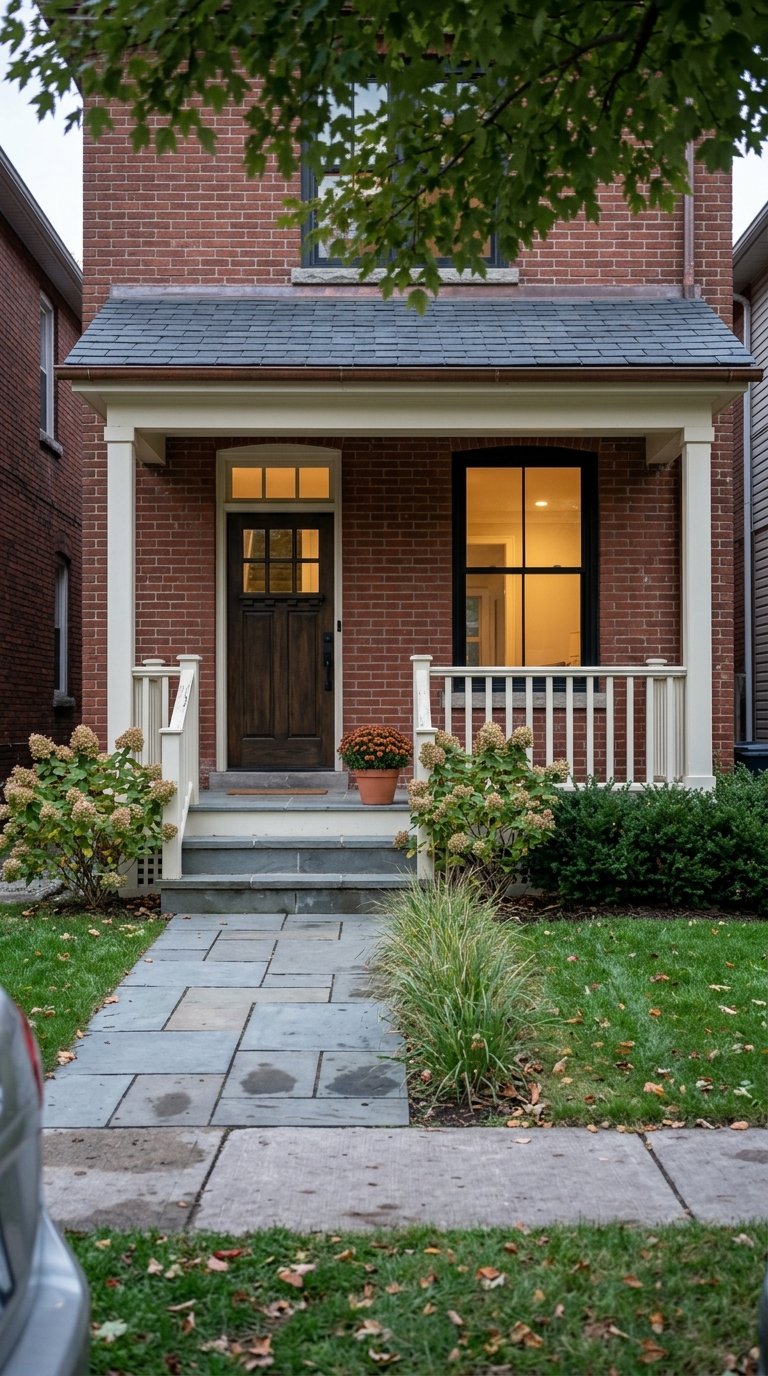
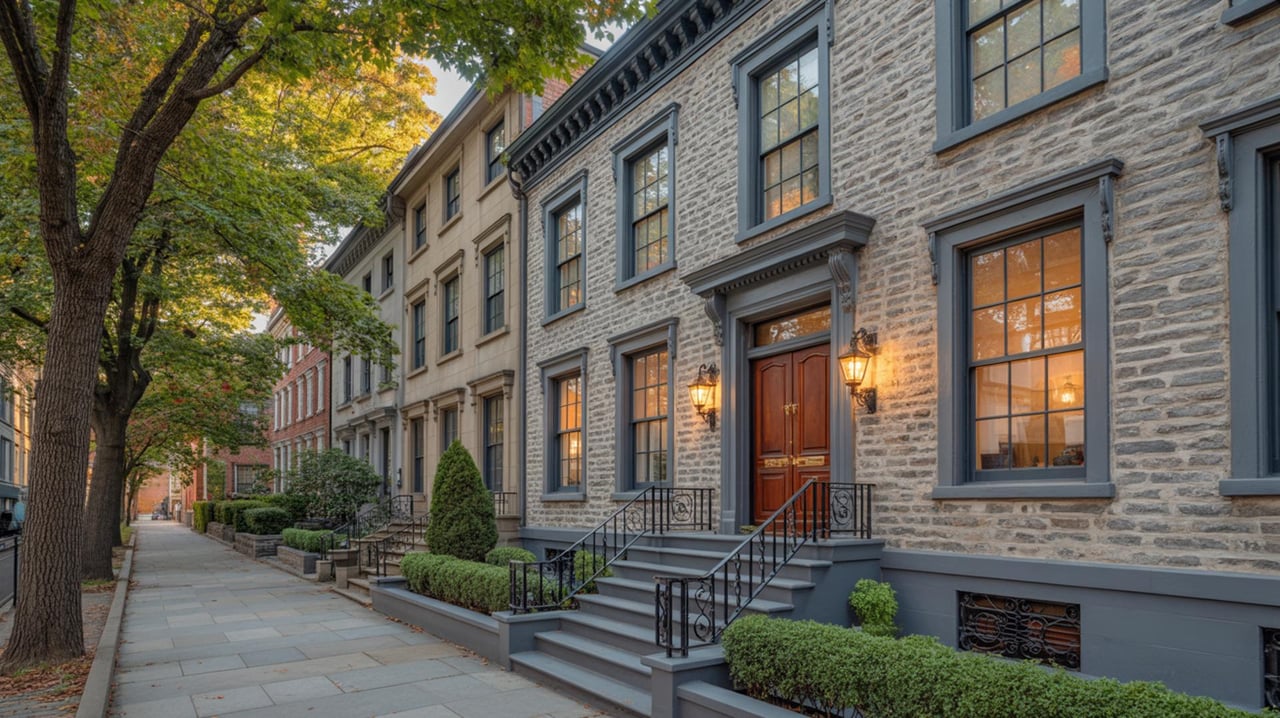
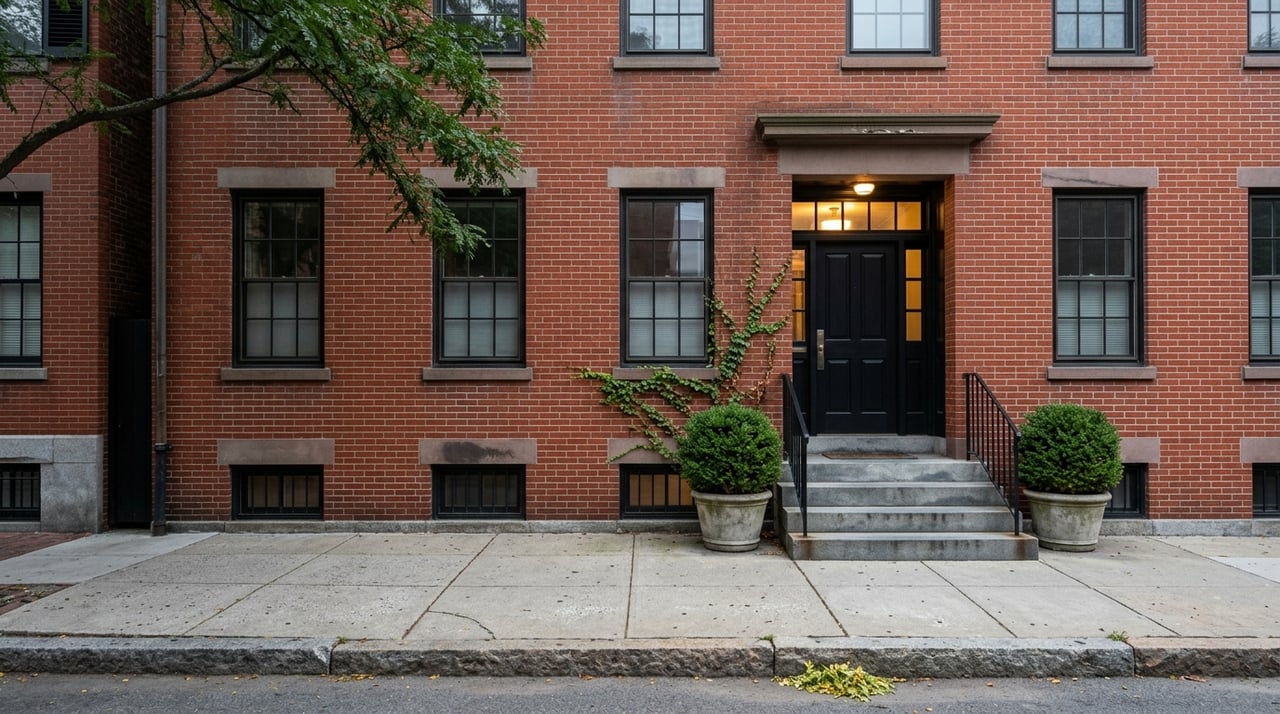
Warren Street functions as the central main street, lined with historic two- and three-story traditional buildings, many with first-floor storefronts. Streets south of Warren are mostly residential, with single-family homes and small apartment buildings. Streets north of Warren include smaller houses and larger apartment buildings, while Front Street combines housing and commercial buildings and includes a large subsidized housing complex.
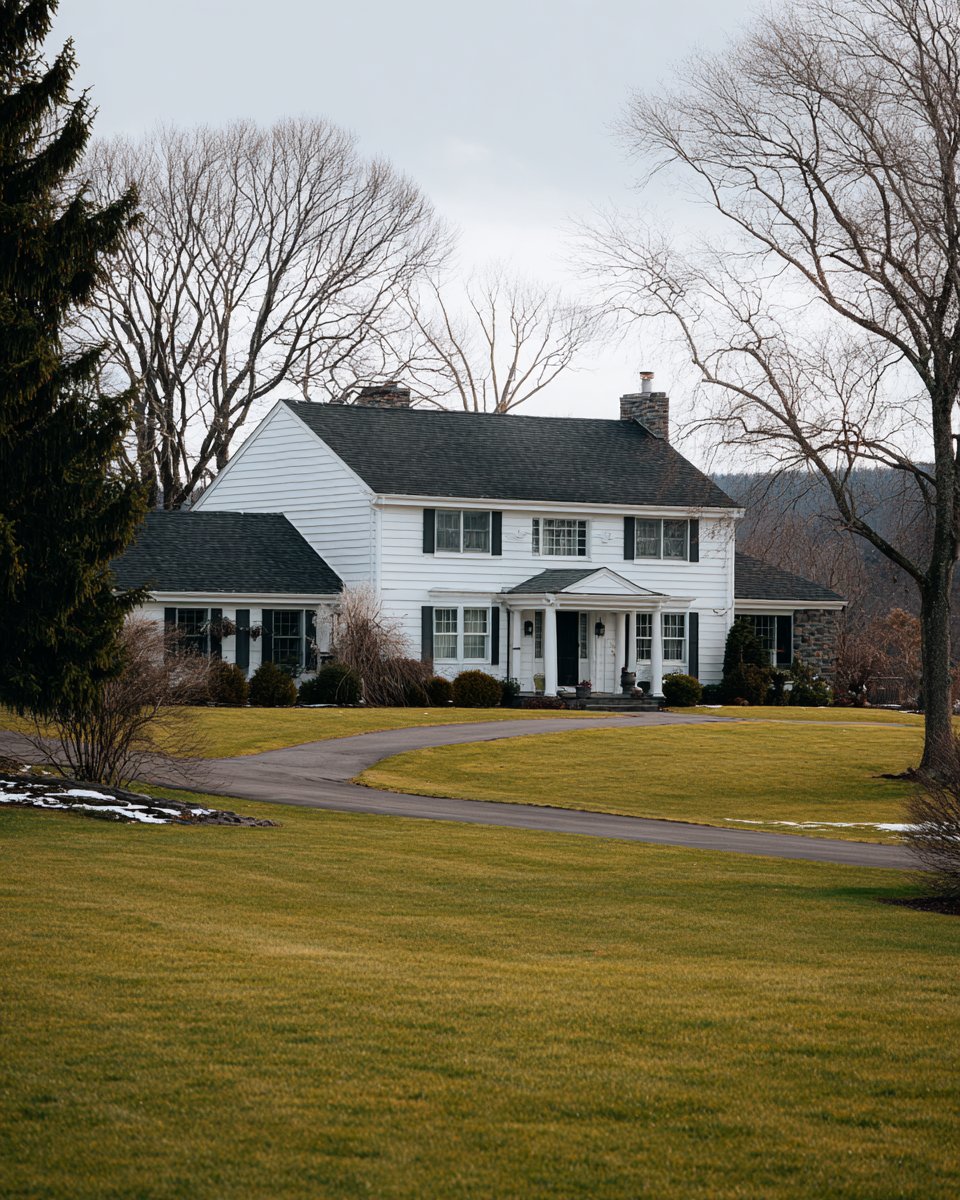
That planning framework helps explain why pricing and buyer behavior can vary so much from one part of Hudson to another. A townhouse or apartment close to Warren Street may compete on convenience, walkability, and proximity to the train or dining scene. A house on the hill may compete more on space, privacy, parking, or views.
In other words, buyers are often choosing between different versions of Hudson living. Some want to be in the middle of it all. Others want a little breathing room while still staying close to the core.
How location shapes value
In a walkable market, convenience can create a premium. That does not mean every home near downtown sells instantly or above asking. It does mean that micro-location matters more than broad citywide averages might suggest.
If you are searching near Warren Street or the station area, you are often paying for access as much as for the physical home itself. Being able to walk to restaurants, shops, arts venues, and the train can raise the appeal of a smaller home or one with less land than you might expect in a more rural Columbia County setting.
By contrast, homes farther from the core may offer more space or flexibility, but they can appeal to a different buyer pool. Those buyers may be less focused on immediate walkability and more interested in privacy, room to spread out, or a more residential setting. That difference helps explain why one Hudson listing can move quickly while another may sit longer, even at similar price points.
What the latest numbers say
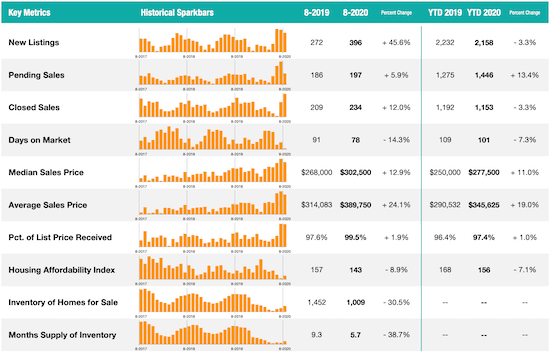
Current data shows a market with some room for negotiation, but not one where buyers can ignore pricing discipline or location. Realtor.com’s April 2026 data for ZIP code 12534 reported 127 homes for sale, up 23.48% year over year, with a median list price of $634,450 and a median sold price of $600,000.
The same dataset showed 92 median days on market and a 97% sale-to-list ratio. In plain terms, that suggests many homes are selling below asking, but not by huge margins. Well-positioned listings still matter, especially in stronger locations.
Redfin’s March 2026 city-level data for Hudson showed only 8 sales, which is a useful reminder that this is a thin market where small sample sizes can swing the headline numbers. Redfin reported a median sale price of $802,500, median days on market of 130, a 96.8% sale-to-list ratio, and 12.5% of homes selling above list.
Zillow’s Hudson home value index was $443,645 as of April 30, 2026, up 4.6% year over year. Rather than reading these numbers as contradictory, it is more useful to see them as evidence that Hudson does not have one simple price story. Different methods, different inventory pools, and low sales volume can all produce different top-line figures.
Why the numbers vary so much
Hudson’s market is small enough that individual properties can have an outsized impact on monthly stats. One standout townhouse, one renovated historic home, or one edge-of-town property can move the median in a way that would be less noticeable in a larger market.
Recent sales examples underline that point. Redfin’s recent-sales list shows 434 Warren St selling 3% below list after 234 days, 29 Ten Broeck Ave selling 8% above list after 35 days, and 196 Harry Howard Ave selling 5% below list after 60 days.
That spread tells you something important: condition, presentation, and exact location still matter a great deal in Hudson. Buyers are not reacting to one generic “Hudson market.” They are reacting to a specific block, a specific property type, and a specific version of the lifestyle they want.
Lifestyle demand helps support the core
Hudson’s appeal is not based on housing alone. Its cultural and civic activity helps support demand, especially in and around the center of town.
NYSERDA describes Basilica Hudson as a year-round multidisciplinary arts center that brings in more than 40,000 visitors each season, supports hundreds of artists and small businesses, and adds programming to the city’s waterfront district. That kind of activity gives central Hudson a stronger sense of destination value than many small markets its size.
For buyers, that can translate into more confidence in the long-term appeal of the area. For sellers, it helps explain why the right home in the right location can still attract meaningful interest even in a market where days on market remain fairly substantial overall.
What buyers should expect
If you are comparing Hudson with more rural parts of Columbia County, the value proposition is different. In Hudson, the draw is often adjacency rather than acreage. You may be choosing compact blocks, train access, restaurants, galleries, and public spaces over larger lots or more separation from neighbors.
That usually means your search should start with priorities, not just price. Ask yourself whether your ideal Hudson experience is walking to dinner on Warren Street, catching a train without a long drive, enjoying views and public parks nearby, or having a little more privacy while staying close to town.
Buyers focused on Warren Street or the station area should be prepared to move more decisively when a well-priced property matches those goals. Buyers looking on the hill or toward the edges of town may find more negotiating room, depending on condition, presentation, and how directly the home connects to the lifestyle they want.
What sellers should keep in mind
For sellers, Hudson’s walkable lifestyle can be a real advantage, but it should be framed carefully and accurately. If your home offers easy access to downtown, the train, parks, or the waterfront, those are tangible benefits that can strengthen buyer interest.
At the same time, buyers in Hudson tend to notice details. Because the market is not uniformly competitive, pricing, presentation, and positioning still do a lot of the work. A home that is close to the action but poorly prepared for market may not realize the full value of its location.
This is especially true in a town made up of micro-markets. The story that works for a Warren Street apartment is not the same story that works for a hilltop house or a quieter residential property. The best strategy is usually the one that matches the home to the specific buyer lifestyle it serves.
If you are thinking about buying or selling in Hudson, a local read on walkability, micro-location, and buyer expectations can make a meaningful difference. Fresh Air Realty approaches Hudson the same way many of its clients do: not just as a market, but as a lifestyle choice shaped by access, character, and how you want to live day to day. When you are ready to talk through your next move, connect with Joseph Satto.
FAQs
How does walkability affect home prices in Hudson, NY?
- Walkability can increase demand for homes near Warren Street, the train station, parks, and other downtown amenities, which may create a premium compared with less central locations.
Is Hudson, NY a competitive market for buyers?
- Current data suggests Hudson is not uniformly highly competitive, with many homes selling below asking, but well-located and well-presented properties can still attract faster action and occasional above-list sales.
What areas of Hudson feel most walkable?
- The BRIDGE District and Warren Street area are the clearest examples of Hudson’s walkable core, according to the city’s DRI materials and walkability ratings.
Why do Hudson home prices seem inconsistent across reports?
- Hudson is a low-volume market, so different data sources and small sample sizes can produce different headline numbers depending on which homes sold and how each platform measures value.
Should buyers choose downtown Hudson or a quieter area?
- That depends on whether you value immediate access to shops, dining, arts, and rail service more than space, privacy, parking, or a more residential setting.